- P
- M
- L
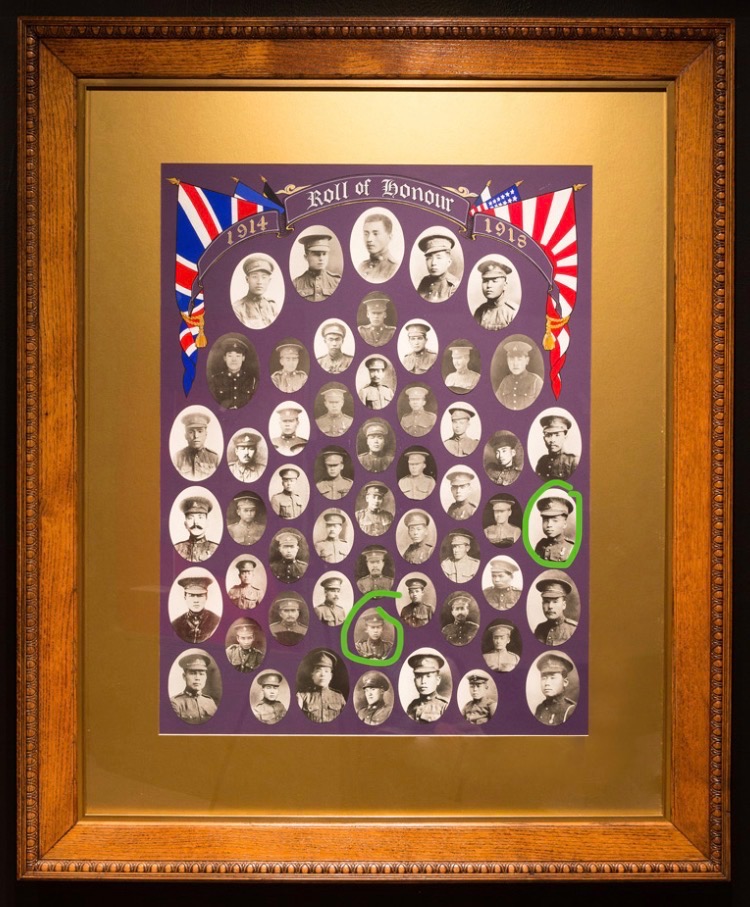
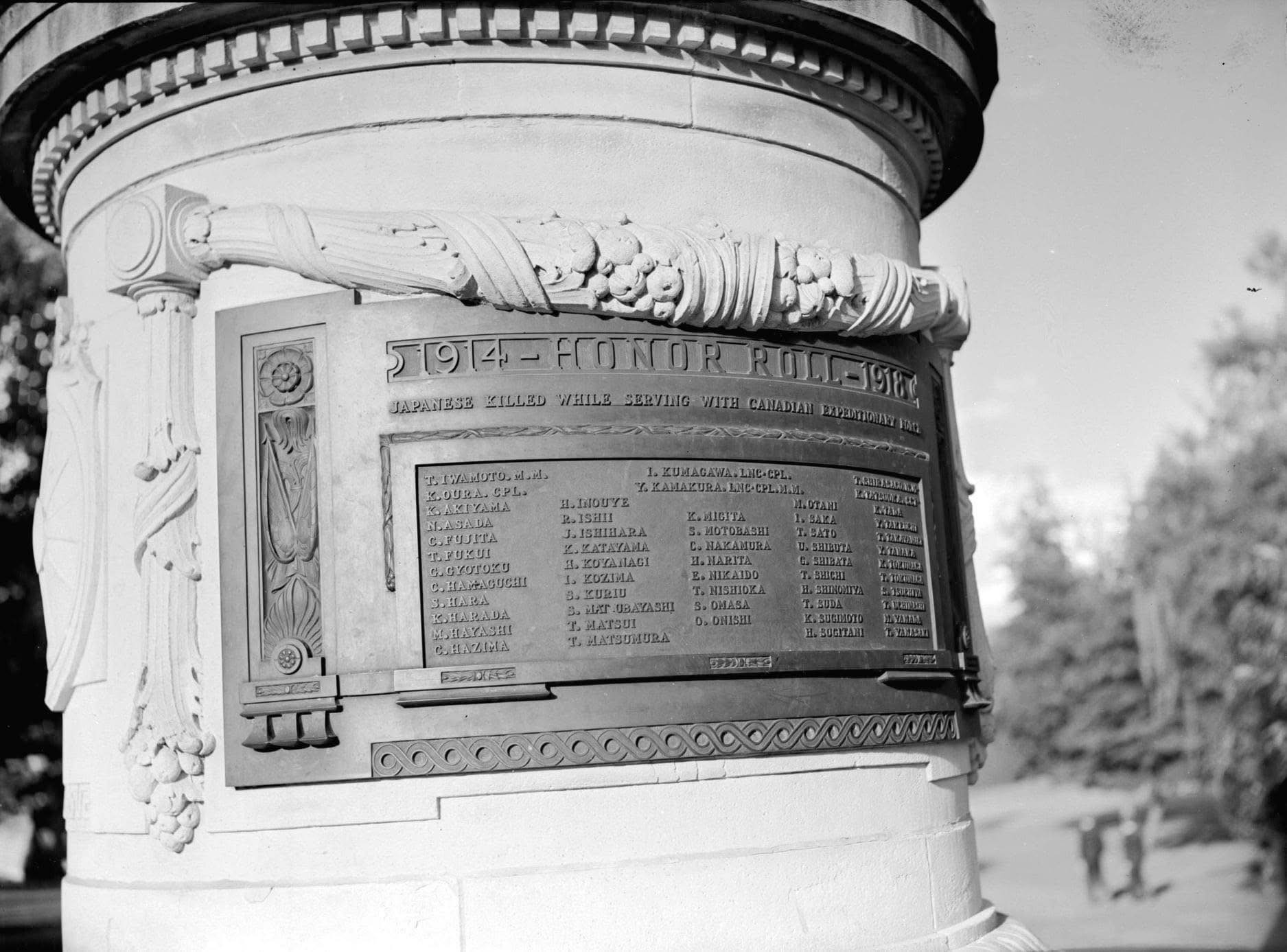
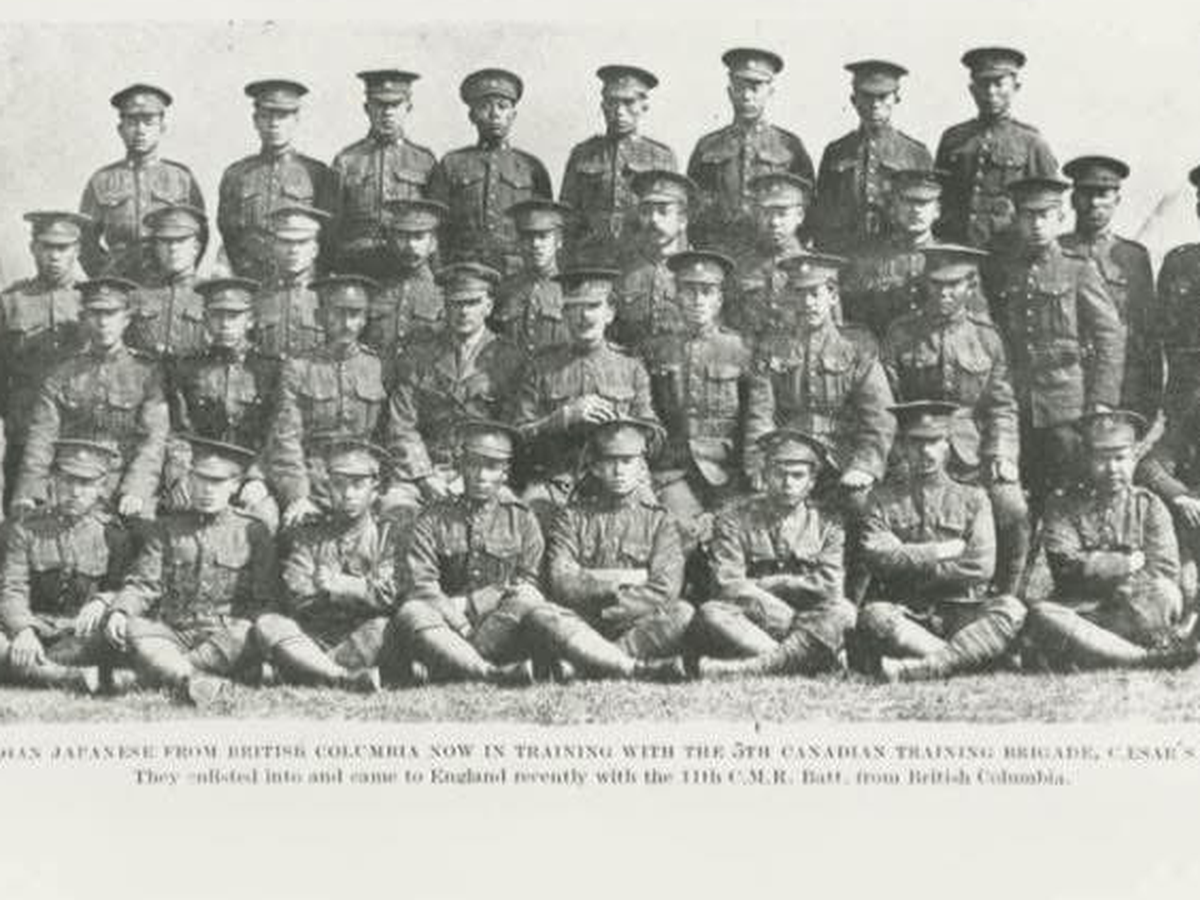
My name is Debbie Jiang and I am a public historian who researches and writes about Japanese Canadian volunteer soldiers from the First World War.
The Somme, Arras, Vimy, Hill 70, Ypres, Passchendaele, Amiens, Drocourt-Quéant, Canal du Nord, Cambrai, Valenciennes —they were all there — fighting not for valour but for equal rights at home. Thirteen received the Military Medal (one with bar) and two received the Cross of St. George. 25% did not return. What were their experiences? How did they feel? What did they think?
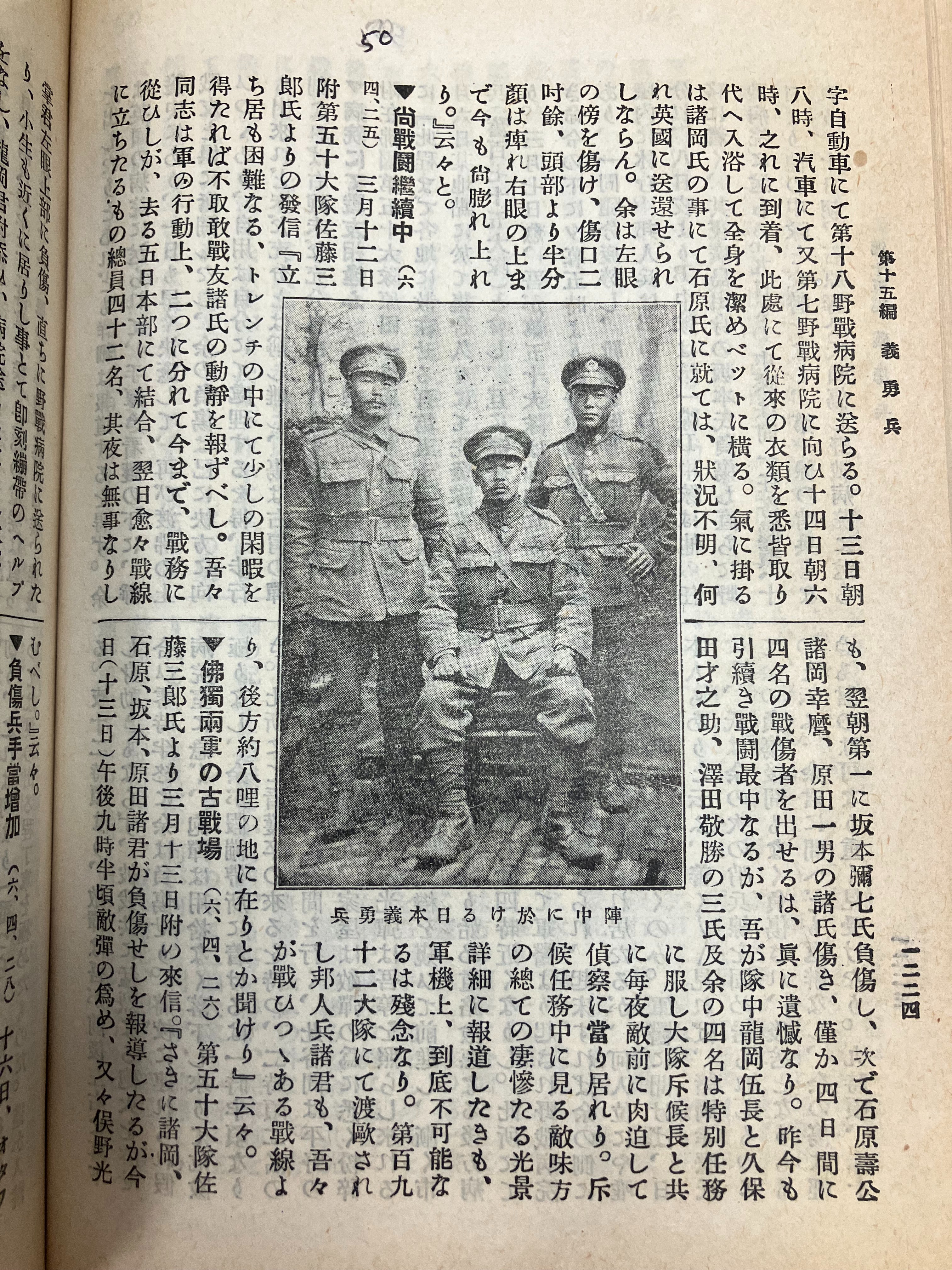
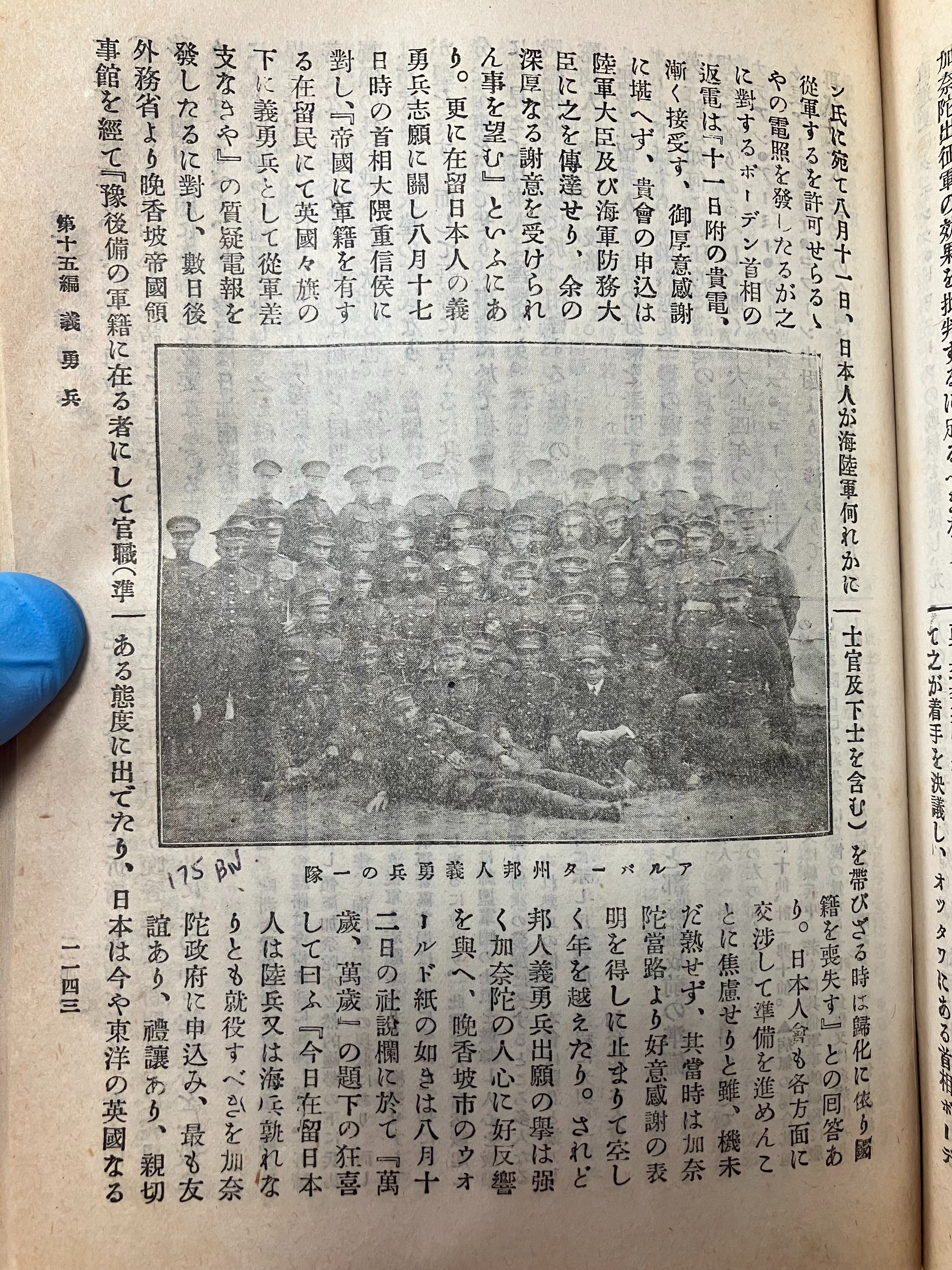
There is a dearth of English primary sources about these forgotten warriors who fought shoulder-to-shoulder with Canadians of European extraction, however. There are, thankfully, some historic Japanese language sources that exist. These sources are key to unlocking their wartime experiences.
With the exception of Roy Ito’s authoritative book, We Went to War, there are only a few articles and scholarly works in the English language about these men. He provides some quotations from the Kanada No Hoko but only in short excerpts.
I am making appeal through this GoFundMe, and also applying for some grants marking the 100th Anniversary of the Royal Canadian Legion in the hopes of covering the costs of the 144-pg translation. Kanada No Hoko, published in 1921, was written in ancient Japanese and needs to first be translated to modern Japanese and then into English. Translation is an art and cannot be trusted to artificial intelligence.
The story of Canada’s Japanese Canadian soldiers of the Great War must be told in order to fully know the complete history of our Canadian Expeditionary Forces. Their letters were uncensored, providing never-seen-before information about battle scenes, trench life, hospitalizations, hand-to-hand combat, loss of friends more.
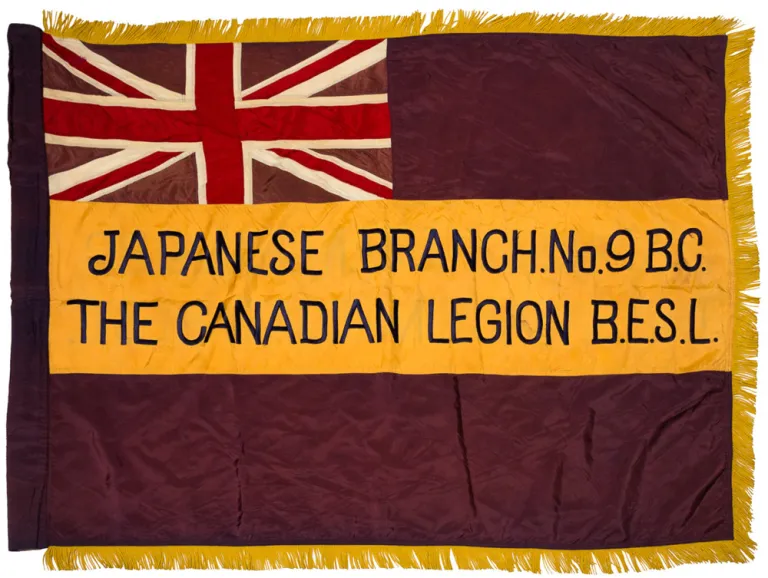
Upon their return, these soldiers’ comrades through the Great War Veterans’ Association fought for their enfranchisement in 1920 but failed. It took the organizing of the Japanese Branch No 9 of the Canadian Legion of the British Empire Service League in January of 1925 to lobby the B.C. Legislature until their successful 1931 campaign when 80 veterans finally were conferred the right to vote.
Tragically, in 1942, the then-President, Sgt Masumi Mitsui, surrendered Legion Branch 9’s Charter to Legion Branch 2 “to prevent any embarrassment to the Legion through their continued membership” . After mass “evacuation” took place, at least 48 veterans were incarcerated at all different internment camp sites. Their execute was in four different locations. While assured that Legion 9 would get it back after the war, they were voted down in 1948 and it was never renewed/reinstated.
Thank you for your support!
Related topics:
Private Sentaro Omoto's Burial
https://www.ctvnews.ca/vancouver/article/i-need-to-make-this-right-japanese-canadian-soldiers-family-on-quest-to-bury-ashes-in-bc/
Missing Names Added to Richmond's Cenotaph
Saving Yasushi Yamazaki's Trophy
Private Otoji Kamachi
https://www.cbc.ca/news/politics/japanese-canadians-denied-right-to-vote-fought-first-world-war-9.6972026
Confiscated Fishing Boat of a First World War Veteran
Vancouver's Veterans Street Banners