- A
- R
Uganda Microcomputer Educational Initiative
0% complete
£2,015 raised of £4K
54 donations
We are on a mission to transform the educational landscape in Uganda. In Uganda, the technological and informational gaps are compounding challenges in education. Many schools lack access to basic digital tools, leaving students and teachers ill-equipped to thrive in a knowledge-driven global economy. The result is an ever-widening divide in educational outcomes and opportunities, particularly for underprivileged communities.
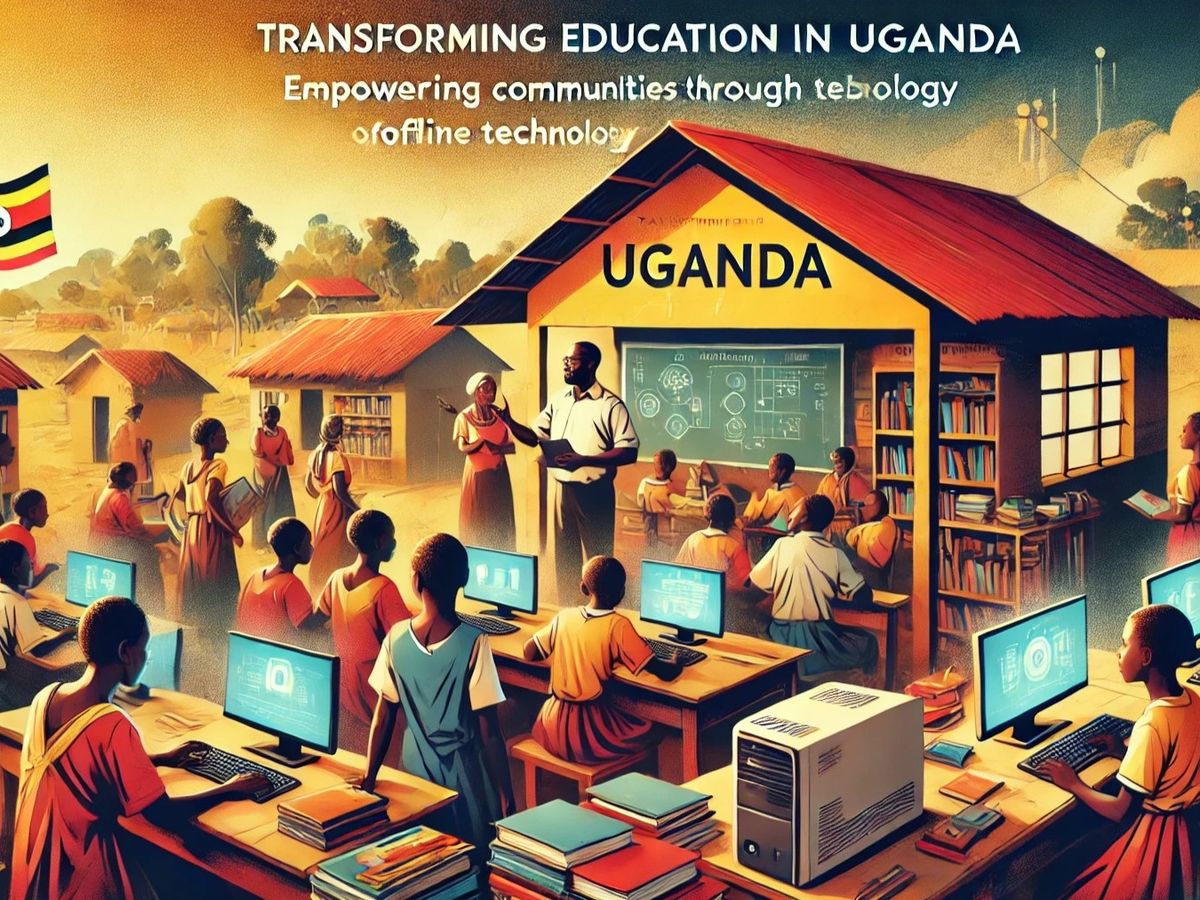
The Uganda Microcomputer Educational Initiative is a strategic intervention aimed at bridging the educational divide in underserved Ugandan communities by leveraging offline microcomputer technology. The initiative seeks to provide access to digital learning resources for students and equip teachers with pedagogical tools and professional development content, ensuring that education becomes more engaging, interactive, and impactful.
Unlike conventional EdTech approaches that focus primarily on hardware provision, this initiative adopts a holistic ecosystem approach, recognising that technology alone is not a solution. Successful implementation requires teacher capacity building, contextualised content, infrastructure support, and community buy-in. The initiative is designed to be sustainable, scalable and adaptable to Uganda’s specific educational and infrastructural landscape.
The ultimate objective is to transform the philosophy of EdTech adoption in Uganda, ensuring that it is not just an external intervention but a locally-driven movement towards a more inclusive and effective education system.
The Vision:
In the summer of 2024, I connected with a developer of microcomputers who shared my passion for creating lasting change. Together, we envisioned a project to equip schools in Uganda with affordable, innovative technology solutions. By providing digital classrooms, microcomputers, and teacher training, we aim to empower students with the tools they need to succeed in the modern world.
Education is the foundation for opportunity. Technology has the power to transform learning, making it more accessible, engaging and relevant. By addressing the technological gap, we can unlock the potential of countless students and give them a chance to shape their futures. This project is not just about providing resources; it is about creating a ripple effect of knowledge, empowerment, and change.
Originally envisioned as a multi-school deployment, the pilot phase has been intentionally recalibrated. Based on consultations with local educators, community leaders and international collaborators, we have decided to focus solely on one school transforming it into a “Champion School” that demonstrates the full potential of digital learning through offline microcomputer technology.
This strategic shift is deliberate. We are committed to building the perfect blueprint one that is scalable, sustainable and deeply aligned with Uganda’s educational realities. Rather than distributing hardware broadly, we are investing time and resources into developing a model of excellence in teacher training, digital content curation and infrastructure design.
What is a microcomputer ?
A microcomputer is a small, low-cost computer designed to perform basic tasks and run essential software. Think of it as a compact device that can store and process information, much like a regular computer, but on a much smaller scale.
For this project, the microcomputers are preloaded with educational resources from the internet and can work without the need for internet access, making them ideal for schools and communities in rural areas. They are easy to set up and use, providing students and teachers with access to lessons, textbooks, and learning materials, even in places with no connectivity.
In short, a microcomputer is a simple and powerful tool that brings technology and knowledge to areas where traditional computers or internet access might not be available.
Key Objectives:
Establish Library Hubs: We plan to create educational hubs in local communities where students can access a wide range of offline educational materials stored on microcomputers. These Library Hubs will serve as safe, supportive spaces for learning and development, helping to foster a love of learning in students who may otherwise have limited access to educational resources.
School Integration: For schools that already have computer infrastructure but lack internet access, we aim to integrate microcomputers loaded with offline content. This will allow students to utilise existing hardware to access crucial educational resources that align with the Ugandan curriculum, enhancing their learning experience without the need for internet connectivity.
Teacher Upskilling: We are partnering with local organisations like Shine4Change to equip teachers with microcomputers preloaded with Continuing Professional Development (CPD) content. This initiative is focused on upskilling educators, particularly in regions like Bukiwe, where professional development opportunities are scarce. By improving teaching quality, we aim to elevate the overall educational standards in these communities.
Digital Classroom Transformation: Our vision includes transforming traditional classrooms into digital learning environments. By integrating microcomputers, laptops, and projectors, we seek to modernise teaching methods, making education more engaging, accessible, and inclusive. This digital approach will empower teachers to deliver high-quality, differentiated instruction that meets the diverse needs of their students.
Why This Matters:
Access to quality education is a fundamental right, yet many students in Uganda are disadvantaged due to the lack of resources, particularly in remote areas. By introducing these microcomputers, we are providing a practical solution that can be implemented immediately to improve educational outcomes. This initiative is not just about technology; it’s about creating lasting change in the way education is delivered and experienced in Uganda.
How the Funds Have Been Used (So Far):
Equipped the pilot school with one microcomputer hub, including:
- Offline microcomputer hub (capable of running without internet)
- 2 Teacher laptops and 2 projectors for the first two champion teachers
- Basic accessories (HDMI cables, keyboards, storage boxes)
- Curriculum-aligned educational content loaded onto the micro hubs.
- Delivered hands-on teacher training, focusing on digital pedagogy and effective use of the microcomputers.
- Hosted a full model lesson, professional dialogue sessions and reflective coaching cycles with Champion Teachers.
- Covered transport, coordination, local staffing and operational costs for implementing the hub in the pilot school.
Every penny spent has gone towards building this single, high-quality implementation ensuring we gather the evidence, feedback and insight needed before scaling further.
What We Are Still Doing
As we continue the pilot phase, our immediate goals are:
- Refine the Digital Hub based on student and teacher feedback.
- Ensure all digital content is fully aligned with Uganda’s National Curriculum.
- Capture and publish a formal pilot impact report, including photos, quotes and baseline-to-post data.
- Build a replicable training framework to support expansion into future schools.
- Formalise the initiative into a registered NGO under ImpactBridge, with a hybrid charitable and trading structure to sustain the work long term.
Why This Matters
The need is urgent. Many Ugandan schools lack internet access, modern learning tools, or professional development opportunities. This project is not just about technology it is about educational equity and community empowerment.
By investing deeply into one school now, we are laying the foundation for hundreds of schools to follow. The goal, as set out in our long-term logframe, is to eventually scale to 500+ schools, create teacher-led EdTech ecosystems and drive system-wide improvements in digital literacy, learning outcomes and long term career destinations.
How You Can Help
We are still raising funds to complete this pilot and launch the next phase. Your support will help us:
- Finish developing and refining the current model of Micro hubs suited for the Ugandan curriculum
- Support more CPD sessions and mentoring visits
- Procure content licences and subject-specific digital resources
- Fund the full monitoring, evaluation and publishing of our impact report
- Begin registration of the NGO and formal systems for expansion
Final Word
This is a bold, deeply thoughtful intervention that has already sparked excitement in our pilot community. But we are only getting started. Every supporter, every donation, every share contributes to rewriting the educational story of Uganda not with quick fixes, but with lasting systems of change.
If you believe in education as a tool for justice and opportunity, join us. This is how we build a future one school at a time.
Organizer