- J
- L
- K
Two Founders. Two Diagnoses. One Platform. Help Us Prove It.
0% complete
$9,531 raised of $12.5K AUD
63 donations
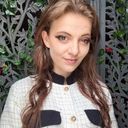
I have a seizure every 12 days. Each time, I wonder if this one will kill me.
And I'm not alone. My co-founder Joseph is living with ALS/MND. Most people have two to five years from their first symptom. He's already over two years in.
We built something to try and understand our conditions. A platform to find patterns in our conditions and turn them into better care and treatment for the millions of people living with neurological disease.
It’s already being used. Patterns are emerging. But we can’t take it further without proving it properly. To do that, we need to run a clinical trial.
Right now, we don’t have the funding to start. We need your help.
-----
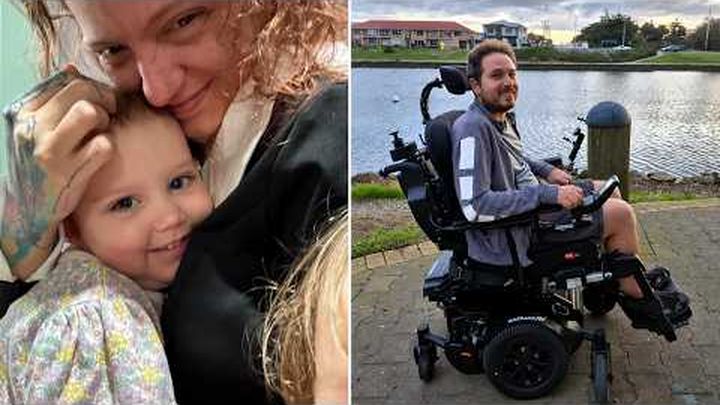
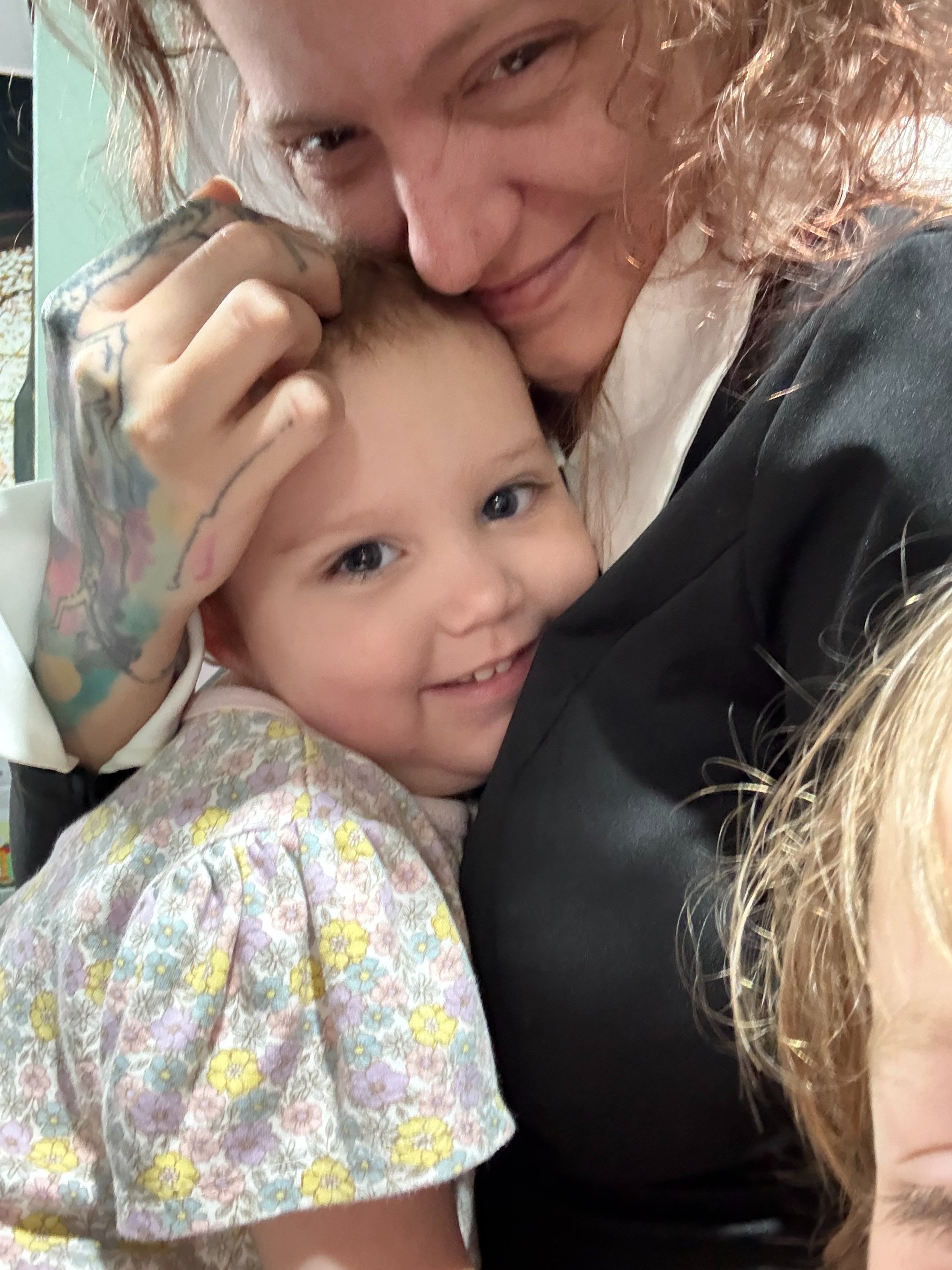
Bec
I have refractory epilepsy. My current pattern is every 12 days. Every single time, the people around me have to watch and wait to find out if I'll come back.
For years, the only answer I got was: "How many seizures? Okay. We'll adjust your meds. See you in a year."
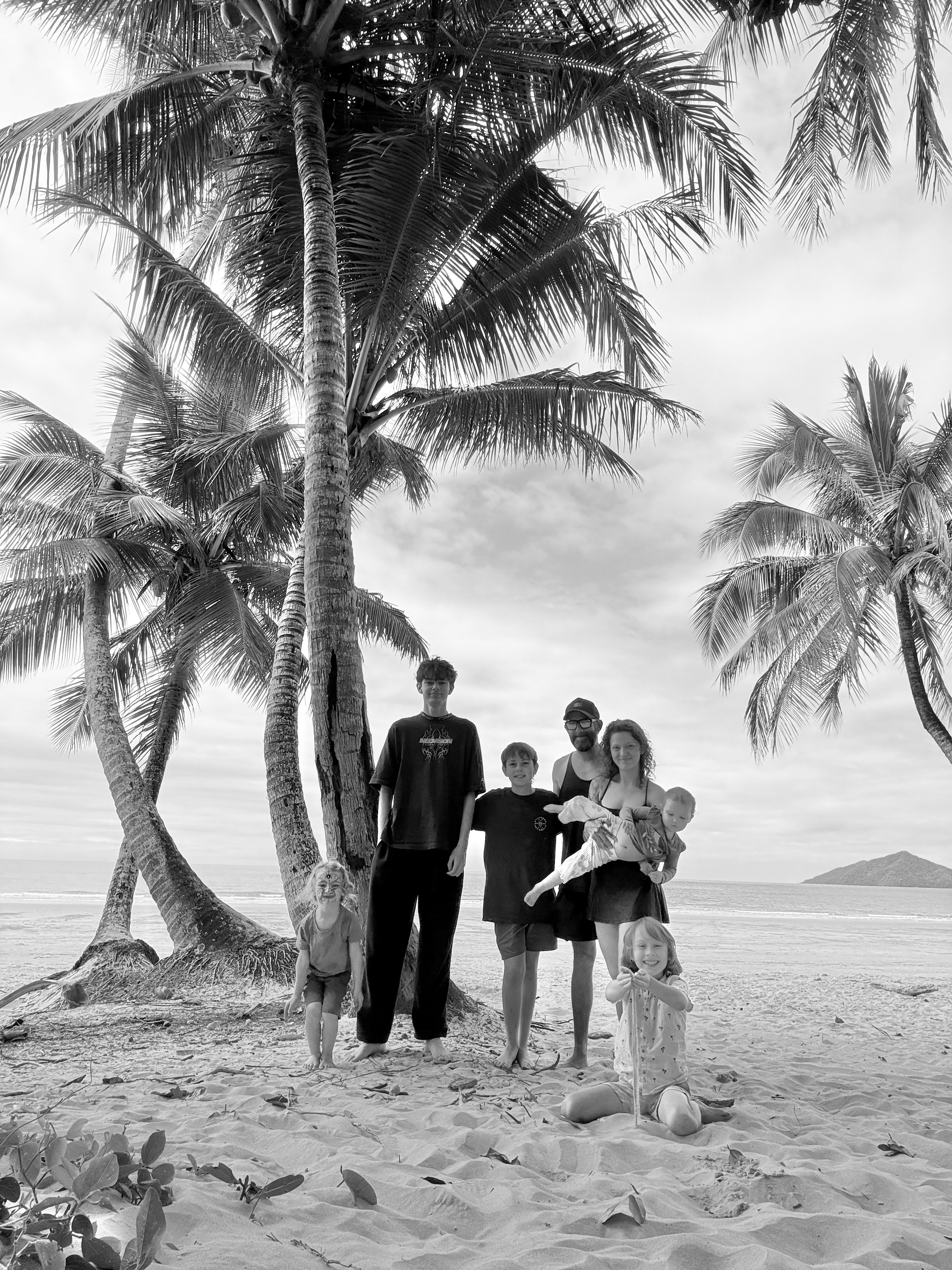
I'm 30. I live in Far North Queensland with my husband and our blended family of five kids. This is our life. Not someday. Now.
The waiting. The anticipating. The medication changes that don't work. My family holding their breath, saying "maybe this time" - while I already know the odds.
That was never good enough. So I went looking for answers myself.
I set up a security camera and filmed my own seizures. I tracked everything - sleep, cycle, mood, weather, even the moon phase. I built charts. And slowly, patterns started emerging that no one had ever shown me.
What I found stopped me cold.
Out of roughly 40 seizures, not a single one occurred on a New Moon.
For a while, my seizures came monthly. Like many women with epilepsy, I assumed catamenial epilepsy - a type driven by menstrual hormones. But then the cycle shifted to every ~12 days.
That doesn't fit catamenial patterns. It fits something called multidien rhythms - an under-researched but already validated seizure pattern that most neurologists aren't even looking for yet.
And that was just the start.
My own data revealed correlations that a standard yearly neurology review would never catch. Patterns that were there the whole time. No one was tracking them in a way that made them visible.
That's when it clicked: if I could find this in my own data, what else are we all missing?
That question is what led me to build Curalysis.
And now it's not just about me.
This past month, our three-year-old had what we believe was her first focal seizure.
We had hoped she would never have to go through this.
That changes everything.
-----
Joseph
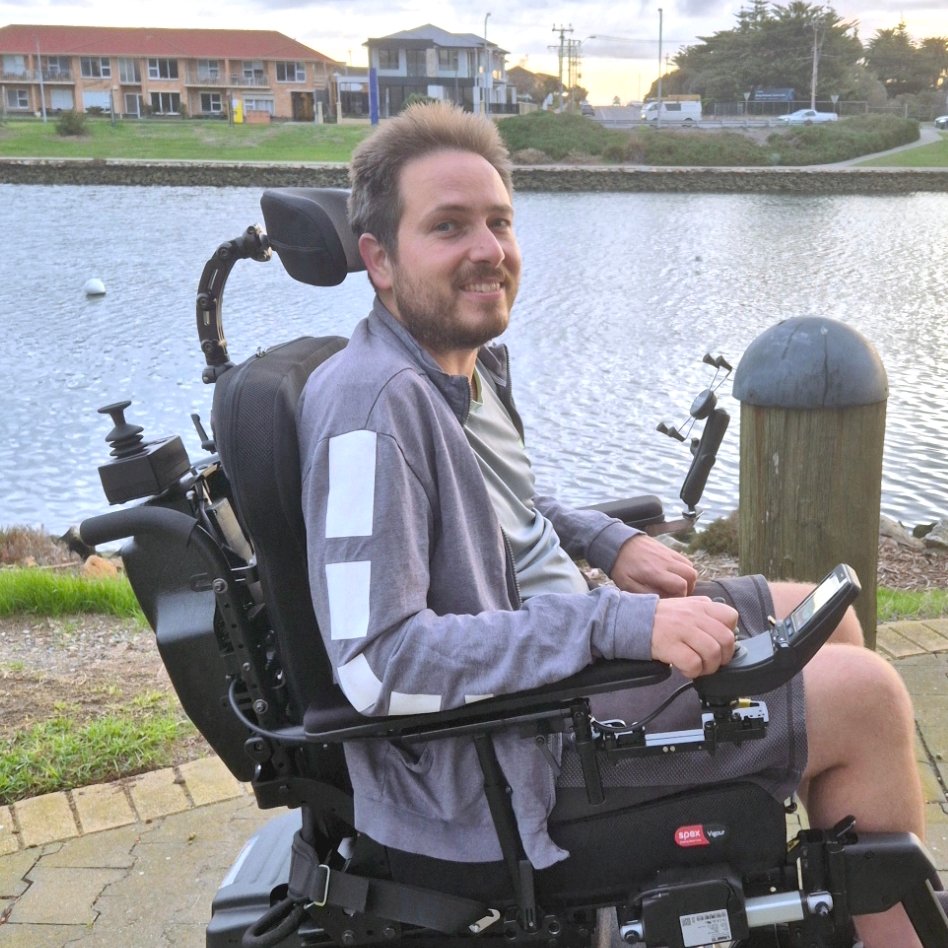
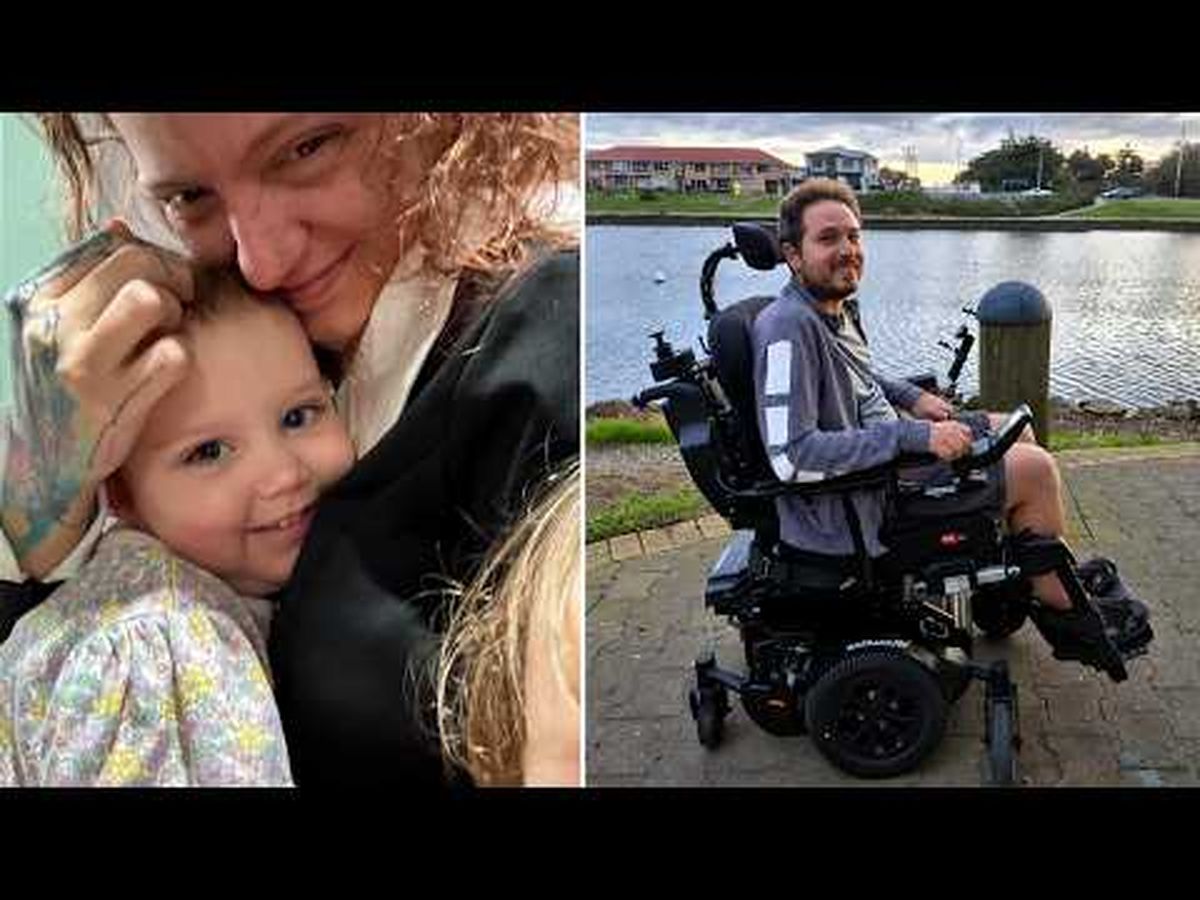
I was diagnosed with ALS/MND at 40. It is a condition that takes away your ability to use your muscles. Walking, using your hands, speaking, and eventually breathing. There are no effective treatments.
For me, every movement feels like the last rep at the gym, when your muscles are already spent and you are forcing them to respond.
I use a walker inside. A wheelchair outside. My hands have a visible dip in the palm, like something has been taken out of them, where the muscle used to be. I cannot get off the floor without help.
Day to day, it is complex to manage, both for the person living with it and the people around them. At home in Adelaide with my wife and our two cats, we make it work. But life is not what it used to be.
There are gaps in how care is delivered.
Information is often provided like a library. Everything is there, but often it is up to the patient or caregiver to work out what is relevant, when to use it, and how to apply it.
When I started working with Bec, it became clear we were trying to solve the same problem from different angles.
We wanted to build something that could support people day to day. Because if you can make life easier, it becomes easier to capture what is actually happening.
And when that is captured consistently, you start to build a clearer picture of individual journeys.
Better understanding creates better opportunities for care, and over time, new treatments.
Maybe not in time for me. But for the people who come after.
-----
What we built
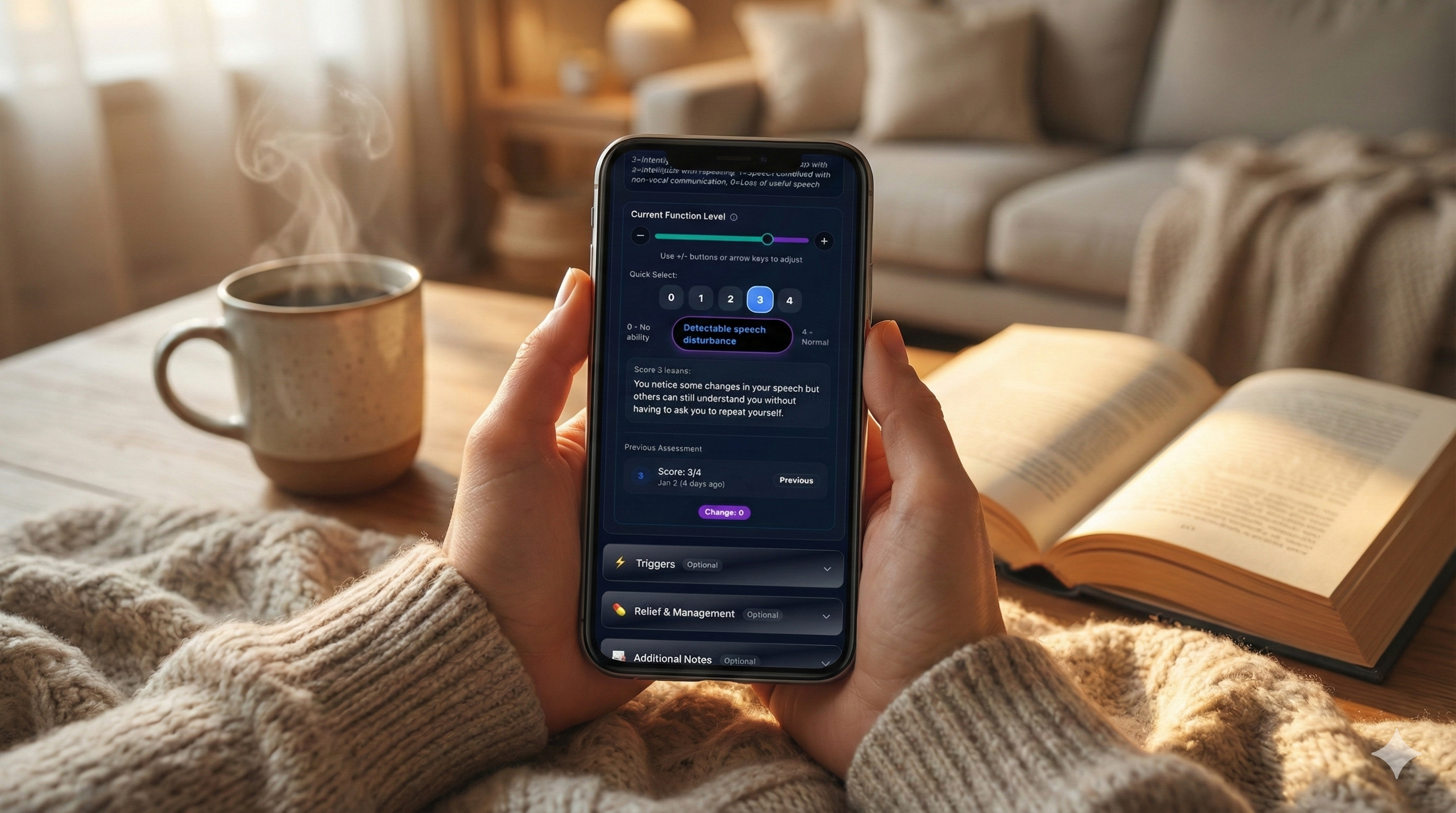
Curalysis is a platform for people living with complex neurological conditions to track what is happening to them over time.
Symptoms. Triggers. Interventions. Quality of life.
All in one place, longitudinally.
This kind of data makes patterns and correlations visible that would otherwise be missed.
It also allows information, tools, and care to be surfaced in a more considered way, rather than leaving patients and caregivers to navigate everything themselves.
We are not a medical device yet. We are building the evidence to become one.
This is not a concept. Right now, over 100 people are already using Curalysis to track their conditions. 68% have opted in to contribute their data to research.
That is a strong signal that people want a better way to understand what is happening to them and to share it to improve care and treatment outcomes.
We were selected for MedTech Actuator, Australia’s leading medical technology accelerator. We are working directly with clinicians, associations, and researchers.
We have the platform. We have the early data. We have the direction.
What we do not have yet is the funding we need to prove it properly.
What This Money Does
To start the clinical trial, we need ethics approval, regulatory submission, and insurance. This is the step that turns what we have built into something that can be used in real care and research.
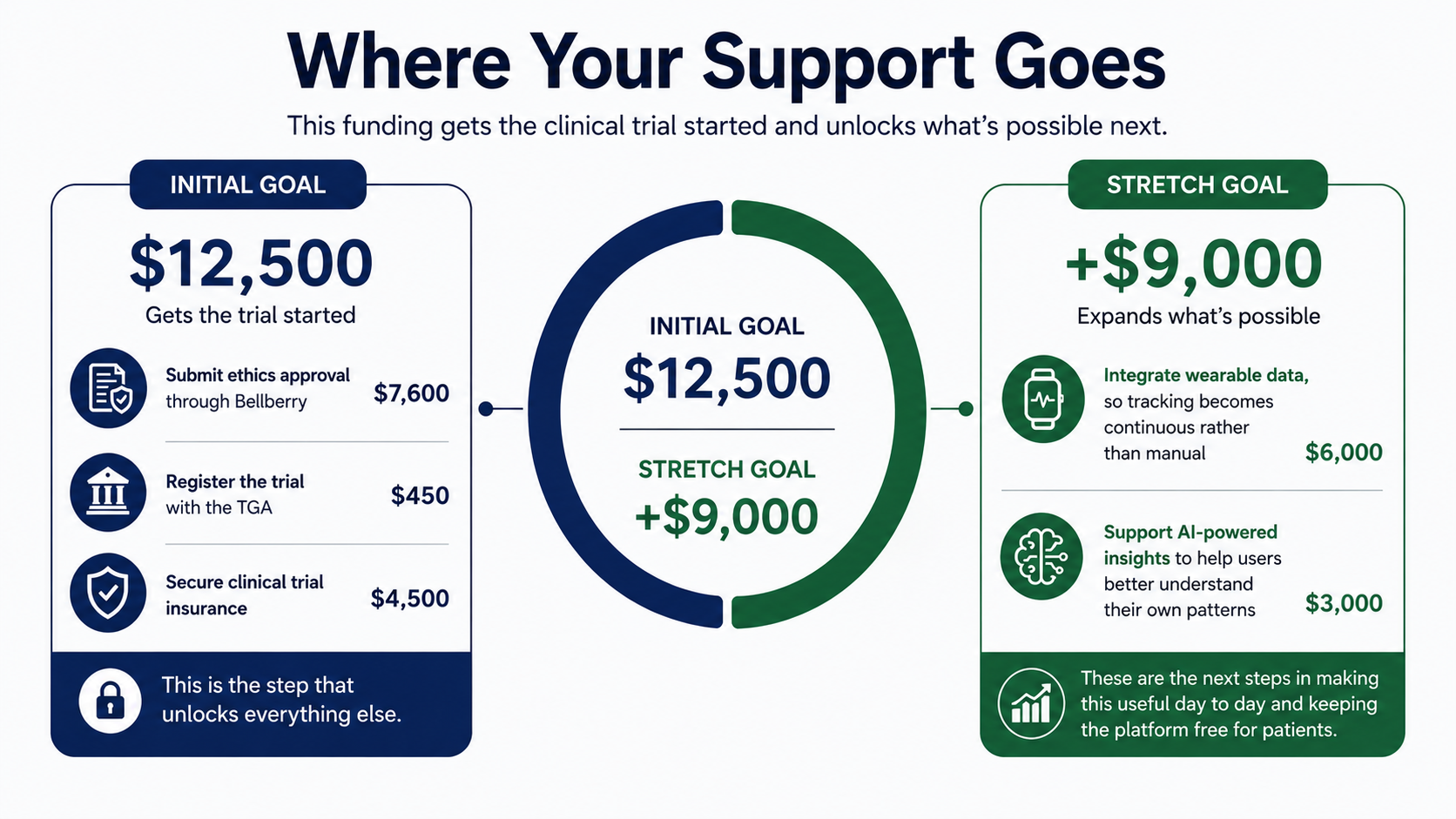
Our initial goal is $12,500. This is what gets the trial started.
This funding allows us to:
- Submit ethics approval through Bellberry [$7600]
- Register the trial with the Therapeutic Goods Administration [$450]
- Secure the required clinical trial insurance [$4500]
This is the step that unlocks everything else.
No salaries. No office rent. No marketing spend.
Every dollar goes toward doing this properly, legally, and ethically.
Stretch Goal
If we go beyond the initial goal, we can expand what this platform can do for the people using it. Additional funding will allow us to:
- Integrate wearable data, so tracking becomes continuous rather than manual [$6000]
- Support AI-powered insights to help users better understand their own patterns [$3000]
These are the next steps in making this useful day to day. This also helps us keep the platform free for patients.
Every dollar above the initial goal goes directly into improving what people can see, track, and understand about their own health.
What Happens Next
If we reach the initial goal:
- Ethics approval is submitted within 48 hours
- Participant recruitment begins immediately
- A 12 month study launches on the Curalysis platform
- Findings are published and made publicly available
- Evidence is established for regulatory submission
This is the first step. Everything else builds from here.
-----
Who This Is For
1 in 26 people will develop epilepsy in their lifetime.
At any given time, hundreds of thousands of people worldwide are living with ALS/MND.
For both conditions, there is no cure. And no reliable way to understand what comes next.
This is about helping people live better lives today, while accelerating the path to effective treatments and cures.
Over time, this approach can extend to other neurological conditions, where millions of people face the same lack of visibility and support.
-----
Steve
I have pulled Bec off the floor more times than I can count. I have called the ambulance at 3am. I have watched her bite through her tongue and cheek countless times and waited to see if she would remember who I was when she came around.
I am not a doctor. I am not a researcher. I am her husband. Her carer.
And I do this because she is the most determined person I have ever met.
She built something that could change how people understand neurological conditions.
We just need the chance to prove it.
— Steve Horne
Every Dollar Counts
Every dollar moves us closer to the step that unlocks everything else.
If you cannot donate, please share this.
Someone in your network needs to see it.
LinkedIn. WhatsApp. Friends in healthcare.
This is how grassroots research gets funded