Training for Crawley: A Chance at Rehabilitation and Life
0% complete
$2,530 raised of $5K
20 donations

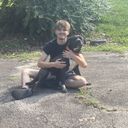
Meet Crowley.
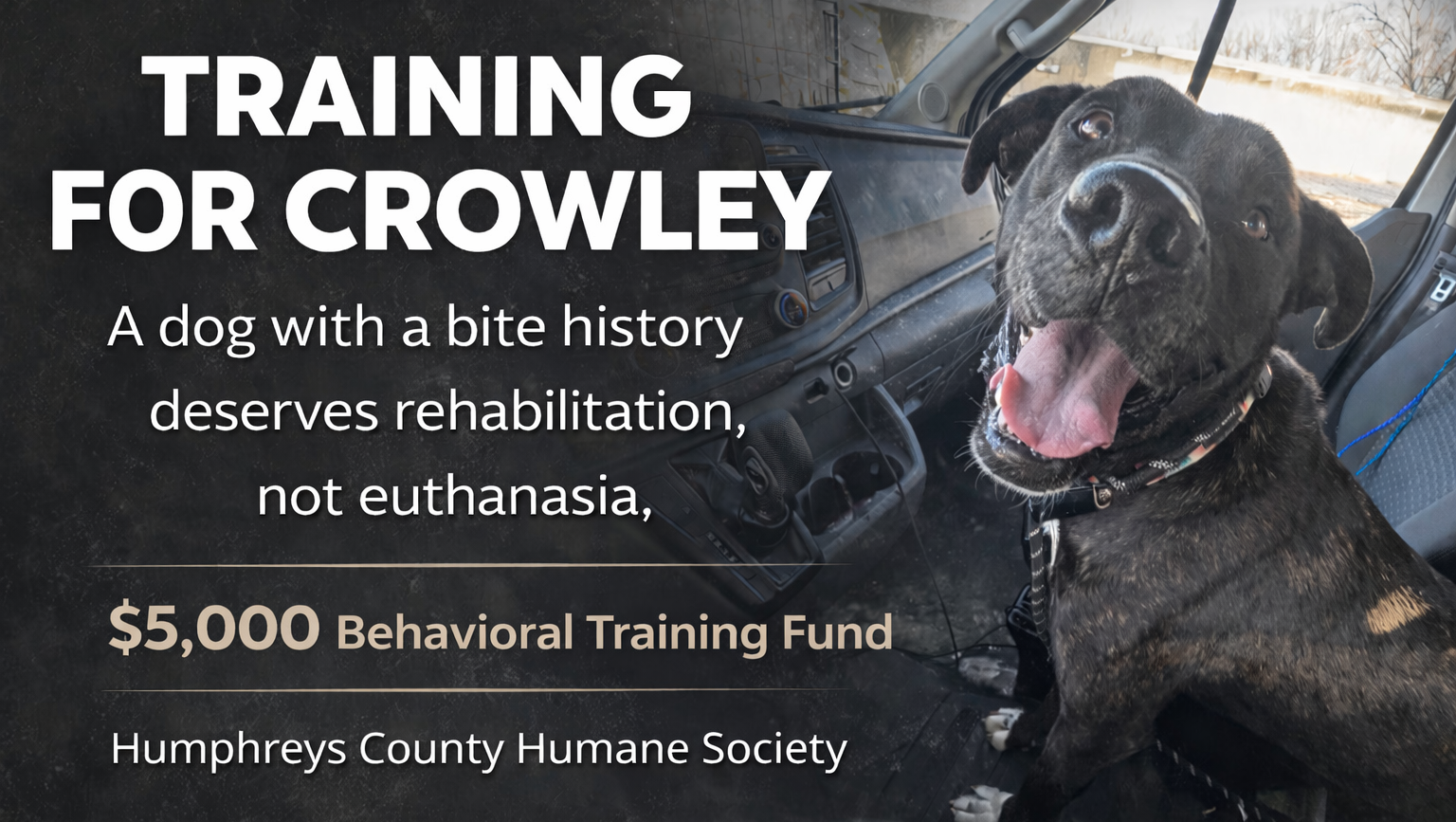
He’s an anxious, misunderstood dog who needs professional training to live.
Crowley has a bite history rooted in anxiety and stress, not aggression. He has never caused serious injury or broken skin, and he has never bitten a Humane Society volunteer. In calmer environments with time and structure, he shows clear signs of being affectionate, responsive, and trainable.
Due to his history, the shelter cannot legally continue to house him, which puts him at risk of euthanasia. Professional behavioral training is his only safe and humane option.
We are raising $5,000 to cover Crowley’s training and care so he can have a future.
Crowley’s full, detailed story is shared below!
Full Story
Crowley is a Pit Bull Mix currently under the care of the Humphreys County Humane Society who has a history of significant behavioral challenges. He is highly dog-reactive and has bitten in the past, including an incident involving a staff member while under extreme stress in the shelter environment.
It is important to clearly explain the nature of these incidents. Crowley’s bites have not been vicious and have never resulted in serious injury or broken skin. His behavior has been consistent with anxiety-driven, mouthy reactions, often occurring around food or during moments of heightened stress. These behaviors are not safe and must be addressed, but they are rooted in anxiety rather than intent to cause harm.
Due to this documented bite history and the level of risk associated with his anxiety and reactivity, the shelter cannot legally continue to house Crowley under current policies. This places him at serious risk of euthanasia, despite clear indications that his behavior is heavily influenced by environment, stress, and lack of appropriate behavioral intervention.
Crowley exhibits intense reactivity toward other dogs. When triggered, he displays high-arousal behavior, including elevated posture, raised tail, persistent vocalization, and attempts to engage or antagonize other dogs. This behavior presents a serious handling challenge, particularly within the close quarters of a shelter.
What makes Crowley’s case especially important is the difference consistently observed when he is handled with time, structure, and reduced environmental pressure.
Until recently, Crowley had never been outside the shelter environment except for on-leash walks. Volunteers have observed that he responds more positively during these walks largely because they are able to spend extended, focused time walking him, something that is often difficult for city shelter staff due to staffing demands and time constraints.
Volunteers and experienced handlers describe Crowley as affectionate and people-oriented once he feels safe. When interacting with trusted handlers, he has shown playful behaviors such as zoomies, seeking physical closeness, licking faces, and offering affection. Those who know him best believe that some of Crowley’s anxiety is amplified by how people initially react to his size and appearance, and that he often feeds off the tension of those around him.
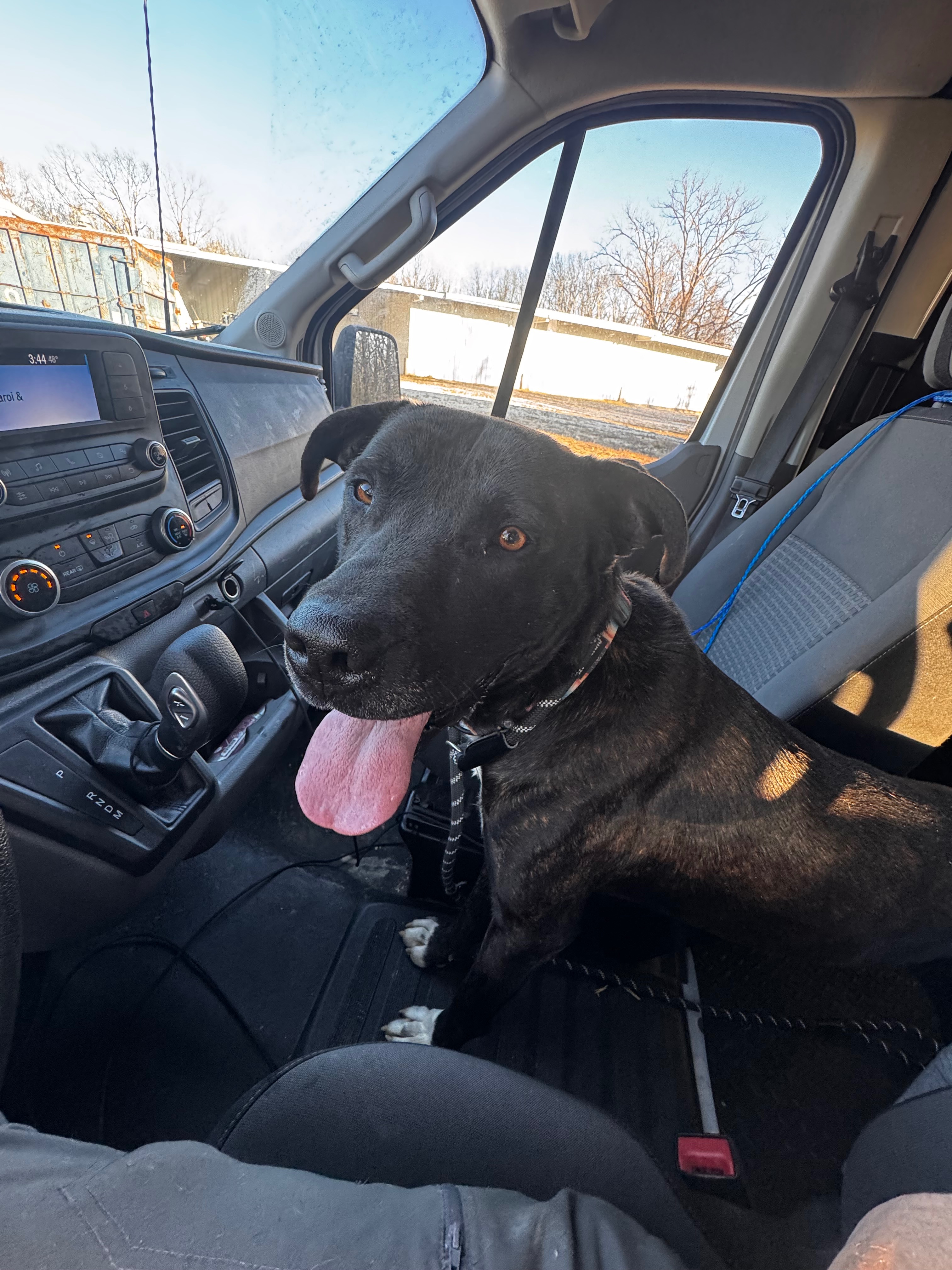
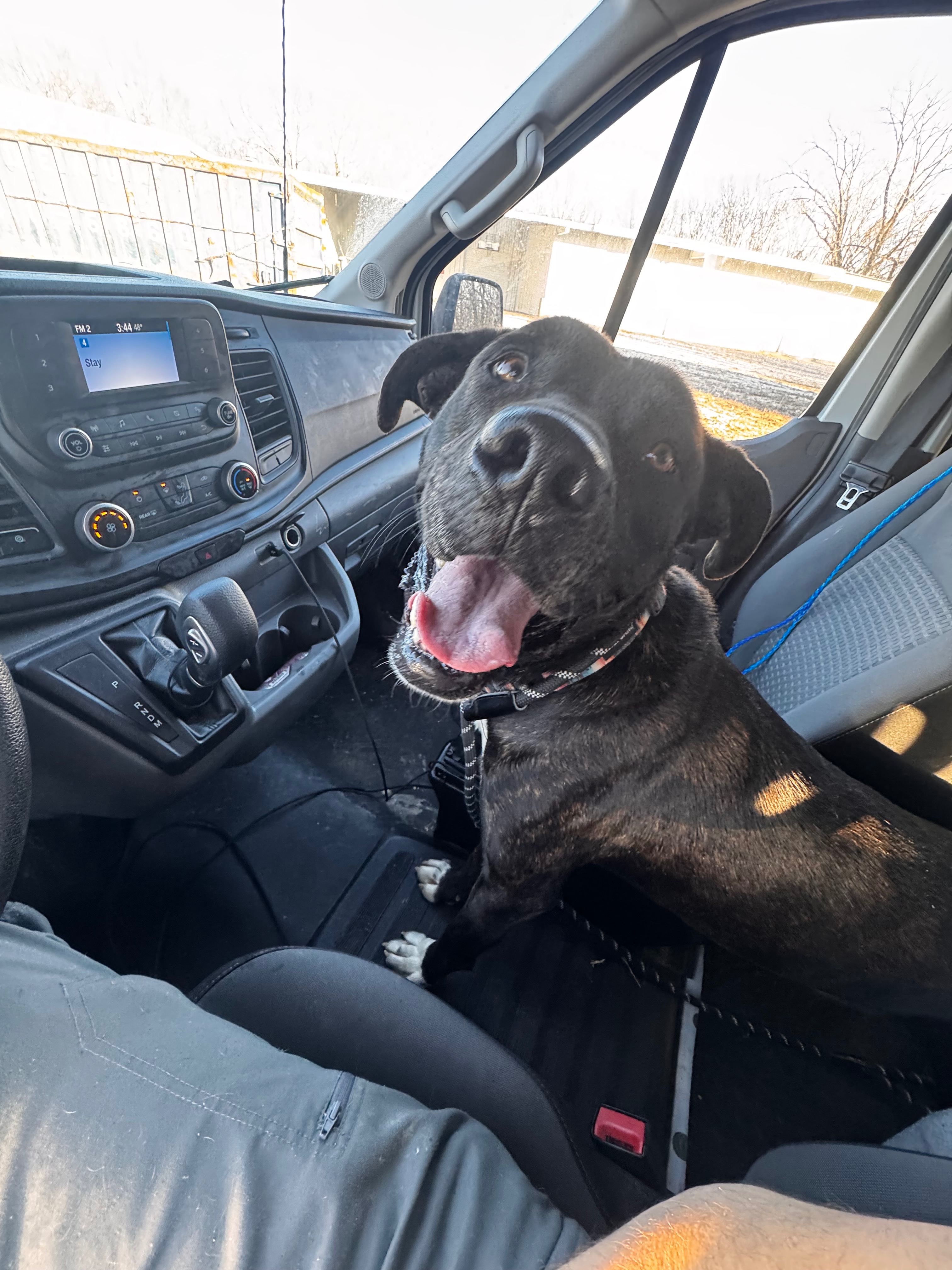
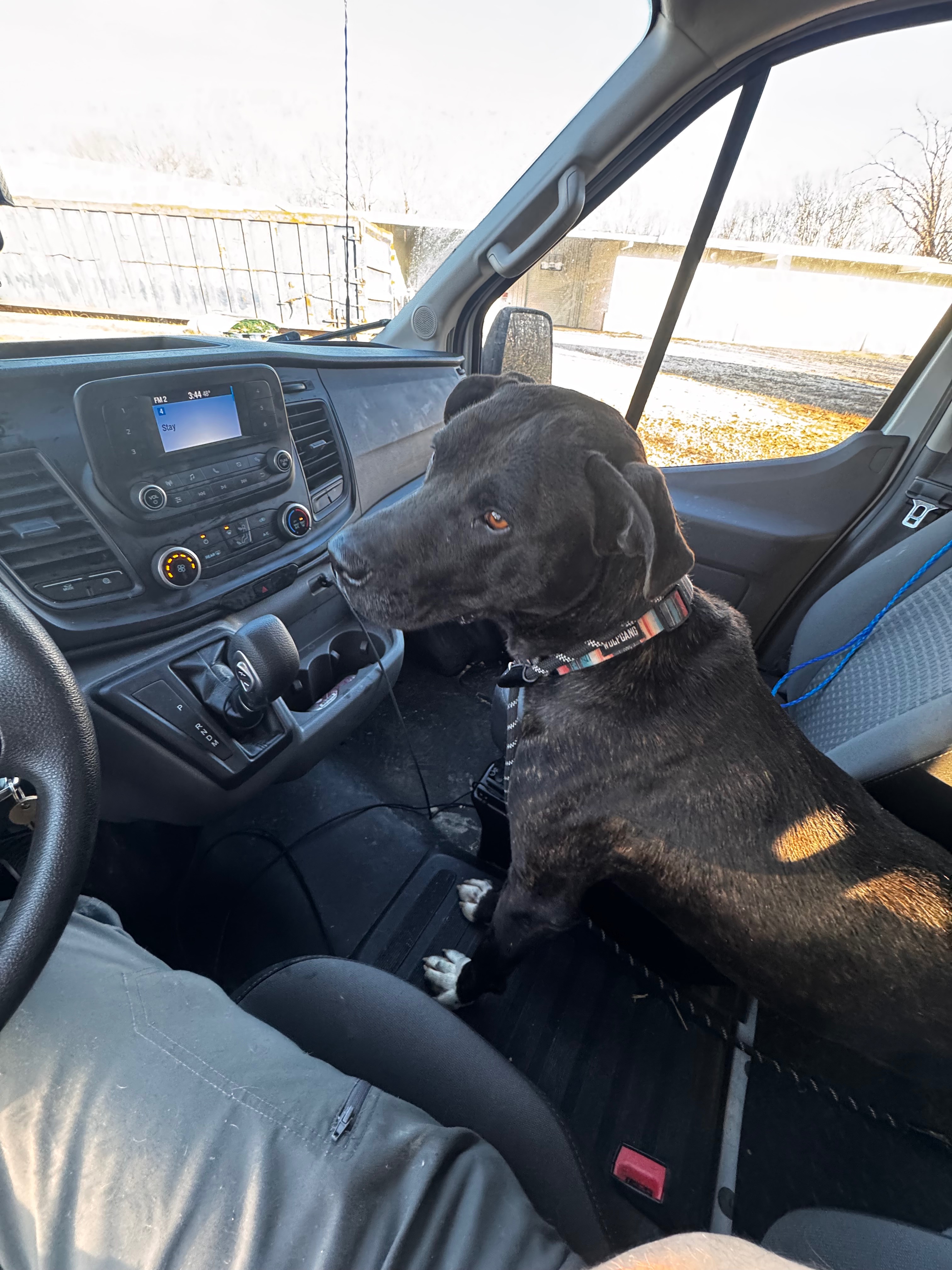
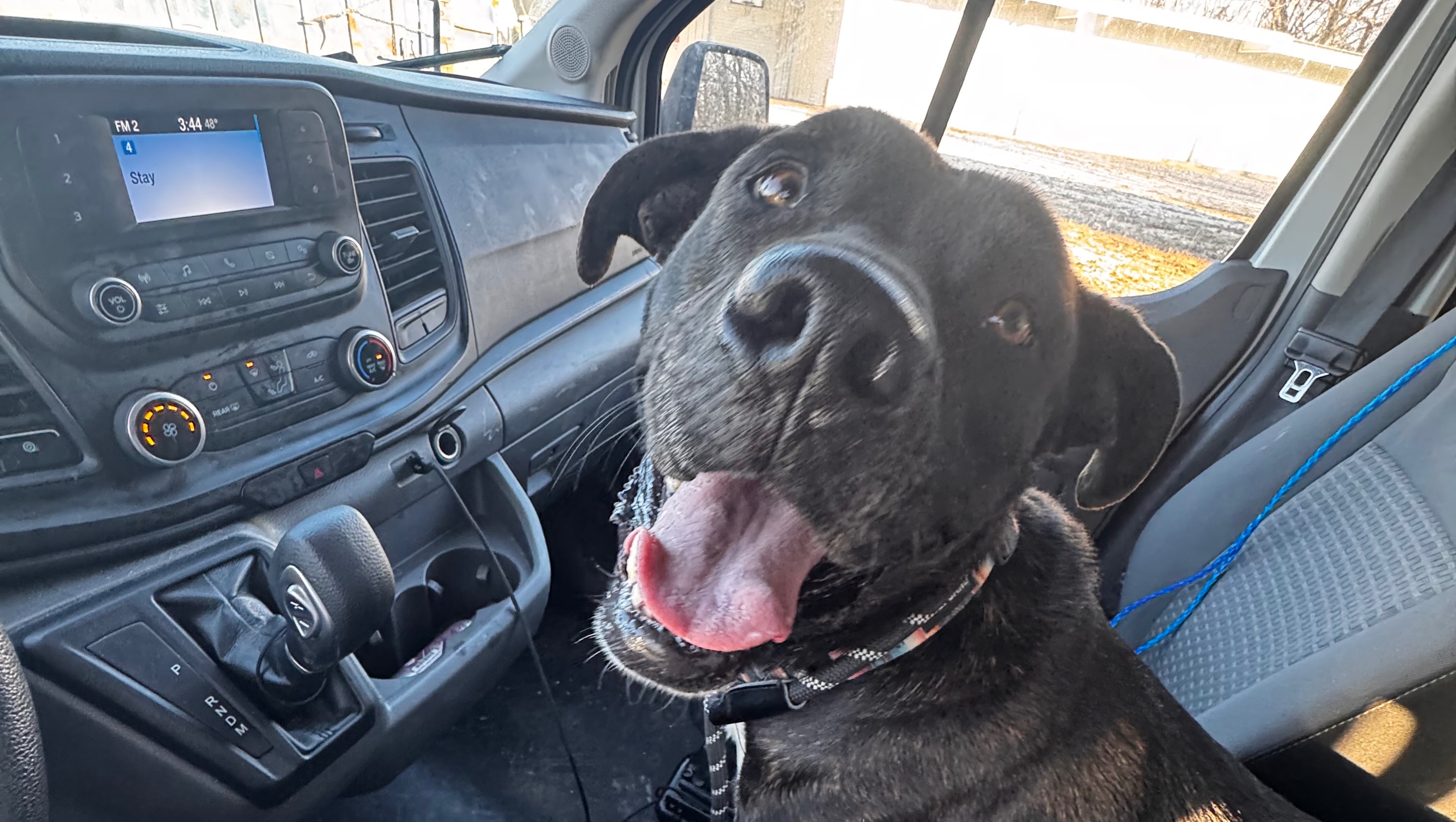
On the day Crowley was transported to the trainer, he was too large for a kennel and rode secured in a van with a volunteer. Given his documented history, concerns were understandable. During transport, Crowley remained calm, showed no aggressive behavior, relaxed as the drive continued, appeared soothed by the music playing, and sought appropriate affection once he felt comfortable.
The professional trainer conducted an initial behavioral assessment at the shelter, where Crowley’s stress responses and reactivity were clearly evident. Due to the shelter environment, progress at that stage was limited; however, the trainer determined that Crowley was an appropriate candidate for intensive behavioral rehabilitation.
Once at the trainer’s home for continued evaluation, Crowley demonstrated clearer signs of trainability. He is highly food motivated, and after calm walking and reward-based engagement, his body language shifted quickly. When exiting the van, his tail was tucked, indicating stress. Within minutes, his posture relaxed and his tail moved to a neutral position. He remained engaged, accepted direction, and showed improved focus with the trainer.
Crowley has never bitten a Humane Society volunteer. While this does not eliminate risk, it highlights the impact that consistent handling, patience, and appropriate management can have on his behavior.
Crowley was also evaluated in a potential adoption scenario. An interested adopter introduced him to their dog on a structured walk in neutral territory away from the shelter. During the introduction, Crowley remained receptive and did not display aggression toward the other dog. Ultimately, the adoption did not move forward because the other dog reacted negatively toward Crowley, not because of aggression from him.
Crowley is a dog with a bite history and pronounced anxiety-based reactivity.
He is also a dog who has demonstrated the ability to learn, regulate, and respond when given the right tools and environment.
Dogs are not born aggressive, mean, or broken. Fear-based and reactive behaviors are learned responses to instability, anxiety, neglect, and lack of guidance. With professional intervention, time, and consistency, those behaviors can be addressed and improved.
The next step for Crowley is continued, intensive professional behavioral rehabilitation. The trainer’s fee is $4,200, with food provided during training. Our $5,000 goal allows us to safely cover training and related care. Once training begins, Crowley cannot return to the shelter, as doing so would undo progress and reintroduce high-risk stressors.
Funds raised will be used for:
• Professional behavioral training focused on anxiety and reactivity
• Secure housing during the training period
• Long-term handling and management planning
Crowley’s case reflects a broader challenge faced by rural shelters. Limited staffing and high intake volumes often restrict the amount of individualized behavioral work that can be done. Some dogs require a level of intervention beyond what shelters alone can provide.
Crowley’s progress will also help support the creation of a Forever Fund, designed to ensure that dogs with severe behavioral needs have access to training and intervention rather than facing euthanasia due to lack of funding.
The Humphreys County Humane Society operates entirely on community support. We are asking for help to give Crowley the opportunity to continue training, to manage his risks responsibly, and to pursue an outcome rooted in safety, rehabilitation, and compassion.
Every donation helps.
Every share matters.
Crowley’s future depends on it.
The Humphurys County Humane Society and Crowley Thank you all lots!!