- c
- H
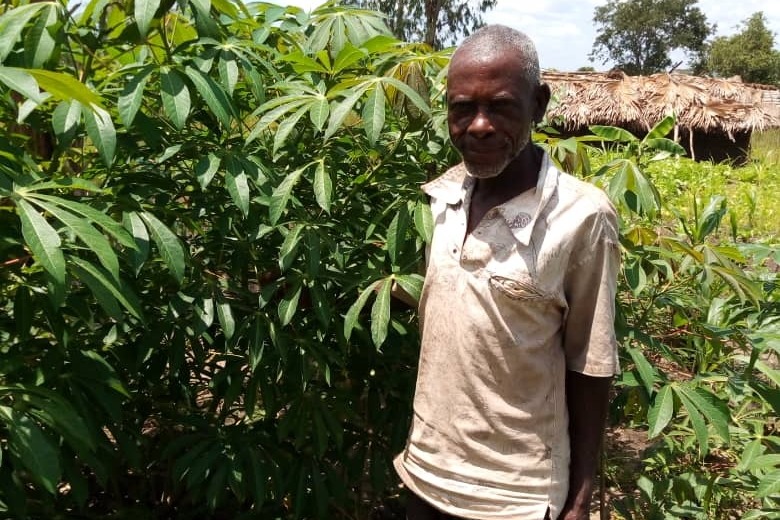
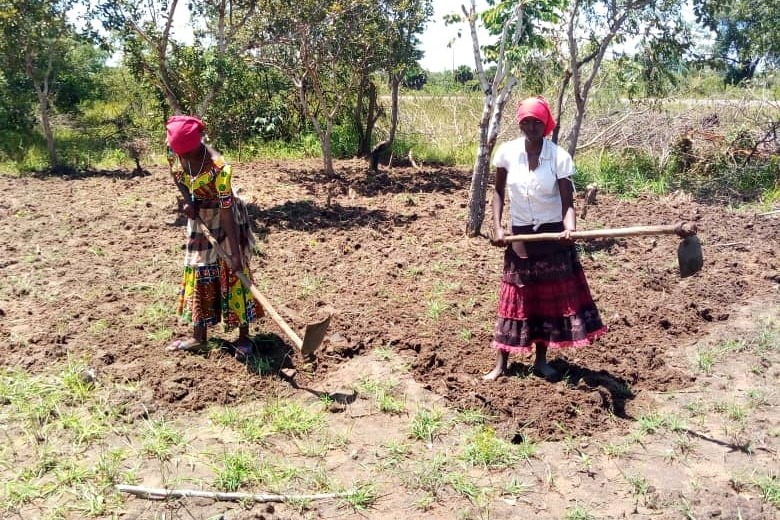
Deforestation, desertification and climate change are hitting many countries like Tanzania very hard. Years of conventional farming practices (including monocropping and tilling), and use of synthetic fertilizers and toxic pesticides have resulted in the loss of precious topsoil. Topsoil is rich in nutrients, retains a lot of water (to help resist drought), and supports plants for food, shelter, soil cover, and prevents erosion. When topsoil is lost, fertility drastically diminishes. Many farmers often believe that the solution is to apply even more harmful chemical inputs, but as many cannot afford them they end up losing much of their crop as a result. Their livelihood suffers, along with their land. For those who can afford the chemicals, their soil continues to erode and lose fertility, which continues the vicious cycle of reliance on chemicals to offset the soil damage that they're causing.
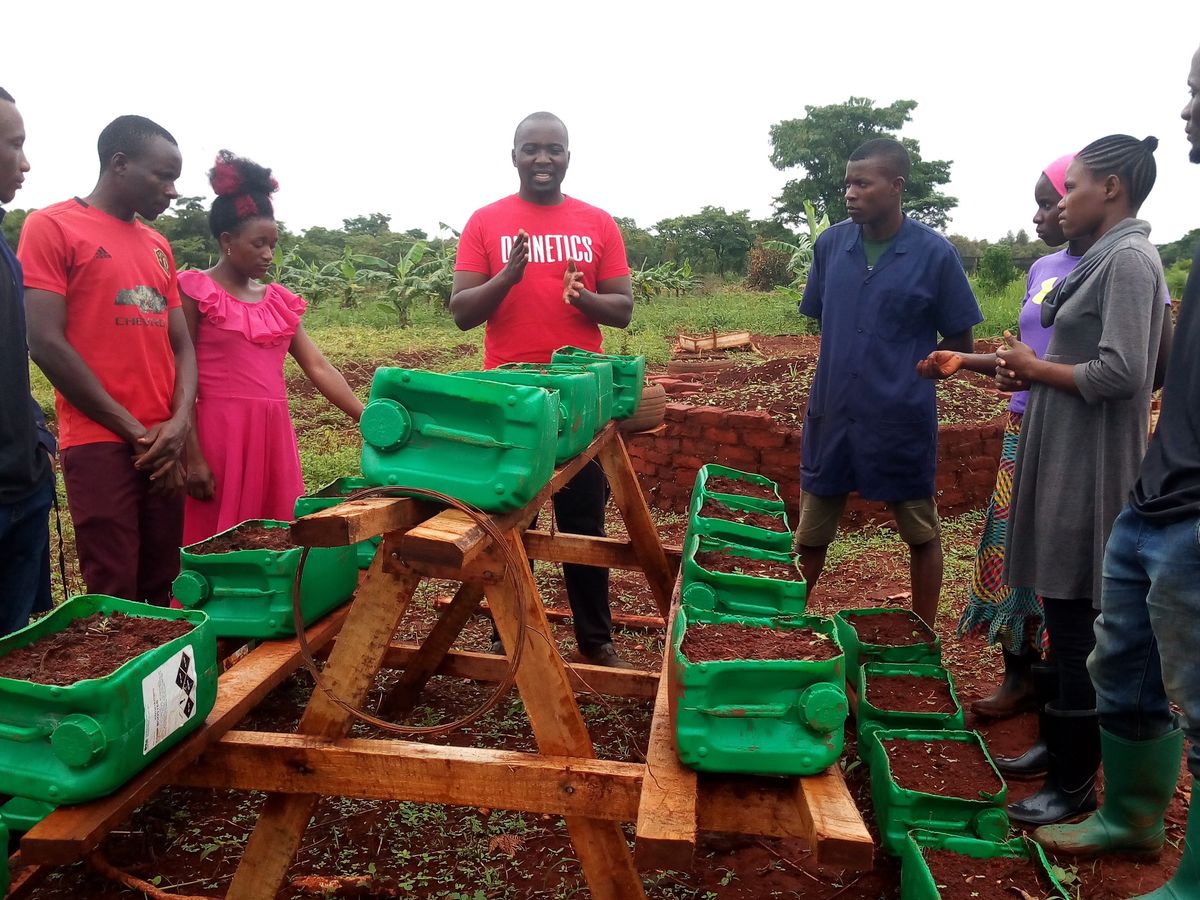
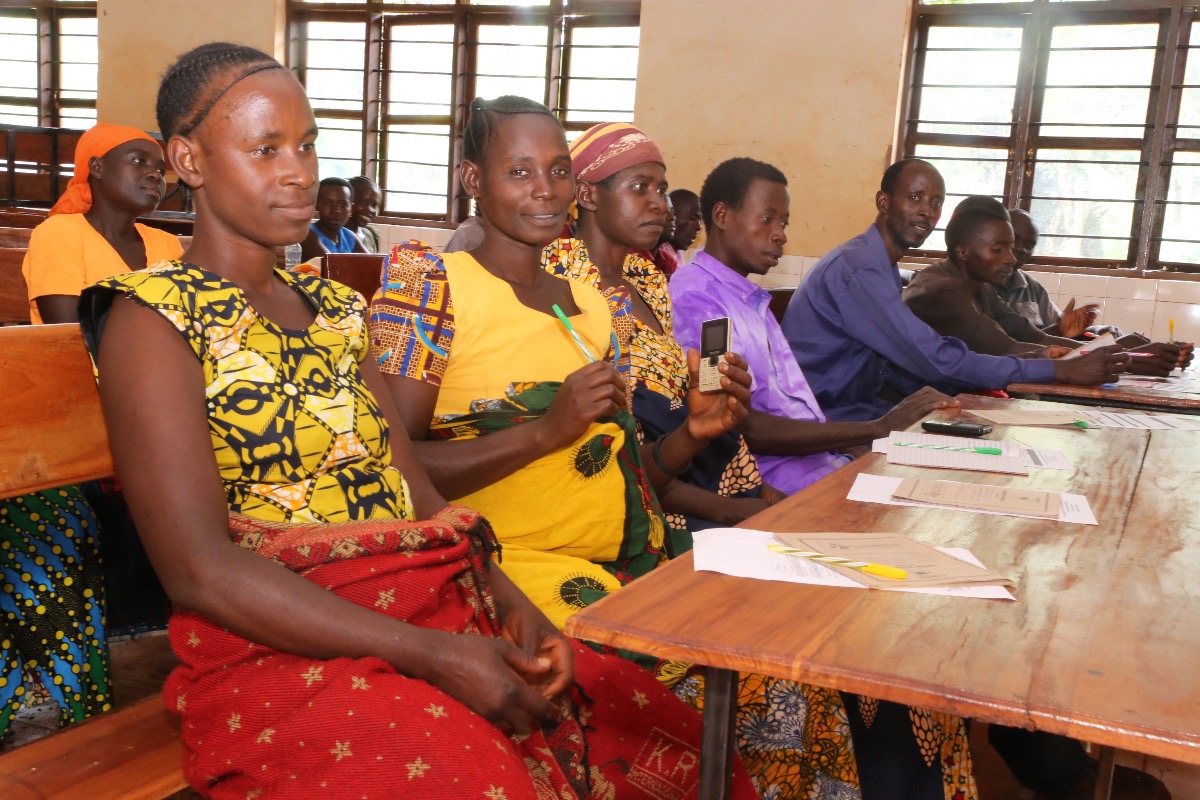
Enter regenerative agriculture. We are raising funds for community leader Jackson Buzingo to train 150 smallholder farmers in Kigoma, Tanzania to restore soil health naturally through regenerative techniques such as cover crop planting, water conservation practices, polyculture cropping, composting, seed-saving and more!
A $66 donation = 1 smallholder farmer trained in regenerative agricultural practices!
How will this training benefit smallholder farmers in Kigoma?
This 10-month training beginning in September 2021 will provide smallholder farms with the knowledge necessary to:
- Fight food insecurity, poverty, and climate change by growing crops that nourish their land, their families and their communities
- Maintain a sustainable livelihood and a thriving agri-business that strengthens the local economy
- Transform lifeless, nutrient-poor soils into healthy, nutrient-dense soils packed with beneficial micro-flora and -fauna
- Replace the use of expensive and harmful chemical pesticides, herbicides & fungicides with earth-friendly and low- to no-cost inputs
- Reinvest money into their farms instead of purchasing toxic chemicals, sterile seeds and synthetic fertilizers
- Increase the water-holding capacities of their soils, increasing yields and protecting against extreme weather conditions (flooding, droughts etc.)
- Sequester carbon from the atmosphere, helping to mitigate climate change
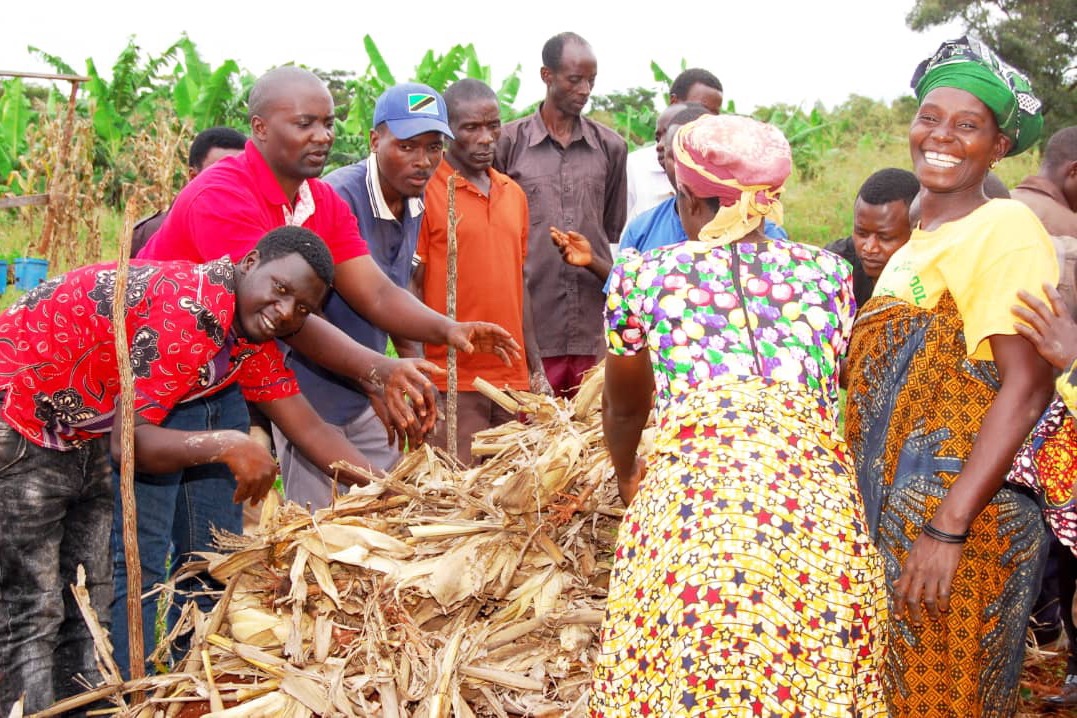
- Turn “waste” into nutrient-rich organic compost
- Boost biodiversity
- Pass on their knowledge to other smallholder farmers!
How exactly will the funds be used?
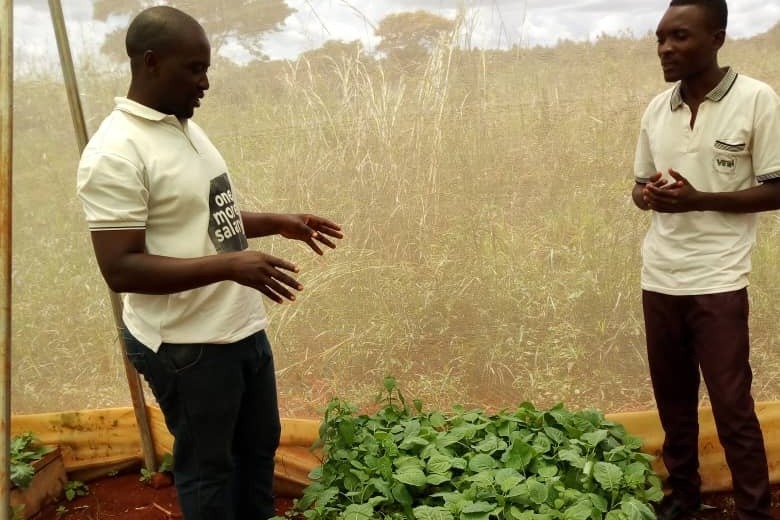
All funds will be allocated towards training and administrative costs for this project under the non-profit One More Salary , founded in Sweden and based in Tanzania. Here are just some of the ways in which they will be used:
- Training and skilling up assistant trainers
- Providing meals and shelter for trainers & participating smallholder farmers
- Transporting smallholder farmers to demonstration farms
- Conducting workshops to educate smallholder farmers in various regenerative agriculture methods
- Purchasing materials to produce compost
- Purchasing and distributing organic seeds
- Forming a Farmer’s Association
- Documenting training and progress
- Creating a project documentary film
- Completing a final project evaluation/audit
About Jackson
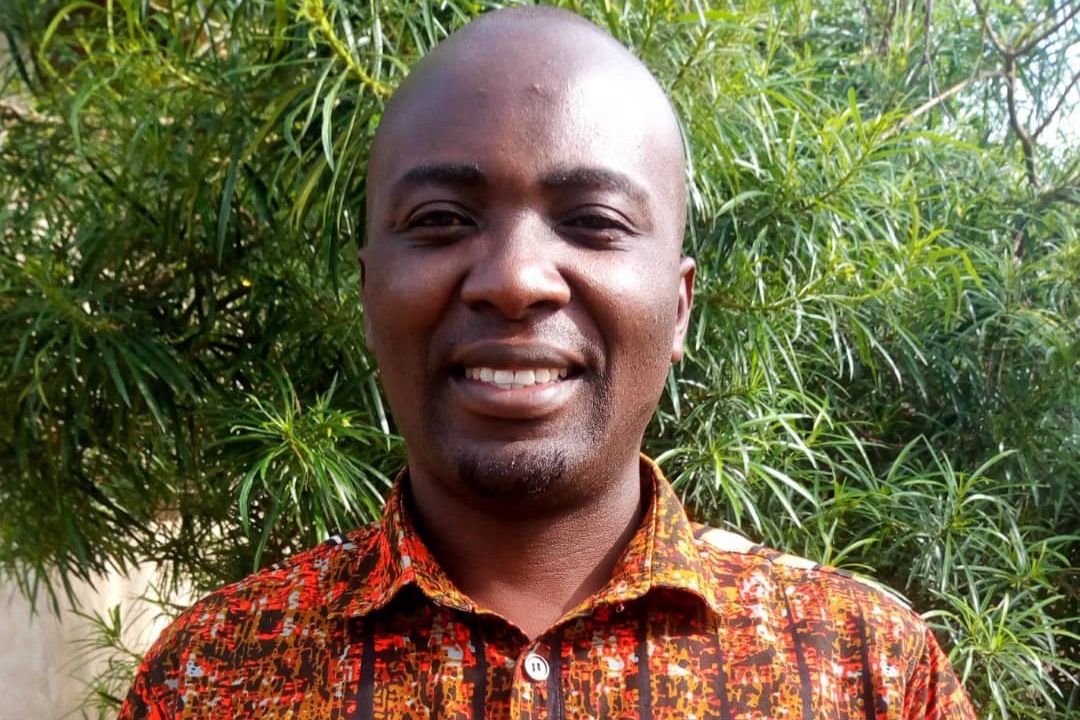
Jackson is a passionate community leader in Tanzania who has trained 157 local farmers, as the country representative of the non-profit One More Salary , as well as trained diploma students on the need to transform their broken food systems by transitioning from conventional to regenerative and urban farming practices, curbing deforestation and restoring soil fertility. He’s also planted over 12,000 trees in local refugee camps, villages and a primary school for children with disabilities.
Why is this important to us in the west?
Teaching a more regenerative style of farming—where plant and soil health is improved with each growing season (rather than diminished through heavy tilling and the use of synthetic fertilizers and pesticides)—is of benefit to local ecosystems because it results in soil that offers more nutrients, water retention, and resistance to erosion, and in food crops that offer a more complete nutrient profile. The land is healthier, resists erosion and desertification, and provides resilience to climate change.
Even if this is being done on the other side of the world, it benefits us locally too: desertification and the loss of fertile soil affects how much land we have to grow food globally, provide trees and plants to protect the soil’s surface and slow global warming, regulate the hydrologic cycle, and continue to produce not only food but also a significant amount of the oxygen that we breathe.
THANK YOU for helping to support smallholder farmers who are so lovingly mending our broken food system, nourishing their communities, and healing our fragile earth!
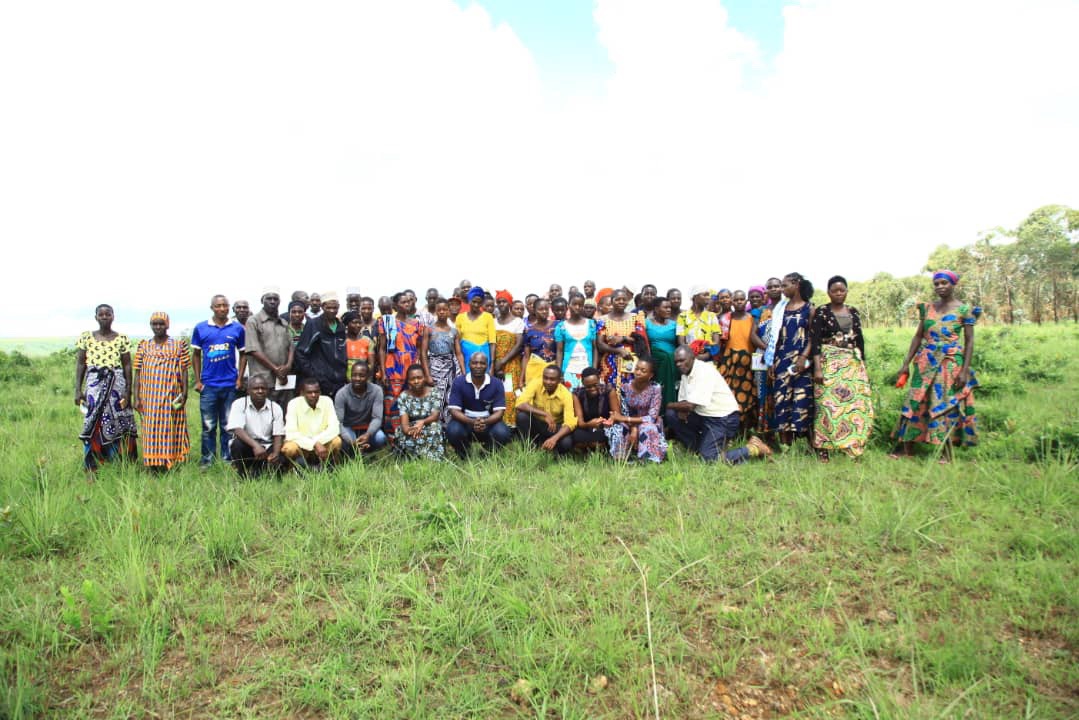
Enter regenerative agriculture. We are raising funds for community leader Jackson Buzingo to train 150 smallholder farmers in Kigoma, Tanzania to restore soil health naturally through regenerative techniques such as cover crop planting, water conservation practices, polyculture cropping, composting, seed-saving and more!
A $66 donation = 1 smallholder farmer trained in regenerative agricultural practices!
How will this training benefit smallholder farmers in Kigoma?
This 10-month training beginning in September 2021 will provide smallholder farms with the knowledge necessary to:
- Fight food insecurity, poverty, and climate change by growing crops that nourish their land, their families and their communities
- Maintain a sustainable livelihood and a thriving agri-business that strengthens the local economy
- Transform lifeless, nutrient-poor soils into healthy, nutrient-dense soils packed with beneficial micro-flora and -fauna
- Replace the use of expensive and harmful chemical pesticides, herbicides & fungicides with earth-friendly and low- to no-cost inputs
- Reinvest money into their farms instead of purchasing toxic chemicals, sterile seeds and synthetic fertilizers
- Increase the water-holding capacities of their soils, increasing yields and protecting against extreme weather conditions (flooding, droughts etc.)
- Sequester carbon from the atmosphere, helping to mitigate climate change
- Turn “waste” into nutrient-rich organic compost
- Boost biodiversity
- Pass on their knowledge to other smallholder farmers!
How exactly will the funds be used?
All funds will be allocated towards training and administrative costs for this project under the non-profit One More Salary , founded in Sweden and based in Tanzania. Here are just some of the ways in which they will be used:
- Training and skilling up assistant trainers
- Providing meals and shelter for trainers & participating smallholder farmers
- Transporting smallholder farmers to demonstration farms
- Conducting workshops to educate smallholder farmers in various regenerative agriculture methods
- Purchasing materials to produce compost
- Purchasing and distributing organic seeds
- Forming a Farmer’s Association
- Documenting training and progress
- Creating a project documentary film
- Completing a final project evaluation/audit
About Jackson
Jackson is a passionate community leader in Tanzania who has trained 157 local farmers, as the country representative of the non-profit One More Salary , as well as trained diploma students on the need to transform their broken food systems by transitioning from conventional to regenerative and urban farming practices, curbing deforestation and restoring soil fertility. He’s also planted over 12,000 trees in local refugee camps, villages and a primary school for children with disabilities.
Why is this important to us in the west?
Teaching a more regenerative style of farming—where plant and soil health is improved with each growing season (rather than diminished through heavy tilling and the use of synthetic fertilizers and pesticides)—is of benefit to local ecosystems because it results in soil that offers more nutrients, water retention, and resistance to erosion, and in food crops that offer a more complete nutrient profile. The land is healthier, resists erosion and desertification, and provides resilience to climate change.
Even if this is being done on the other side of the world, it benefits us locally too: desertification and the loss of fertile soil affects how much land we have to grow food globally, provide trees and plants to protect the soil’s surface and slow global warming, regulate the hydrologic cycle, and continue to produce not only food but also a significant amount of the oxygen that we breathe.
THANK YOU for helping to support smallholder farmers who are so lovingly mending our broken food system, nourishing their communities, and healing our fragile earth!
Co-organizers6
Che Fehrenbach
Co-organizer
Jackson Buzingo
Co-organizer
Maria Berndtsson
Co-organizer
Felix Hägglund Wennergren
Co-organizer