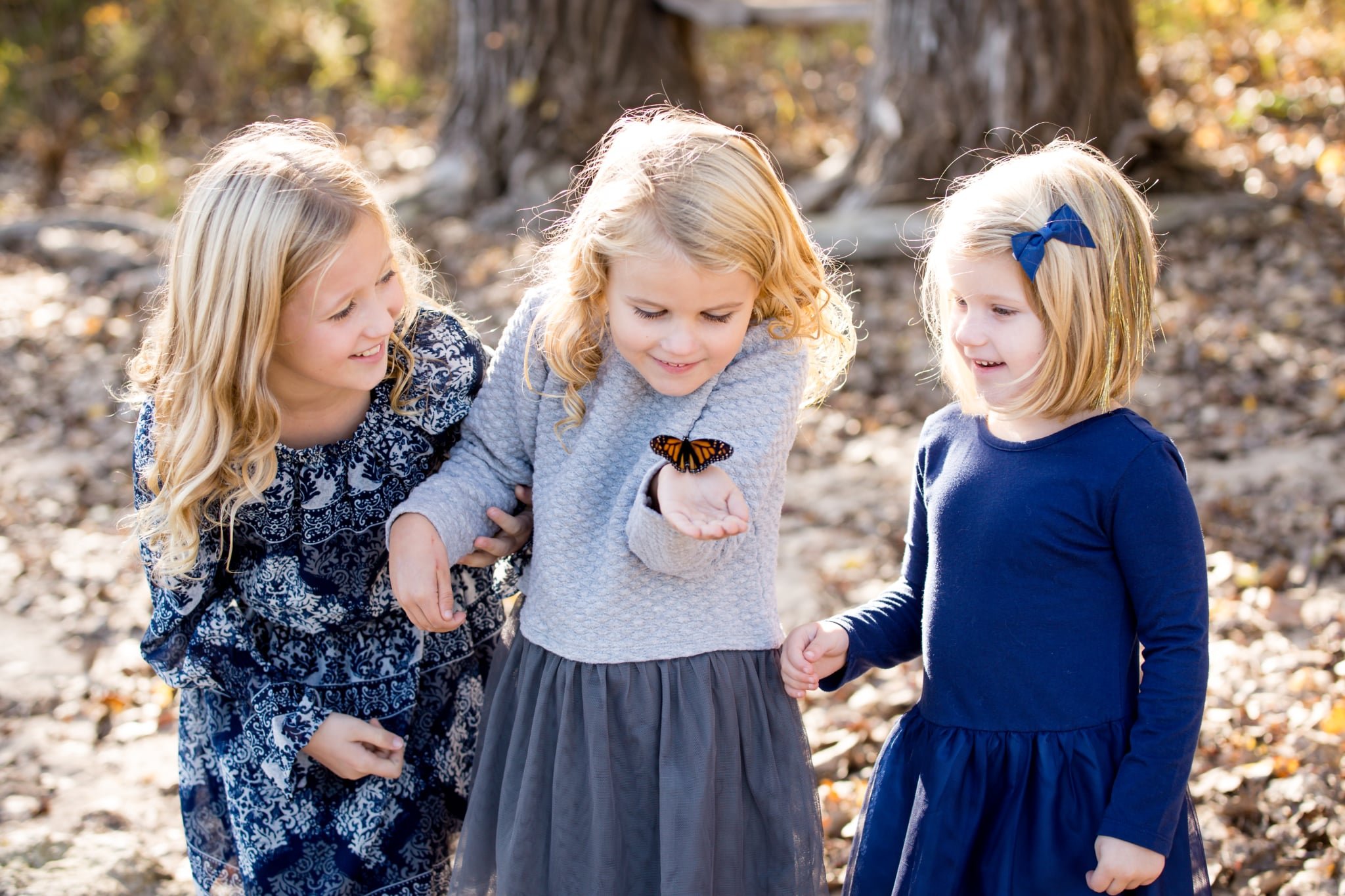
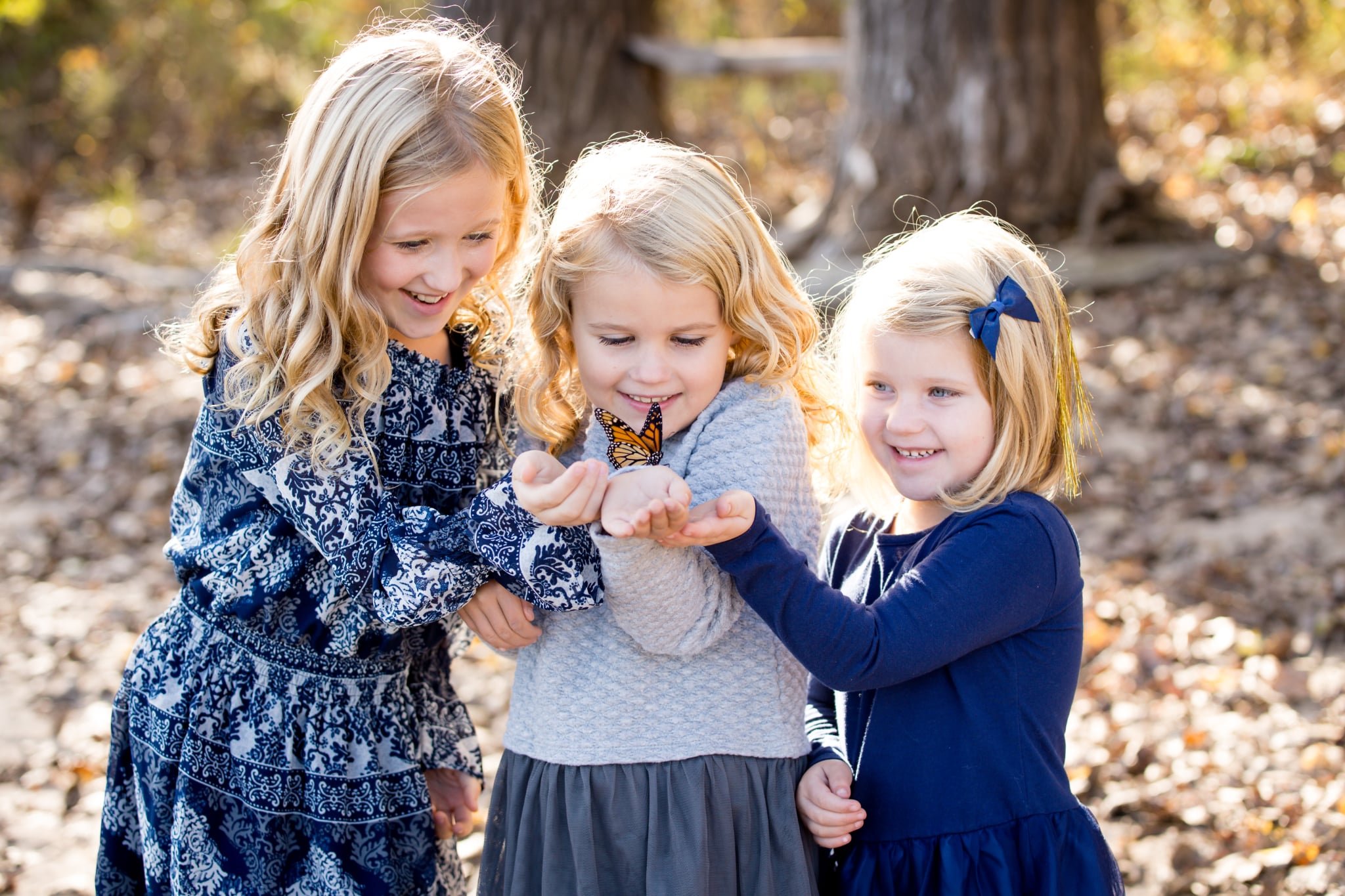
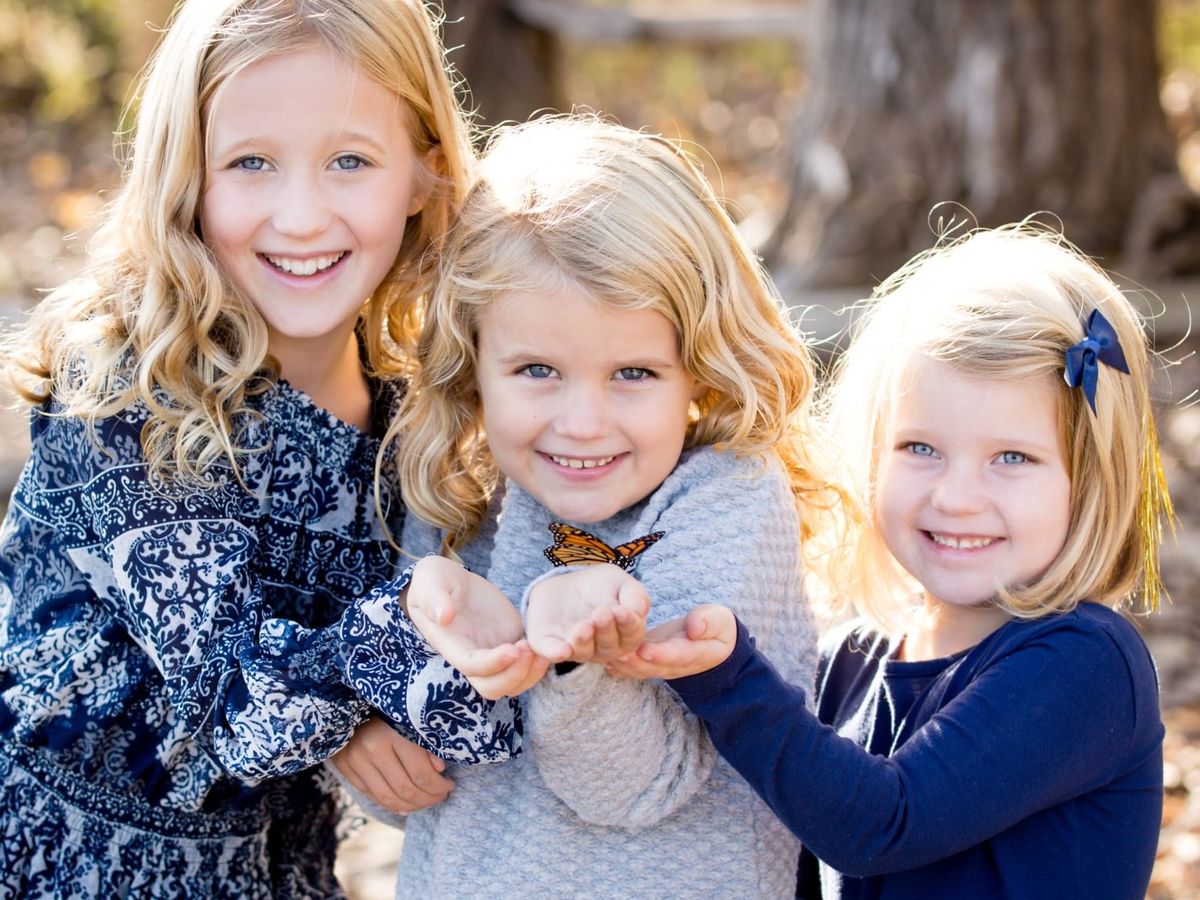
Three Sisters. One Rare Disease. One Incredible Community.
0% complete
$3,780 raised of
28 donations
Our Journey
We thought we were taking our two-year-old daughter to the doctor for a simple urinary tract infection.
Instead, it became the day our family's life changed forever.
In August of 2021, our youngest daughter, Landree, was just a newborn. Saylor was 2 years old, Quinn was 6, and life was wonderfully busy with six children. Like most parents, we worried about scraped knees, sleepless nights, and the occasional trip to the doctor's office—not life-changing diagnoses.
When Saylor began complaining that it hurt when she peed, we assumed it was a urinary tract infection. It seemed routine.
The urine culture came back negative.
But one unexpected finding caught the doctor's attention.
There was blood in her urine.
The doctors asked us to repeat the test a month later, hoping it was simply a fluke.
It wasn't.
The blood was still there.
We were referred to a pediatric urologist, who ordered an ultrasound to make sure Saylor's kidneys had developed normally. We expected reassurance.
Instead, we got questions.
The ultrasound showed that her kidneys were anatomically normal, but they were filled with extensive calcifications. Even more surprising, calcifications were also found throughout her spleen.
Within days, we found ourselves entering a world we never knew existed.
Appointment after appointment.
Blood draws.
CT scans.
X-rays.
Specialists.
More specialists.
Pediatric nephrology.
Endocrinology.
Radiology.
Genetics.
Every physician we met was compassionate and determined to help. They consulted one another, studied her scans, and searched for answers. But despite their best efforts, we kept hearing the same sentence over and over again.
"I've never seen anything like this before."
As parents, those are words that stop your heart.
Every specialist ruled out another possibility, yet no one could tell us what was actually happening inside our little girl's body. We desperately wanted an answer, but every answer seemed to create even more questions.
Finally, after months of testing, Whole Exome Sequencing was ordered.
Then we waited.
On April 27, 2022, we received the phone call that changed our family forever.
Saylor had Generalized Arterial Calcification of Infancy (GACI) caused by ABCC6 deficiency—an ultra-rare genetic disease that most physicians will never encounter during their careers.
We had never heard those words before.
Like any parents would, we immediately searched for information, hoping to find reassurance.
Instead, we found fear.
We learned that GACI causes abnormal calcium deposits to form throughout the body's arteries, blood vessels, and organs, restricting blood flow where it is needed most. Our daughters face a significantly greater risk of heart attacks, strokes, organ damage and failure from reduced blood flow, and progressive vision loss as they grow older. There are no approved treatments that stop the disease. There is no cure.
As overwhelming as that news was, an even greater heartbreak was still ahead.
Because GACI is genetic, our entire family needed testing.
We prayed every day that Saylor would be the only one.
A few weeks later, those prayers were answered in the way every parent fears.
Quinn and Landree tested positive too.
In the span of just a few weeks, we went from believing one child had an incredibly rare disease to learning that three of our six children shared the same diagnosis. Our other three children were found to be carriers.
There are moments in life when time seems to stand still.
That was one of them.
Soon afterward, we met virtually with one of the world's leading GACI specialists at Johns Hopkins University.
She paused before telling us something we'll never forget.
She was following only 18 patients in the entire world.
Three of them were ours.
We just sat there.
It was impossible to comprehend.
Thankfully, we eventually found a community of families walking this same road through what is now the Brighter Hope Foundation. Parents from around the world became our lifeline. They understood the fear, the uncertainty, and the countless questions that come with raising a child with a disease that has no roadmap. Their friendship, support, and willingness to share their experiences gave us hope during some of our darkest days.
One of the most difficult realities of GACI is that no two patients are alike.
The disease exists on a spectrum, meaning there is no roadmap and no way to predict what tomorrow will bring.
When our girls were first diagnosed, we were told that the calcifications they were born with would likely become less severe as they grew older.
Instead, we have watched the exact opposite happen.
With every round of imaging, the calcifications continue to increase and appear in new places throughout their bodies.
Today, all three girls have calcification affecting the blood vessels of their brains and hearts, along with multiple other organs. They face a significantly higher risk of heart attacks, strokes, organ damage from reduced blood flow, and progressive vision loss.
Quinn has experienced some of the most significant neurological involvement. Imaging has already shown evidence of a previous stroke. She has endured excruciating headaches, episodes of double vision, seeing colors that aren't there, and frightening drop attacks that remind us just how unpredictable this disease can be.
All three girls also live with daily challenges that many people never see. Chronic leg and joint pain, fatigue, and exhaustion have become part of their everyday lives. Quinn and Saylor have begun developing the skin manifestations associated with ABCC6 deficiency, another reminder that this disease continues to progress.
To help reduce the risk of blood clots and stroke, all three girls take baby aspirin every day. The medication helps protect them, but it also means they are almost always covered in bruises from the ordinary bumps and falls that come with simply being children.
There are other things they have already had to give up.
Because of the risks associated with their condition, contact sports are no longer an option.
As parents, it is heartbreaking to watch your children realize there are experiences they may never have simply because of a disease they never asked for.
The hardest part isn't just what we know.
It's what we don't know.
Will the calcifications continue to spread?
Will they eventually need major surgeries?
Could organ transplants become part of their future?
How much of their vision will they lose?
No one can answer those questions.
That is the reality of living with an ultra-rare disease.
Another battle most people never see happens long before we walk into a hospital room.
Living with an ultra-rare disease means constantly advocating for our daughters.
Most parents go to a specialist hoping the doctor has the answers.
We often walk into appointments hoping the specialist has at least heard of the disease.
Because GACI is so uncommon, many of the physicians we meet have never encountered it before. We often find ourselves explaining the disease, sharing research from specialists around the world, and helping medical professionals understand what our daughters are facing.
The challenges don't stop there.
Many of the tests, imaging studies, and specialists our girls need require insurance approval. Time and time again, we have had to appeal denials for care that their own physicians have deemed medically necessary. Even obtaining referrals to highly specialized providers—such as a pediatric vascular neurologist—has become a battle.
It is incredibly frustrating to know your children are living with a progressive disease while simultaneously having to fight for access to the specialists and testing that may help protect their future.
Rare diseases don't just test a family's strength emotionally.
They require parents to become researchers.
Advocates.
Educators.
Sometimes even the experts in the room.
If this journey has taught us anything, it's that no one will ever fight harder for our daughters than we will.
Yet despite everything, if you met Quinn, Saylor, or Landree, you probably wouldn't know any of this.
You would see three girls who love to laugh, play, dance, dream, and make people smile.
Their diagnosis is part of their story.
It is not who they are.
Reality Warz was created because of them.
It is our family's way of turning fear into hope, raising awareness for a disease that most people have never heard of, supporting research that could one day change the future for children like ours, and making sure no family has to walk this road alone.
Sometimes we think back to that ordinary day in August of 2021.
A little girl told her parents that it hurt when she peed.
We thought we were taking Saylor to the doctor for a simple urinary tract infection.
Instead, that one small complaint uncovered a disease so rare that most physicians will never see a single case during their careers—and revealed that three of our daughters had been fighting it since the day they were born.
Had there not been blood in her urine that day, we don't know how long it would have taken to find the answers.
That one appointment changed the course of our family's life forever.
It introduced us to fear we never knew existed, but it also introduced us to extraordinary doctors, groundbreaking researchers, and an incredible community of families around the world who refuse to give up hope.
Most importantly, it showed us something about our daughters that inspires us every single day.
They are stronger than this disease.
Reality Warz is our promise to them.
A promise that we will continue to fight for better treatments.
A promise that we will continue to raise awareness so fewer families have to hear the words, "I've never seen anything like this before."
And a promise that, no matter what the future holds, they will never face this journey alone.
Every donation, no matter the size, makes a meaningful difference for our family.
Your generosity helps ease the financial burden of living with a rare disease by assisting with the many expenses that come with caring for three children diagnosed with GACI. This includes frequent specialist appointments, advanced testing, imaging, medications, and travel to medical experts—sometimes across the country—many of which are only partially covered or not covered by insurance at all.
Your support also helps make **Reality Warz** possible. Our hope is to grow Reality Warz into an annual community event that not only provides financial support for our family but also raises awareness and creates lasting support for others facing this devastating disease.
A portion of the proceeds from Reality Warz will benefit **Brighter Hope Foundation**, a nonprofit dedicated to improving the lives of individuals and families affected by **GACI (Generalized Arterial Calcification of Infancy), ARHR2, ENPP1 Deficiency, and ABCC6 Deficiency**. Brighter Hope Foundation funds critical research, advances patient advocacy, supports educational initiatives, and provides resources that directly impact families navigating these rare conditions.
By supporting our family, you're doing more than helping us—you are becoming part of a community working to bring hope, advance research, and create a brighter future for every family affected by these rare diseases.
From the bottom of our hearts, thank you for standing with us on this journey.