- I
- H
You walk into a museum—and you don’t exist.
There are no stories like yours, no traces of the life you know. You turn around and you still don’t see yourself—not in the portraits, not in the timelines, not in the labels.
For many people, this is not an isolated experience—it’s the norm.
Who are these people? Perhaps you think that you do not know anyone with an invisible illness or an invisible disability. That’s okay ! After all, they are invisible. But you do ! Their illnesses have names : endometriosis, Lyme disease, fibromyalgia, chronic fatigue syndrome, arthritis, ME. Some do not have names yet : endless doctors appointments, weeks and months and years of medical errance. That colleague that seems to miss work regularly. That friend who is so enthusiastic and full of life but has seemed really quite tired lately. That friend you always chat to online but never seems to be able to join an event. Or maybe that family member just hides it very well because she doesn’t want to bother people with talks about pain or tiredness. A sister who seems to struggle so much more than you when they have their period.
Culture is supposed to reflect who we are, yet it continues to overlook entire lived experiences.
The Lyme Museum was created to change this. It is the first museum in the world that centres stories shaped by invisible illnesses and disabilities. It’s not about spectacle or tragedy. It’s about creating a space where people who are usually made invisible in museums—and in public life—can see themselves, and be seen with care, complexity, and respect. And joy!
We’re building something slow and meaningful that is changing people’s lives. But don’t take my word for it, instead these are the words of people living with invisible illnesses and disabilities who have been touched by our museum :
- ‘Trying to put things from a day in my life has made me think about how I deal with all this, about things people can’t see but I don’t complain about because it’s embarrassing or normally shameful. Aspects about invisible illness can be hard to talk about because it can involve such personal functions day to day. ‘ - contributor to The Lyme Museum
- ‘Love this idea and concept. there is so much behind the scenes that goes unseen’ - contributor to The Lyme Museum
- ‘Thank you for giving people this platform. I’m so grateful to be able to share my story!’ - contributor to The Lyme Museum
- ‘Thank you for including me’ - contributor to The Lyme Museum
But The Lyme Museum is not just changing people’s lives by making them feel seen and feel less alone in their experiences, it’s also helping organisations change their mindset and practice, impacting cultural institutions at the highest level. This is what the Director for Museums and Cultural Property at Arts Council England said :
‘It was a privilege to hear more about the groundbreaking work of The Lyme Museum this week. Thank you to Angela Stienne, PhD for sharing her work with Arts Council England colleagues.’
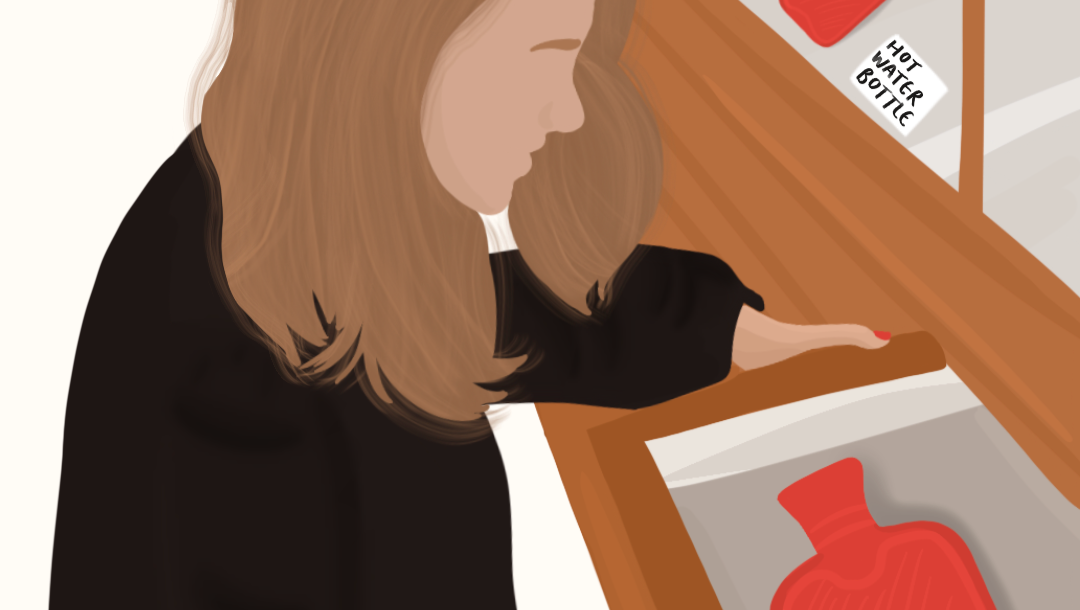
To continue our life-changing work, we need your support. We’re raising £3,000. Your donation will help us fund the next stage of The Lyme Museum to bring stories of chronic illness and disability into the heart of communities. This fundraiser will support three key areas:
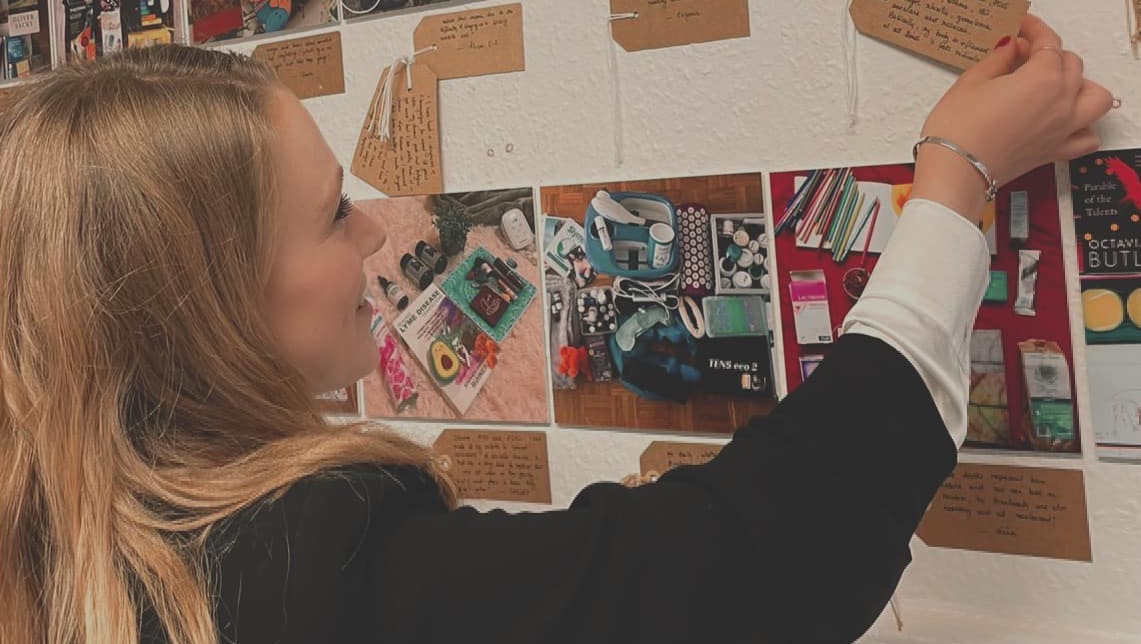
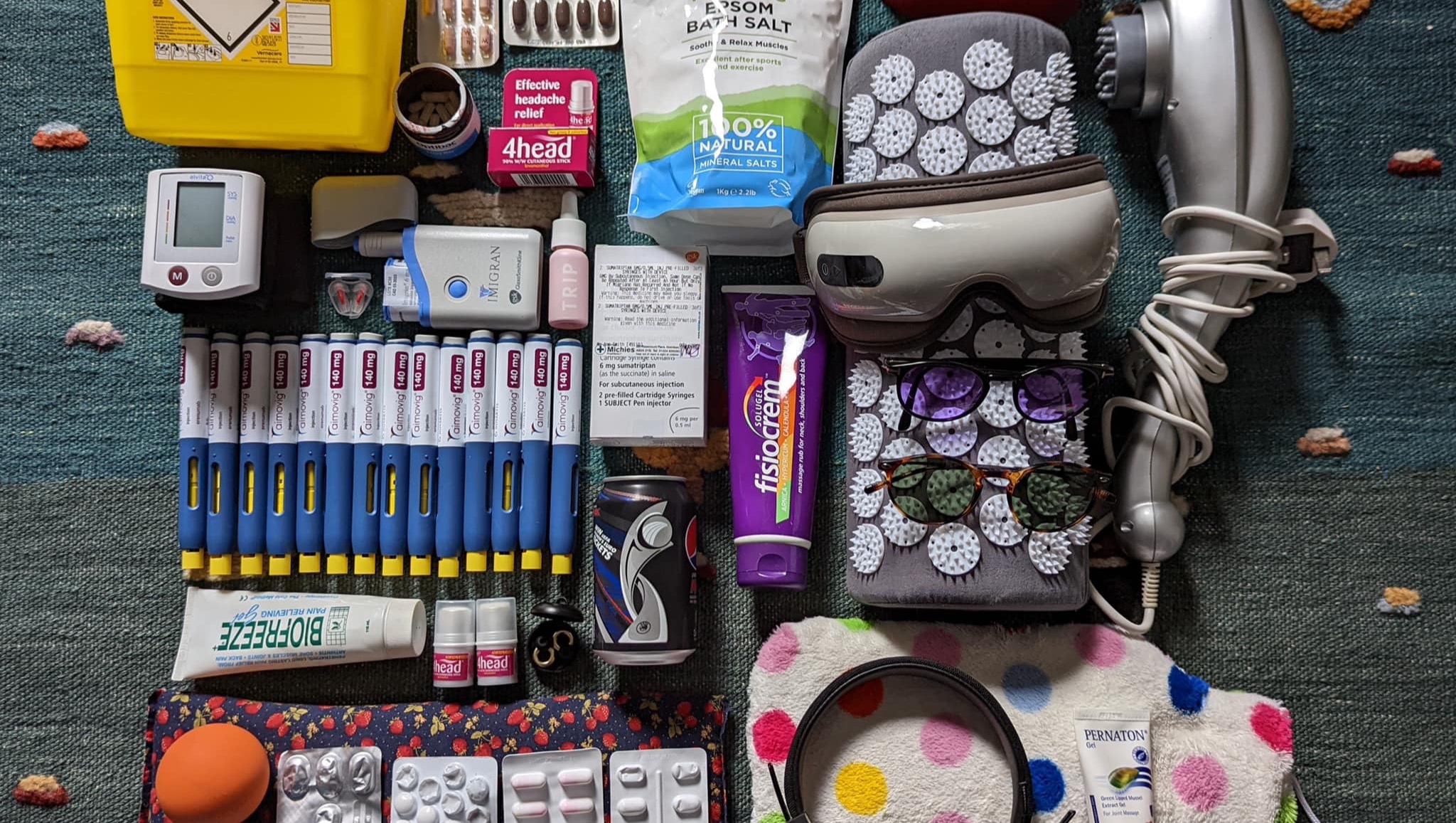
- Our pop-up exhibitions : we are doing pop-up exhibitions in community spaces. Wondering what a community space might be? Your local coffee shops! Picture the coffee shop you visit regularly, for your favorite cosy drinks and a catch up with friends. It might be a place you visit once a week, or daily like me! Coffee shops are the heart of communities, and often they have empty walls. We want to bring our bold, colorful flat lays to local coffee shops. Because we know that an exhibition about invisible illnesses will only reach people who have an interest in the topic, but our bold flat lays in a coffee shops? They will reach people who might think they know no one with invisible illnesses, and will learn about the stories that we care for ! For this we need to print our flat lays in large format on sturdy materials and to create and print educational material so people can learn about our work. And host a launch party because we are not here to make another depressing educational presentation about chronic illness, we want something bold, colorful and impactful !
- Sign-language translation to make sure our platforms work for everyone ! We want to have sign language translation for all our videos AND to have an interpreter when we do online events. Because what’s the point of having a museum that is about inclusion if we exclude people from our events? And we want to pay for the interpreters! To make our work accessible, we want to keep upgrading our online content with more videos in ASL, BSL or French sign language and we want to pay fantastic interpreters for our online talks!
- Delivering training for museum and culture professionals because we cannot change the world on our own ! Since 2023, we have started delivering training for cultural spaces and education companies, including Arts Council England and National Trust (we started big!). The core of our trainings? Our flat lay workshops and training on using everyday objects to explore invisible illnesses and disabilities and help companies support their staff and public to do storytelling that isn’t re-traumatising (ever been uncomfortable on TV when an accident happens and they ask people to recount their traumatic experience on the spot? Yes, we want to avoid that!). To do so, we are building a mobile museum in the form of a museum box. It’s an actual box, full of flat lays, objects, prompt cards, educational material and little labels for people to write on. We need the funds to print the material and get a custom branded TLM box with small size sturdy flay lays to be used for training.
What is this all for? We’re not just adding more stories—we’re changing how the cultural world sees and understands individuals with invisible illnesses and disabilities ; your colleague, your friends your partner, your family member. This matters because when museums only reflect certain ways of living, they leave the rest of us out.
With your help, we’re making space for everyone.
Every contribution helps us offer something museums have long neglected: a place where every life matters, even when it doesn’t fit the traditional narrative. If you know someone who lives with endometriosis, Lyme disease, fibromyalgia, Lupus, Chron’s disease, chronic pain, support them by supporting us. If you believe culture should represent more than just the loudest or most visible stories—if you believe museums should reflect the full range of human experience—then please consider supporting us.
You don’t have to live this reality to understand how vital it is.
You just have to care that it exists.
Have you ever walked into a museum or a beautiful new building and seen a plaque that thanks the donors for contributing to a lasting legacy? When you donate to our fundraiser, you can opt to be included on our museum virtual wall on our website, dedicated to our museum supporters, or to have your donation made in the name of another person so they become part of our museum.
Organizer