I spent time in a psych ward after the Trump inauguration. I couldn’t take it. My husband — also trans and now separated and headed for divorce—felt a pressure, like many, to leave as quickly as possible because of the hate and the danger. I do too. But I am undone by the grief of everyone I will leave behind. What does it mean to leave when others can't? What does it mean to stay?
This project is my way of leaving for safety while trying to help other trans people, migrants, and human beings at large.
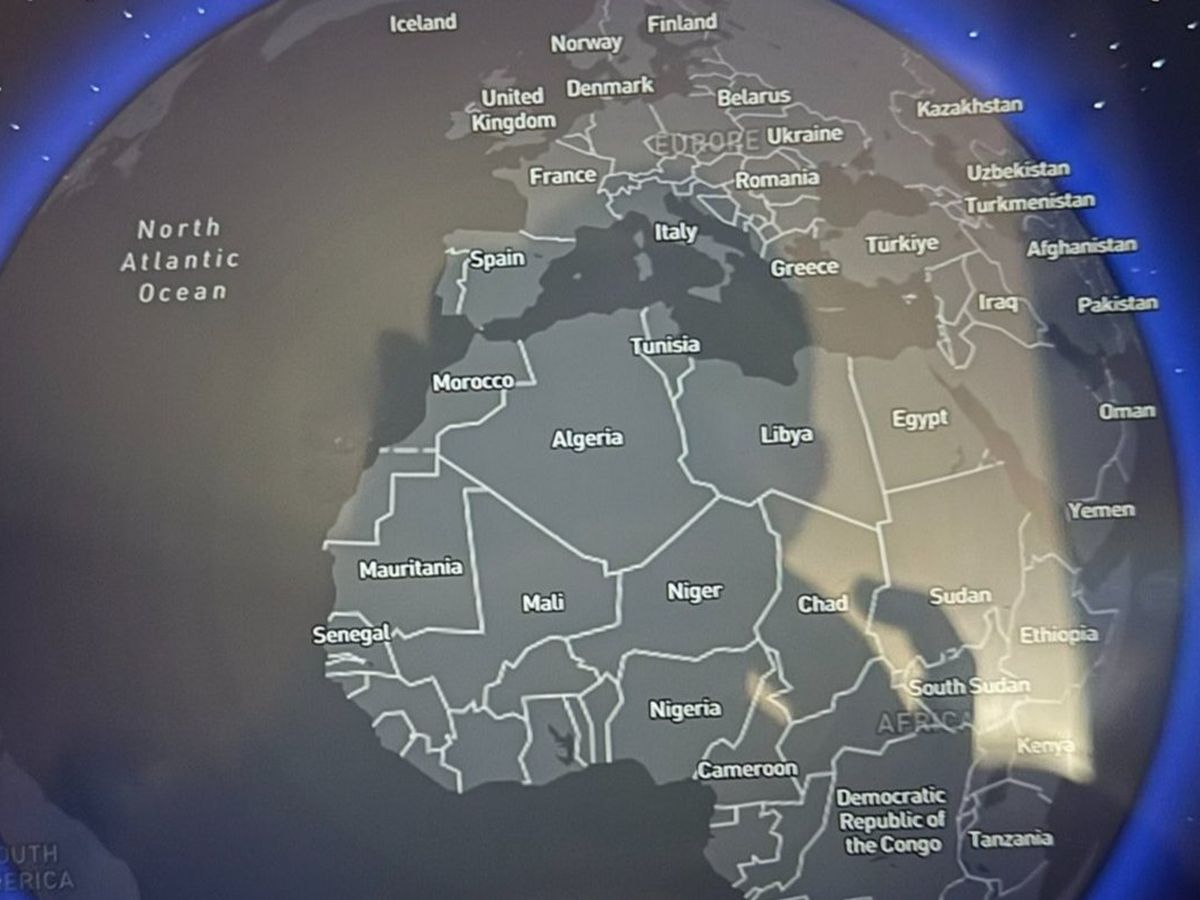
The Trans Map Project will be freely accessible to individuals and open source. I am building it to help trans people, refugees, climate migrants, and other displaced populations understand where they can go, how to get there, and what they will find when they arrive. It integrates legal pathways, safety data, medical access and needs, quality of life indicators, media environment, language access, and violent crime data into an interactive map. The world will shrink or grow based on the inputs. A stateless person, an HIV positive person, a person of color–they will all face different challenges and barriers to movement. Some of those are insurmountable. That needs to change.
It is ethically imperative that this is free at the individual level. Institutions, governments, and organizations with the resources to adapt it will be asked to pay to help keep the project alive and give me and those I work with a means of survival. I won’t paywall this, but I need your help to make it happen.
I looked very carefully. Nothing like this exists.
The Lemkin Institute — the organization that defines and monitors genocide — has issued an escalated warning for transgender people in the United States. I have spent over a decade as a scholar looking at the relationships amongst climate change, capitalism, gender, race, and fascism. Despised minorities and family structures become objects of political discipline in moments of ecological, public health, and economic distress. The Nazis burned the books at the Institut für Sexualwissenschaft — the world's first institute for sexuality studies — first. There is a reason for that. Visible difference is a threat to the status quo. It’s a status quo that is killing us.
But this tool is not only for trans people. It is infrastructure for anyone who needs to move and doesn't know how. Climate refugees. Economic migrants. People fleeing political violence. The framework I am building is designed to be flexible and grow. I am using a social reproduction theory model to show how borders work and why in their current condition they hurt people. I’m also trying to help people navigate ways to safety and show what trans lives look like in different countries, regions, and cities.
The project helps trans people in several ways. It is a practical survival tool that fosters information literacy and helps people navigate the process of migration or understand what it’s like to navigate that process. And it is a record of trans people finding and creating spaces and communities where we can survive. The joy of a trans person relaxing at a cafe is profound to me now. At a moment when we are being written out of public life and frozen out of already vicious job markets, this project generates work — for a trans translator, for trans researchers, for trans voices that need to be heard and need resources to survive.
I am a writer, a teacher, and a scholar. I am also now, apparently, a developer. I built the first version of this map this week. Spectre Magazine has asked me to write about trans migration from a Marxist perspective, and I badly want to get going as quickly as I can. I am grateful for their interest. Lives are on the line.
Here is what I need to get started and survive long enough to release the tool:
A MacBook Air with 24GB RAM ($1,500): my current machine cannot handle the development load, and I need hardware that can handle the wear and tear of international travel for ethnographic write-ups. This more than anything sets me back.
A trans translator who needs the work ($2,000 estimated): she can handle every language the project needs except Arabic.
Arabic translation ($500 estimated): I’m looking.
IP and licensing legal consultation ($800): I am seeking pro bono counsel to structure a dual license that keeps this tool free for individuals and people in low-income countries, while allowing institutions and commercial derivatives to pay. If pro bono representation comes through, this goes directly back into the project.
Tax consultation ($500): the funding structure is complex enough to need a professional.
Hosting and development tools ($100/month): the infrastructure that keeps the map running and secure proton drive storage for ethnographic work–I take the safety and consent of my interviewees seriously.
Code review ($800): one experienced developer to check my work and help with security vulnerabilities
Survival ($8,000): six months of living expenses before I leave, and the cost of documentation and divorce. I am teaching at UB this summer and fall. After the semester ends, I go. I am apostilling my documents and preparing my medical records now. I am beginning from my own experience and working from there, acknowledging my subject position and its limitations.
If you can give anything, give. If you can't, share this with someone who will understand why it matters. And if you are trans, or a refugee, or a climate scholar, or anyone who feels the need to help –this is for you.
I have the map bit figured out. Help me get to the rest.
With love and solidarity,
Nate