- B
- Y
Where Things Stand
In January 2026, the medical landscape for Quoc Hao changed. After four years of stability following a 90 percent gastrectomy for Stage 3/4 gastric cancer, new scans and biopsies confirmed that the disease has returned and spread to the peritoneal lining.
In Canada, the standard pathway for this diagnosis is palliative care. Clinical trials were explored, but because the spread is not measurable in the way many trials require, those options are currently unavailable. That does not mean there are no options. It means the next move requires looking beyond our borders.
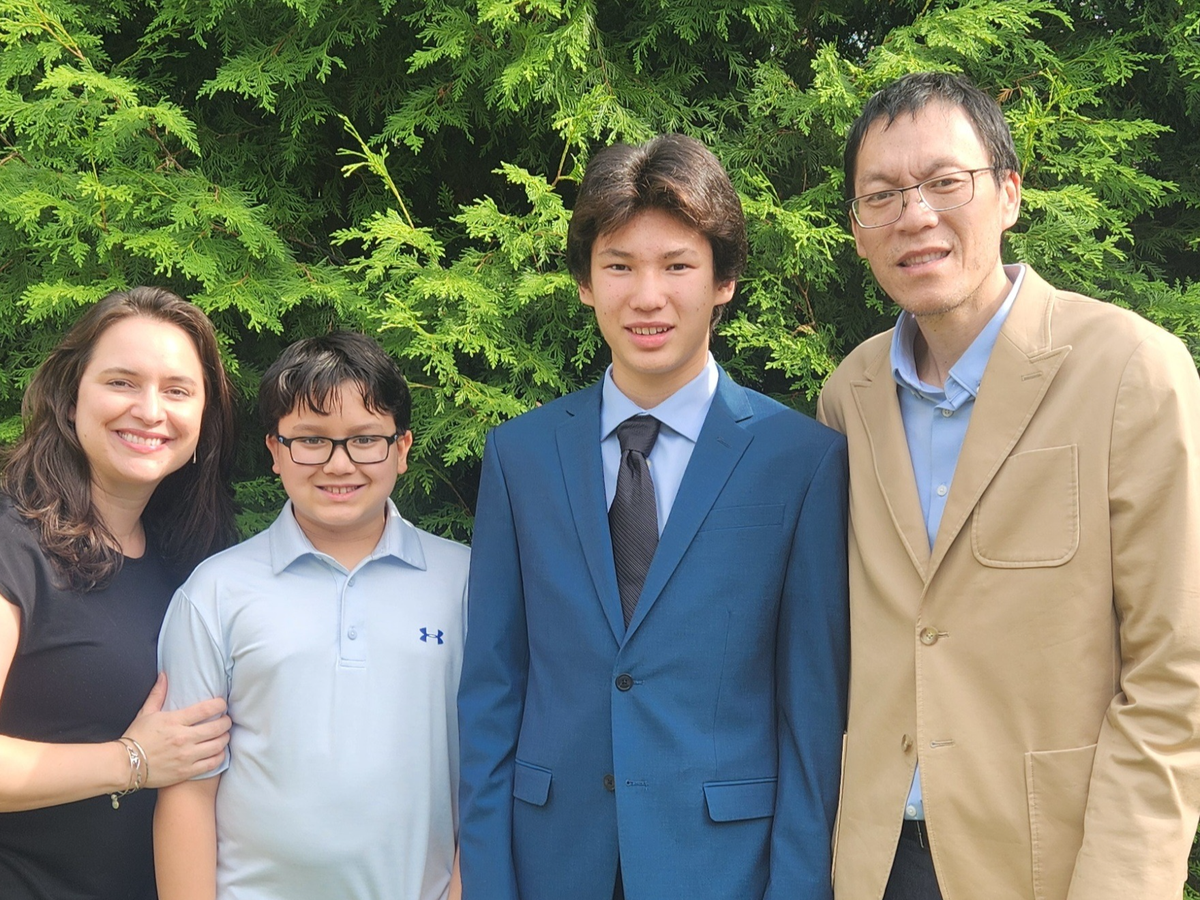
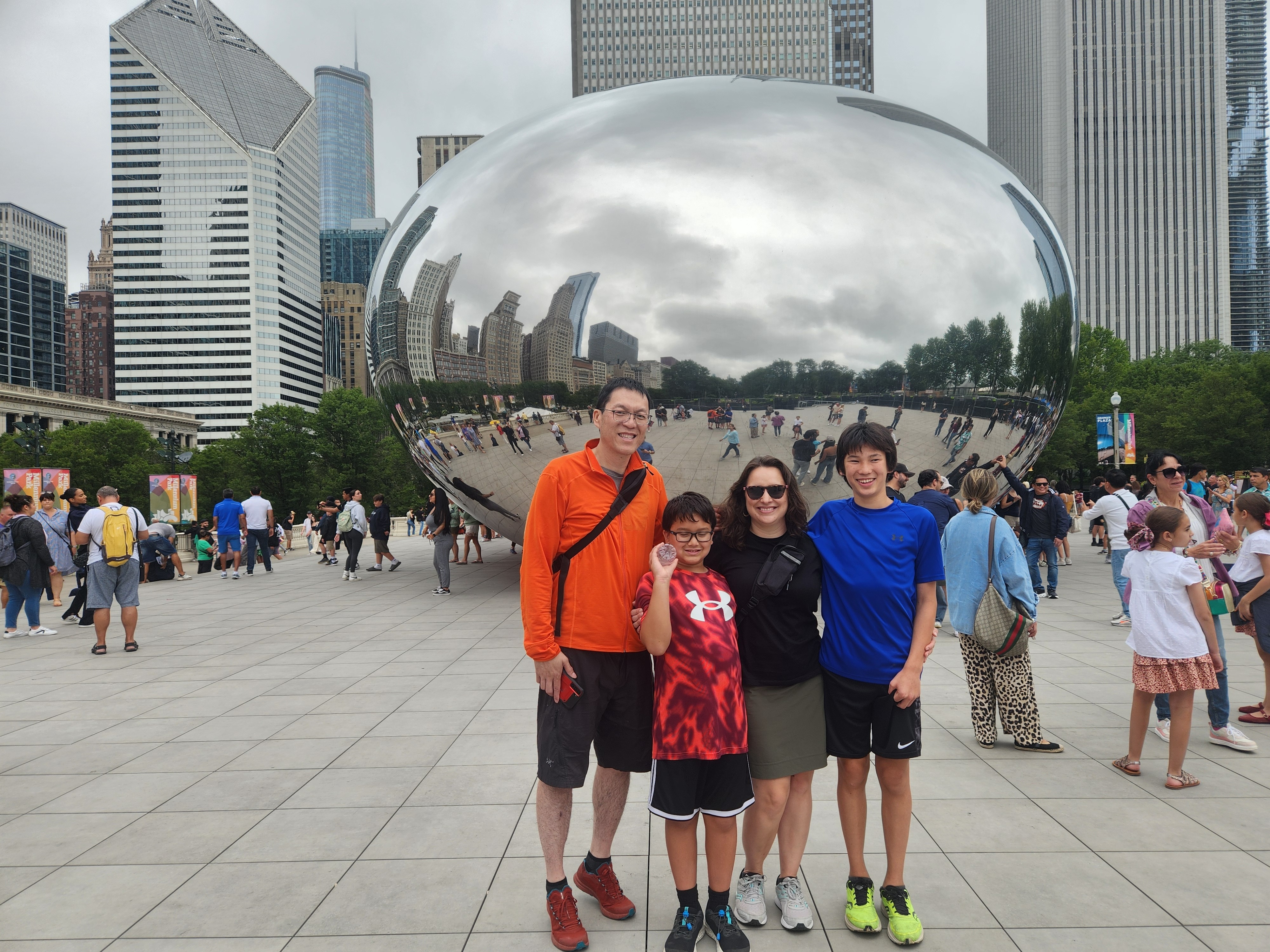
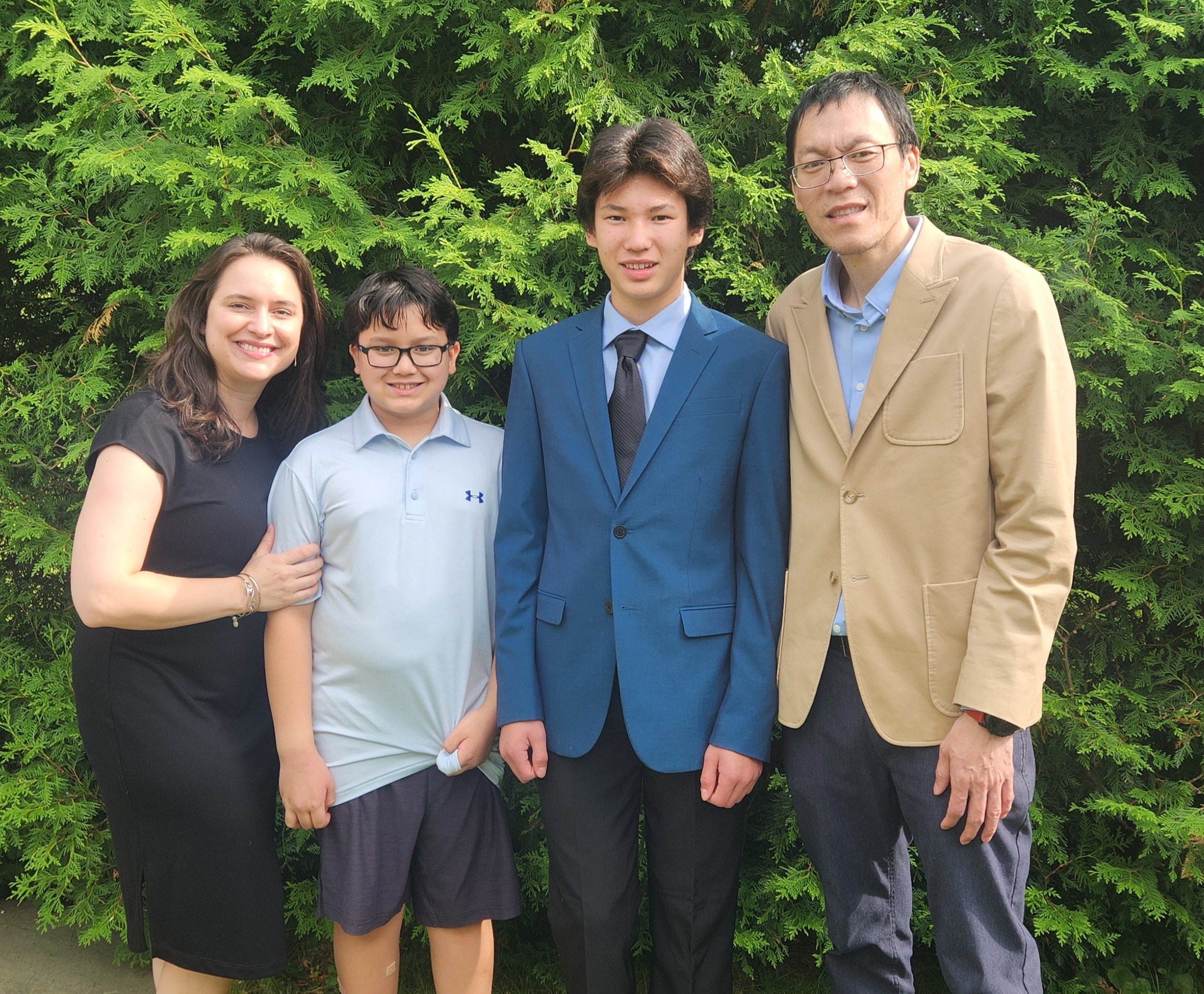
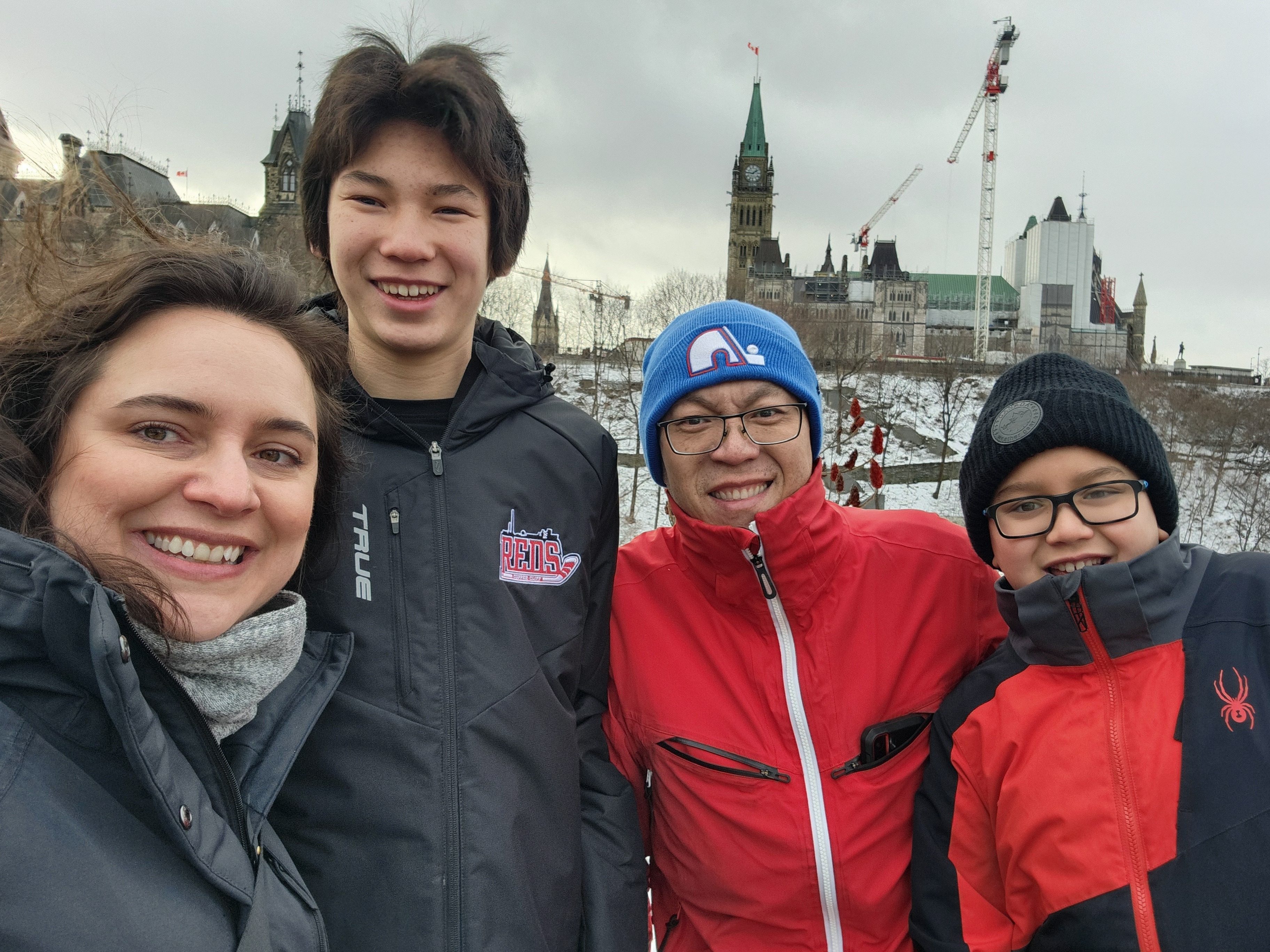
Quoc Hao and his wife Mel have spent the past weeks speaking with physicians, reviewing research, and identifying the highest probability path forward. Their two sons, Xavier and Olivier, are watching that process closely and seeing what it means to move forward with clarity even when the outcome is uncertain.
Who Quoc Hao Is
Quoc Hao is a research engineer, a mentor, and a leader. His career has been built on solving complex problems through methodical thinking and disciplined execution. When confronted with uncertainty, his instinct is not to step back. It is to gather evidence, speak with experts, and work through the problem systematically. That same mindset now guides how he is approaching this disease.
Physicians who have reviewed his case consistently note that his baseline physical condition places him in the upper percentile of patients facing treatments like this. In oncology there is a small subset of patients sometimes referred to as super survivors. These are individuals whose resilience, physiology, and mindset allow them to tolerate aggressive treatment and outperform statistical expectations. When someone says a treatment has a ten percent success rate, many people hear a ninety percent failure rate. Quoc Hao sees that ten percent as a door that is still open.
The Architecture of Support
This resilience is rooted in the way Quoc Hao has always lived. He grew up in a household where the table was a living thing that expanded to accommodate whoever arrived regardless of where they started their day. It was a quiet and foundational lesson in what it meant to belong. When it was time for dinner, you were included at the table and shared the meal with everyone else. This was not a conscious philosophy he adopted later in life so much as something that came naturally to him.
It began to manifest in the way he looked at the children of his friends who were students faltering in classrooms where the tutors had failed to see the specific shape of their struggle. He did not wait for them to ask for assistance. He simply opened the door and offered to teach them himself while turning his kitchen table into a place where things started to make sense.
Mel eventually stopped being surprised by the sight of a new face in the kitchen. She often found someone hunched over a textbook or a career map because the house had become a waypoint for more than just academic help. The circle widened to include junior employees and young professionals who possessed the raw materials for success but lacked a compass for the terrain of leadership. Quoc Hao did not treat these as brief or transactional interactions. He mentored them with the same intent he brought to those struggling students by helping them find their own direction and teaching them that true leadership is not about the height of one position but the breadth of the support one provides to others.
This hospitality reached its peak during the holidays when the house swelled to accommodate nearly thirty people. Quoc Hao sought out those who were alone or without family and invited them to join the center of his own. These gatherings were not mere social obligations but a deliberate effort to ensure that no one remained on the periphery. What started as a single evening of guidance or a holiday meal often evolved into lasting relationships built on mutual respect where families met and friendships deepened.
He operated on a simple rule. If you can help, you help. It does not matter how much you have because there is always something you can give. For years, he has been building a network of people who supported each other where time and effort were the currency of a life well lived. Now the direction of that flow has shifted. Quoc Hao is on the receiving end of that same support.
The Treatment Path
The research led to a specialized treatment called Pressurized Intraperitoneal Aerosol Chemotherapy, or PIPAC. Peritoneal cancer presents a unique challenge because chemotherapy delivered through the bloodstream often struggles to reach the peritoneal cavity effectively. PIPAC addresses this by delivering chemotherapy directly into the abdomen as a pressurized aerosol during a minimally invasive procedure. This allows the medication to reach areas that systemic chemotherapy may not reach well.
The Peritoneal Carcinoma Research Institute in Spain has more than a decade of experience performing this procedure and has treated hundreds of patients. Physicians at Henry Ford Health in Detroit have also been consulted and are willing to collaborate with the Spanish team and Canadian physicians to maintain continuity of care. Patients often coordinate these exchanges of information themselves, but the doctors involved have been supportive of the process.
The Financial Reality
The barrier to this treatment is financial. Because the procedure takes place internationally, it is not covered by provincial insurance. The cost per PIPAC treatment is approximately €20,000, or about $35,000 CAD. The expected treatment plan includes three to four procedures, bringing the total estimated cost to approximately $140,000 CAD.
This amount covers only the medical procedures themselves. The family continues to explore every available avenue including insurance appeals and additional treatment options closer to home. The biological clock does not pause while administrative processes run their course.
The Objective
The objective of this treatment strategy is precise. The goal is to reduce the cancer burden enough to allow re-entry into curative pathways. If the disease can be reduced sufficiently through PIPAC, Quoc Hao may become eligible for additional surgical techniques capable of removing the remaining cancer. The intent is to move from a palliative trajectory back toward one that offers the possibility of long-term control or cure.
How People Can Help
Many people have asked how they can support Quoc Hao and his family. This page is the answer. Any contribution directly offsets the cost of treatment and helps move the next procedure closer. If contributing is not possible, sharing this page extends its reach and brings it to people who may be able to help.
Quoc Hao continues to write about his experience by documenting both the medical process and the reality of living through it. The family is deeply grateful for the support that has already been shown and for the community that continues to stand with them.
For now, the focus remains simple. The next move.
Organizer and beneficiary
Quoc Hao Mach
Beneficiary