- L
- A
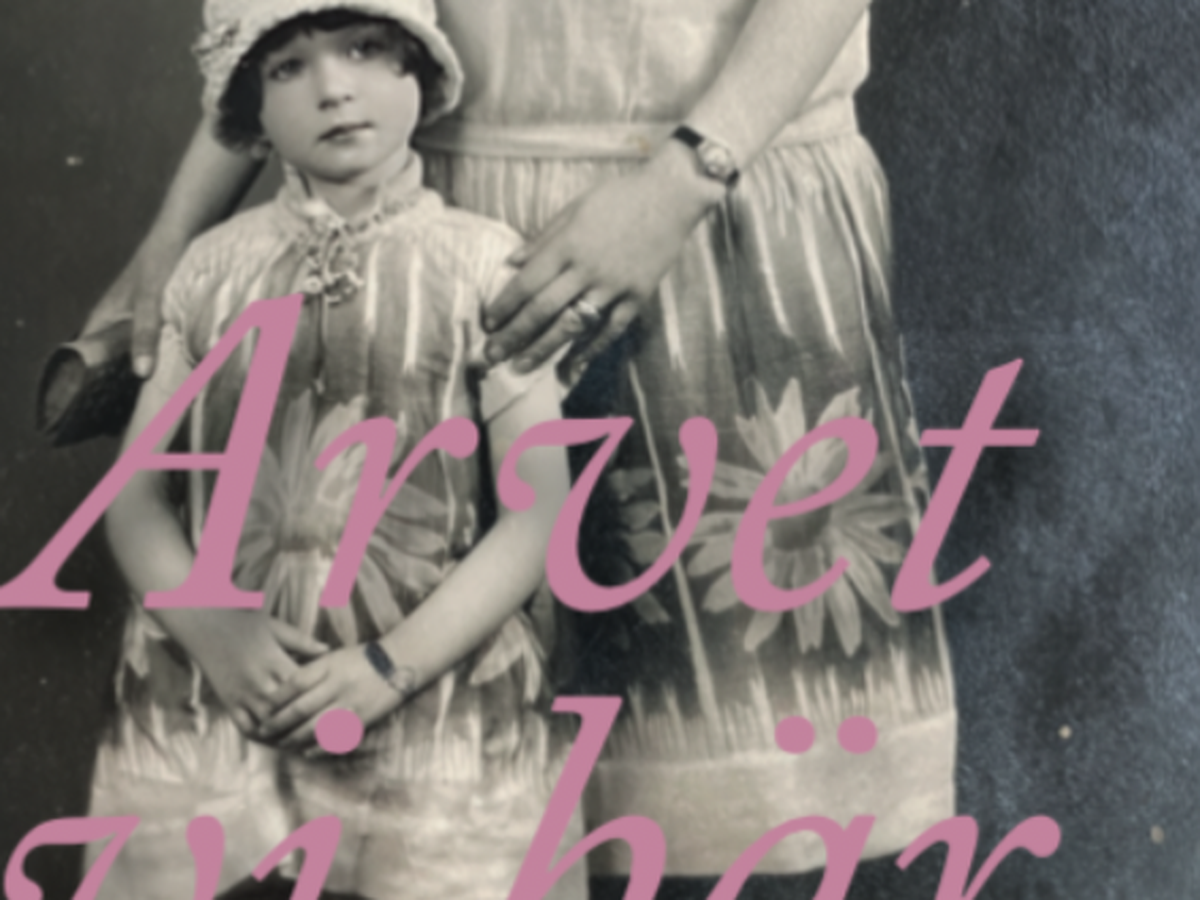
The Legacy We Bear--translation of a biography
0% complete
$1,575 raised of $15K
5 donations
Dear All,
my name is Suzanne Gottbarb, born and raised in Stockholm, Sweden, and my new biography, The Legacy We Bear, describes four generations of Jewish women during an interval over one hundred years, mostly taking place in Poland, Sweden and USA. The purpose with the fundraising is to pay for a professional translation of this book from Swedish to English in order to make it available for American and English-speaking readers
The Legacy We Bear, the tenth book I've written, creates the completion of a circle. Here the questions of who are we, and where do we come from, are responded to through time-traveling in the footsteps of the author's grandmother and mother. The author's grandmother, Sonja, was born in 1902, in the small village of Raczki, which today is in Poland, but then was a part of Russia. When Sonja was 12, the first world war broke out. After the war the whole family emigrated to New York and stayed in Brooklyn. But after only a little more than two years Sonja, then 19, took the ship back to Europe, this time to Sweden to marry her teen-age sweetheart. During the years of research and traveling, the writer finds out several unexpected similarities between herself, her grand-mother and Sonja's first-born daughter, the author's mother, Lillian. This reveals an inheritance of psychological legacy burdens and gifts that unconsciously were transferred between several generations of firstborn daughters.
The biography has been published in Sweden, both as a printed edition with photos of the family and as an audio-book, read by the author in Swedish, and where one also can hear the voice of Sonja herself reading from her memories and telling a Jewish joke.
About Suzanne Gottfarb
Suzanne Gottfarb is a Swedish-Jewish writer and journalist who was born in Stockholm. She has published several novels, short-stories and children´s books in Swedish, among them a book for school-children about the Second World War and the Holocaust called: End up in
Hell (1999), which has been frequently used in Swedish schools.
Suzanne is also a well-established journalist in the cultural sector, working for both daily Newspapers, Jewish magazines and Swedish radio and television. Her literary writing has mostly dealt with questions about identity. In her first novel, It Was a Girl, (1980), she examines her then new role as a mother. In the novel, The Secret of the Blaumans Sisters; (1987), she examines her Jewish identity in Swedish society.
With her latest biography, The Legacy We Bear, (2023) she closes the circle. Here she treats questions about where we come from and how are identities are shaped, as we travel in time following in the footsteps of her mother and grandmother, as well as examining her own and her
daughters different upbringings and conditions.