- C
- d
- E
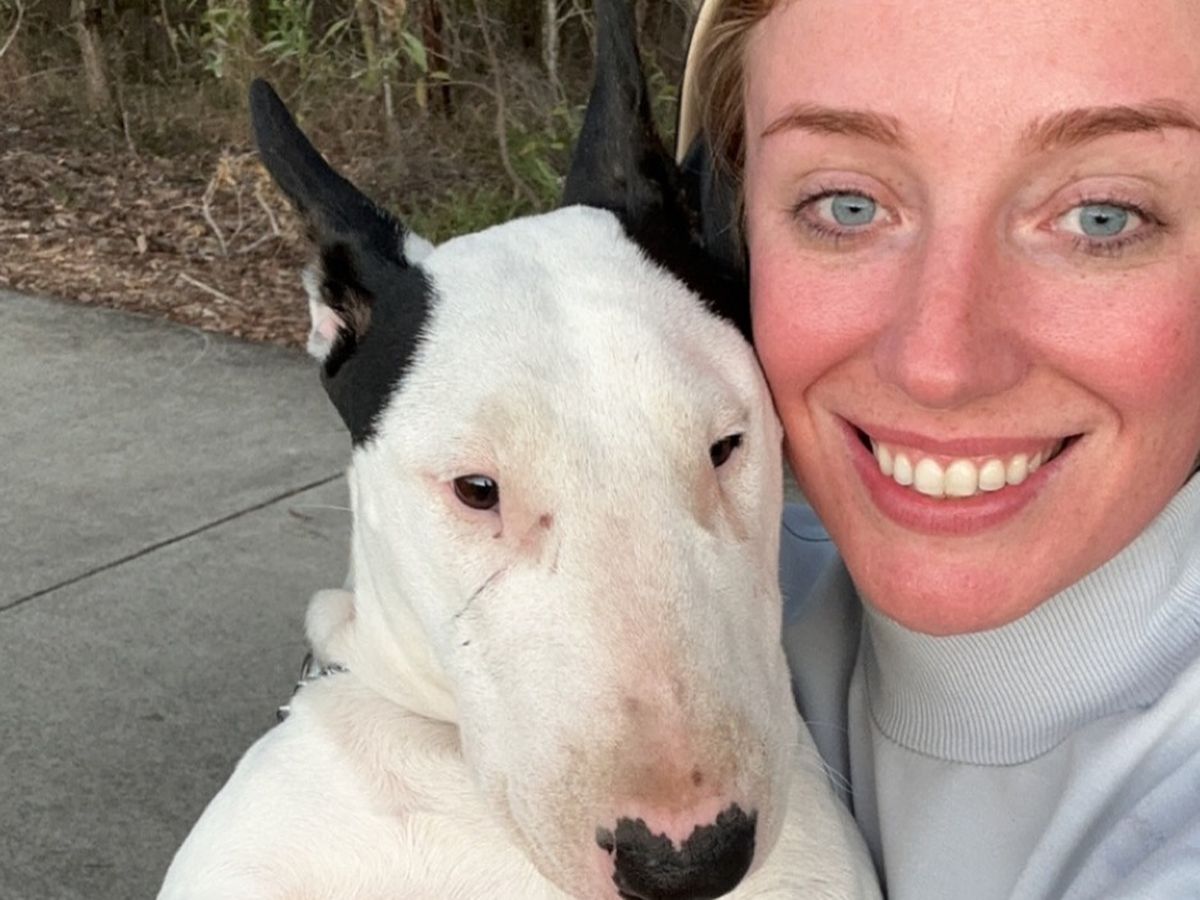
Lana's Last Hope Against CRPS
0% complete
$5,620 raised of $80K AUD
78 donations
Hi, my name is Frankye, and I’m reaching out for help for my big sister, Lana.
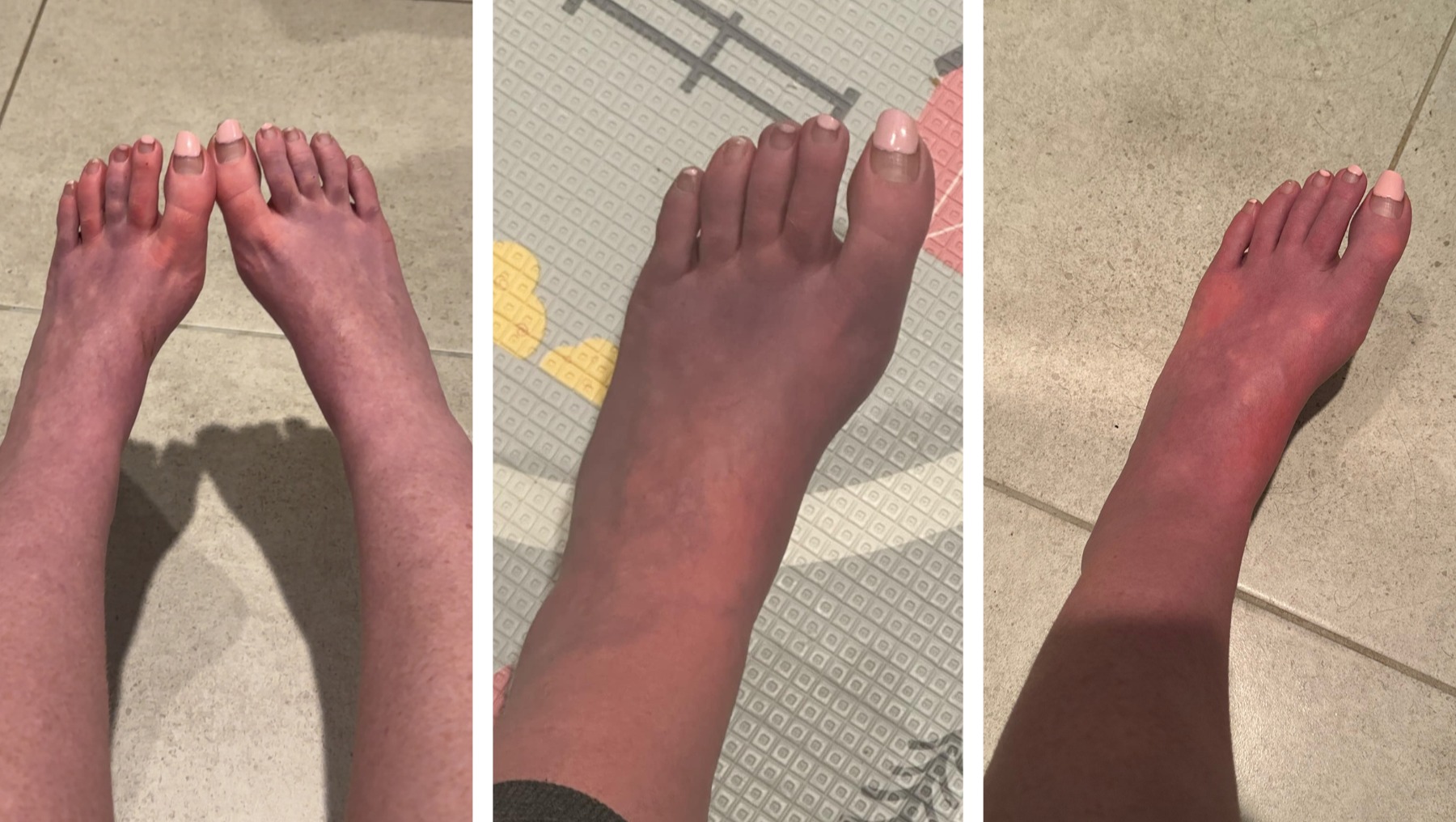
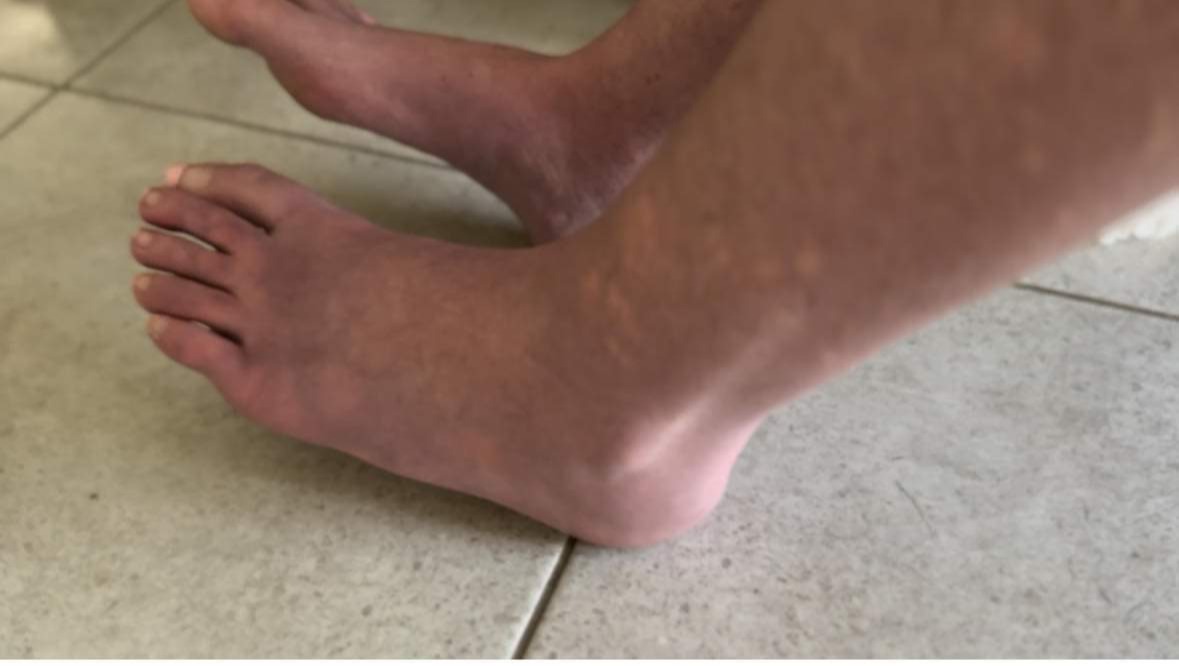
In February 2023, Lana was involved in a crush injury that caused 2 fractures on the left side of her lumbar spine. We had no idea that this would dramatically alter her life from then on. What was supposed to be a short healing process has transformed into a significant battle with Complex Regional Pain Syndrome (CRPS), which initially manifested in her left foot and has now spread like wildfire, contralateral to her right foot and up her legs to her hips and pelvis. Although it is challenging for her to seek help, we hope that by sharing her story, you will comprehend the reasons for our appeal for support.
What is CRPS?
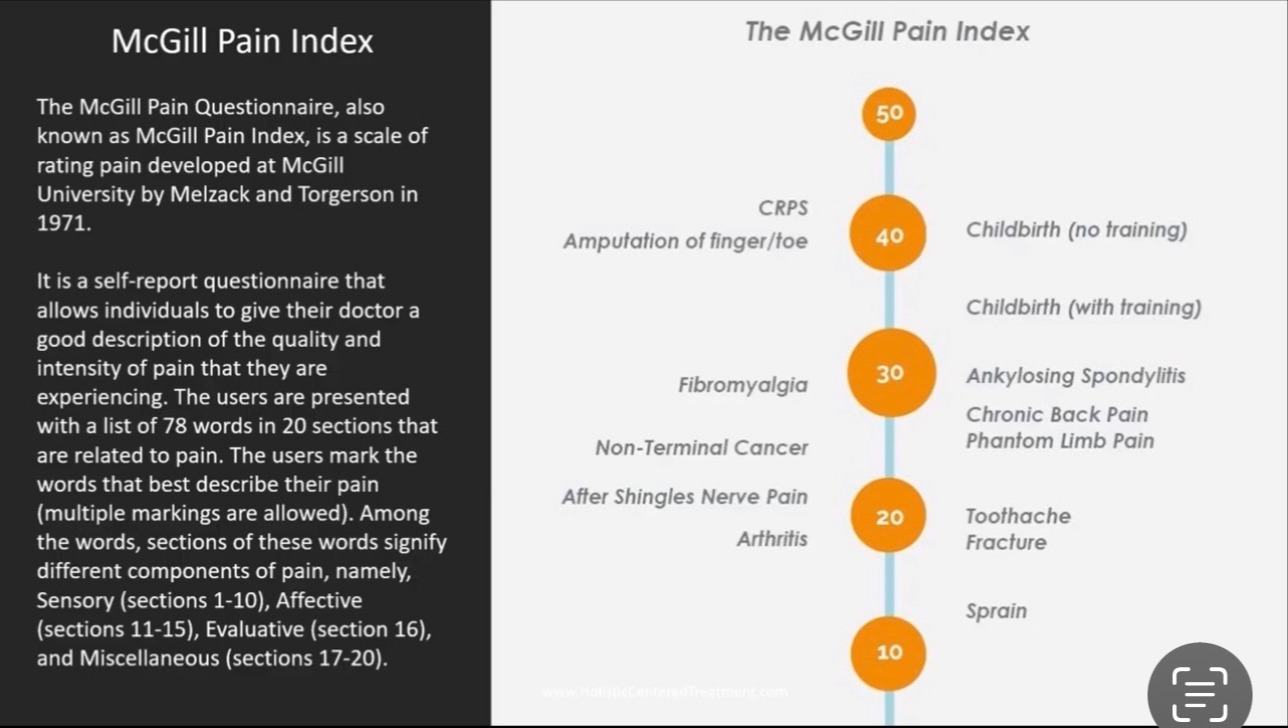
Complex Regional Pain Syndrome (CRPS) is a neurological condition that stems from an imbalance and malfunction in the autonomic nervous system. It usually occurs following injury, surgery, stroke, or heart attack. Sadly, this condition is often referred to as the ‘suicide disease’ due to the unbearable pain it causes and its profound mental health implications. It is considered the most painful disease known to humanity, rated higher than childbirth and amputation on the McGill Pain Index, an internationally recognised scale for pain assessment. The pain is primarily neuropathic and is often accompanied by inflammation and mobility issues. It is also well known that during the long duration of the disease when patients reach stage 4, they start to develop various complications such as disturbance of the immune system (neurogenic inflammation), limbic system, cardiac system, the endocrine system and the respiratory system. These are just a few of the various complications.
Unfortunately, it is a very complex and rare disease, which is poorly understood by medical professionals, especially in Australia. Treatment is most effective when started early and focuses on relieving symptoms, slowing the progression of the disease. Unfortunately, this is not the case for Lana, as her missed diagnosis after 14 months of fighting for answers lead to the subsequent progression of her CRPS symptoms, including contralateral spread, which is difficult to treat as so much time has passed since the onset of her condition.
Lana’s story
It has been heartbreaking to watch my loving, caring, funny, adventurous, happy, determined big sister, who just turned 30 with big goals, deteriorate aggressively the last 5 months. Lana embodies the spirit of selflessness, always willing to set aside her own needs for the sake of others. Watching her go from a strong, independent person we all respect to someone whose condition has taken away her freedom and quality of life is truly disheartening.
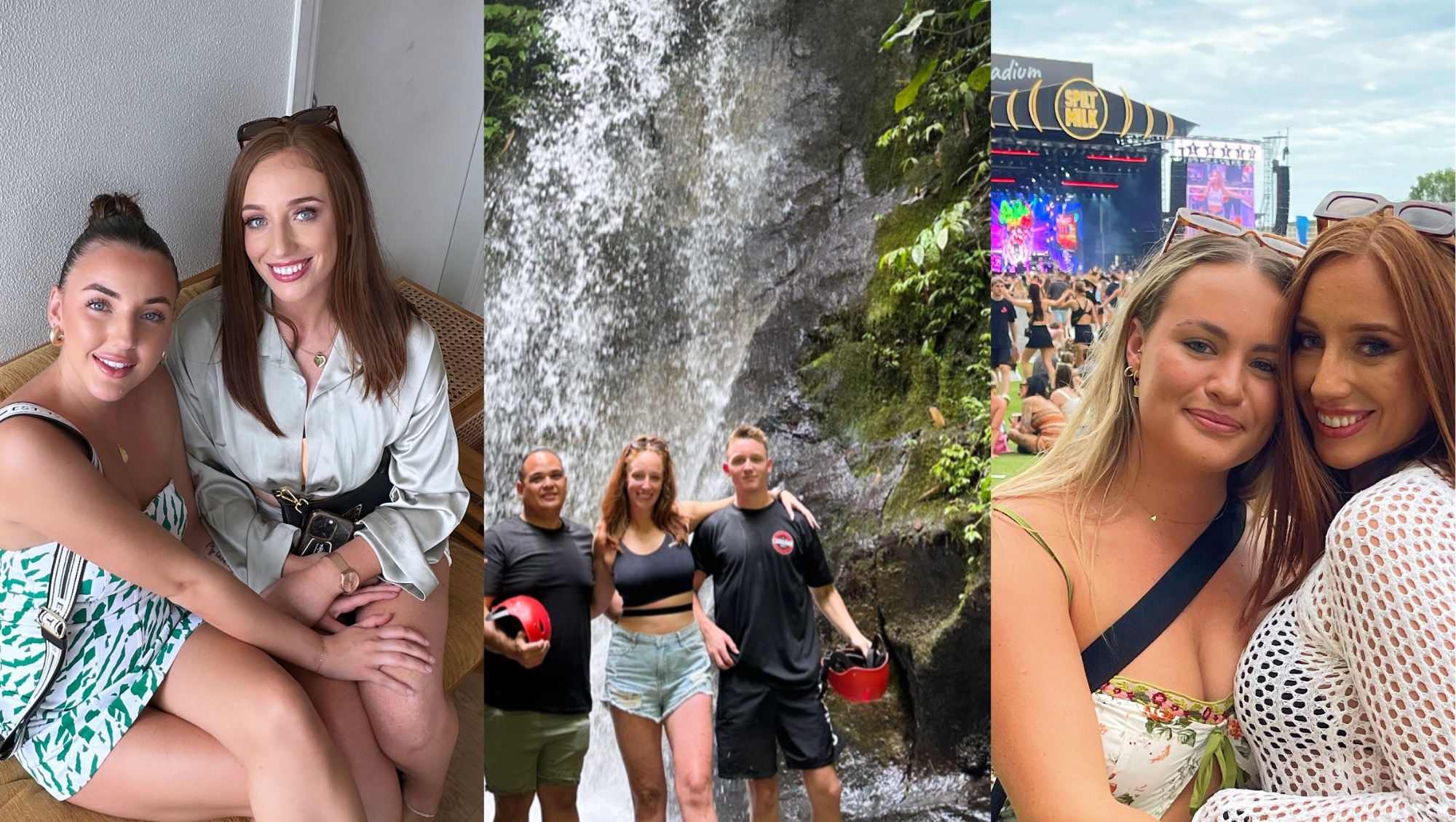
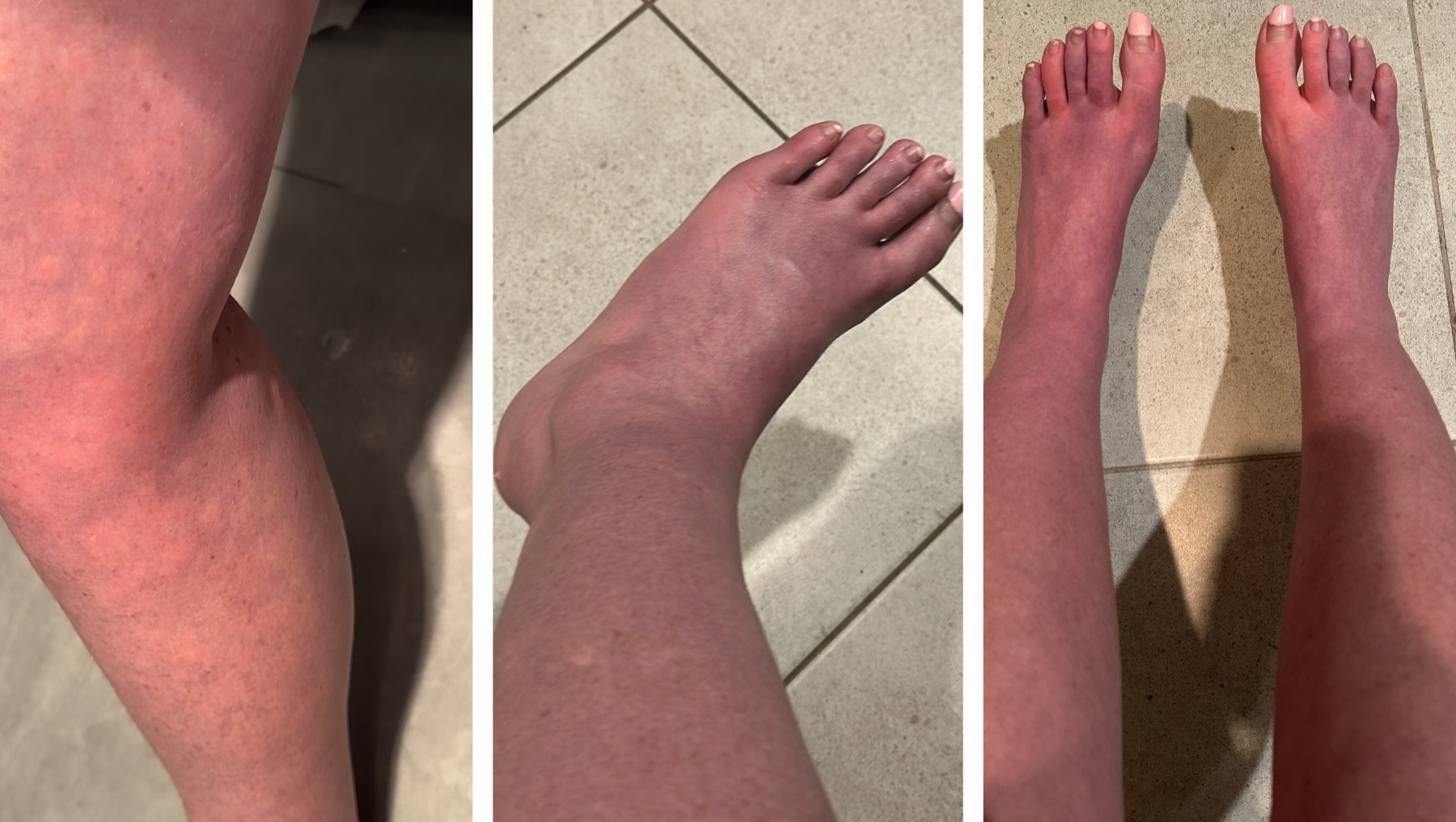
Lana has tried to face this disease head on behind closed doors the last 20 months, being nearly 2 years that she would not like to remember. They have been filled with relentless pain, sleepless nights,nights at the hospital, tears and seemingly hopelessness of this cruel disease. Lana describes the pain as merciless 24/7, with swelling, colour changes, temperature changes feeling as if she’s either being scorched or trapped in a freezer. The agony is so severe that it feels like her bones are being crushed, her veins are submerged in acid, and she endures sensations of being stabbed or having bull ants crawling and biting at her skin—just a glimpse of her suffering.
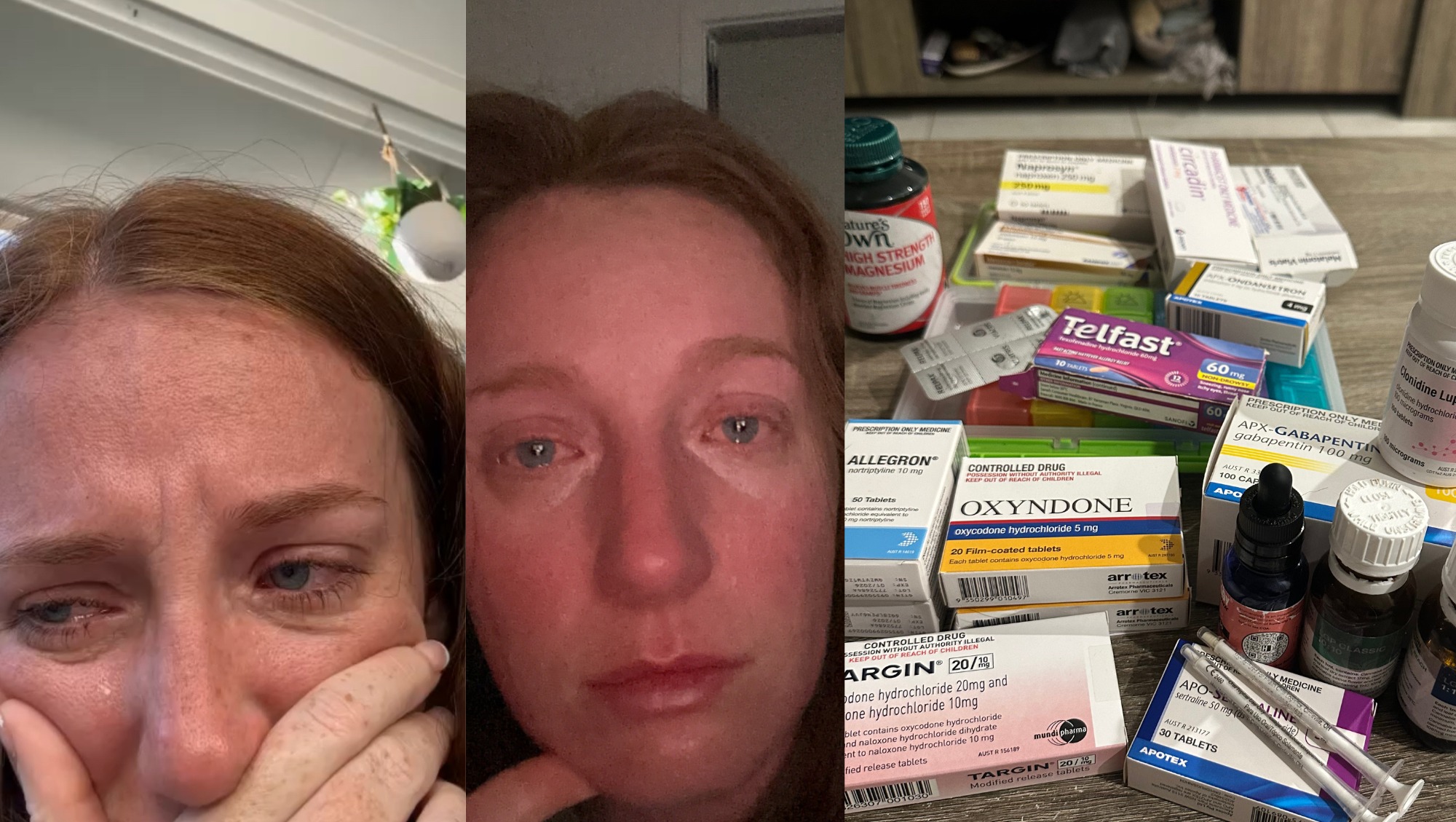
Lana also suffers with clusters of myoclonic seizures, which are involuntary jerks of the face, arms, legs and stomach. She has also started to develop other complications, such as extreme fatigue, gastrointestinal complications, tinnitus, muscle dystrophy, allodynia (sensitivity to touch) and spread of CRPS. Lana has been on a cocktail of medications & pain relievers, however they hardly alleviate the pain.
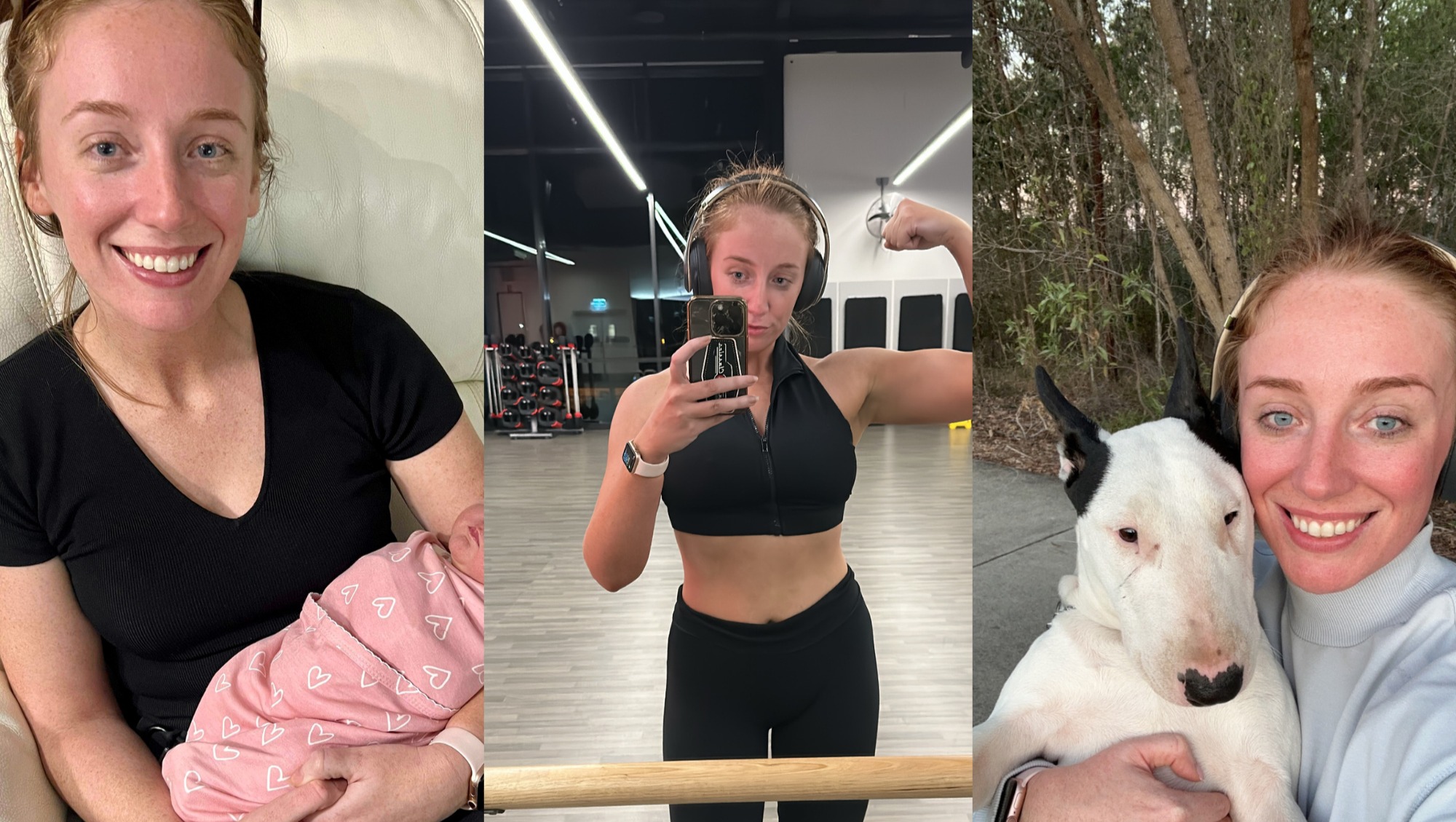
She had been very active and into training at the gym, walking her dogs, socialising and absolutely loved her job and experiencing life as an aunty to my daughter. Lana's determination was remarkable; she continued to show up for work for those 20 months, until her employers gently suggested she take a step back, noticing her struggles becoming more evident, beginning in early August. Now, she depends on crutches, but her wheelchair has become her primary means of mobility due to the intensity of the Allodynia that has developed.
In her quest for healing, she navigated a multitude of options before arriving at her current state, tirelessly fighting for the help she needed. Navigating the Australian health system had become a full time job. This journey involved months of medication regimens, physiotherapy sessions, nerve blocks performed in a hospital, electrical stimulation, acupuncture, consultations with many specialists, osteotherapy, mirror therapy, desensitisation practices, magnesium infusions, magnesium floats, dietary supplements, significant changes to her diet, red light therapy, and engaging in pain management courses and reading. Unfortunately, the medical professionals have categorised her situation as too challenging to address, primarily because so much time has passed since her diagnosis was initially delayed.
Today, I reach out with a heartfelt request for support and togetherness, as her family, friends, colleagues, partner, and I are deeply saddened to see her battling within her own body, feeling powerless to alleviate her pain and watching her quality of life diminish.
We have found a glimmer of hope at The Spero Clinic in Fayetteville, Arkansas, USA. This esteemed clinic provides an intensive outpatient therapy program for CRPS, utilising over 20 advanced treatment modalities and state-of-the-art equipment, having successfully helped many individuals regain their lives from this challenging condition. With their 85% success rate, we have seen incredible transformations at Spero, and Lana has formed connections with numerous fellow Australians and others from around the globe who have travelled to Fayetteville for this treatment and returned home in remission.
Unfortunately, the treatment comes with a hefty price tag. The costs of the program, along with travel and accommodation, are far beyond what we can manage alone. That’s why I’m reaching out to the kindness and generosity of friends, family, and even strangers—anyone who can help make this life-changing treatment possible for my sister.
The exact expenses will vary based on personalised treatment plans and the duration of stay. Typically, patients at this clinic stay for an average of 4 months, though some may need up to 5-6 months to reach remission. The primary goal of this fundraising campaign is to secure the funds needed for 4 months of care, totaling $72,000 AUD, along with accommodation costs of $2,000 AUD per month, as it operates on an outpatient basis. To cover the remaining expenses, such as flights, daily transportation, essential items, visa, and household bills, her partner will be selling some assets.
Your support would mean the world and play a crucial role in helping Lana access the medical treatment she desperately needs to regain her ability to walk, reduce her reliance on daily pain medication, and restore the quality of life that many of us often overlook.
We understand that these times can be hard, and we don’t expect everyone to be able to give financially. We would be truly grateful if you could share this campaign with those in your network, even to just spread awareness.
We will post regular updates, once Lana begins treatment.
To learn more about this condition, you can watch ‘Take Care of Maya’ on Netflix.
There are also links below about the program at the Spero Clinic:
With Gratitude,
Frankye-Liannah, Bernard & Family
Organizer and beneficiary


Bernard McGrath
Beneficiary