The Chez Moi Digital Launchpad
0% complete
$6,864 raised of $38K
35 donations
The Chez Moi Digital LaunchPad - in partnership with the Knowledge Bank Foundation
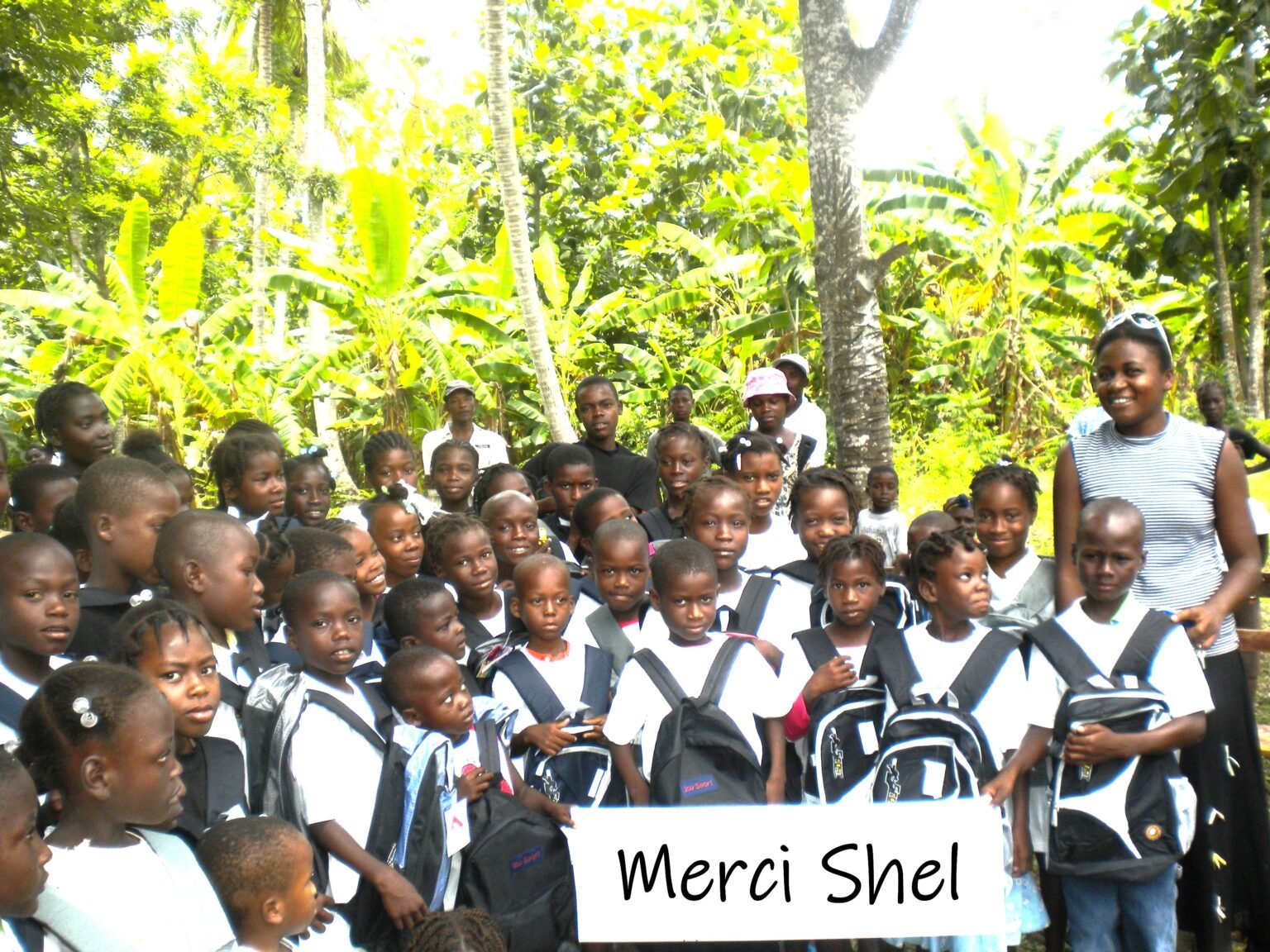
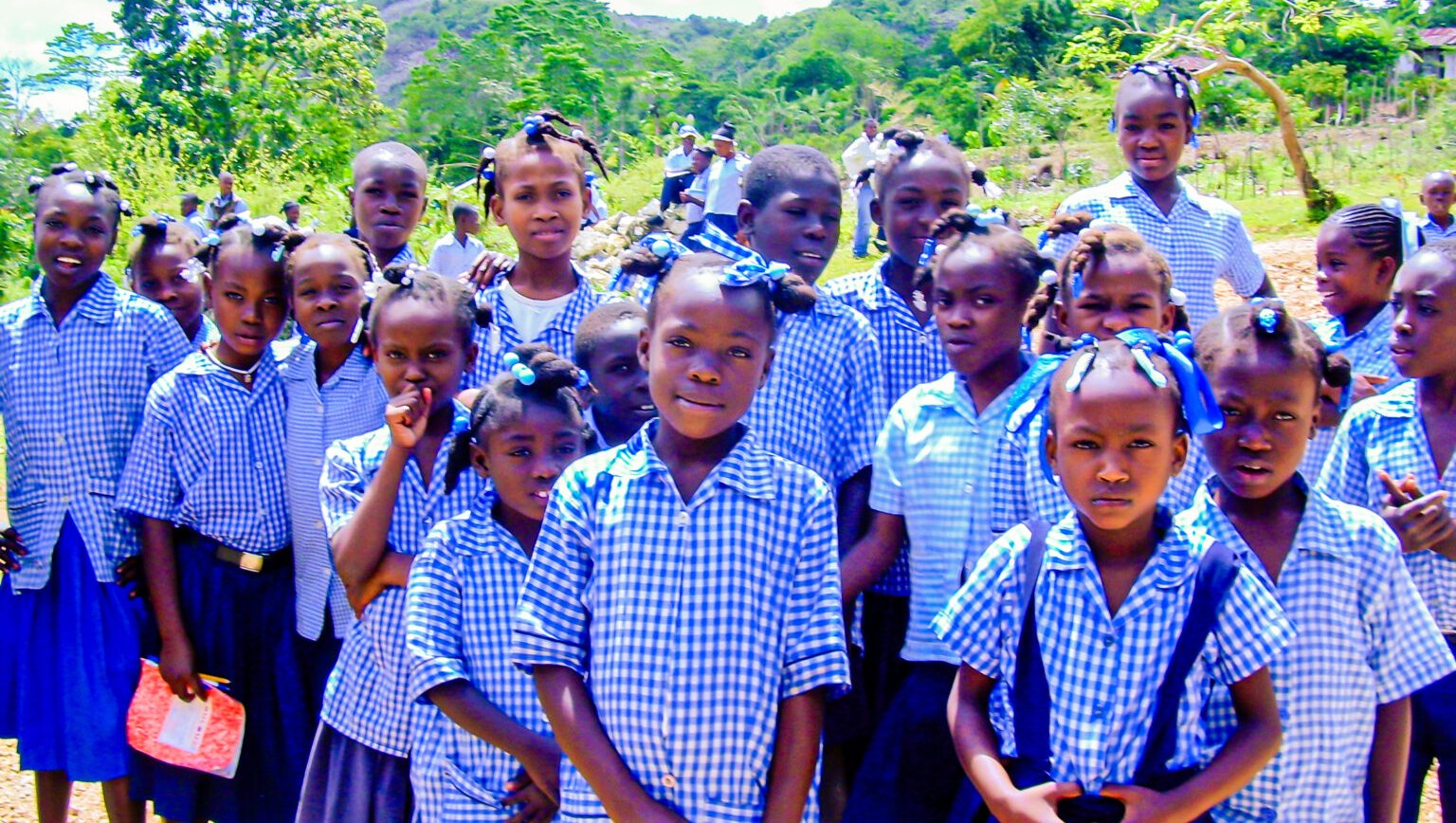
Since 2002 the At Risk Children Foundation has given Haitian children a home, meals and a place in school. What those students do not have are computers to learn on. Close to six in ten Haitians are not online at all and most of the young people in our care finish secondary school without having used a computer. They leave capable and motivated but with little if any computer skills, into a job market that asks for credentials they don’t have. We intend to change that, beginning with a small cohort of students in Port-au-Prince.
The conditions children in Haiti are growing up in are among the hardest anywhere in the world. Roughly 751,000 children are displaced inside their own country. Close to half the population faced acute hunger in the first half of this year. More than one in four Haitian children is out of school, and more than sixteen hundred schools across four departments closed under armed violence by the spring of 2025. Eight in ten primary schools are non-public, which for most families makes schooling a purchase rather than a provision, and recruitment of children by armed groups rose seventy percent between 2023 and 2024. For a great many young people these are not statistics but the terms of daily life: displacement, hunger, interrupted schooling, illness, and violence close at hand.
WHAT THE PILOT IS
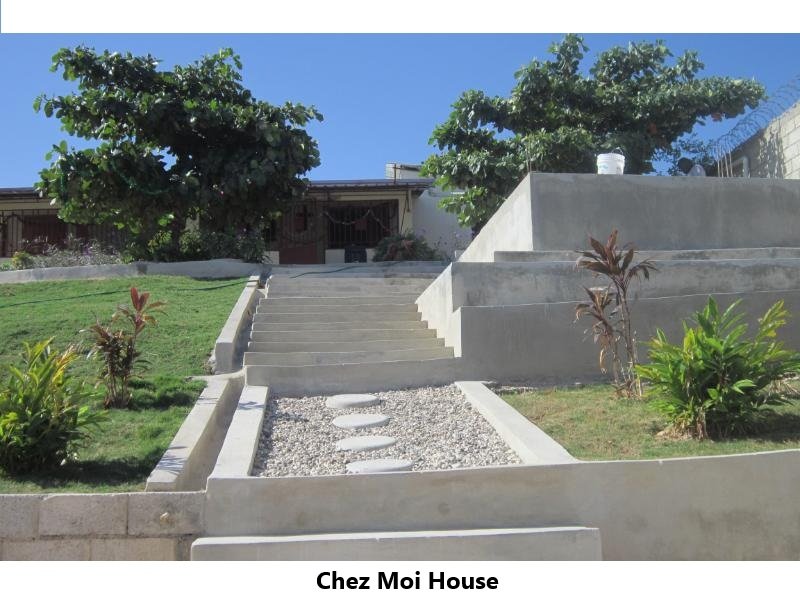
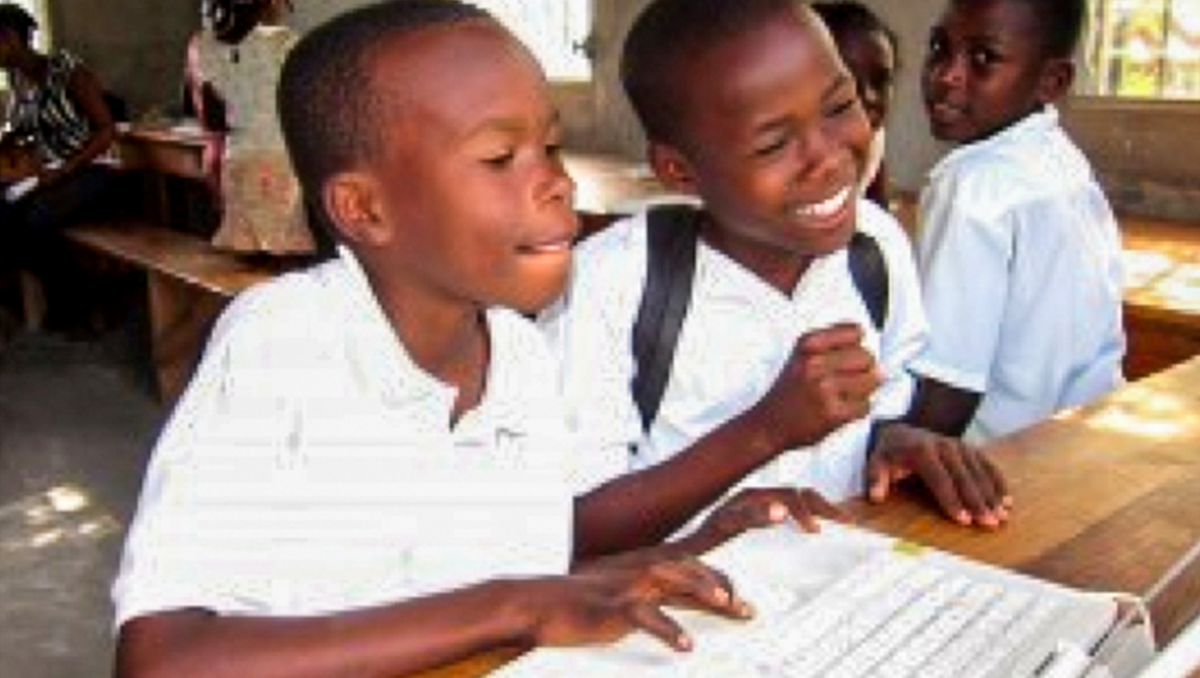
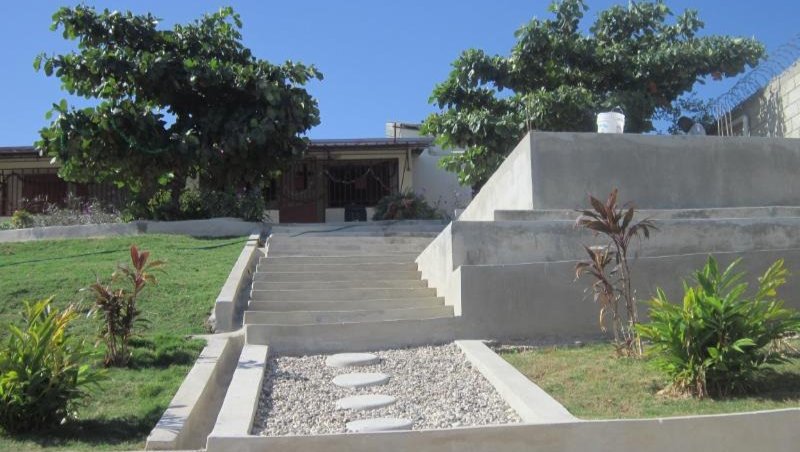
In partnership with the Knowledge Bank Foundation, a modest computer lab will be set up at Chez Moi, a house that already stands in Port-au-Prince with running water, power, solar panels, a generator, backup batteries, and stable wifi, and turn it into a teaching space. We will start with ten to fifteen laptops, enough to run a real class. Teaching will be carried locally. One local student teacher will be recruited and paid to work with students through the curriculum day to day. TKBF instructors will travel to Port-au Prince for training and check-up visits, and between those visits will be available by video conference for IT support and curriculum assistance, so that the local teacher is never left without backup. Students will come from ARCF’s care. This is not a program for young adults only — ARCF supports students across a wide range of ages, and the pilot is open to them. Where the students and the resources exist, local students from the surrounding area will be included as well.
Most students will start at the beginning: many have never used a computer, and will begin with basic computer literacy. Every student will also learn English if they do not already speak it. English is the working language of documentation, source code and technical interviews, and without it the rest of the curriculum does not open up.
WHAT STUDENTS LEARN
Three strands, taken in sequence or in parallel depending on where a student starts:
- Computer literacy. Operating a computer, managing files, typing, working in an office suite, and using a browser and email safely.
- English. Delivered through freeCodeCamp’s English for Developers curriculum, which is free and issues verified certificates.
- Responsive web design. HTML, CSS, layout, accessibility and a portfolio of working projects, again through freeCodeCamp, ending in an internationally recognized certificate.
freeCodeCamp’s curriculum and certifications carry no license fees and no per-student cost. Everything raised for this pilot goes to the facility, the equipment and the people doing the teaching.
WHAT WE STILL NEED
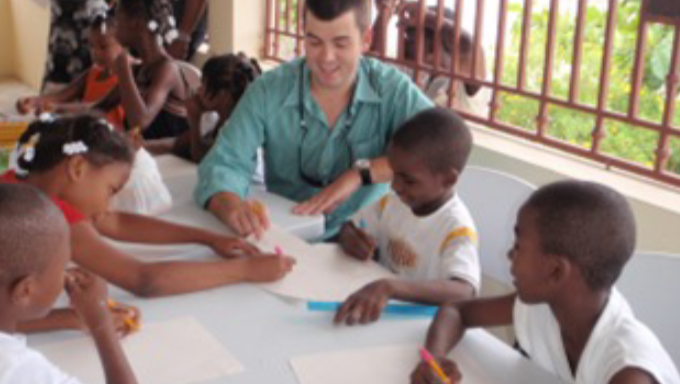
Operating the Launchpad at Chez Moi for one year is estimated at approximately $38,000. That figure is the fundraising goal for a first year of the project at this scale, and this is what it covers:
- Facility and utilities. Water, electricity, internet, propane, garbage collection, cleaning and sanitation, meals, and the routine maintenance that keeps the house running.
- Staffing. A housekeeper/cook to prepare meals for students, a groundskeeper, night and daytime security, plus an additional security guard and a local student teacher who works with students through the curriculum day to day.
- Equipment and set-up. An upgraded generator, tax-free shipping to bring ten to fifteen donated laptops into Port-au-Prince, and folding tables and chairs for the teaching space.
AFTER THE CURRICULUM
Students who complete the curriculum receive continued job placement assistance from TKBF. Resume building, interview preparation, soft skills, and introductions through TKBF’s small network of professional connections.
WHERE THIS GOES
This is our first pilot program of this nature. It is deliberately small, and it is meant as a starting point for larger projects— serving more students than one house in Port-au-Prince ever can. If the need and the resources exist, we are prepared to scale, including running structured groups of students throughout the week rather than the single group the pilot begins with. As we move forward, we are working toward growing partnerships with local, remote, and overseas employers for alumni — which, for a student who wanted it, could open a pathway to immigration.
WHAT THIS RETURNS
Everything this program costs to run for a year, a single determined graduate will be able to earn in a year of employment in the future. A credential opens a career that was not previously on the map. A wage feeds a household and moves through a neighborhood economy. A young person who can support themselves is no longer a young person at risk. And knowledge, once someone has it, cannot be taken from them and does not depreciate — it is the one asset that holds its value under any conditions. What this program asks for is one year of support. What it returns compounds, in earnings and in the quality of a life, every year after that, for every student it reaches.