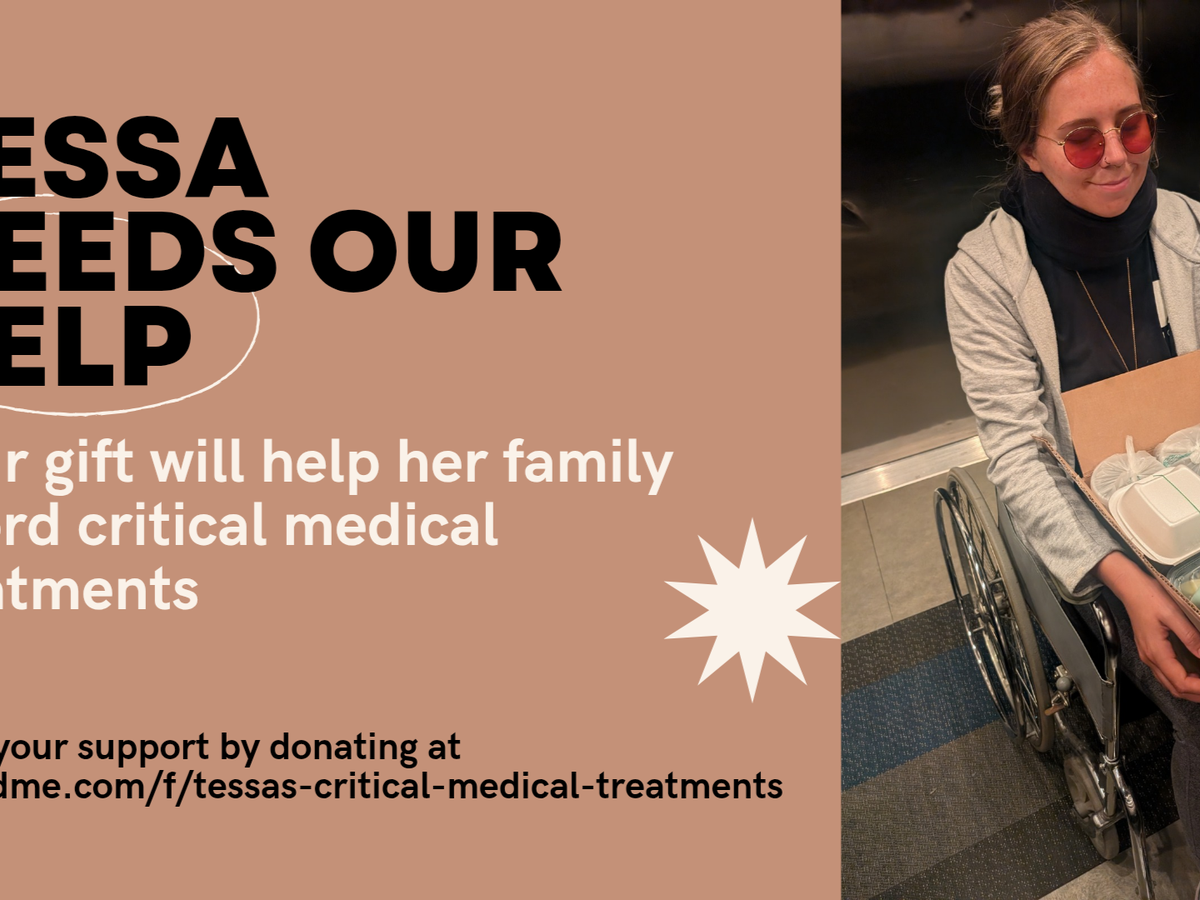
- D
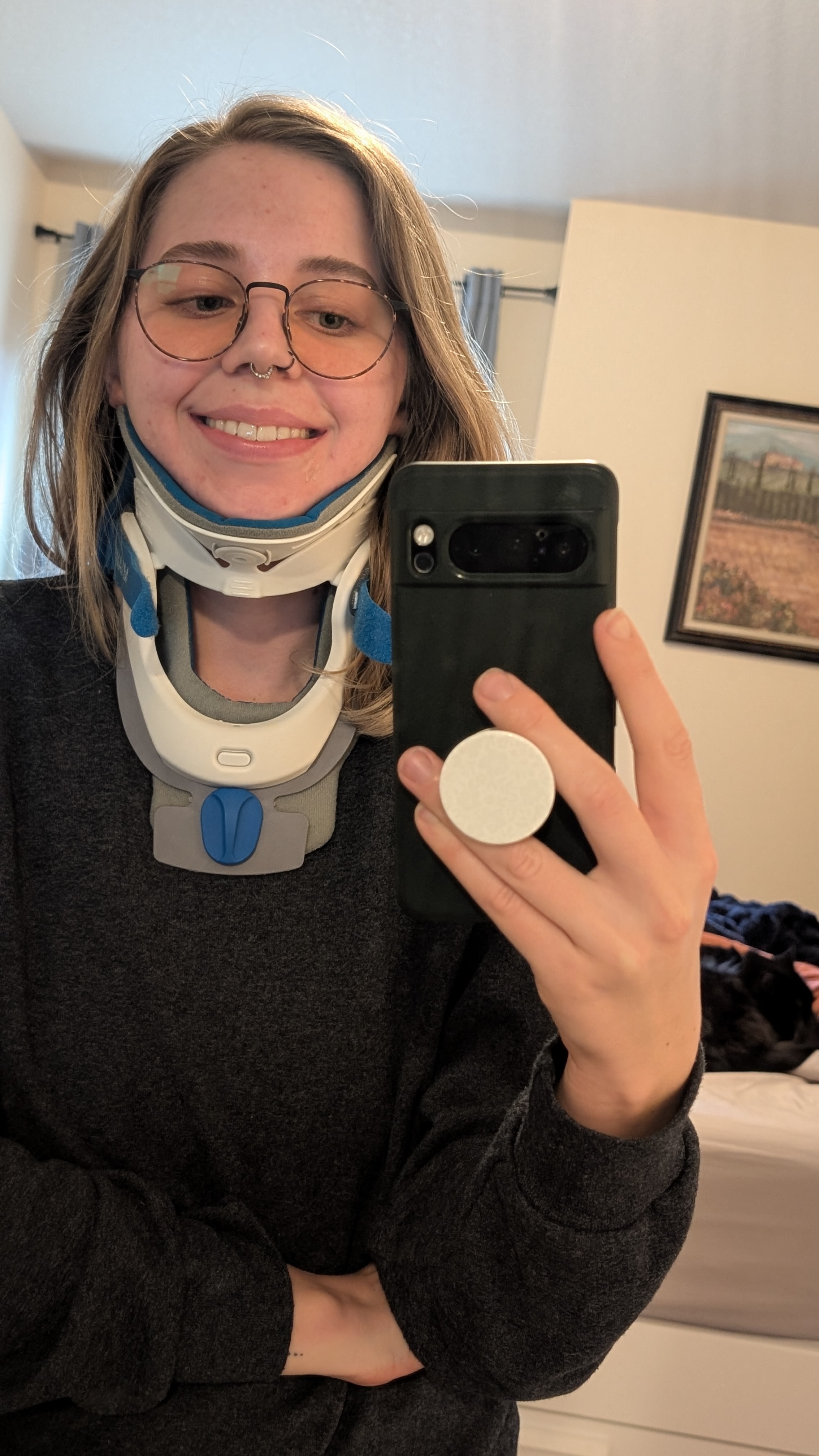
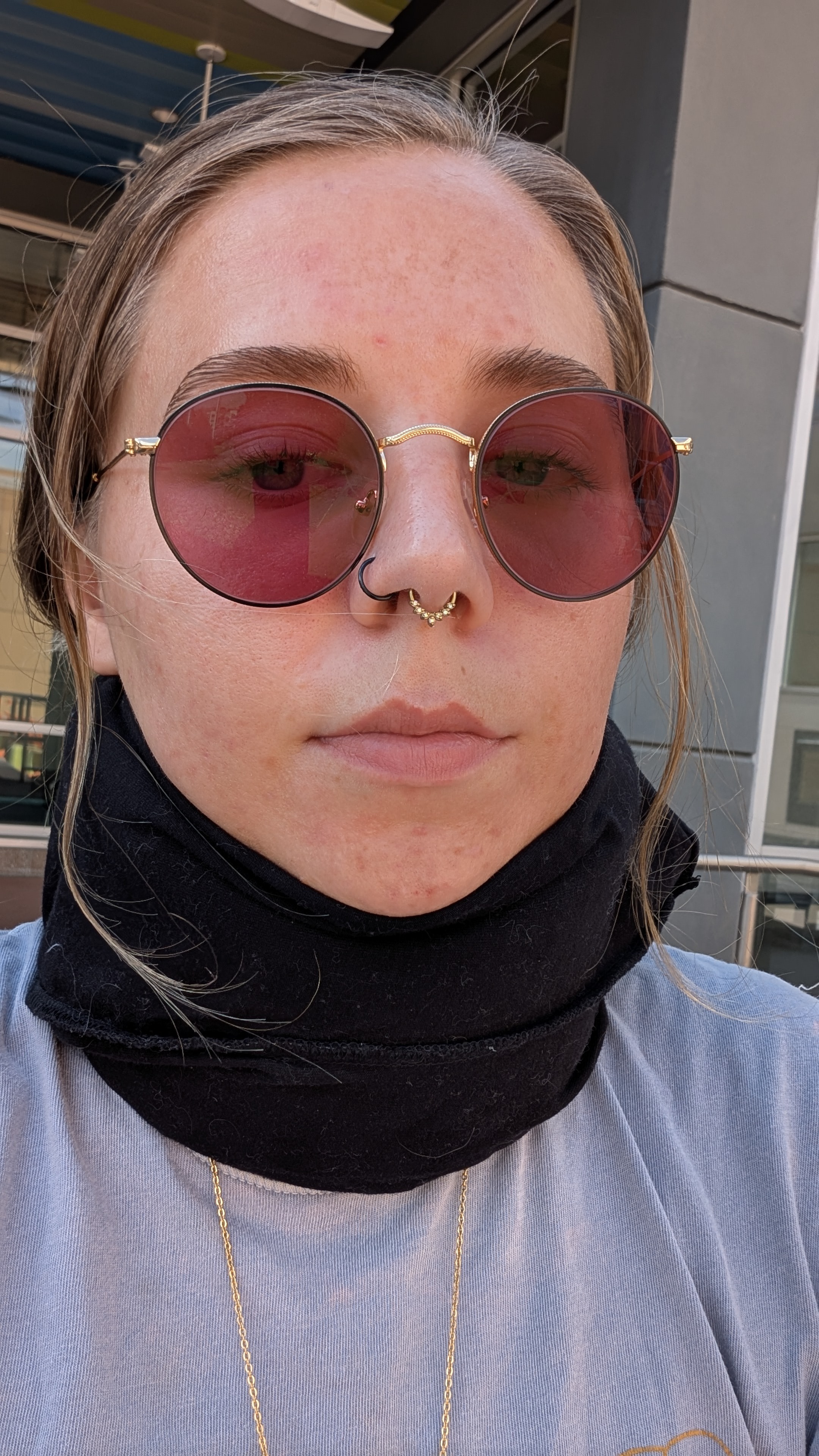
Hi everyone!
It’s been a little while since my last update, and I wanted to share how things have been going — what’s changed, what’s improved, and what’s next.
____________________________
Where Things Stand
Thanks to your incredible generosity, we were able to raise enough funds for my first PICL procedure — Percutaneous Injection of the CCJ (cranio-cervical junction) ligaments.
In short, PICL uses bone marrow–derived stem cells injected into damaged upper neck ligaments to help them heal and tighten. Ligaments — unlike muscles — don’t respond to exercise or stretching, so when they’re loose or torn, they often stay that way. When these ligaments fail to hold the skull and upper spine stable (a condition called Cranio-Cervical Instability, or CCI), the result can be severe neurological symptoms: headaches, dizziness, vision and balance issues, fatigue, and more.
After exhausting every conservative option — physical therapy, chiropractic care, migraine management, medications, bracing, and more — PICL became the next medically necessary step and was given the green light by all of my specialists. It’s far less invasive than the traditional alternative, cervical fusion surgery, and has shown promising results for patients with Ehlers-Danlos and similar connective tissue disorders.
I’ve had regenerative procedures before (for a torn patellar tendon and posterior neck ligaments), but PICL is the only currently available procedure that can reach the front ligaments that stabilize the skull–spine junction — and that’s exactly where my biggest injuries are.
___________________________
The Procedure and Recovery
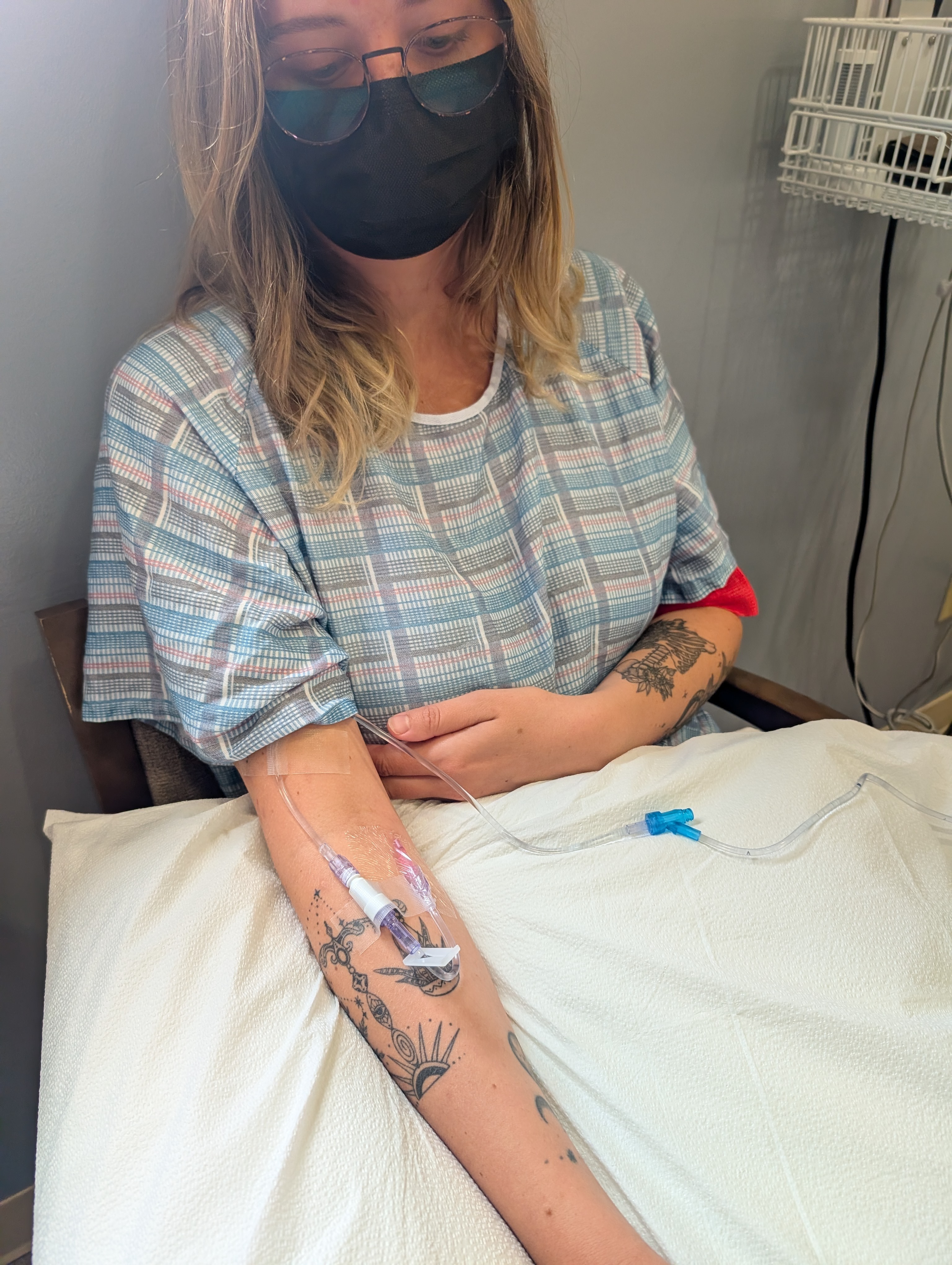
On June 28, 2025, I underwent my first PICL. The first weeks were tough — lots of stiffness and inflammation as healing began — but I could feel something shifting. Each day was different - some days I would wake up and think “wow, I don’t feel like my head is going to fall off!” and then the very next day I wouldn’t be able to tolerate being upright for more than an hour or two at a time. The Dr also injected some neck muscles, did a vagus nerve hydrodissection, and bilateral occipital nerve blocks. The clinic also treated both of my SI joints for me at no additional cost, which was such a blessing. It was confirmed I have both type 2b and 3a CCI, as well as a pannus on my C2 vertebrae that they need to keep an eye on.
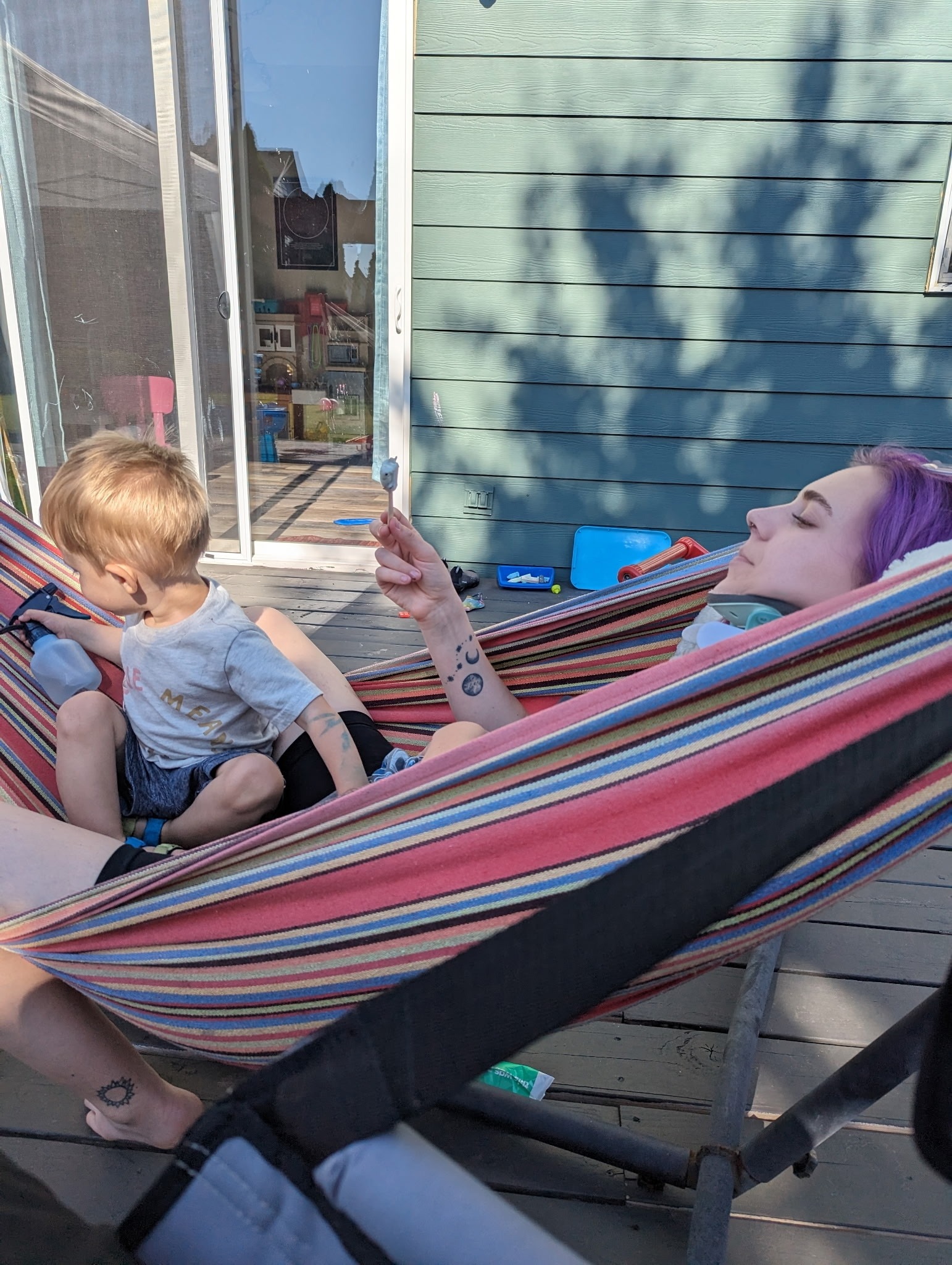
Over time, I worked with a CCI-certified physical therapist to rebuild neck and core strength and retrain the tiny stabilizing muscles. By the 3-month mark, I was cleared for targeted CCI exercises like laser-guided “clock” drills (photo below), which help restore fine motor control in the deep neck muscles.

______________________
The Results So Far
By September, I wanted proof that this was working — not just symptom relief, but visible structural change. I needed to know for a fact that this made a real, tangible, physical difference before planning to get another one. I had a repeat Digital Motion X-Ray (DMX) done to measure ligament integrity and vertebrae alignment.
The results were objectively better:
- At rest, my C1 and C2 vertebrae are now evenly aligned, which they weren’t before.
- My alar ligaments — key ligaments that literally hold the skull on the spine — are stronger. Before, the C1 vertebrae shifted 4.0mm (left) and 4.5mm (right) on movement; now, that movement has improved to 3.5mm left and 3.2mm right. (Anything over 3mm is considered severe, so this is huge progress for one procedure.)
- My neck curvature has improved, and an injured disc looks better on imaging.
Symptom-wise, I’ve had fewer migraines, less head pressure, fewer flare days, and better tolerance for movement and upright activity — all signs that the ligaments are stabilizing.
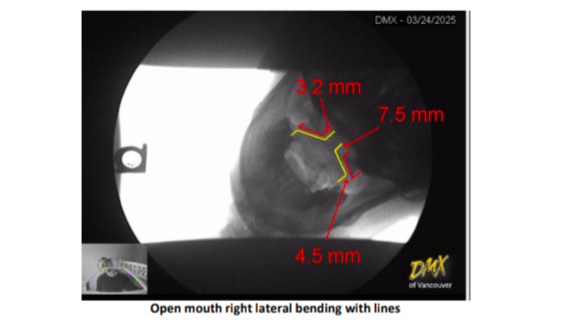
Right bending before - 4.5mm overhang (goal is 0mm!)
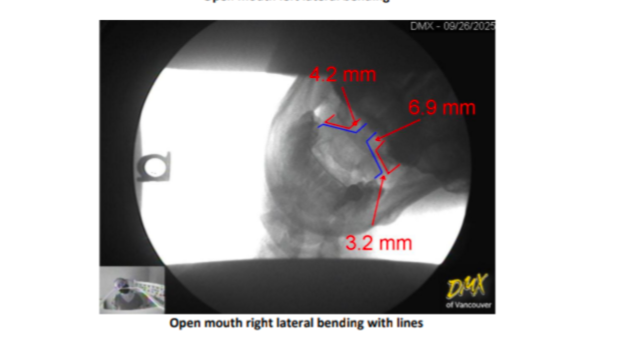
Right bending after - 3.2mm overhang
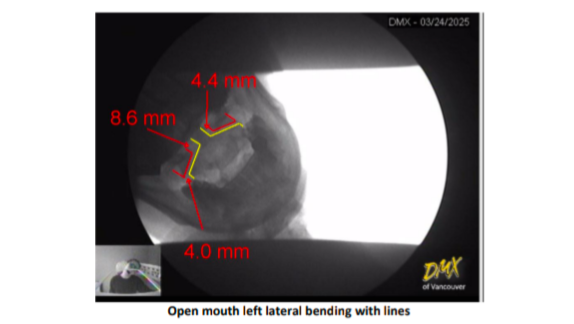
Left bending before - 4.0mm overhang
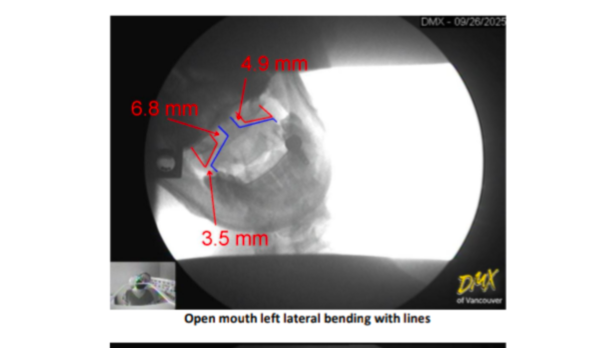
Left bending after - 3.5mm overhang

Neutral before - 1mm asymmetry

Neutral after - symmetrical
_____________________
What’s Next?
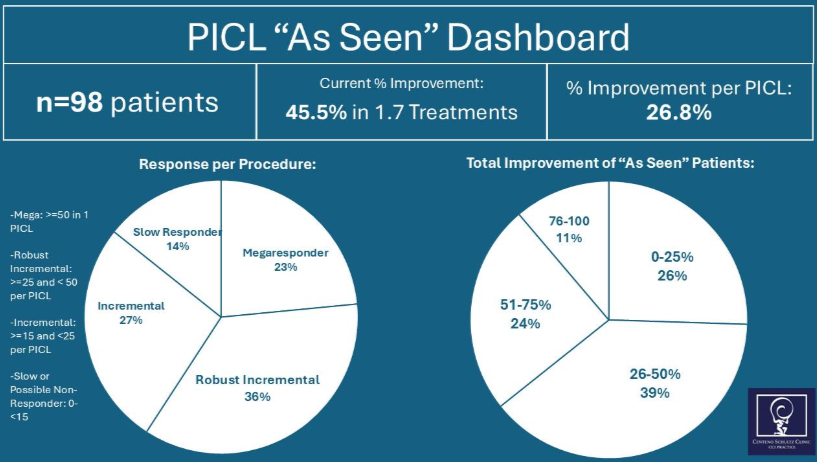
Dr. Centeno — who pioneered this procedure — is preparing to publish a placebo-controlled study this winter, moving PICL closer to FDA review and (hopefully) future insurance coverage. The clinic is also starting a pro-bono program for very low-income patients (which we don't qualify under), which is amazing news for others in need.
For me, the next step is PICL #2, scheduled for January 28th, 2026. Based on my results and imaging, my doctor estimates I’ll likely need 3–4 total procedures for long-term stabilization. Our goal right now is to fund this second one as soon as possible and keep saving for the third about a year after. This is not just another thing to try in a long line of options, and I want to make sure we communicate that effectively going forward. This is the final stop, and the bridge, between what I have already done, and being considered for cervical fusion surgery.
We currently have $1,000 left from the first GoFundMe, and every bit helps us move closer to this next step. Going off of repeat expenses, and excluding 1 time expenses like the pre-hab PT, we are looking at a goal of $12,500 for #2.
__________________
How to Help
Any financial gift — no matter the amount — will go directly toward this next procedure.
If you’re unable to give, especially with the holidays coming up, sharing this campaign with your community or network is an enormous help. It truly makes a difference.
Thank you for standing by me through this long journey, for caring, and for believing in healing and hope.
With love and gratitude,
Tessa
Additional Resources:
Recent BMC Musculoskeletal Study on Stem Cells for Ligament Repair

_______________________________________________________
Dear friends, family, and kind-hearted strangers,
As some of you may know, Tessa is struggling with multiple chronic health conditions that cause debilitating pain and neurological issues every day, leaving her unable to work or live a normal life. We are unable to afford or finance any more critical treatments she needs to manage her pain and prevent further damage, which is why we are asking for your help.
Tessa has been diagnosed with a combination of Ehlers-Danlos Syndrome (EDS), cranio-cervical instability, chronic Lyme disease with co-infections, and Mast-Cell Activation Syndrome triggered by black mold exposure (just to name the biggest contributors!). These illnesses have severely affected the stability of almost all of her joints due to ligament laxity and collagen damage; her cervical spine ligaments the most. This is causing spinal degeneration leading to chronic pain, neurological degradation from artery compression and nerve root encroachment, and trace spinal cord flattening.

(MRI - Mar 2023)
The Struggle:
Tl;dr: Tessa is dealing with massive amounts of cervical spine instability that calls for a specialized treatment aimed at repairing and strengthening the damaged ligaments, namely the alar ligaments. Failure to address the specific laxity issues now will result in further degradation and disability leading up to spinal fusion surgery as the only alternative, which we want to avoid at all costs due to the risks and contraindications with her EDS. Tessa's disability has severely impacted her ability to work, care for herself, and participate in life outside of any “good days” that we are lucky to have. Despite these challenges, Tessa remains incredibly resilient and committed to seeking treatments that can provide some relief.
-
For over a decade now, Tessa has experienced intense migraines, muscle spasms, joint pain, and other neurological symptoms that were never really connected to anything. After Jonah was born, her symptoms began to drastically decline and it became harder and harder to function normally. At the beginning of 2023, through genetic testing, she was diagnosed with Ehlers-Danlos Syndrome, a connective tissue disorder that affects the body’s collagen structure. This led to Cranio-Cervical Instability - her neck ligaments are too loose, allowing the vertebrae to move too much leading to migraines, pinched nerves, nervous system problems, muscle degeneration, and disc degeneration. EDS makes it harder for wounds to heal, for your body to maintain orthostatic tolerance, and since collagen is everywhere in your body, so are the effects of EDS.
More on EDS here: https://www.ehlers-danlos.com/what-is-eds/
More on CCI here: https://centenoschultz.com/craniocervical-instability-cci/

(Atlas vertebra (C1) 10mm tilt - Sep 2023)
In 2023 she had two rounds of Platelet-Rich-Plasma (PRP) injections into the posterior neck ligaments to help stabilize them. It helped a lot, however right before her second round of injections, we unknowingly moved into a rental that had a black mold issue. This triggered a Mast Cell Activation disorder, and began degrading the collagen and ligaments in her neck already damaged from EDS, stealing away progress made by the PRP. We found out about the mold problem in June 2024 and moved out as soon as we could, and having to replace much of our belongings. She has since gone through treatment for the mold exposure and is prescribed mast-cell stabilizers which have helped tamp down the inflammation.
In February of 2024, she was also diagnosed with chronic Lyme disease and a handful of co-infections. She is undergoing long-term, rigorous treatment that has ups and downs, with the goal of putting the Lyme into remission. The assumption is that it was acquired at some point in childhood and in remission until the immune suppression experienced during pregnancy allowed it to become active again. You can read more about Lyme disease here: https://www.lymedisease.org/lyme-basics/lyme-disease/chronic-lyme-disease/
All of this unfortunately has played together leading to a decreased quality of life, chronic pain, fatigue, joint issues, neurological problems, etc. She is rigorously doing physical therapy, medications, and any other supplemental means to help ease discomfort and strengthen her body. We have had to pay for mold testing in all our apartments, special products to make sure we keep mold spore levels low, air purifiers, a dehumidifier, braces and supports for joints, special pillows, special prism glasses, dietary restrictions, and constant medical appointments, testing, and procedures. Over the last 3 years, we have incurred a debt of over $40,000 just on medical costs alone, both routine and non-routine. We are living paycheck to paycheck, buried under this massive debt. We have no more financial options at our disposal.
We have 1 year of Lyme treatment under our belt, and probably several more to go. Her MCAS is somewhat controlled through medication and dietary changes, and she has gained some full body stability back through physical therapy. She has recently experienced a significant step backwards with neck disability due to compounded stress on the neck joints from the instability over time, combined with the chronic inflammation from Lyme.
The unstable vertebrae are pushing on nerves and her spinal column, causing many neurological problems like hypersensitive nerves to the point that clothes are painful to wear, memory loss, vertigo, diagnosed narcolepsy, near fainting, weakened blood vessels and veins, and circulation problems to name a few of the recently onset symptoms. The narcolepsy is hard to manage even with medication, and her provider now encourages her to not drive whenever possible since having an attack while driving is incredibly dangerous.

(MRI report - Mar 2023)

(Digital Motion X-ray (DMX) - Mar 2025. The mm listed are how far they slide forward when looking down. The normal number is 0mm.)
The Treatment:
Because of the urgent need for spine stabilization and the extent of damage seen to her Alar ligaments, Tessa was referred to getting a treatment called the PICL (Percutaneous Implantation of the CCJ Ligaments), a highly specialized procedure that targets the anterior cervical spine ligaments and has a high success rate for people with EDS/instability that don't respond as well to posterior injections or conservative therapies. This would be much more beneficial long term, however the cost is $12,500 per treatment and two to three treatments are usually needed for complete success. People often sell their houses, use retirement, or savings to pay for this lifesaving procedure but we don’t have any of that to draw from. This procedure was first created in 2014 and is finally reaching is peer-reviewed publishing phase, aimed at establishing the PICL as a standard of care for CCI patients before fusion surgery, and with Dr. Centeno's career goal being to get as many insurance companies to cover it as possible.

(DMX - Mar 2025. Normal is 0mm overhang. The below picture shows the overhangs when leaning to the side listed on the last bullet point of the report.)

(Neutral)

(Leaning Right)

(Leaning Left)

(Parts compromised from upper cervical instability. Putting it all together, when Tessa tilts to the right, there is a 4.5mm overhang pushing on the vagus nerve, jugular vein, and carotid artery. 4.0mm on the left side.)
Additionally, Tessa has been recommended Stellate Ganglion Blocks, which target the cervical spine and are aimed at reducing pain caused by nerve irritation and nervous system dysregulation. This is usually a series of 3 treatments. This could be a game changer in managing the pain associated with her illness.
https://pubmed.ncbi.nlm.nih.gov/37786891/#:~:text=Abstract,stellate%20ganglion;%20stellate%20ganglion%20block.
Unfortunately, the cost of these treatments is substantial, and without monetary assistance, they are not affordable or financeable in any way. We are already living beyond our means to provide Tessa with as much Lyme treatment and support as possible to prevent further pain or damage, but we are unable to continue affording or financing the multitude of treatments.
Without intervention now, the instability will only worsen, leading to the potential for invasive and high risk procedures like spinal fusion surgery, which is not a recommended option for someone with Ehlers-Danlos Syndrome due to the fragility of their connective tissue.
We are also looking into hyperthermia therapy and SOT injections to hopefully put the Lyme into full remission. These treatments come at a significant cost as well - any donations beyond the goal will be put into savings for this procedure.
Why We Need Your Help:
Due to the nature of Tessa's conditions and the inability to work, we have accumulated significant medical debt, preventing the ability to qualify for any payment assistance or medical loans. The PICL is currently not covered by insurance (most regenerative medicine still isn't in the US unfortunately). Living with chronic illnesses has resulted in a much higher cost of living, while also being forced into a single income. Medications, supplements, support supplies, testing, medical appointments, physical therapy and more regularly add to this cost. This has left us with no more financial means to pursue these necessary treatments.
Treatment Costs Breakdown:
Advanced ePICL Procedure (3 treatments, 6-12 months apart each)
- $14,500 per treatment: $43,500 (plus approx $1,000 total travel expenses per trip). The "advanced" version includes full posterior neck injections and any needed nerve blocks as well.
- SI joint injections: $2,000
- Pre-treatment of 10 hyperbaric oxygen sessions: ~$1,000
- Specialized PICL Pre/post-hab PT program: $1,200 total
Broomfield, CO - Dr. Centeno - https://centenoschultz.com/treatment/picl-procedure/
Stellate Ganglion Blocks (3 treatments): $3,000 ($1,000 per treatment)
Performed by Dr. Ontono Silva in Bellevue, WA. Dr. Silva has performed both of Tessa’s previous neck treatments as well as one of her SI joints.
Total for Three Treatments: $52,500
As we look towards even more treatments in the future, any additional donations beyond our initial goal will be put into savings for the following:
Hyperthermia treatment for Lyme: $20,000
SOT Therapy for Lyme: $1,500-$5000 per treatment, can be done up to 3 times per year.
After these treatments, there will still be lifelong management of both the Lyme and EDS that will require more costs down the road. Any additional donations will go into a separate savings account to be used solely on future medical costs.

How You Can Help:
We are humbly asking for your help in covering the cost of these critical treatments. Any donation, no matter how big or small, will go a long way toward helping Tessa regain her health and improve her quality of life. If you are unable to donate, please consider sharing this campaign with your network—your support in spreading the word will be invaluable.
A Message from Tessa:
“I want to thank each and every one of you for taking the time to read just a little bit of my story. I never expected my life to look the way it does now, but anyone who knows me knows that I am stubborn and determined. The fact that treatments exist today that can help resolve chronic illnesses and the conditions that I have give me hope for me and our family’s future, while the blatant lack of accessibility due to finances makes the pain that much harder to bear. Lyme is brutal - it has stolen pretty much everything from me. I feel like I often am just crawling forward to survive, instead of being able to actually live. I want Chris to have the partner he remembers, and for our son Jonah to look back on a mom that was present, playful, and most of all loving. Seeing how much this illness takes from them as well breaks my heart. Most of me continues to exist for the love of my family, and the other part of me exists out of spite. Either way, I’m still here and I’m not letting this take anything else from me without a fight. It’s frustrating that the quality of my entire life can be determined by our bank account. In the past, it’s been hard due to the pain. This is the first time I’m actually scared by the symptoms that I’m having and what may happen without taking action.
Being the nerd that I am, here is more information on these conditions for those who are curious or who may be experiencing something similar.
https://projectlyme.org/hyperbaric-oxygen-therapy-hbot-for-lyme-disease-interview-w-dr-alexander-alvarez/
You can find more info on the PICL procedure from Dr. Centeno here:
Thank you for any and all donations towards these treatments, they mean more than I can express. “
-
Thank you, from the bottom of our hearts.
With your help, Tessa can take a crucial step toward healing and a better quality of life. Let’s show her that she doesn’t have to fight this battle alone.
Please consider contributing to Tessa's journey to recovery today.
Thank you for your support, compassion, and generosity.
Organizer