- S
- A
Hi yall,
It has been almost two years this April since I was last in Charleston for neck surgery. Since then, I have worked to rehabilitate my neck and get my life back together. Sadly, this disease is vindictive and continues to impact my life. Living with Ehlers-Danlos Syndrome (EDS), a progressive connective tissue disorder has taught me that having a good care team is essential and not optional. For this to be possible, I have to travel. For this surgery, the condition being treated is Tethered Cord Syndrome. I was In a nutshell, this condition causes my spinal cord to be tethered to the wall of my spinal canal. As a kindergartener, little did I know that when I sat cross-legged and my legs fell asleep, tethered cord syndrome was the reason why. Typically, your spinal cord is supposed to hang freely at T11-12. My spinal cord is tethered to the wall of my spinal canal at L2.
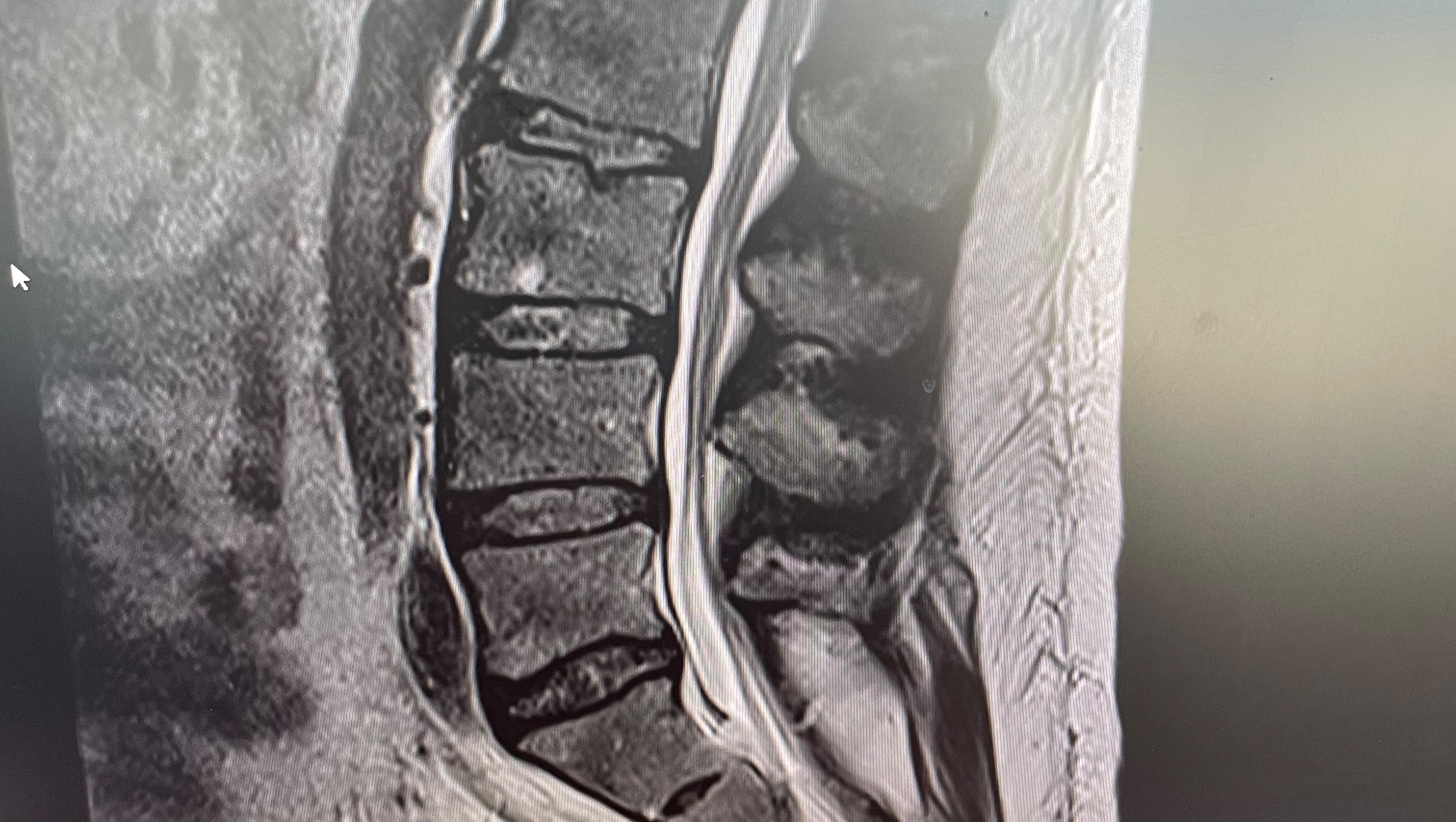
Tethered cord syndrome has affected my ability to walk, my balance and coordination, bowel, and bladder function. Neurologically, this condition caused spasticity to surface in 2016 following my first neck surgery; it has been an ongoing problem since. I've had neuropathy throughout my lower body, and horrendously debilitating pain from the lumbar and sacrum to my toes.
The only treatment option for tethered cord syndrome is surgery. Unfortunately, surgery is not a cure. The surgery involves releasing (or detaching) the spinal cord from the wall of the spinal canal. This Summer, I am tentatively planning on traveling to Charleston to have my tethered cord released. While the operation is relatively short, the recovery is not. I'll stay at University Hospital in Charleston for at least three days and will need to stay in Charleston for another seven to eleven days. As you can imagine, the cost of lodging and food alone is going to be substantial. One major reason for the extended stay is cerebral spinal fluid (CSF) leaks. The surgery involves cutting away the tissue holding the spinal cord to the wall of the spinal canal. When you consider EDS weakens blood cells, tendons, ligaments, bone, etc. all of which are connective tissue, the risk for spinal fluid leaks is extremely high. If I were to have a CSF leak, my surgeon would have to open up my spinal column and invasively seal the leak.
My neurosurgeon, Sunil Patel, located in Charleston, South Carolina is one of six or seven neurosurgeons in The United States trained to treat patients with Ehlers-Danlos Syndrome and its comorbid conditions. I cannot begin to describe how frustrating it was, and still is that none of these neurosurgeons are located in Texas. Worldwide, there are only eight or nine neurosurgeons who treat my condition. This puts patients like me in a difficult predicament: Let an inexperienced local surgeon operate and face likely complications or travel to Charleston, which is not cheap. Dr. Patel is one of the leading neurosurgeons in the country and specializes in the treatment of comorbid conditions connected to EDS. He is actively involved in research and has worked to enhance treatment options for patients with EDS.
Over the past six to seven years, I have been highly grateful for your generosity and support, and cannot thank you enough. I would not be where I am today had it not been for your contributions. Please consider donating to my campaign. Thank you!
Organizer