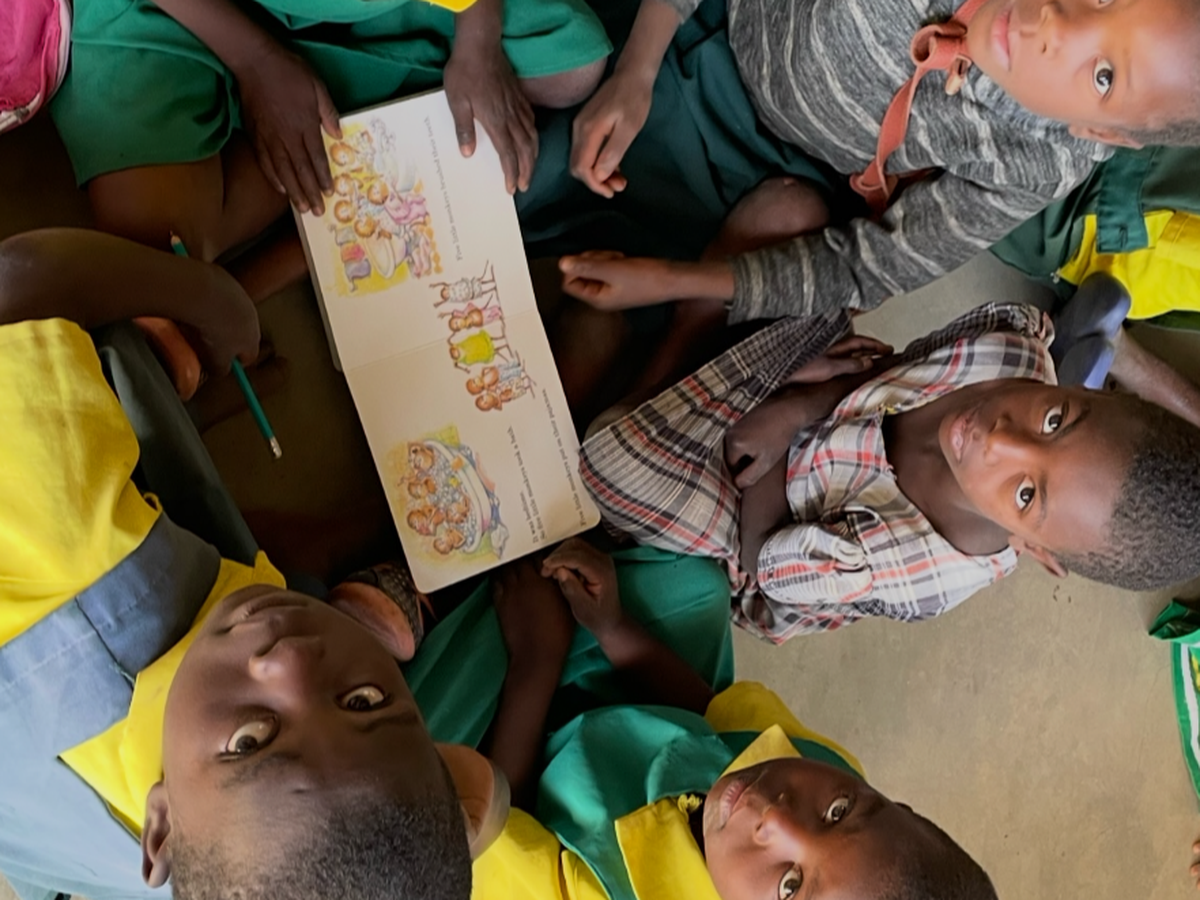
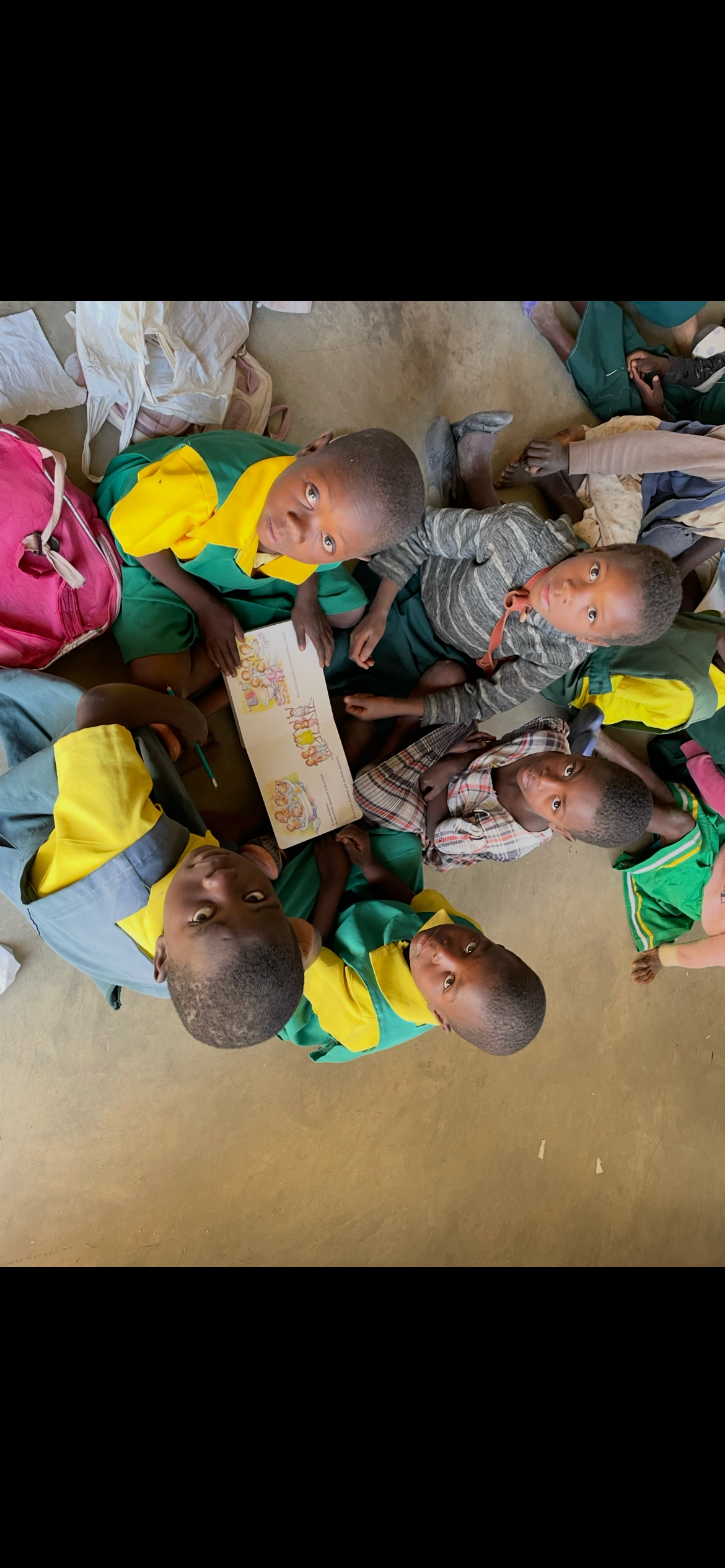
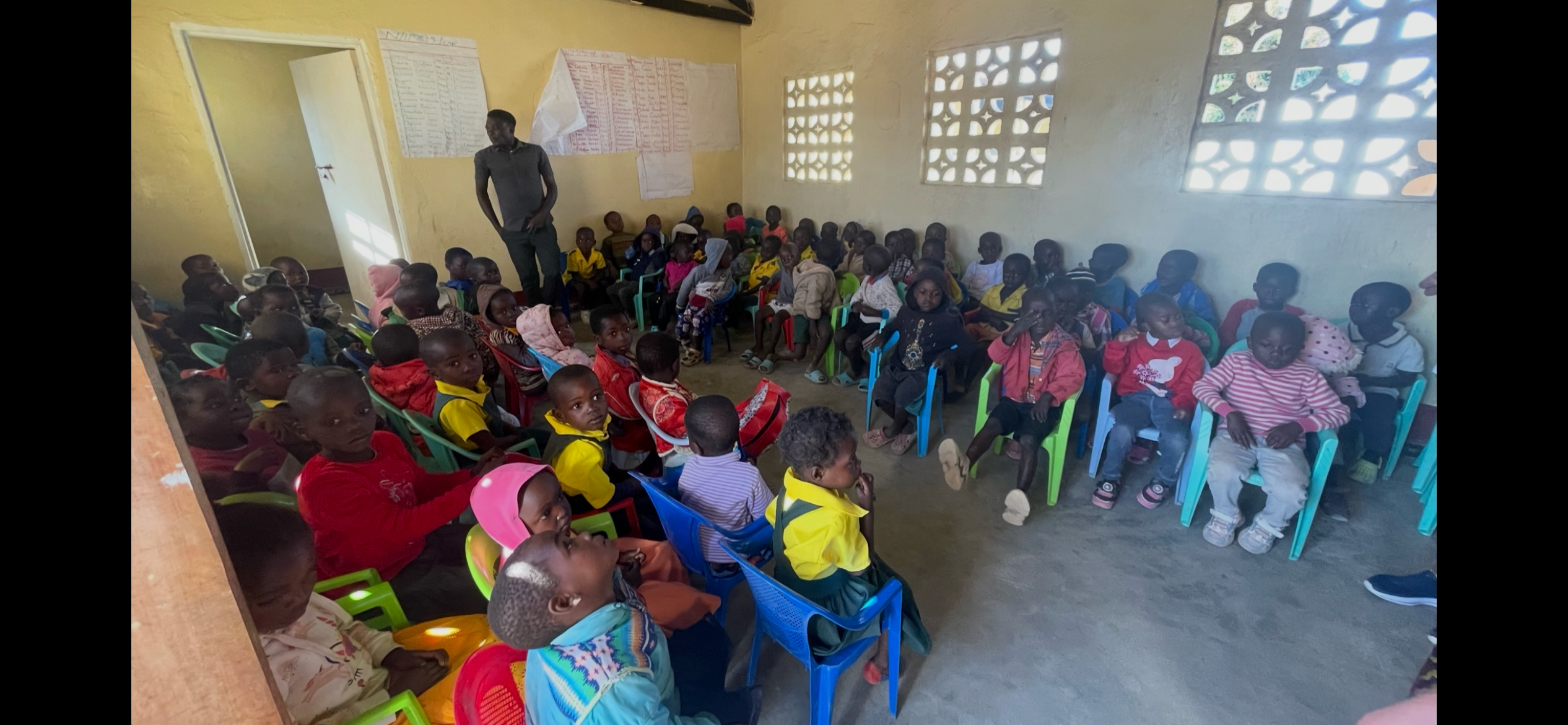
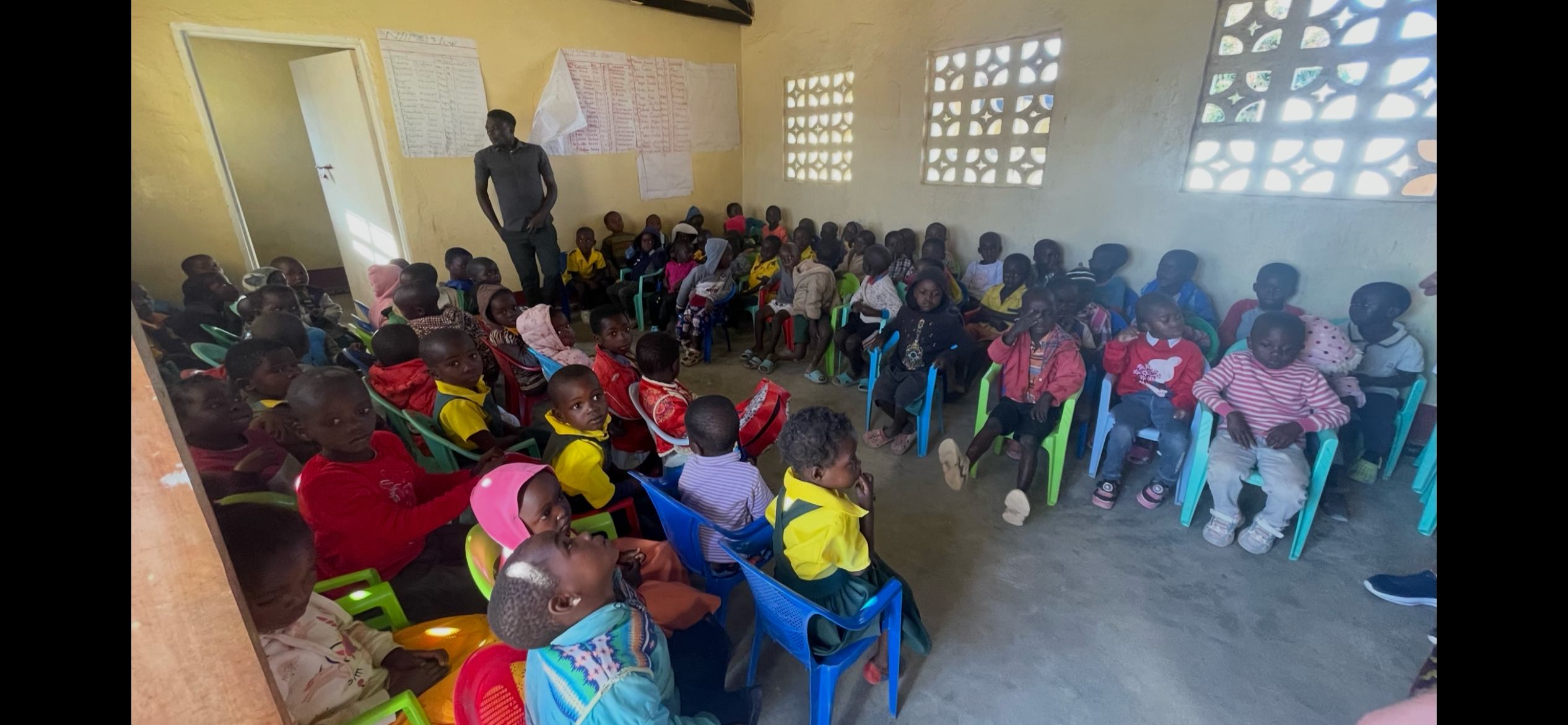
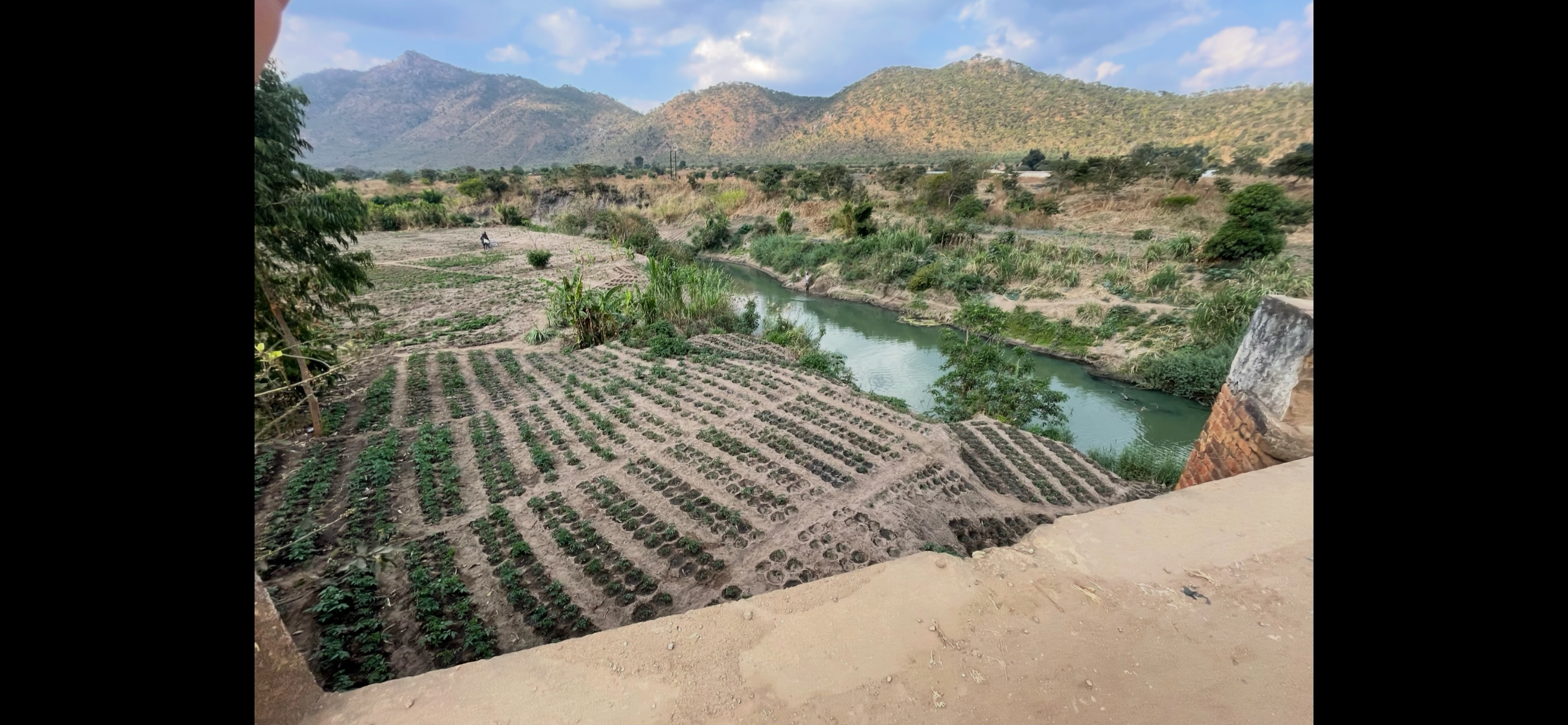
My daughter Lilly and I are going to Malawi, Africa, this July for a little over three weeks to teach at the Nanze Primary School. Our goal is to learn as much as we can while we are there and to be as helpful as we can. As teachers, we often have students in our classes from other countries. We are hoping this trip will allow us to become better teachers after having experienced what it is like to be in a completely new culture.
We also want to be able to create connections in and across villages in Malawi to help broaden the economic horizons of the people who live there. The village where we will be teaching is very poor, and any new income opportunities are welcomed. Most importantly, the more money a family has, the longer their children are able to stay in school.
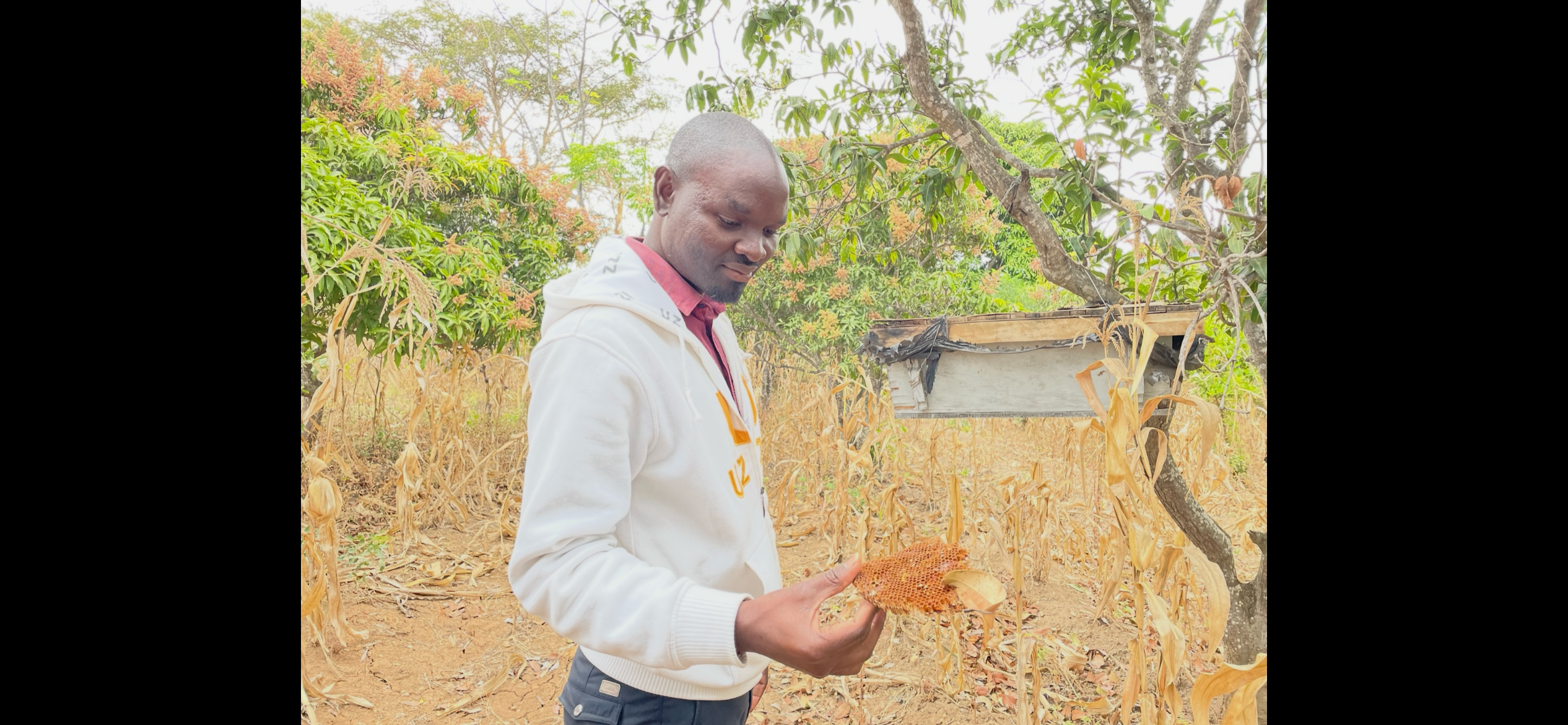
During the interview process to go to Malawi, the committee learned that I had been a beekeeper. They asked if I would be willing to teach beekeeping to some of the adults in the village, as a way for them to make money so more children might stay in school. Beekeeping is a sustainable way for people to generate income, and it benefits the farmers in the village, as it increases crop yields. Of course, I said yes. But soon after, I realized that I had no idea how to raise bees in Malawi, or how to make money from raising bees. Thus began my deep dive into raising bees in Malawi.
Thankfully, it turns out that there is an organization in Malawi that does just these very things. Honey Products Malawi not only trains beekeepers, but also sets them up to sell their honey back to them. They provide additional support and training as the beekeepers scale up their operations. I can personally attest to how much support is needed for new—and even not-so-new—beekeepers.
Honey Products Malawi will come to the village and train people to become beekeepers. The training lasts approximately four days. With the help of the school staff, we are hoping to identify three people who would like to become "professional" beekeepers. Each beekeeper needs supplies (tools and protective gear) and two to three hives to begin. Additionally, there has to be a set of larger equipment needed to harvest the honey.
**Would you be willing to help us purchase the supplies needed for the future beekeepers?** We would love for you to financially support our efforts to lift up families so that they may lift up their children.
We also want to be able to create connections in and across villages in Malawi to help broaden the economic horizons of the people who live there. The village where we will be teaching is very poor, and any new income opportunities are welcomed. Most importantly, the more money a family has, the longer their children are able to stay in school.
During the interview process to go to Malawi, the committee learned that I had been a beekeeper. They asked if I would be willing to teach beekeeping to some of the adults in the village, as a way for them to make money so more children might stay in school. Beekeeping is a sustainable way for people to generate income, and it benefits the farmers in the village, as it increases crop yields. Of course, I said yes. But soon after, I realized that I had no idea how to raise bees in Malawi, or how to make money from raising bees. Thus began my deep dive into raising bees in Malawi.
Thankfully, it turns out that there is an organization in Malawi that does just these very things. Honey Products Malawi not only trains beekeepers, but also sets them up to sell their honey back to them. They provide additional support and training as the beekeepers scale up their operations. I can personally attest to how much support is needed for new—and even not-so-new—beekeepers.
Honey Products Malawi will come to the village and train people to become beekeepers. The training lasts approximately four days. With the help of the school staff, we are hoping to identify three people who would like to become "professional" beekeepers. Each beekeeper needs supplies (tools and protective gear) and two to three hives to begin. Additionally, there has to be a set of larger equipment needed to harvest the honey.
**Would you be willing to help us purchase the supplies needed for the future beekeepers?** We would love for you to financially support our efforts to lift up families so that they may lift up their children.