- M
- H
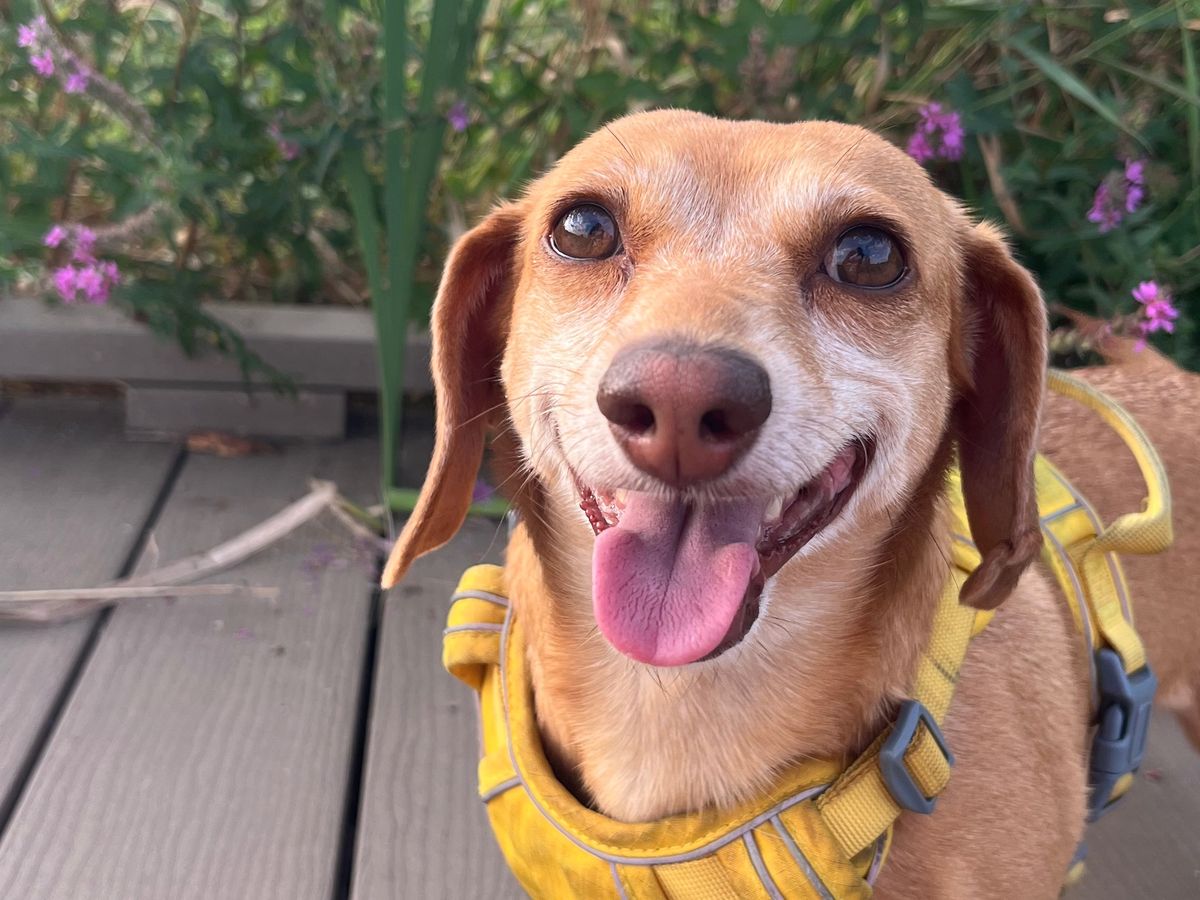
This is Taters, our sweet 7-year-old dachshund. Just days ago, she suddenly became paralyzed from a condition called IVDD — a spinal disease that can cause severe pain and loss of mobility.
She is currently at Purdue University Small Animal Hospital undergoing emergency surgery. Thankfully, their neurology team found that she still has deep pain sensation in one leg, which raises her chances of walking again to about 70–80%.
The costs for her MRI, surgery, and ongoing care are overwhelming for us, but this is her best chance at living a pain-free life and hopefully walking again. Any contribution, no matter the size, would mean the world to us and to Taters.
Please scroll down to read her full story.
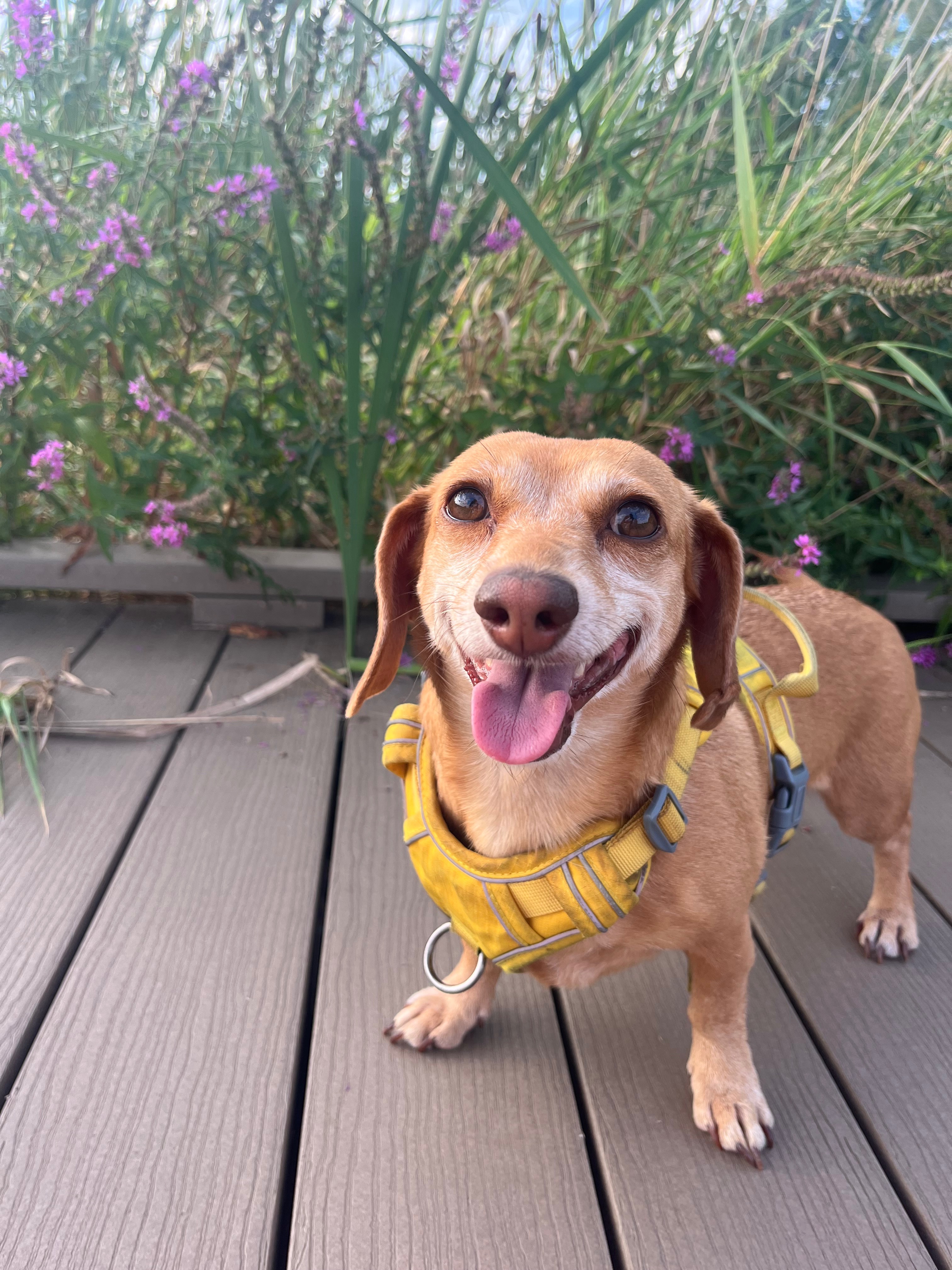
This is Taters, our sweet seven-year-old dachshund who loves nothing more than chasing squirrels and playing with her ball. On September 14th, we noticed something was wrong — her stomach felt unusually tight, and she would shake when touched. Just four days later, our worst fears came true: Taters suddenly became paralyzed and lost the ability to use her back legs.
We rushed her to the emergency vet, where we were told the only way to know for certain what was happening was through an MRI and a neurologist’s consultation. Unfortunately, the only option available in Michigan quoted us over $5,000 just for the MRI alone — something far beyond our reach. We were sent home with a conservative treatment plan of strict crate rest, muscle relaxers, steroids, and pain medication.
After researching and connecting with others who have been through this, we found a more accessible option at Purdue University’s Small Animal Hospital. While the costs are still significant, it’s more affordable than what we were facing in Michigan.
This morning, Taters was officially diagnosed with Intervertebral Disc Disease (IVDD) — a painful and often debilitating condition where the cushioning discs between the vertebrae in a dog’s spine slip or rupture, pressing on the spinal cord. In severe cases, like Taters’, it can cause sudden paralysis. Without surgery, many dogs with IVDD never regain the ability to walk.
Taters is currently in surgery as I type this. During her workup, Purdue’s neurology team found that she still has deep pain sensation in her left leg — incredible news that increases her chances of walking again from 50/50 to around 70–80%.
We are asking for help to make her recovery possible. The financial burden of her surgery and care is overwhelming, but it’s something we must do so Taters can have the best chance at a pain-free, happy life. Any contribution, no matter the size, would mean the world to us and to Taters. Your support truly gives her a chance to run, play, and chase squirrels again.
Organizer