- R
- A
Location:
Bhotekoshi Village Development Committee (“VDC”), Ward No. 2
Lalbirchowk, Tatopani,
Sindhupalchowk, Nepal
Purpose
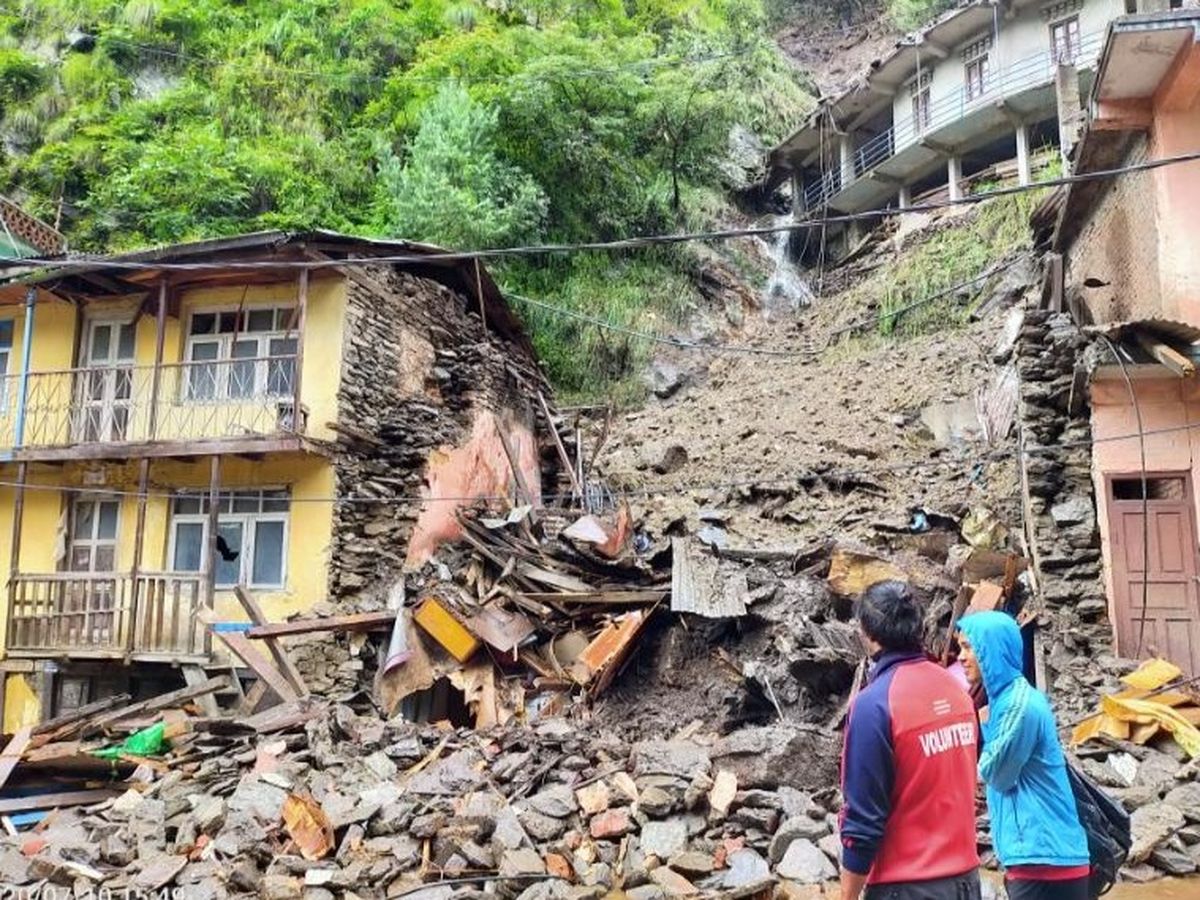
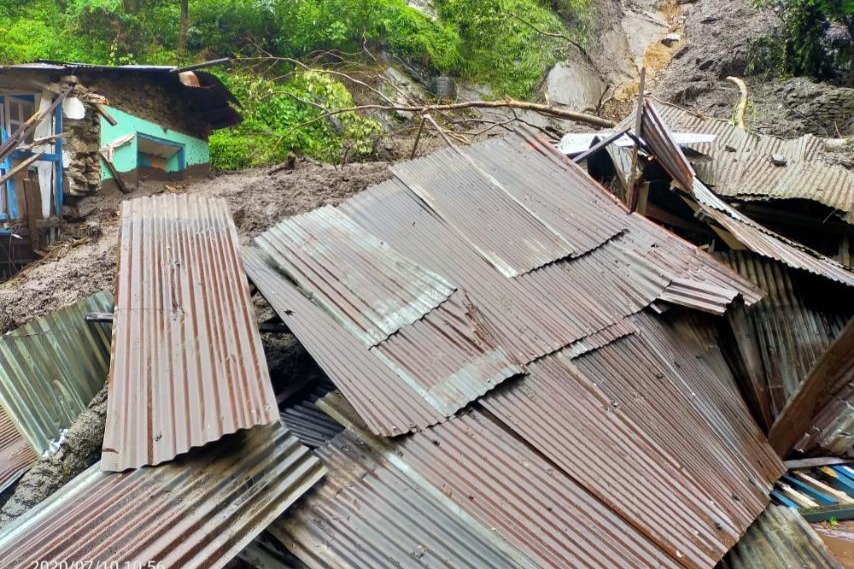
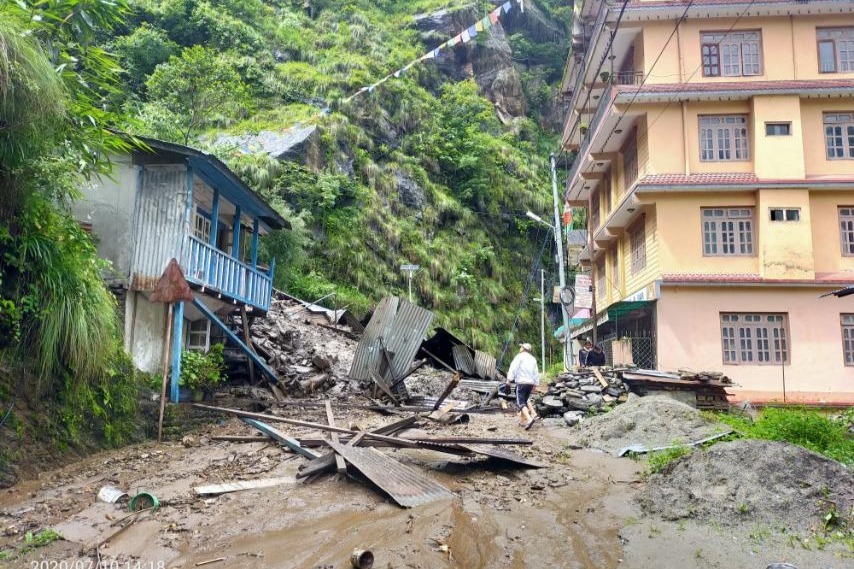
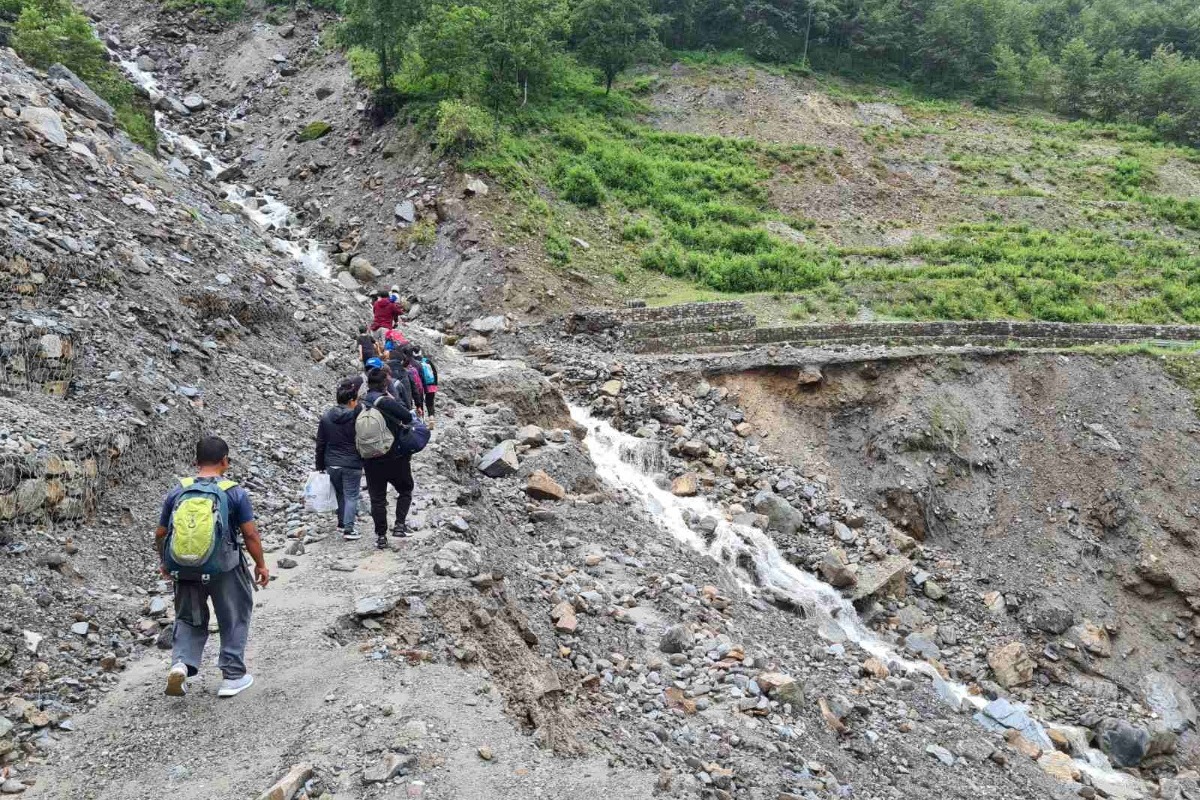
The earthquake (2015) stricken district of Sindhupalchowk, Nepal has befallen a similar fate in 2020 during the peak of Covid -19 pandemic. Reoccurring landslides and floods have devastated the remote villages of the district having destroyed homes, farmlands and displacing hundreds of families. The natural calamities have caused a death toll of 74 people and 41 missing.
Lack of proper infrastructure and reoccurring natural calamities are causing frequent power cuts to the community health centers which interrupt critical health care services to patients. The funds collected from this campaign aims to establish a solar powered, battery backed uninterrupted power supply to a remote community health center. Over 5000 patients are served annually at the center. The community health center we aim to impact provides minor to major health services to 9-10 adjacent villages.
As our mission statement states, we want to lead Nepal, our homeland that we love so much, to an energy efficient era based on our core values of decisiveness, craftsmanship, and partnership. We sincerely hope to receive your support in our grassroots movement that hopefully will bring change at both local and national levels. Please consider donating any amount you see fit so that you can make our highly actionable project of solarizing Bhotekoshi Ward No.2 health post a success. We strongly believe that this project will set a new example in improving health care delivery infrastructure in rural Nepal and will strengthen Nepal's commitment to renewable energy.
Leadership Team and the Project
Our team of highly skilled and ambitious Nepali solar and civil engineers at Impact Energy with guidance from four distinguished professors of solar energy at Delft University of Technology (TU Delft) of the Netherlands have designed the state of the art solar PV system that will provide uninterrupted self-sufficient electricity to the health post for a minimum of 25 years. The off-grid system specifically will allow the health post to store solar power in batteries for later use. There are minimum levels of maintenance needed for the off-grid solar PV system, which will make the health post self-sufficient overtime while saving recurring costs. Our team has also performed an initial environment-impact analysis that predicted a reduction in 513 kgs/year (1131 lbs./Year) of harmful CO₂ emission post installation. Our project aims to utilize raw materials, labor, and transportation from and within Nepal, keeping the business in-house and promoting Nepali commerce and employment.
Based on our detailed analysis and collaboration with Ward Chair Mr. Shrestha, our project will require funding of US$6,000 (€ 5016). The funding will be primarily used to purchase all the essential components (solar panel, tubular battery, inverter, support structure, cable, and accessories) of the project and for installation and transportation services. Our goal is to start the project as soon as we reach US$3,000 (€ 2508) in funding. We believe in transparency, so we will inform our donors on how their donations are being utilized and provide project updates regularly.
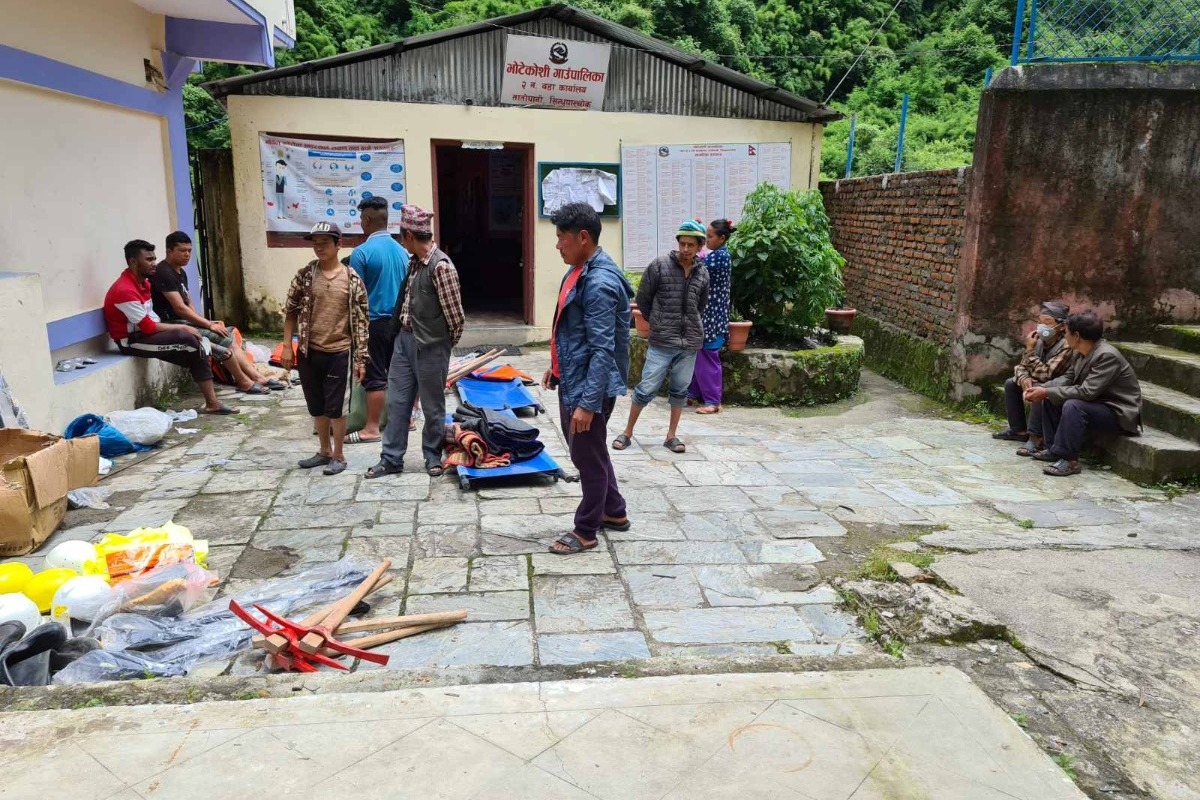
Please refer to the photos of the site below and kindly contact us with any questions or concerns.
This Go fund campaign is also supported by Nepali Speaking Engineer’s Association, The Netherlands (NSEA).
THANK YOU,
Impact Energy Nepal and NSEA Team
Bhotekoshi Village Development Committee (“VDC”), Ward No. 2
Lalbirchowk, Tatopani,
Sindhupalchowk, Nepal
Purpose
The earthquake (2015) stricken district of Sindhupalchowk, Nepal has befallen a similar fate in 2020 during the peak of Covid -19 pandemic. Reoccurring landslides and floods have devastated the remote villages of the district having destroyed homes, farmlands and displacing hundreds of families. The natural calamities have caused a death toll of 74 people and 41 missing.
Lack of proper infrastructure and reoccurring natural calamities are causing frequent power cuts to the community health centers which interrupt critical health care services to patients. The funds collected from this campaign aims to establish a solar powered, battery backed uninterrupted power supply to a remote community health center. Over 5000 patients are served annually at the center. The community health center we aim to impact provides minor to major health services to 9-10 adjacent villages.
As our mission statement states, we want to lead Nepal, our homeland that we love so much, to an energy efficient era based on our core values of decisiveness, craftsmanship, and partnership. We sincerely hope to receive your support in our grassroots movement that hopefully will bring change at both local and national levels. Please consider donating any amount you see fit so that you can make our highly actionable project of solarizing Bhotekoshi Ward No.2 health post a success. We strongly believe that this project will set a new example in improving health care delivery infrastructure in rural Nepal and will strengthen Nepal's commitment to renewable energy.
Why Help?
During our communications with Mr. Dipendra Shrestha, Ward Chairperson of Bhotekhosi, Sindhupalchowk he highlighted the following:
The community health center serves a large population size of 2500-3000 annually. The quality and process of healthcare are often interrupted and delayed due to the intermittent supply of electricity and it has been specially challenging with the ongoing pandemic. Healthcare workers have to depend on battery-powered torch lights and at times even kerosene lamps to provide healthcare service to patients. Critical medical and non-medical devices such as autoclave, nebulizer, refrigerator, computers, lights, etc. can't be operated, as needed, which is not only detrimental to people’s care outcomes but also inconvenient, as villagers make foot journey of miles to get to the community health center.
There is a shortage of electricity production during the dry season causing frequent power cuts whereas on the other hand during the monsoon, the village is vulnerable to floods and landslides, which have historically damaged electrical transmission and distribution lines. For a mountainous country like Nepal, a reliable source of electricity is solar energy due to its ease of deployment and is necessary at disaster stricken health care centers like the one we aim to impact at Sindhupalchowk.
During our communications with Mr. Dipendra Shrestha, Ward Chairperson of Bhotekhosi, Sindhupalchowk he highlighted the following:
The community health center serves a large population size of 2500-3000 annually. The quality and process of healthcare are often interrupted and delayed due to the intermittent supply of electricity and it has been specially challenging with the ongoing pandemic. Healthcare workers have to depend on battery-powered torch lights and at times even kerosene lamps to provide healthcare service to patients. Critical medical and non-medical devices such as autoclave, nebulizer, refrigerator, computers, lights, etc. can't be operated, as needed, which is not only detrimental to people’s care outcomes but also inconvenient, as villagers make foot journey of miles to get to the community health center.
There is a shortage of electricity production during the dry season causing frequent power cuts whereas on the other hand during the monsoon, the village is vulnerable to floods and landslides, which have historically damaged electrical transmission and distribution lines. For a mountainous country like Nepal, a reliable source of electricity is solar energy due to its ease of deployment and is necessary at disaster stricken health care centers like the one we aim to impact at Sindhupalchowk.
Leadership Team and the Project
Our team of highly skilled and ambitious Nepali solar and civil engineers at Impact Energy with guidance from four distinguished professors of solar energy at Delft University of Technology (TU Delft) of the Netherlands have designed the state of the art solar PV system that will provide uninterrupted self-sufficient electricity to the health post for a minimum of 25 years. The off-grid system specifically will allow the health post to store solar power in batteries for later use. There are minimum levels of maintenance needed for the off-grid solar PV system, which will make the health post self-sufficient overtime while saving recurring costs. Our team has also performed an initial environment-impact analysis that predicted a reduction in 513 kgs/year (1131 lbs./Year) of harmful CO₂ emission post installation. Our project aims to utilize raw materials, labor, and transportation from and within Nepal, keeping the business in-house and promoting Nepali commerce and employment.
Based on our detailed analysis and collaboration with Ward Chair Mr. Shrestha, our project will require funding of US$6,000 (€ 5016). The funding will be primarily used to purchase all the essential components (solar panel, tubular battery, inverter, support structure, cable, and accessories) of the project and for installation and transportation services. Our goal is to start the project as soon as we reach US$3,000 (€ 2508) in funding. We believe in transparency, so we will inform our donors on how their donations are being utilized and provide project updates regularly.
Please refer to the photos of the site below and kindly contact us with any questions or concerns.
This Go fund campaign is also supported by Nepali Speaking Engineer’s Association, The Netherlands (NSEA).
THANK YOU,
Impact Energy Nepal and NSEA Team
Co-organizers5
Seemant Karki
Co-organizer
DP Sharma Mainali
Co-organizer
Yubar Bajracharya
Co-organizer
Gaurav Shah
Co-organizer