- T
Supporting Independent Art in the Mountains - A Climate call
0% complete
€2,925 raised of €5K
55 donations
EN | DE | IT
Where the Ice Once Sang: Supporting Independent Art in the Mountains
Female-led. Committed. Interdisciplinary
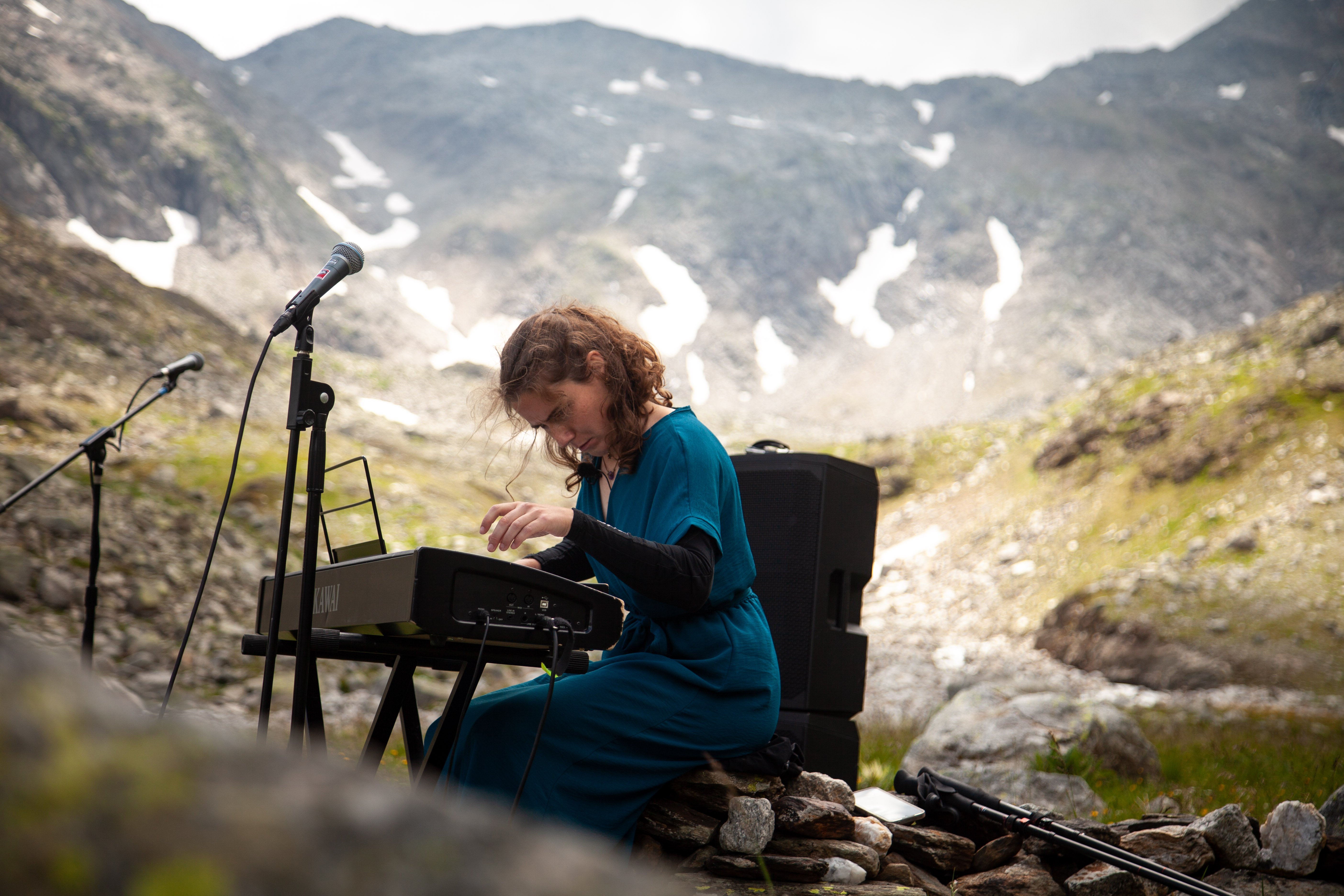
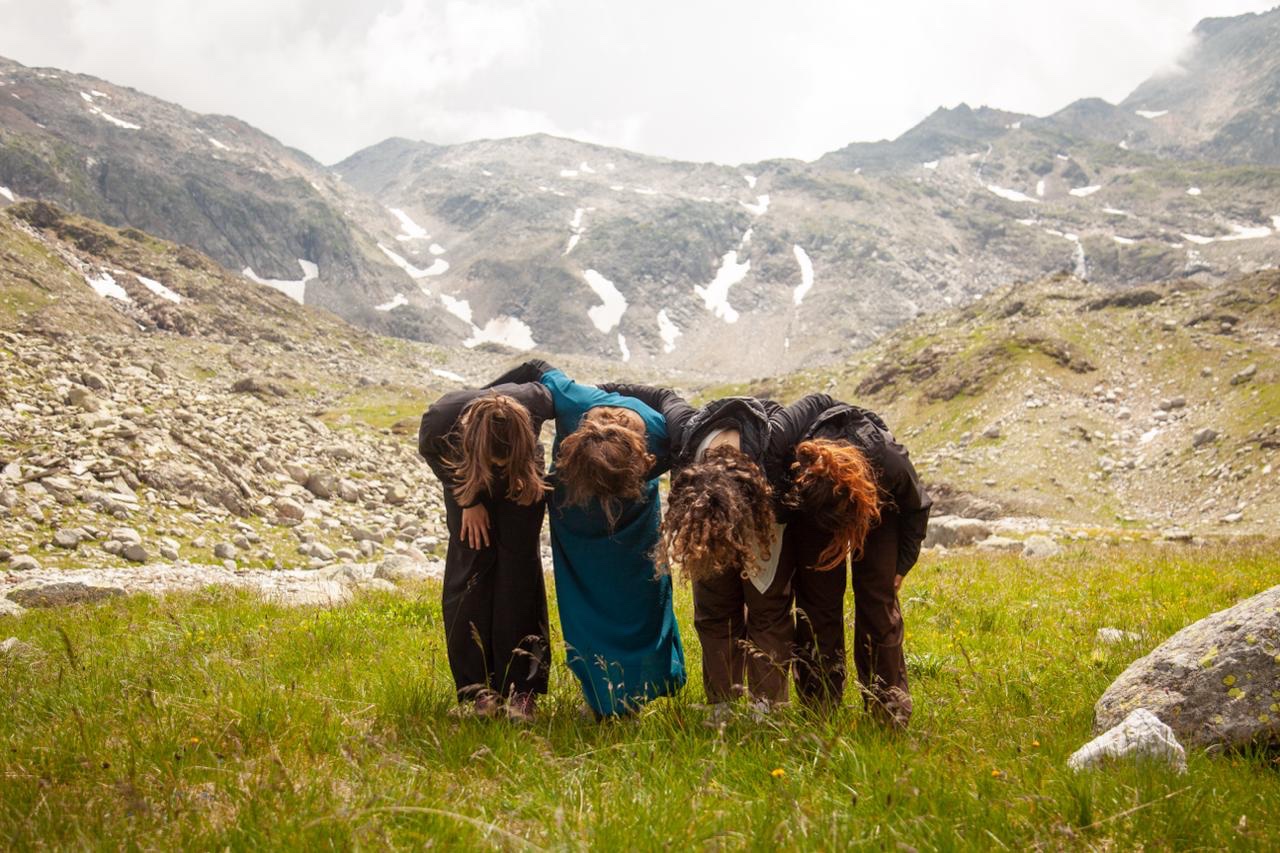
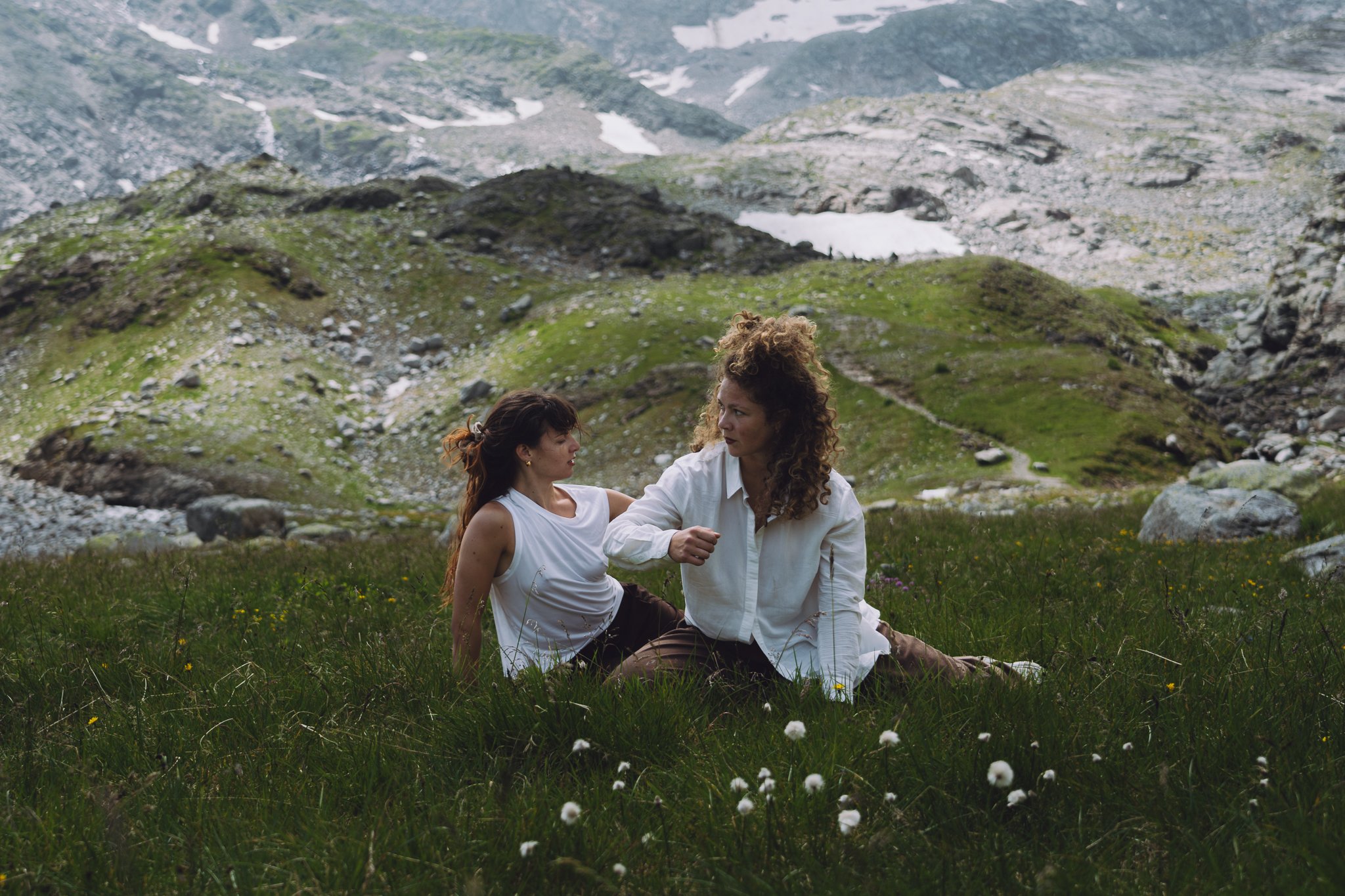
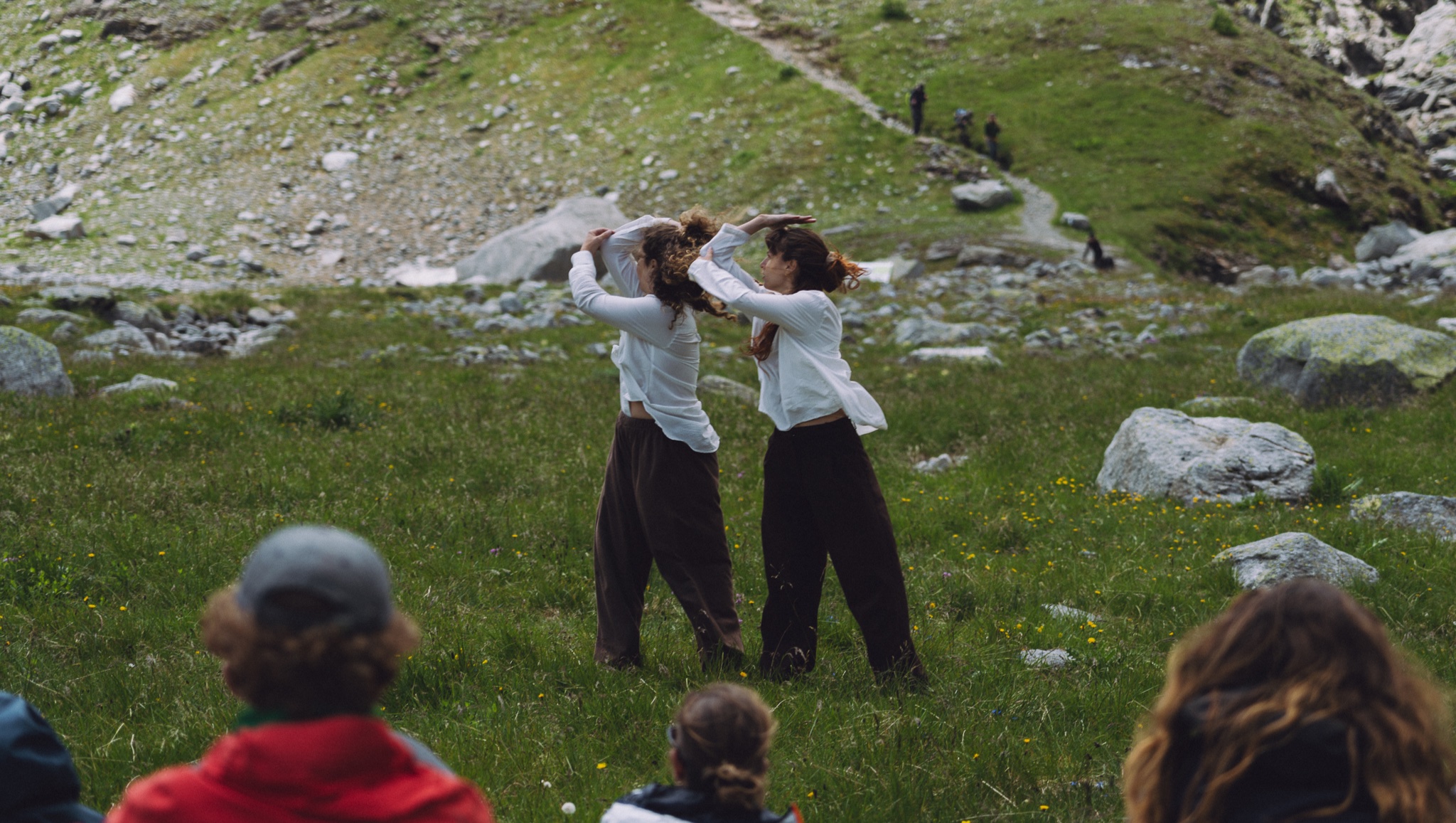
We are four independent women, artists and activists, united by a passion for the mountains and a shared concern for their future. What started as a trio of young women from diverse backgrounds in classical music and contemporary dance has evolved into "Where the ice once sang," an immersive 40-minute performance designed for the high peaks.
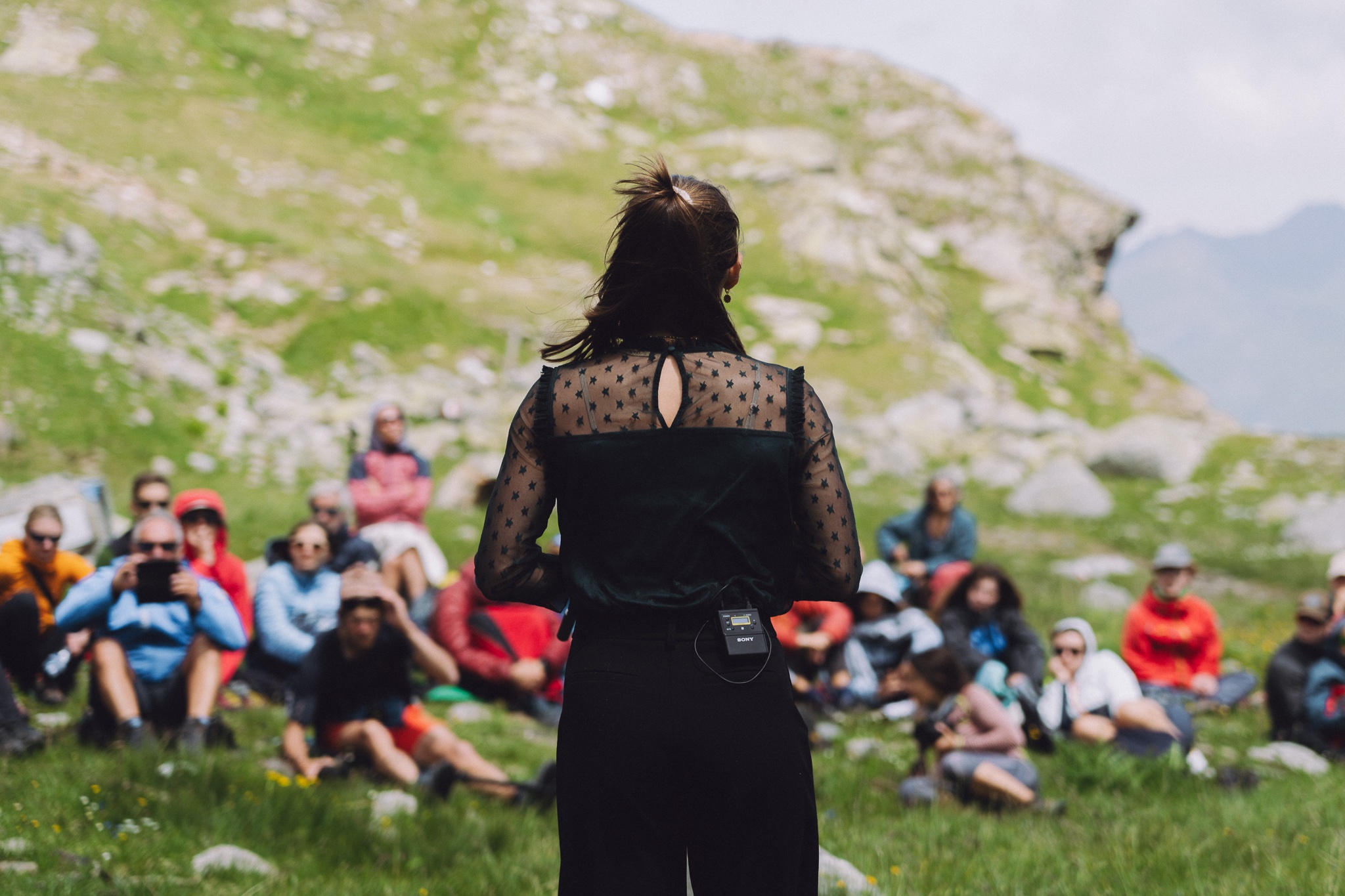
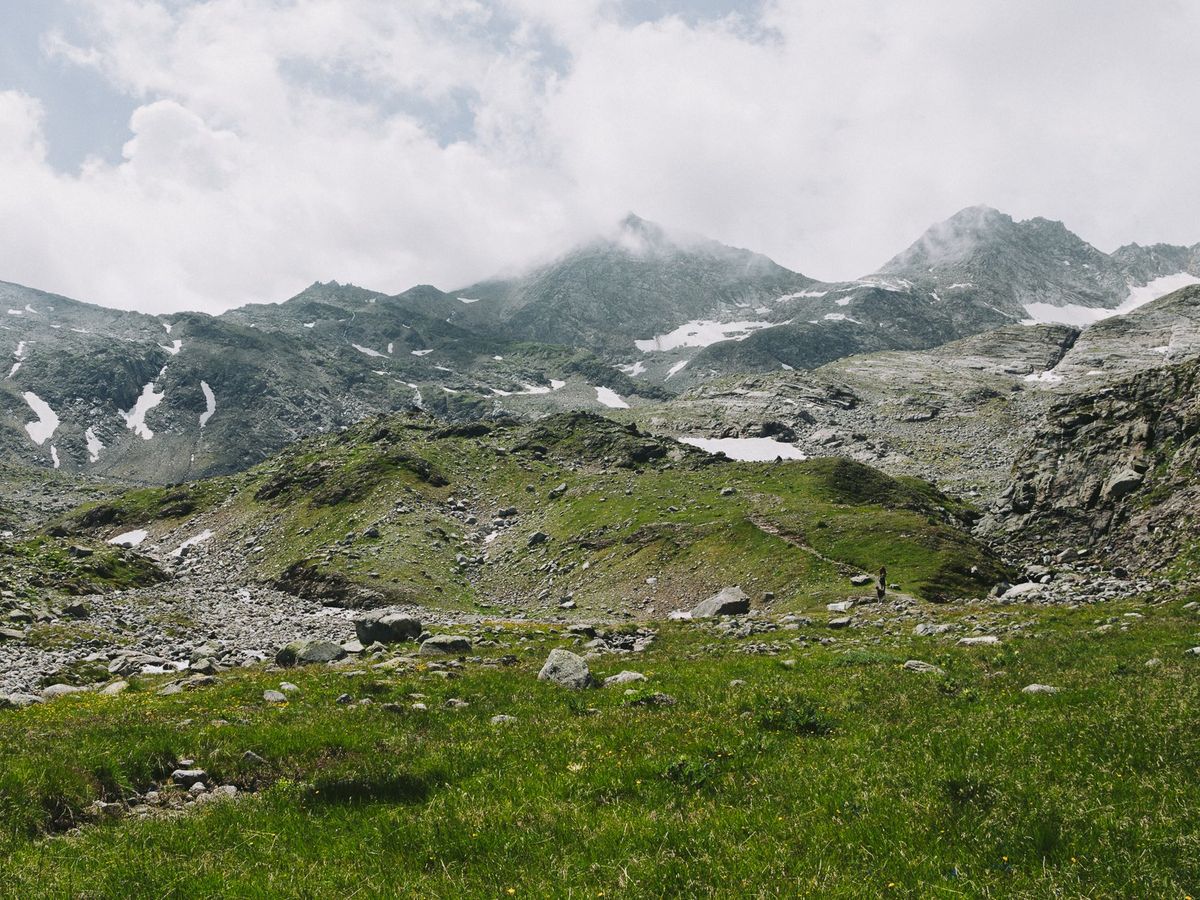
Meaning creates intensity. Maybe that’s why we perform in the mountains. High-altitude peaks are among the most definitive indicators of climate collapse, serving as the front lines of environmental shifting. By bringing 'Where the Ice Once Sang' to these heights, we create a dialogue between art and the landscape, inviting our audience to listen as much to the mountain’s silence as to the music itself.
The Project & Our Argument
We’d like our performance to be a provocation. Despite decades of scientific data, collective indifference toward environmental collapse persists. We use the mountain peaks as our stage to bridge the gap between feeling and responding, moving the audience from a state of denial into a state of action.
The performance is structured in two acts:
Act I: A TOAST TO DENIAL
Music by Brian Field | Choreography by Giulia Di Stefano & Giulia Miceli | Piano by Chiara Schmidt
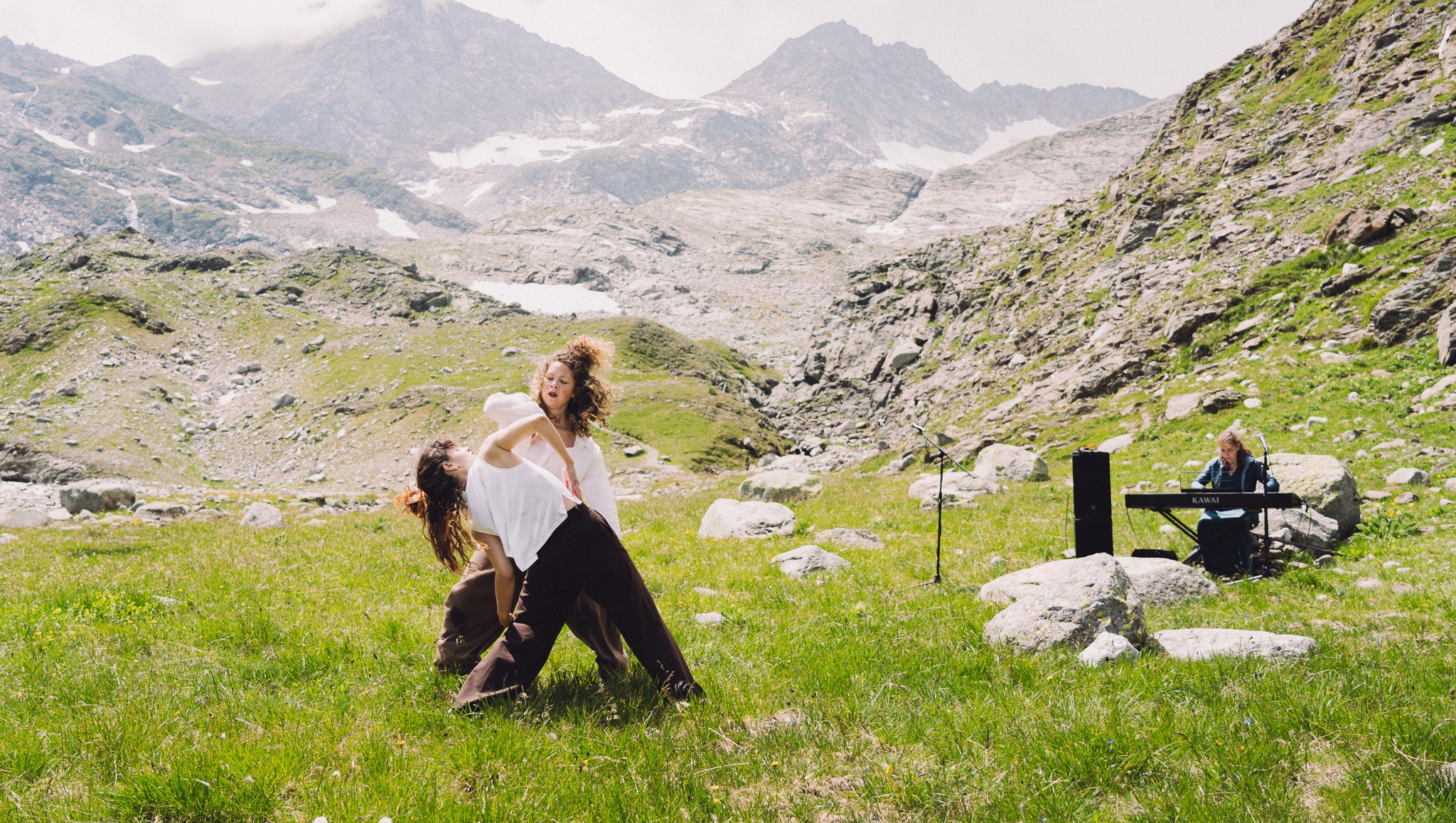
In this opening act, we interpret Brian Field’s evocative suite, using a fusion of live piano and contemporary dance to physicalize the climate crisis:
- Fire: Inspired by the devastating forest fires of the West, the movement begins with a singular "spark" note, building into a chaotic climax of exhaustion and heat.
- Glaciers: A still, cold movement centered around a physical block of ice. We witness its melting as a tragedy, only for the performers to transition into a moment of biting critique, treating the melting ice as a mere "ice cube" for a drink. It is a stark symbol of human indifference in the face of collapse.
- Winds: This movement captures the duality of the wind, both the destructive force of hurricanes and the "wind of change" that arrives when humanity finally decides to act.
Act II: DUO ESTE
Voice by Berenike Tölle | Piano by Chiara Schmidt
The second half of the program features a carefully curated repertoire of Art Songs and original vocal creations that deepen the emotional and political reflection. Performing Renaissance, Baroque, and contemporary works.
Why the High Peaks?
The Science Behind "Where the Ice Once Sang"
Many ask why we choose to perform at such grueling altitudes. The answer is simple: High-altitude peaks are the sentinels of our changing climate.
We are standing at the frontline of four critical shifts:
1. Elevation-Dependent Warming (EDW)
Studies show that the rate of warming is often amplified with elevation. This means that a mountain peak at 3,000 meters might be warming twice as fast as a city at sea level. In the European Alps, for example, temperatures have risen by about 2°C over the 20th century, double the average increase in the Northern Hemisphere.
2. The "Albedo Effect" (Nature's Mirror)
This is the most visible indicator. Snow and ice act like a giant mirror, reflecting sunlight back into space. When the ice melts, it reveals dark rock underneath. This rock absorbs heat instead of reflecting it, which accelerates the melting even further. It is a "feedback loop" that makes peaks change visibly year after year.
3. The Vertical Migration of Life
High-altitude peaks have specific "climate zones." As it gets warmer, plants and animals try to move higher up the mountain to find the cold they need. But eventually, they reach the summit, there is nowhere left to go. This makes high peaks the site of "sky island" extinctions, a literal dead-end for biodiversity.
4. Permafrost Collapse
It’s not just the ice on top; it’s the ice inside the mountain. Permafrost acts as the "glue" holding high-altitude rock faces together. As the mountains warm, this internal ice melts, leading to massive rockfalls and instability. The mountains are quite literally falling apart.
Meet the Team
The Musicians
- Chiara Schmidt | Piano & Project Co-Creator Born in Milan and trained at the prestigious “G. Verdi” Conservatory of Milan three years later, studying under Prof. Anna Abbate, and further developed her training with Prof. Konstantin Bogino at the Bergamo and Biella Music Academies. She continued her studies in Vienna, focusing on piano and musicology, and spent an Erasmus period at the Edsberg Academy (KMH) in Stockholm with Prof. Mats Widlund. She completed her Master’s degree in Piano Performance at the University Mozarteum Salzburg in 2022 under Prof. Cordelia Höfer-Teutsch, and is currently pursuing postgraduate studies in Lied-Duo with Prof. Pauliina Tukiainen at the same institution. Chiara is Head of the Piano Department and piano teacher at Musikum Salzburg Stadt. She has participated in masterclasses across Europe, received several national and international awards, and performs regularly in Italy, Austria, and Germany, with a particular focus on chamber music and Lied repertoire. Chiara is the musical heartbeat of the project. A passionate alpinist, her connection to the mountains fuels her artistic mission. Since 2023, she has collaborated with composer Brian Field to perform “Three Passions for our Tortured Planet,” a partnership that laid the groundwork for this interdisciplinary journey.
- Berenike Tölle | Soprano & Cello Berenike Tölle is a German soprano. She graduated from her studies at the Mozarteum University Salzburg in 2024, where she studied with Juliane Banse and Pauliina Tukiainen, and received further artistic inspiration from Andreas Scholl and Anne Le Bozec. Her artistic focus lies in Lied, ensemble repertoire, early music, and contemporary works. Alongside her work as a singer, she is also a cellist and regularly collaborates across genres and performance formats. In the 2023–2024 production of Peter Handke’s Publikumsbeschimpfung at the Rabenhoftheater Wien, she appeared both as soprano and cellist. Beyond the classical stage, she performs in various bands and interdisciplinary projects, reflecting her openness toward different musical traditions and contemporary artistic practices. As a passionate mountaineer, projects that engage with questions of environmental and social responsibility, especially in relation to climate change, are particularly important for her. In parallel to her artistic career, she’s finishing studies as a psychologist specializing in mental health in the professional music profession.
The Choreographers & Dancers
- Giulia Di Stefano | Contemporary Dance & Choreography A graduate of SEAD (Salzburg Experimental Academy of Dance) in 2020. Giulia Di Stefano is an Italian dancer, choreographer, and teacher based in Salzburg. Her practice is rooted in body mechanics, anatomical research, and environmental awareness, alongside her work as a certified Pilates instructor. She has collaborated internationally with companies and artists including Jill Crovisier / JC Movement Production, Compagnie Linga, and La Intempestiva, performing and teaching across Europe. Her choreographic work explores ecology and socio-political questions through collaborative, site-responsive formats. Together with Giulia Miceli, she co-created REchain, an eco-sustainable duet presented at L’atelier du Bas Cros Festival (Ardèche, 2025), and A Toast To Denial, touring between Austria and Italy since 2024. She is also co-founder of the Midline Collective, whose work NEGABSENCE – a cycle of unfinished stories toured across Austria, Belgium, and Italy with the support of CODEDANS (BE), the European Ministry of Culture, and the City of Salzburg. In 2025, she premiered Phoenix, a solo work in collaboration with a live musician, supported by the Salzburg Ministry of Culture and TOIHAUS Theater.
- Giulia Miceli | Contemporary Dance & Visual Art Giulia Miceli is a Roman-born dancer and self-taught painter who graduated from SEAD in 2024. Her work is deeply investigative, often engaging with socio-political themes through her collective, LaMaison with works including Songs of Ascension (Salzburg; Teatro Municipal do Porto, 2024), Machine Girls, and the short film In the Quiet of Longing (2025–26 screenings in several festivals in Marseille, Bergen, Lisbon, Rome and Pesaro). She also collaborates with Giulia Di Stefano on ReCHAIN, an eco-sustainable dance-and-biking duo presented at L’atelier du Bas Cros Festival (Ardèche, 2025 & Sicily, Trinacria 2026), and A Toast to Denial, touring between Austria and Italy since 2024. Her practice also extends to collaborations with cultural spaces and third places in Marseille and Brussels, working on an organizational level through event production and curatorial support, within site-specific and community-based artistic contexts.
Our Journey & Upcoming Dates
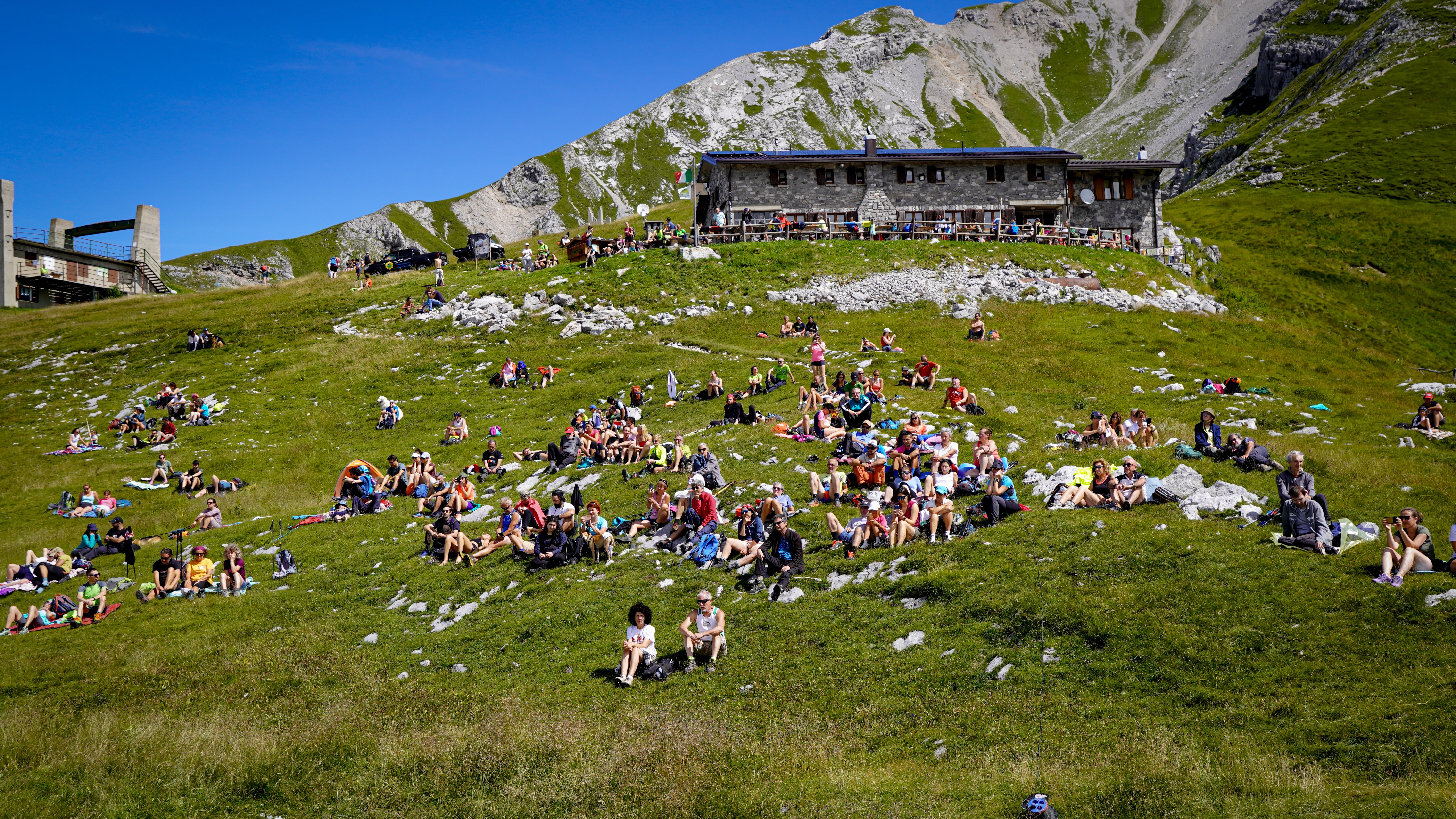
This project is already in motion. Following our premiere at the Mozarteum and performances at the Goldbergkees Glacier and Capanna 2000, we have a clear path forward:
- 2027 (Date TBA): A special performance at Großvenediger, which will be featured in a documentary by ARTE television.
- 13.09.2026: Söldenhütte 1.526mt, Werfenweng, Austria
- 25.07.2026: Matrashaus 2.941mt, Hochkönig, Austria
- 26.05.2026: Johannes Brahms Gesellschaft, Pörtschach, Austria
- 26.07.2025: Monte Arera 1.969mt, Mountain Music Festival, Oltre il Colle, Italy
- 05.06.2025: Goldbergkees 2.200mt, Klavier am Berg, Salzburg, Austria
- 30.09.2024: Solitär Mozarteum, Salzburg, Austria
Why We Need Your Support
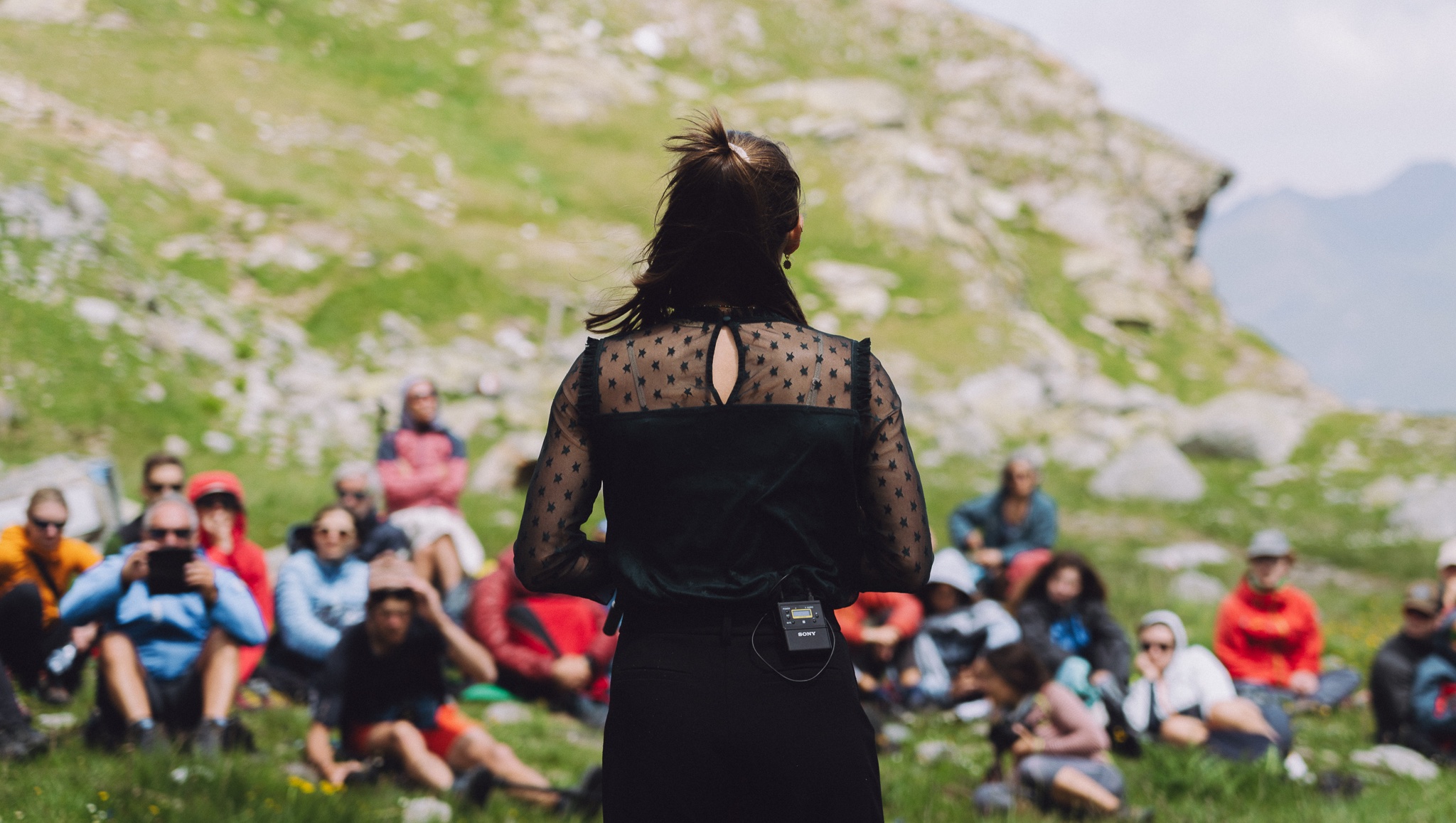
Performing at these altitudes as independent artists is a massive undertaking. We are not backed by a major institution; we are driven by energy and a commitment to climate protection. To make these shows happen, we have to solve difficult logistical problems that require funding.
Your support will cover:
- Transport & Logistics: Renting the piano and professional speakers, and getting them safely to high-altitude refuges.
- The Team: Paying for the physical labor of helpers and carriers who bring equipment up steep mountain paths.
- Survival: Covering travel costs, food, and basic accommodation in mountain huts for the team.
- Professionalism: Ensuring that we can pay our artists fairly for their work, keeping art a sustainable and accessible experience for everyone in nature.
We are trying to make sure the project doesn't stop because of a lack of resources. We want to keep the performance free for the mountain community, the hikers and locals who encounter us on the trail.
If you believe in the power of art to change perspectives, please consider supporting our journey.
------
DE
Where the ice once sang: Unabhängige Kunst in den Bergen unterstützen
Weiblich. Engagiert. Interdisziplinär.
Wir sind vier unabhängige Frauen – Künstlerinnen und Aktivistinnen –, vereint durch unsere Leidenschaft für die Berge und unsere Sorge um ihre Zukunft. Was als Trio junger Frauen mit unterschiedlichen Hintergründen in klassischer Musik und zeitgenössischem Tanz begann, entwickelte sich zu „Where the Ice Once Sang“, einer immersiven 40-minütigen Performance für hochalpine Landschaften.
Bedeutung schafft Intensität. Vielleicht ist das der Grund, warum wir in den Bergen auftreten. Das Gletschersterben gehört zu den deutlichsten Indikatoren der Klimakrise – sie sind Brennpunkte des ökologischen Wandels. Indem wir „Where the Ice Once Sang“ an diese Orte bringen, schaffen wir einen Dialog zwischen Kunst und Landschaft und laden das Publikum dazu ein, ebenso aufmerksam der Stille des Berges zuzuhören wie der Musik selbst.
Das Projekt & Unsere Botschaft
Unsere Performance versteht sich als Provokation. Trotz jahrzehntelanger wissenschaftlicher Erkenntnisse bleibt die kollektive Gleichgültigkeit gegenüber dem ökologischen Kollaps bestehen. Die Berge werden für uns zur Bühne, um die Distanz zwischen Wissen und Handeln zu überwinden – um Menschen aus der Verdrängung in Bewegung zu bringen.
Die Performance besteht aus zwei Akten:
Akt I: A TOAST TO DENIAL
Musik von Brian Field | Choreografie von Giulia Di Stefano & Giulia Miceli | Klavier: Chiara Schmidt
Im ersten Akt interpretieren wir Brian Fields eindringliche Suite durch die Verbindung von Live-Klavier und zeitgenössischem Tanz und übersetzen die Klimakrise in körperliche Bilder:
- Fire Inspiriert von den verheerenden Waldbränden des Westens beginnt die Bewegung mit einem einzelnen „Funken“-Ton und steigert sich zu einem chaotischen Höhepunkt aus Erschöpfung und Hitze.
- Glaciers Eine stille, kalte Bewegung rund um einen physischen Eisblock. Das Schmelzen wird zunächst als Tragödie erlebt, bevor die Performerinnen in einen bitteren Kommentar übergehen und das schmelzende Eis nur noch als „Eiswürfel“ für ein Getränk behandeln – ein drastisches Symbol menschlicher Gleichgültigkeit angesichts des Zusammenbruchs.
- Winds Diese Bewegung zeigt die Doppelgesichtigkeit des Windes: als zerstörerische Kraft von Stürmen und zugleich als „Wind des Wandels“, der entsteht, wenn Menschen endlich handeln.
Akt II: DUO ESTE
Gesang: Berenike Tölle | Klavier: Chiara Schmidt
Der zweite Teil des Programms präsentiert ein sorgfältig kuratiertes Repertoire aus Kunstliedern und originellen Vokalkompositionen, die die emotionale und politische Reflexion vertiefen. Gespielt werden Werke aus der klassischen Romantik und Gegenwart.
Warum die hohen Gipfel?
Die Wissenschaft hinter „Where the Ice Once Sang“
Viele fragen uns, warum wir an solch extremen Orten auftreten. Die Antwort ist einfach: Hochgebirge sind die Wächter unseres sich wandelnden Klimas.
Wir stehen an der Frontlinie von vier entscheidenden Veränderungen:
1. Höhenabhängige Erwärmung (Elevation-Dependent Warming)
Studien zeigen, dass sich die Erwärmung mit zunehmender Höhe oft verstärkt. Ein Gipfel auf 3.000 Metern kann sich doppelt so schnell erwärmen wie eine Stadt auf Meereshöhe. In den europäischen Alpen stiegen die Temperaturen im 20. Jahrhundert bereits um etwa 2 °C – doppelt so stark wie der Durchschnitt der Nordhalbkugel.
2. Der „Albedo-Effekt“ (Der Spiegel der Natur)
Schnee und Eis reflektieren Sonnenlicht zurück ins All. Wenn das Eis schmilzt, kommt dunkler Fels zum Vorschein, der Wärme absorbiert statt reflektiert. Dadurch beschleunigt sich die Erwärmung weiter – ein sichtbarer Kreislauf, der die Berge Jahr für Jahr verändert.
3. Die vertikale Wanderung des Lebens
Hochgebirge besitzen klar definierte Klimazonen. Mit steigenden Temperaturen wandern Pflanzen und Tiere immer höher, um die Kälte zu finden, die sie benötigen. Doch am Gipfel endet der Weg – es gibt kein „höher“ mehr. Dadurch werden hohe Gipfel zum Schauplatz des Aussterbens auf sogenannten “Sky-Islands” – einer buchstäblichen Sackgasse für die Artenvielfalt.
4. Der Kollaps des Permafrosts
Nicht nur das Eis an der Oberfläche schmilzt – auch das Eis im Inneren der Berge. Permafrost wirkt wie ein Klebstoff, der Felswände stabilisiert. Wenn er taut, kommt es zu massiven Felsstürzen und Instabilität. Die Berge fallen buchstäblich auseinander.
Das Team
Die Musikerinnen:
Chiara Schmidt | Klavier & Mitbegründerin des Projekts
Chiara Schmidt wurde in Mailand geboren und studierte am renommierten Conservatorio „G. Verdi“ unter Prof. Anna Abbate. Weitere Studien führten sie zu Prof. Konstantin Bogino an die Musikakademien Bergamo und Biella. Anschließend setzte sie ihre Ausbildung in Wien mit Schwerpunkt Klavier und Musikwissenschaft fort und absolvierte ein Erasmus-Studium an der Edsberg Academy (KMH) in Stockholm bei Prof. Mats Widlund.
2022 schloss sie ihren Master in Klavierperformance am Mozarteum Salzburg bei Prof. Cordelia Höfer-Teutsch ab und studiert derzeit Liedgestaltung bei Prof. Pauliina Tukiainen. Chiara ist Leiterin der Klavierabteilung sowie Klavierpädagogin am Musikum Salzburg Stadt. Sie konzertiert regelmäßig in Italien, Österreich und Deutschland und widmet sich besonders der Kammermusik und dem Liedrepertoire.
Als leidenschaftliche Alpinistin verbindet sie ihre Liebe zu den Bergen mit ihrer künstlerischen Mission. Seit 2023 arbeitet sie mit dem Komponisten Brian Field an „Three Passions for our Tortured Planet“ – eine Zusammenarbeit, die den Grundstein für dieses interdisziplinäre Projekt legte.
Berenike Tölle | Sopran & Violoncello
Berenike Tölle ist eine deutsche Sopranistin. Sie schloss 2024 ihr Studium am Mozarteum Salzburg ab, wo sie bei Juliane Banse und Pauliina Tukiainen studierte und weitere künstlerische Impulse von Andreas Scholl und Anne Le Bozec erhielt.
Ihr künstlerischer Schwerpunkt liegt auf Lied, Ensemble-Repertoire, Alter Musik und zeitgenössischen Werken. Neben ihrer Tätigkeit als Sängerin arbeitet sie auch als Cellistin und bewegt sich regelmäßig zwischen verschiedenen Genres und Aufführungsformaten.
In Peter Handkes Publikumsbeschimpfung am Wiener Rabenhoftheater war sie 2023–2024 sowohl als Sopranistin als auch als Cellistin zu erleben. Darüber hinaus wirkt sie in Bands und interdisziplinären Projekten mit.
Als leidenschaftliche Bergsteigerin engagiert sie sich besonders für Projekte, die sich mit Umweltfragen und gesellschaftlicher Verantwortung im Kontext der Klimakrise auseinandersetzen. Parallel zu ihrer künstlerischen Laufbahn beendet sie derzeit ein Psychologiestudium mit Schwerpunkt auf mentale Gesundheit im Musikberuf.
Die Choreografinnen & Tänzerinnen:
Giulia Di Stefano | Zeitgenössischer Tanz & Choreografie
Giulia Di Stefano absolvierte 2020 die SEAD (Salzburg Experimental Academy of Dance). Die italienische Tänzerin, Choreografin und Pädagogin lebt in Salzburg. Ihre Arbeit basiert auf Körpermechanik, anatomischer Forschung und Umweltbewusstsein sowie ihrer Tätigkeit als zertifizierte Pilates-Lehrerin. Sie arbeitete international mit Künstler:innen und Compagnien wie Jill Crovisier / JC Movement Production, Compagnie Linga und La Intempestiva und unterrichtet sowie performt europaweit. Ihre choreografische Arbeit beschäftigt sich mit ökologischen und gesellschaftspolitischen Themen in kollaborativen und ortsspezifischen Formaten. Gemeinsam mit Giulia Miceli entwickelte sie REchain, ein nachhaltiges Tanzduett, sowie A Toast To Denial, das seit 2024 zwischen Österreich und Italien tourt. Sie ist außerdem Mitbegründerin des Midline Collective, dessen Produktion NEGABSENCE mit Unterstützung von CODEDANS (BE), des europäischen Kulturministeriums und der Stadt Salzburg in mehreren Ländern gezeigt wurde. 2025 präsentierte sie Phoenix, ein Solo in Zusammenarbeit mit Live-Musik, gefördert vom Salzburger Kulturministerium und dem TOIHAUS Theater.
Giulia Miceli | Zeitgenössischer Tanz & Visuelle Kunst
Giulia Miceli stammt aus Rom, ist Tänzerin und autodidaktische Malerin und absolvierte 2024 die SEAD. Ihre Arbeiten setzen sich intensiv mit gesellschaftspolitischen Themen auseinander, insbesondere innerhalb ihres Kollektivs LaMaison. Zu ihren Projekten zählen Songs of Ascension (Salzburg & Teatro Municipal do Porto, 2024), Machine Girls sowie der Kurzfilm In the Quiet of Longing, der 2025–2026 auf Festivals in Marseille, Bergen, Lissabon, Rom und Pesaro gezeigt wird. Auch sie arbeitet mit Giulia Di Stefano an ReCHAIN und A Toast to Denial. Darüber hinaus engagiert sie sich in kulturellen Räumen und Community-Projekten in Marseille und Brüssel in den Bereichen Organisation, Produktion und kuratorische Begleitung.
Unsere Reise & Kommende Termine
Das Projekt ist bereits in Bewegung. Nach unserer Premiere am Mozarteum sowie Aufführungen am Goldbergkees-Gletscher und auf der Capanna 2000 führt unser Weg weiter:
- 2027 (Datum folgt): Sonderaufführung am Großvenediger, begleitet von einer Dokumentation des Senders ARTE
- 13.09.2026: Söldenhütte (1.526 m), Werfenweng, Österreich
- 25.07.2026: Matrashaus (2.941 m), Hochkönig,Österreich
- 26.05.2026: Johannes Brahms Gesellschaft, Pörtschach, Österreich
- 26.07.2025: Monte Arera (1.969 m), Mountain Music Festival, Oltre il Colle, Italien
- 05.06.2025: Goldbergkees (2.200 m), Klavier am Berg, Salzburg, Österreich
- 30.09.2024: Solitär Mozarteum, Salzburg, Österreich
Warum wir Unterstützung brauchen
Aufführungen in dieser Höhe als unabhängige Künstlerinnen zu realisieren, ist eine enorme Herausforderung. Wir werden nicht von einer großen Institution getragen – wir arbeiten aus Überzeugung, mit Energie und einem klaren Engagement für Klimaschutz.
Ihre Unterstützung hilft uns bei:
Transport & Logistik
Miete von Klavier und professioneller Tontechnik sowie deren sicherem Transport zu hochalpinen Hütten und Gipfeln.
Unterstützung des Teams
Bezahlung der Helfer:innen und Träger:innen, die Instrumente und Equipment über steile Bergwege transportieren.
Grundversorgung
Reise-, Verpflegungs- und Unterkunftskosten in Berghütten für das gesamte Team.
Faire Arbeitsbedingungen
Eine gerechte Bezahlung der beteiligten Künstlerinnen, damit Kunst in der Natur nachhaltig und zugänglich bleiben kann.
Wir möchten verhindern, dass dieses Projekt aus finanziellen Gründen endet. Unser Ziel ist es, die Aufführungen weiterhin frei zugänglich zu halten – für Berggemeinschaften, Wandernde und alle Menschen, die uns auf ihrem Weg begegnen.
Wenn Sie an die Kraft der Kunst glauben, Perspektiven zu verändern, freuen wir uns über Ihre Unterstützung auf dieser Reise.
--------
IT
Where the Ice Once Sang: l'arte indipendente sale in quota
Un progetto al femminile. Militante. interdisciplinare.
Siamo quattro donne indipendenti, artiste e attiviste, unite dalla passione per la montagna e da una preoccupazione comune per il suo futuro. “Where the ice once sang”, una performance immersiva di 40 minuti pensata per le vette più alte nata dall’incontro di musiciste classiche e ballerine di danza contemporanea. Le vette ad alta quota sono tra gli indicatori più evidenti del collasso climatico, fungendo da prima linea dei cambiamenti ambientali. Portando “Where the Ice Once Sang” a queste altitudini, creiamo un dialogo tra l'arte e il paesaggio, invitando il nostro pubblico ad ascoltare tanto il silenzio della montagna quanto la musica stessa.
IL PROGETTO
Vogliamo che la nostra performance sia una provocazione. Nonostante decenni di dati scientifici, l’indifferenza collettiva nei confronti del collasso ambientale persiste. Utilizziamo le cime delle montagne come palcoscenico per colmare il divario tra sentimento e reazione, spingendo il pubblico da uno stato di negazione a uno di azione.
La performance è strutturata in due atti:
Atto I: A TOAST TO DENIAL (Un brindisi alla negazione)
Musica di Brian Field | Coreografia di Giulia Di Stefano e Giulia Miceli | Pianoforte di Chiara Schmidt In questo atto di apertura, interpretiamo la suggestiva suite di Brian Field, utilizzando una fusione di pianoforte dal vivo e danza contemporanea per dare forma fisica alla crisi climatica:
- Fuoco: Ispirato dai devastanti incendi, il movimento inizia con una singola nota “scintilla”, che si sviluppa in un caotico climax di esaurimento e calore.
- Ghiacciai: un movimento immobile e freddo incentrato su un blocco di ghiaccio. Assistiamo al suo scioglimento come a una tragedia, solo per vedere gli artisti passare a un momento di critica pungente, trattando il ghiaccio che si scioglie come un semplice “cubetto di ghiaccio” per un drink. È un simbolo crudo dell'indifferenza umana di fronte al collasso.
- Venti: Questo movimento cattura la dualità del vento, sia la forza distruttiva degli uragani sia il “vento di cambiamento” che arriva quando si decide finalmente di agire.
Atto II: DUO ESTE
Voce: Berenike Tölle | Pianoforte: Chiara Schmidt
La seconda parte approfondisce la dimensione emotiva e politica del progetto attraverso una selezione curata di liriche da camera (Art Songs) e composizioni vocali originali, attraversando repertori rinascimentali, barocchi e contemporanei.
La sentinella del clima: La scienza dietro la perfomance
Perché esibirsi in ambienti così estremi?
Perché le alte quote sono tra i luoghi che registrano in modo più sensibile e immediato gli effetti del riscaldamento globale. In montagna si osservano con particolare evidenza quattro fenomeni chiave:
- Riscaldamento amplificato in quota (EDW): diversi studi dimostrano che l’aumento delle temperature è più rapido con l’altitudine. A 3.000 metri, il riscaldamento può essere fino al doppio rispetto alla pianura. Sulle Alpi, negli ultimi cento anni, le temperature sono aumentate di circa 2°C, il doppio della media dell’emisfero nord.
- Effetto albedo: neve e ghiaccio riflettono la radiazione solare. Quando si sciolgono, lasciano emergere la roccia scura che assorbe calore, accelerando ulteriormente il disgelo in un circolo vizioso che trasforma progressivamente il paesaggio.
- Migrazione verticale della vita: con l’aumento delle temperature, specie vegetali e animali si spostano verso quote più elevate in cerca di condizioni più fredde. Arrivati in vetta, però, non c’è più spazio: le montagne diventano “isole nel cielo”, con un rischio crescente di estinzione per molte specie.
- Collasso del permafrost: il riscaldamento interessa anche l’interno delle montagne. Il permafrost, che agisce come collante delle pareti rocciose, quando si scioglie compromette la stabilità dei versanti, causando frane e crolli. Le montagne, letteralmente, si stanno sgretolando.
CHI SIAMO
Le musiciste
- Chiara Schmidt | Pianoforte e Co-creatrice del progetto Nata a Milano, ha studiato al prestigioso Conservatorio “G. Verdi” di Milano tre anni dopo, sotto la guida della prof.ssa Anna Abbate, e ha approfondito la sua formazione con il prof. Konstantin Bogino presso le Accademie di Musica di Bergamo e Biella. Ha proseguito gli studi a Vienna, concentrandosi sul pianoforte e sulla musicologia, e ha trascorso un periodo Erasmus presso l’Accademia Edsberg (KMH) di Stoccolma con il Prof. Mats Widlund. Ha conseguito il Master in Pianoforte presso l’Università Mozarteum di Salisburgo nel 2022 sotto la guida della Prof.ssa Cordelia Höfer-Teutsch, e attualmente sta seguendo studi post-laurea in Lied-Duo con la Prof.ssa Pauliina Tukiainen presso la stessa istituzione. Chiara è responsabile del Dipartimento di Pianoforte e insegnante di pianoforte presso il Musikum Salzburg Stadt. Ha partecipato a masterclass in tutta Europa, ha ricevuto numerosi premi nazionali e internazionali e si esibisce regolarmente in Italia, Austria e Germania, con particolare attenzione alla musica da camera e al repertorio del Lied. Chiara è il cuore musicale del progetto. Appassionata alpinista, il suo legame con la montagna alimenta la sua missione artistica. Dal 2023 collabora con il compositore Brian Field all’esecuzione di “Three Passions for our Tortured Planet”, una partnership che ha gettato le basi per questo viaggio interdisciplinare.
- Berenike Tölle | Soprano e violoncello Cantante soprano di origine tedesca. Ha concluso i suoi studi presso l’Università Mozarteum di Salisburgo nel 2024, dove ha studiato con Juliane Banse e Pauliina Tukiainen, ricevendo ulteriore ispirazione artistica da Andreas Scholl e Anne Le Bozec. Il suo interesse artistico si concentra sul Lied, sul repertorio d’insieme, sulla musica antica e sulle opere contemporanee. Oltre al suo lavoro di cantante, è anche violoncellista e collabora regolarmente in diversi generi e formati di performance. Nella produzione 2023–2024 di Publikumsbeschimpfung di Peter Handke al Rabenhoftheater di Vienna, è apparsa sia come soprano che come violoncellista. Al di là del palcoscenico classico, si esibisce in varie band e progetti interdisciplinari, riflettendo la sua apertura verso diverse tradizioni musicali e pratiche artistiche contemporanee. Da appassionata alpinista, i progetti che affrontano questioni di responsabilità ambientale e sociale, in particolare in relazione al cambiamento climatico, sono particolarmente importanti per lei. Parallelamente alla sua carriera artistica, sta completando gli studi come psicologa specializzata in salute mentale nel settore musicale professionale.
Le coreografe e danzatrici
- Giulia Di Stefano | Danza contemporanea e coreografia - Laureata alla SEAD (Accademia Sperimentale di Danza di Salisburgo) nel 2020. Giulia Di Stefano è una ballerina, coreografa e insegnante italiana che vive a Salisburgo. La sua pratica si basa sulla meccanica del corpo, la ricerca anatomica e la consapevolezza ambientale, oltre al suo lavoro come istruttrice certificata di Pilates. Ha collaborato a livello internazionale con compagnie e artisti tra cui Jill Crovisier / JC Movement Production, Compagnie Linga e La Intempestiva, esibendosi e insegnando in tutta Europa. Il suo lavoro coreografico esplora l’ecologia e le questioni socio-politiche attraverso formati collaborativi e site-specific. Insieme a Giulia Miceli, ha co-creato REchain, un duetto ecosostenibile presentato al Festival L’atelier du Bas Cros (Ardèche, 2025), e A Toast To Denial, in tournée tra Austria e Italia dal 2024. È anche co-fondatrice del Midline Collective, il cui lavoro NEGABSENCE – un ciclo di storie incompiute – è stato in tournée in Austria, Belgio e Italia con il sostegno di CODEDANS (BE), del Ministero europeo della Cultura e della città di Salisburgo. Nel 2025 ha presentato in anteprima Phoenix, un lavoro solista in collaborazione con un musicista dal vivo, sostenuto dal Ministero della Cultura di Salisburgo e dal Teatro TOIHAUS.
- Giulia Miceli | Danza contemporanea e arti visive - Ballerina e pittrice autodidatta nata a Roma, diplomata alla SEAD nel 2024. Il suo lavoro è profondamente investigativo e spesso affronta tematiche socio-politiche attraverso il suo collettivo, LaMaison, con opere quali Songs of Ascension (Salisburgo; Teatro Municipal do Porto, 2024), Machine Girls e il cortometraggio In the Quiet of Longing (2025–26, proiettato in diversi festival a Marsiglia, Bergen, Lisbona, Roma e Pesaro). Collabora inoltre con Giulia Di Stefano a ReCHAIN, un duo ecosostenibile di danza e ciclismo presentato al Festival L’atelier du Bas Cros (Ardèche, 2025 & Sicilia, Trinacria 2026), e A Toast to Denial, in tournée tra Austria e Italia dal 2024. La sua pratica si estende anche a collaborazioni con spazi culturali e luoghi di incontro a Marsiglia e Bruxelles, operando a livello organizzativo attraverso la produzione di eventi e il supporto curatoriale, all’interno di contesti artistici site-specific e basati sulla comunità.
Le tappe del viaggio
Il nostro percorso è già iniziato. Dopo il debutto al Mozarteum e le prime performance sul ghiacciaio Goldbergkees e alla Capanna 2000, le prossime tappe sono:
- 2027 (Date TBA): A special performance at Großvenediger, which will be featured in a documentary by ARTE television.
- 13.09.2026: Söldenhütte 1.526mt, Werfenweng, Austria
- 25.07.2026: Matrashaus 2.941mt, Hochkönig, Austria
- 26.05.2026: Johannes Brahms Gesellschaft, Pörtschach, Österreich
- 26.07.2025: Monte Arera 1.969mt, Mountain Music Festival, Oltre il Colle, Italia
- 05.06.2025: Goldbergkees 2.200mt, Klavier am Berg, Salzburg, Austria
- 30.09.2024: Solitär Mozarteum, Salzburg, Austria
Perché abbiamo bisogno di supporto
Esibirsi a queste altitudini come artisti indipendenti è un'impresa titanica. Non abbiamo il sostegno di grandi istituzioni; siamo spinti dall'energia e dall'impegno per la tutela del clima. Per realizzare questi spettacoli, dobbiamo risolvere complessi problemi logistici che richiedono finanziamenti.
Il tuo sostegno coprirà:
- Trasporti e logistica (noleggio e trasporto di pianoforti e sistemi audio in quota)
- Squadra di supporto (portatori e assistenti per il trasporto delle attrezzature lungo i sentieri)
- Vitto e alloggio del team nei rifugi alpini
- Compensi equi per le artiste, condizione necessaria per rendere il progetto sostenibile
Stiamo cercando di garantire che il progetto non si interrompa a causa della mancanza di risorse. Vogliamo mantenere lo spettacolo gratuito per la comunità montana, gli escursionisti e la gente del posto che ci incontra lungo il sentiero.
Se credi nel potere dell'arte di cambiare le prospettive, ti invitiamo a sostenere il nostro viaggio.
Organizer