- W
- R
- K
For Better or Worse: Helping Vlad and His Family
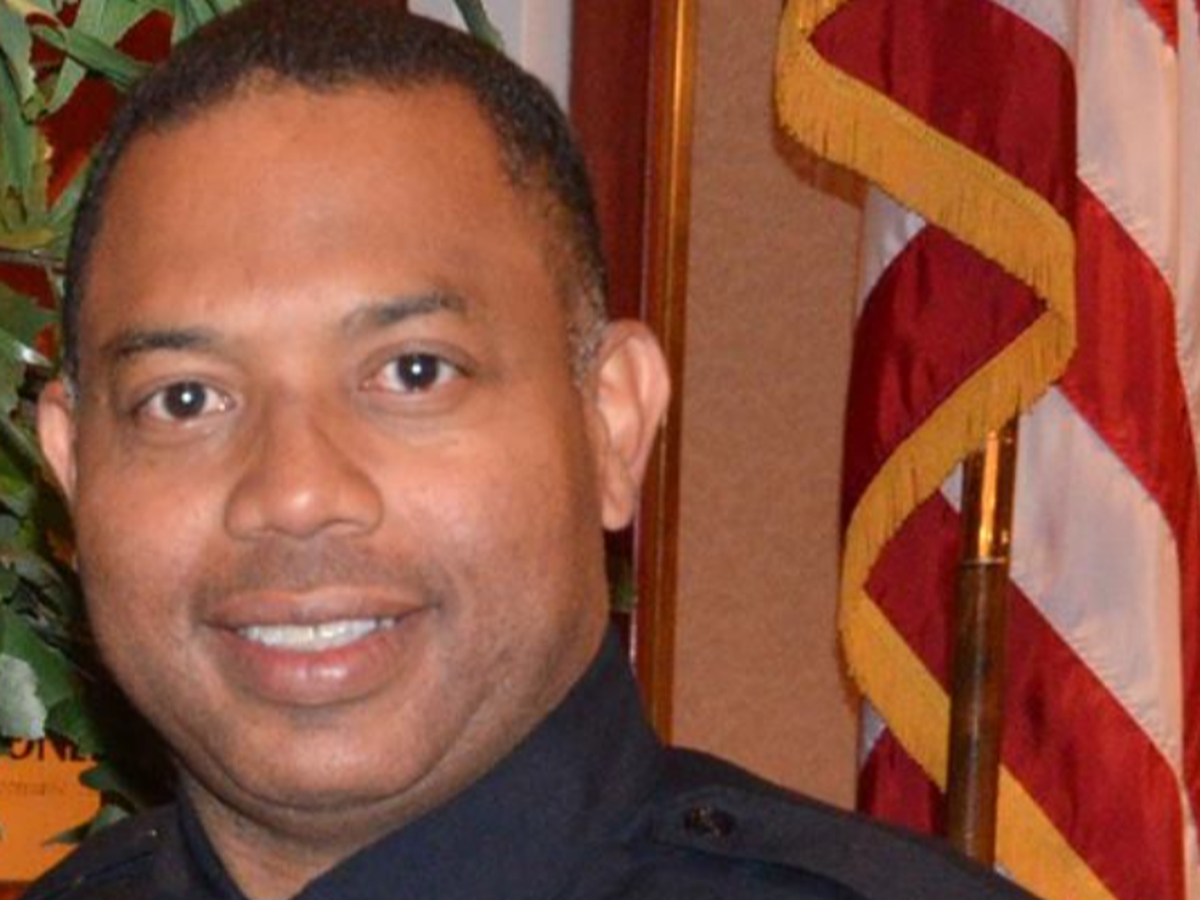
The Anderson family’s world has been turned upside down. Vlad was the family’s main provider; but, his Frontal Temporal Dementia (FTD) Diagnosis has brought immense emotional and financial challenges.
If you can find it in your heart to help support the Andersons — whether by contributing toward everyday living expenses, ongoing medical needs, or simply by sharing their story — your kindness will make a lasting difference.
No amount is too small, and every gesture of love counts. Together, we can give back to a man who spent his life giving so much to others.
Vlad has always been one of the most generous people in our community. Many described him as a Godly man — someone who led with kindness, wisdom, and a true heart for service.
He devoted countless hours to making a difference, serving on multiple community boards, including those for the police department and the Lake Forest neighborhood. His calendar was always full of meetings and mentoring sessions, yet he always found time to lift others up.
Vlad was also a beloved mentor to our youth — a steady, inspiring presence who encouraged others to lead with purpose. His family, friends, and neighbors all looked up to him for his wise and thoughtful words.
No one could have imagined that such a strong and selfless man would receive a devastating diagnosis: Frontotemporal Dementia (FTD) — the same illness that actor Bruce Willis has publicly battled.
As the disease progressed, Vlad’s ability to think clearly and serve others began to fade. The man who had once been a pillar of our community could no longer take part in the organizations and causes he loved, and now is dependent upon full time care-giving. FTD has slowly stripped away so much.
What is FTD?
Frontotemporal Degeneration (FTD), also known as Frontotemporal Dementia, is a rare brain disease that causes progressive changes in personality, behavior, language, and motor skills.
FTD is distinct from other forms of dementia in two major ways:
Early onset: FTD most often strikes in a person’s 50s or 60s — about a decade earlier than Alzheimer’s. It disrupts families and careers in ways that late-onset dementias typically do not.
Behavior and language changes: Unlike Alzheimer’s, which primarily affects memory, FTD causes profound shifts in personality, communication, and social function. Over time, those affected lose the ability to manage daily life and become increasingly dependent on caregivers.
FTD affects roughly 50,000 Americans, and there is currently no cure. The disease can last anywhere from 2 to 18 years, with an average progression of about 8 years.
Let’s come together for someone who’s given so much to all of us.
Organizer and beneficiary
Janet Anderson
Beneficiary