- A
- E
- A
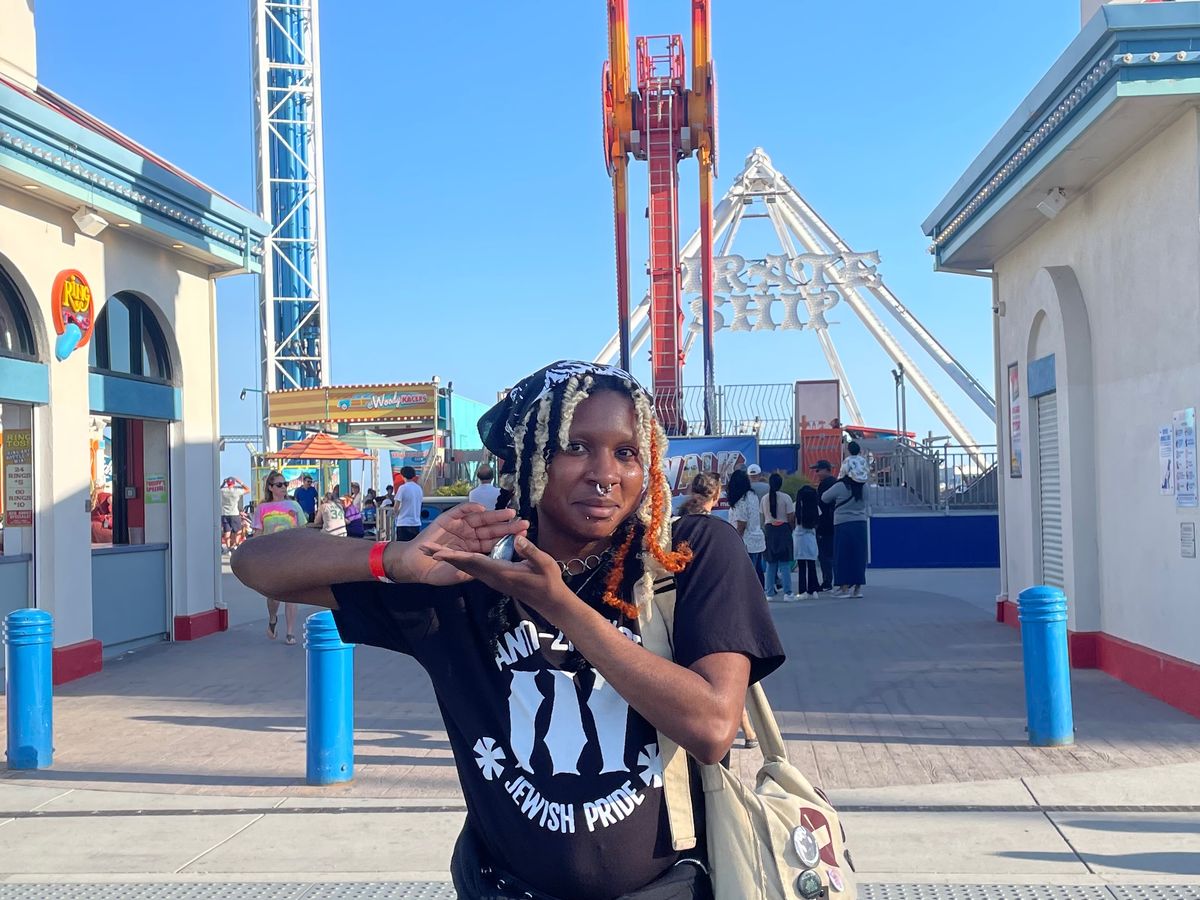
Support Viktor’s Surgical Aftercare Journey
0% complete
$1,684 raised of $6K
40 donations
Hello, my name is Viktor and the short of the caption is that I’m an intersex man who is fundraising for surgical aftercare and follow up appointments.
I moved to Pennsylvania from Texas in January 2026 to escape increasingly oppressive trans exclusionary laws that also unfortunately affect many intersex people like myself. My endocrinology clinic stopped treating me in the summer of 2025 due to state laws prohibiting government funded clinics from providing gender affirming care for trans people; due to being intersex and their only intersex patient, I was labeled underneath the ‘transgender’ section of their care and released from the clinic after over five years of consistent care that came with minimal answers about my intersex condition. My legal name and sex marker have been changed on most legal documents to reflect my identity as an intersex man, which puts me in harm’s way because Texas is chronicling sex marker changes that happened in 2025 and possibly as far back as 2021. These are the main driving forces behind my decision to leave the state. On top of this, I am a participant of an ongoing ACLU case regarding transgender, nonbinary and intersex people’s abilities to change their sex markers on passports and other documents. These have created complex issues where Texas no longer felt safe despite having been a place that I called home since 2009. I understand that bigotry is everywhere but Philadelphia felt like a safer choice and so far, I have no regrets.
Last month, I was seen by a new doctor who was able to get me in touch with an OBGYN, endocrinologist and geneticist team that are well versed in LGBT topics with an extensive knowledge of intersex patients. As of June 10, 2026, I have been seen by the OBGYN and am undergoing karyotyping tests and planning an ultrasound to get further details about my intersex condition that would help explain my body’s (dis)functionality and to pursue the removal of abnormal reproductive organs.
Medical insurance is very finicky regarding reproductive and surgical care for all people but becomes more frustrating for intersex people - for example, previously my legal documents said ‘female’ but my testosterone levels were in the higher end of male range prior to any hormonal intervention leading to male sex traits developing, which in turn led to a lot of confusion about my gender and assigned sex with doctors during appointments. Getting access to hormones took four additional months after initial approval due to my levels reading differently than anything the endocrinologists had ever seen. Having male documents makes it where visiting clinics centered towards reproductive care around female organs is nearly impossible because the medical field often excludes/erases intersex people and has no proper diagnostic codes for us or changes terminology depending on how conditions are recognized (ie ‘disorder of sexual development/DSD’ vs ‘hermaphroditism’ vs ‘hormonal imbalance’ and so forth). They also are not able to understand the differences that intersex people can have with our bodies and organs and can be insensitive. For example, I had an unpleasant experience last autumn with a Planned Parenthood that advertised itself as being intersex friendly but nobody on their staff team knew what to do, mistreated me during an exam, kept thinking I was a trans woman seeking estrogen and just sent me home with a list of surgeons after charging me $200. While my current team is happy to work with me to plan testing and surgical care, I can’t guarantee if insurance will pay for everything, what other steps are necessary for care or how surgical recovery may affect my personal and work life. People typically require 2-3 weeks of downtime after abdominal surgeries and while my job will offer time off, this won’t be enough to cover rent, groceries and follow up appointments after missing nearly a month of work, especially when factoring in how much money I already spent moving across the country.
Breaking down the costs of the goal of $7,500: My rent is $1,026 monthly, my insurance is $88.60 monthly, blood testing is $50 per order, and surgery without insurance is around $7,050. My insurance coverage is fairly great and specialists have already signed their approval towards care so at least half of it should be covered after paying 10% as the co-insurance fee, which is approximately $705. That rounds the costs out to $5,356 without accounting for filling prescriptions for medications, copays for appointments or two months of rent in advance in the worst case scenario that I cannot return to work as quickly as possible due to complications during recovery.