Support Theodora’s Recording Projects
0% complete
$600 raised of $16K
7 donations
Help Build the Next Stage of My Recording and Performance Work
Summary
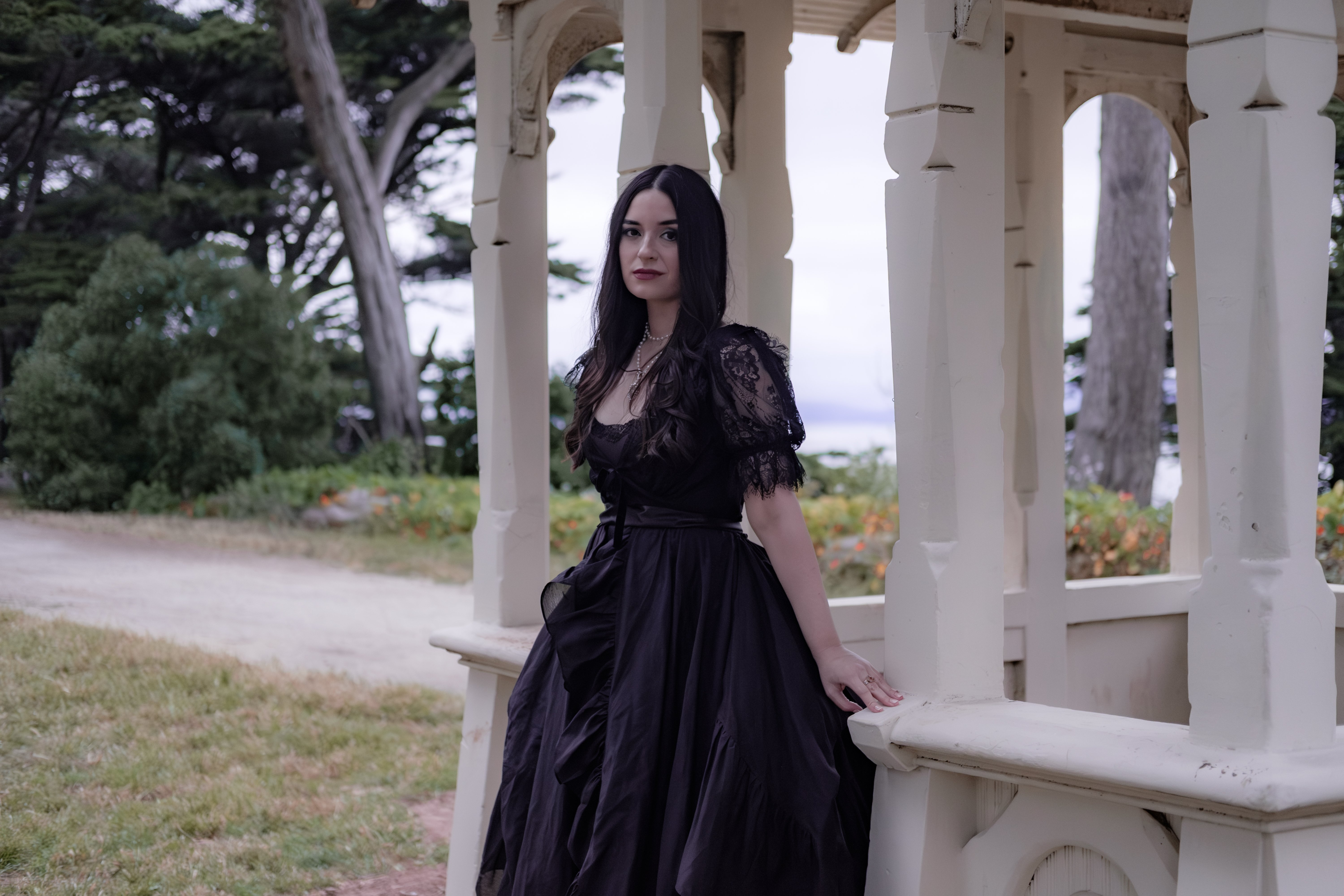
I am a pianist and musicologist whose work approaches nineteenth-century pianism as a material, embodied, and mediated practice rather than as a repertory of autonomous works. In both scholarship and performance, I am interested in how musical meaning is produced through contact: between score and body, technique and instrument, archive and imagination, historical practice and present performance.
Nineteenth-century pianism, especially, was continually made and remade through the interaction of technique, embodiment, material conditions, historical imagination, and improvisation. My work takes that lived flexibility seriously as an artistic principle, seeking forms of art that can breathe with the conditions around them — improvisatory, atmospheric, and responsive to the instrument under the hands, the room holding the sound, the bodies gathered within it, and the irreducible contingency of the moment.
The two recording projects I am now bringing into professional production — "Brahms & the Art of Difficulty" and "Romantic Fragments" — grow directly from this practice.
Project 1: Brahms & the Art of Difficulty
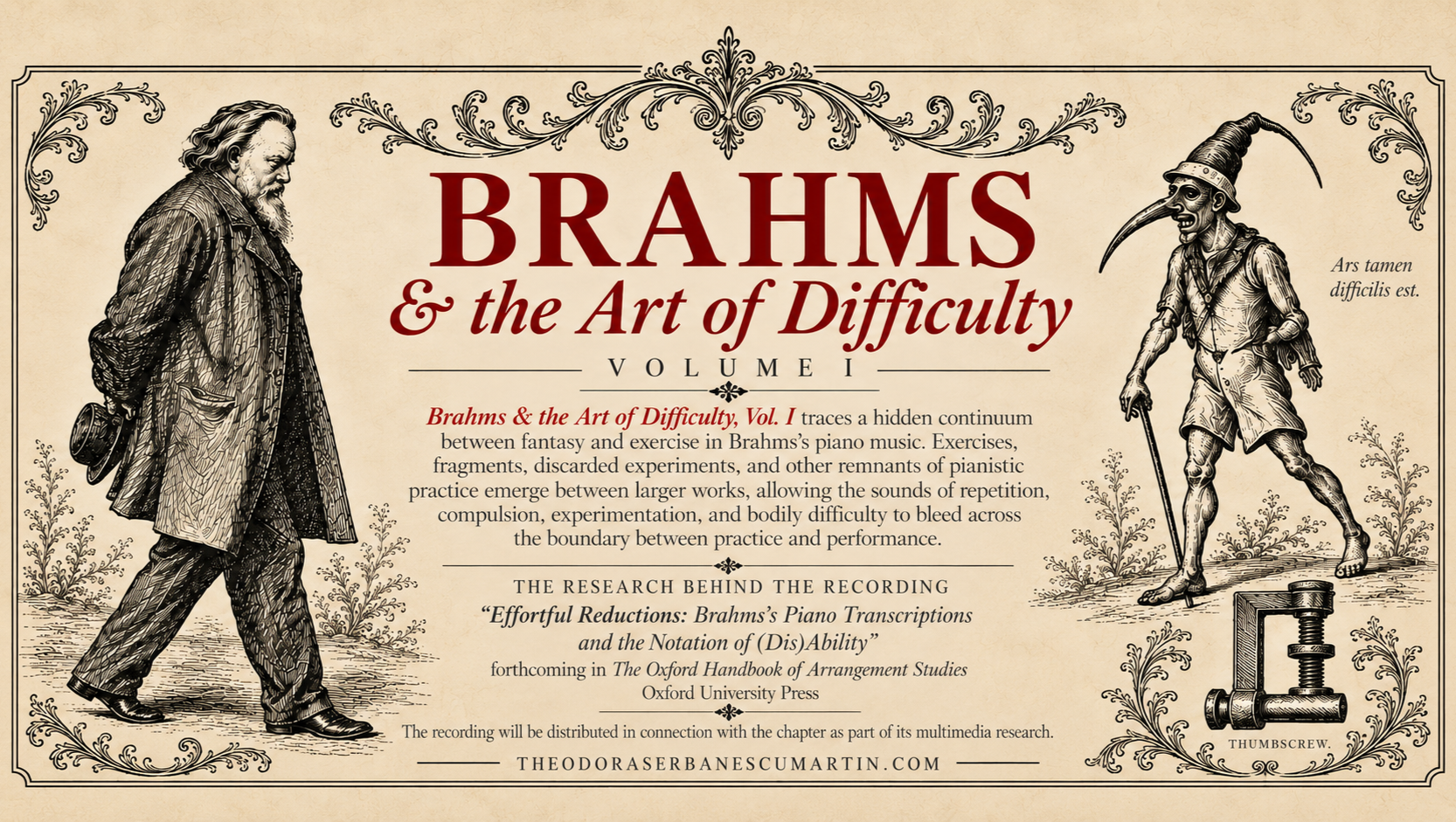
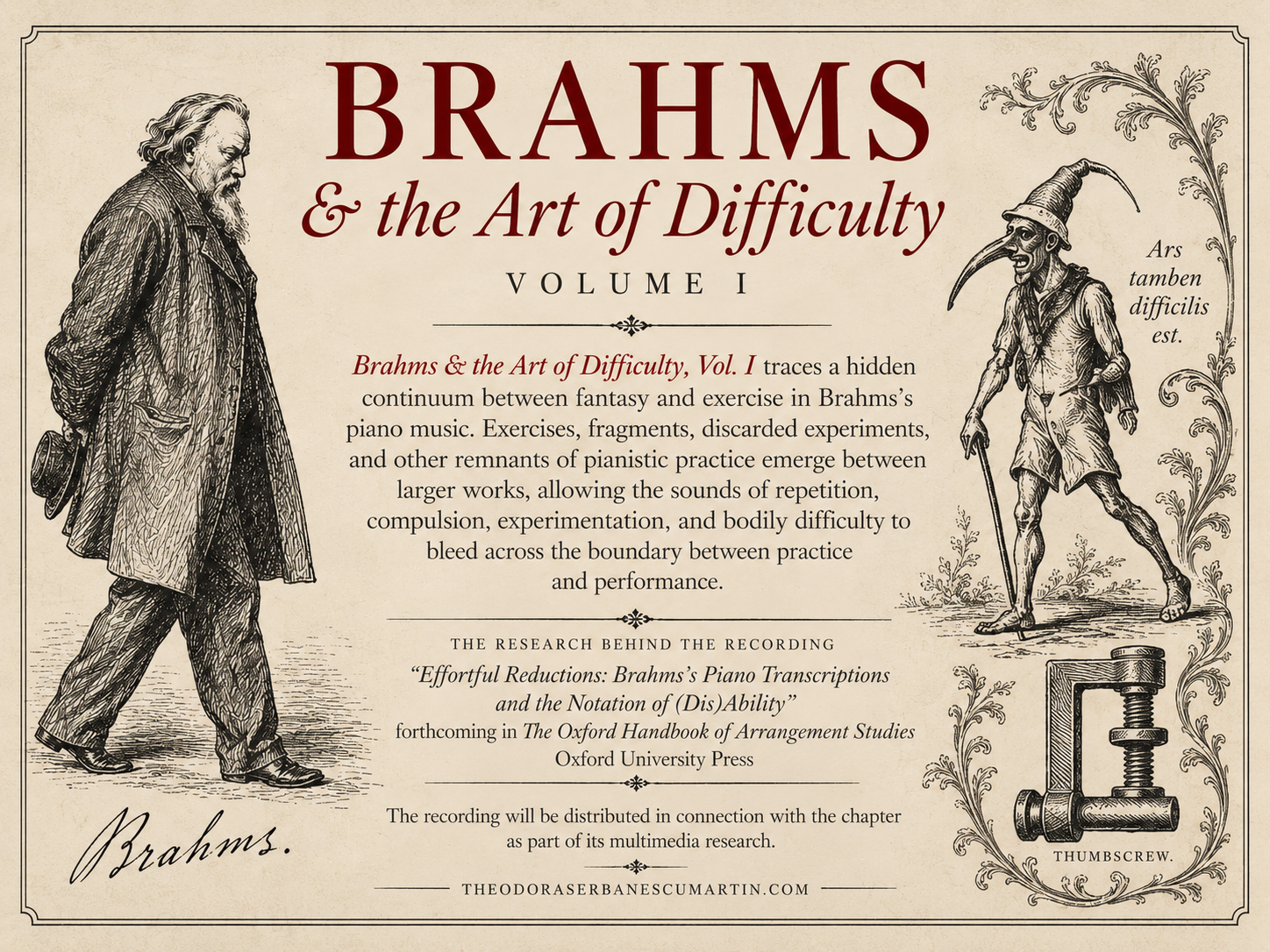
"Brahms & the Art of Difficulty" is a multi-volume solo-piano recording project I have been developing for several years, growing out of more than a decade of work on Brahms as both pianist and scholar. The project asks what happens when pianistic difficulty is treated not as an obstacle to be invisibly overcome, but as an expressive medium in its own right.
Brahms repeatedly described his own pianistic difficulty through images of strain, bodily deformation, absurdity, and dark humor. He described his 51 Übungen— 51 Exercises — jokingly as “melodious” and “pleasant,” even as he imagined their title page covered with thumbscrews, an iron maiden, anatomical details, and blood-red color. Several discarded exercises were titled Fantasiestücke in Callots kühnster Manier — “Fantasy Pieces in Callot’s Boldest Manner” — after the grotesque visual world of Jacques Callot and E. T. A. Hoffmann.
That instability between fantasy and exercise is central to the recording.
The first volume brings together:
- Brahms’s left-hand transcription of J.S. Bach’s Chaconne
- his arrangement of J.S> Bach’s G-minor Presto
- the D-minor Theme and Variations, Op. 18b, a transcription of his own Sextet, Op. 18
- the Handel Variations, Op. 24
- the Fantasies, Op. 116
- exercises, fragments, improvisatory gestures, and unpublished materials
Rather than presenting these as sealed works separated by silence, I envision the album as a semi-continuous environment in which exercise, repetition, improvisation, and fantasy bleed into one another. Recorded interludes drawn from the 51 Exercises, my own improvisations, and lesser known or unpublished fragments from Brahms connect the bigger pieces and tracks.
This project is closely connected to my forthcoming chapter, “Effortful Reductions: Brahms’s Piano Transcriptions and the Notation of (Dis)Ability,” in The Oxford Handbook of Arrangement Studies.
Why professional production matters
The physical experience of this repertoire is part of its meaning.
Its enormous dynamic range, dense textures, intricate articulation, gymnastic flexbility, and extreme technical demands require a piano and recording environment capable of capturing both physical force and microscopic detail.
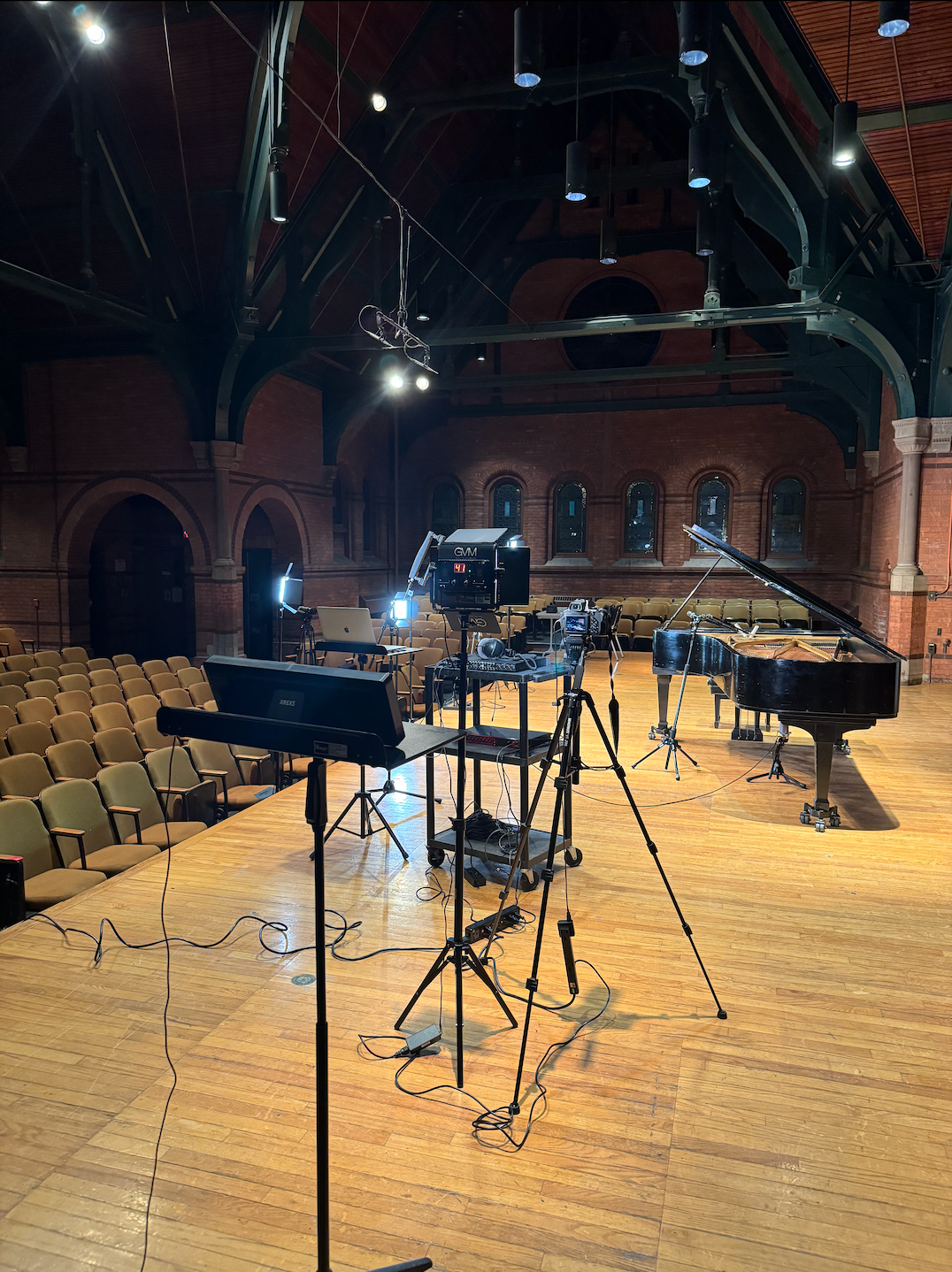
I am currently planning this project around Sono Luminus’s recording facility in Boyce, Virginia, which offers exactly the kind of integrated production environment I have been looking for: a concert-level Steinway D, dedicated piano technician, engineering, producing, editing, mixing, mastering, and acoustically designed recording space.
Sono Luminus has also indicated that, if the artistic relationship proves a mutual fit, a possible release through the label could be discussed.
Recording and production at Sono Luminus
Recording/production, 3 days: $6,000
Piano technician, 3 days: $1,950
Postproduction, 3 days: $2,550
Round-trip travel from the Bay Area to Virginia: $700
Lodging, 4 nights: $1,000
Ground transportation / airport transfers: $500
Lost teaching income: $1,300
Contingency / additional studio or postproduction costs: $1,000
TOTAL: $15,000
For more, see their studio:
I may ultimately be able to record the project in two days; I have previously recorded an album of comparable length and intensity in a single day. But Brahms’s repeated physical demands create a different kind of cumulative strain, and the point of this project is not merely to “get the notes down.” It is to create a definitive document while protecting the body and preserving artistic freshness.
Project 2: Romantic Fragments
If "Brahms & the Art of Difficulty" explores monumentality, resistance, labor, and technical force, "Romantic Fragments" turns toward the opposite pole of my playing: intimacy, miniature form, fragility, improvisation, historical instruments, and the incomplete.
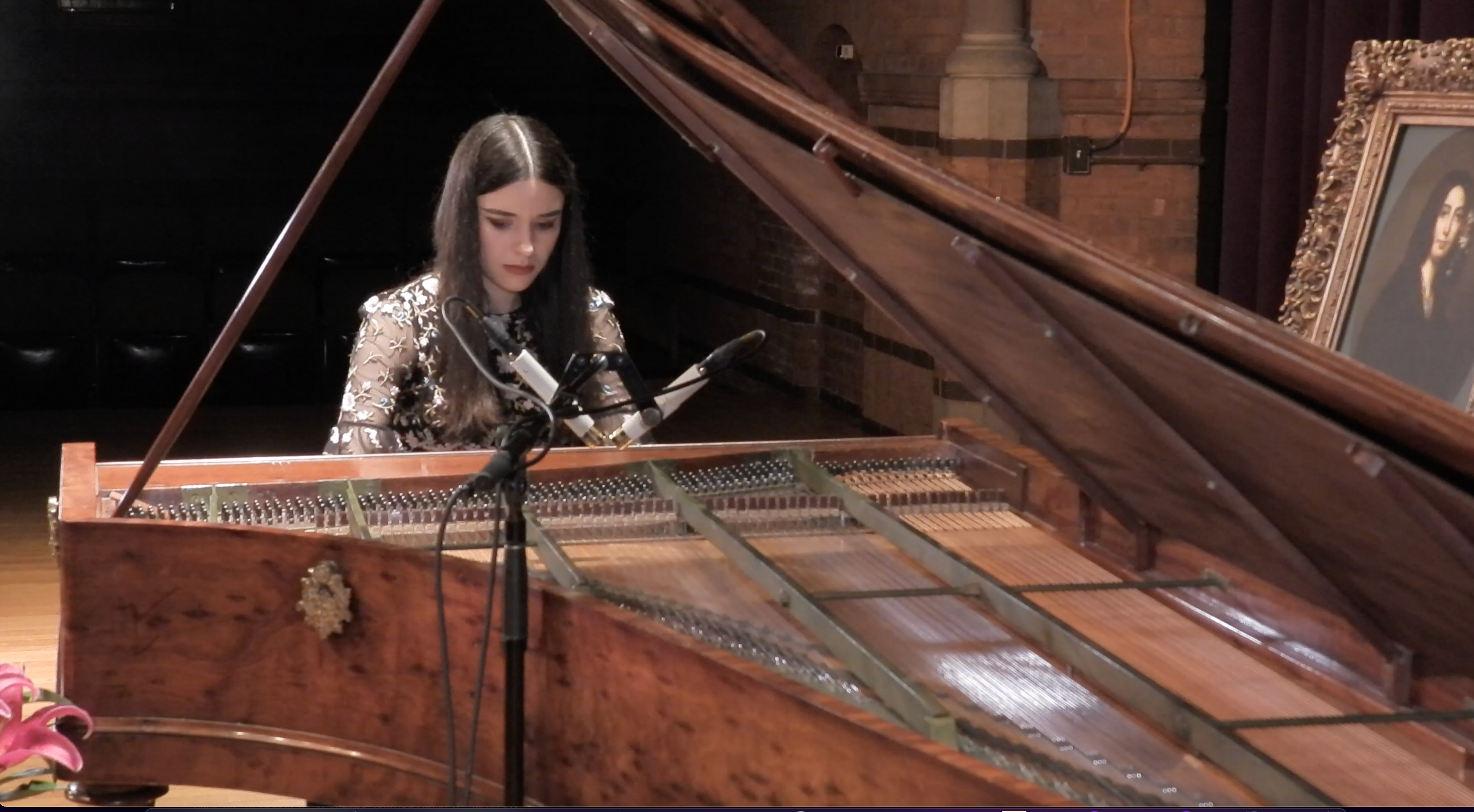
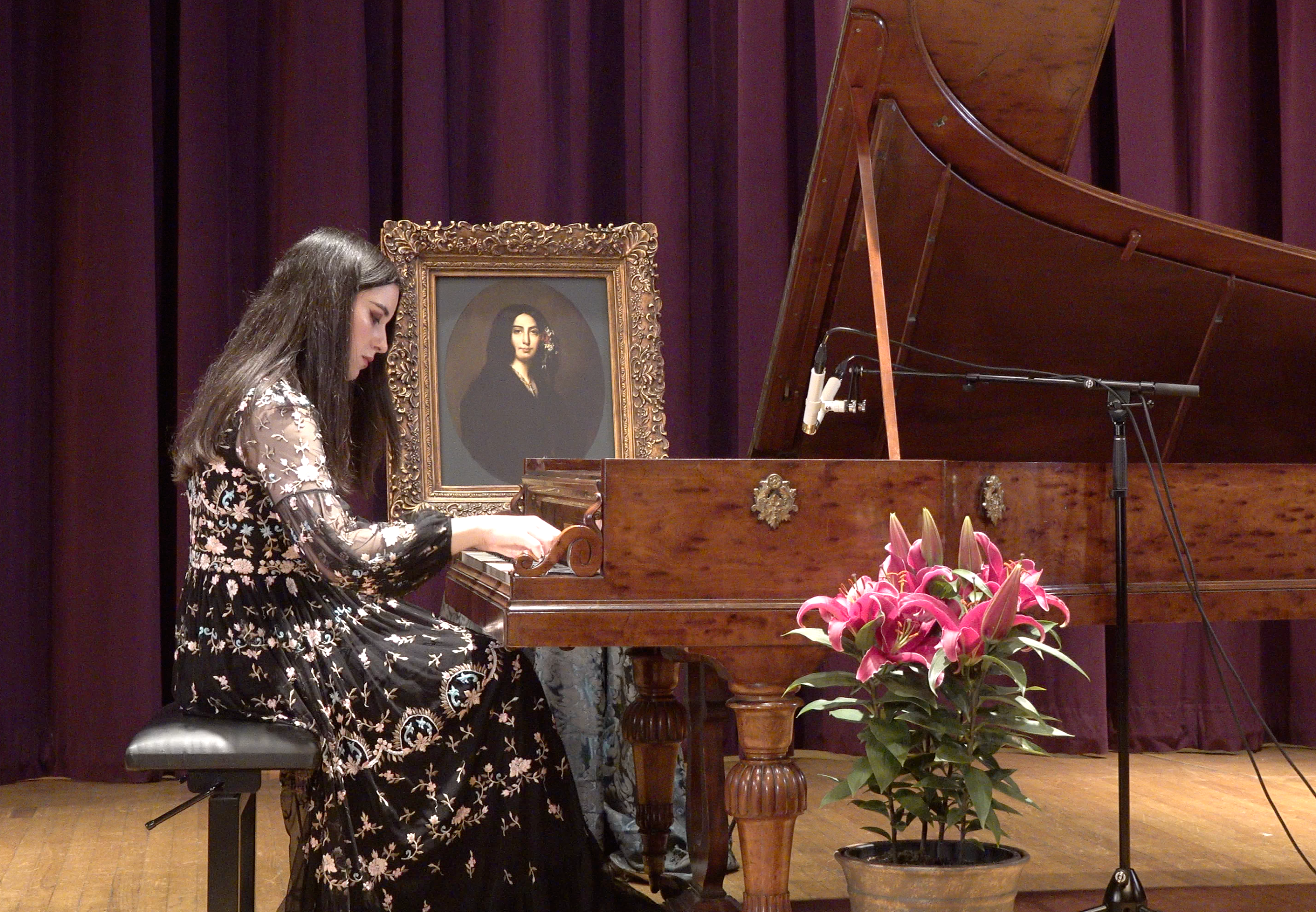
This project grows from my work with nineteenth-century pianos and from my interest in repertoire that resists the modern expectation that every musical object must behave like a finished monument. The project will draw from Chopin Mazurkas, shorter works and fragments by Liszt and Alkan, unfamiliar sketches and lesser-known Romantic pieces, and other music in which incompletion, memory, color, intimacy, and instrumental are particularity central.
I have been in conversation with historical piano builder Paul McNulty about recording Romantic Fragments on nineteenth-century instruments, including Érard and Pleyel pianos, in the Baroque hall of Castle Šternberk in the Czech Republic. The setting is integral to the project rather than incidental: the historical instruments, architecture, acoustic, and repertory together create the kind of immersive Romantic environment the recording is meant to capture.
Together, the two projects document two very different modes of Romantic pianism that have always coexisted in my artistic work.
Estimated future production target: $5,000–8,000, depending on instrument, venue, travel, and engineering arrangements.
What Comes Next: Hélène de Montgeroult: Critical Edition, Translation & Historical-Keyboard Recording
One of my next major projects centers on Hélène de Montgeroult’s "Cours complet d’enseignement du forte piano" (c. 1816), one of the most extraordinary and under-recognized pedagogical monuments of the early nineteenth century. The project combines: a critical scholarly edition; an English translation historical-keyboard recordings; performance research; interpretation of the "Cours complet" as both pedagogy and artistic repertoire.
I am currently pursuing academic grant support for the translation and edition. Professional translator John Wagstaff has reviewed the material and estimated the translation component at approximately £2,000.
The larger project will also require travel, editing, historical-instrument access, and recording support.
This work is not part of the immediate recording budget for "Brahms & the Art of Difficulty" and "Romantic Fragments," but it represents the next stage of the same artistic mission: bringing neglected musical objects into living circulation through scholarship and sound. Beyond Montgeroult, I am developing further projects around Sophie Menter —one of Romanticism’s most charismatic and now lesser-remembered pianist-composers — as well as performances and recordings of nineteenth-century transcriptions of Beethoven at the Ira F. Brilliant Center for Beethoven Studies.
Selected Work & Background
Artist Statement
Read more about how I conceptualize my artistic practice: as a critical and imaginative engagement with Romanticism’s contradictions, in which historical knowledge expands rather than constrains the possibilities of performance.
Liszt — Harmonies poétiques et religieuses
In 2026 I released a complete recording project devoted to Liszt’s Harmonies poétiques et religieuses, paired with spoken poetry by Alphonse de Lamartine and Latin sacred texts referenced within Liszt’s cycle.
This project represents the clearest existing model for the kind of interdisciplinary recording work I hope to continue: music presented as part of a larger literary, spiritual, historical, and sonic world rather than an isolated object.
Brahms — Op. 116 on modern Steinway
A modern-piano recording of Brahms’s Fantasies, Op. 116, demonstrating the large-scale, physically intense side of my Brahms playing.
(scroll to the middle)
Brahms — Op. 116 on an 1857 Streicher
The same repertoire performed on a historical Streicher piano, revealing how radically instrument, touch, attack, resonance, and balance transform the music.
Liszt — Totentanz Tableau Vivant
An earlier interdisciplinary performance project integrating Liszt’s piano transcription of Totentanz with historically inspired clothing, staging, visual art, and the "tableau vivant" concept.
Dactylion Reconstruction
Documentation of my reconstruction of Henri Herz’s nineteenth-century finger-training machine the "dactylion," part of my research into pianistic discipline, mechanization, and embodiment.
Chopin Mazurka Performance Sketches
A developing series of single-take and minimally prepared Chopin Mazurka recordings on historical instruments, exploring rhythmic elasticity, intimacy, contingency, and the grain of Romantic performance.
(scroll to the bottom)
Bellini/Liszt — Réminiscences de Norma on Pleyel
A historically informed exploration of operatic transformation on a nineteenth-century Pleyel piano.
Where Your Support Goes
Support from this fundraiser will go primarily toward:
- professional recording and production
- piano preparation and tuning
- editing, mixing, and mastering
- travel and lodging
- lost teaching income during recording periods
- historical-instrument access
- future translation and editorial work
- selective reconstruction of research objects such as the dactylion
The immediate priority is "Brahms & the Art of Difficulty," followed by "Romantic Fragments." Montgeroult and Menter represent the next stage.
Final Point
This is not a starting point: the research immersion, performance preparation, historical-instrument work, and interdisciplinary skill already exist. What I am building now is the professional infrastructure and documentation that allows them to become durable, visible, and sonically equal to their artistic ambition.
Your support helps transform years of research and performance into lasting artistic documents.
Thank you for being part of that process.