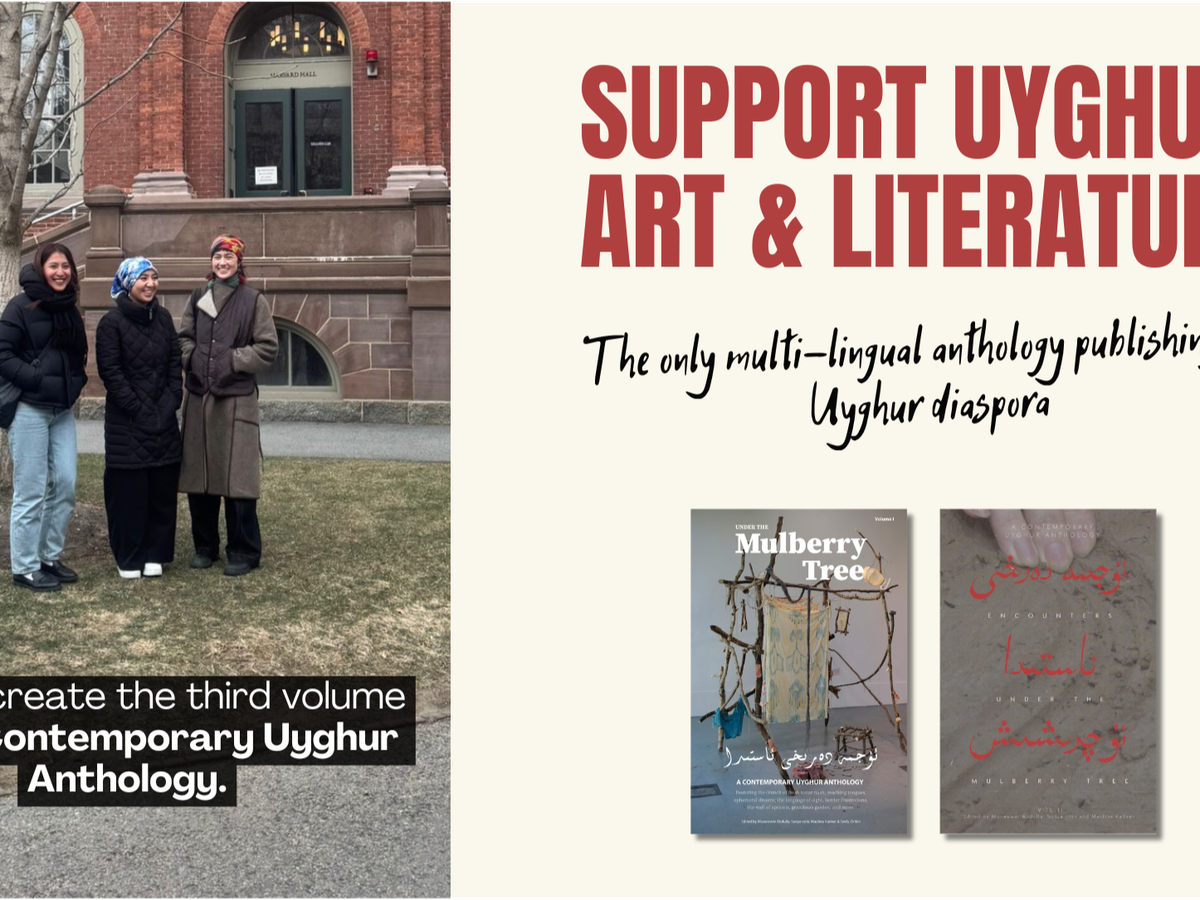
Support the Contemporary Uyghur Anthology
0% complete
$1,461 raised of
25 donations
The Contemporary Uyghur Anthology is a publication that platforms Uyghur (and anyone drawing their roots from East Turkistan) artists and writers in the diaspora by providing a space that is often inaccessible to those in our community. There are no other projects of its kind in the English language, and with two volumes already published, we hope to take this project to the next level. It's a rare look at Uyghur expression in an environment where all our stories are told by people pushing their own narratives without the intimate knowledge of our lived experiences.
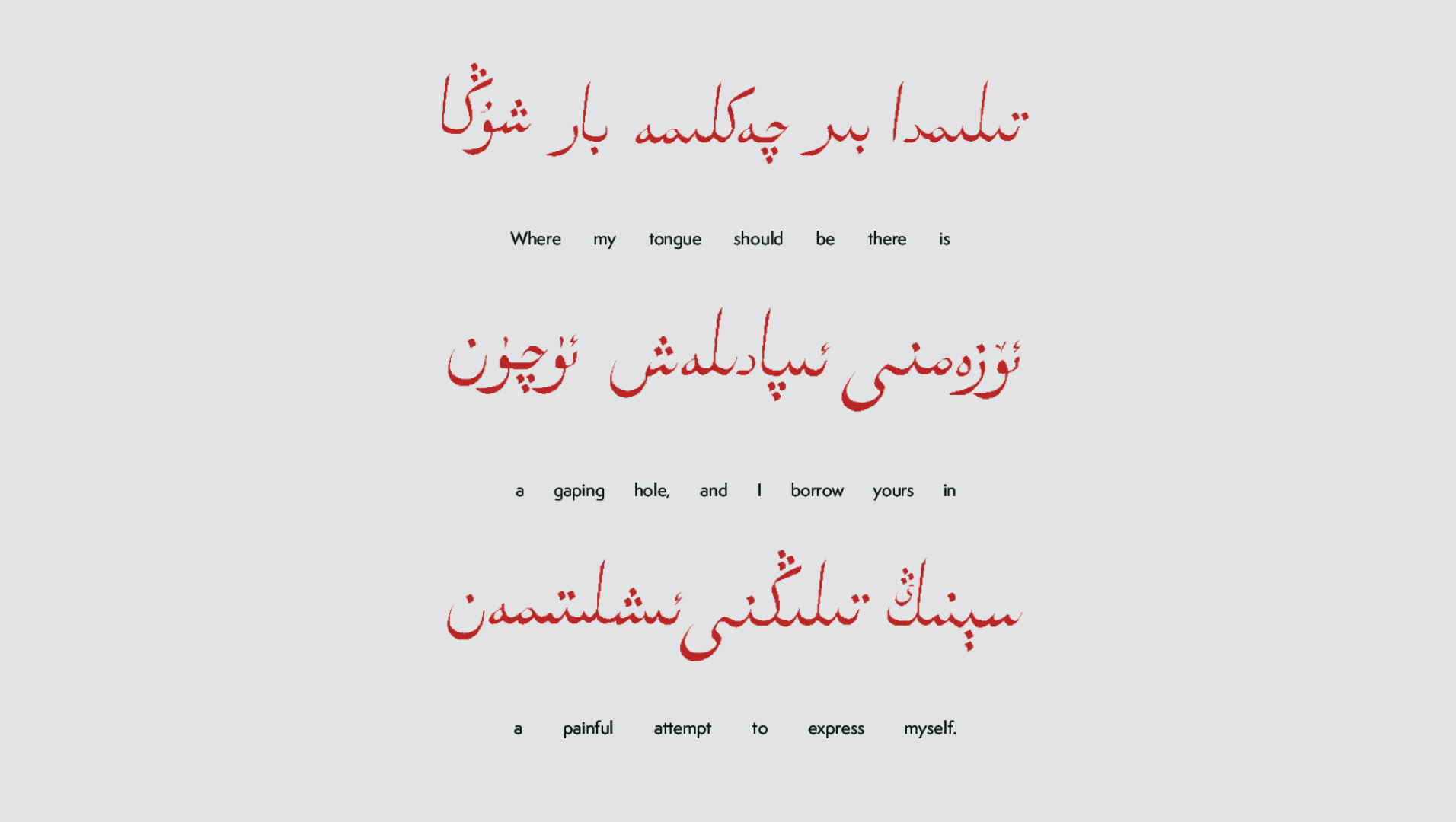
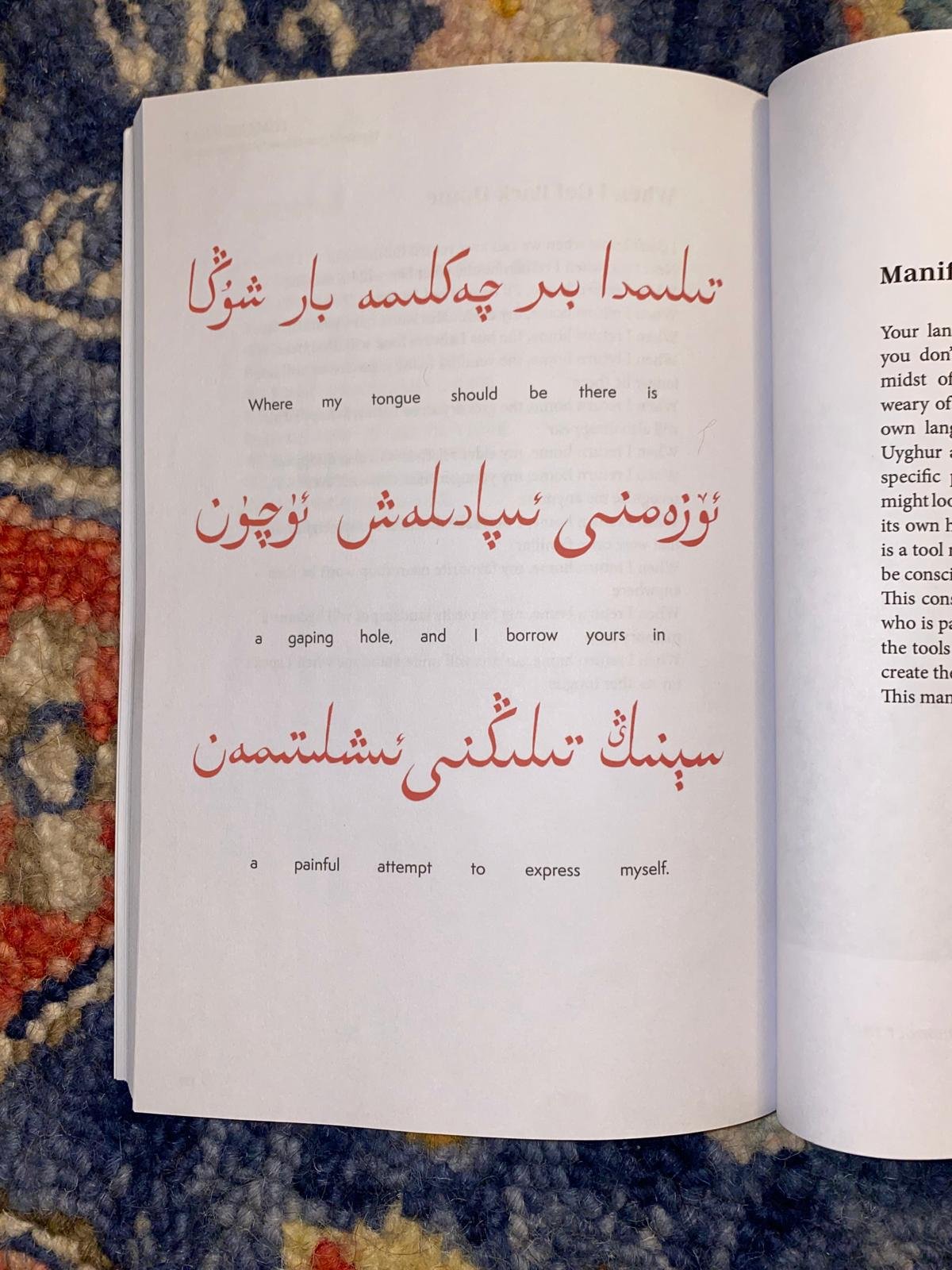
<"Manifesto" by Sumayah Jurad from Vol. II>
We asked ourselves these questions - why wait for others to invite us to the table when we can pull up a chair and introduce ourselves? Why let others speak for us without trying first to speak? Our broken English can only be improved with audacity, and world literature is only enriched by the presence of new voices.
All-in-all, our efforts have been met with support from our community and pleasant surprise from those who did not know what they did not know.
Somewhat unprecedented is that we publish the authors' original language alongside the translation. Our book is filled with Uyghur, Latin, Cyrillic, and Chinese script to encapsulate as much of our community's experience as we can.
Our Story
There are many publications in diaspora communities that platform East and South Asians, SEA, MENA, and more. Central Asia is often underrepresented in world literature or Asia-specific publications, and occupied territories even less so. Uyghurs themselves have been a relatively new diaspora community in English-speaking countries, and haven't had the opportunities to grow their literary or artistic communities. Many don't have the tools to nurture their talents, or knowledge of creative networks or opportunities, even when many journals seek work from underrepresented groups. In instances where they are aware, it's difficult to be published in this competitive field without the education and styles that publications look for. There are only a handful of literary translators translating from Uyghur to English, and not many Uyghurs who have had the chances to develop their creative language when learning English.
To sum up, the issues were:
- No spaces for Uyghur writers and artists to develop their skills
- A disconnect from artist communities, be it local or online
- Lack of awareness of opportunities
- No bridge between our native tongue and English, and in turn, world literature
So, we put together a small group at the Tarim Network to take on this challenge. Completely volunteer-run; the very essence of a passion project. We did a call-out for anything and all. New writers, established writers, any language, any genre, whatever we could print in a book. And here we were, the first book of its kind, created to speak for ourselves without outsider voices, without a publishing house, raw and straight from the source.
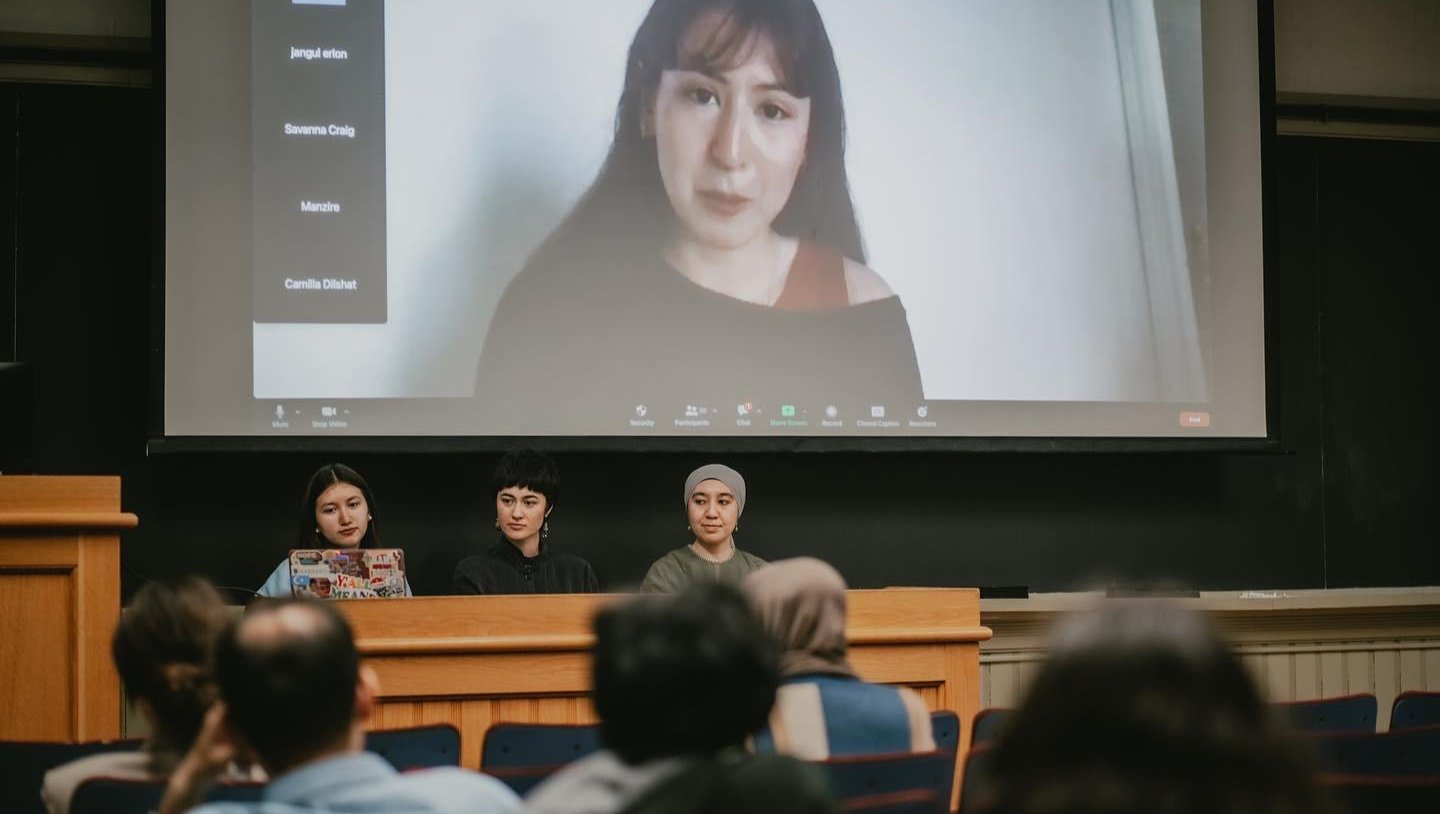
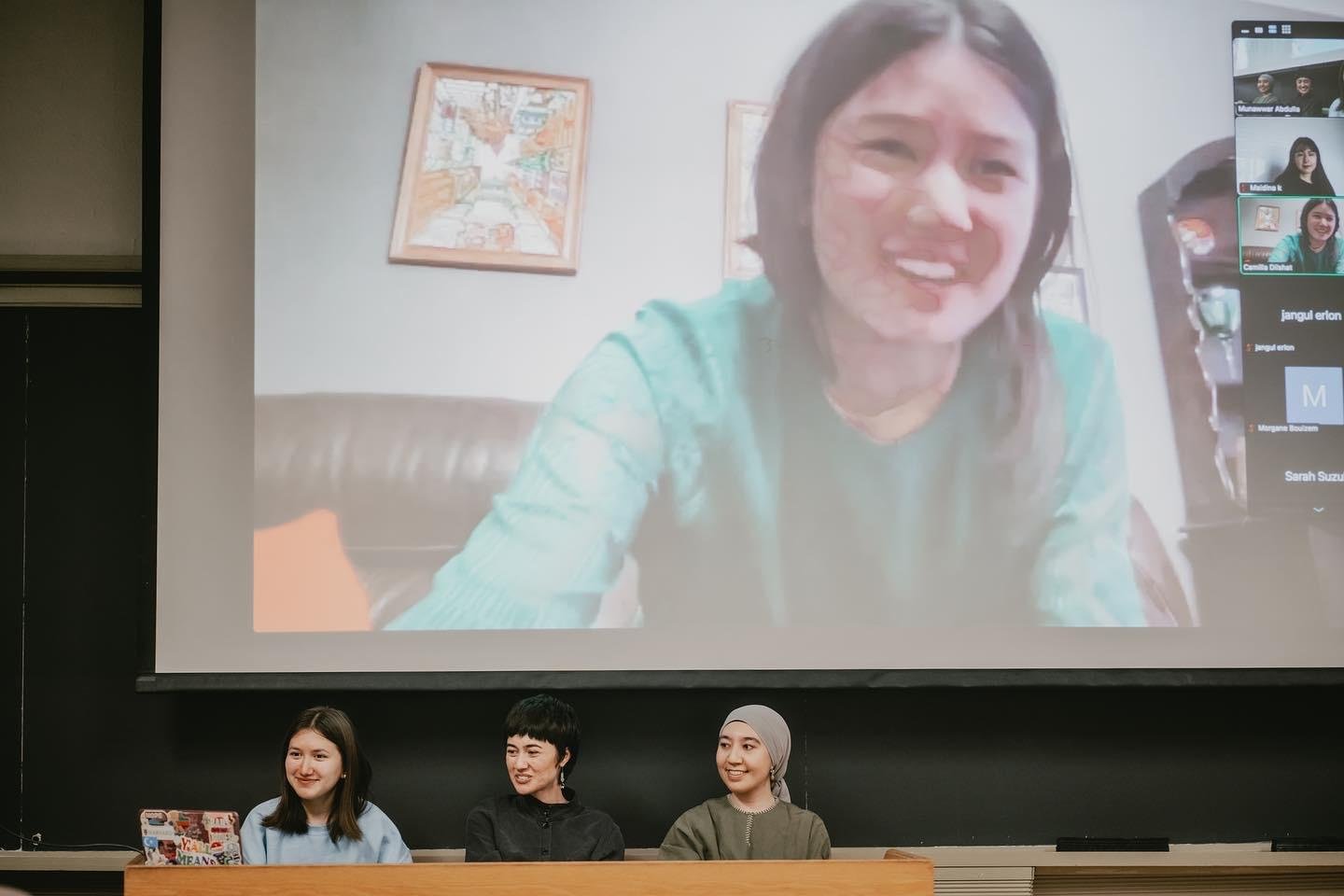
<From the launch of Vol. I at Harvard University>
The blurb from our first volume:
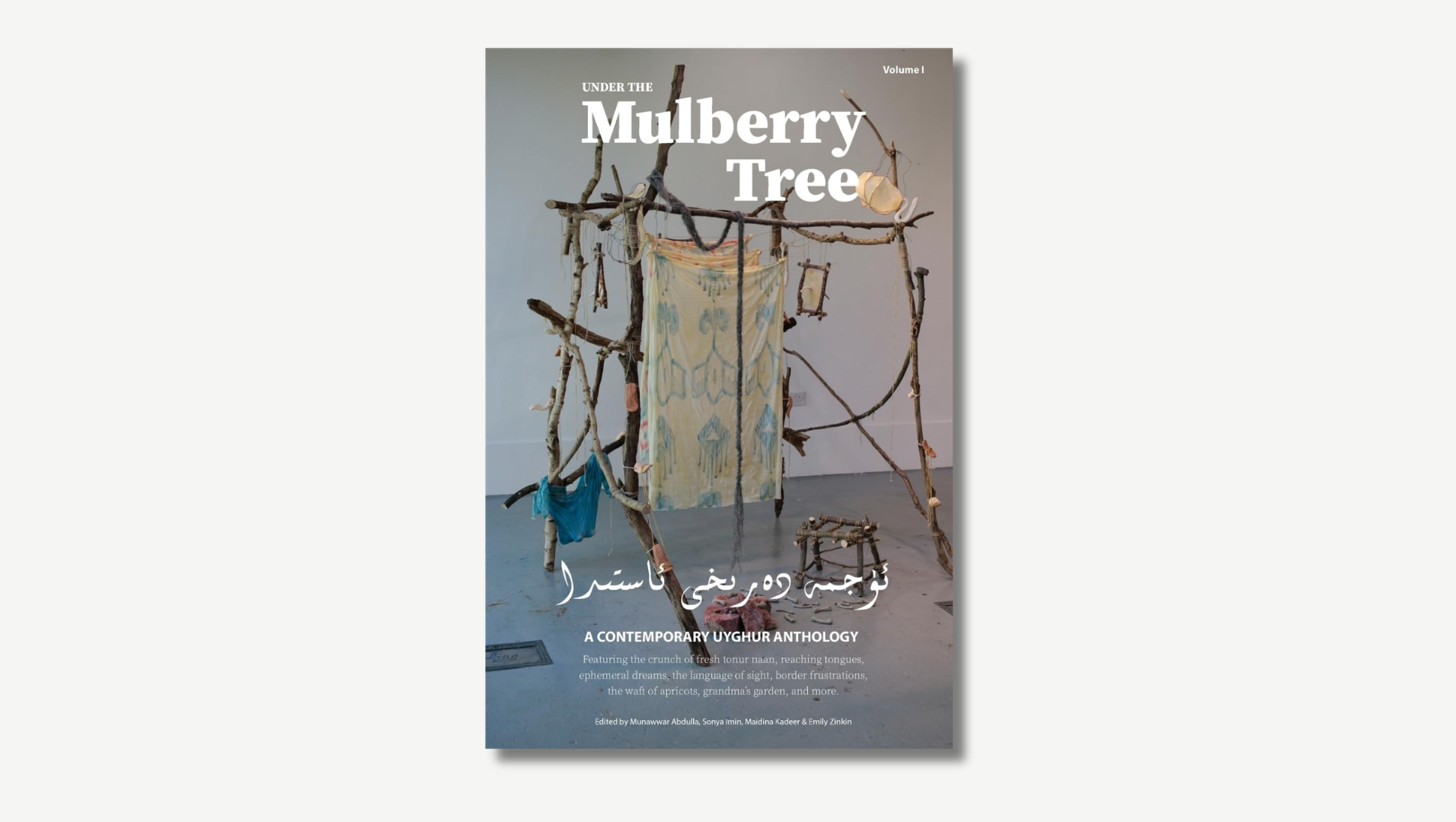
"The Contemporary Uyghur Anthology is a collection of Uyghur reflections in diaspora. Weaving together memories of the homeland, experiences of displacement, and transitions of identities, this anthology is a creative reflection of the beauty and complexities of the Uyghur experience.
By centering Uyghur voices at the forefront, this anthology serves as a form of living memory in a pivotal moment of Uyghur history. The title Under the Mulberry Tree refers to a story from the Uyghur literary classic Ana Yurt, where youthful Nuri faces terrible injustices, separation, and turmoil; but for one moment in the Charbagh, his love for Sebihe and his own family is full, ripe, and sweet, like the mulberries from the ancient tree. In a similar way that the mulberry tree offered comforts in Nuri’s time of need, we hope this volume offers a place of reflection and celebration of Uyghur culture."
We'd partnered with a member from a Jewish organisation to run writing workshops and explain editorial processes, as we had never worked on something like this before. After that collaboration, we decided to publish a revised edition on our own. This time, we added editors' notes to the pages to explain certain terms and historical and cultural contexts - mainly for our own youth, who don't always have access to cultural education. We translated more pieces from Uyghur and Chinese. Our contributors spanned 13 countries, at all levels of experience.
Was this work sustainable? Equipped with the tools, experience, and outpouring of support from our first volume, we spent the next two years saying yes. Our first book was now in libraries, there were articles and academic papers that mentioned it, and most of all, we reaffirmed the need for this sort of work. Not only were we accepting submissions, we worked one-on-one with emerging writers and artists to edit their pieces. We also helped first-time translators have their first publications with help from more experienced translators, as well as connecting them with the original authors.
Our second volume was even better than the last. From the blurb:
"How do we respond to the unexpected, and how does it influence perceptions of ourselves or the environments in which we exist? As a diaspora population, unexpected encounters can shape and transform what it means to be Uyghur as we build a new life outside of the homeland. Encounters Under the Mulberry Tree takes on the literal, abstract, and expanded renditions of these moments. We feature contemporary and historical works, including art, poetry, and prose in five languages with contributors based in a dozen countries, from established writers like award-winning author and filmmaker Tahir Hamut Izgil, to emerging artists, writers and translators of all ages. This book is a library of vignettes that grapple with intersections and how we make sense of it all."
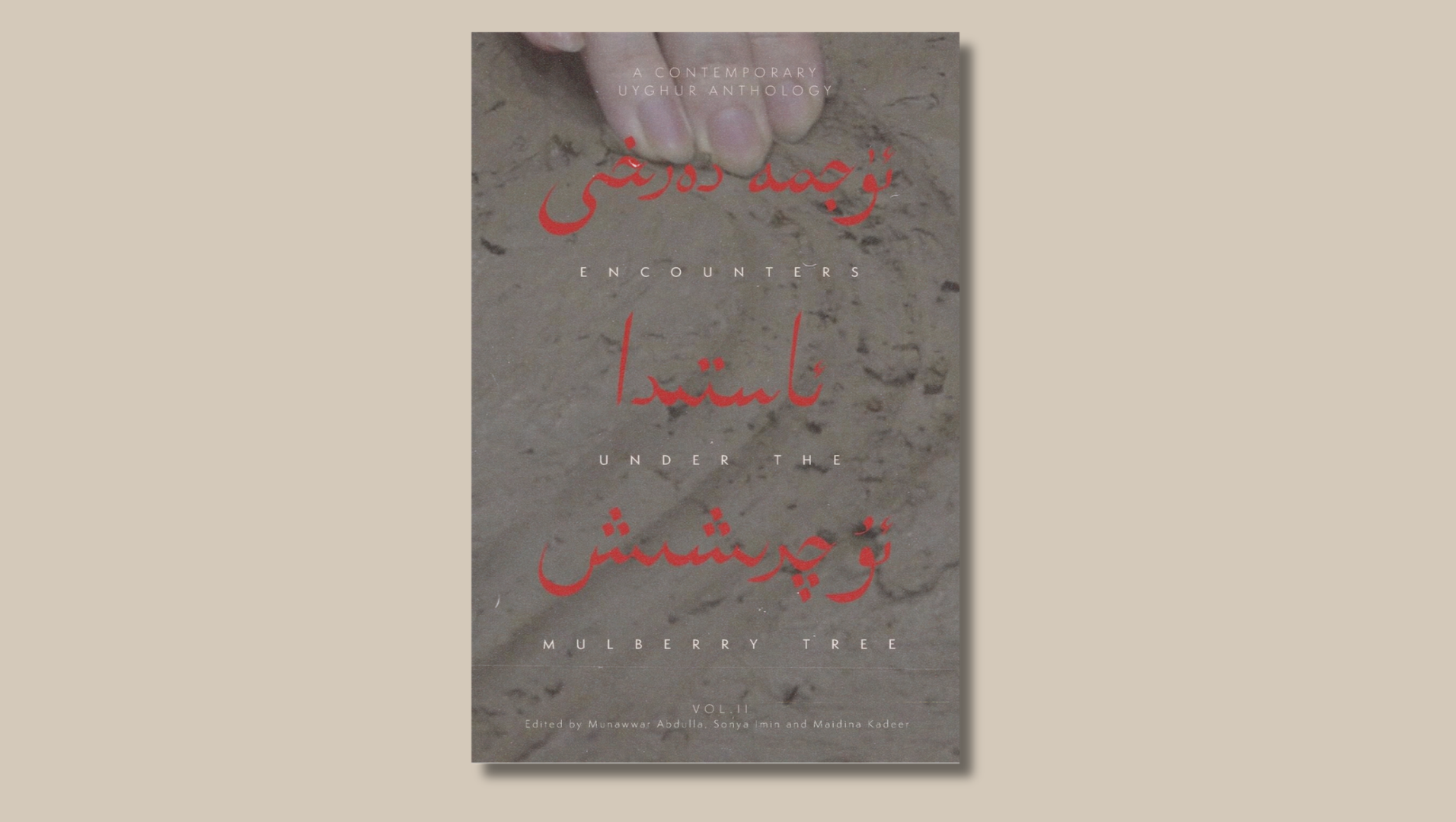
Our stats:
- 44 pieces in total by 36 contributors
- Five languages (Uyghur, English, Chinese, Russian, Turkish)
- All work translated into English
- 11 translators
- Contributors based in over 10 countries
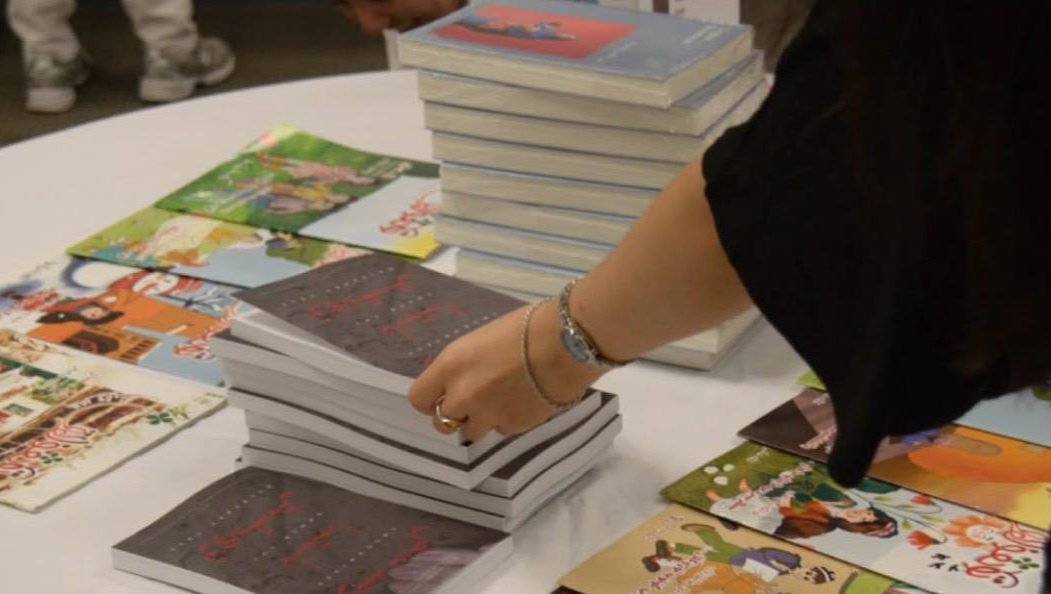
<Vol. II showcased at a college hosted by Rawan Mentorship>
Volume 3
Now we embark on our third volume. The three of us do this while maintaining full time jobs, academic careers, and other side projects. We all live in different countries and have only met in person once. But it's something that we need to do, for our community and for ourselves. Our contributors have gained so much from this experience and we want to extend this opportunity to more people. This needs to survive in order for similar initiatives to be born.
How we'd like to proceed
- Supporting the editors - all expenses so far have been paid out-of-pocket or through book sales. We do not have any donors or sponsors (yet!).
- Supporting our contributors - we cannot afford to pay any of our contributors. Despite this, we have given free copies of the book to contributors, but this is definitely leaving a dent in our pockets.
- Recruiting more people - paid internships or remuneration for one-off work would help volunteers spend more time on this project in this economy.
- Enhance our level of expertise - we want to improve. Workshops or courses for our editors and contributors, professional feedback, the works. Unfortunately there is no one who speaks Uyghur and who is involved in Western publishing or English literature on a professional or academic level. We would appreciate connections with professionals from any language background, or the funding to level up.
- Expand our network - we'd love to promote our work at literary festivals, go to conferences, do book events, establish ourselves in the public eye, provide reader copies to reviewers, and so on. However, there is a funding barrier to overcome to be able to attend these events, organise, or pre-order books.
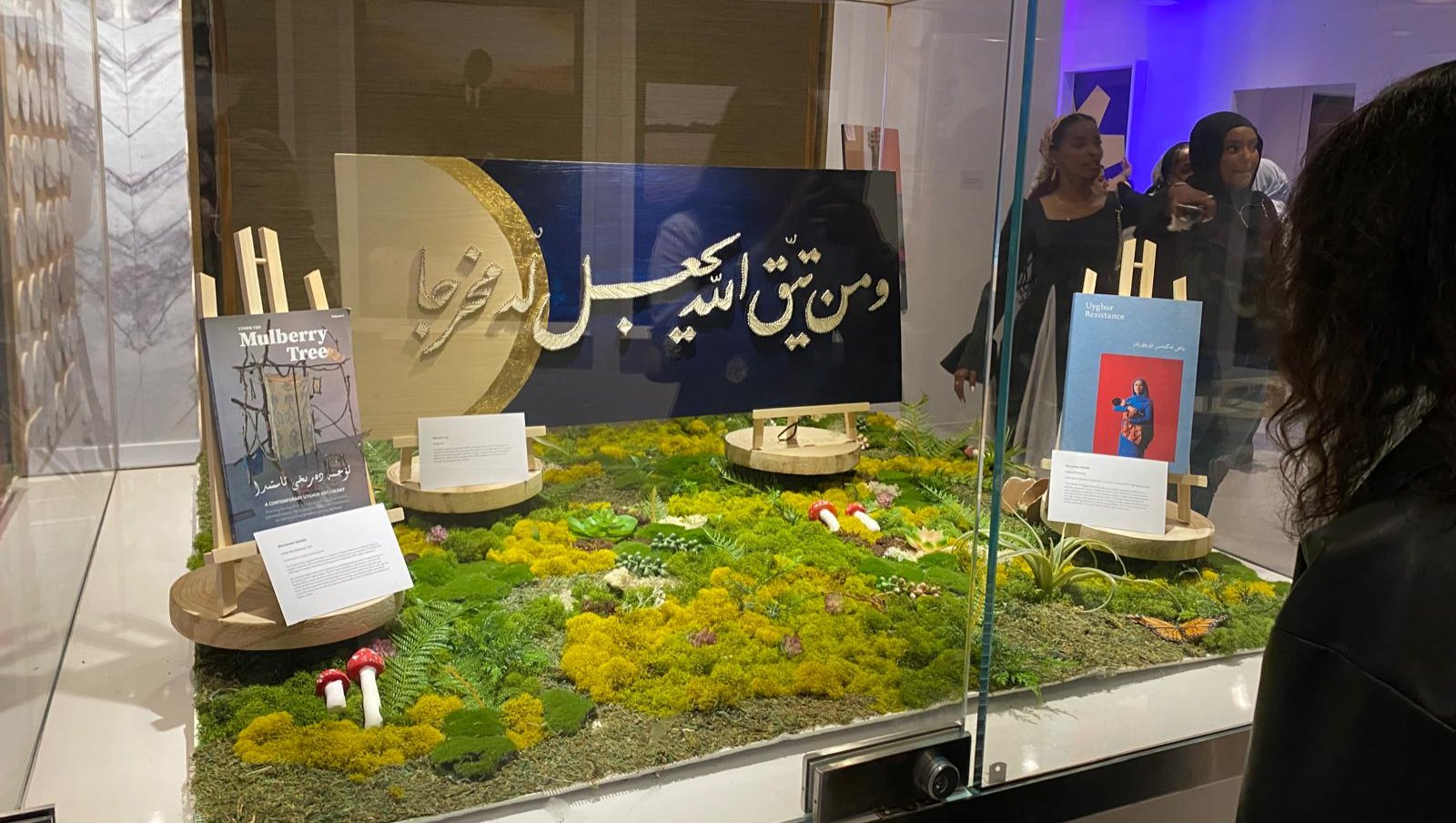
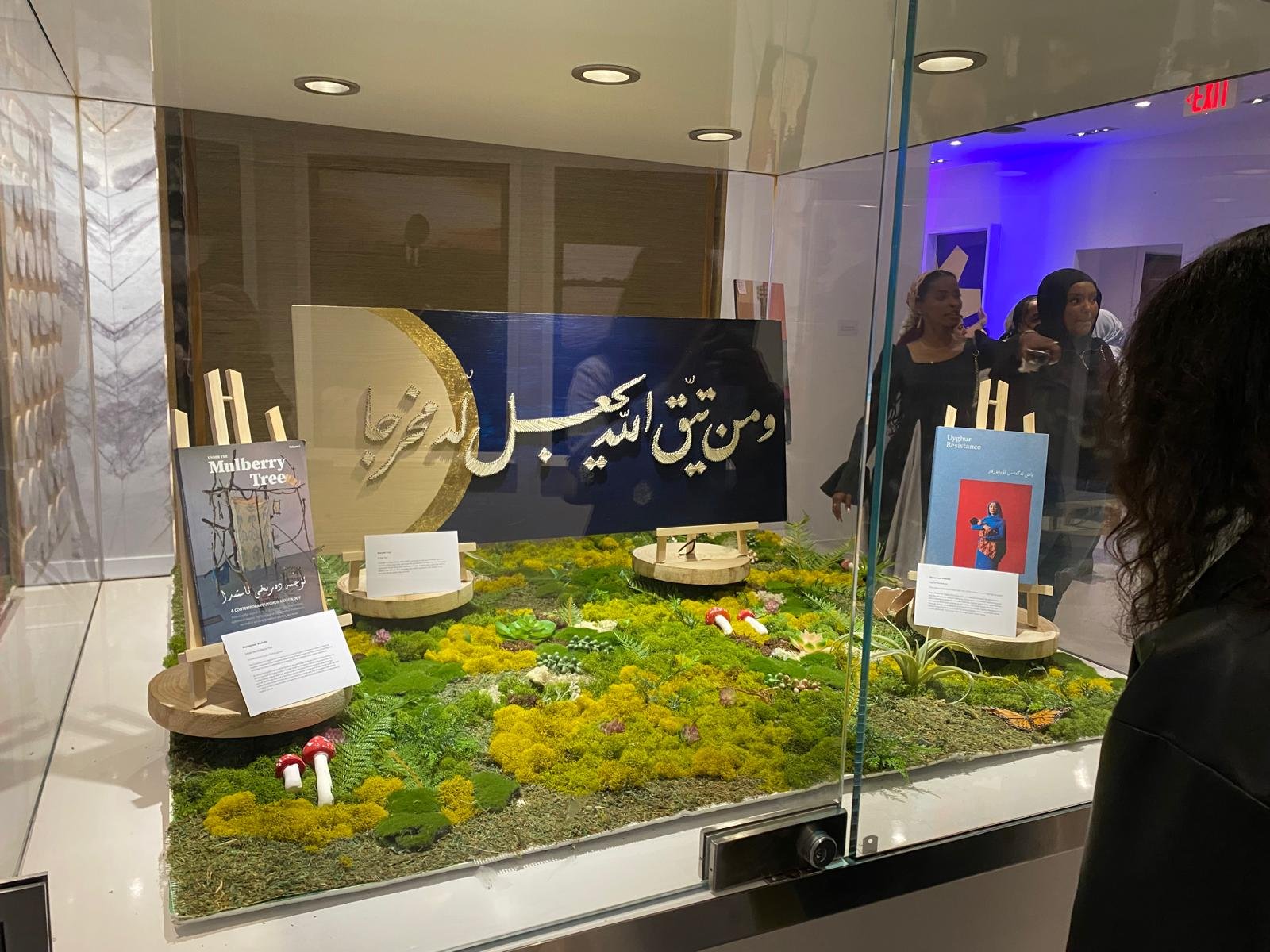
<Vol. I on display at the Mosquers Film Festival, 2025>
Who we are
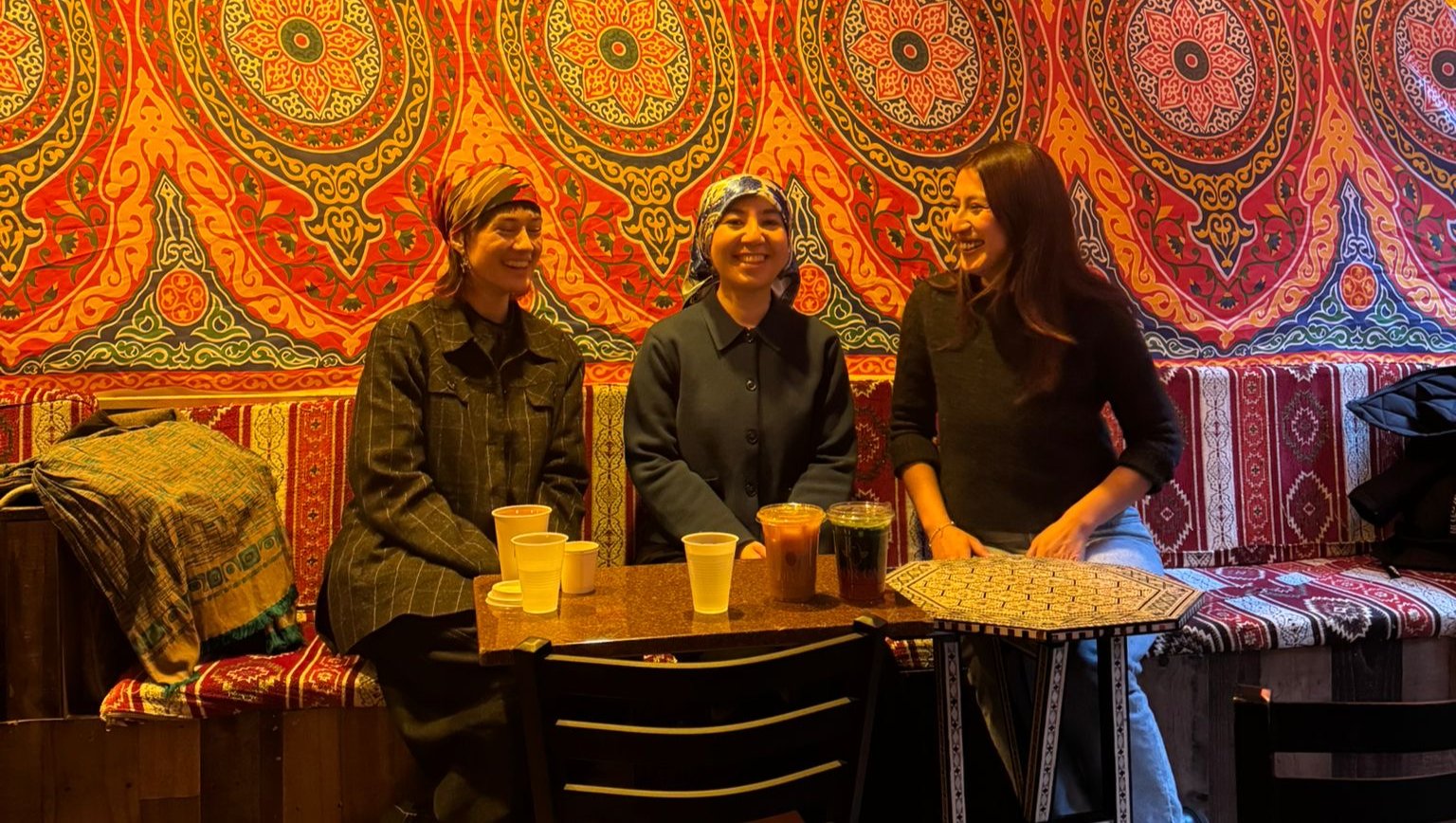
Munawwar Abdulla is an Uyghur advocate, poet, and scientist born on unceded Kaurna land (Australia) and based in Massachusetts. She co-founded The Tarim Network, runs Uyghur Collective, and collaborates on projects with Uyghur rights organisations around the world. Her writings and literary translations have been published in places such as Modern Poetry in Translation, Asymptote, the Margins, the Georgia Review, and others.
Sonya Imin is a mixed Uyghur American scholar and multi-disciplinary creative who has worked on art and film projects across the US, Europe, and Central Asia. Growing up between the borderlands of the Uyghur homeland, broader Central Asia, and the midwestern United States, interrogations of belonging, home, and displacement influence the nature of her work. Currently based in Brussels, she is working on her doctoral research on Uyghur artistic production in the diaspora.
Maidina Kadeer is a mixed Uyghur-Hui writer and editor, born in Ghulja and currently based in Montreal (Tiohtià:ke), Canada. She holds a BA in English Literature and Law and Society from Concordia University, with a focus on post- and neo-colonial literature. Her work explores Uyghur identity, history, and culture through cuisine, agriculture, and neo-colonialism. She has contributed to projects such as a poem, NinetySix, in Slavs and Tatars’ Contest of the Fruits (2021) and participates in panels and interviews on Agriculture and Food History to raise awareness about Uyghur culture.
Organizer