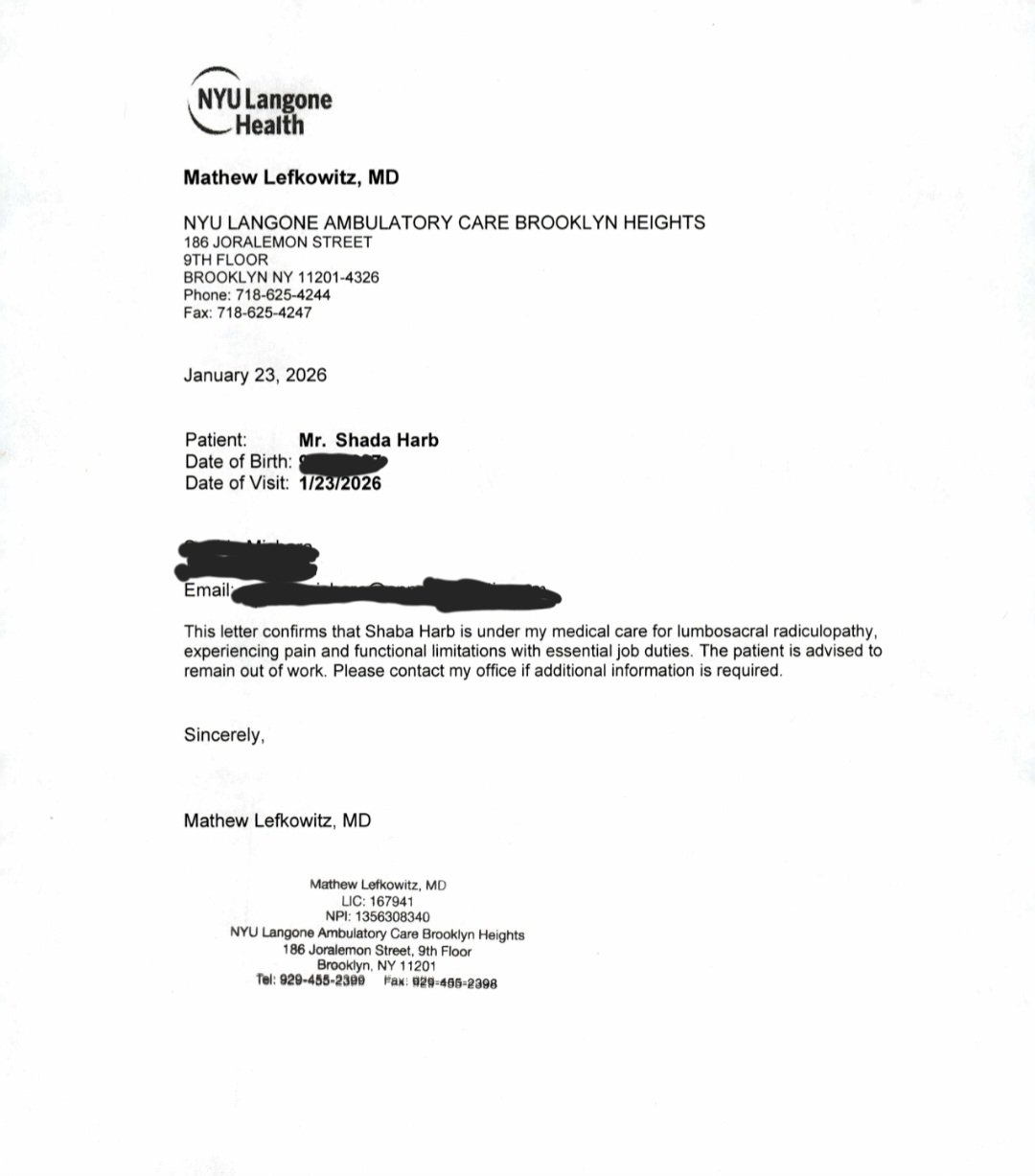
Urgent Summary:
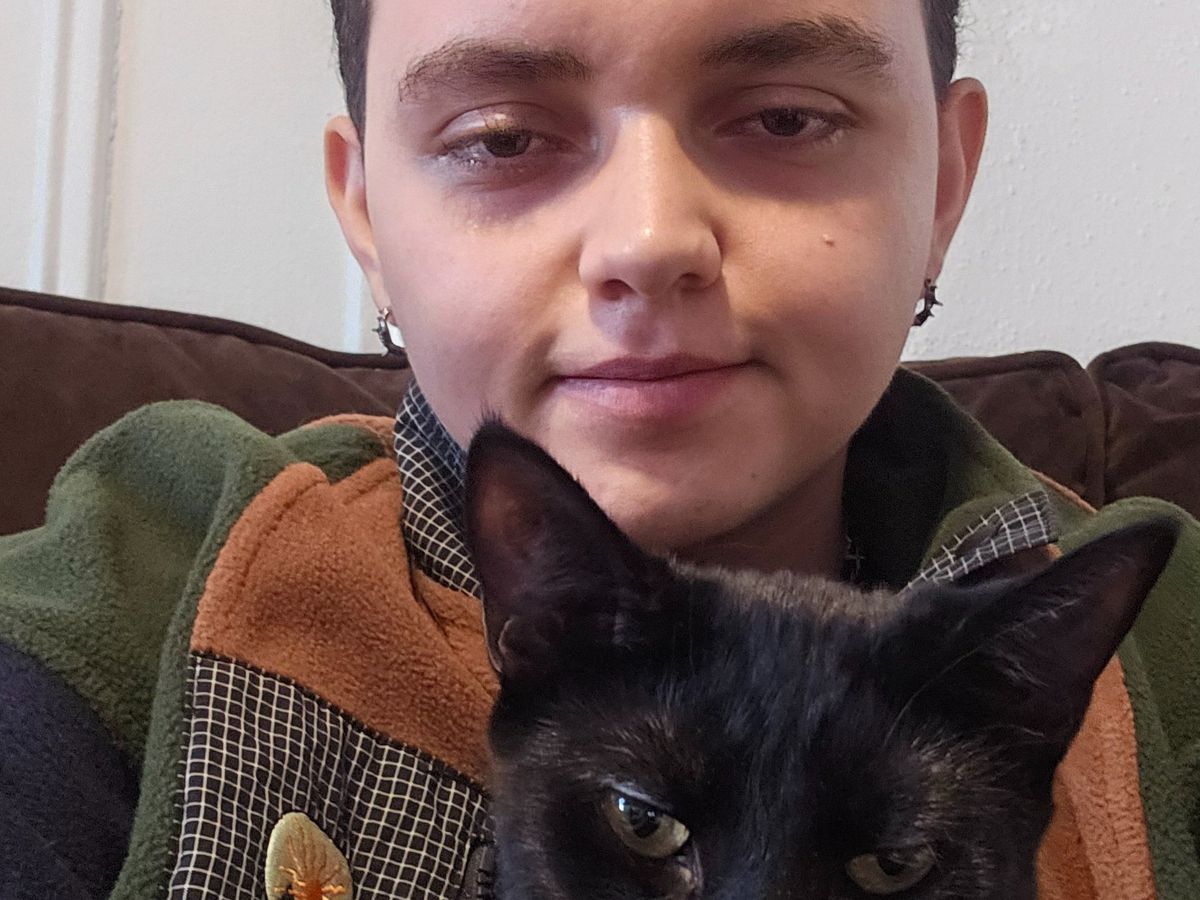
My name is Shadi. I am a Lebanese autistic trans man living in New York who spent years rebuilding my life, building a four-year career as a certified optician and professional eyewear salesperson, and creating a home and family with my partner and our three cats whom I love deeply.
That stability collapsed when chronic lower-back pain from a herniated disc and left-sided sciatica escalated into debilitating and unresolved neurological symptoms.
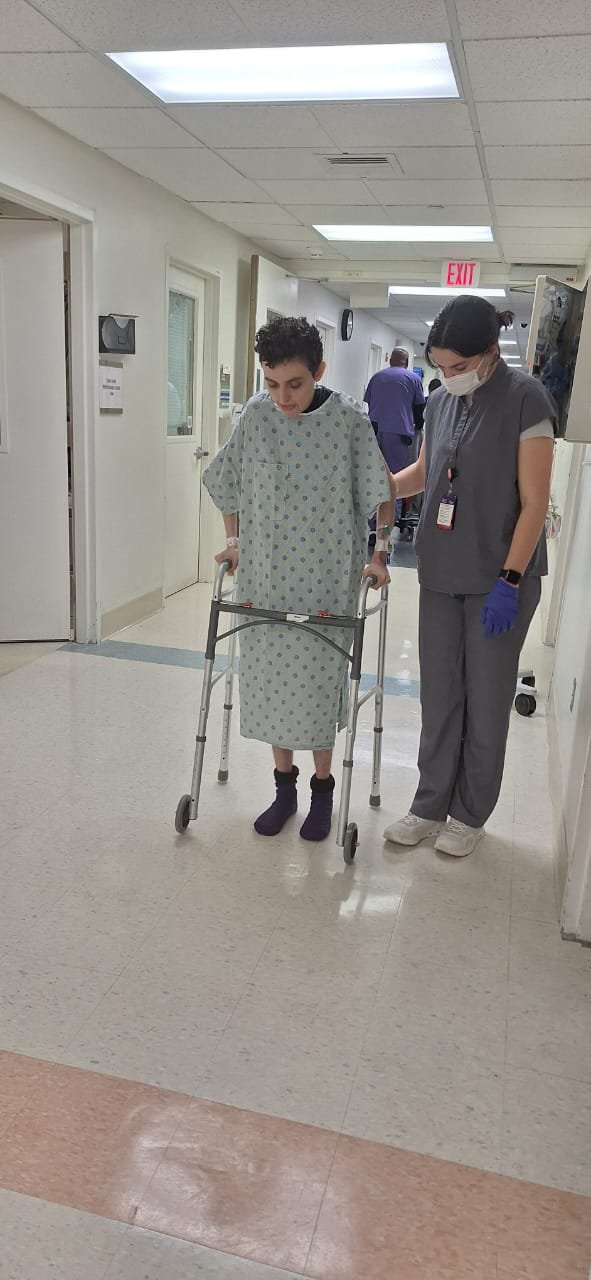
By February 2025, I became unable to walk independently and required a two-week hospitalization at NYU Langone Brooklyn, intensive pain treatment, rehabilitation, and a complex medication regimen to help stabilize my condition and restore mobility.
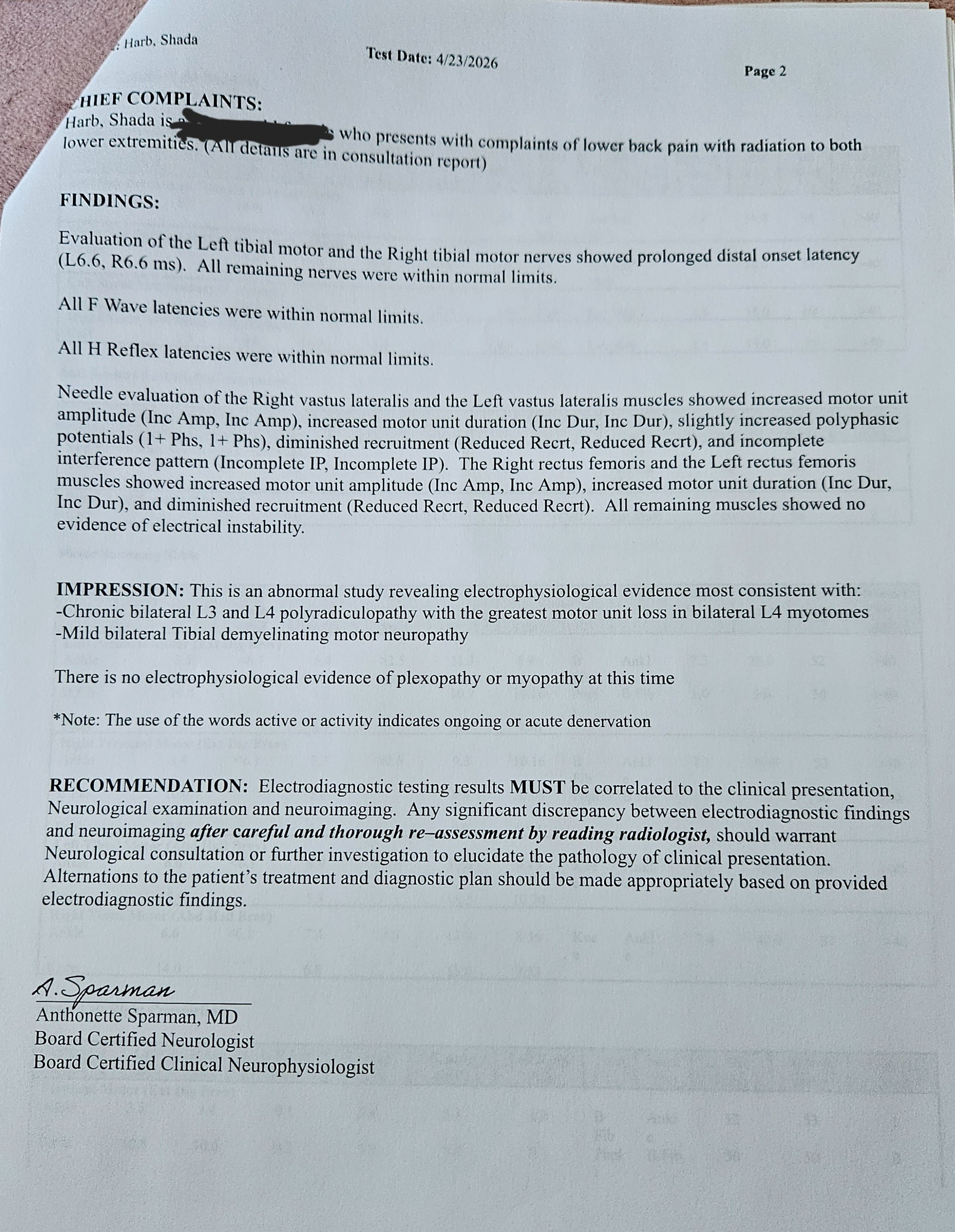
Despite extensive treatment including medications, physical therapy, and three epidural injections, my condition remains unresolved. After months of recovery and temporary improvement, the pain returned differently and severely in January 2026 alongside abnormal EMG findings that may represent nerve damage and still require further neurological investigation.
After exhausting workplace accommodations and receiving medical documentation from both my psychiatrist and pain-management doctor confirming that I could no longer sustain my position, I was forced to leave the career I had worked four years to build and have been without stable income since January 2026.
Even after losing my job, I continued trying to work. Inspired by my love of caring for our cats, I became a certified cat sitter and built a small business from the ground up, earning multiple five-star reviews. But as my pain and neurological symptoms worsened, even that became increasingly unsustainable.
Since then, I have been navigating denied and delayed unemployment benefits, postponed hearings and appeals, mounting debt, and difficult medical and bureaucratic systems that have made consistent treatment, pain management and government financial assistance incredibly difficult to secure.
Tramadol has remained the only outpatient medication that has provided meaningful relief, yet long-term treatment and prescribing support have remained difficult to secure. Despite exhausting referrals, pain-management clinics, and provider lists, I have often been left relying on temporary solutions while still searching for providers willing to take over my care and provide continuity of treatment. I remain urgently pursuing care and trying to avoid further hospitalization.
My partner has become fully financially responsible for our household while also helping care for me during severe pain flares and loss of mobility, a responsibility that has placed enormous strain on both of us and is not financially sustainable long-term. My family in Lebanon faces its own instability and cannot realistically provide financial support.
I am asking for help to cover urgent housing, medical, transportation, medication, and living expenses while I continue pursuing treatment and answers.
More than anything, this support would help protect the home and family I fought so hard to build while I navigate a medical crisis that has also forced me to postpone deeply personal goals, including top surgery, and my hopes of helping my family in Lebanon find greater safety and stability amid ongoing bombings and instability.
For those who would like additional context about the medical, financial, and personal obstacles behind this fundraiser, I have shared more details below.
Full Story:
My name is Shadi, the name I chose during my gender transition and the name I live by today. I am a Lebanese autistic trans man who rebuilt my life in New York after leaving my home, Beirut, Lebanon. For years, I worked hard to create stability, become more fully myself, and build a life that finally felt like home: love, safety, a career I was proud of, and a family with my partner and our three cats whom I love deeply. But severe chronic pain and unresolved neurological symptoms gradually dismantled that stability and left me in an ongoing medical and financial crisis while I continue searching for treatment, answers, and relief.
I left Beirut, Lebanon in 2017 and moved to Berlin to study 3D Game Art & Animation, hoping to build a future around creating video games and eventually bring those skills and opportunities back home. But life became increasingly complicated. Lebanon faced profound political and economic collapse, including the devastating Beirut port explosion, while COVID brought isolation and uncertainty. At the same time, I struggled with anxiety, burnout, and growing uncertainty about my identity and future. By the time I graduated in 2021, I no longer felt able to remain in Berlin, but I also no longer felt able to return home to Beirut. So I moved alone to New York to start over.
What began as survival slowly became a new chapter. I built a four-year career as a certified optician and professional eyewear salesperson with health insurance, structure, and stability. During those years, I also came to understand myself more fully as a trans man, while realizing that many lifelong social and emotional struggles were connected to autism, something that finally helped many parts of my life make sense. Despite anxiety, mental-health challenges, and difficult family dynamics, I kept building.
By August 2025, I had created a life that finally felt like home: a loving relationship, a shared home, and a cat family that became central to my life and wellbeing.
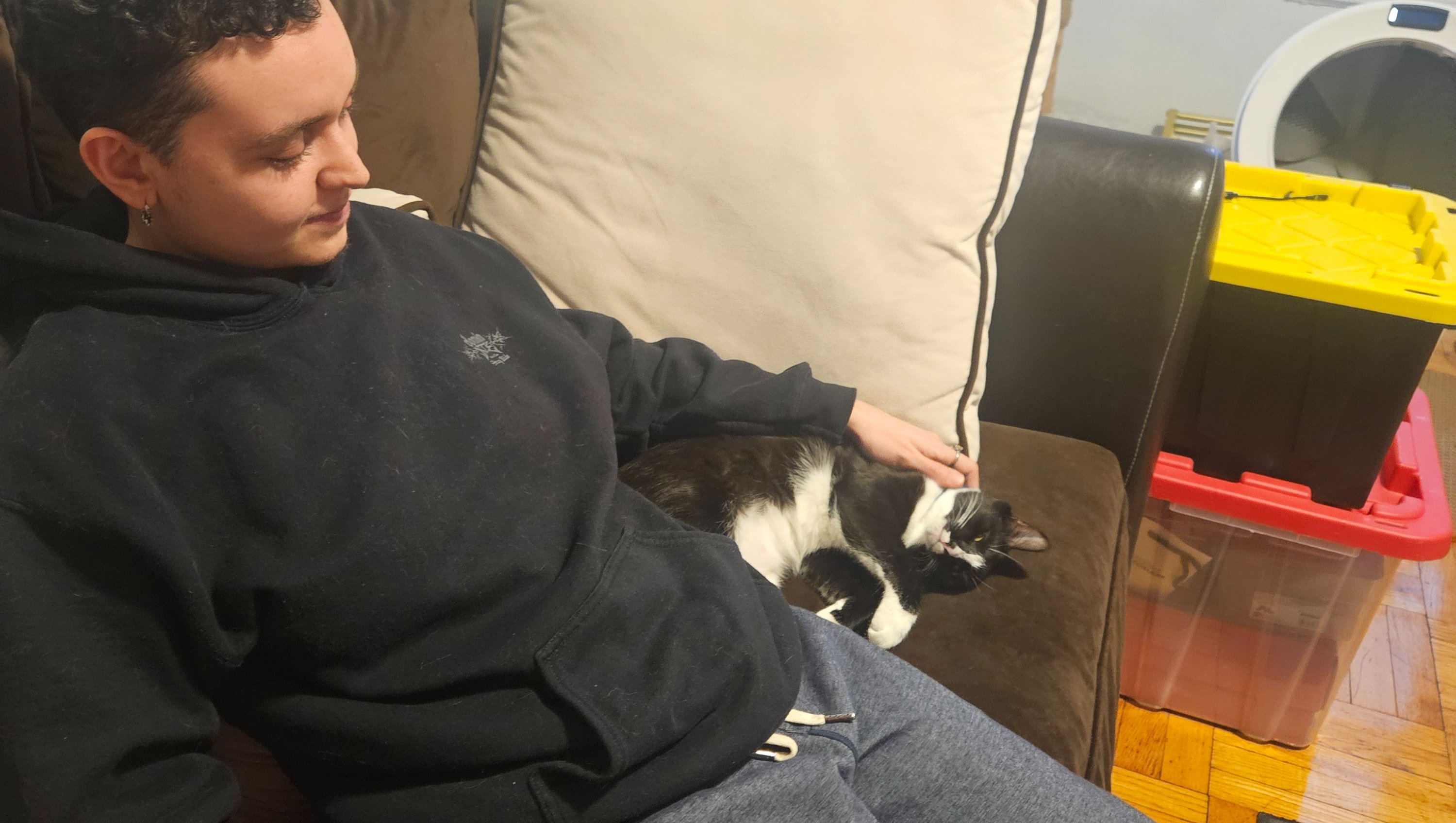
But just as life began to feel stable, my health began to unravel.
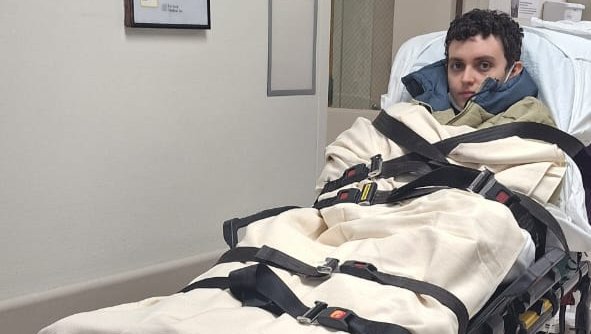
Severe chronic lower-back pain from a herniated disc and left-sided sciatica first emerged in late 2024 and marked the beginning of a medical journey that would ultimately reshape my life.
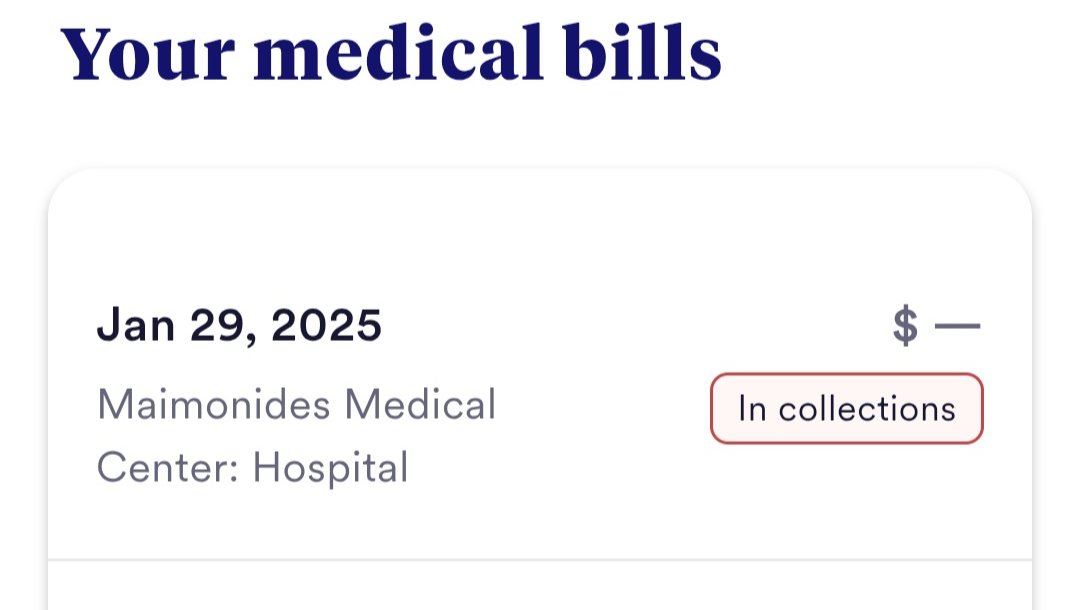
Before my hospitalization, I made multiple emergency-room visits to Maimonides during severe pain flares, where I was treated with morphine and discharged without long-term solutions or continuity of care.
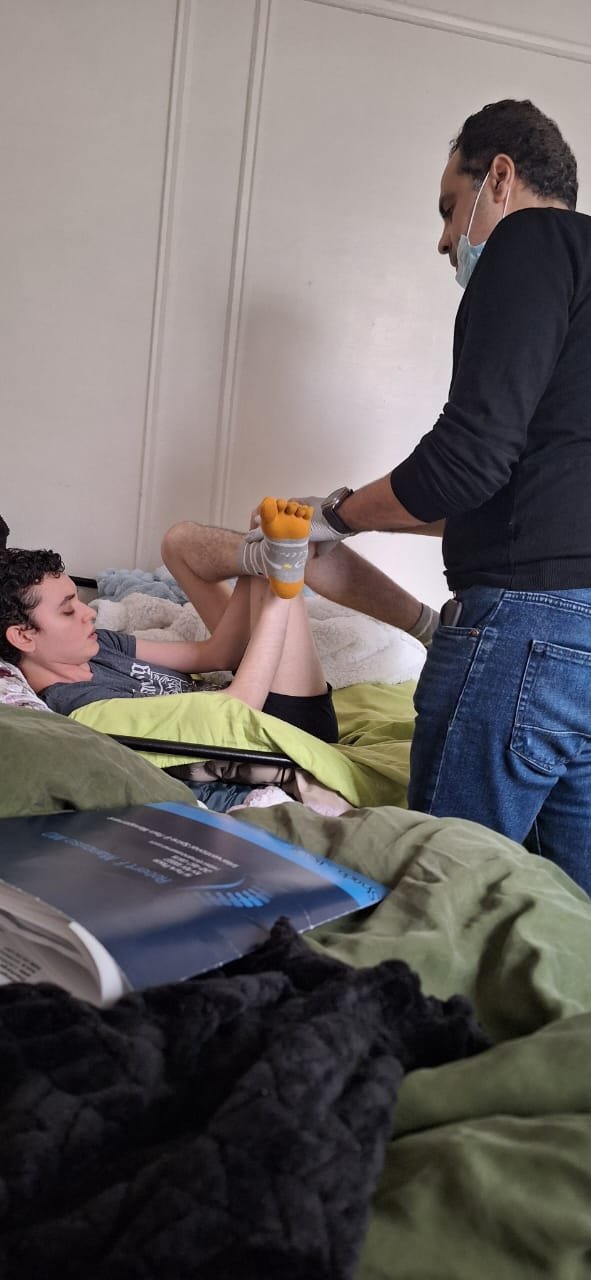
By February 2025, my pain had become debilitating and I required a two-week hospitalization at NYU Langone Brooklyn after becoming unable to walk independently.
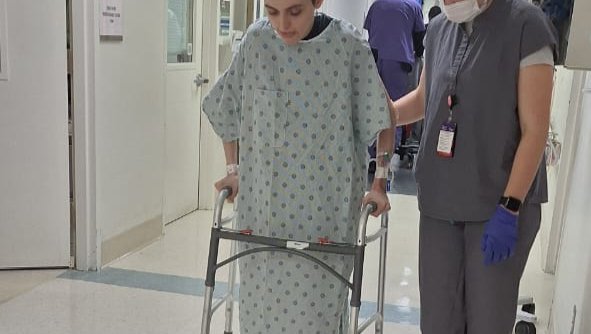
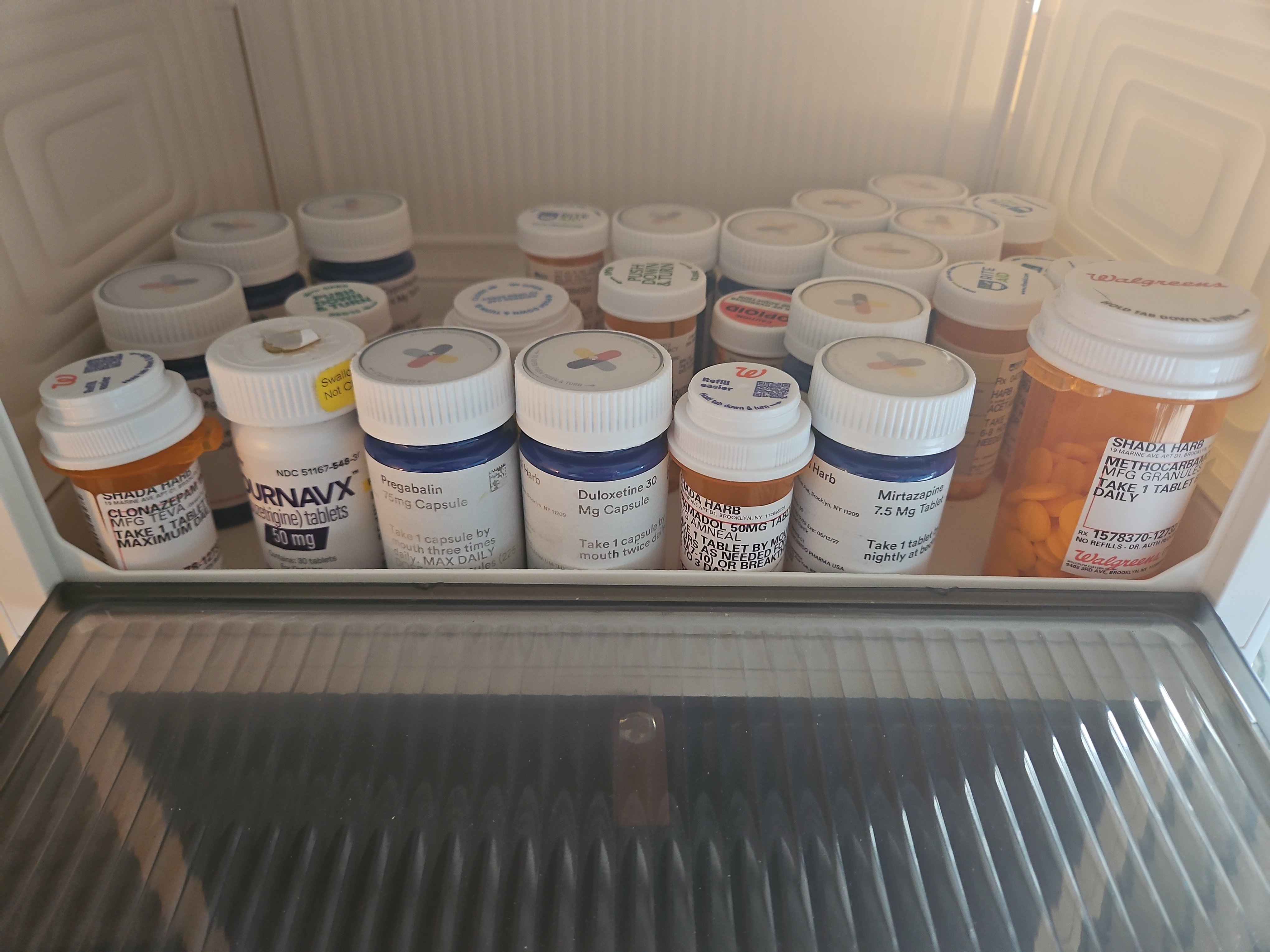
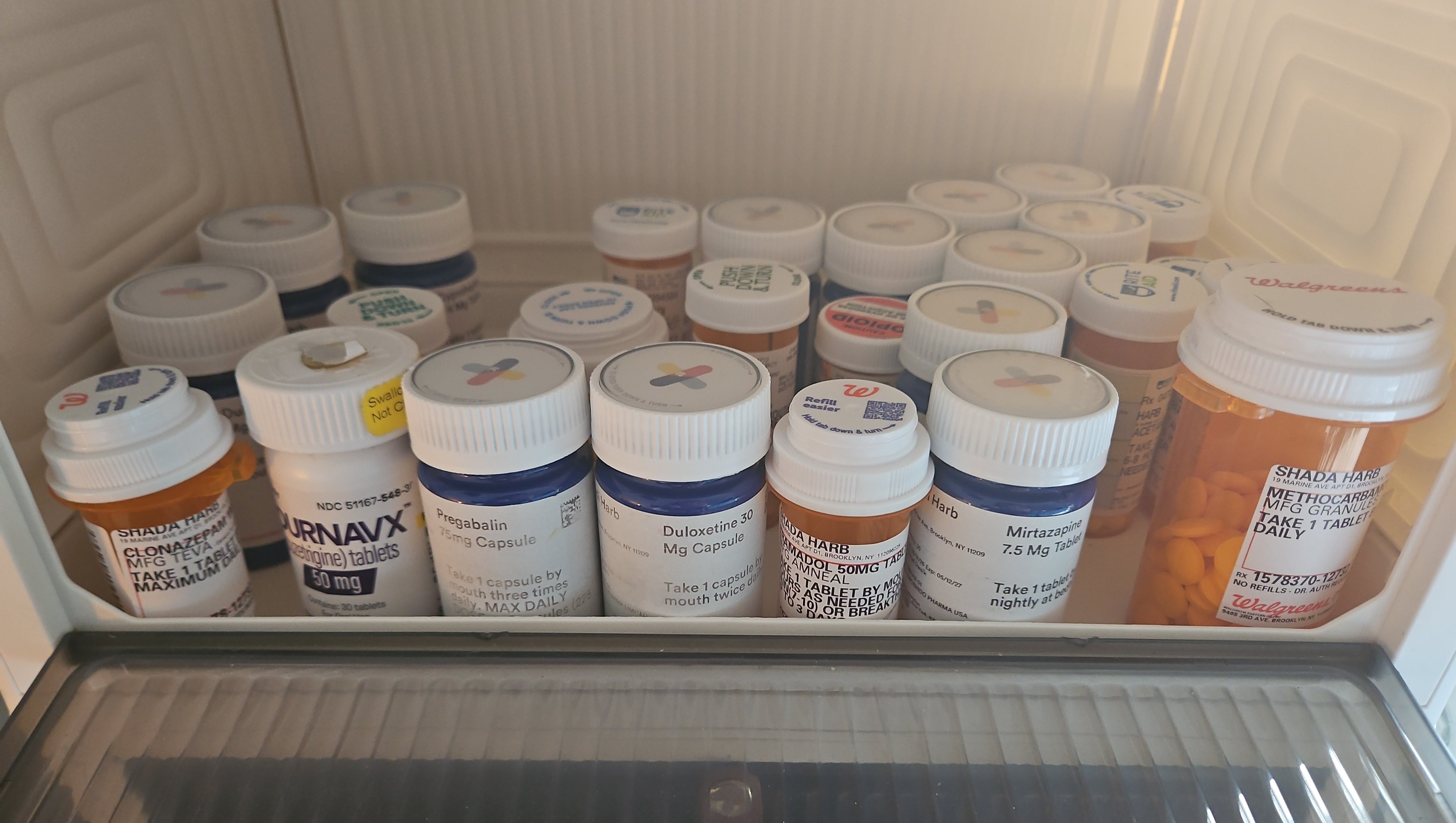
Doctors worked hard not only to control severe pain but to build a medication regimen that could stabilize my condition and restore mobility. Hydromorphone, tramadol, pregabalin (Lyrica), duloxetine, methocarbamol, and other treatments became part of a broader plan alongside intensive rehabilitation and physical therapy. Recovery was difficult and uncertain, but I slowly improved.
I continued treatment through physical therapy, medications, and three epidural steroid injections. The first epidural did not help, but the second finally reduced my pain enough that I was able to return to work by April 2025 and genuinely believed I was recovering.
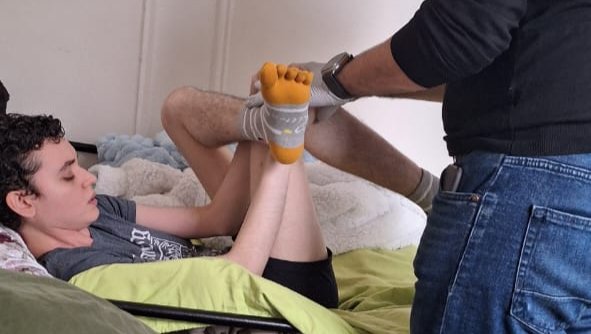
But that recovery did not last.
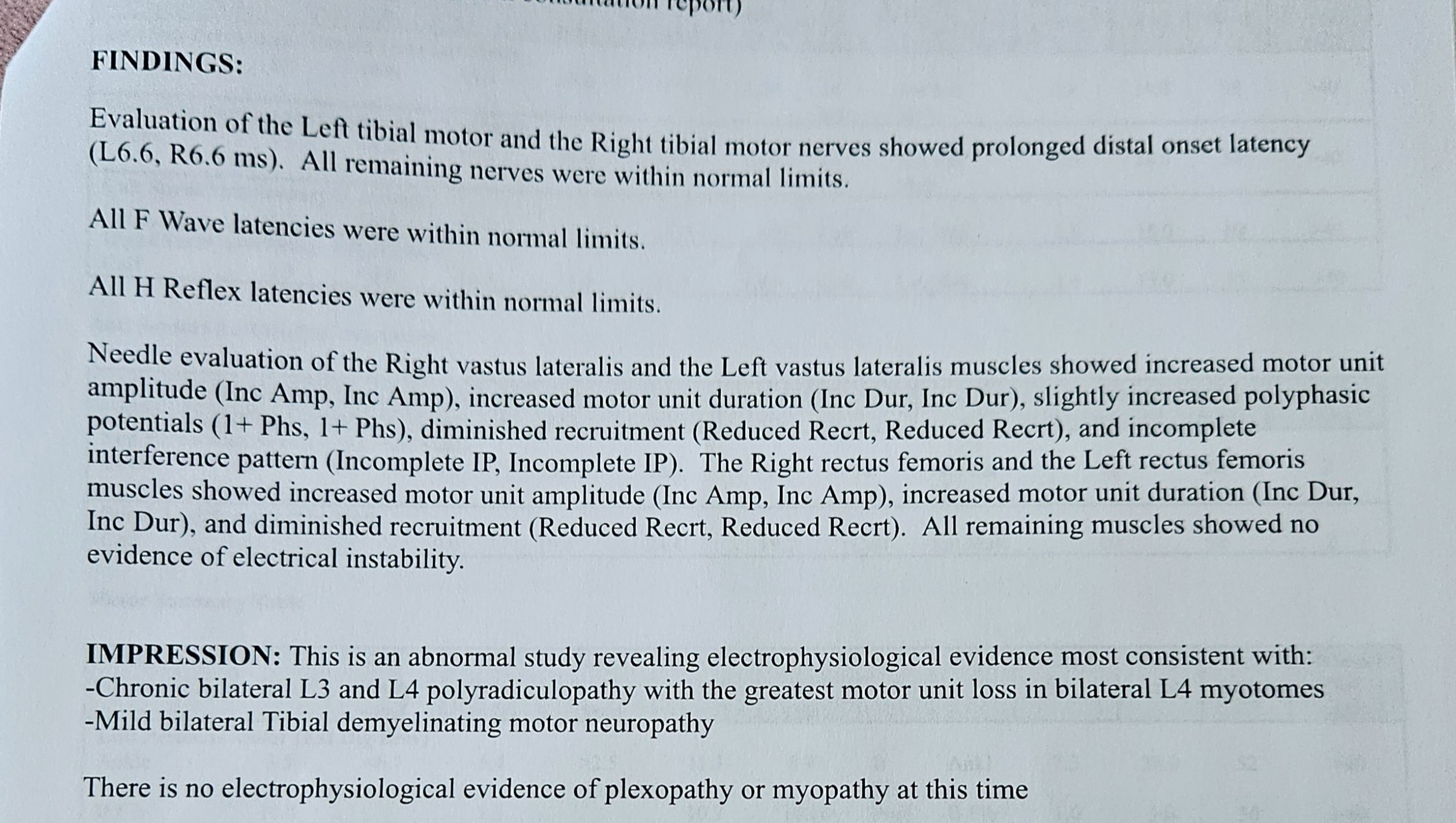
In January 2026, the pain returned differently and severely, this time alongside neurological symptoms and nerve-related pain linked to abnormal EMG findings that remain unresolved.
A third epidural failed to help. After exhausting workplace accommodations and receiving medical documentation from both my psychiatrist and pain-management doctor confirming that I could no longer sustain my position, I made the painful decision to leave the career I had worked four years to build.
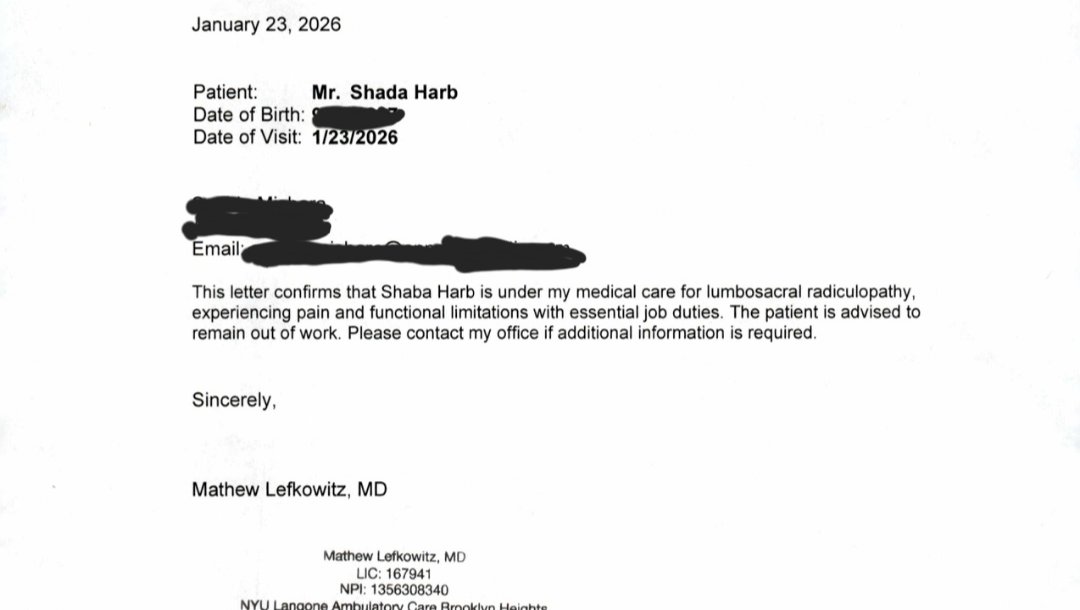
Since then, I have found myself trapped in difficult and exhausting medical and bureaucratic systems while still searching for answers, relief, and financial stability.
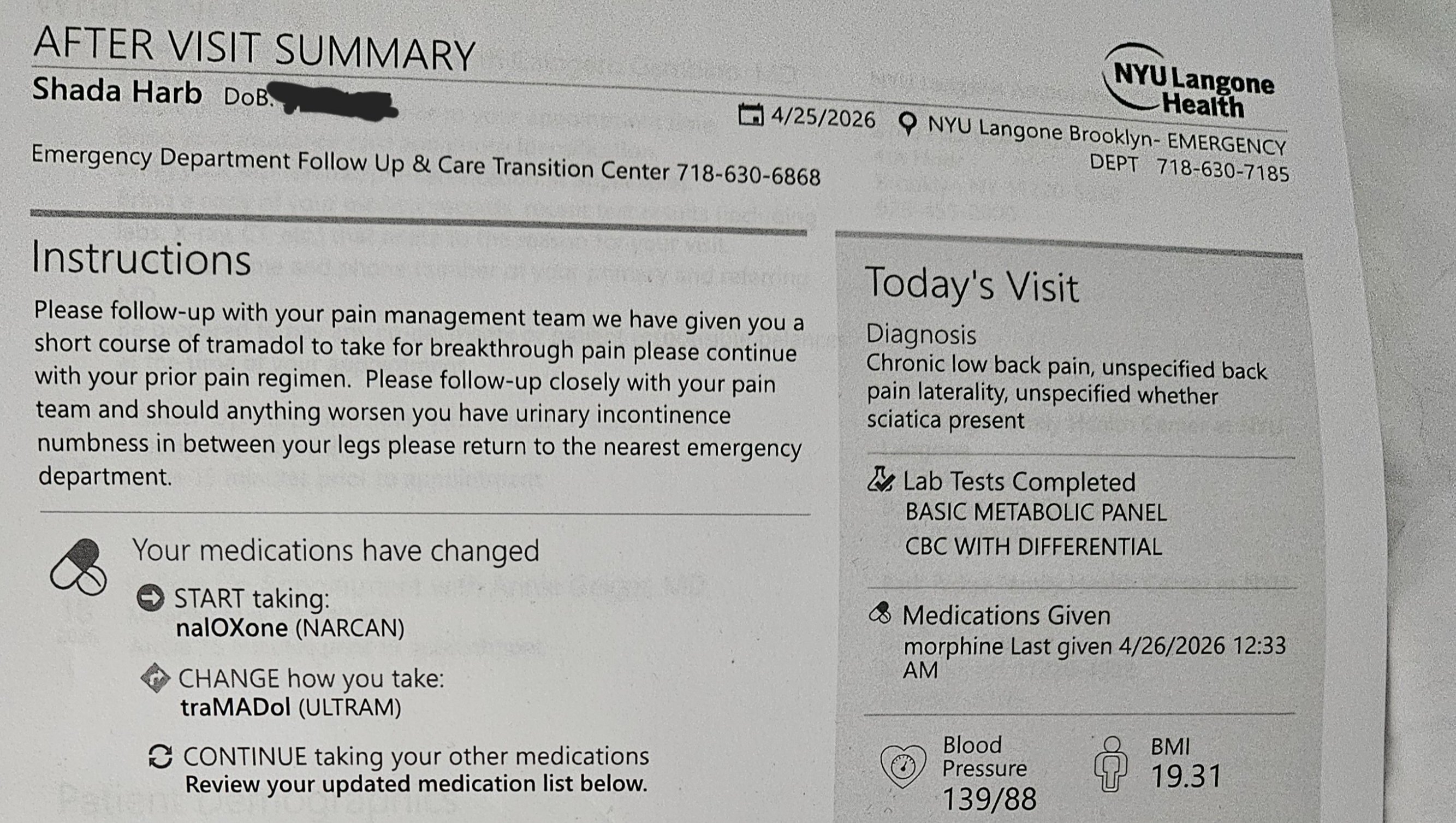
More recently, I returned to the NYU Langone Brooklyn emergency room during another severe pain flare, where morphine again provided temporary relief and I was discharged with only a short temporary supply of tramadol while still searching for stable pain management and neurological answers.
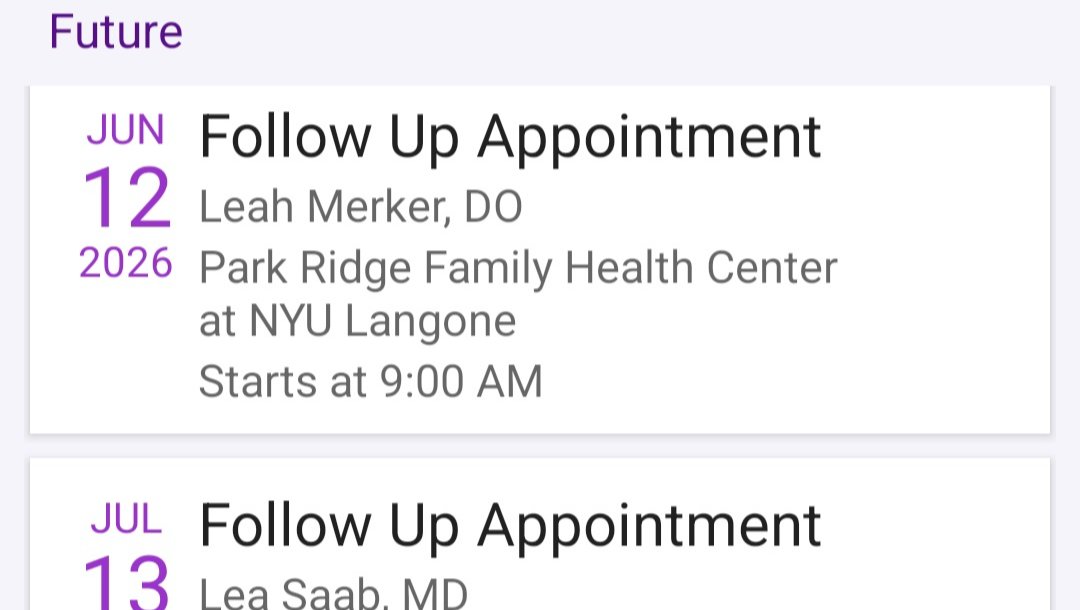
An NYU Langone neurologist reviewed my symptoms, MRI findings, and abnormal EMG results and agreed that something neurological is occurring. My EMG demonstrated findings including L3/L4 radiculopathy and tibial nerve abnormalities that may represent nerve damage, yet MRI imaging has not fully explained the symptoms and the underlying cause remains unclear. Further investigation is needed, but follow-up with my current neurologist is delayed until mid-July, with only a possible earlier appointment at the end of June still unconfirmed.
Finding consistent pain management has become another major challenge.
Multiple clinics have either declined to prescribe tramadol or similar medications, offered injections only, or not accepted my insurance. Tramadol remains the only outpatient medication that has provided meaningful relief, yet my PCP has stated they cannot continue prescribing it long-term and has referred me to outpatient pain management to take over medication management.
I also trialed Journavx (suzetrigine), but experienced significant side effects without clear pain relief.
Despite actively searching for care, pain management remains fragmented and uncertain. Some specialists remain possibilities, including out-of-network providers reviewing my case, but at present no confirmed specialist falls within my remaining medication timeline.
I remain in significant pain and am trying to avoid returning to the hospital while desperately seeking stable outpatient care, neurological answers, and pain management before my current medication supply runs out.
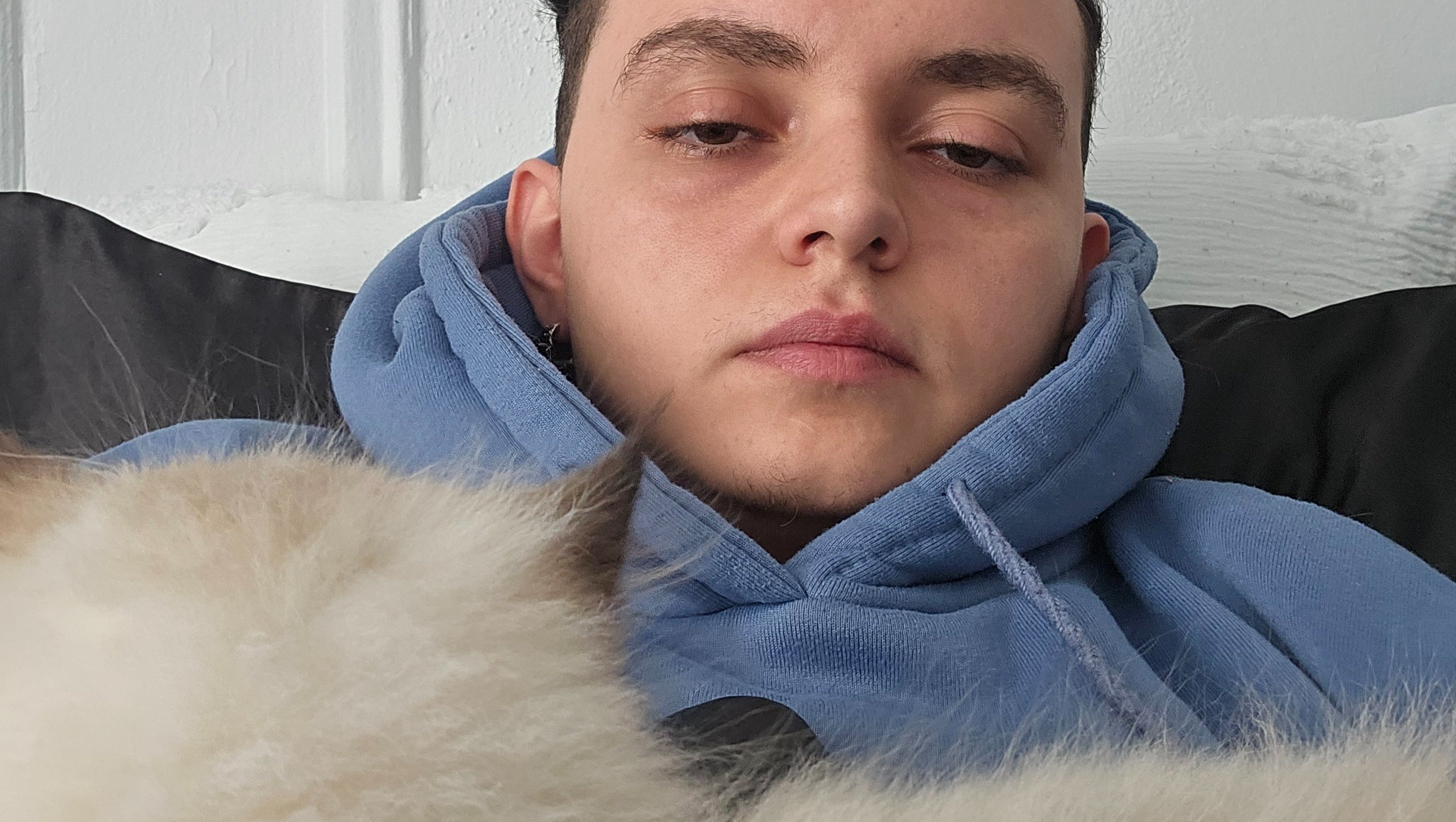
At the same time, I have been navigating denied and delayed unemployment benefits, postponed hearings and appeals, and mounting financial pressure without stable income.
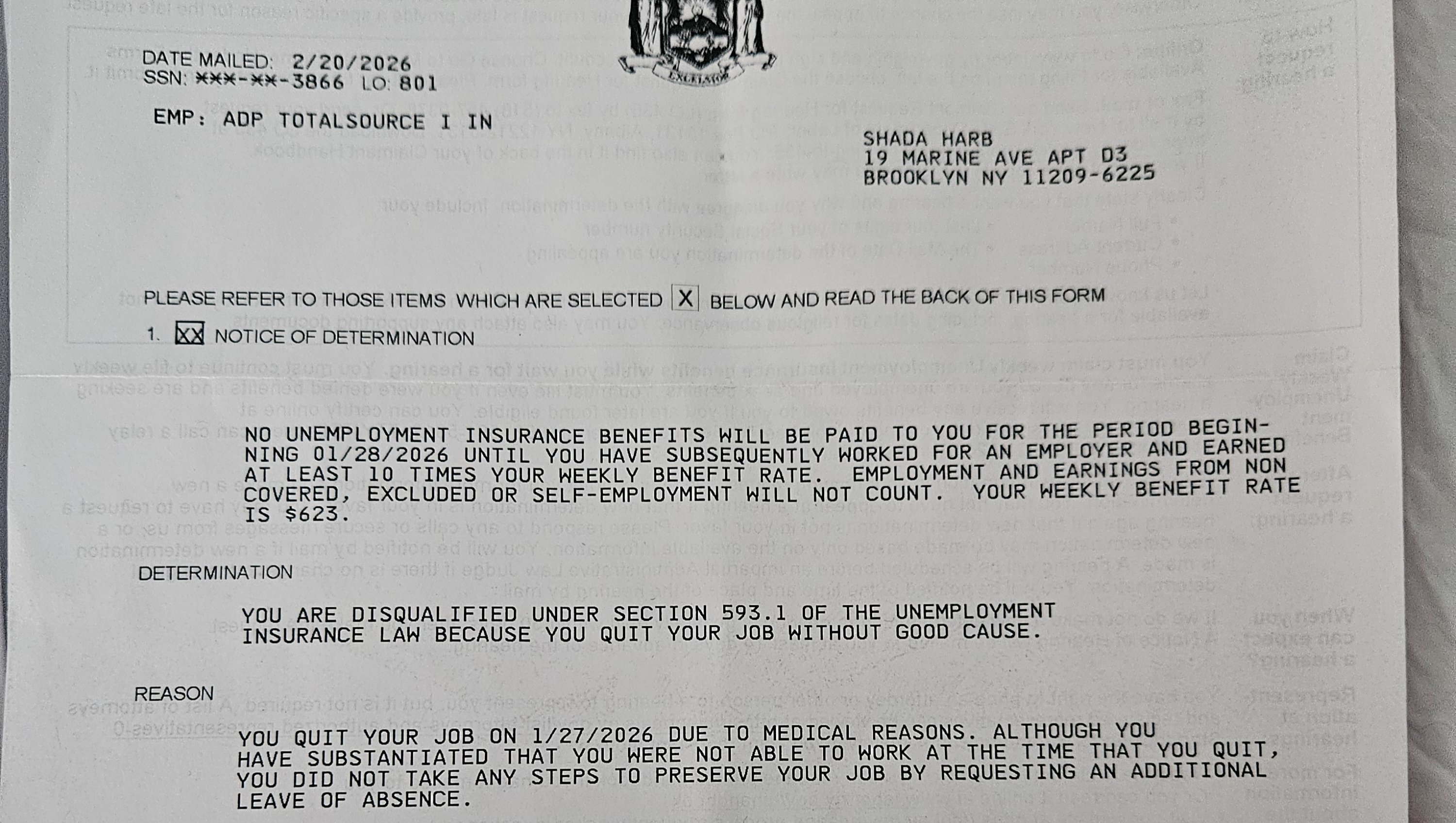
My unemployment case remains unresolved despite medical documentation, extensive workplace accommodations, and my previous manager's willingness to testify firsthand regarding my physical decline and inability to safely continue the position. Together, we tried extensively to make my employment sustainable, but ultimately my condition made that impossible.
Even after leaving my job, I continued trying to work.
Inspired by my love of caring for our cats, I became a certified cat sitter and built a small cat-sitting business from the ground up, creating a website, earning certifications, and receiving multiple five-star reviews from clients.
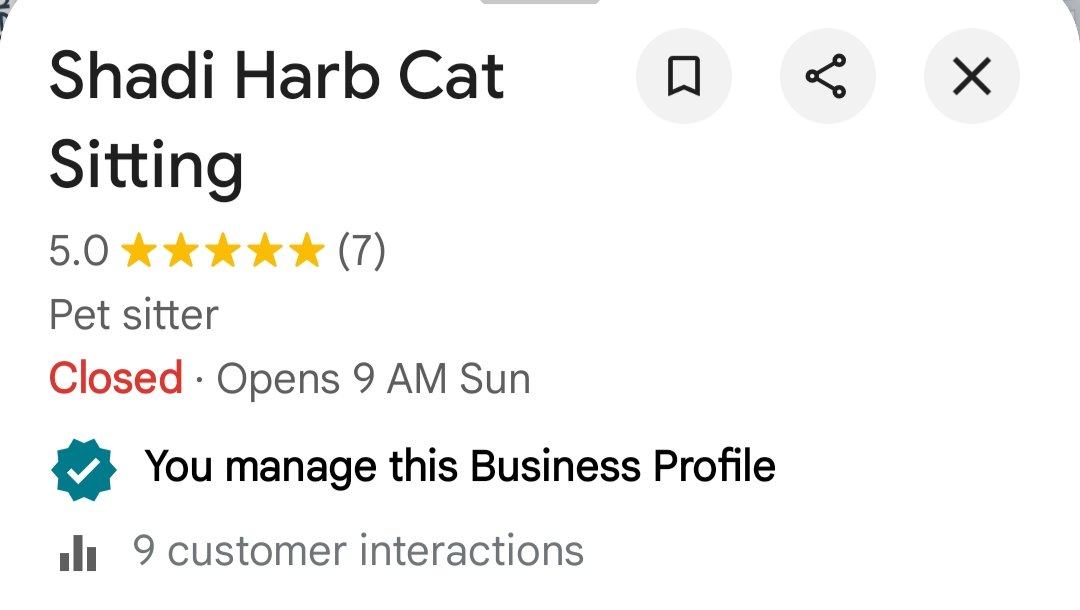
I also explored online work and freelance website-building projects in hopes of creating income that my body and mental health could realistically sustain. But as my pain and neurological symptoms worsened, even those efforts became increasingly unsustainable.
Since leaving work, life has become a constant balancing act between managing pain, navigating medical uncertainty, and trying to survive financially. My partner has become both the primary financial provider and caretaker within our household while I struggle to regain stability and function. The financial impact has been severe. Between rent, medical expenses, transportation to appointments, medications, therapy and mental-health care, and everyday bills, the pressure has continued to grow while unemployment benefits remains unresolved and public assistance remains pending. I have accumulated debt while trying to survive and continue treatment, all while facing no stable income and an unresolved medical condition.
One of the hardest parts of this experience has been feeling unable to contribute in the ways I want to, not only to my own stability, but to the household, relationship, and family we built together.
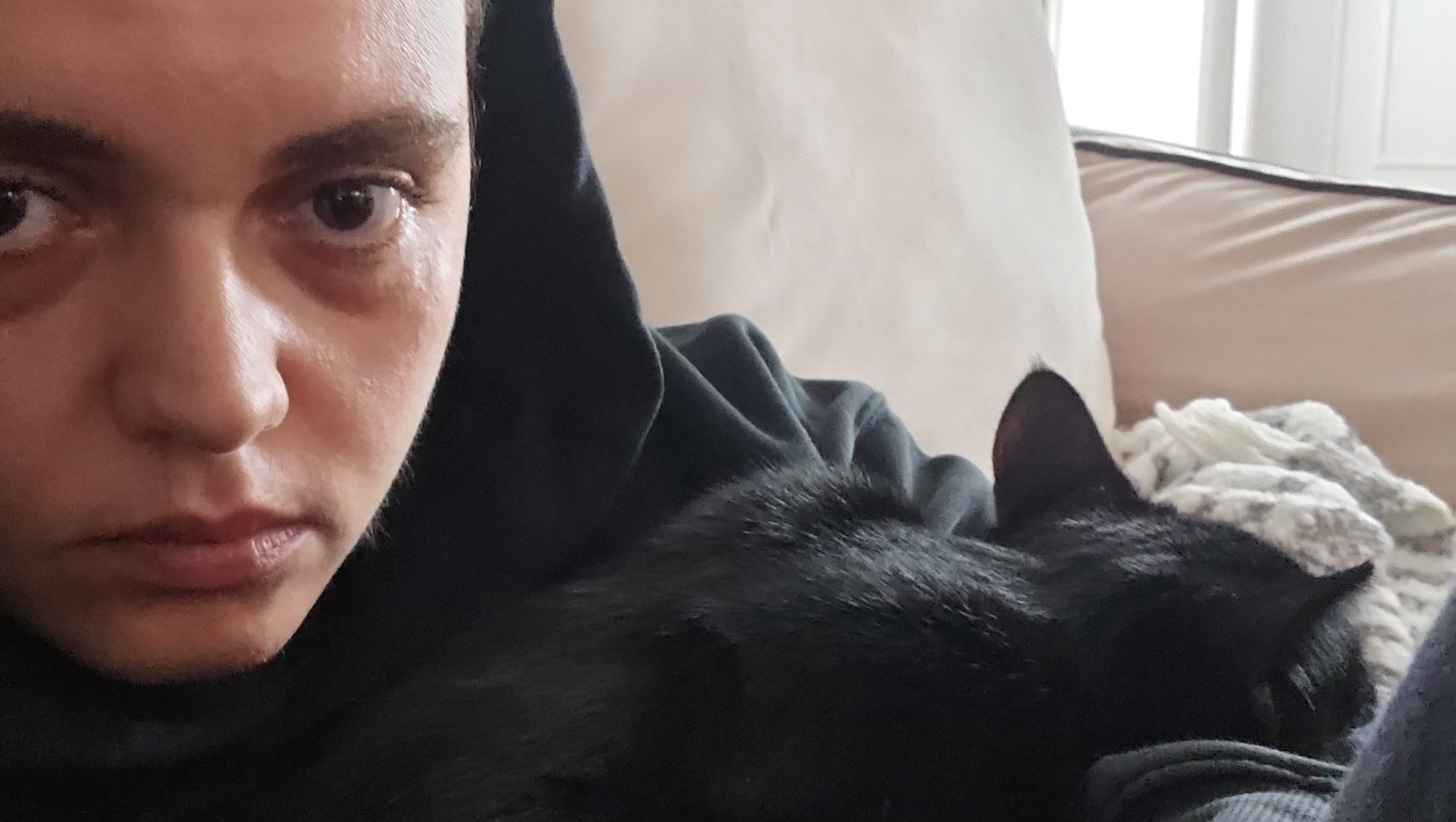
It hurts to watch someone I love carry so much while I continue fighting simply to function and recover.
Donations would help cover urgent living and medical expenses while I continue pursuing treatment and answers, including housing, transportation to appointments, medications, therapy and mental-health care, and financial stability while I navigate unresolved neurological symptoms and delayed benefits. Support would also help relieve some of the debt and financial pressure that accumulated while I lost income and struggled to access consistent treatment and pain management.
More than anything, this support would give me breathing room: time to focus on recovery, medical care, and rebuilding stability without living in constant fear of losing the home and family I fought so hard to build.
This crisis has forced many parts of my life into limbo. Alongside work and financial stability, goals and plans that mattered deeply to me, including gender-affirming top surgery, the future I had been building with my family in New York, and my hopes of one day helping my family in Lebanon find greater safety and stability amid ongoing bombings and instability, have been postponed indefinitely while I focus on surviving and finding answers.
My family in Lebanon faces its own instability and cannot realistically provide financial support during this time.
Asking for help does not come easily to me. I have always tried to work hard, adapt, and remain independent, whether through my career, rebuilding after hardship, or creating new paths like cat sitting and online work when my body could no longer sustain traditional employment. I still hope to heal, regain stability, continue adapting to my limitations, and contribute again in meaningful ways.
Whether through donating, sharing this fundraiser, connecting me with medical or unemployment-related resources, or simply taking the time to read my story, thank you.
Your support means more than I can fully express. It gives me hope that treatment, healing, and a path forward are still possible, and that this crisis does not have to define or take away the life I fought so hard to rebuild.
Organizer