- T
- G
English:
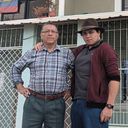
My name is Ronald Alvarado. Last summer, my dad, Segundo Alvarado, was assaulted and robbed at gunpoint just outside his home in Ecuador. Apart from a few stitches, he seemed to have walked away fine. A few days later, however, as he was visiting his father, he fainted. Striking his head against the kitchen floor, he began bleeding profusely from his nose and mouth. Our family immediately had him transported to the nearest town with a hospital, Cuenca. Once there, he was operated on over the weekend. Come Monday, however, despite the doctors' expectations, he wouldn't wake. He remained in a coma for about two weeks, with what information his family was able to send to me here in the States being the only news I had. I was ready to immediately fly out, but they told me to wait for further developments.
On the second week of the coma, his wife called me crying, telling me that the doctors were telling the family to gather to discuss pulling the plug. While I would later find this to have been a misunderstanding on her part, I wasted no time in begging to borrow money from my other side of the family, and 10 hours later I was in the air en route to Ecuador. I arrived in Cuenca the day after I landed and was taken straight to see him in the ICU.
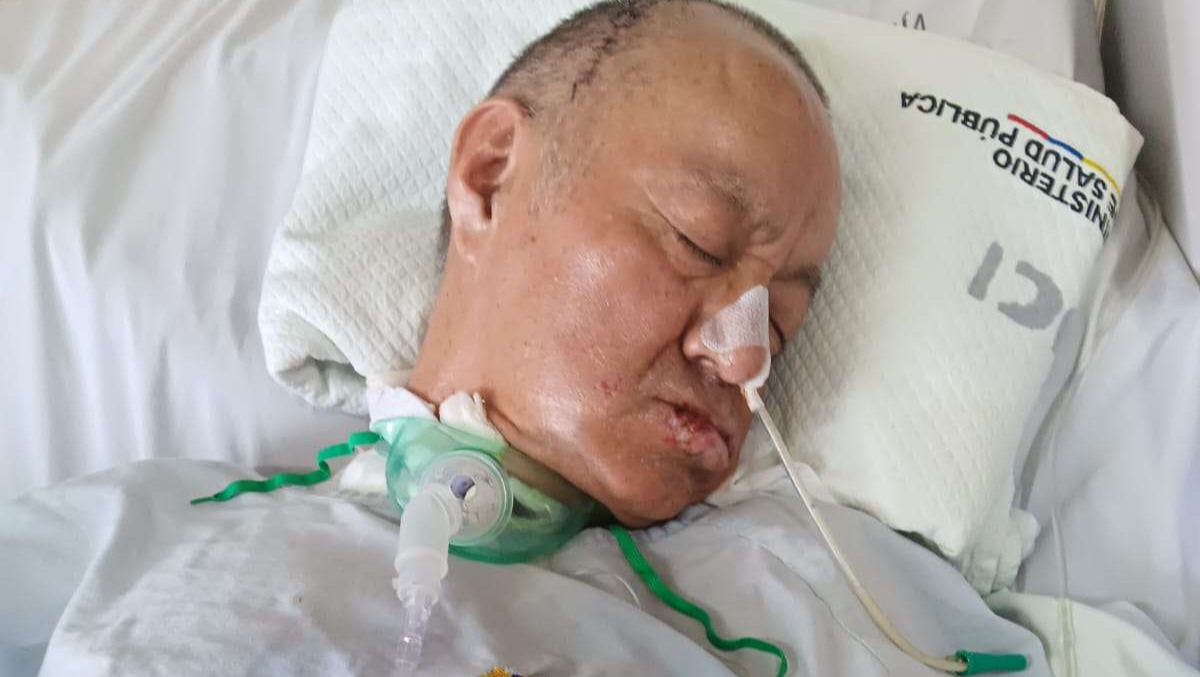
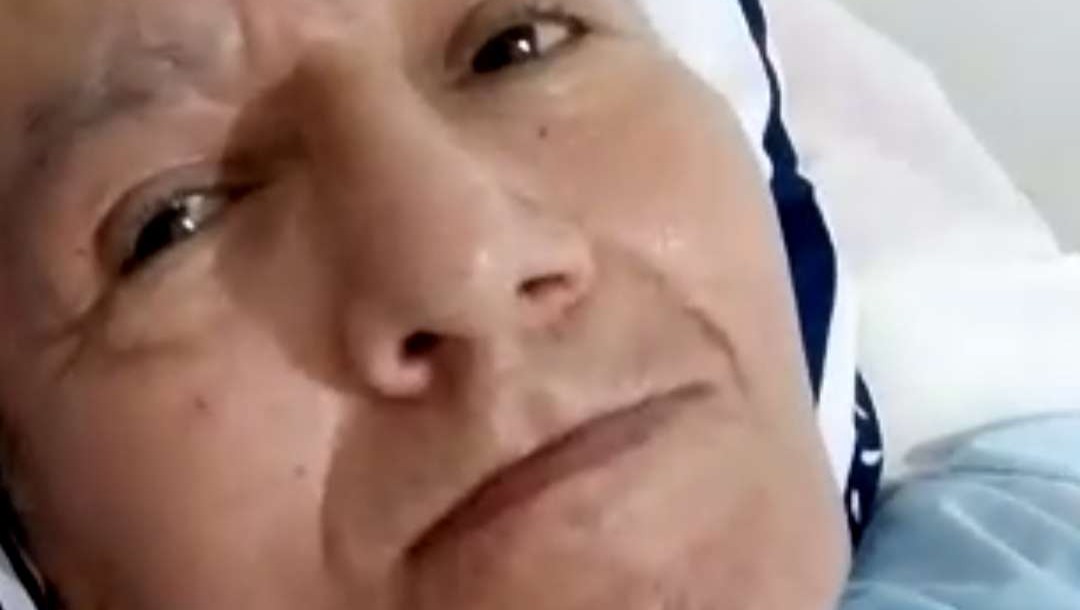
Allow me to paint a picture. The last time I had seen my father, he stood tall and healthy. Now as I approached his bed in the ICU, my breath hitched. I saw my father looking positively broken. Vacant eyes staring off to the side. A tube down his gaping mouth, crusted with dried blood and drool. His body twisted to lay upon the pillow, looking almost contorted. The stitches where they'd opened his head still fresh upon his crown. A hole punched in his throat so that he could breathe. His limbs emaciated and cold. For the first time since I was a child, I openly cried—nay, openly bawled as I choked on tears trying to talk to him and elicit some response. I begged my dad to show a sign—any sign—of knowing I was there. Speaking with the doctor, I was informed that he had suffered a burst aneurysm in his brain, and the resulting hemorrhage left devastating brain damage. I asked if there was anything that caused it, or if the mugging had done it, but no. It had been a time bomb in his brain for years, and it was just a matter of then or five years later that it would have burst. No one to blame, and what anger I had been holding on to cope was yanked away. When I asked him what the prognosis looked like, I was told that there was almost zero hope of any recovery or positive development. I cried myself to sleep that night, begging God not to take my daddy away yet.
Come next day, however, things had changed. As I was making my way up to the ICU again, I stopped at the sight of my dad being wheeled into the elevator, being taken to another floor. Demanding an explanation from the doctors, I was floored to hear that there had been a "positive development," and that they were taking him to the Surgery wing to recover. Immediately informing my family of the news, I followed close behind. Alas, while he was now awake, the hemorrhage had done damage to his brain, and he was left in a vegetative state, unable to do anything of his own volition, with any movements made chalked up to his body's instinctive reflexes such as swallowing or yawning. I was told that he would have to spend some weeks there to develop and see how things played out.
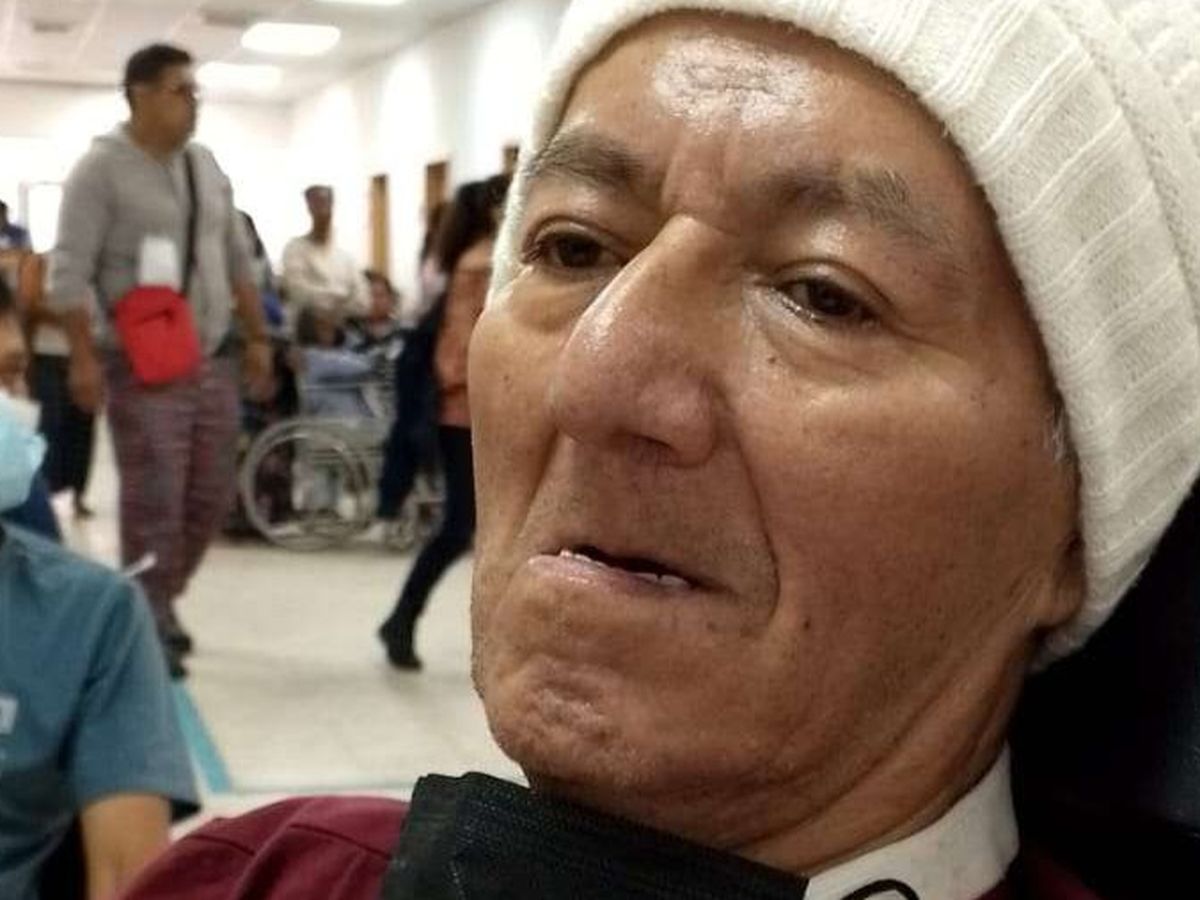
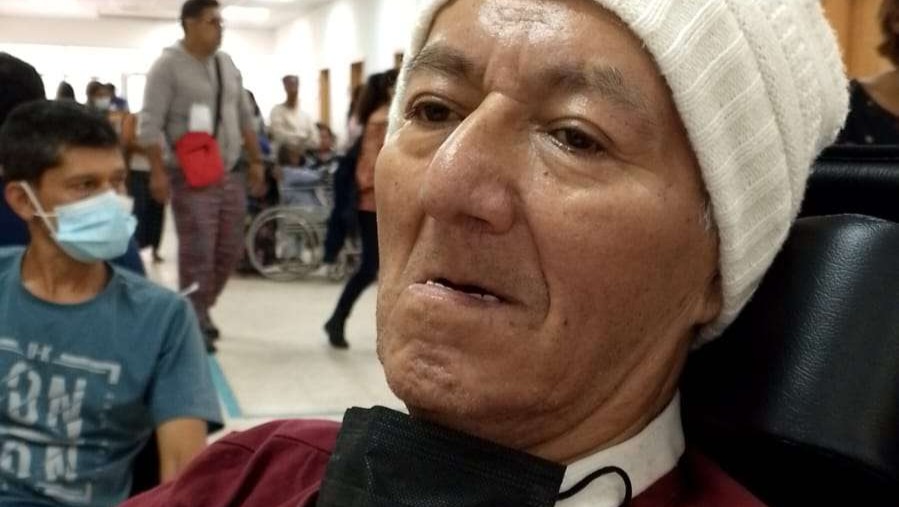
I won't go into too much detail of the following month, but it was incredibly challenging and draining as his wife and I would take turns staying by his bedside, leaving only to eat or buy supplies that the hospital was unable to provide (like fresh water). I can still recall the day that, while doing the physical therapy to prevent atrophy, I felt his hand squeeze mine. I outright cried with happiness at seeing some sign of him getting even a smidge better. By the end of that month, he could follow with his eyes, occasionally squeeze with his hands, and even (very rarely) shift his head just a bit towards someone entering the room. By the end of July, he was ready to be released, and I was nearing the end of my time with him. Classes would be starting up soon, and despite wanting desperately to stay with him, I knew he would not want me to give up my education and future for his sake. So I saw him taken back home to Machala in an ambulance, and two days later I would return home, promising to try to visit during winter break or, barring that, Spring break.
I've kept in contact with his wife, who's been providing round-the-clock care. Every week or so I'll have her put me on FaceTime so that I could see him, and so that he could see and hear me. Over the following months, they would tell me that he would make small developments, such as occasionally gripping a ball. The doctors had told us that we would be in it for the long haul to see to what degree he would recover. Meanwhile, on my end, I tried to see what options there were for either transporting him to the States for better treatment, or at least send his pension money over there to provide for him. Alas, on both counts, I failed. Medical transport would cost an astronomical amount (my current estimate is somewhere in the ballpark of $10-20,000), and without power of attorney, I was unable to access his accounts (and the needlessly complicated process is still ongoing between me and my family trying to navigate Ecuador's law about that).
Anyway, that's beside the point. While those are longer-term goals, at present, I simply need to raise enough money to send to them to take care of him. They've indebted themselves several thousands USD just between the medical costs and his upkeep, such as having to hire someone to come to provide some sort of electric therapy to coax out his motor functions again. All I am asking you, whether you are an old friend of my father's, or simply a kindhearted stranger, is to offer up whatever you are able to spare. I am trying my best on my part, but I'm still unable to find employment, and having to sell blood just to cover my bills. I've lacked the funds to visit him either during winter and now spring break, and as much as I want to see him, he needs money more than he needs me at the moment. So please, I ask that you give what you can for him. He is a good man, who spent his whole life being upright, honest, and a hard worker, who did his best as a father. For him to waste away in squalor is too unjust for someone like him.
Español:
Me llamo Ronald Alvarado. Este verano pasado, mi padre, Segundo Alvarado, fue asaltado y robado a punta de pistola justo afuera de su casa en Ecuador. Salvo unos puntos de sutura, parecía haber salido bien parado. Sin embargo, unos días después, mientras visitaba a su padre, se desmayó. Se golpeó la cabeza contra el suelo de la cocina y empezó a sangrar profusamente por la nariz y la boca. Nuestra familia lo trasladó de inmediato a Cuenca, el pueblo más cercano con hospital. Una vez allí, lo operaron durante el fin de semana. Sin embargo, el lunes, a pesar de las expectativas de los médicos, no despertaba. Permaneció en coma unas dos semanas, y la información que su familia pudo enviarme aquí en Estados Unidos fue la única noticia que tuve. Estaba listo para volar de inmediato, pero me dijeron que esperara a ver qué pasaba.
En la segunda semana del coma, su esposa me llamó llorando y me dijo que los médicos le estaban diciendo a la familia que se reuniera para hablar sobre la desconexión. Aunque más tarde descubriría que había sido un malentendido por su parte, no perdí tiempo en pedirle dinero prestado a familia de mi madre, y diez horas después estaba en el aire camino a Ecuador. Llegué a Cuenca al día siguiente de aterrizar y me llevaron directamente a verlo a la UCI.
Permítanme describir una situación. La última vez que le e visto a mi padre, estaba parado recto y sano. Ahora, al acercarme a su cama en la UCI, se me cortó la respiración. Vi a mi padre con un aspecto destrozado. La mirada perdida en el vacío. Un tubo en su boca abierta, cubierto de sangre seca y baba. Su cuerpo se retorció para tumbarse sobre la almueda, con un aspecto casi contorsionado. Los puntos de sutura donde le habían abierto la cabeza aún estaban frescos en la coronilla. Un agujero en su garganta le permitía respirar. Sus extremidades estaban demacradas y frías. Por primera vez desde niño, lloré a mares, mejor dicho, grité a mares, ahogándome en lágrimas mientras intentaba hablar con él y obtener alguna respuesta. Le rogué a mi padre que diera alguna señal, cualquier señal, de que sabía que estaba allí. Al hablar con el médico, me informaron que había sufrido la rotura de un aneurisma cerebral y que la hemorragia resultante le había dejado un daño cerebral devastador. Pregunté si había algo que lo causara, o si el asalto lo había causado, pero no. Había sido una bomba de relojería en su cerebro por años, y era solo cuestión de entonces o cinco años después que hubiera estallado. No había nadie a quien culpar, y la ira que había estado conteniendo para sobrellevar la situación se disipó de golpe. Cuando le pregunté cuál era el pronóstico, me dijeron que había casi ninguna esperanza de recuperación o de desarrollo positivo. Lloré hasta quedarme dormida esa noche, rogándole a Dios que no se llevara a mi papi todavía.
Al día siguiente, sin embargo, las cosas habían cambiado. Mientras subía de nuevo a la UCI, me detuve al ver a mi padre en el ascensor y a otro piso. Exigiendo una explicación a los médicos, me quedé atónito al saber que había habido una "evolución positiva" y que lo llevaban al ala de Cirugía para recuperarse. Inmediatamente informé a mi familia y lo seguí de cerca. Por desgracia, mientras ya estaba despierto, la hemorragia le había dañado el cerebro y se quedó en estado vegetativo, incapaz de hacer nada por sí mismo; cualquier movimiento que hacía se atribuía a los reflejos instintivos de su cuerpo, como tragar o bostezar. Me dijeron que tendría que pasar varias semanas allí para desarrollarse y ver cómo evolucionaba la situación.
No entraré en muchos detalles del mes siguiente, pero fue increíblemente difícil y agotador, ya que su esposa y yo nos turnábamos para estar a su lado, saliendo solo para comer o comprar suministros que el hospital no podía proporcionar (como agua potable). Todavía recuerdo el día en que, mientras hacía fisioterapia para prevenir la atrofia, sentí su mano apretar la mía. Lloré de alegría al ver que mejoraba un poquito. A finales de ese mes, podía seguir con la mirada, apretar ocasionalmente con las manos e incluso (muy raramente) mover un poco la cabeza hacia alguien que entraba en la habitación. A finales de julio, ya estaba listo para que le dieran de alta, y mi tiempo con él se acercaba al final. Las clases empezarían pronto, y aunque deseaba desesperadamente quedarme con él, sabía que no querría que renunciara a mi educación y mi futuro por él. Así que vi cómo lo llevaban de vuelta a su casa en Machala en ambulancia, y dos días después volví a casa, prometiendo intentar visitarlo durante las vacaciones de invierno o, si no, las de primavera.
Me he mantenido en contacto con su esposa, quien le ha brindado atención las 24 horas. Aproximadamente cada semana le pedía que me conectara por FaceTime para poder verlo y para que él pudiera verme y escucharme. Durante los meses siguientes, me dijeron que mejoraría poco a poco, como agarrar una pelota de vez en cuando. Los médicos nos habían dicho que estaríamos ahí a largo plazo para ver cuánto se recuperaba. Mientras tanto, por mi parte, intenté ver qué opciones había para trasladarlo a Estados Unidos para que recibiera un mejor tratamiento o, alo menos, enviar el dinero de su jubilacion para que pudiera mantenerlo. Por desgracia, fracasé en ambas opciones. El transporte médico costaría una cantidad astronómica (mi cálculo actual ronda los 10.000-20.000 dólares), y sin poder notarial, no podía acceder a sus cuentas (y el proceso innecesariamente complicado sigue en curso entre mi familia y yo, intentando entender la legislación ecuatoriana al respecto).
En fin, eso no viene al caso. Aunque esos son objetivos a largo plazo, por ahora solo necesito recaudar suficiente dinero para enviárselo y que lo cuiden. Han endeudado miles de dólares solo entre los gastos médicos y su manutención, como tener que contratar a alguien para que le aplique algún tipo de terapia eléctrica para recuperar sus funciones motoras. Lo único que te pido, ya seas un viejo amigo de mi padre o simplemente un buen desconocido, es que dones lo que puedas. Estoy haciendo todo lo posible por mi parte, pero sigo sin encontrar trabajo y tengo que vender sangre para cubrir mis gastos. No he tenido dinero para visitarlo ni durante el invierno ni ahora en las vacaciones de primavera, y por mucho que quiera verlo, él necesita dinero más que a mí en este momento. Así que, por favor, te pido que dones lo que puedas por él. Es un buen hombre, que dedicó toda su vida a ser recto, honesto y trabajador, y que se esforzó al máximo como padre. Que se consuma en la miseria es demasiado injusto para alguien como él.
Organizer