Support Safe Roads & Healthy Beavers in Huntington, Vermont
0% complete
$4,000 raised of $5K
51 donations
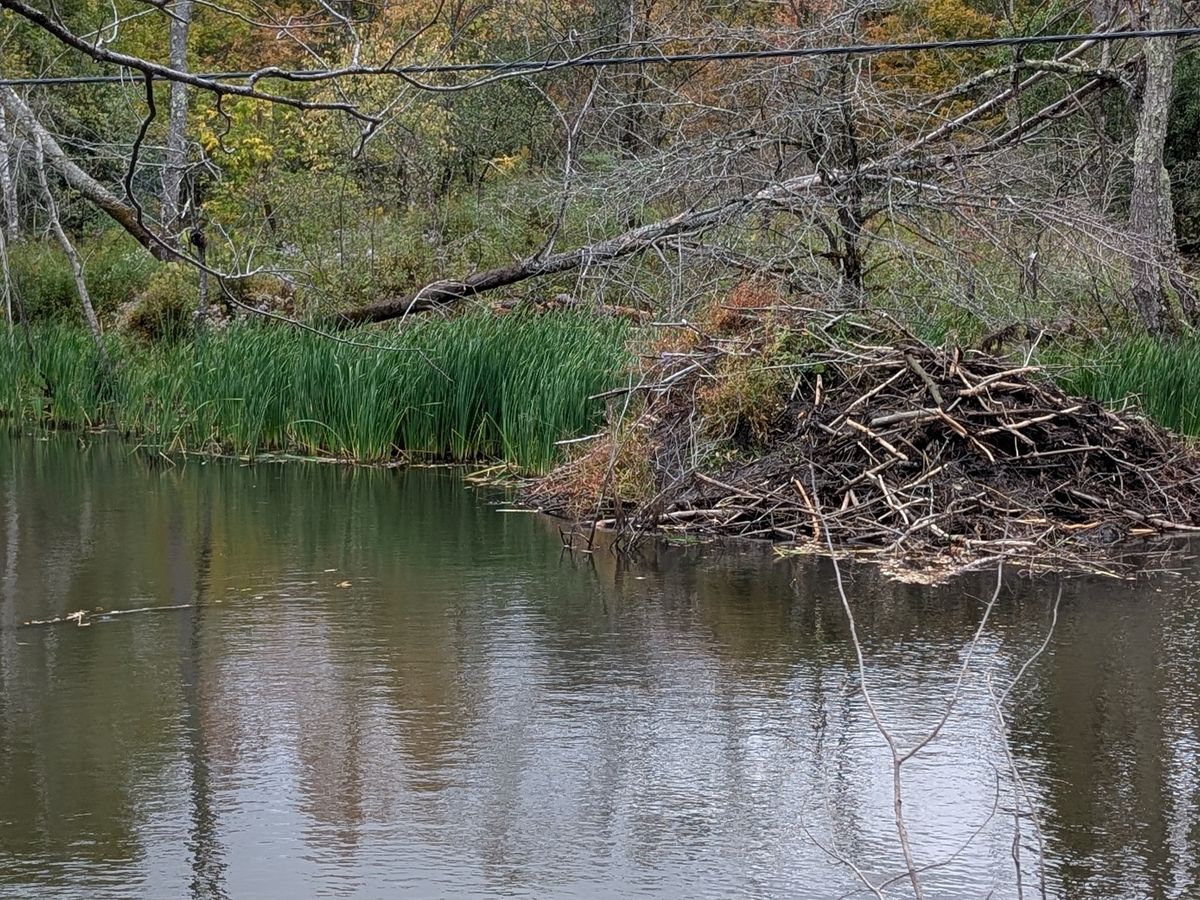
Here in Huntington, we are lucky to have several beaver compounds, and you can see their lodges and dams along Pond Road, Taft Road, and Hinesburg Hollow. But their impact and benefits expand much further than the human eye can see! By building dams across streams and small rivers, they slow water flow and create wetlands, ponds, and floodplain habitats. In the Northeast (where historical beaver populations were nearly eradicated by fur trapping in the 18th and 19th centuries), these beaver-engineered wetlands were once a dominant feature of the landscape. As beaver populations have recovered, their return has revealed how critical they are to ecological health and resilience.
Many Huntingtonians understand the importance of beavers, are curious about their interesting adaptations and complex family systems, and simply put, love beavers! Huntingtonians also greatly value our road system here in town, recognizing the importance of the network for our travel and safety and the hard work of our town road crew to maintain our roads. However, sometimes our beavers and roads don’t play well together.
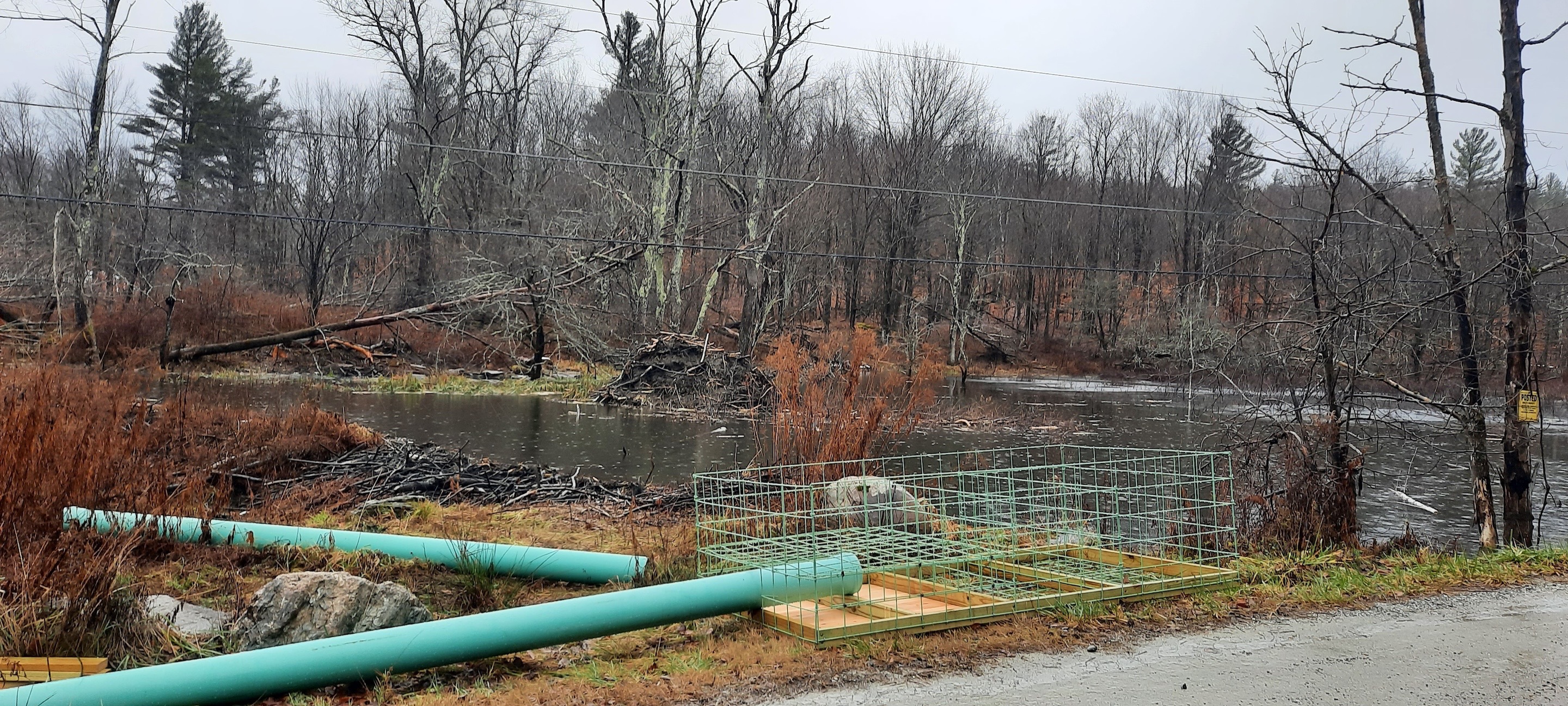
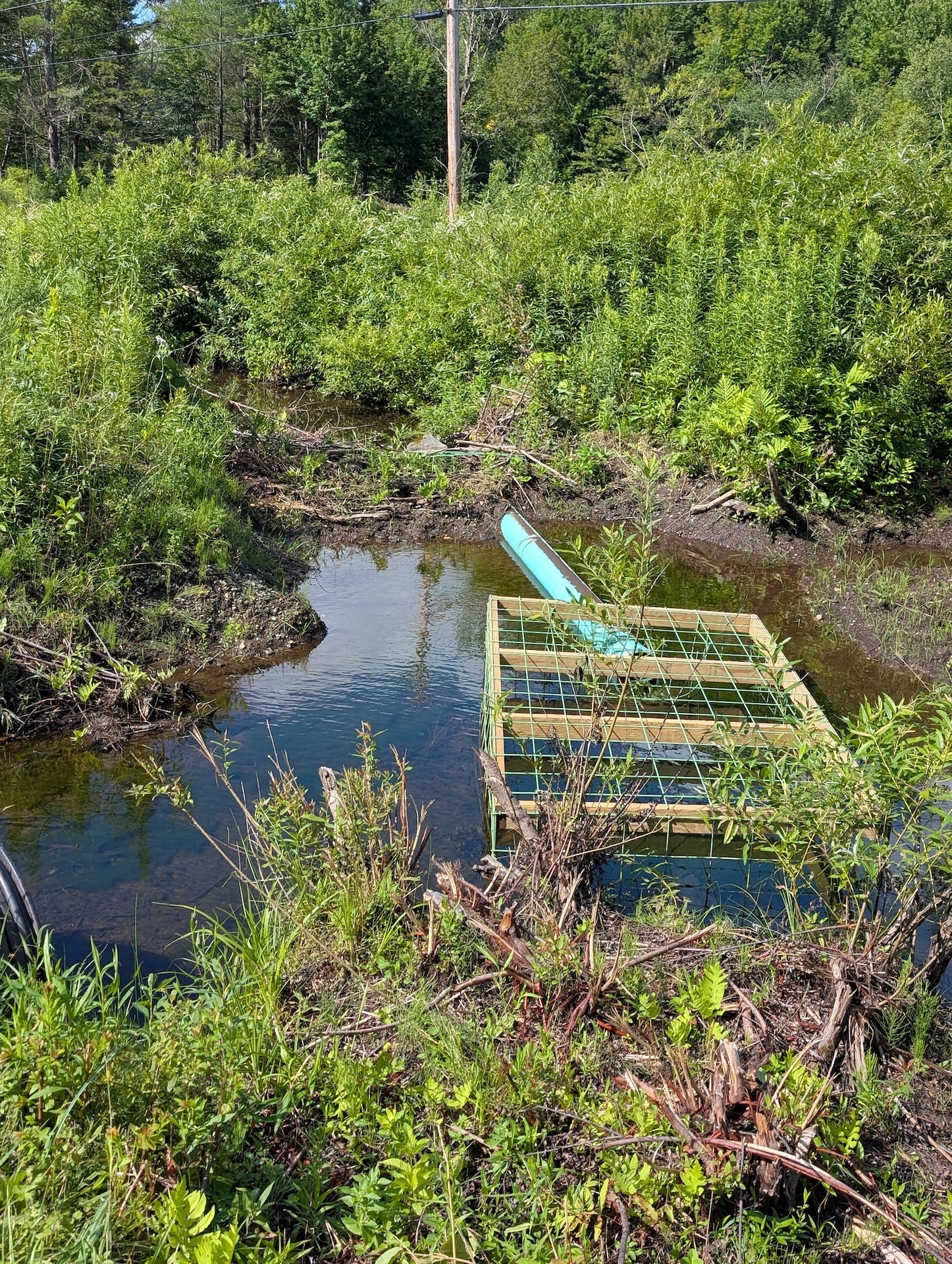
The Huntington Conservation Commission has been pursuing thoughtful coexistence strategies and to that end we have been collaborating with beaver expert Skip Lisle, our town road crew, and Huntington landowners to install several Beaver Deceivers© at the beaver compounds along Pond Road (at the bottom of Happy Hollow) and along Taft Road. These are high-quality flow devices (usually a pipe with a protective fence) that manage water levels. Such devices keep the water flowing through dams as well as road culverts yet still protect beavers and their habitat. In addition, these devices save our town money, since they typically need minimal maintenance and are longer-term solutions that don't require the time-consuming, constant re-opening of blockages (thus reducing the labor required by the road crew).
Through grants, the Conservation Commission already raised the necessary funds to pay for the Pond Road Beaver Deceiver installation. We are now fundraising to cover the cost of the three flow devices that were installed along Taft Road in 2025. (Part of this cost was covered by a grant from Protect Our Wildlife.) We need to secure $4,000, but we have a goal of $5,000 so that we can create an emergency fund to address any new beaver conflicts that may arise.
Given that beavers are foundational partners in restoring healthy, resilient ecosystems in Vermont and beyond, finding such non-lethal solutions is key. Will you donate today, and help be a part of the solution?
Visit the Huntington Conservation Commission website for more information about beavers and about our work.