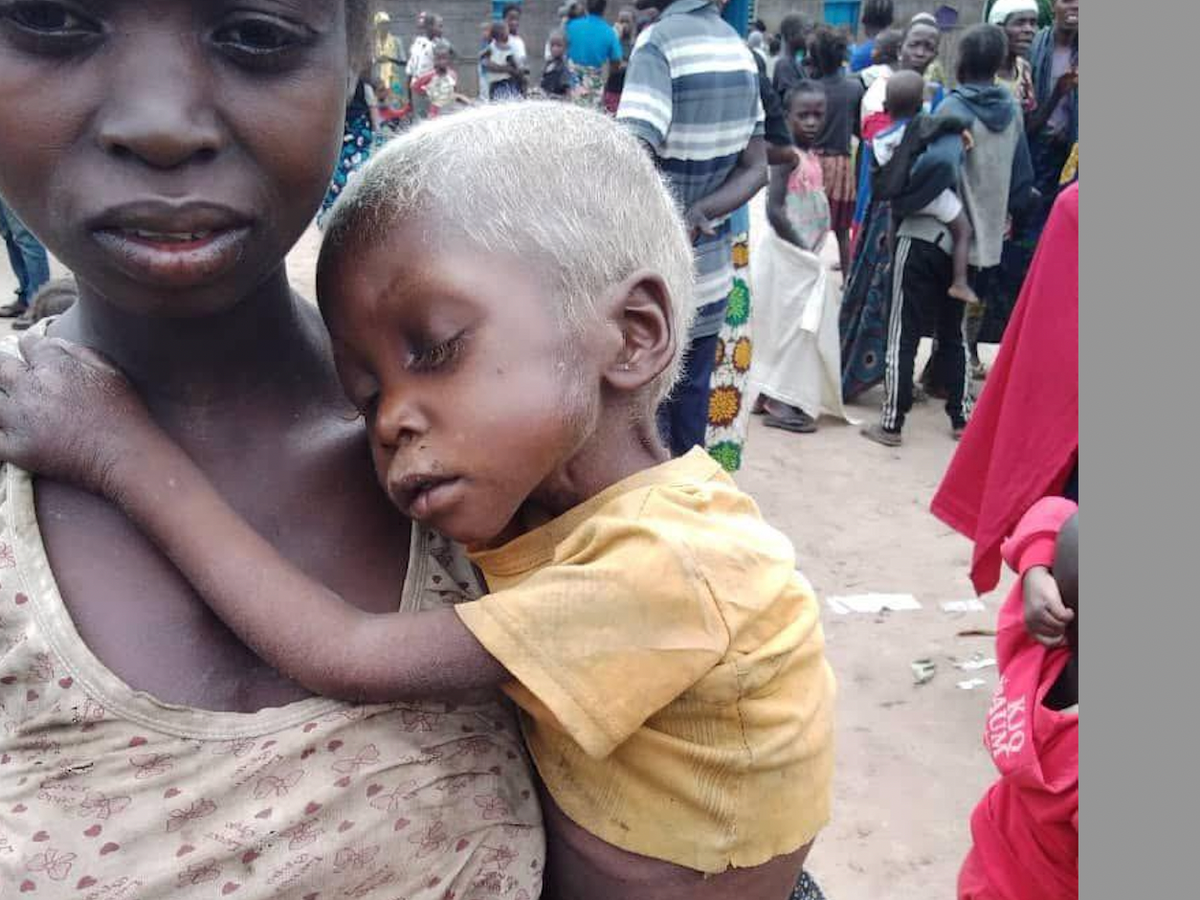
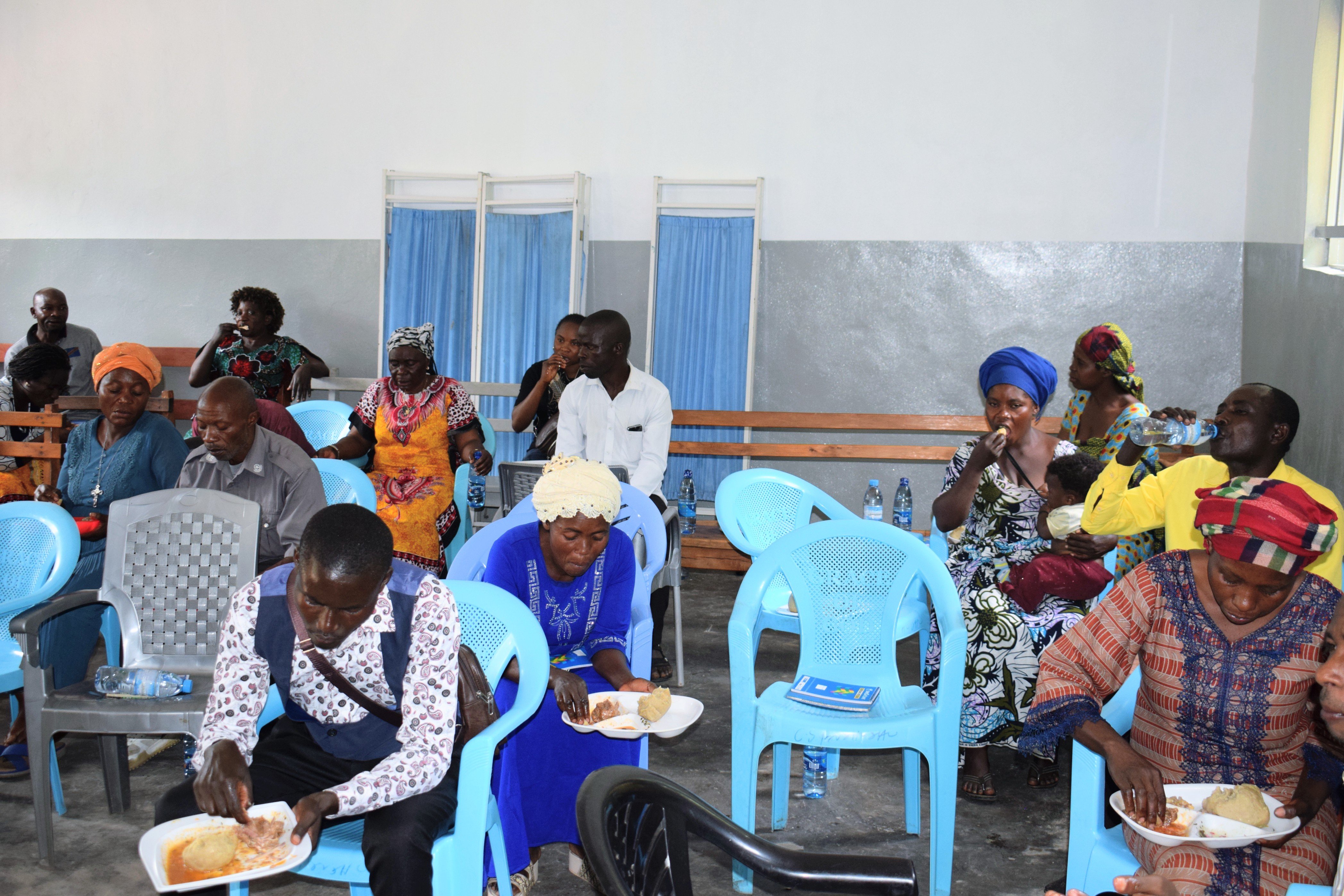
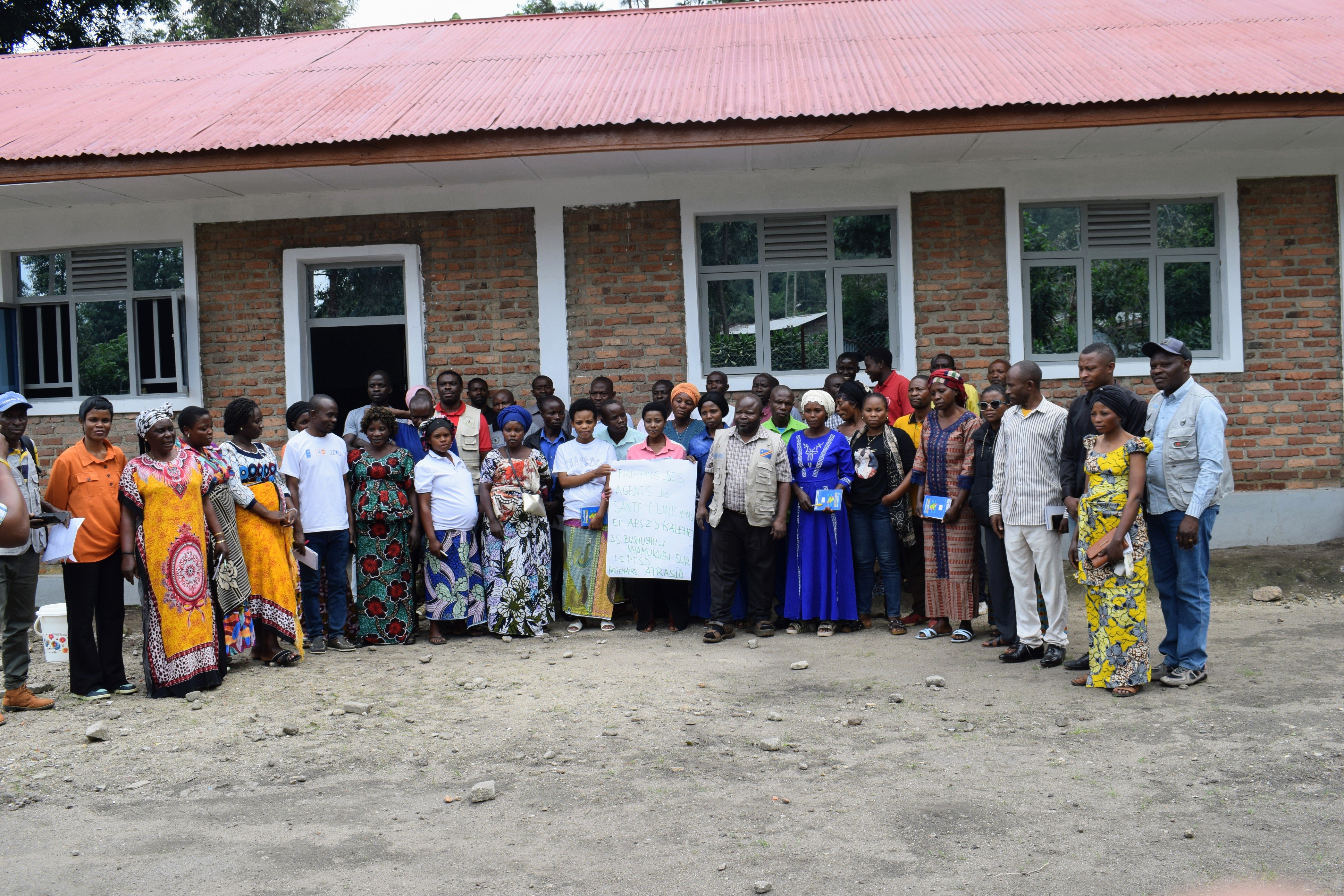
The current situation within the Democratic Republic of the Congo (DRC) remains turbulent as the country faces internal conflicts. Currently, in the DRC there are over 100 active armed groups, these groups attack the Congolese civilians, namely women and children. The ongoing violence is harming civilian movement, disrupting access to basic services such as healthcare, and creating continuous population displacements. Forced displacement exacerbates sexual and reproductive health (SRH) challenges, as an alarming rise in maternal deaths and complications due to the lack of adequate care occur. Since April of 2025, there has been a noticeable increase in maternal deaths within the country.
As of 2023, the World Health Organization (WHO) estimated maternal mortality ratio is 427 deaths per 100,000 births. Local doctors, officials, and citizens view maternal mortality as a major and persistent community problem. Community members state this health and sociocultural issue stems from inadequate antenatal follow-up, poor quality of care, limited financial resources, delayed care-seeking, and insufficient parental awareness. Women in cities of BUKAVU and GOMA can be seen delivering on the streets due to systemic deficiencies in the DRC's healthcare system and chronic underfunding of maternal health services.
Many pregnant women chose to remain home and deliver traditionally out of their choice but because of the high out-of -pocket fee to pay for each clinic visit. Many are unemployed and carry unplanned pregnancies, mostly due to rape.
On top of mentioned inadequacies, HIV-infected women have 5.2 times the rate of direct maternal mortality compared with HIV-uninfected women. We continue to see high maternal mortality rates (MMR) due to a lack of research within this area, as the conflict continues in the DRC, mothers face the most critical consequences of it. Community organizations are crucial for providing research and care to these mothers, especially during this time of EBOLA outbreak in the Eastern part of the country, as children are espeically vulnerable to the impacts of an Ebola outbreak. Which could include disruptions to essential health, nutrition, education, the loss of their parents, the fear and stigma surrounding Ebola can isolate children from their own communities, compounding psychosocial distress and heightening protection risks.
No mother should die while giving life!!!!
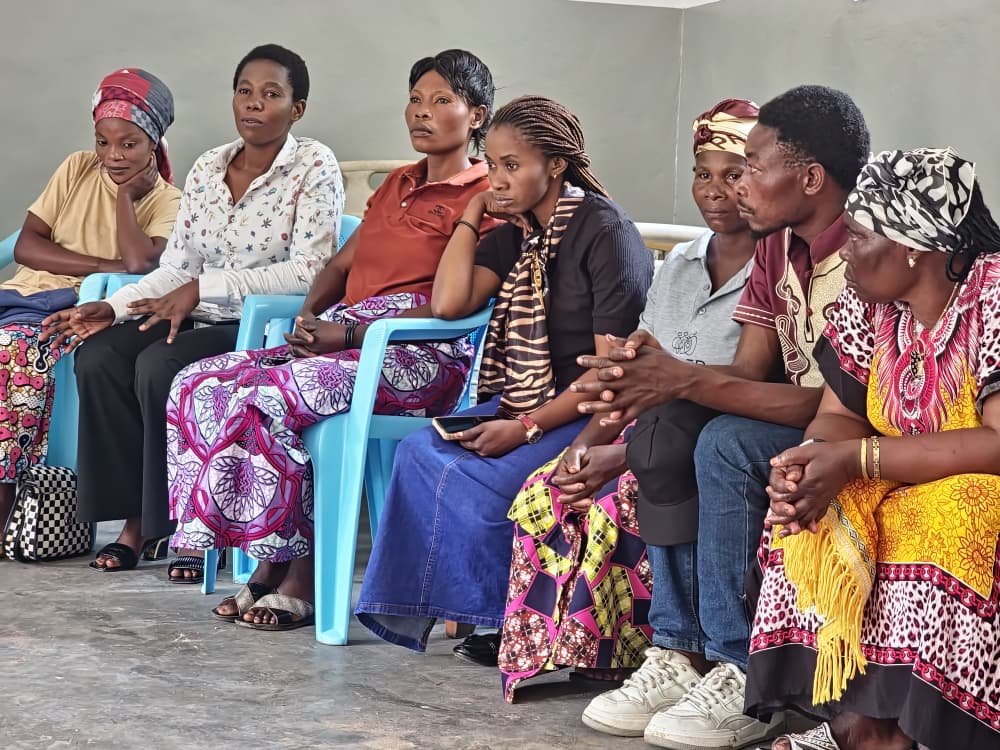
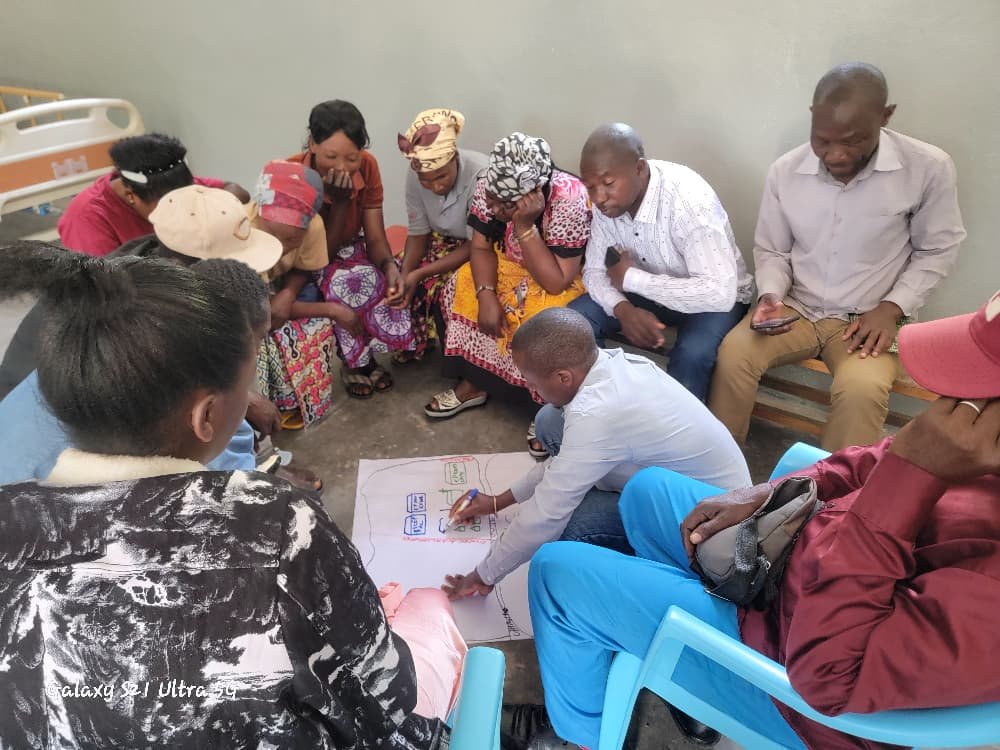
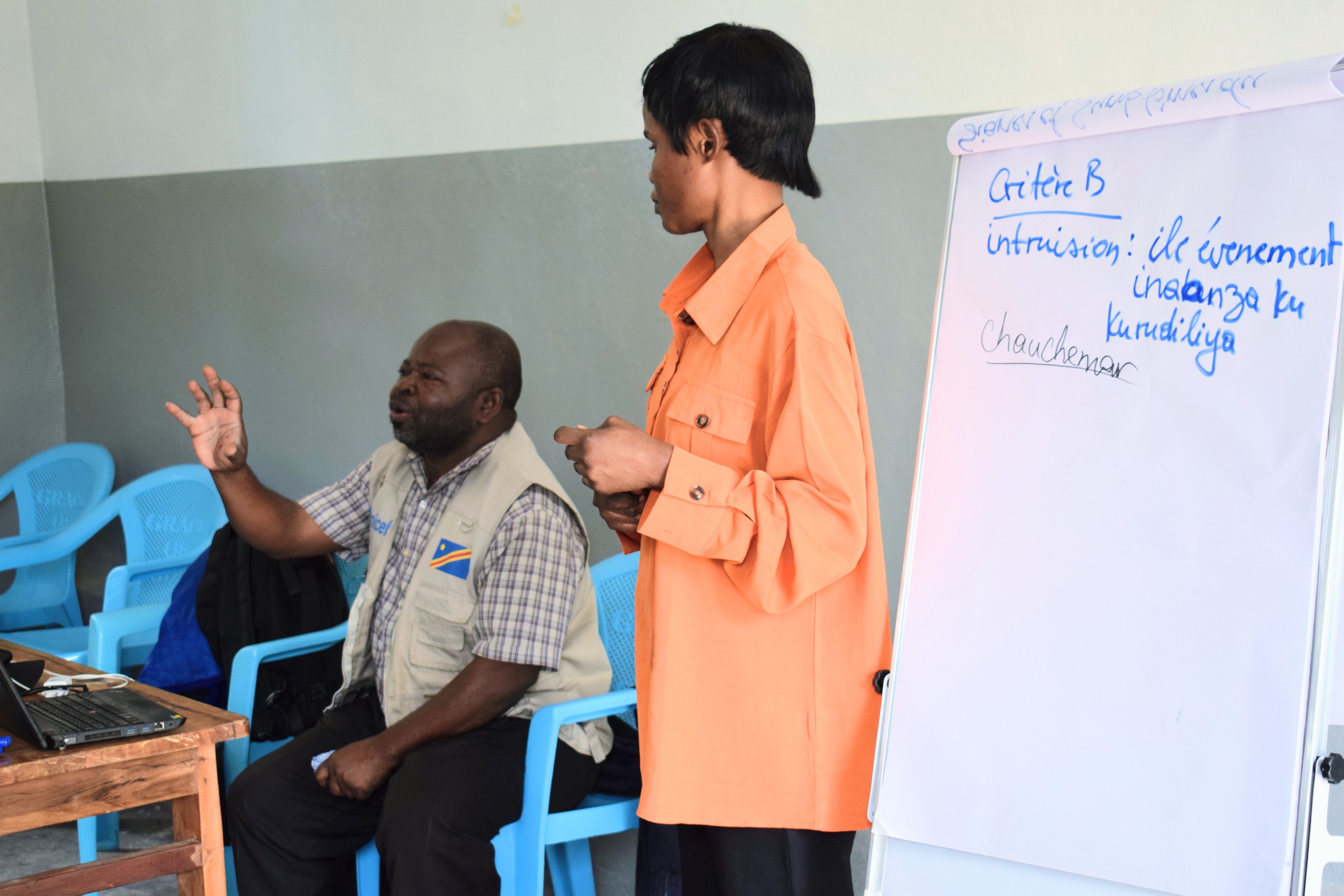
Action de Transformation Social a Impact Durable (ATRASID), a community-based organisation is partnered with this fundraising effort, to raise awareness of maternal mortality, provide care, and access life-saving services within the DRC. All contributions made will be given back into this community.
Each $10 USD can allow one mother to deliver safely with the proper medical attention needed, and prevent the transmission of HIV infection from mother to the child.
Target: $3,500
Your support will help:
$10 = safe delivery for 1 mother
$25 = maternal care support for 5 mothers
$50 = emergency care + referral support.
$125 = HIV prevention programs & maternal care package.
$500 = community outreach & awareness campaigns.
Every amount contributed, makes a difference and a real measurable impact.
Call to action: Donate, Share, Act, make a difference.
LinkedIn: linkedin.com/in/atrasid-rdc-6aa7512a2
Facebook:https://www.facebook.com/people/Atrasid-Rdc/pfbid02NS34AmkL8UsdQDw1bxH6dJQ1Lqx5L1WyrizdropLnLtYXMVxZtfn679XPfo9pgoGl/?mibextid=wwXIfr&rdid=nYHtKalxVNbqsZ5x&share_url=https%3A%2F%2Fwww.facebook.com%2Fshare%2F1CufJcoiCS%2F%3Fmibextid%3DwwXIfr
Buechner, M. (2026). UNICEF Responds to Ebola Outbreak in DRC and Uganda. UNICEF. https://www.unicefusa.org/stories/unicef-responds-ebola-outbreak-drc-and-uganda
Calvert, C., et al. (2020). Direct maternal deaths attributable to HIV in the era of antiretroviral therapy: evidence from three population-based HIV cohorts with verbal autopsy. AIDS 34(9). https://journals.lww.com/aidsonline/fulltext/2020/07150/direct_maternal_deaths_attributable_to_hiv_in_the.13.aspx
Ramazani, T.J., et al. (2026). Semantic analysis of healthcare workers’ perceptions of neonatal mortality in Tshopo Province, Democratic Republic of the Congo. Orapuh, 7(3). https://doi.org/10.4314/orapj.v7i3.27
United Nations Population Fund (UNFPA). (2025). DRC sitrep – April 2025. https://www.unfpa.org/sites/default/files/resource-pdf/DRC%20Sitrep%20-%20April%202025.pdf
World Health Organization (WHO). (n.d.). Democratic Republic of the Congo [Country profiles]. https://data.who.int/countries/180
Organizer