- M
- R

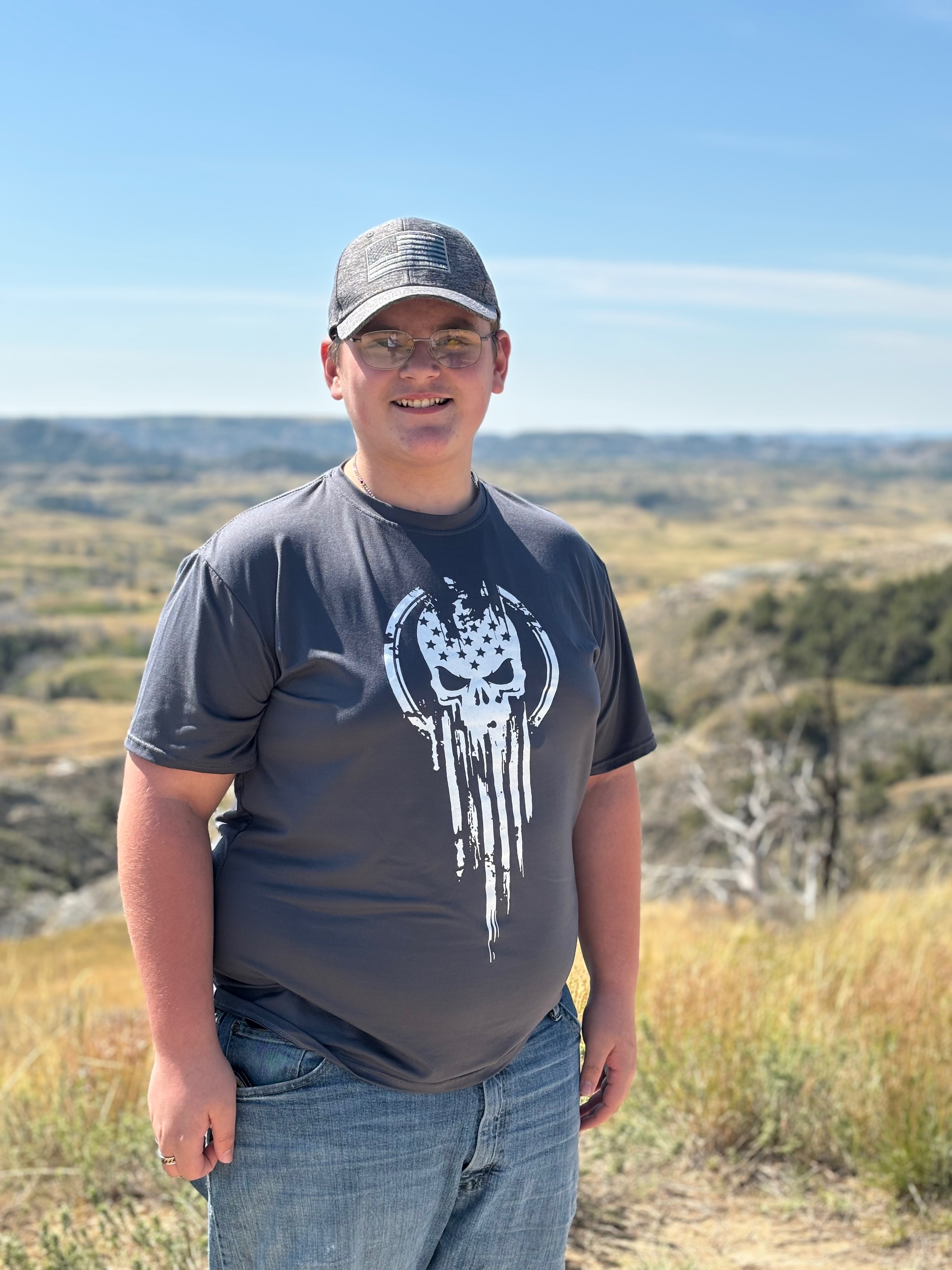
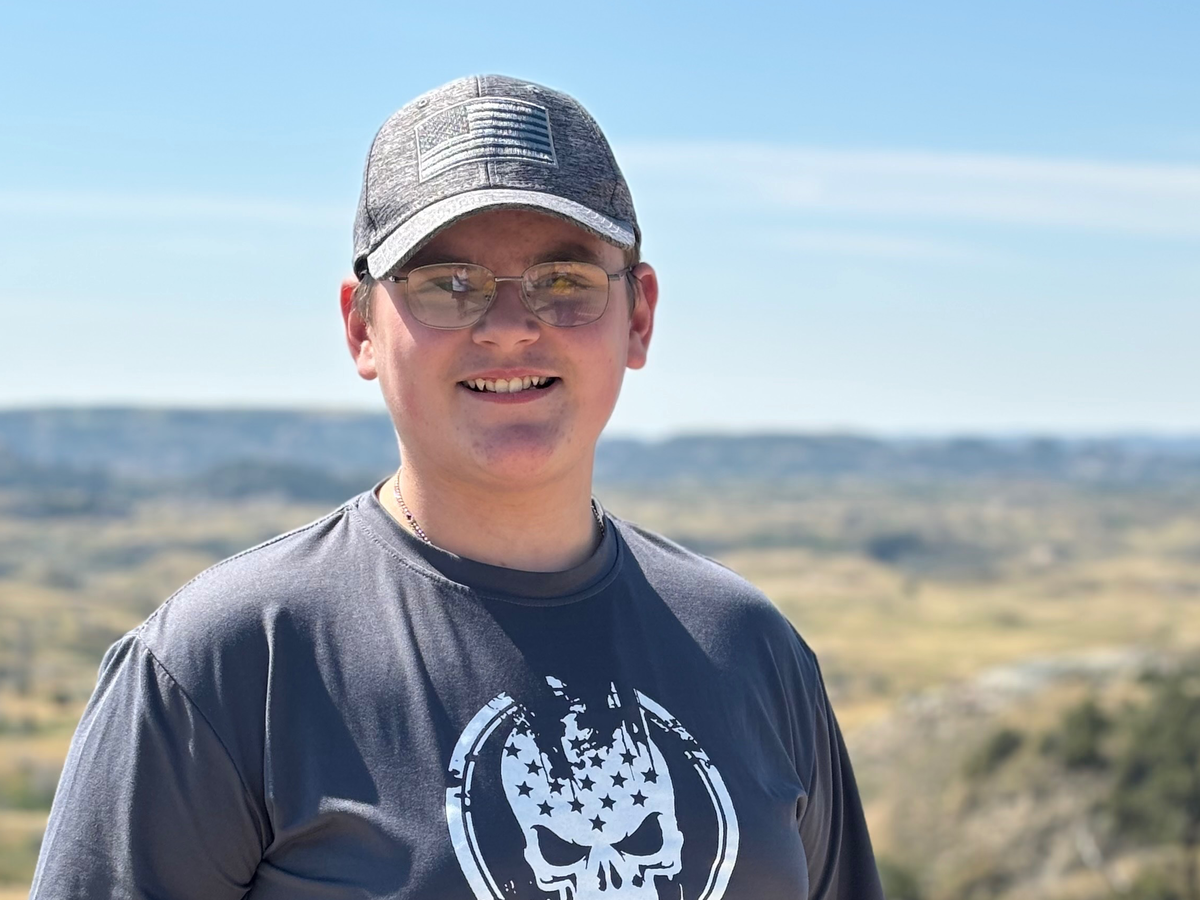
Rylee is a 16-year-old sophomore at Mandan High School who has been battling focal awareness epilepsy with dystonia since he was just 14 months old.
Despite trying four different medications, his seizures continue. Recently, they've started to change, becoming shorter but more frequent. This progression has created urgency. Doctors at the Minnesota Epilepsy Group now believe brain surgery is the best chance to significantly reduce Rylee's seizures. With surgery, they hope to eliminate 60–90% of his seizure activity. That outcome could mean Rylee having a driver's license, holding a job, and living a fuller, more independent life.
For years, seizures have shaped his daily life- keeping him from the things most teenagers take for granted. He has missed countless school days since sixth grade and has had to fight to keep up academically, working harder than most kids just to remember what he's studied. While he hasn't been able to play contact sports, he found a passion in archery and has become very skilled at it. He has dreams of becoming a contractor and is taking welding and small engine repair along with a construction course.
The next step will take Lisa (Rylee’s mother) and Rylee over 400 miles away to Minnesota Children's Hospital at the end of October for an SEEG procedure. They'll need to stay there 1–3 weeks to capture seizures. An SEEG uses electrodes placed directly into the brain to precisely locate the source of epileptic seizures, particularly for drug-resistant epilepsy. After electrode implantation and recording brain activity for one to three weeks, the electrodes are removed, and the recorded data will help his epilepsy specialists develop a map of his brain to follow for brain surgery. Rylee’s
father, Chad- who has already used up all of his PTO & vacation time- will travel to be with Rylee on weekends during his
SEEG on weekends. Afterward, Rylee faces a four-week recovery before returning to Minneapolis to undergo brain surgery. His surgery will require a weeklong hospital stay followed by 6–8 weeks of recovery at home. Doctors will use one of two approaches—removing inactive brain tissue, performing a laser procedure, or both—to target the area of dysplasia causing seizures.
This process will bring heavy financial strain. Lisa will need to take 2–4 weeks off work for the hospital stay, plus more time for Rylee's recovery at home. Travel, lodging, and meals during their time away will all add to the burden of the mounting a medical debt.
Rylee has fought epilepsy for nearly his whole life. He's worked harder than most kids his age just to keep up, and he dreams of a future where seizures no longer stand in his way. Supporting this family will ease the financial stress of treatment, which will allow Chad and Lisa to focus on giving Rylee the best chance at a brighter, more independent future. Thank you for your support!