- M
- M
Hello, Everyone!
Please pray and ask God if this is something you could be a part of by donating to the Amazing Abilene Trust, where all funds received are accounted for and distributed through a Trust.
Purpose:
The purpose of this Go-Fund-Me page is to raise funds for the care and well-being of Abilene who was born with an overlapping genetic disorder, Noonan syndrome (NS) and cardio-facio-cutaneous syndrome (CFC). Most children with this condition do well with support, but usually need lifelong help and care.
Donating to this fund will supplant wages for Abilene's mother, Rachel, as Rachel is now Abilene's full-time caregiver and unable to work, creating financial challenges for the family.
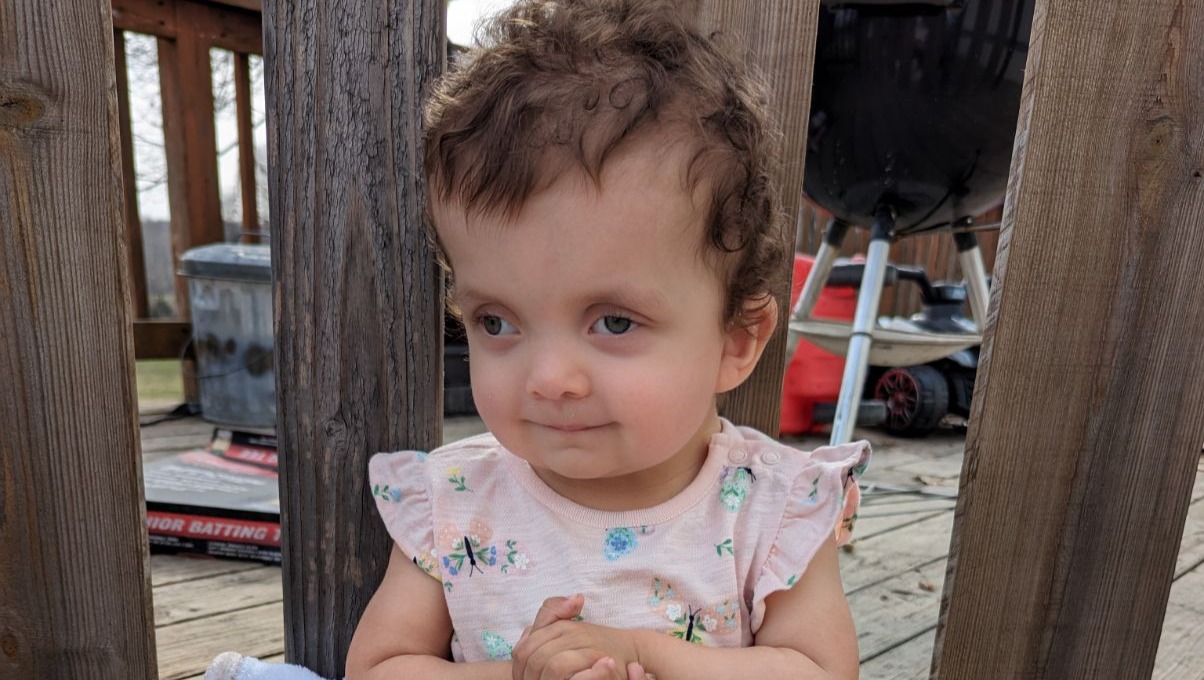
Abby playing with her brother, Wyatt, on the deck.
What is NS and CFC?
Abilene has either Noonan syndrome (NS) or cardio-facio-cutaneous syndrome (CFC), two clinically and overlapping disorders associated with a change mutation in a gene.
Because cardio-facio-cutaneous syndrome (CFC) syndrome is reminiscent of Noonan syndrome (NS), differential diagnosis can be difficult, particularly in infancy. Abilene will be fully diagnosed with either NS or CFC syndrome when she is a little older and doctors are able to determine Abilene's level of developmental delay and cognitive impairment if any.
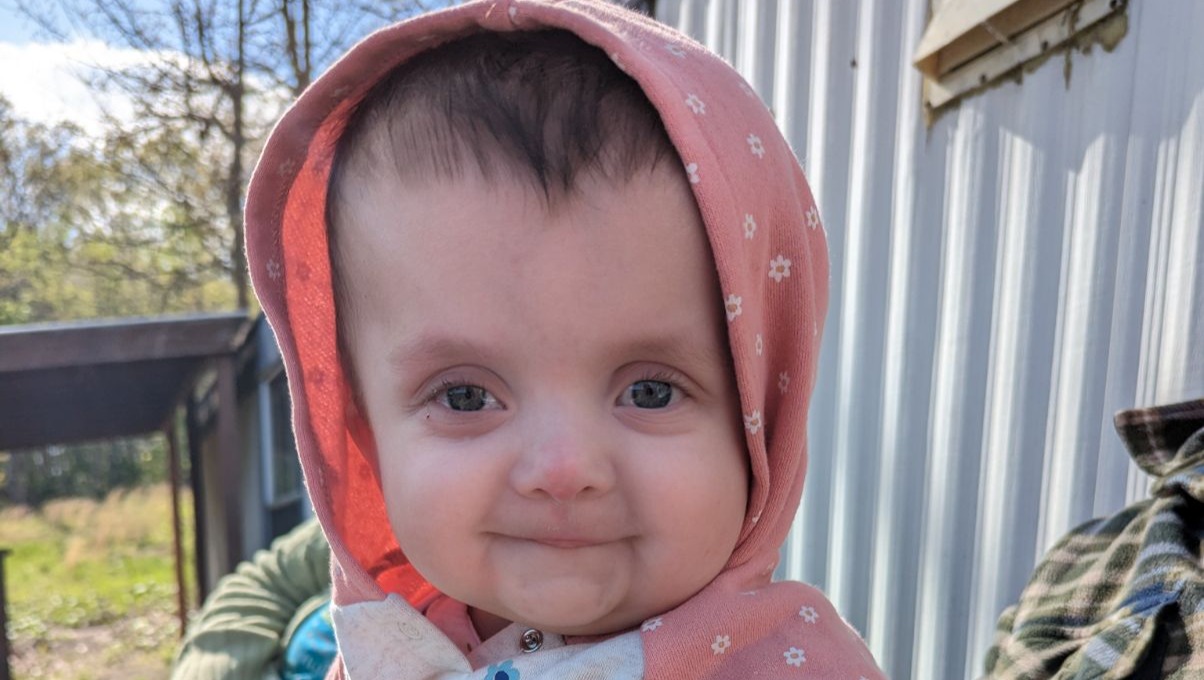
Abby enjoying time with Grandma and Grandpa on the deck.
Abby is a Medically Complex Child:
Abilene is considered a medically complex child due to her NS/CFC syndrome diagnosis. “Medically complex” is a term used when a child has a medical condition (in this case multiple medical conditions) that require ongoing specialized care. Abilene requires:
*Doctors with a high level of expertise in specialized areas
*A team of specialty healthcare providers, i.e., speech therapist, occupational therapist, physical therapist, nutritionist, cardiologist, gastroenterologist, case manager, etc.
*Wrap-around services to ensure continuity of care between home, school, clinic, and, in the future, possibly employment
*More than just routine checkups
*Individualized speciality care on an ongoing basis
*More frequent and longer than average hospital stays
*Extensive home care provided by qualified family members and private duty nurses
*The use of durable medical equipment
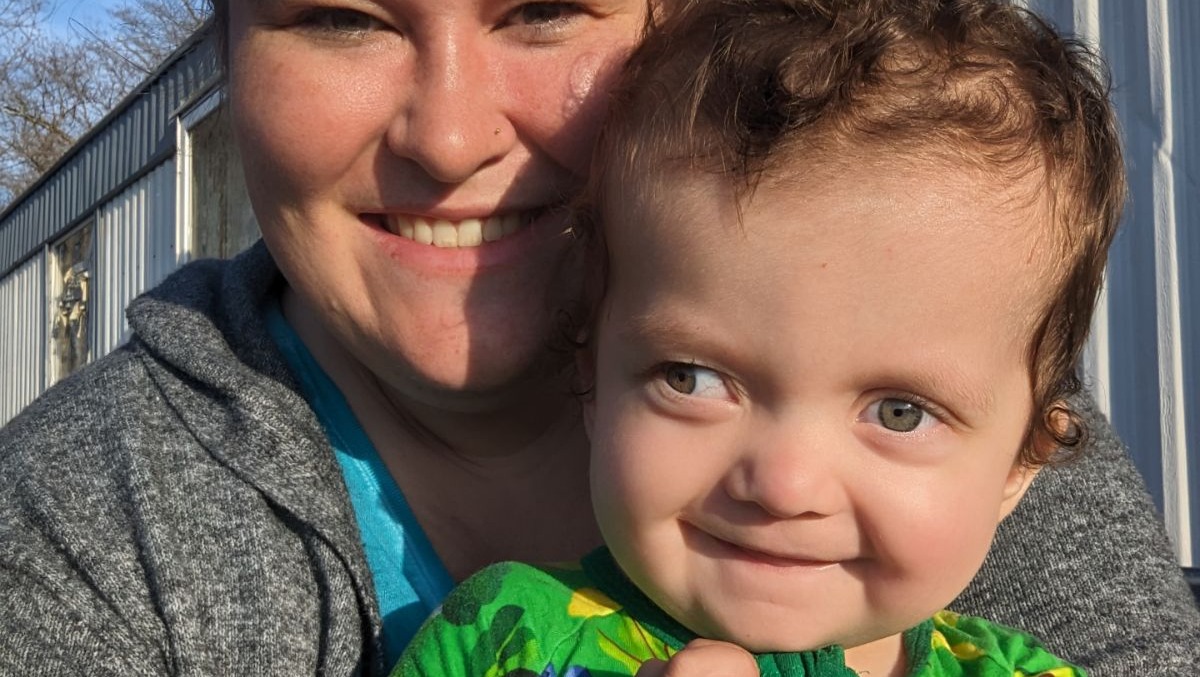
Abby and Mom getting morning sunshine on the deck.
The Family:
Abby lives with her mother, father, and brother in a rental property in a remote part of Missouri. Abby's father, David, spends three hours per day driving to and from his job where he works 10-hour shifts five to six days a week. Abby's father is a hard worker. Abby's mother is a stay-at-home mother and unable to work because Abby requires round-the-clock intensive medical and nutritional care. Abby’s mother has developed some of the same skills as that of an ICU nurse in the short time since Abby was born. Abby's brother is a kind and helpful young man who attends preschool in 2025-2026.
Abby's family has no assets other than their two vehicles. Their savings have been depleted. With one income, Abby's family struggles financially. They often fall behind on out-of-pocket medical bills, rent, and utilities. The family experiences food insecurity. Extended family have helped but are not in a position to fill the financial void of Rachel's income. Your donation will greatly ease the crisis this family faces and help Abby to experience a productive, happy, and healthy childhood.
About Abby:
Despite her medically complex condition, Abby is a happy little girl. Her smiles light up the room.
Abby is developmentally delayed and is able to sit up, clap her hands, kick her feet, scoot forward and backward, and manipulate objects with her hands. Abby is learning to crawl and walk and is also learning to stand with the assistance of her stander. A standing frame, or stander, is a type of medical equipment that is used to maintain Abby in an upright, weight-bearing position. It is used to assist Abby to stand and strengthen her muscles because she cannot stand on her own.
Abby was born with cardiac anomalies and rhythm disturbances. NS/CFC individuals often have heart problems that worsen later in life.
Because Abby has severe feeding issues (gastroesophageal reflux, vomiting, and oral aversion) and poor growth with relative macrocephaly (head that appears disproportionately large when other factors such as body stature are taken into account), she has been feeding through a gastrostomy tube (also called a G-tube). A G-tube is a tube inserted through the belly that brings nutrition directly to the stomach. Abby is fed a milk-based formula and a fruit- and vegetable-based formula fed through her G-tube. Abby is fed through her G-tube on a continuous feeding schedule over a long period of time, typically 18 to 24 hours. Medications are fed through Abby's G-tube or intravenously.
Medical Appointments and Hospitalizations:
Abby travels about one hour to Springfield with her mother to multiple medical appointments each week where Abby receives services from her physical therapist, occupational therapist, speech therapist, nutritional therapist, ENT, PCP, and ophthalmologist. Abby travels to St. Louis and Kansas city for appointments with her gastroenterologist, cardiologist, and geneticist.
Additionally, because Abby is a medically complex child, frequent hospitalizations are the norm. The closest hospital is about one hour away. More serious medical issues require Abby to travel to St. Louis or Kansas City, both cities a four-hour drive from home. To add to the challenges, Kansas City and St. Louis hospital stays generally require several consecutive overnights during each medical procedure or emergency.
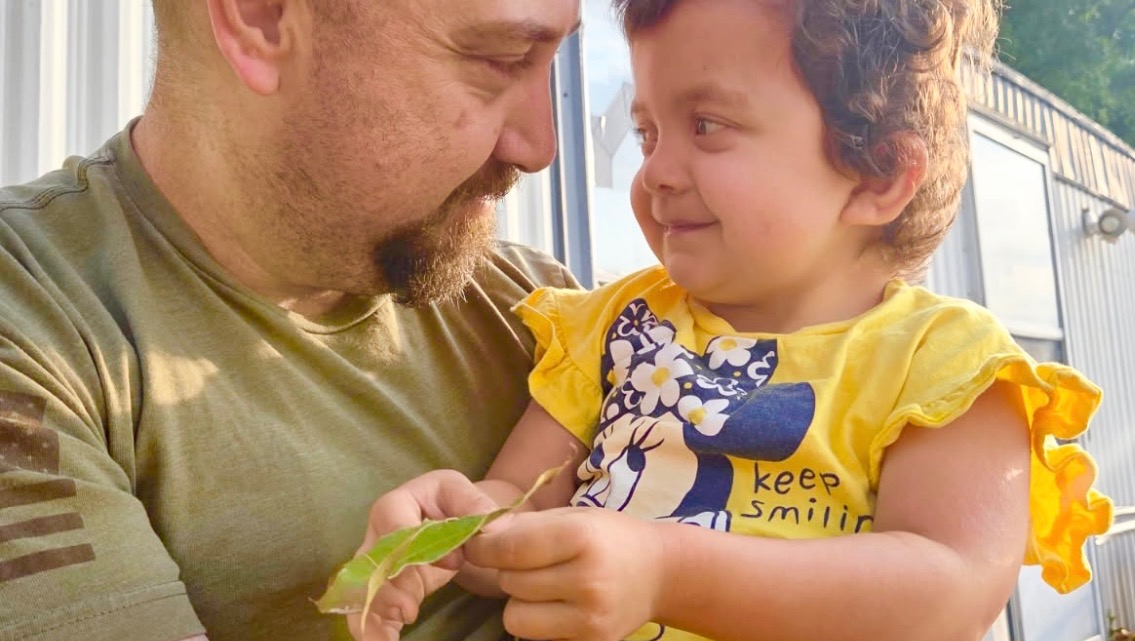
Abby loves Daddy snuggles.
A Desperate Situation:
Between the depleted savings, out-of-pocket medical costs, and loss of income due to Abby’s mother not being able to work, Abby's family needs prayers and assistance. Because of the financial challenges, multiple doctor visits, and frequent hospitalizations, Abby's family is physically and emotionally spent.
How You Can Help:
Because Abby's mother, Rachel, is unable to work, the family's financial situation is critically unstable. Contributing to this cause will provide a wage for Rachel as she stays home to be Abby's full-time caregiver. This will enable Rachel to properly support Abby on her medically complex journey. Your financial support would greatly ease the day-to-day burden on this family by replacing the lost income Abby's mother would be making if she were able to work.
Why $180,000?
A donation of money would be a Godsend for Abby and her family. In a few years, Abby will be old enough to attend school full-time. Then, Rachel can resume working outside the home. Rachel's income before having Abby was a net $3000/month or $36,000 per year.
$36,000 x 5 years = $180,000.
Your donation will be made to the Amazing Abilene Trust. Your donation will go directly to replacing Rachel's lost income, enabling Rachel to stay home and care for Abby for the next few years, after which time Abby will be a full-time student and Rachel can resume working outside the home.
The Amazing Abilene Trust:
To ensure your donation is handled with integrity, I have set up a trust into which all donations flow and from which funds will be distributed. I am the Trustee of the Amazing Abilene Trust and give you my word that I will utilize your donation in a responsible manner that directly supports Abilene and her family.
May God richly bless you for giving to this cause.
Characteristics of NS/CFC include:
- Congenital Heart Disease
Many people with NS/CFC are born with a heart problem that causes some of the key symptoms of the condition. Also, some heart problems can worsen later in life. Abby was born with cardiac anomalies and rhythm disturbances.
- Growth Issues
NS/CFC can affect typical growth. Many children with NS/CFC do not grow at a typical rate. Eating Difficulties in NS/CFC may lead to poor nutrition and weight gain. Abby has severe feeding issues (gastroesophageal reflux disease, aspiration, vomiting, and oral aversion) and poor growth with relative macrocephaly (head that appears disproportionately large when other factors such as body stature are taken into account). Growth hormone levels that may be too low delay the growth spurt that's typically seen during the teenage years because bones do not reach maximum strength or density until later. Short height as an adult is common.
- Muscle and Bone Issues
A condition called pectus excavatum is often seen in NS/CFC people, where the breastbone and ribs sink too far into the chest. It also is possible to have pectus carinatum, where the breastbone and ribs grow outward, making the chest stick out more than usual and nipples that are wide apart. A short neck is common, often with extra folds of skin, called a webbed neck. NS/CFC individuals often have a spine that has an unusual curve.
- Learning Disabilities
NS/CFC individuals have a higher risk of learning disabilities and intellectual disabilities. A wide range of mental, emotional and behavioral issues can be present that range from mild to severe.
- Hearing and Vision Issues
NS/CFC individuals usually have hearing and vision issues that may make it harder to learn. Eyes and eyelids that are unusual are wide-set and slant downward on the outer sides. Problems with the eye muscles are common, such as cross-eye (strabismus) and refractive problems, which means the cornea or the lens is egg-shaped with two curves that do not match. This can make vision blurry or distorted or make it hard to see things close up or far away. Also, rapid movement of the eyeballs, (nystagmus) is common as well as cataracts, which make an eye cloudy. Hearing problems in NS/CFC individuals are common due to nerve issues or an inner ear bone structure that is not typical.
- Bleeding Problems
NS/CFC can cause bleeding problems and easy bruising because the blood of some people with NS/CFC may not clot properly and may have low levels of proteins that are needed for clots to form so they bleed longer than usual.
- Lymphatic Conditions
NS/CFC can cause problems with the lymphatic system, which drains excess fluid from the body and helps fight infection. These problems
may show up before or after birth or start in the teenage years or as an adult. Some children are born with swelling of the hands, feet and tissues of the neck. Lymphatic issues can focus on a particular area of the body or be widespread. Commonly lymphatic issues cause too much fluid to build up in the brain (hydrocephalus) as well as fluid buildup in the back of the hands or top of the feet (lymphedema).
- Genital and Kidney Conditions-
Many people with NS/CFC have problems with their genitals and kidneys. Puberty may be delayed in both males and females. Hormone imbalances can cause fertility issues and possible infertility. Kidney problems can lead to frequent UTI's and kidney infections.
- Skin Conditions
People with NS/CFC may have skin conditions. They may have various problems that affect the color and texture of the skin. They also may have coarse or sparse hair.
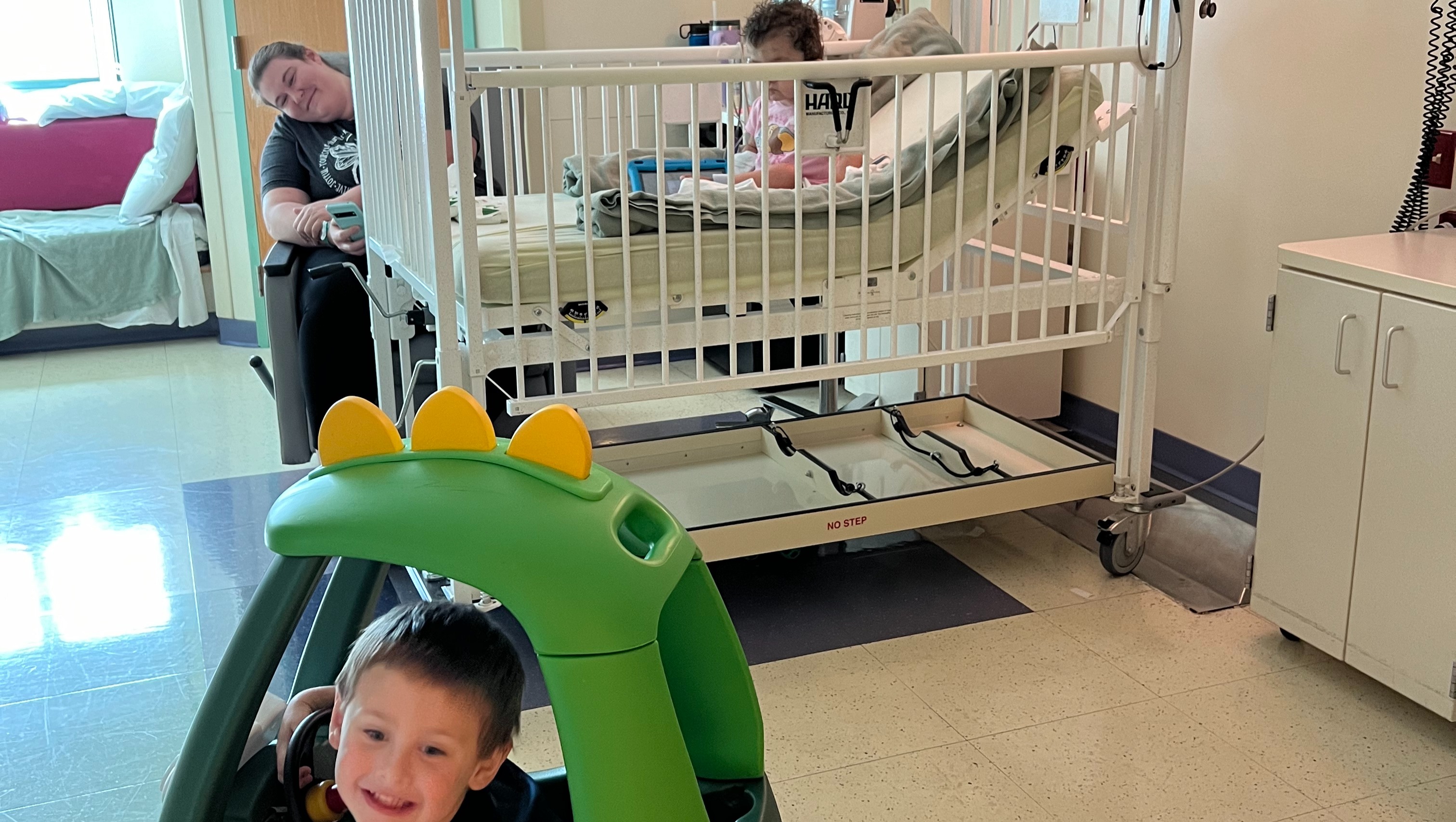
Abby, accompanied by her mother and brother, receives emergency care and treatment at Kansas City Children's Mercy Hospital.