- S
- A
- C
Support a Documentary Film That Amplifies the Voices of Those Living with Endometriosis
Hi, my name is Prisca, and I’m directing a short documentary film as part of my Master of Fine Arts degree at Hunter College. This project shines a light on the burden of living with endometriosis, a chronic illness that affects about 1 in 10 women and people assigned female at birth in the U.S., and over 200 million people worldwide. I'm one of them, and chances are, you know someone—a sister, friend, or coworker—who is affected, too.
About the Film
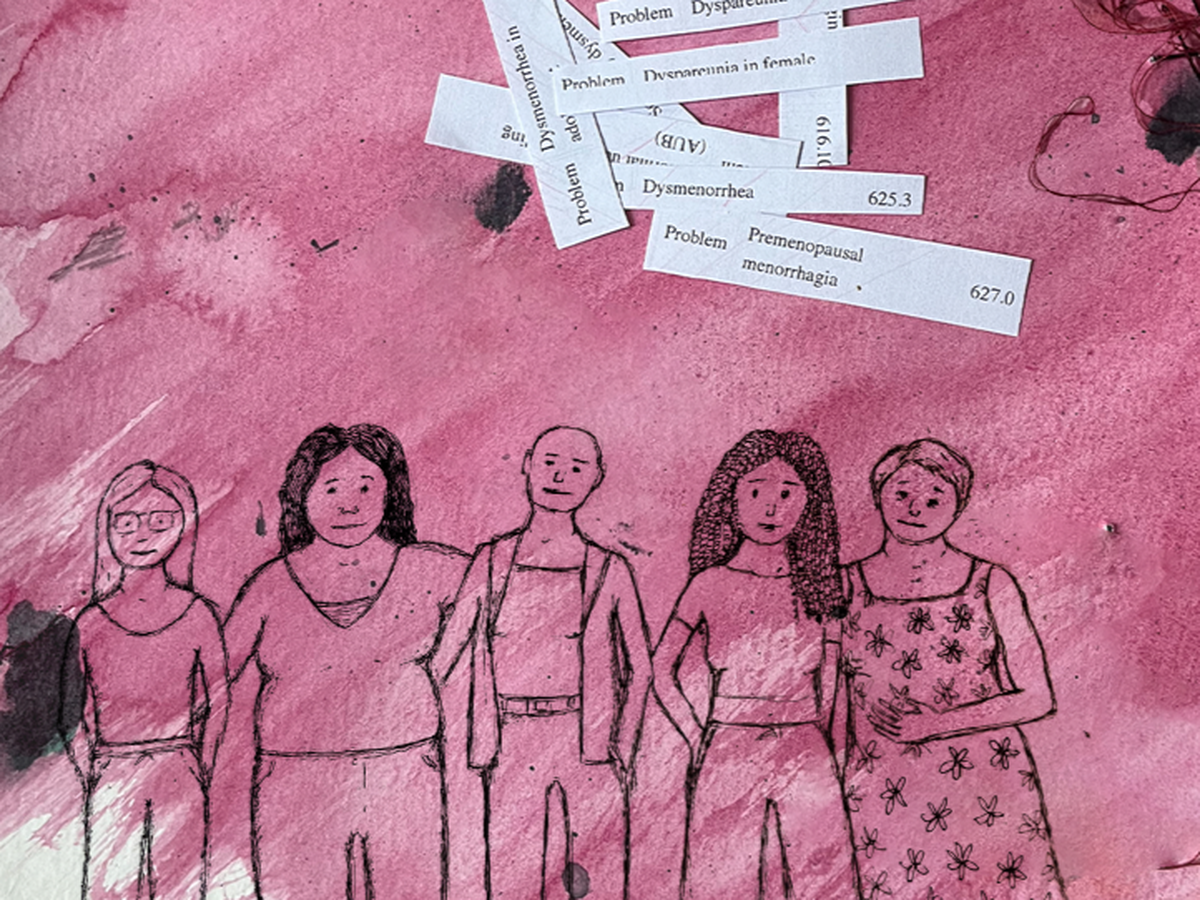
This documentary will follow a small group of individuals living with endometriosis as they come together in an art-centered workshop. In this workshop, participants will use their personal archives—doctor’s notes, hospital bills, pain diaries, and other materials—to create a collaborative collage that visually represents their arduous journeys becoming their own advocates, often looking outside of the medical system for education and support.
As they make artwork together, we'll see how making the invisible visible is a way of taking back control, and how fostering community can be an act of healing through shared understanding.
The film will also include one-on-one interviews with participants sharing their experiences living day-to-day with endometriosis, from managing symptoms at home to navigating the healthcare system.
So, what is Endometriosis?
Endometriosis ('endo') is a complex disease in which tissue similar to the lining of the uterus grows outside the uterus, causing chronic inflammation, adhesions, and severe physical pain. It can affect multiple organs and lead to debilitating symptoms like heavy menstrual bleeding, bowel and urinary dysfunction, pain with sexual intercourse, fertility challenges, nerve pain, and more.
There is no cure. Surgery, the gold-star treatment, offers the best symptom relief, but it often needs to be repeated multiple times to maintain results. Financial obstacles and healthcare inequity means that many can't access surgery and must make do with less effective--but still costly--treatment. There is also a quality-of-life cost, when symptoms of invisible illness interfere with work, school, or social life.
On average, it takes 7-10 years for those with endometriosis to get a diagnosis, due in part to frequent medical dismissal of reported symptoms, which are often written off as 'bad periods'. It can be hard to know, when 'period pain' is something not always talked about openly, but silently suffered, when (and where, and how) to seek medical care.
Why This Film Matters
My goal is for this film to serve as a tool to open conversation about how we can improve the way endometriosis is diagnosed and treated. More than an educational spotlight on the illness, this film is a call to action for initiatives to improve patient care and outcomes, to ensure that the education and resources are in place to address healthcare bias, fund further research into treatment options, and expand access to care.
How You Can Help
Your support will help cover the costs of filming, workshop, equipment, travel, and the materials and supplies needed for the workshop. Every contribution, no matter how small, will help us create this film and use it as a platform to push for systemic change and better access to treatment for those living with endometriosis.
Thank you for supporting this project and helping us make a difference in the lives of millions battling this prevalent and often invisible illness.
Rewards
$15 - our heartfelt thanks!
$30 - digital download of the film when it's completed
$50 - "Thank You" credit in the film + digital download
$150 - a print of the finished collage art project made by the participants in the workshop + "Thank you" credit + digital download
Organizer