- B
- T

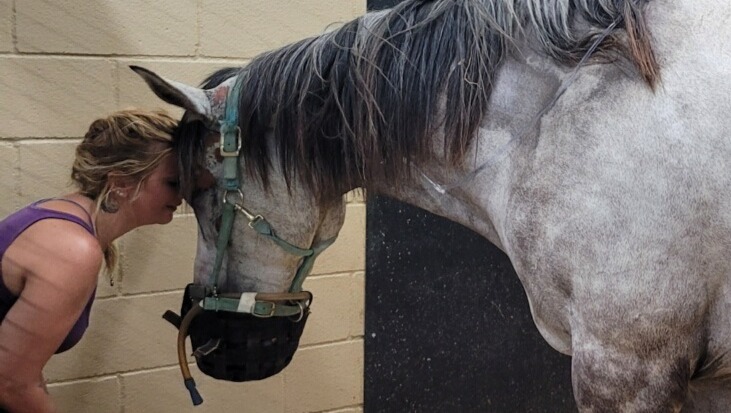
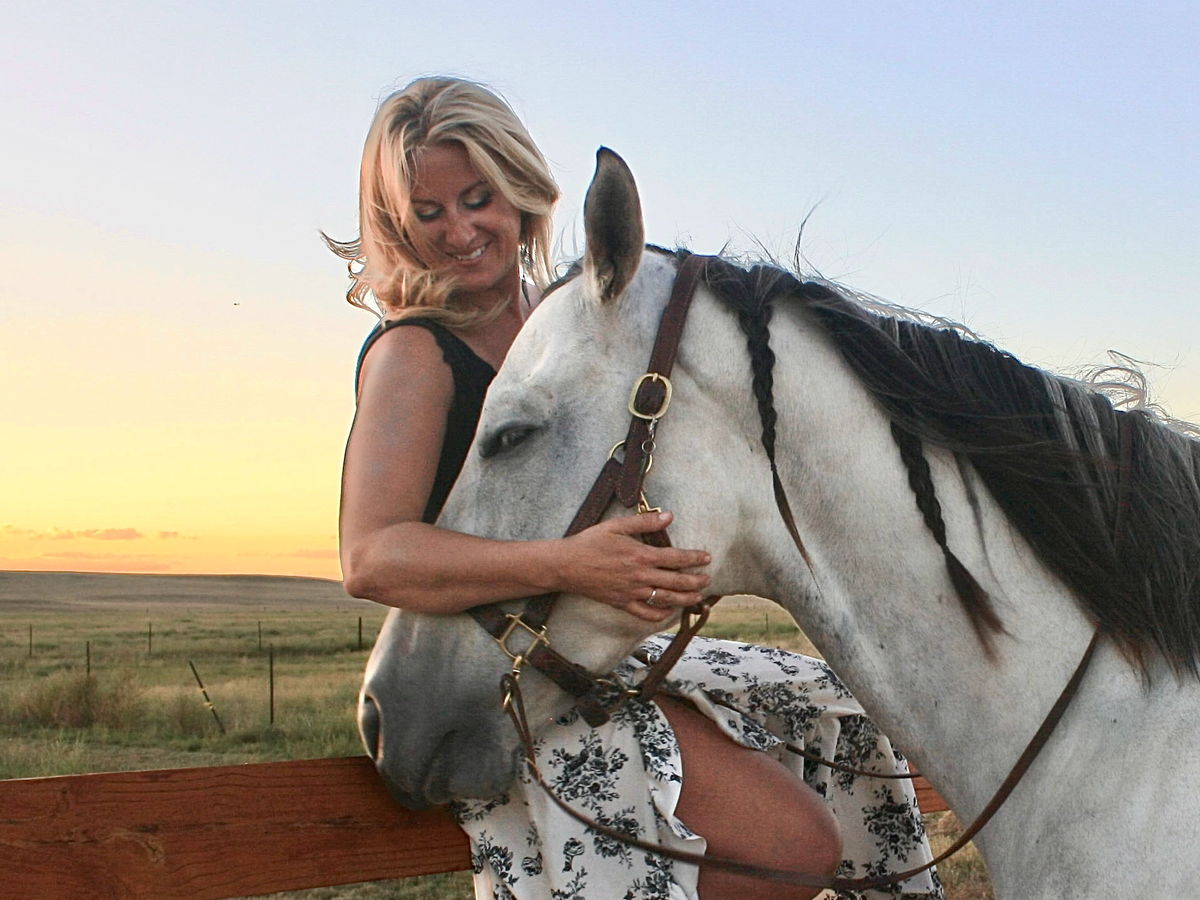
Support Phoenix: Colic Emergency & Cancer Scare
0% complete
$466 raised of
10 donations
The Scene That Broke My Heart
I stepped out into the dim light around 6 AM and instantly knew something was terribly wrong. One side of the pasture fence was destroyed. Dirt churned up everywhere like a battlefield. And there was Phoenix, my five-year-old Thoroughbred, tangled in the fence. His sides heaving. Eyes wide with pain and panic. For a heart-stopping moment, I couldn't tell what was mud and what might be blood.
My world stopped.
I ran to him, hands shaking, voice as calm as I could manage while my mind raced through worst-case scenarios. I was already dialing the vet before I even finished untangling him from the electric cord.
The Day Before
At 3 PM on Friday, Phoenix showed the first signs. I was doing dishes like any other day, looking out over our beautiful property, when he stepped into my view. I knew something was off.
The he started pawing at the ground and started rolling.
I ran out to get him, placing him in the cross-ties of our wash rack so he couldn't lie down. The sweat, rapid breath, and loss of appetite were more than enough for me to make the decision to medicate him and call the vet.
For those unfamiliar, colic is essentially severe abdominal pain in horses, and it's the leading cause of emergency equine deaths in the United States. It can be caused by gas, impaction, twisted intestines, or dozens of other issues, and it can turn deadly in hours.
This wasn't Phoenix's first battle with colic. Two years ago, it nearly killed him. That hospitalization cost over $6,000 and left me terrified of ever seeing those symptoms again. Because Phoenix nearly died from colic before, I knew these symptoms could turn deadly fast.
I gave him Banamine (a pain reliever and anti-inflammatory) and called the vet's office immediately. He seemed to bounce back to normal, and after consulting with the vet, we agreed to monitor him closely. I watched him until midnight, fasting him and watched for any signs of distress, praying this was just a minor episode.
I went to bed worried but hopeful. Five hours later, I found him fighting for his life in that fence.
The Emergency and Critical Decisions
I called the vet's office the moment I got Phoenix safely untangled and standing. Dr. Kalli from Prescott Valley Animal Hospital arrived in less than an hour. She intubated him through his nose and pumped roughly four gallons of water and medication directly into his stomach to flush his system. Then came the rectal exam that confirmed my worst fear: impaction.
Her words hit like a punch: "If he doesn't pass manure within three hours, we'll need to transport him to Cave Creek for possible colic surgery."
I prepped the trailer with shaking hands. Then I waited. Paced. Prayed. Watched every movement, every breath, begging his body to respond.
Two hours felt like two days.
Finally, he passed a small amount. His intestines were moving again. But the vet's warning echoed in my mind: "He's not out of the woods. We've lost several horses this year who seemed fine and then passed.
I faced an impossible choice. Phoenix needed overnight observation at the referral clinic in Cave Creek, but the long trailer ride itself could trigger a relapse. The stress, the dehydration, the movement could send him spiraling back into severe colic.
I decided to watch him myself. Every hour, all night, checking vitals and monitoring for any sign of decline. The trailer stayed hitched and ready. My keys stayed in my pocket.
By Sunday morning, Phoenix was passing manure normally and eating again. He's recovering well, but the fight isn't over. The good new is that he's a fighter!
Who Phoenix Is
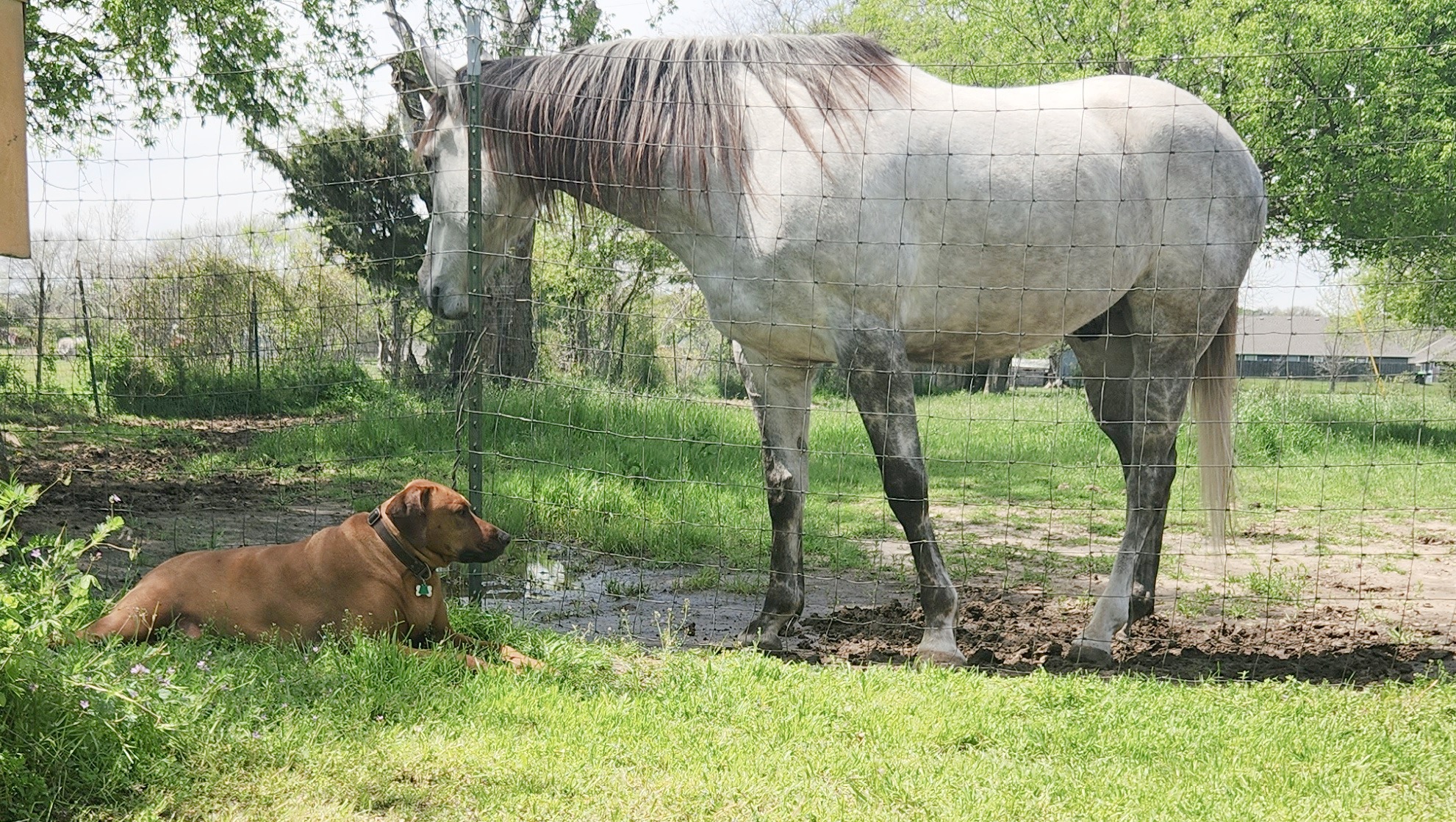
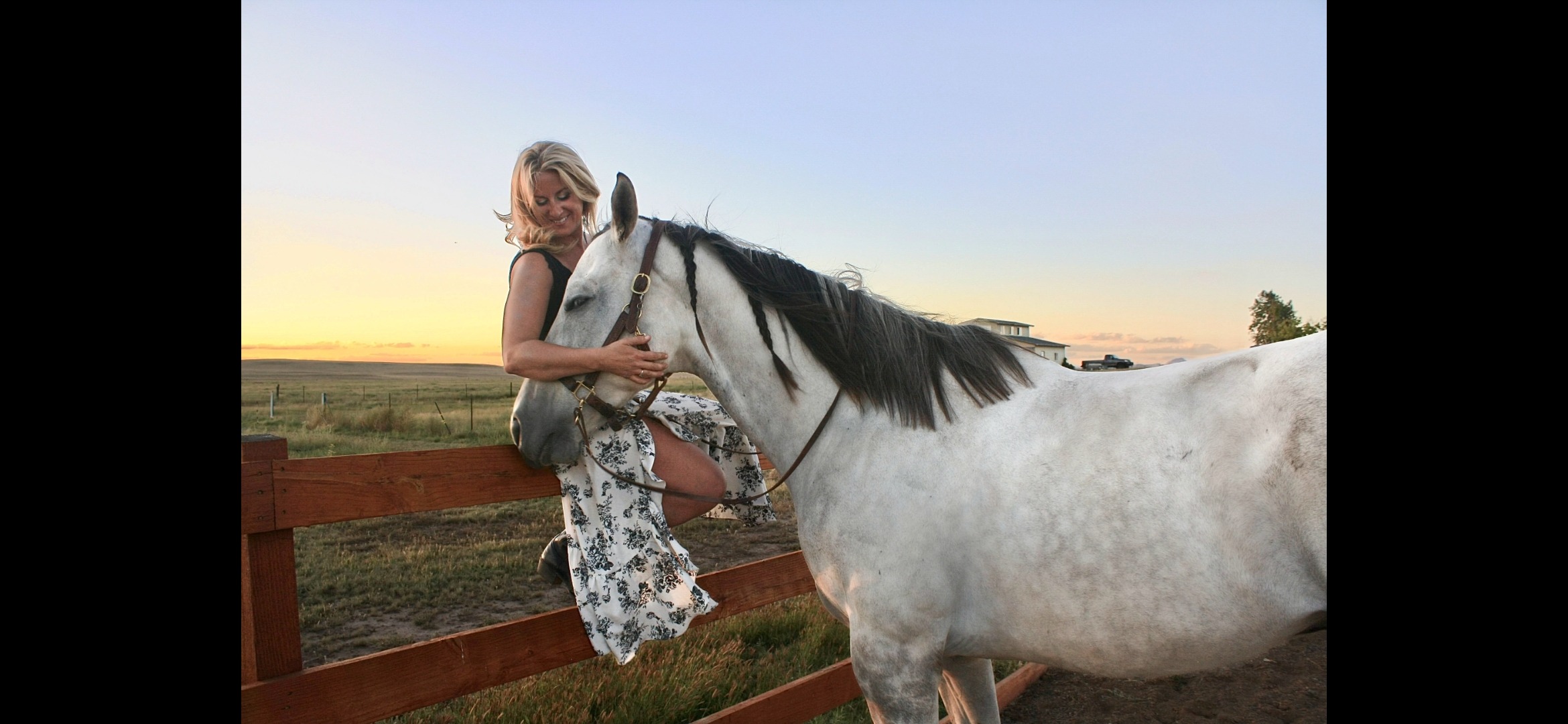
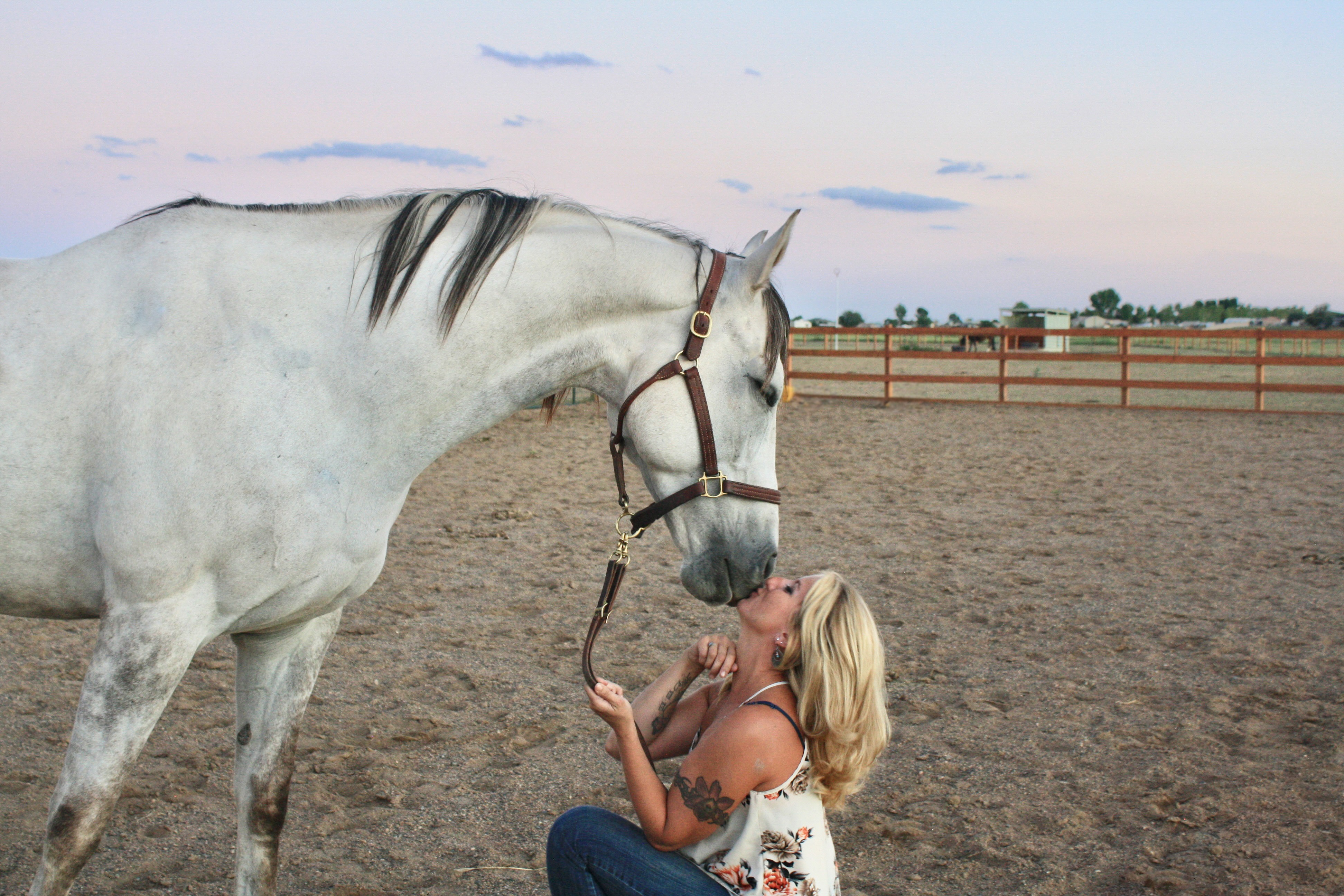
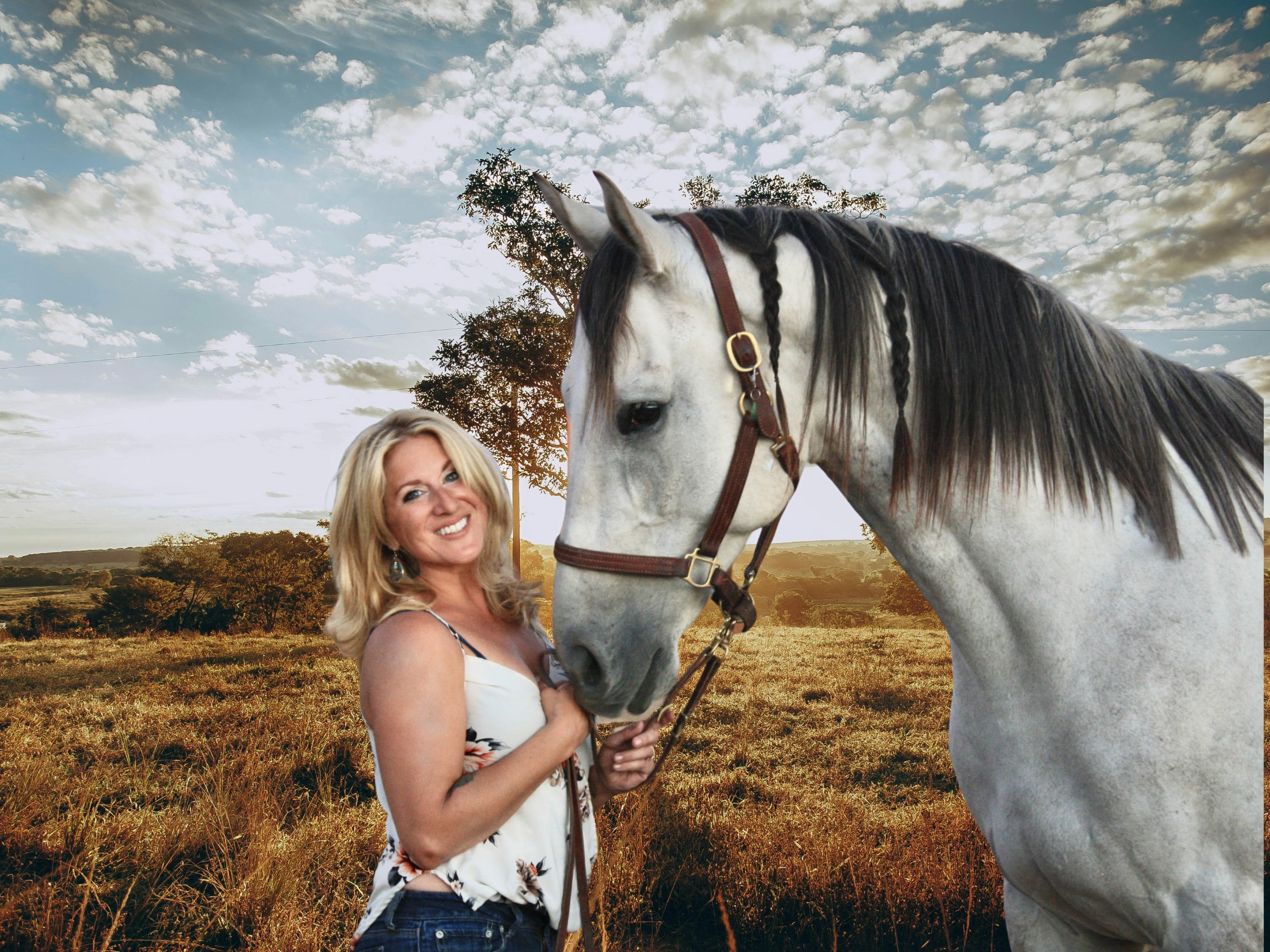
Phoenix isn't just a horse. He's family.
I rescued him at age two after learning he had recurrent laryngeal neuropathy (RLN), a nerve disorder commonly called "roaring" that limits airflow and ends most athletic careers. For many horses, this diagnosis means euthanasia. For me, it meant he deserved love even more.
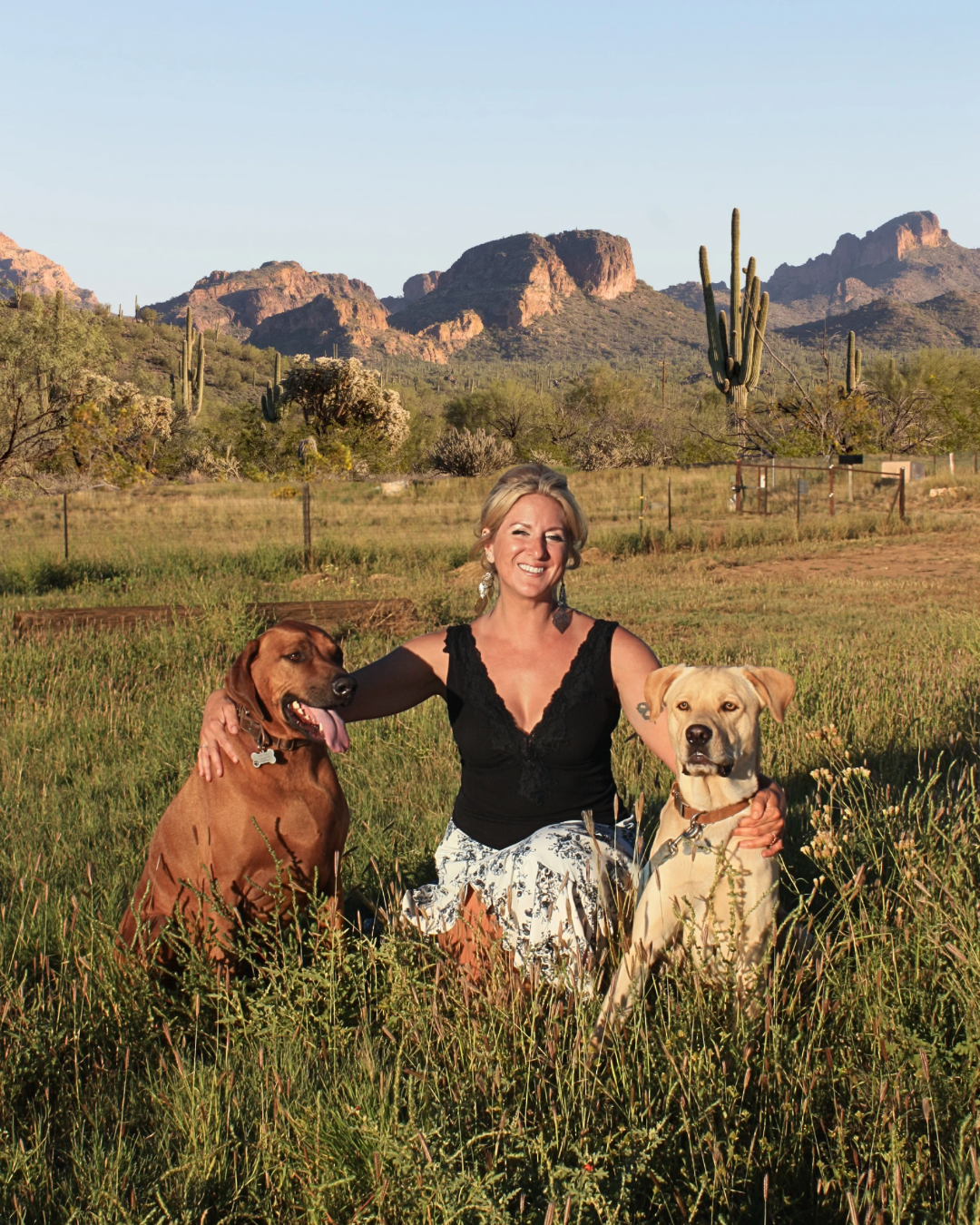
He's now five years old, a gentle 17-hand Thoroughbred with a heart as big as the Arizona sky. When I moved to Prescott in January 2025 to start a new chapter, I brought my small family with me: Phoenix and my two rescue dogs. Animals are my family, my purpose, and my therapy.
Who I Am and Why This Matters

I'm Lily, and I grew up around animals. My father was a veterinarian, so animal care has always been in my blood. I work as a ranch hand caring for seven horses, teach part-time at a holistic healing arts studio, and am an artist who hosts group art sessions. Between all of that, every spare moment goes to Phoenix and my two rescue dogs Atlas and Enzo.
My long-term dream is to open a nonprofit rescue for equine athletes like Phoenix, horses who often face euthanasia when they can no longer perform. I'm also a TIP (Trainer Incentive Program) trainer, working to gentle wild mustangs for adoption. It's my greatest passion to find loving homes for all of these beautiful creatures.
Right now, though, I'm a single mother to three four-legged boys who recently relocated and whose savings have been depleted by emergencies like this one.
What We're Facing Now
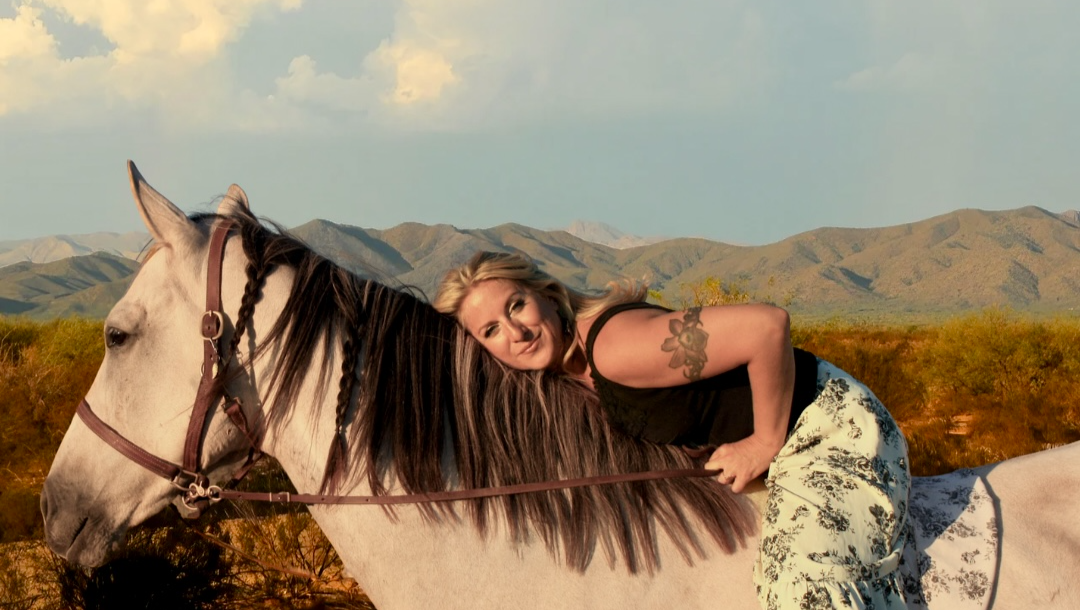
This emergency didn't just leave me with another significant vet bill. It revealed new concerns. During her exam, Dr. Calli identified a melanoma under Phoenix's tail that needs a biopsy and possible treatment.
Phoenix is now confirmed to be colic-prone, which means his care requirements go far beyond a typical horse. In Arizona's high-desert climate, where dehydration happens fast and heat stress is constant, vigilance isn't optional, it's survival.
How Your Support Helps
I'm asking for support to raise money to cover:
Outstanding Emergency Costs
- Pay off the remaining balance from Phoenix's recent colic emergency and follow-up care
Melanoma Diagnosis and Treatment
- Cover the biopsy to determine if the melanoma is malignant
- Fund any necessary treatment based on biopsy results
Comprehensive Colic Prevention Plan
- High-quality soaked hay and beet pulp for hydration
- Electrolyte supplements for Arizona's heat
- Gut-supporting supplements (prebiotics, probiotics, digestive enzymes)
- Psyllium and monthly sand-prevention supplements
- UV-blocking sheets and fly masks to protect his skin and slow melanoma growth
- Rubber mats and raised feeders to prevent sand ingestion
- Regular dental exams and teeth floating
- Targeted deworming program
- Emergency colic medication kept on hand for all horses on the property
Equine Health Insurance
- Secure a policy to help with future emergencies and give us both peace of mind
Every dollar helps keep Phoenix safe, healthy, and able to live the full life he deserves. Every share helps us reach people who understand what it means to fight for an animal you love and helps spread life-saving information to other horse owners.
Preventing Colic: What Phoenix Has Taught Me (And What Could Save Your Horse)
Colic claims roughly one out of every 100 horses each year nationally. In a county as large as Yavapai, that means dozens of horses lost annually. Living in Arizona's high desert has taught me how quickly things can go wrong, but also what we can do to protect our horses.
Here's what Phoenix's preventive care plan includes and what every horse owner should know:
Hydration Is Everything
- Always provide clean, accessible water (check that it's not frozen in winter)
- Soak hay and beet pulp to increase water intake
- Offer free-choice loose salt and electrolytes, especially during heat or stress
- Horses need to drink 5-10 gallons daily; dehydration is a primary colic trigger
Feed Smart and Consistent
- Offer small, frequent meals throughout the day rather than large feedings
- Use high-quality hay as the foundation of the diet
- Introduce any feed changes gradually over 7-10 days
- Avoid sudden switches in hay type, grain, or pasture access
Prevent Sand and Impaction
- Feed off the ground using rubber mats or raised feeders
- Administer psyllium supplements regularly to help clear ingested sand
- In desert climates, sand colic is extremely common and often deadly
- Monthly sand-prevention supplements can be life-saving
Keep Them Moving
- Provide daily turnout and exercise to maintain gut motility
- Movement keeps the digestive system functioning properly
- Avoid long periods of stall confinement when possible
- Overnight turnout helps prevent heat stress during Arizona summers
Support Gut Health
- Use prebiotics and probiotics to maintain healthy hindgut function
- Consider digestive enzymes, especially for senior horses or those with sensitive systems
- A healthy gut microbiome is your first defense against colic
Dental and Parasite Management
- Schedule regular dental exams and teeth floating (every 6-12 months)
- Poor dental health leads to impaction from improperly chewed food
- Follow a targeted deworming program to minimize parasite-related colic
Watch for Early Warning Signs
- Loss of appetite or decreased water intake
- Pawing at the ground
- Excessive sweating
- Shortness of breath
- Rapid heartbeat
- Pale gums
- Repeatedly looking at or biting at flanks
- Rolling or lying down more than usual
- Reduced or absent manure production
- If you see these signs, call your vet immediately. Time is everything
Why Sharing This Story Matters
Your support doesn't just help Phoenix. It helps spread awareness about colic prevention that could save lives across our community and beyond. Horse owners will share this information with other horse owners. Barn managers will implement better hydration strategies. Someone, somewhere, will recognize the early signs and call the vet in time.
If sharing Phoenix's story saves even one horse, it's worth it.
Thank You for Being Part of Phoenix's Journey
I never imagined I'd be here asking for help, but I also never imagined how much support and kindness exists in this community. Whether you can contribute $5, send a prayer, or a share on social, every bit of support matters.
Phoenix truly lives up to his name: a symbol of rebirth and resilience. Your support keeps him safe and gives hope to others facing the same fight.
Thank you for helping us rise again.
Lily & Phoenix