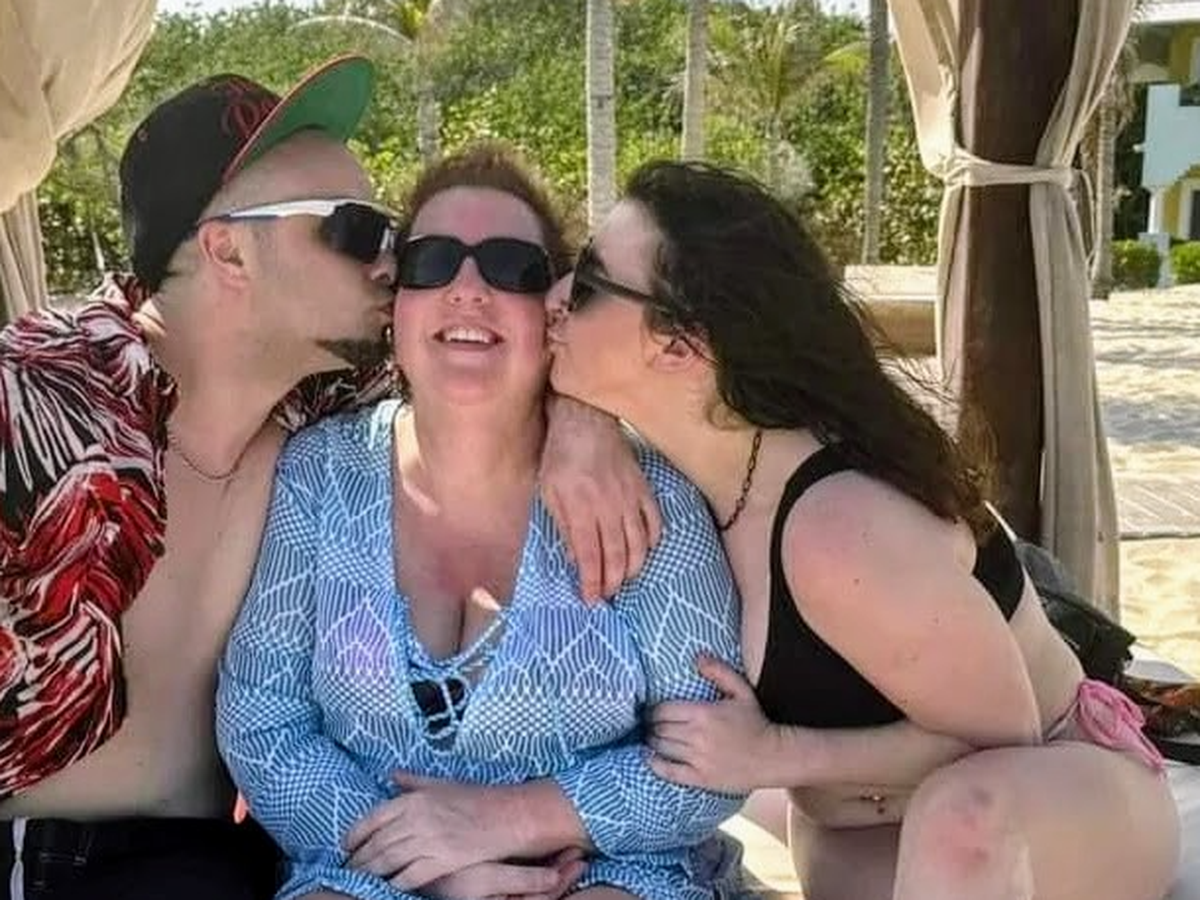
- J
- B


A few months before two major milestones in our family—finishing my PhD to become a scientist, and my sister in midst of a major life and career redirection—our parents’ world collapsed beneath them. My father lost his dream auto-mechanic shop of 10 years to increasing rental costs which shortly then overlapped with our mother’s diagnosis of an extremely rare and aggressive cancer. Adrenal Cortical Carcinoma (ACC) appears on many lists as one of the top rarest cancers in the world, for example, an individual is 125 times more likely to get either breast or lung cancer rather than ACC. This aggressive malignancy strikes just 0.7 to 2 people per million each year, making many call it a one-in-a-million cancer. This statistic distinguishes it in the community as an "orphan disease". I have come to learn this label resonates the term 'orphan' in the saddest ways, leaving those with it, feeling lost and forgotten in a world that has tons of support for cancer through government and non-profit financial assistance programs, wellness retreat opportunities, support groups and fundraisers - hours over days and weeks spent searching for hope, only to find your specific cancer is no one else’s concern - all the time spent researching results in finding your orphan cancer doesn’t qualify for the vast majority of support, especially in today's world. Lots is known about this devastating cancer, but few clinical trials occur leaving terrible treatment options that seem barbaric to the body due to their substantial life altering off target effects. ACC’s limited research results in frequent insurance denials for treatments that might help—simply because the data doesn’t exist (Example: targeted immuno-therapy drugs that cost over $100,000 show promise from case studies but do not qualify for insurance coverage). Despite all this, for over three years, Pamela has fought relentlessly, learning and sharing stories with fellow ACC warriors.
For those of you that know me (Kevan) personally, please know that I have spent copious amounts of time bringing forth the entire arsenal of every skill I have learned in my scientific career to scour the internet for options and help, including diving deep into the research at molecular levels. Only to be brought to despair in ways that allow me to understand some semblance of the despair my mom sometimes experience's and it astonishes me how much strength she has had through this. Pamela is a proud, giving person who has always helped others—and this idea of asking others for money is not something we pride ourselves on. But now, our family after three years of this battle, desperately need help and hope to continue this fight for her to live as long as possible. The financial and psychological tolls of this battle have hit an all-time high for our family.
A tumultuous start: In late 2021, Pamela was prescribed blood pressure medication for symptoms she complained about, we now know this was due to them overlooking other symptoms and this medication may have fueled some of the cancer growth. For months she reported severe side pain and other symptoms that were constantly dismissed, no one scanned her side for half a year. No doctor said “cancer,” and no one mentioned ACC—this was a critical time where early diagnosis could have led us to seek knowledgeable expert care that might have changed everything. In all honesty, the doctors initially made her feel like an emotional woman who was constantly complaining about things that weren’t real. After half a year of knowing something wasn’t right she sought new help. After all this, her frustration finally led to the truth on the very first scan of her abdomen: a tumor larger than the size of a softball had engulfed her entire left adrenal gland. In June of 2022, a local surgeon assured her it was a routine surgery, but during the procedure, the tumor ruptured, spilling cancer cells throughout her abdomen and escalating a devastating diagnosis into a nightmare. We now know, the surgeon was not aware that this specific cancer’s tumor morphology including the way it adheres to internal tissue are substantially different from many common cancers. This is undeniably a major factor that led to tumor mishandling causing rupture. The surgeon casually remarked, "It felt like tofu," with little remorse. At detection, it was already Stage 3, with a prognosis of 2-5 years. Countless research papers emphasize that a clean tumor removal is the best predictor of survival—sadly, this was the opposite, a ferocious setback unique to ACC's invasive nature, where tumors often grow large, necrotic, and prone to such ruptures.
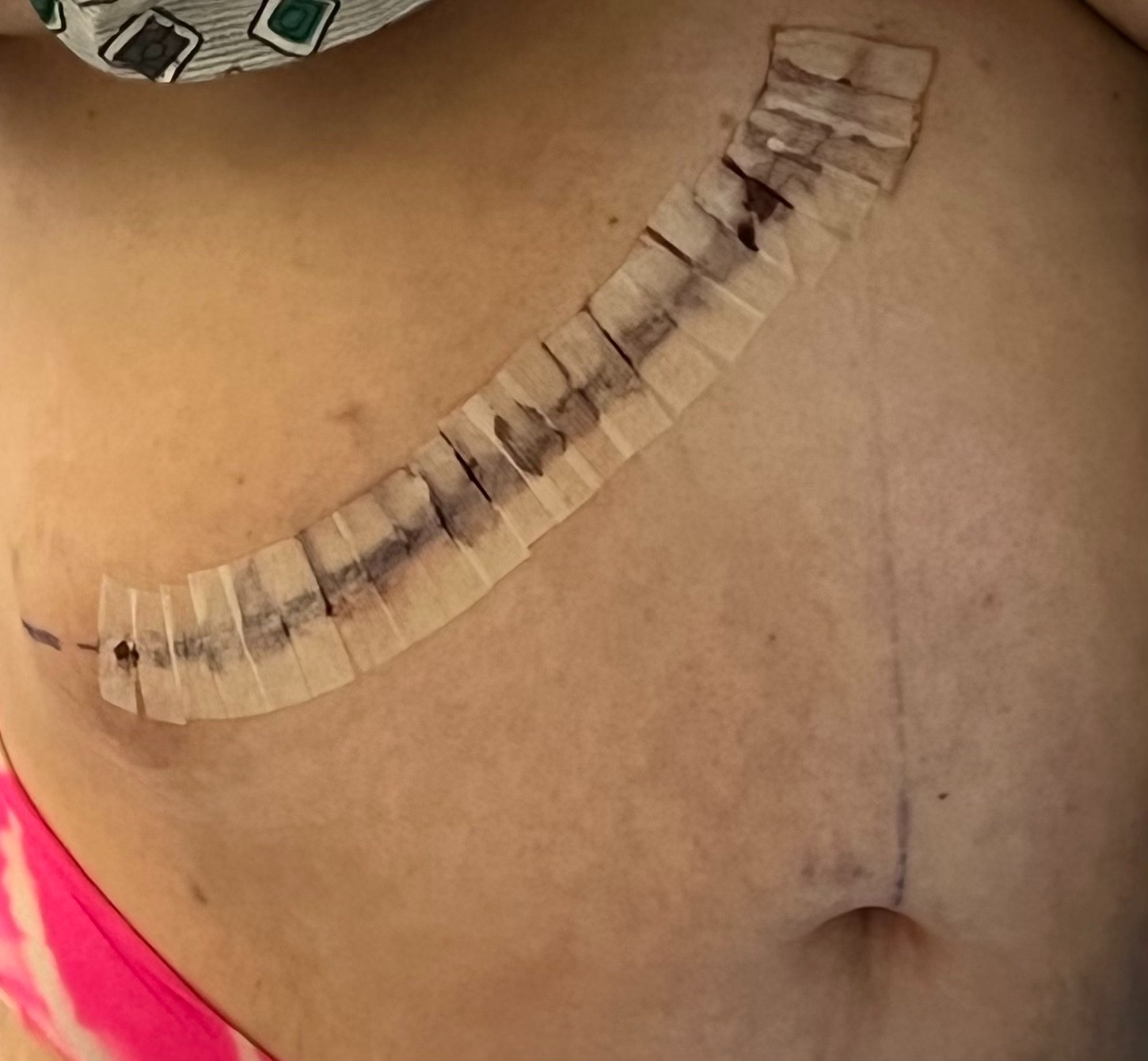
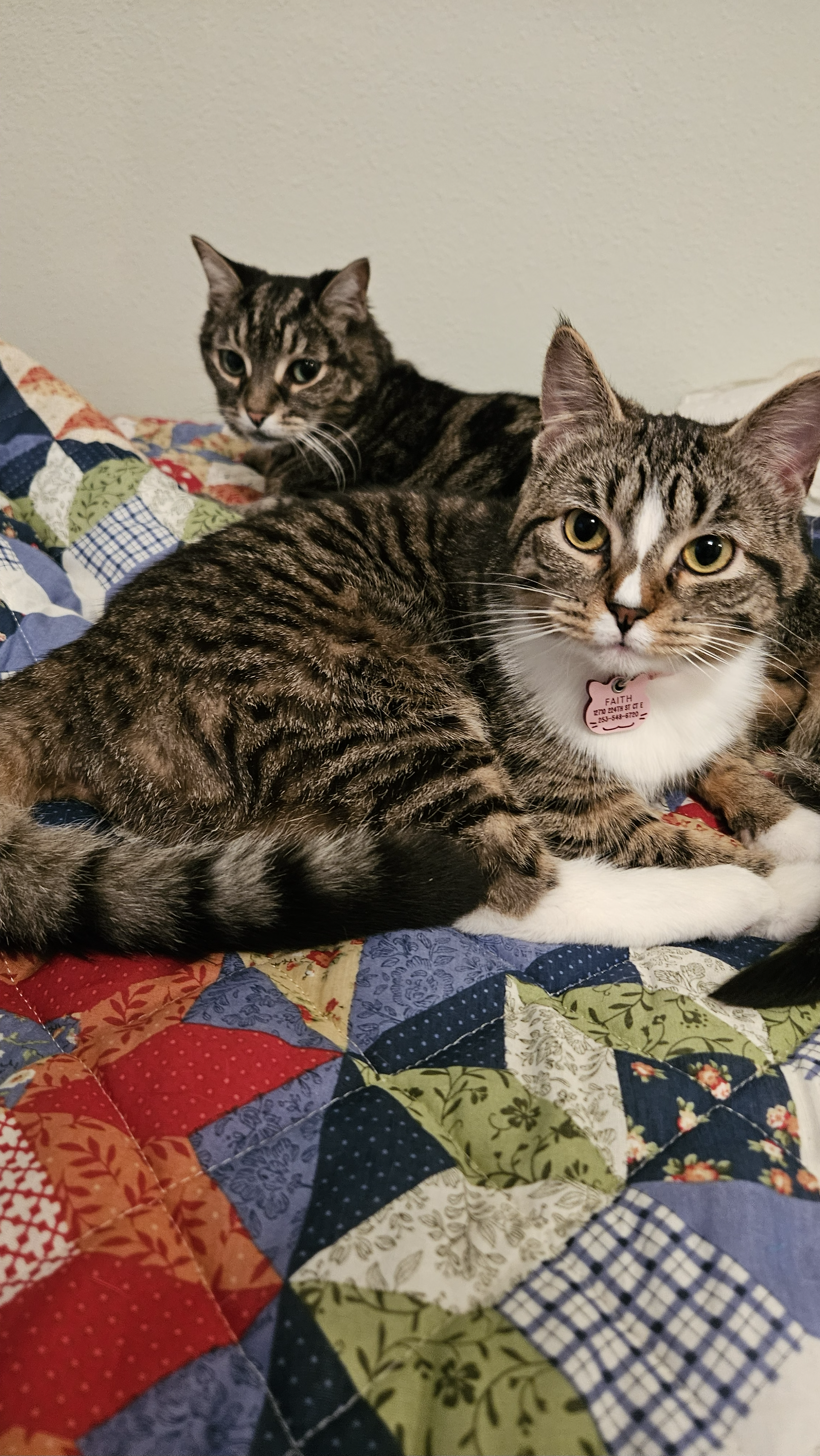
Pamela's fighting journey: Since the rupture, Pamela has pursued every viable path: chemotherapy, proton therapy, and the removal of her adrenal gland, which left her dependent on steroids that triggered severe anxiety until she willed her remaining gland to awaken. A recurrence brought more chemo, then a second surgery that ballooned from 2 hours to 7 as the surgeon uncovered the mess from the first—dozens of unexplained staples causing chronic pain. After healing, proton radiation followed. The tribulations of life's other pressures stacked piled in ways that made us feel cursed as a family. During this time our long time family cat named 'Hope' died (she led a good long life), but my mom was the one to care for this car during her decline. My mother then after finishing radiation got a new kitty named 'faith', she called faith her cancer kitty. Unfortunately faith died in my sister and moms arms before the age of 1 from a heart abnormality. Throughout all this, our mothers endured immense physical agony, hormone crashes, intense neuropathy, and numerous other side effects. Doctors are astonished she's still here, outpacing grim statistics since the rupture. Her day to day symptoms from cancer treatments are worsened by two other factors, 1)gastro-intestinal issues resulting from gastric-bypass surgery 10years prior and 2) going through menopause which adds hormonal complications and was something the original male oncologists did not consider with her treatments. She rejected one chemo drug that would destroy her last adrenal gland, leaving her steroid-bound for life with minimal benefits—it wasn’t worth the trade-off.
From the start, Pamela has blended conventional care with evidence-based holistic approaches: medicinal mushrooms, antiviral compounds, herbs, supplements, Reiki, cold plunges, saunas, and energy healing. These have remarkably shrunk tumors at times, I fondly remember a few scans ago when she came home telling us "the doctors finally asked me what I'm doing outside of their treatment to fight this and he took notes!". But ACC adapts, demanding constant shifts—and it's exhausting, a full-time job amid disability's limited income. My mother skimps on what she can afford, she takes half doses of many compounds to make them stretch longer, she tries so hard not to burden us, but we refuse to let finances dictate her fight. The emotional weight compounds everything: this cancer has upended her inner world, fueling anxiety that dominates days and conversations, making rare smiles a treasure. It's tested our whole family, pulling us toward stress and low moments as we rally around her—but her resilience inspires us to seek holistic support that heals mind, body, and spirit. Financial help would unlock psychiatric care to ease her mental burdens and access to specialized cancer retreats, where medical expertise meets spiritual renewal, restoring balance for her and lifting us all toward hope. Another big motivation to get us to finally start this fundraiser is hearing my mother mutter statements such as “I’m starting to think about how much I burden the family with debt versus giving up”. Only 30% of ACC patients survive past 5 years. But the strength I see in my mother and in that at times the tumors have shrunk, lead me to have some hope and believe this fight is worth it.
ACC's unique relationship with mental health: To understand ACC's cruelty, consider the adrenal glands: these small organs sit atop the kidneys like vigilant sentinels, producing essential hormones such as the well-known hormone 'cortisol' that helps the body manage everyday stresses—regulating energy levels, blood pressure, immune responses, and even how we bounce back from challenges. When you got to sleep at night your body slowly decreases the cortisol in your body followed by a slow increase of it in the morning to help you wake up and prepare for the day. When ACC invades the outer layer (the cortex), it disrupts this delicate balance, often flooding the system with excess hormones that cause symptoms like rapid weight gain, muscle weakness, high blood pressure, and profound mood swings—mirroring a body stuck in constant "fight-or-flight" mode. This hormonal chaos not only fuels the cancer's growth but wrecks emotional well-being, amplifying anxiety and depression as the mind grapples with an internal storm it can't control. For Pamela, it's meant relentless hyperfocus on her health, waves of overwhelming stress that eclipse joy, and a psychological toll that leaves her—and us—yearning for moments of peace. These unique features of the disease make it all the more necessary and at the same time difficult to reduce stress. For going through this and fighting, she's an absolute warrior, drawing strength from family and finding purpose in helping others in the ACC community.
A Glimmer of Hope: Pamela’s unique patient profile has qualified her for an intensive, potentially life-extending surgery at the National Institutes of Health (NIH) led by doctors who are known as some of the few experts in the world on ACC, Dr. Del Rivero and Dr. Hernandez. The surgery will remove cancerous tissue from her diaphragm, spleen, kidney, and liver tumors (remnant infected tissue from the initial tumor rupture). This major surgery which would scoop out large amounts of her insides including rebuilding her diaphragm, requires many uncovered costs: travel across the country, 1-2 months of lodging near the hospital, and will require much post-operative care—NIH once shouldered more, but recent cuts have changed that. Their ACC experts at the NIH have begun communicating and guiding her local team, and we believe she'll pursue this, perhaps alongside another facility's integrative program. We don't want her worrying about bills—just focusing on recovery and thriving in the best, stress free environment possible.
Every donation goes directly to:
• Travel and lodging for NIH surgery, recovery, and other medical facilities.
• Medical co-pays and post-surgery care.
• Continued holistic therapies and natural medicines that bolster her healing.
• Psychiatric support and cancer retreats for comprehensive mind-body renewal.
• Day-to-day expenses while she recovers away from home.
If you can donate, share, or send words of encouragement, it means the world to Pamela and our family. Every act of support fuels her steps forward. For those who can't give financially, help with day-to-day items, equipment, products, or treatment discounts, or even lodging at a weekend get-a-way (a chance to find some peace among the stress) is all gratefully received.
With love and gratitude,
Kevan, Kimberly, Fred, and Pamela Mielcarek-Kidder.
______________________________________________
A message from Pamela: “This journey has tested me in every possible way, but I still believe in hope, healing, and community. I’ve spent nights researching, documenting, and sharing what I learn with others who are fighting similar battles. I am now learning to live and have balance while fighting cancer; it is harder than I ever could have imagined. I am a caregiver, and to be on the other end is trying. But I know something in this mix has kept me alive this long, and I am determined to keep going. I have met some wonderful people I would never have met if not for this journey. I found the love of crystals, Reiki, the little things in life, and what is truly important: family and making memories together, supporting each other. Those that take time out to help me—truly, thank you! My goal is to outlive the statistics, I would love to live long enough to see grand-babies, and be around to help others because I see, going through this, so much what is wrong with the system and why so many die from cancer. I know God, loved ones, and the energies of this universe will continue to help give me strength.”
Peace, love, and light - Pamela.