- R
- J

Support Our Son's Fight Against EB Butterfly Babies
0% complete
$2,515 raised of
38 donations
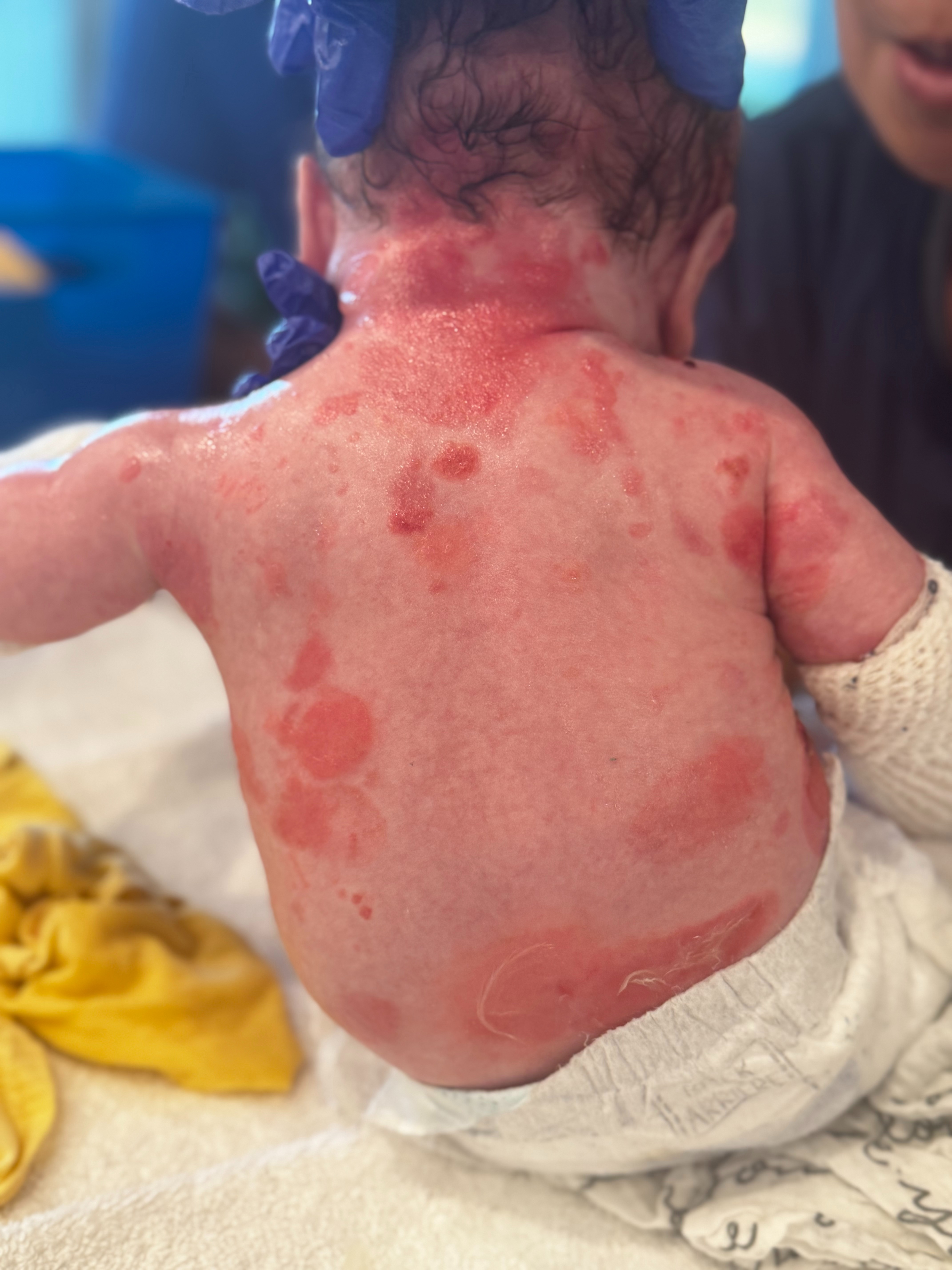
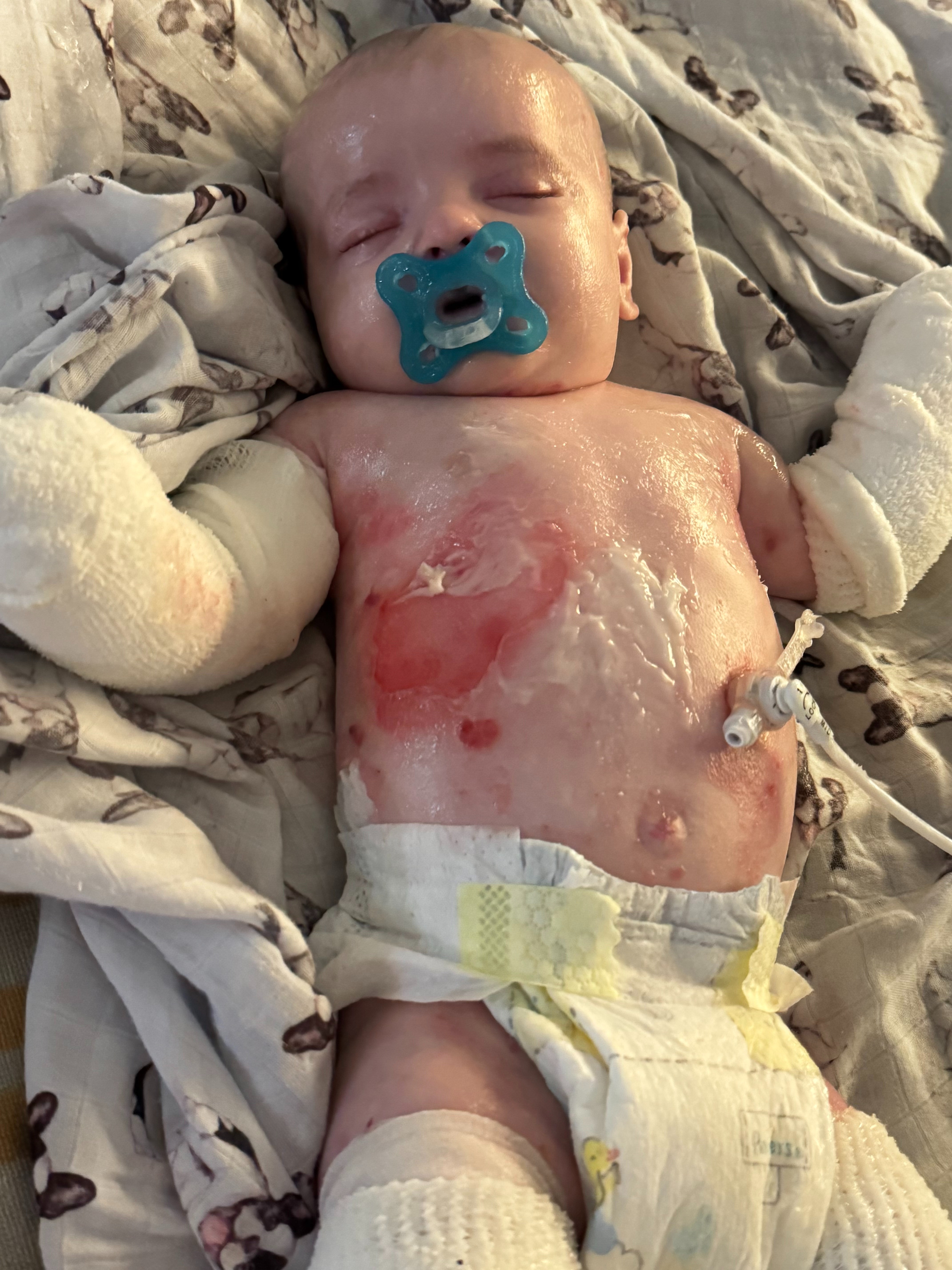
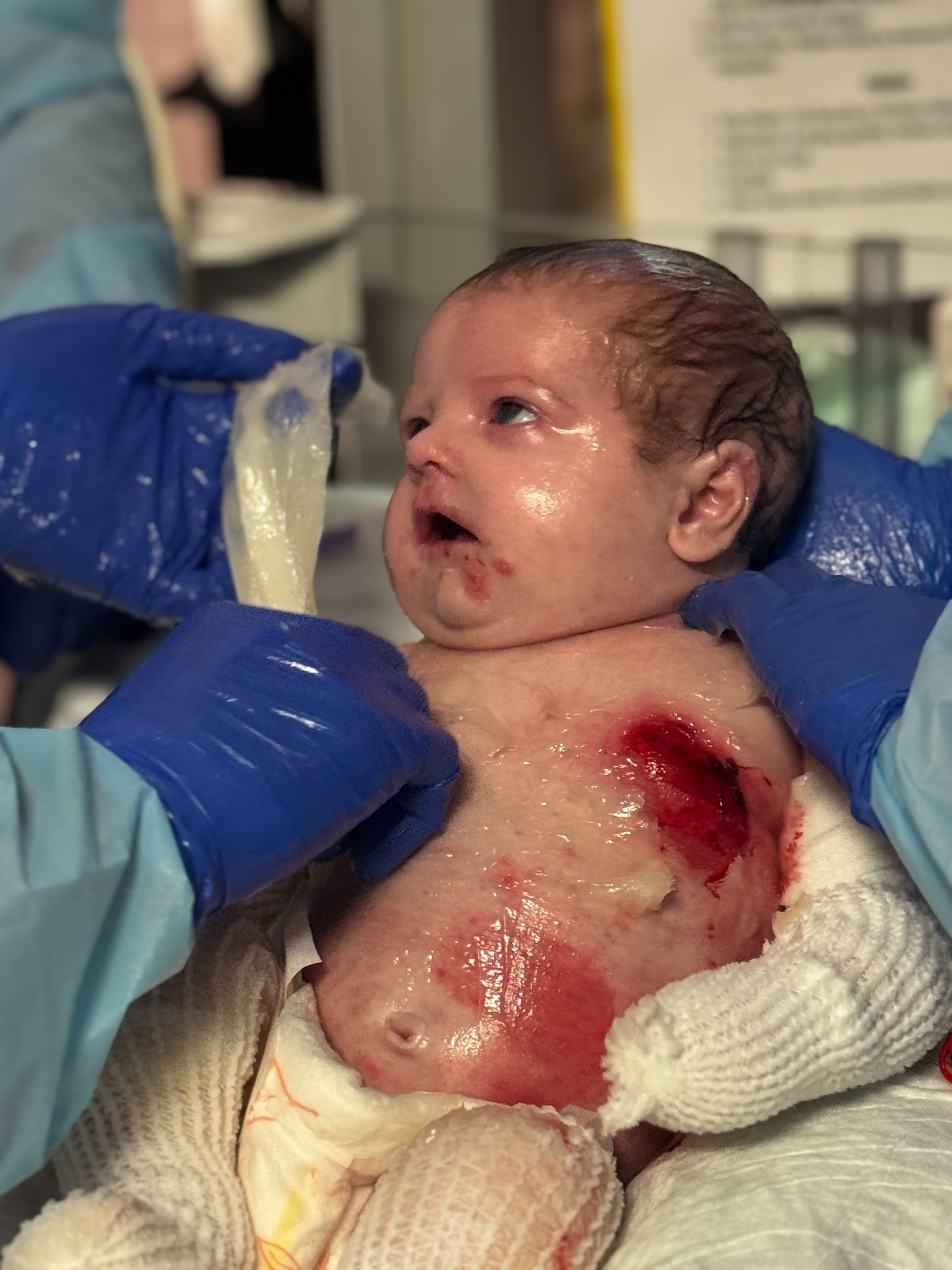
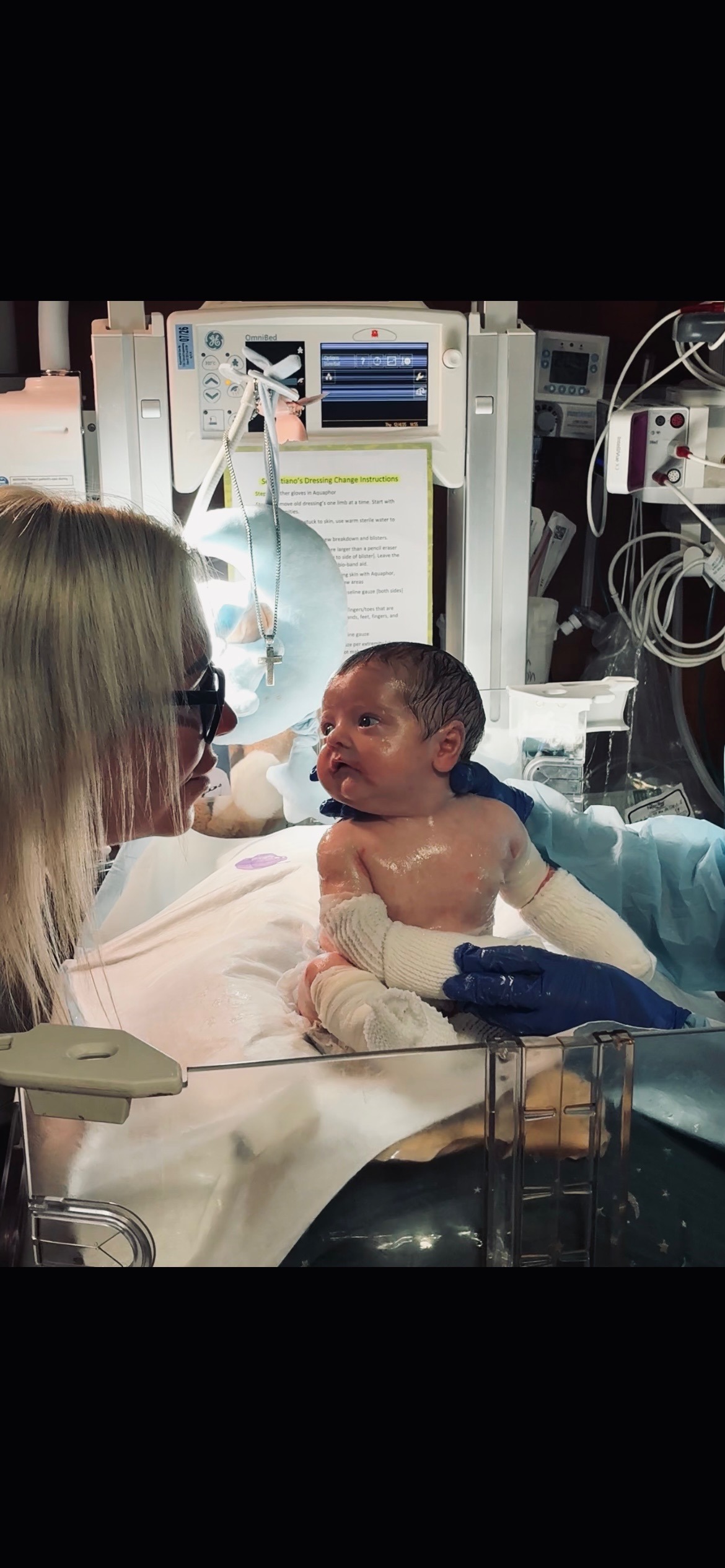
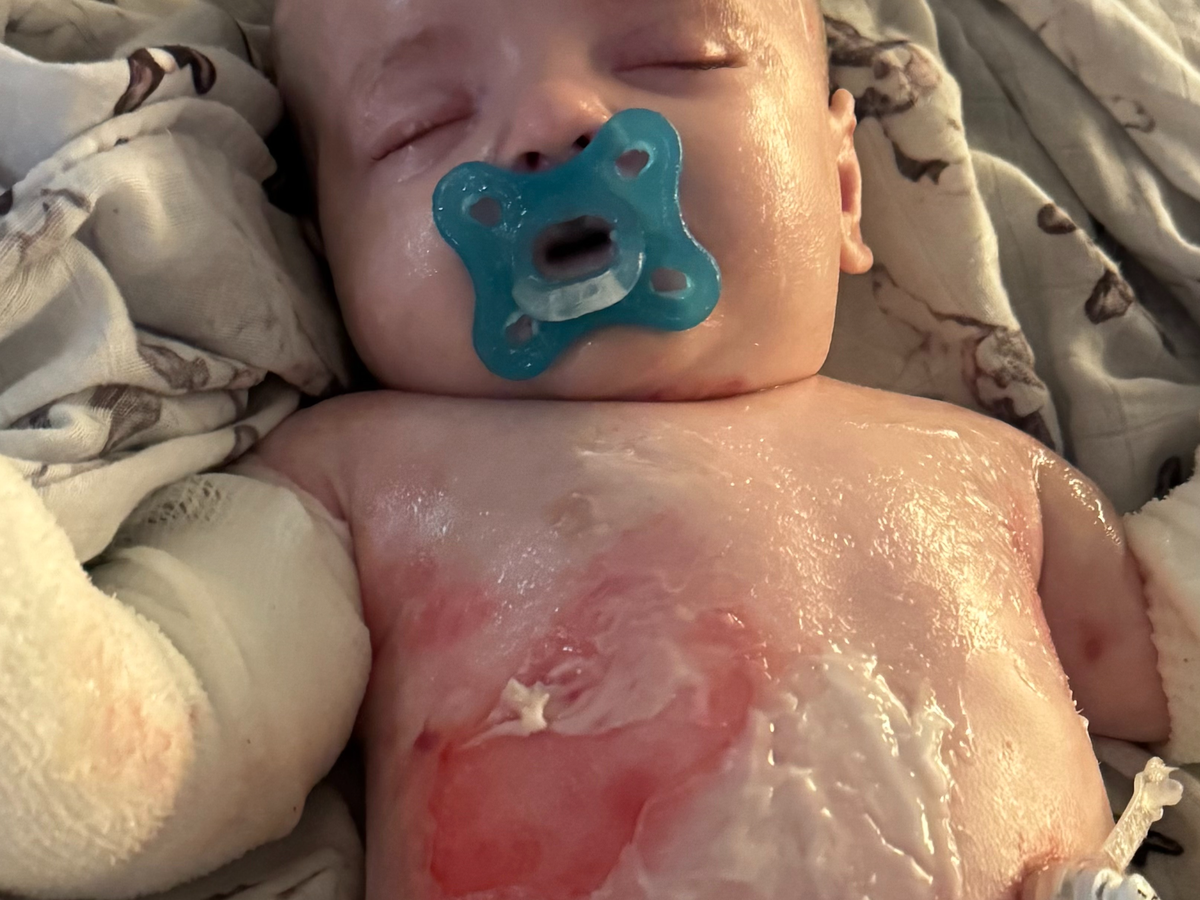
During our pregnancy, we were never made aware that our son showed any issues in utero. He had to come out 4 weeks early and when they performed my C-Section, I heard him cry, but was not allowed to see him right away. I was rolled into recovery with the NICU Doctor standing over me showing me pictures of our son. I asked, what is wrong with his skin. The Doctor stated that he has "EB", and I asked him what is that. His response was the worst disease that nobody has ever heard of and there was a 0.01 percent chance of this happening, but needed further genetic testing to confirm his clinical diagnosis. I went into the hospital dreaming of walking out with our son, but there was a different story to begin. I was told that due to his "condition" they wanted to lifeflight him to Miami, but they were unable to come and receive my son. So the next place was that he was sent to Tampa General. Never in my life have I heard the term "EB" . We are asking for donations due to the dressing supplies that are used daily that insurance does not cover . Aquaphor is the only treatment
Epidermolysis bullosa (EB) is a group of rare, inherited genetic conditions causing extremely fragile skin that blisters from minor friction or trauma. Caused by gene mutations resulting in deficient anchoring proteins between skin layers, it leads to painful, chronic, and sometimes fatal blistering. Treatment focuses on daily wound care, infection prevention, and pain management, as no cure currently exists.
Main Types:
EB Simplex (EBS): The most common type, where blistering occurs in the outer skin layer, often affecting hands and feet.
Junctional EB (JEB): A severe form occurring within the basement membrane, often presenting at birth.
Dystrophic EB (DEB): Involves mutations that cause deep, scarring wounds.
Kindler Syndrome: Characterized by blistering across all skin levels.
Symptoms
Blisters: Fragile skin that tears easily, often present at birth or early infancy.
Areas Affected: Blisters can occur on the skin, inside the mouth, throat, and esophagus, leading to feeding and breathing difficulties.
Physical Changes: Scarring, hair loss (alopecia), thickened nails, or deformed nails.
Physical Limitations: Contractures (hardened, shortened joints) and, in some types, fusion of fingers or toes.
Treatment and Management
Supportive Care: The primary treatment is meticulous, daily wound care, using non-stick bandages, and protecting skin from friction.
Infection Control: Preventive measures against infection, including ointments and antibiotics.
Surgical Intervention: Procedures to treat esophageal strictures or remove fused fingers/toes.
Nutritional Support: Managing feeding difficulties often associated with oral blistering.
Complications
Severe Complications: Chronic wounds can lead to sepsis and fatal infections.
Cancer Risk: Patients with recessive types have a high risk of developing aggressive squamous cell carcinoma, which is a common cause of death.
Long-Term Effects: Severe, chronic pain, poor growth, anemia, and, in some cases, early mortality.
Prevalence
EB is rare, with an estimated prevalence of 8.2 per million live births in the United States. Some studies suggest 1 in 50,000 children are affected, with approximately 200 children born with the condition annually in the U.S..
Current Management & Treatment
Wound Care: Gentle cleansing, specialized dressings, and topical treatments (like petroleum jelly or birch bark extract) to promote healing and prevent infection.
Pain Management: Oral or topical medications to control discomfort.
Nutritional Support: Dieticians and feeding tubes may be needed for issues with eating due to blisters in the mouth or esophagus.
Preventing Trauma: Protective clothing, soft bedding, and avoiding friction to minimize skin damage.
Surgical Interventions: May be necessary for complications like esophageal narrowing (strictures) or hand deformities.
Promising Research & Future Outlook
Gene Therapy: Clinical trials are exploring ways to correct the genetic defects causing EB, with some studies showing significant healing in treated wounds.
Cell-Based Therapies: Stem cell research aims to replace faulty skin cells.
Drug Development: New topical therapies are being developed to promote wound healing and reduce inflammation.