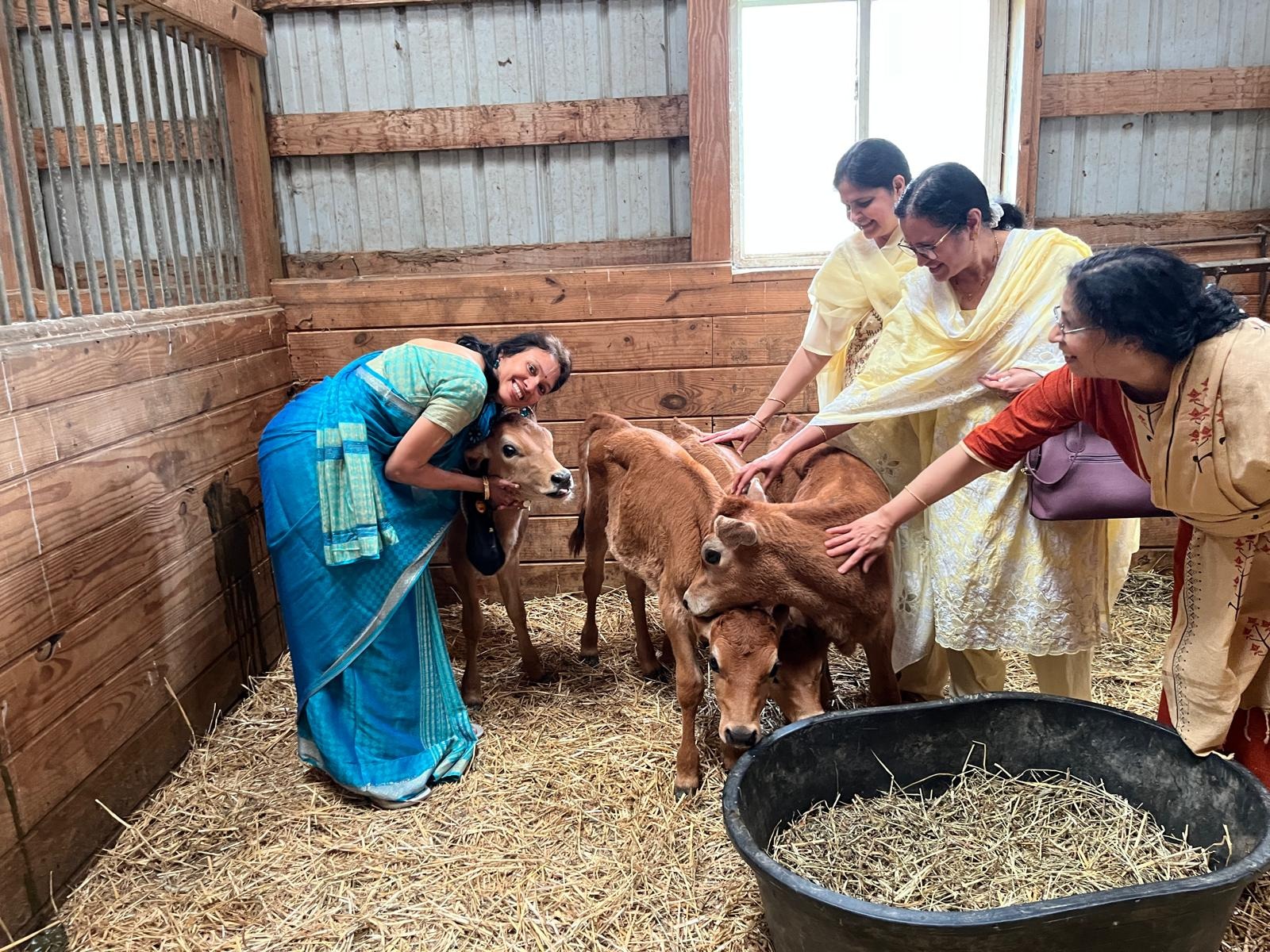
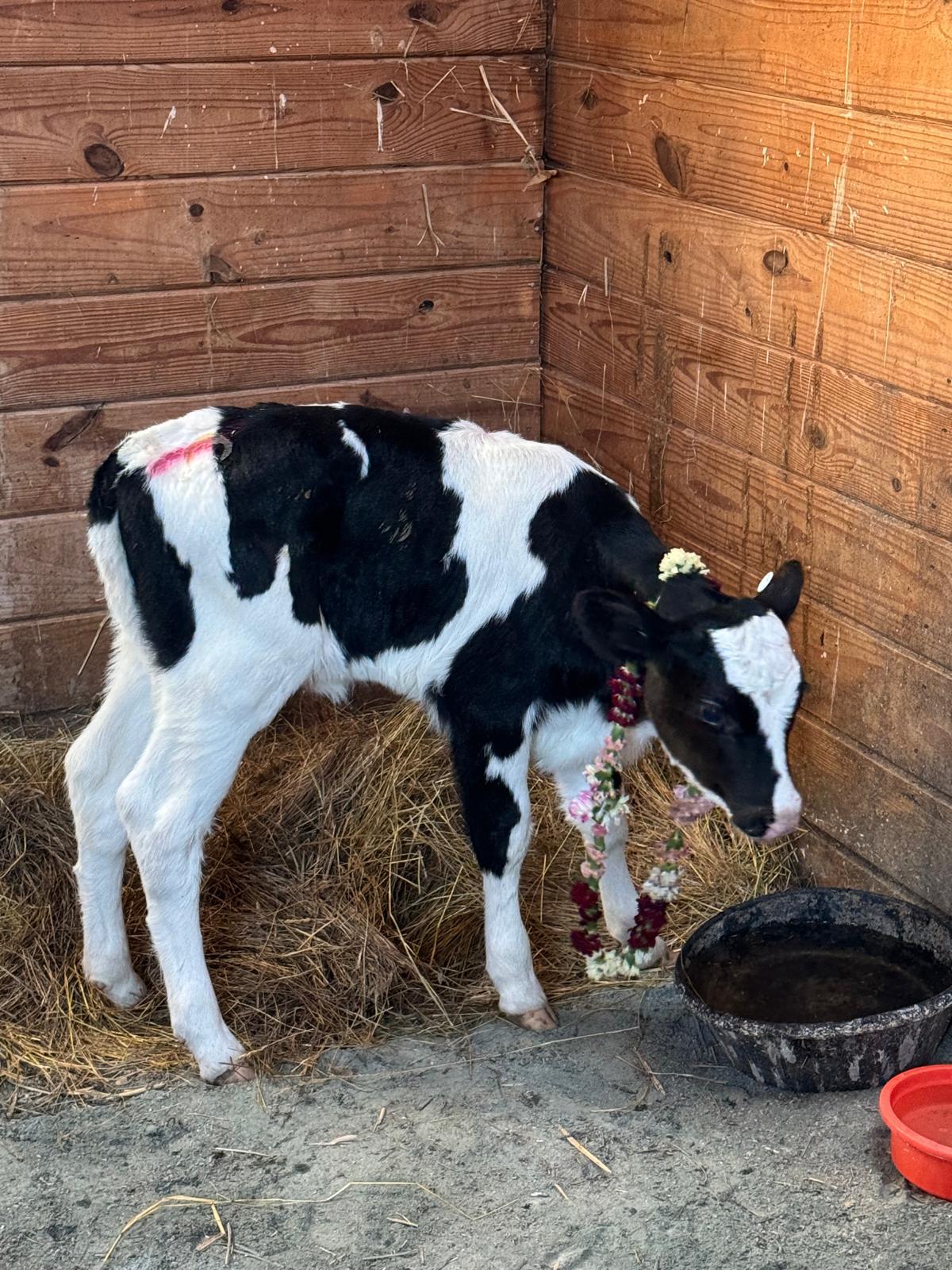
Hare Krishna, Thank you all for the incessant support to your Nilachal Dham Yoga Farm Gaushala!!
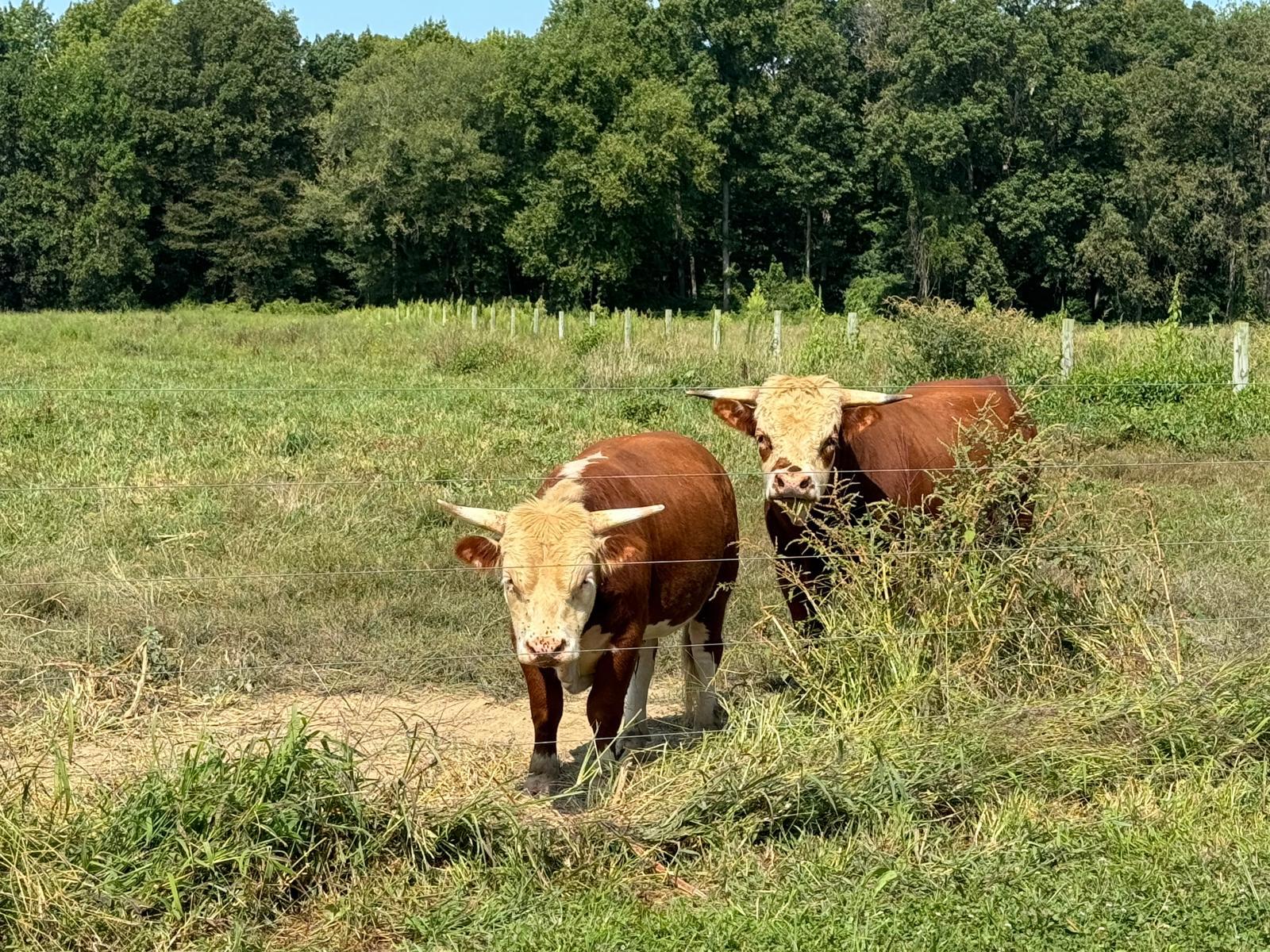
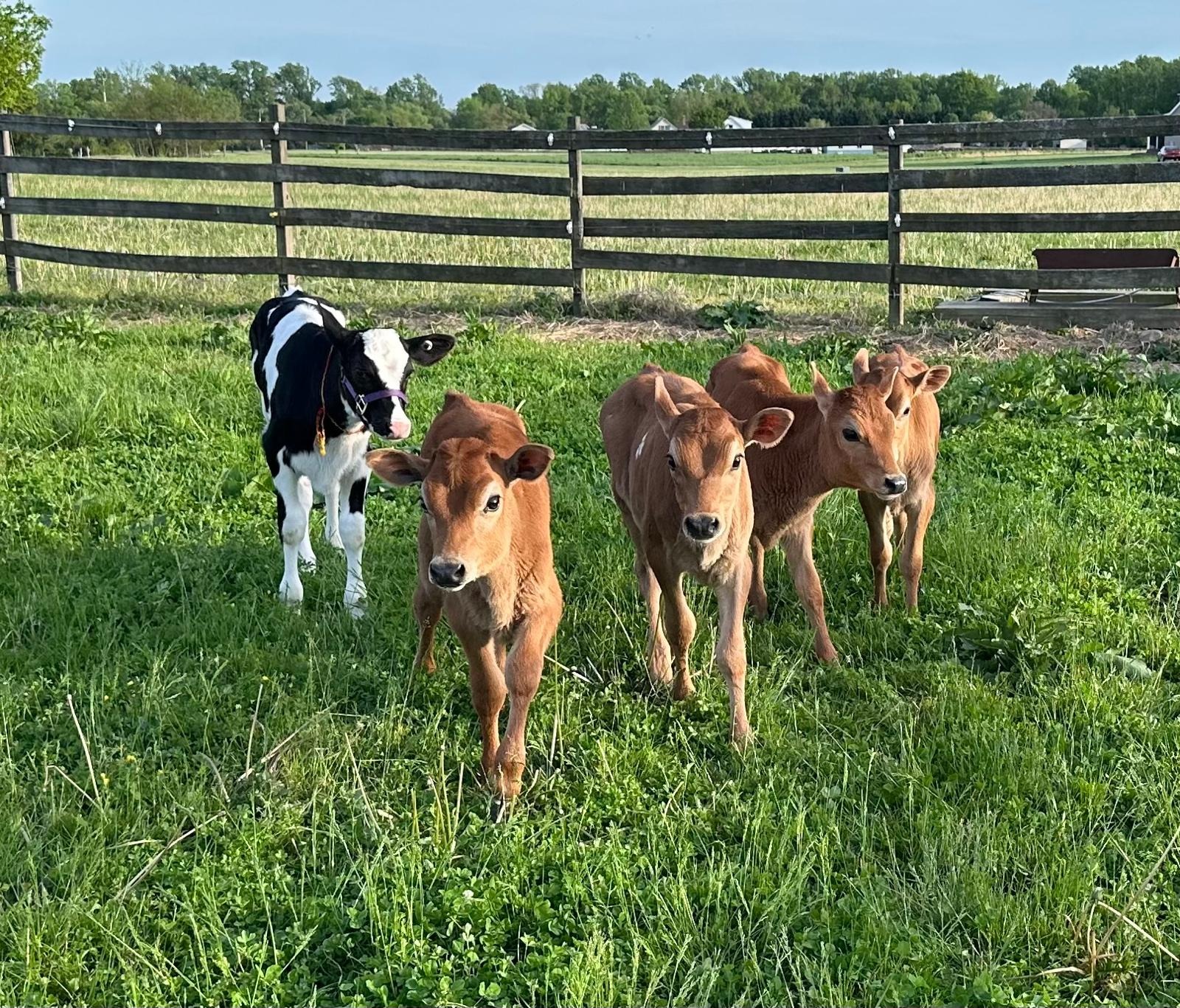
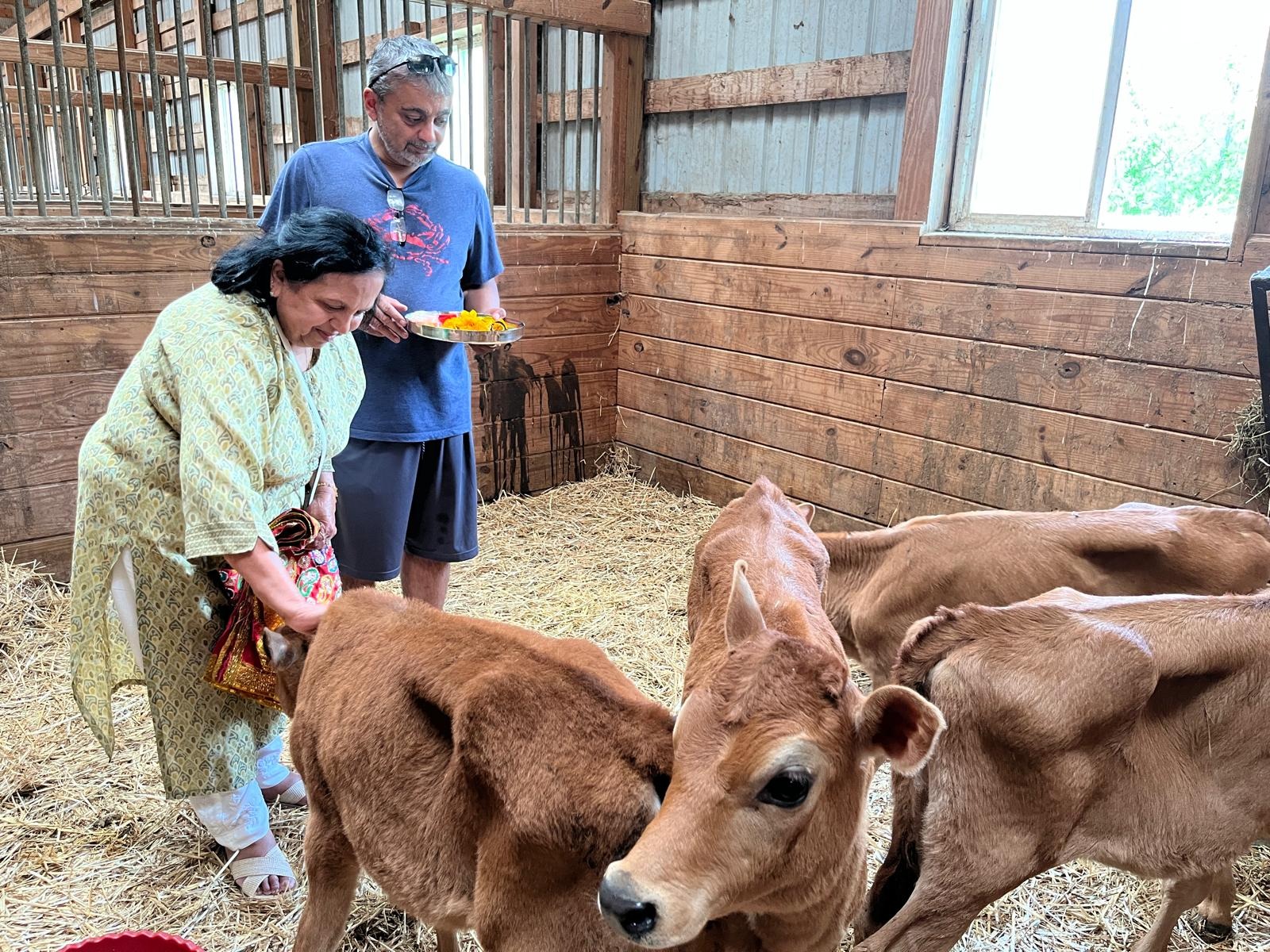
As you already know we are currently serving 8 happy cows (Hari, Balaram, KrishnaPriya, HariPriya, VishnuPriya, RadhaPriya, Lalita, AkshayaTritiya) on the Farm. We are in the process of upgrading the existing barn and building new barn for cows services and making the gaushala self-sustainable
Why support this Gaushala project??
Do you ever wonder why cows are so revered in Sanatana Dharma? It’s no secret that cows hold a special place in Sanatana beliefs and culture, but have you ever stopped to think about why? If you’re curious about the significance of cows in Hinduism, you’ve come to the right place.
As Sanatana Dharmis, we know that cows are not just animals, they are considered sacred and a symbol of motherhood, fertility, and prosperity. Beyond their practical uses, cows are revered for their spiritual significance, as many Hindus believe they embody the divine and provide a connection to the gods. In fact, the cow is considered one of the seven mothers in Hinduism.
The Sacredness of Cows
Cows are regarded as sacred in Sanatan Dharma, and they are given the status of “mother.” Hindus believe that cows are the abode of many deities and that they bring good fortune to their lives. Cows are worshipped because they are considered a symbol of grace, selflessness, and abundance. It is believed that cows have the power to purify anything they come in contact with. Even the mere sight of a cow is considered auspicious and brings good luck.
Gau Mata and Kamadhenu.
In Hindu Dharma, “Gau Mata” is a term used to refer to a cow as a mother figure. Cows are considered sacred and are often treated with great reverence and respect. They are seen as nurturing figures who provide sustenance, both in the form of milk and as agricultural helpers. The term “Gau Mata” is derived from the Sanskrit words “gau” meaning cow and “mata” meaning mother. “Kamadhenu” is a divine, wish-fulfilling cow in Hindu Dharma. She is believed to be the mother of all cows and is often depicted as a white cow with a female head and wings. Kamadhenu was created by Lord Brahma and given to the sage Vashishtha as a gift. She is said to be able to fulfill any wish and is often associated with prosperity and abundance. Kamadhenu is also believed to be the source of the four Vedas, which are considered the most sacred texts in Hinduism.
Cow Products in Hindu Culture
Cow products have been an essential part of Hindu culture for centuries. Cow’s milk, ghee (clarified butter), and curd are considered pure and used in Hindu rituals and ceremonies.
Milk: Milk is considered a sacred and essential food in Hinduism. It is used in various religious ceremonies and is also consumed as a beverage and used to prepare a wide variety of dairy products, such as yogurt, ghee (clarified butter), and paneer (cottage cheese). Ghee (Clarified butter): Ghee is used in Hindu religious ceremonies and is also a popular cooking ingredient in many parts of India. It is believed to have various health benefits and is used in traditional Ayurvedic medicine.
Cow urine: Cow urine is considered a sacred substance in Hinduism and is used in various religious rituals and ceremonies. It is also used in traditional Ayurvedic medicine for its supposed medicinal properties.
Cow dung: Cow dung is used as a fuel for cooking and heating in many rural households in India. It is also used as a source of organic fertilizer to improve soil fertility and increase crop yields. In addition, cow dung is used in traditional Hindu ceremonies and is believed to have purifying properties.
Cow horns: Cow horns are used to make various musical instruments, such as the nagara and the Shankha, which are used in Hindu religious ceremonies.
Cows in Sanatan Dharma
Lord Krishna, the supreme personality of Godhead, was a cowherd in his childhood. He used to play the flute and herd cows with his friends. The cowherd is a popular theme in Sanatan Dharma, and it is believed that Lord Shiva also has a close association with cows. In the epic Mahabharata, cows are regarded as a symbol of wealth and prosperity. Bhagavad Gita also states that Lord Krishna is the cow among animals.
While praising the cow, the principal Deities, namely, Brahma, Vishṇu, and Shiva have narrated the following shloka:
त्वं माता सर्व देवानां त्वं च यज्ञस्य कारणम् ।
त्वं तीर्थ सर्वतीर्थानां नमस्तेस्तु सदानधे ।
Meaning: O Destroyer of sins! You are the mother of all Deities. You are the reason for Yajna (sacrificial fire). Among all Tirthas (Holy places), you are the holiest. I pay my obeisance to you.
Vedas
As per the Vedas, the cow is considered a Universal symbol. As per the Atharvaveda, 33 crore Deities reside inside the cow. While describing the Divine form of the cow, Bhagawan Shri Krishna has said,
‘धनूनामस्मि कामधुक’
In the ancient Rushikuls (Hermitage of Sages), Cow seva (service) was compulsory along with Guru-seva (Service unto the Guru).
Arthveda
Arthaveda 1-16-14 clearly mentions slaying the Cow slaughterers.
यदि नो गां हमि यद्यश्वं यदि पूरुषम् ।
तं त्वा सीसेन विध्यामो यथा नोऽसो अवीरहा ॥
Meaning: If someone destroys our cows, horses, or people, kill him with a bullet of lead.
Atharvaveda 4-21-5 mentions cows bringing well-being and purity into the house. She is a source of wealth and prosperity.
RigVeda
RigVeda 8-101 states Cow is like a mother for all those who are bachelors till the age of 25 years, a daughter for those who are 26 years old, and a sister for those who are 48 years old.
Yajur Veda
Lord Shiva in his marriage parade riding Cows
Yajur Veda 12.40 states,
इममूर्णायुं वरुणस्य नाभिं त्वचं पशूनां द्विपदां चतुष्पदाम्।
त्वष्टुं प्रजानां प्रथम जनित्रमग्ने मा हिंसीः परमे व्योमन् ॥
Meaning: Do not kill these animals with woolen fur like cows, sheep, goats, camels, etc., as well as animals with two legs like birds.
Manu Samhita and Manu Smiriti
Manu Samhita, chapter 4, verse 162 states that a guru, a teacher, a father, a mother, a brahmana, a cow, and a yogi should never be killed.
Manusmriti 5.51-53 states,
वर्षे वर्षेऽश्वमेधेन यो यजेत शतं समाः ।
मांसानि च न खादेद्यस्तयोः पुण्यफलं समम् ॥
अनुमन्ता विशसिता निहन्ता क्रयविक्रयी संस्कर्ता चोपहर्ता च खादकश्चेति घातकाः
Meaning: Those who perform the Ashvamedha Yajna every year for one hundred years and those who do not eat meat throughout their lives, both receive the same reward. Those who permit the slaying of animals; those who bring animals for slaughter; those who slaughter; those who sell meat; those who purchase meat; those who prepare dishes out of it; those who serve that meat and those who eat are all murderers.
Acharyadhye
Acharyadhye 7.180 states,
सर्वान् कामानवाप्नोति हयमेधफलं तथा ।
गृहेऽपि निवसन् विप्रो मुनिर्मांसविवर्जनात् ॥
Meaning: A learned and virtuous Brahmin attains all his desires and achieves the rewards of the Ashvamedha Yajna. A householder who does not eat meat, even while living at home, is called a sage.
Mahabharata
Mahabharata, Shanti Parva 265.9 and 259.22 states,
सुरां मत्स्यान्मधु मांसमासवकृसरौदनम् ।
धूर्तैः प्रवर्तितं ह्येतन्नैतद् वेदेषु कल्पितम् ॥
जीवितुं यः स्वयं चेच्छेत् कथं सोऽन्यं प्रघातयेत् ।
यद्यदात्मनि चेच्छेत् तत्परस्यापि चिन्तयेत् ॥
Meaning: The consumption of liquor, fish, meat, fermented beverages, vinegar, and so on has been popularized by the wicked, and there is no provision for the consumption of these items in the Vedas. How can someone who desires to live harm others? If you were to prick a butcher, who slaughters hundreds or thousands of animals every day, with a very small and fine needle, he would not be able to tolerate it. Then how did he get the right to cut the necks of other living beings? A butcher of animals is a great sinner.
Mahabharata Aadi Parva 11.13 states,
अहिंसा परमो धर्मः सर्वप्राणभृतां वरः ।
Meaning: Not killing any living being is the ultimate religion.
Mahabharata Karna Parva 61.23 states,
प्राणिनामवधस्तात सर्वज्यायान्मतो मम ।
अनृतं वा वदेद्वाचं न हिंस्यात्कथं च न ॥
Meaning: I consider not killing animals to be the best. Even if someone tells lies, they should not commit violence. Here, non-violence is considered more important than truth. Compared to falsehood, violence causes more suffering to others because everyone loves their life.
Mahabharata Anusashan Parva 64.4 states,
घातकः खादको वापि तथा यश्चानुमन्यते ।
यावन्ति तस्य रोमाणि तावदु वर्षाणि मञ्जति ॥
Meaning: The killer, the eater, the one who gives permission – all of them remain immersed in suffering for as many years as the hair on the body of an animal that is about to be killed. That is, meat-eating, violent people and the like suffer terrible sorrows for many births.
The Role of Cows in Agriculture and Economy
In many nations with potential in Agriculture such as India and Nepal, cows are an integral part of the agriculture and economy of the country.
Cows are used to plow fields, particularly in rural areas where modern agricultural equipment is not available.
Cow dung is a rich source of organic fertilizer and is used to improve soil fertility and increase crop yields.
Cow urine is believed to have medicinal properties and is used in traditional Ayurvedic medicine.
Cow’s milk is a significant source of nutrition and is used to produce a wide variety of dairy products.
In rural areas, cows are often used as a means of transportation, particularly for carrying goods and supplies.
The sale of cow products, such as milk, ghee (clarified butter), and leather, is an essential source of income for many households in India.
Cows are also used for breeding and are a valuable asset in the dairy industry.
Cow dung is also used as a fuel for cooking and heating in rural areas, reducing dependence on fossil fuels and other non-renewable resources.
Cows are also used for religious and cultural purposes, such as in traditional Hindu rituals and ceremonies.
Hari Bol
Radharman Das
Organizer
Y
YOGA SCIENCES AND VEDIC RESEARCH SOCIETY
Beneficiary