- J
- S
- J
Every day, children with rare genetic disorders face unimaginable challenges, as their brains struggle to develop properly, leading to neurodevelopmental delays that affect their ability to learn, communicate, and thrive. The Lachman Lab at Albert Einstein College of Medicine is hoping to make a difference in the lives of those children who need us most.
Currently our research is focused on children with Jansen de Vries Syndrome (JdVS) and PANS (Pediatric Acute-onset Neuropsychiatric Syndrome). JdVS is a developmental disorder characterized by delayed psychomotor development, a learning disability, and severe anxiety that does not respond well to standard treatment. It is caused by mutations in a gene called PPM1D, which plays an important role in repairing damaged DNA, a process that can lead to cancer when unchecked. PANS is a neuroinflammatory condition triggered by the immune system that involves sudden, severe behavior and mood changes in children such as abrupt onset of OCD and/or restricted eating along with 2 or more secondary symptoms including anxiety, oppositional behavior, rapid shifts in emotions, rage, sleep disturbance, sensory/motor abnormalities, increased urinary frequency, and enuresis (bed-wetting). A number of teenagers and young adults with PANS have committed suicide. The Lachman lab has found that a small subgroup of kids with JdVS has PANS. In fact, we are the first researchers to show that PPM1D is but one of more than a dozen different DNA repair genes underlying PANS, as well as kids with autism who experience immune-based behavioral and cognitive decline.
The effect of abnormal DNA repair and DNA damage on the brain is not known; defective DNA repair can have an impact on many cellular processes. Our plan is to study the effect of DNA damage on neurons and microglia (immune cells of the brain) with and without PPM1D mutations. These cells are being generated from induced pluripotent stem cells (iPSCs) derived from patient white blood cells and CRISPR-gene editing, with the goal of identifying novel targets for therapeutic intervention. Our preliminary data using a drug that appears to correct the adverse effects of PPM1D on DNA repair are promising, but our sample size is small, and replication is critical. New iPSC lines need to be generated and analyzed. Given the current problems with NIH funding, we are reaching out to the public, family, and friends for support.
Your generous support can accelerate this crucial research, offering these young ones the chance they deserve for a brighter, more independent future. Together, we can make a difference in the lives of these children and young adults who need us most.
The Jansen de Vries Syndrome Foundation (www.jansen-devries.org) has generously offered to match every $ that is donated to this fund up to $10,000!! We are extremely grateful for their support and faith in our research!!
Please consider donating and/or sharing the link with your family and friends. If you feel more comfortable making a tax-deductible donation, you can make a check payable to "Albert Einstein College of Medicine" and write "Dr. Lachman's research" in the memo section. Please mail to the following address:
Allyson L. Fraser, MBA
Director, Operations
Albert Einstein College of Medicine / Montefiore Health System
Office of Development and Alumni Relations
1300 Morris Park Avenue
Harold & Muriel Block Building, Room 746
Bronx, NY 10461
We do have a fundraiser link where you can make your tax-deductible donation:
Also, you can follow our Lachman Lab page on Facebook to see first-hand our research:
Thank you for considering a donation to help further this important work. Together, we can make a lasting impact.
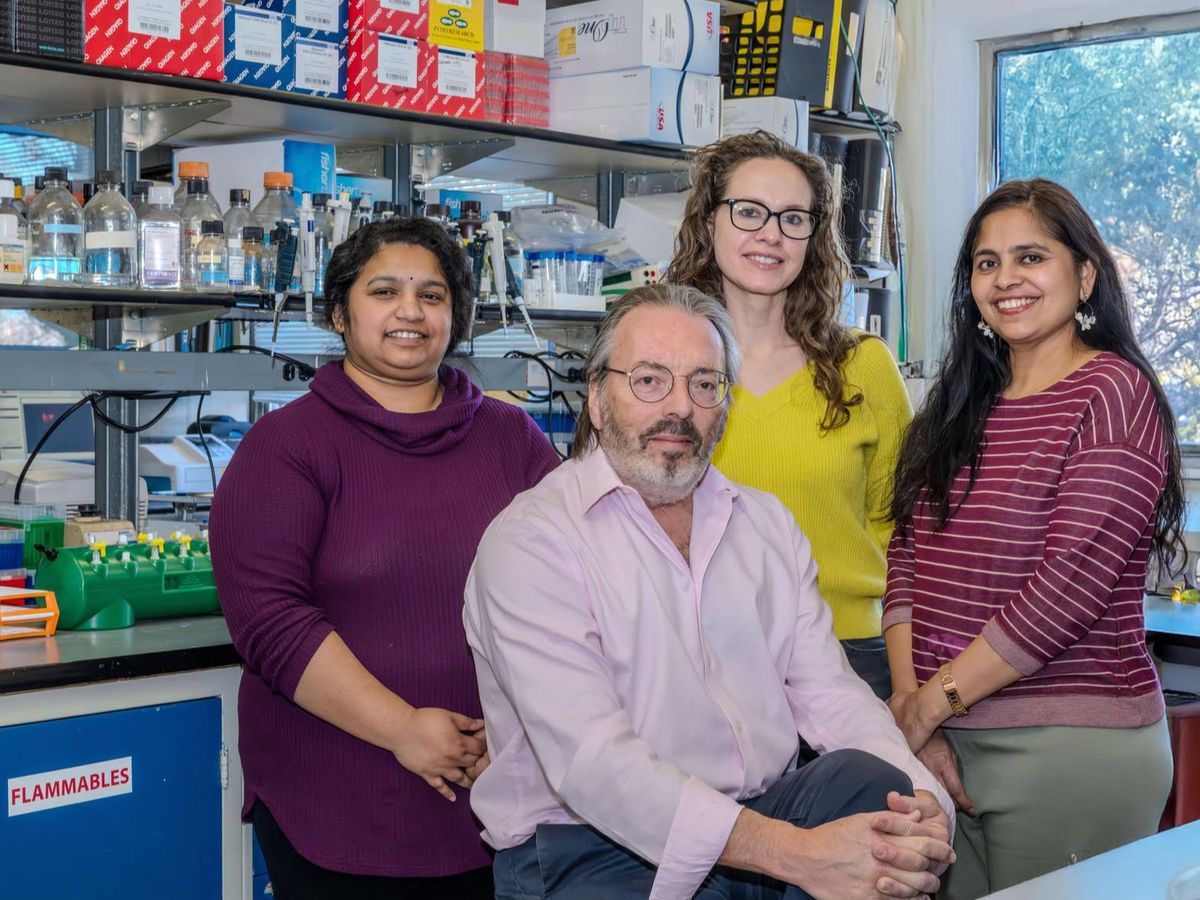
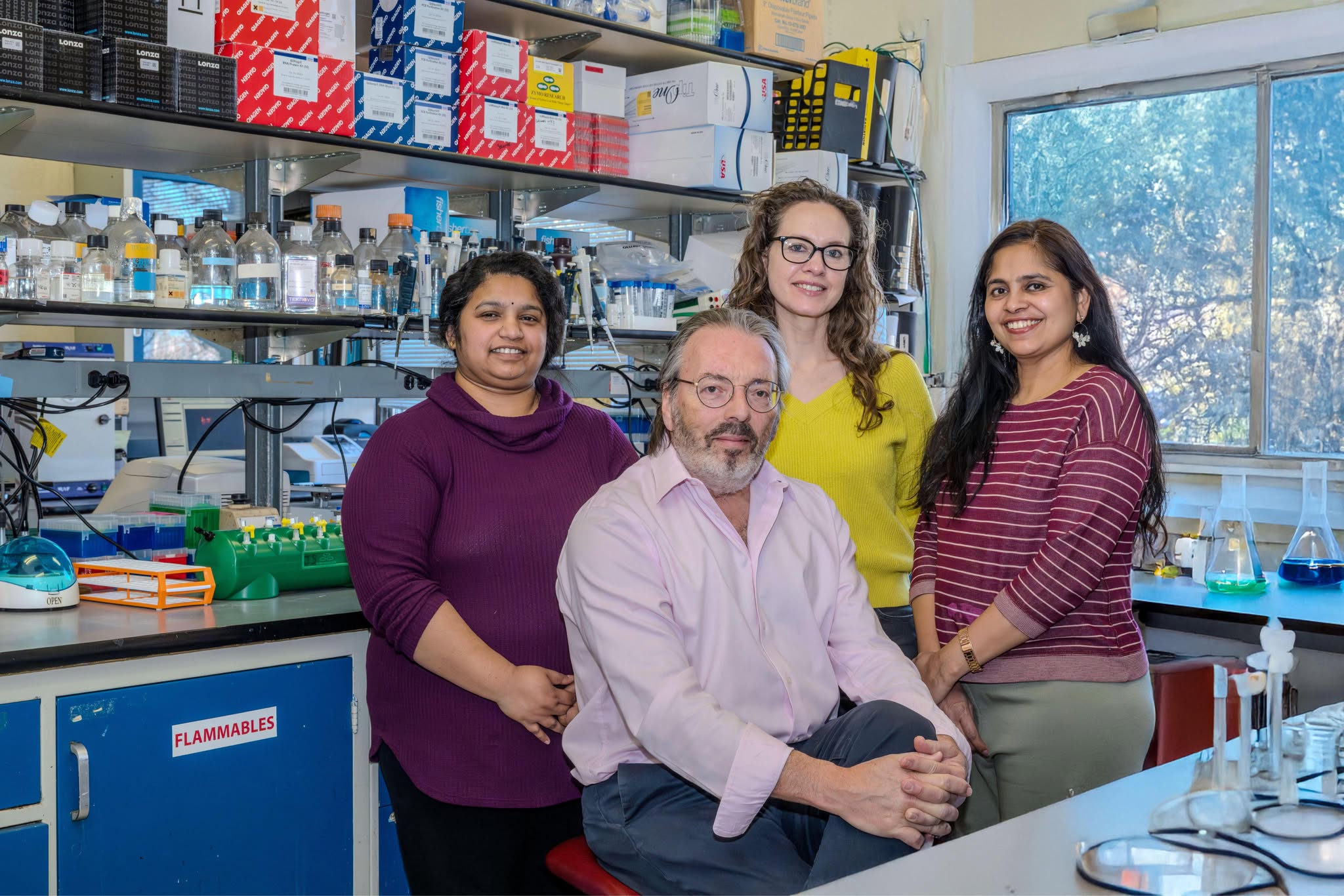
The Lachman Lab @ Albert Einstein College of Medicine
Herb Lachman, MD
Erika Pedrosa, MS
Anjana Soorajkumar, PhD
Dhanya Vettiatil, PhD
Todos los días, niños con trastornos genéticos raros enfrentan desafíos inimaginables, ya que sus cerebros luchan por desarrollarse adecuadamente, lo que causa retrasos en el desarrollo neurológico que afectan su capacidad para aprender, comunicarse y prosperar. El Laboratorio Lachman del Colegio de Medicina Albert Einstein espera marcar la diferencia en la vida de esos niños que más nos necesitan.
Actualmente, nuestra investigación está enfocada en niños con el Síndrome de Jansen de Vries (JdVS) y con PANS (Síndrome Neuropsiquiátrico Pediátrico de Inicio Agudo). JdVS es un trastorno del desarrollo caracterizado por retraso en el desarrollo psicomotor, dificultades de aprendizaje y una ansiedad severa que no responde bien a los tratamientos comunes. Es causado por mutaciones en un gen llamado PPM1D, que tiene un papel importante en la reparación del ADN dañado, un proceso que, si no se controla, puede llevar al cáncer. PANS es una condición neuroinflamatoria provocada por el sistema inmunológico, que causa cambios severos y repentinos en el comportamiento y el estado de ánimo de los niños, como el inicio abrupto de TOC (trastorno obsesivo compulsivo) y/o alimentación muy restringida, junto con al menos dos síntomas secundarios como ansiedad, conducta desafiante, cambios emocionales extremos, ataques de ira, problemas de sueño, alteraciones sensoriales o motoras, aumento en la frecuencia urinaria y enuresis (mojar la cama). Algunos adolescentes y adultos jóvenes con PANS han llegado a suicidarse. El laboratorio Lachman ha encontrado que un pequeño subgrupo de niños con JdVS también tiene PANS. De hecho, somos los primeros investigadores en demostrar que el gen PPM1D es solo uno de más de una docena de genes de reparación de ADN implicados en PANS, así como en niños con autismo que presentan un deterioro conductual y cognitivo relacionado al sistema inmune.
Todavía no se entiende bien cómo afecta al cerebro la reparación anormal del ADN y el daño genético; la reparación defectuosa puede tener impacto en muchos procesos celulares. Nuestro plan es estudiar cómo el daño al ADN afecta las neuronas y a las microglías (las células inmunológicas del cerebro), tanto con mutaciones en PPM1D como sin ellas. Estas células están siendo creadas a partir de células madre pluripotentes inducidas (iPSCs), generadas de glóbulos blancos de los pacientes y modificadas usando edición genética CRISPR, con el objetivo de identificar nuevos blancos terapéuticos. Nuestros datos preliminares con un medicamento que parece corregir los efectos negativos de PPM1D en la reparación del ADN son prometedores, pero nuestra muestra es pequeña, y necesitamos confirmar los resultados. Es necesario generar y analizar nuevas líneas de iPSC. Dado los problemas actuales con el financiamiento del NIH, estamos acudiendo al público, a las familias y amistades en busca de apoyo.
Tu generoso apoyo puede acelerar esta investigación tan crucial, dándole a estos jóvenes la oportunidad que merecen de tener un futuro más brillante y con mayor independencia. Juntos, podemos marcar la diferencia en la vida de estos niños y jóvenes que tanto nos necesitan.
Photo Credit:
Sooraj Photography
IG:@newyorkphotographer2025