Support My Louisville Art Show Installation
0% complete
$610 raised of
13 donations
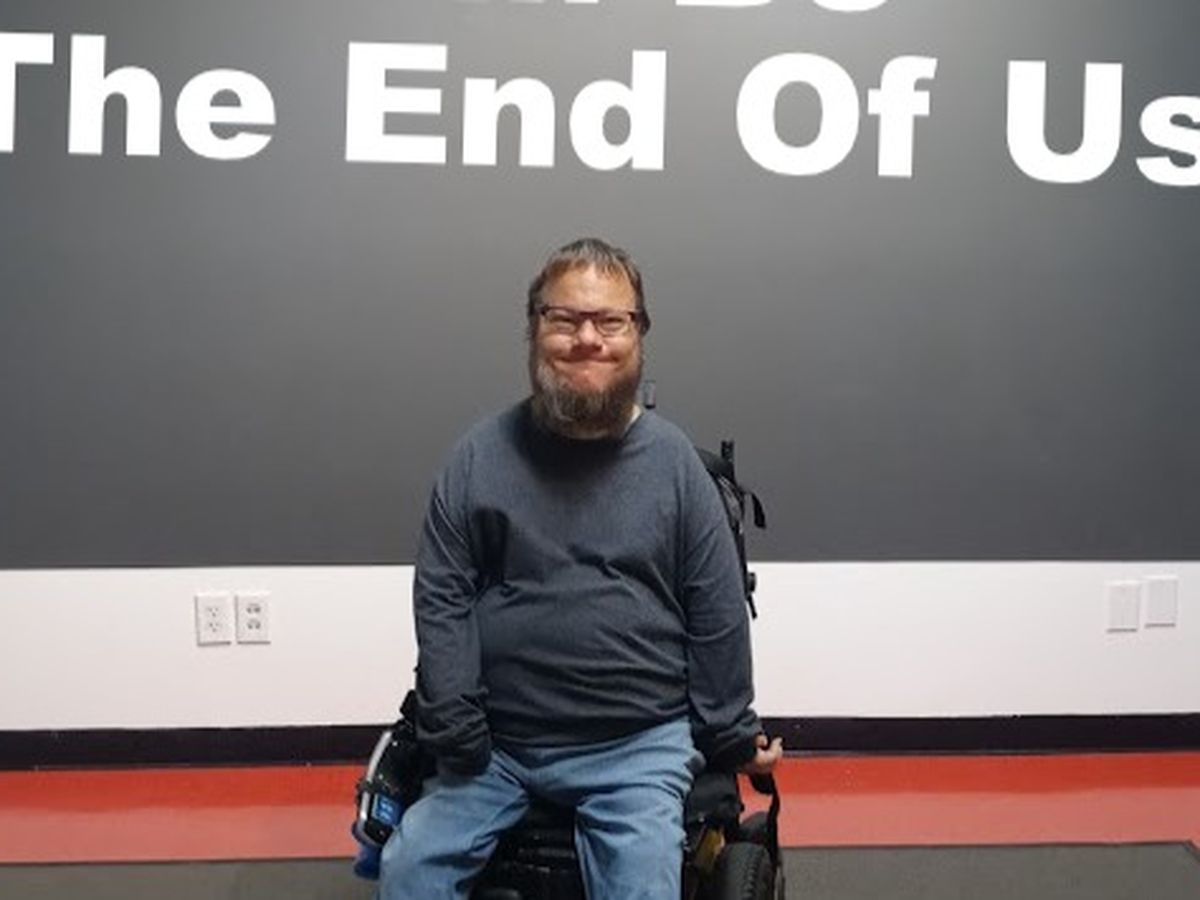
I'm a conceptual artist from Louisville, KY. I have a show this June, and I'm seeking funding for materials and help with the installation of the show.
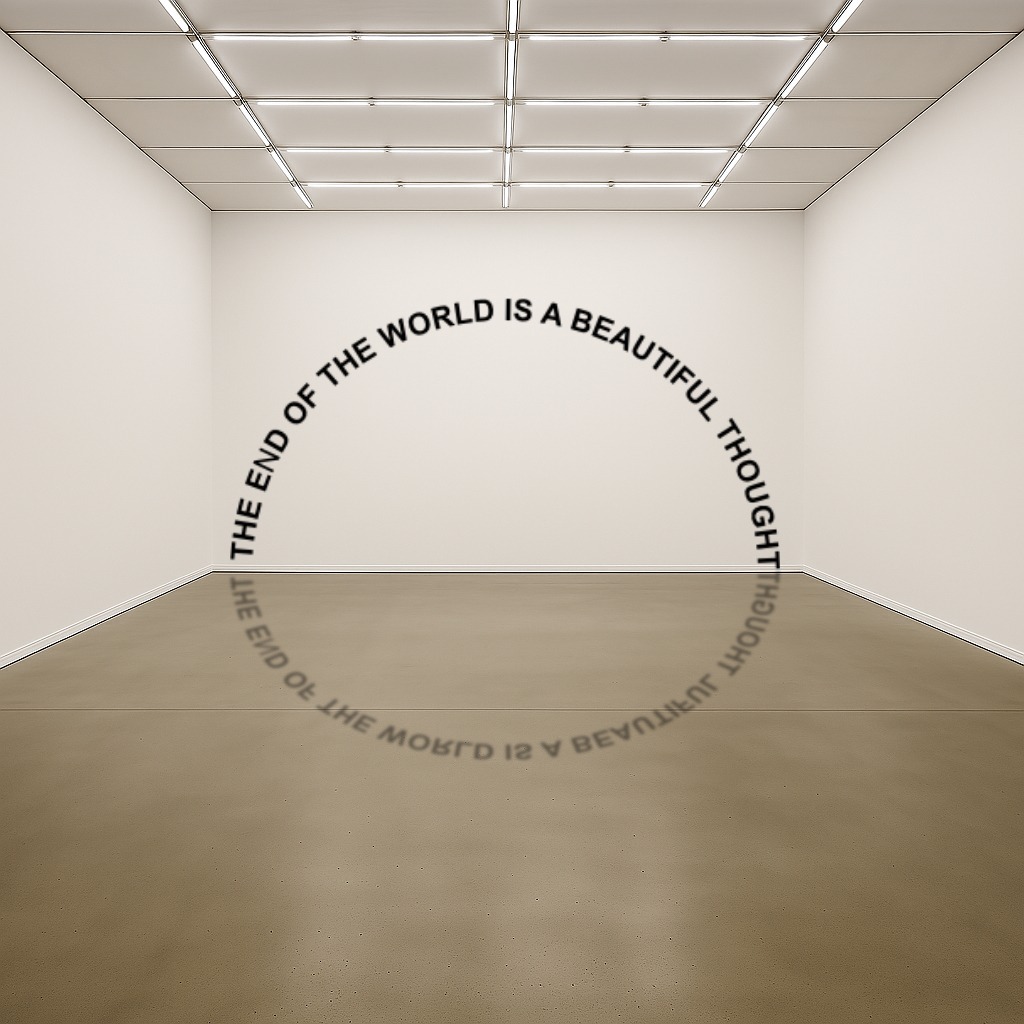
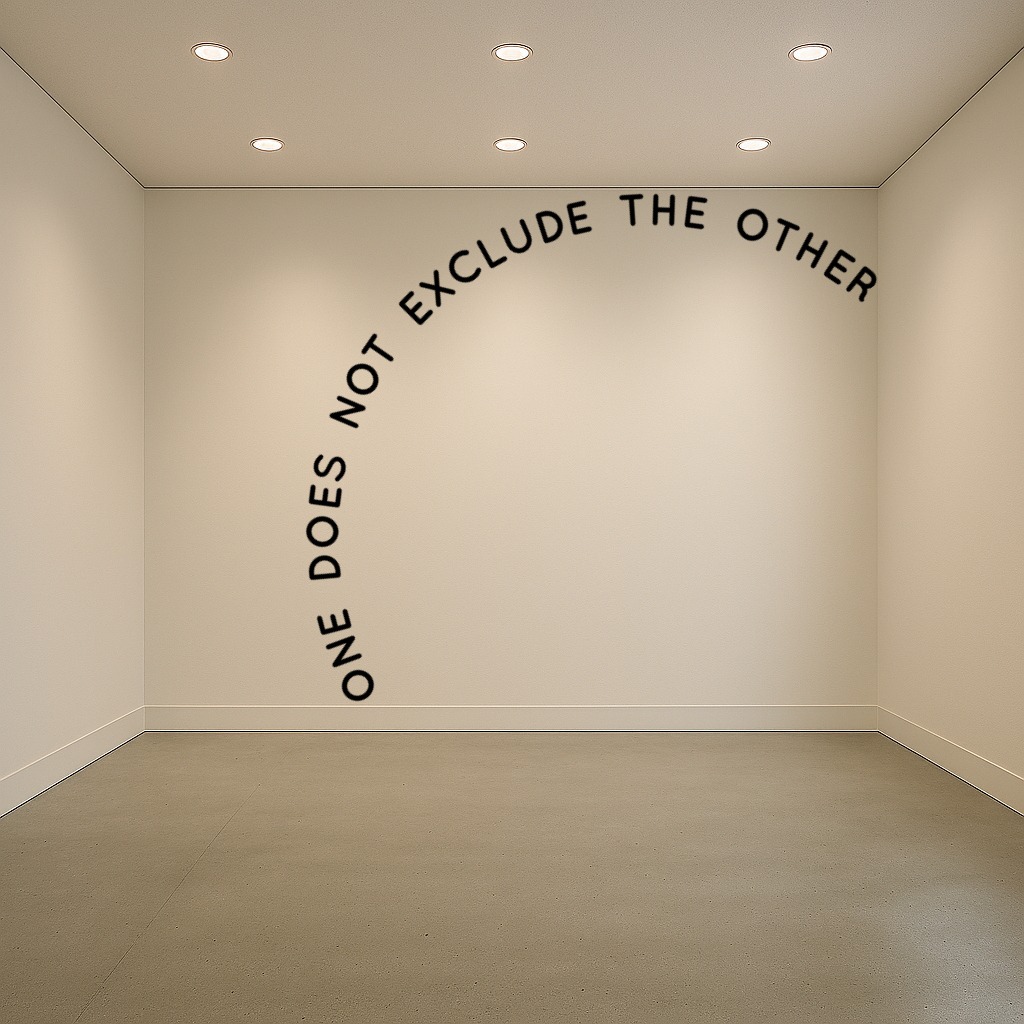
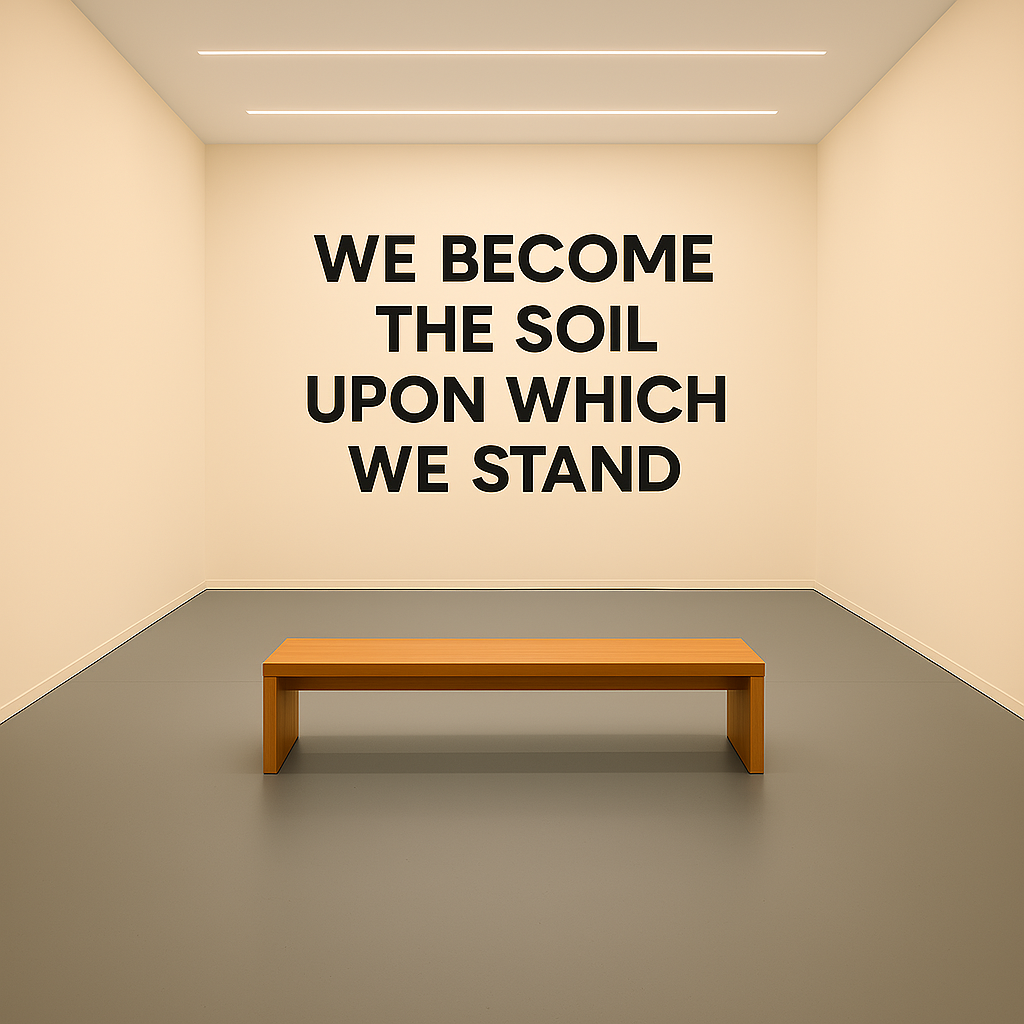
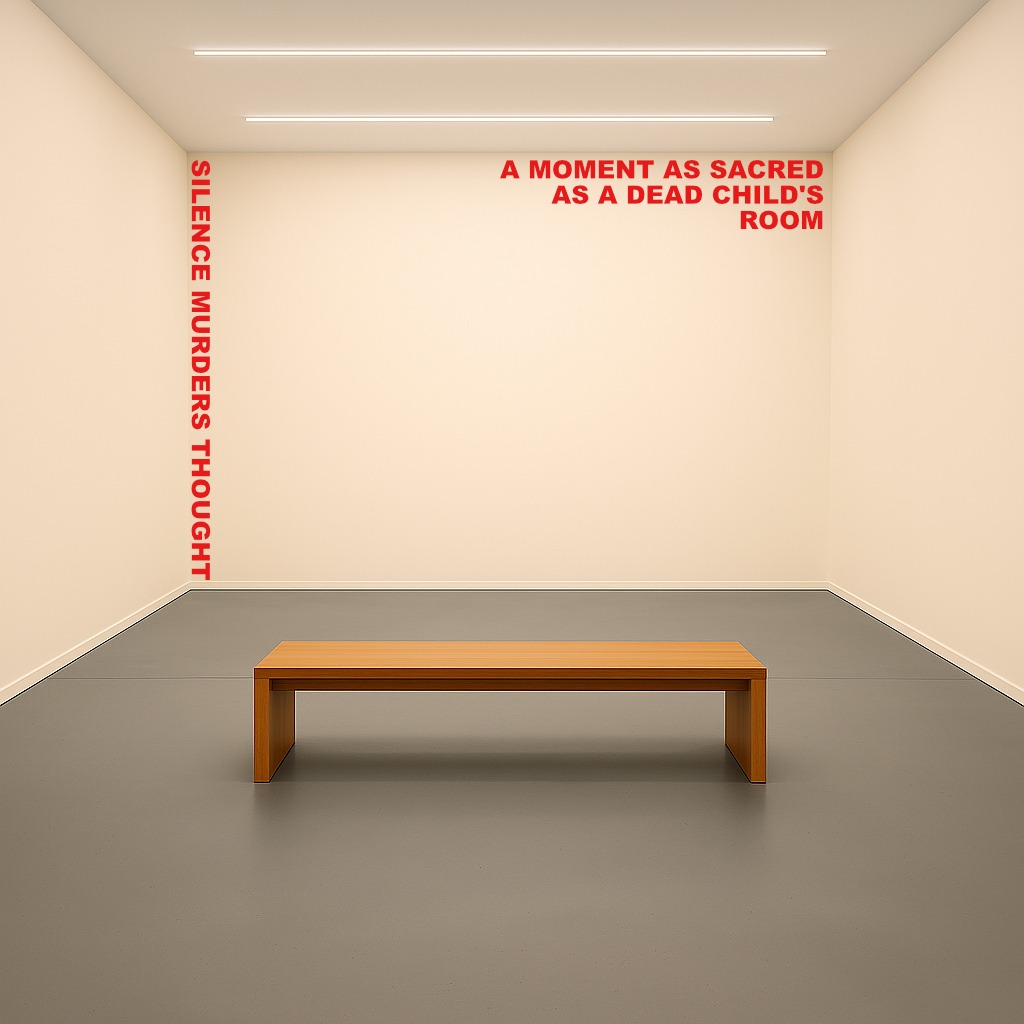
The exhibit will be at the LVA Project Space in Louisville, KY, and will consist of 8 to 12 of my text-based works placed directly onto the walls of the gallery.
The funding will be used to hire an installer, purchase proper materials, and pay for the production of two physical works.
The reason I cannot install the work myself is that I was born with a physical condition called Arthrogryposis, and this condition has made it so I cannot lift my arms above my head, nor can I stand for any significant period of time.
About my work
Although seemingly unconnected, my text sculptures and my drawings explore the same basic concept. This concept is the creation of images and objects, both physical and immaterial, through the abstraction of easily available materials. Be it figures from old books or words from old dictionaries, I use these materials to create scenes and objects that could only exist as either drawings on paper or within the reader's mind.
Aesthetically, my drawings pull from medieval etchings, old medical books, automatic drawings, heavy metal album art, and the works of artists such as Jean Dubuffet and Nick Blinko.
When creating a drawing, I make it a point to fill as much of the visual space as possible. This dense horror vacui aesthetic encourages multiple viewings and close examination of the work. It also allows me to hide references to religious art, stick figures, occult symbols, and foreign phrases within the tangle of imagery; these details also encourage and reward repeat viewings.
When starting a work, I begin by drawing the main figures. These figures are primarily sourced from 1970s yoga books, adult ephemera, and books of nudes made for students. After making a detailed drawing of the main character, I disassemble the figure. When I feel the figure has been properly dismantled, I repair them in such a way that it turns what was once a basic model in a standard pose into something more thought-provoking and surreal. Although this process usually leaves the subjects of the work obviously damaged or disabled, they are still alive and standing.
To determine the background, I use a technique frequently used by Klee and Miró, but instead of random blotches of paint, I use random lines and dots; these semi-random marks inform the type of environment in which the figures will be depicted.
I allow the meaning contained within the work to be ambiguous so that the audience can create their own. This ambiguity allows the drawing's meaning to change with every viewer.
Text has always been a tool I've used in my work. Be it the blocks of text about my life as a person with a disability, which I did as far back as 2003, or the text I frequently hide in my drawings. Text has always been a long-running, recurring material in my work. After a temporary physical setback in 2013 that limited my ability to draw, I began working on what I would eventually call the text sculptures.
Aesthetically, they resemble the works of conceptual artists such as Weiner, Kosuth, Holzer, and early Baldessari. However, my use of distinctive language, verbs, and adverbs makes my use of text distinct from my aesthetic inspirations.
When constructing a text sculpture, I begin by writing a basic depiction of a basic object. This simple start reflects how, when starting a drawing, I begin with a simple figure. After I describe [draw] the object, I dismantle it by adding more nuanced and abstract nouns, verbs, and adjectives. Over time, a simple sentence describing a basic object morphs into something that could only exist as a surreal nonphysical object.
The text sculptures are less about drawing a thousand small details on a surface to depict an object, but about the exact placement of words and metaphors that force the reader to construct the object out of the thousands of details inside their head.
Since each individual's inner camera and personal vocabulary differ, something as simple as the color red may vary widely. Because of this, every viewer unwittingly becomes a collaborator in the creation of the final work. In this way and form, even the simplest of the text sculptures can have infinite variations. The ability for an object to be finished in the viewer's mind, using easily sized, transported, and translated material, allows these works to be shrunk to fit on the side of a pencil or enlarged to fill a billboard, and remain legible.
The immaterial nature of these works allows me access to any material, both real and imaginary. For example, I can use the nature of text to construct a sculpture made of something as simple as clay, exotic as ambergris, or as impossible as pure solid night, and after doing so, I can put it on something as immaterial as a PDF or carve the text into marble. In the past, these works have been on everything from t-shirts to pencils to portfolios of prints.
Organizer