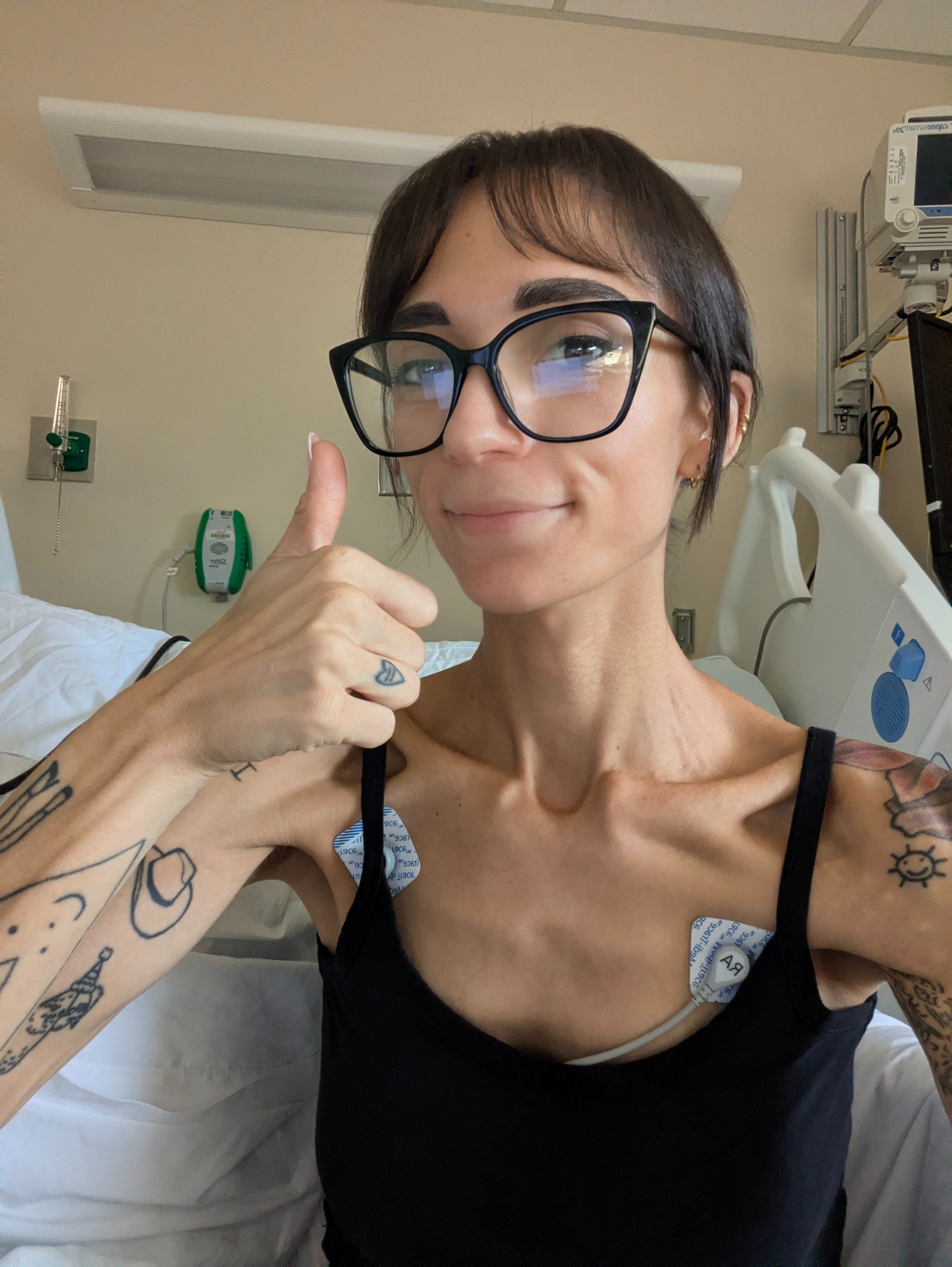
In March 2025, I walked into a hospital for a mastectomy, believing it was a step toward a healthier future. Instead, it was the beginning of a medical nightmare that has brought me to the edge of survival.
To those who only have a moment: I am fighting a rare condition called SMA Syndrome that has caused me to lose 40lbs, lose my ability to eat, become severely malnourished, and has caused me to become dependent on TPN (IV nutrition). I need a specialized $25,000 surgery to move my intestines out from between my arteries so I can eat again, have energy again, and spend time with my family.
The Timeline:
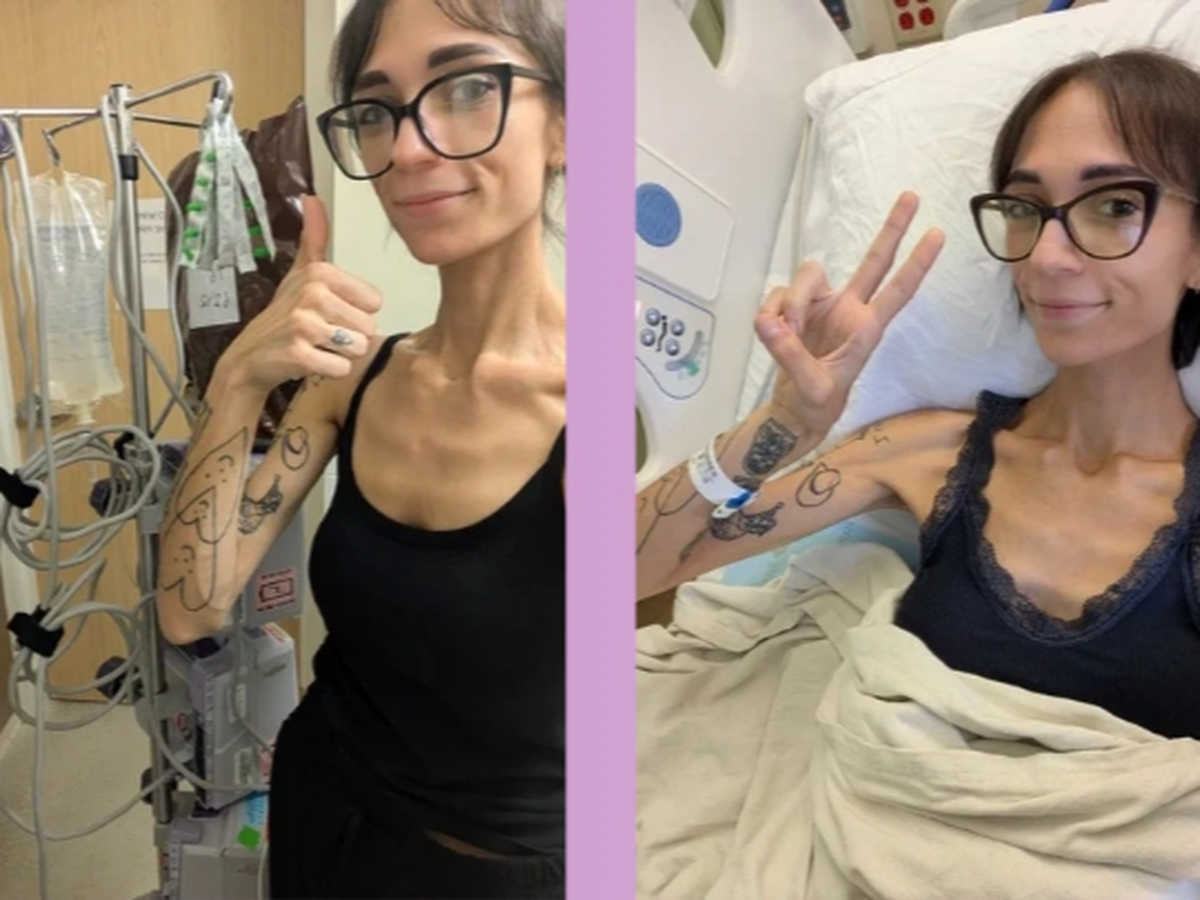
Following my mastectomy in March, my health started declining. I was consistently nauseous, vomiting nearly every day, and losing weight rapidly. By my breast reconstruction surgery in July, I had dropped from 125 lbs to 105 lbs. Because my body was so depleted, my reconstruction had poor outcomes. Wthout enough body fat or skin, my surgeon was unable to do fat grafting to give my breasts the appropriate shape. So I was left with significant physical gaps, visible rippling where the implants meet my body, and the inability to have nipple reconstruction. Already an emotional surgery, these poor physical results were hard for me to come to terms with. And things only got worse from here.
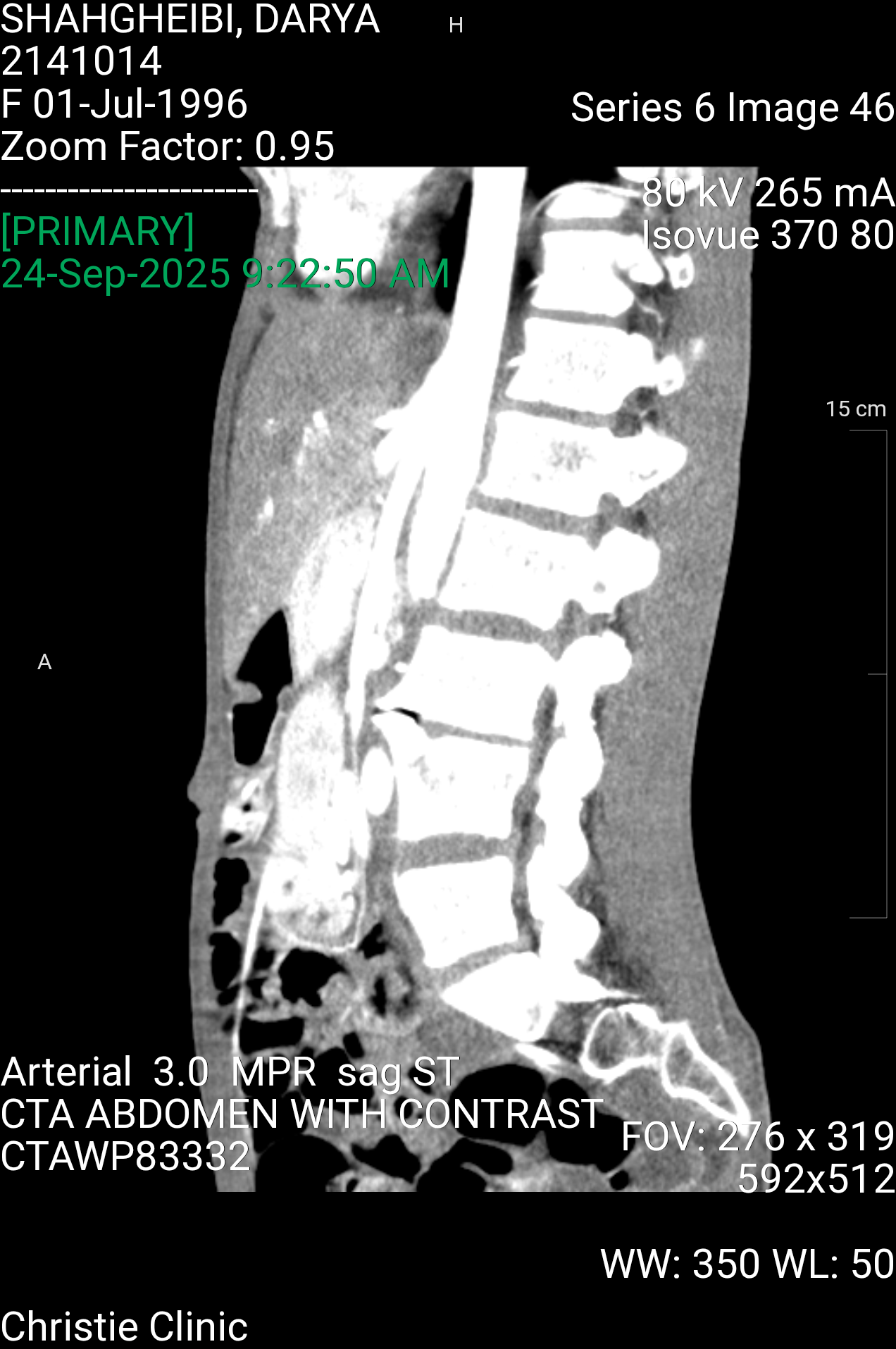
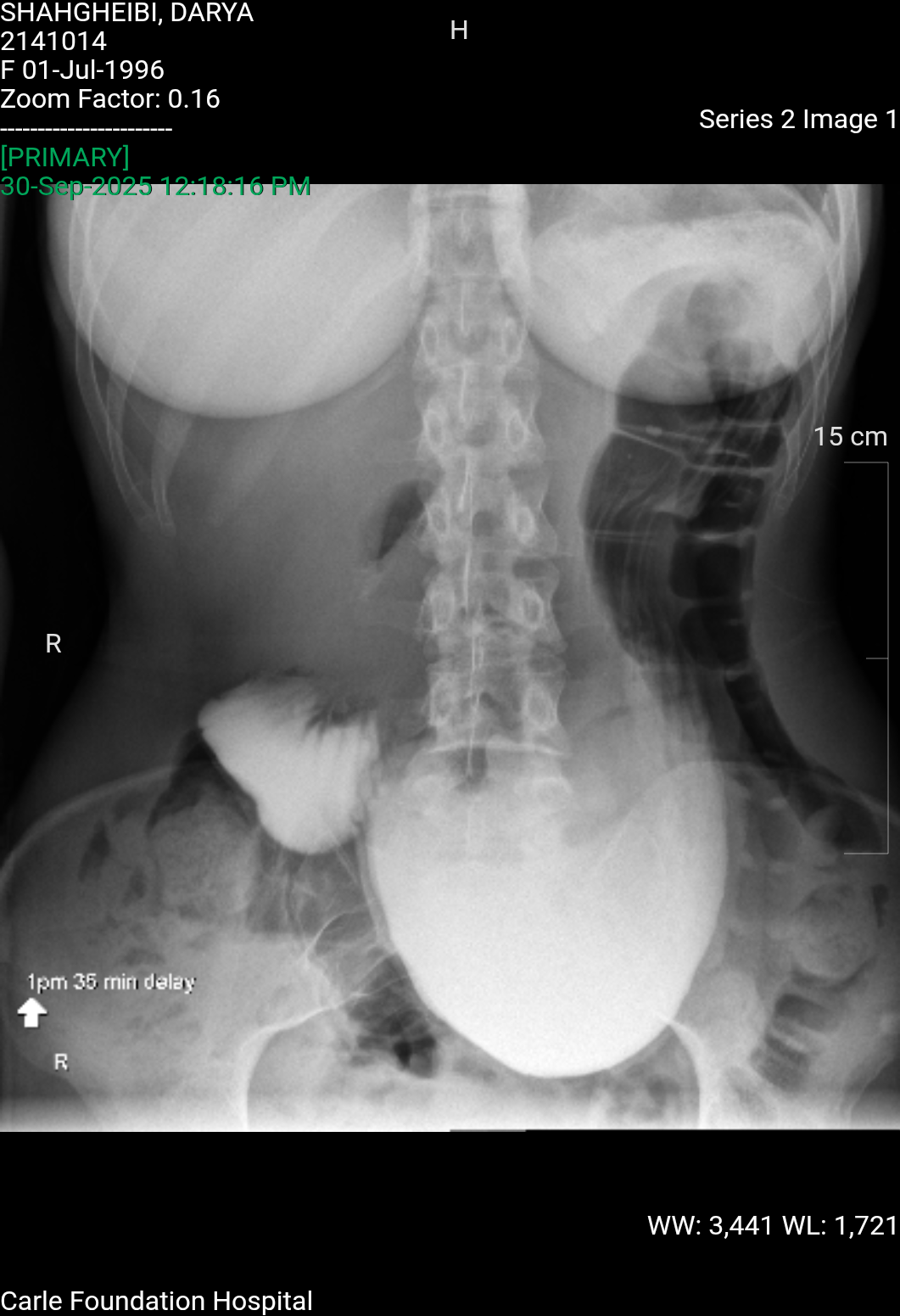
As my weight continued to drop, my internal organs began to shift and fail. By September, my weight had plummeted to just 87 pounds. I lost consciousness from consistent vomiting and malnutrition and was taken to the hospital, where imaging showed that I wasn't just malnourished—I was being crushed from the inside.
The Diagnosis:
I was diagnosed with SMA Syndrome, a rare condition where the superior mesenteric artery pinches the 3rd portion of the duodenum shut, making it nearly impossible to eat.
The extreme weight loss also created a domino effect of internal failures. I was also diagnosed with a small bowel obstruction, gastromegaly & gastroptosis (My stomach has become massively distended and has literally "dropped" out of place because there is no internal fat left to support it), a hiatal hernia (my organs are shifting under pressure, pushing up through my diaphragm), and a slew of malnutrition-related nutritional deficiencies.
TPN:
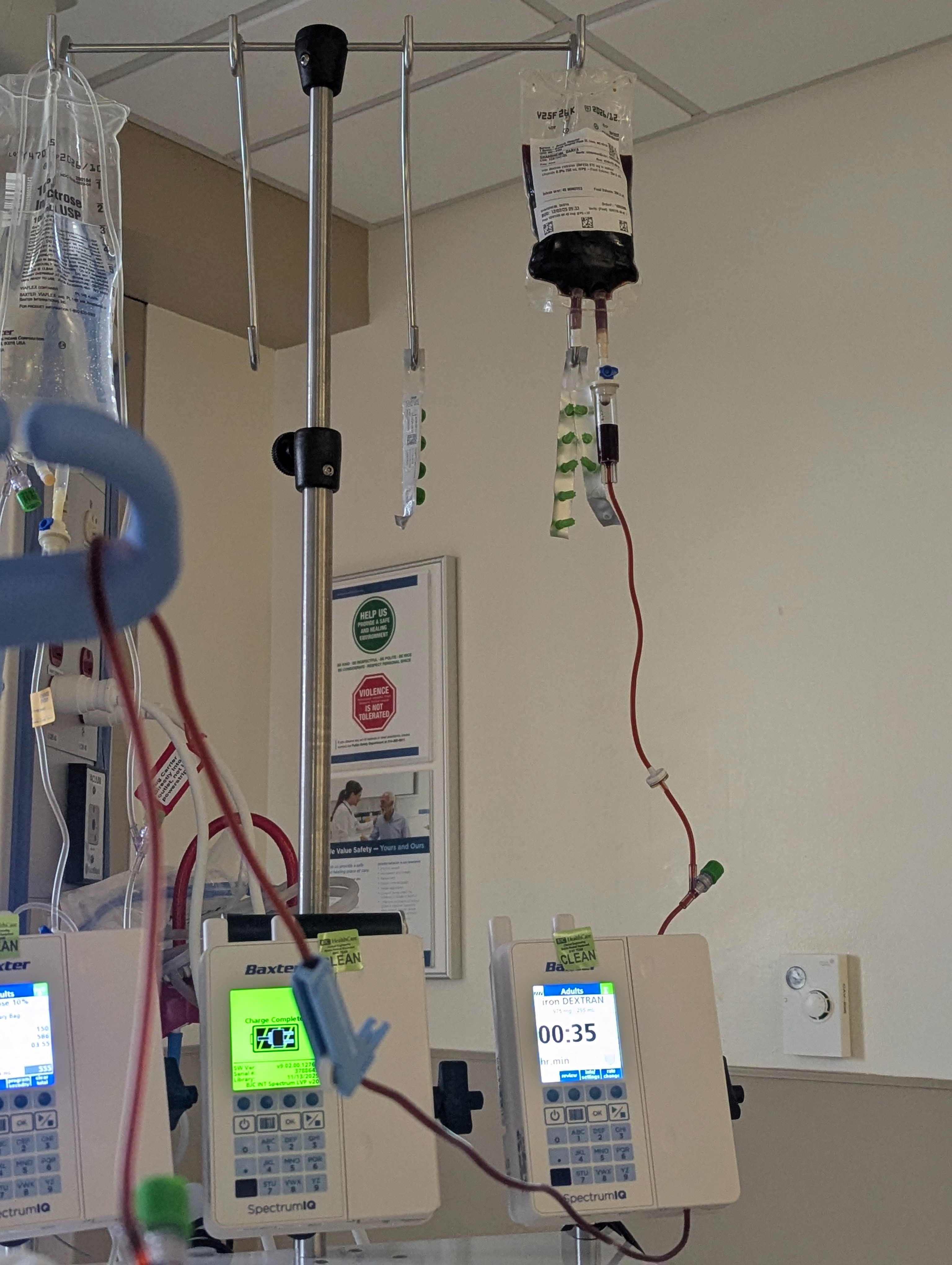
Because I cannot eat, I am dependent on a PICC line for TPN (intravenous nutrition). TPN has kept me alive when food cannot. However, TPN has been a double-edged sword. It sends sugar directly into my bloodstream, bypassing the natural "checks and balances" of the digestive system. This has made my blood glucose levels dangerously volatile.
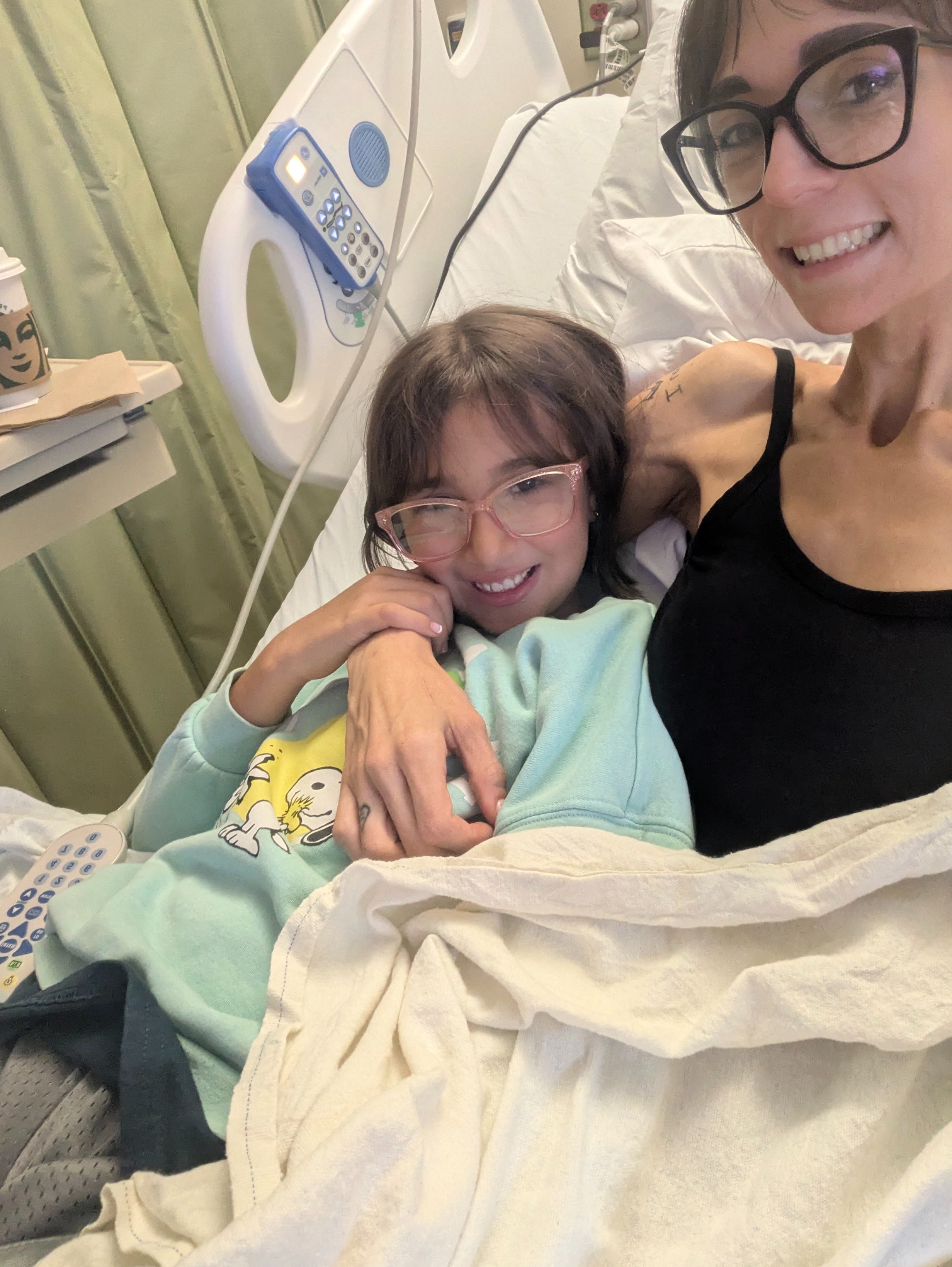
I have been hospitalized 3 times in 3 months for life-threatening hypoglycemic episodes. During my worst crisis, my blood glucose dropped to 27 and I was found unresponsive by EMTs. We were all so scared. Violet was scared to be in the house alone with me, saying she was afraid I would die in my sleep. For a while I needed someone with me at all times, to help in those moments of severe low blood sugar, and to make sure I could get help if I needed it. And even now, while I’ve learned to manage those hypoglycemic episodes better, I live in a state of constant medical anxiety. There are days where I find myself shaking, sweating, and poking my finger every 15 minutes, desperately hoping for the numbers to rise so I don't lose consciousness again. Glucagon has become a life saver for me.
My Family
This journey has brought not just the physical pain and the terrifying 2 a.m. hospital runs, but the heavy emotional weight of being a mother unable to be present for her child. My partner and my co-parent have stepped in to provide care I need, but the strain on our family is immense. This procedure is my only chance at a normal life, and I am so grateful for any support that brings me closer to health and home.
The Solution:
I have found one of the only five surgeons in the country who specializes in SMA surgery, specifically a duodenal derotation with duodenal duodenostomy. This procedure "untwists" my anatomy, physically moving my intestines so they can never be pinched by my arteries again. During the same surgery, the specialist will repair my hiatal hernia and place a GJ tube. This tube is the will allow me to get nutrition directly into my intestines, finally freeing me from the life-threatening blood sugar crashes of TPN.
Where the Funds Go
This surgery is a medical necessity, but the path to recovery is incredibly challenging. Because this procedure is so specialized, there are only five surgeons in the entire country qualified to perform it. Seeing one of these specialists is my only option, even though they are all out-of-network.
My insurance situation makes this even more difficult. Since my employer does not offer coverage, I pay for an expensive Marketplace plan that unfortunately leaves massive gaps in my care. Currently, my TPN costs over $2,000 per week because of this limited coverage. This does not even include the costs of my bi-weekly labs, home health visits, palliative care, and frequent specialist appointments. This surgery is my hope for a future where I no longer need these costly daily interventions.
The financial strain is compounded by an unexpected change at work. While I was initially offered paid leave for my recovery, that offer was unfortunately (and without notice) rescinded. I am now left with only two hours of sick time to my name. Because I will have zero income during my hospital stay and recovery, I am fighting to cover these massive medical bills and my basic survival at the same time.
your support will go directly toward:
- Paying for the procedure and the intensive inpatient monitoring required.
- Covering the out-of-pocket medical expenses that come with the physician visits
- Funding the necessary bi-weekly labs, home health, and palliative care needed until I am through surgery.
- Costs for traveling to an out-of-state specialist and providing lodging for my support person.
- Replacing my lost wages so I can keep my home, pay my regular bills, and ensure my daughter is fed and cared for while I am unable to work.
- Purchasing the specialized equipment needed for my recovery at home.
Thank you for seeing me, for hearing my story, and for helping me find my way back home.
Organizer