
- T
- L
- L
Hello! I’m Tiffany, and this is Marley.
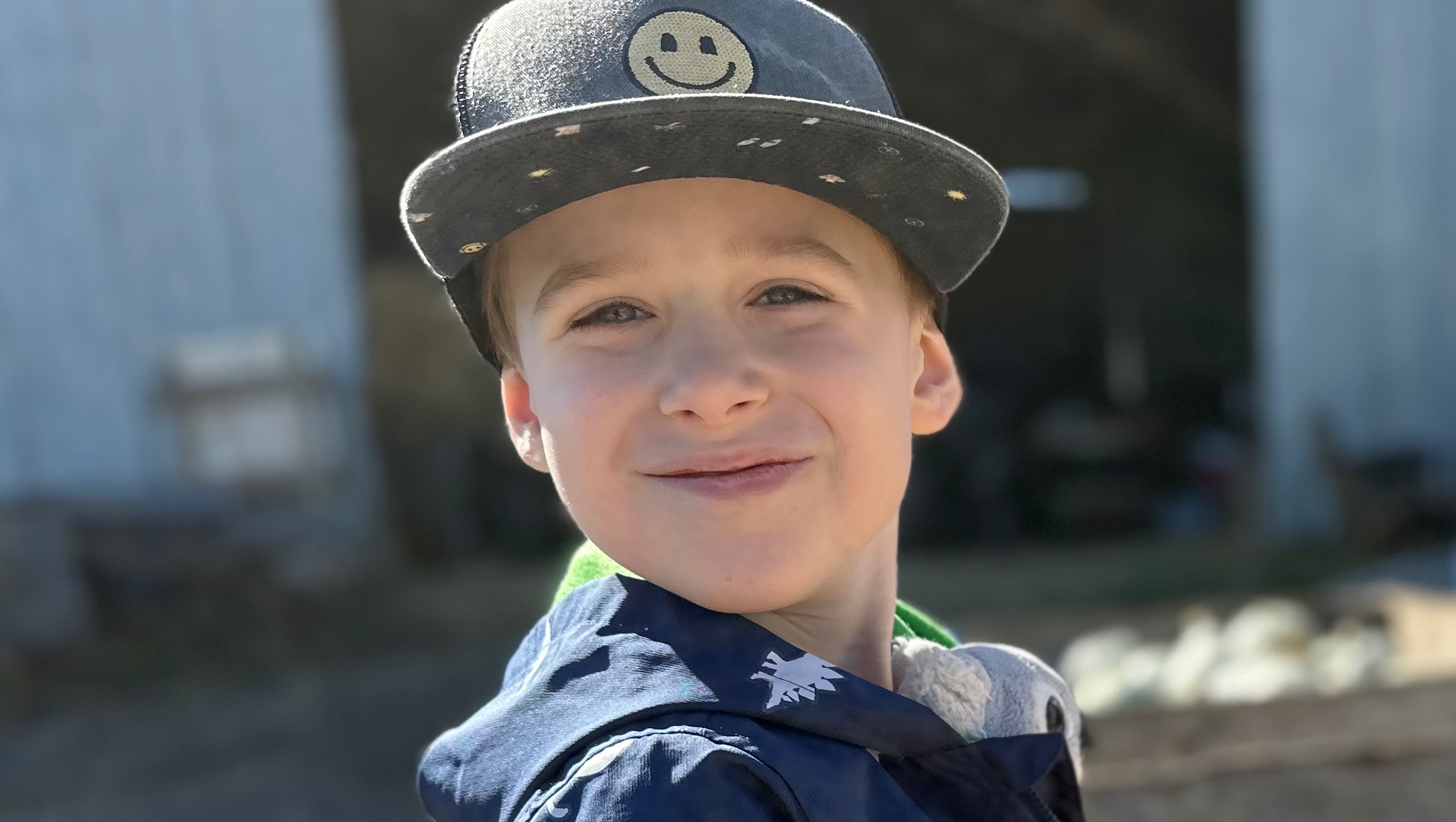
Marley has multiple life-threatening allergies, for which he’s been successfully undergoing treatment for over a year now with the Tolerance Induction Program, aka TIP, at the Food Allergy Institute in Southern California. He is also medically complex, having developmental and nervous system disabilities, a neurological condition, immune dysfunction, an intermittent fever syndrome, connective tissue disorder, and GI disorders atop the severe food allergies. We are bouncing between multiple therapy appointments each week, and manage multiple medications daily.
It’s a lot to navigate, and is definitely hard at times, but asking for help is even harder. Due to a financial burden we had to take on this year, (explained later below), we are looking to alternative means for supplemental funding after incurring so many extra costs this year while advocating for his needs, and not being able to have a reliable second income.
Some backstory, for those not familiar with Marley’s journey, (⚠️trigger warning for allergic reaction content):
M’s allergic march started with eczema soon after birth. His first food allergies started at 6mo; pumpkin and squash. By 12mo, came cow milk. By 15mo, eggs, (after 9mo of no problems), which is when we officially became epipen carriers. By 21mo, two tree nuts crept in, and 7/18/20 is when I had to use the epipen the first time — after a first-time try of a new toddler snack pouch. Yes, one try is all it takes for some.
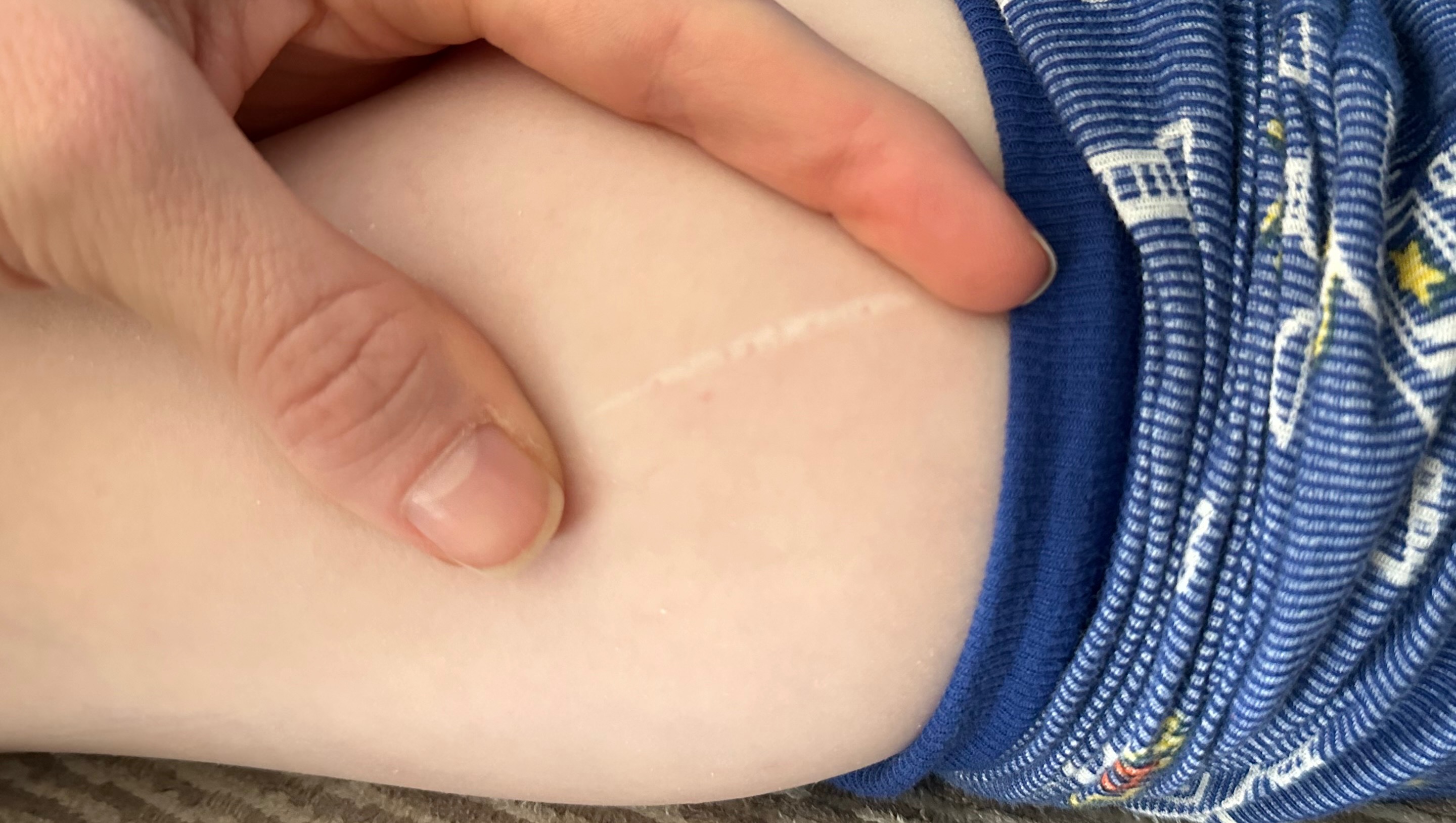
The epipen left a huge laceration in his leg on the way out, which he still has close to a 2” scar from as a constant reminder.
EMTs showed up about 10min after calling 911 — wearing hazmat suits reminiscent of the scenes in E.T. It was 2020, after all.
His symptoms had actually escalated quickly in the ambulance, about 30min after giving epi, and that ride was terrifying, watching his body reacting more. It took additional antihistamines and epi, because he wasn’t improving quick enough, and then more antihistamines and steroids in the hospital, followed up with more at home for a few days to reduce immune system activity and help prevent a biphasic reaction.


Watching your child’s life nearly slipping away, the EMTs and ER providers thanking you for using the epi when you did, (because while he still needed a lot of assistance, it would’ve been much worse if he hadn’t gotten the first dose when he did)… it’s something we hope no one has to experience with their loved ones or themself.
From then on, we stuck to avoidance of his allergens and any new introductions. He still had some reactions occasionally, due to cross contact and airborne exposure in places away from home, and some health and sun care items with unclear labeling or ingredients sharing lines with his allergens. We attempted baked egg challenges in our allergist’s office at the university hospital each year, to which he had failed each time, at sooner durations. There were no options for tree nut challenges yet. So, as he grew, and things like school were approaching, we knew we needed to find something to help take one big thing, (food allergies), off his already full plate to manage as he gets older.
When I began my search, oral immunotherapy kept popping up, but wasn’t offered with our provider. The more we Iooked into it, it didn’t seem right for us. We weren’t comfortable with starting off right away with the allergenic food itself, and the timelines given for multiple allergies were pretty extensive.
In February of 2023, we learned of TIP thru another allergy family on social media. It was then I researched, reached out to other families, was invited to a Facebook community, and knew this was what we’ve been waiting for to come along, as the time was passing and M wasn’t growing out of his egg or treenut allergies.
TIP uses biosimilar proteins to help build tolerance to the allergens before starting on them. This helps the immune system recognize parts of the allergen, so that when you begin micro-dosing the allergic foods, it’s less likely to cause a reaction. Food — treating food — in a low and slow approach, but able to treat multiple allergens at once. This kind of start seemed safer and more comfortable for us.
We committed to the program, and had to wait a few months for Marley’s first visit. We drove down June 2023 for onboarding and extensive blood and skin prick testing, (which revealed more allergens), and by that October, we launched with the program.
TIP is very regimented, requiring a strict dosing schedule, rest periods, and consuming many foods, (and lots of creative baking/cooking for a child with sensory challenges), daily each cycle. It also requires travel every 12wks for us, for which we can’t fly due to multiple factors we manage, and need to drive to the clinic, 980mi away; this means a two to three day drive each way, and three days of visits, which consist of food challenges, (consuming the previous cycle’s dosing in a higher amount and exercising, then cardiac monitoring to see if a severe reaction is elicited, so these foods can be moved to morning maintenance with no activity restriction), and then food introductions, where a new biosimilar or allergenic food is introduced in micro amounts, which help build tolerance.
We then dose those foods back at home, increasing/updosing the amounts weekly or bi-weekly until the end of the cycle and challenge those at the next visit. Those foods then either get escalated into even higher amounts, or they get moved to maintenance, and the newly introduced foods take over the early evening dosing. We keep doing this over and over, with each cycle getting closer to his most severe allergens, until tolerance and remission are achieved, and graduating from the program.
M’s immune dysfunction gave us a bit of a rough start last Fall and Winter, and navigating treatment around his fevers, (1-2x a day for over 4yrs now), has also been the elephant in the room this whole duration. We can’t dose while fever is present, (and, when a fever is present, we have to watch for illness signs as well, as he is impacted hard by any illness, taking 4-6wks to recover from things most kids are better by in 1-2wks). He also needs an extended rest period after his treatment dosing at 5pm, (while it’s 1hr for most in the program, he needs almost 2hrs due to delayed reaction history), and can’t even bathe in this time. Imagine the hurdle all of that is with any 6yr old in the evening.
M had a few mild to moderate reactions earlier in the program, which had his plan extended and altered a few times, to treat only two foods at once, in hopes of giving his body a better chance at safely building tolerance without overloading his immune system. Because of an even lower and slower approach than original, we are over a year in now, and he’s already able to consume very tailored amounts of some of his allergens, and keeps working up the ladder to his most allergenic ones.
TIP has already been life changing, though very time absorbing, with four twice-daily foods, seven once-weekly foods, and eight foods 3-5x per week; all the prep that goes into it, how careful we still have to be to not overflow his histamine bucket, mindful of what activities we do that have environmental allergen exposure and what other foods he consumes that can push his immune system over the edge that day… phew. It’s A LOT of work, especially for a very active child with additional needs who can’t fully advocate for himself yet.
Because the daily plan, plus Marley’s other disabilities and needs all require so much, I’ve not been able to return to my career and am only able to pick up infrequent work a few hours a week. We’ve been on one reliable income since M was born, due to his complexities and my own health challenges. After 2.5yrs of trying, M’s developmental disability services thru the state were approved and began in October, but we’d learned there’s a real shortage of support workers; so many families aren’t even able to use the allotted hours the state determined their child to need additional care outside the norm each month, (213-261hrs in our case; more than a full time job). Not having a support system for a neurodivergent and medically complex kiddo is hard.
When the first opportunity for M to attend school this year came up, we started working with the elementary school, district and regional education center in the spring to get his IFSP and IEP going, because we knew it would take a while and we needed them to have his supports and accommodations set in stone before he starts. Long story attempting to be short, the regional ECSE office forced us to only have M attend 2/3 of his ECSE summer sessions —missing 40min each of his 2hr day— and then even after 7mo of grueling meetings, multiple letters and virtual conferences for medical guidance from three of his providers, the school district’s refusal to follow medical guidance forced us to keep M home. Both places wound up discriminating to different degrees, going against the medical team’s directions in how to provide a safe, equally accessible learning environment.
We’ve sunk money into special ed advocates half the year at $120/hr, then legal consult at $200, unable to take on a full retainer, and are out of spoons to continue the fight with complaints to the state department of education and the regional office of civil rights. We depleted our savings with these added, but also important, disability advocacy costs. With me only able to work a very inconsistent, minimally part time schedule, and staying home even longer while M’s school is still on the back burner, paired with his treatment schedule taking up so much time, and a kiddo who requires both parents around most of the time… things are getting tight.
We have already invested $25k into his treatment between program fees, lab fees not covered by insurance, and travel costs, (which we save some by driving down since we can’t fly), and still have about 2yrs and over $40k to go, (cost breakdown shared below, an updated one will follow as we get thru more of the program).
Marley has substantiated progress, both shown in his followup labs, (including the allergens he hasn’t gotten to yet, proving the biosimilar approach works!), and his tolerating specific amounts of egg yolk, some tree nuts, and rye so far. So, we can’t give up.

Please consider helping Marley’s March to Food Freedom. Any amount you can gift helps keep M’s Food Freedom in sight, and all the possibilities that come with it: free eating, not reading or re-reading every single label each time, or needing to call manufacturers about ingredients and shared lines or facilities, etc., being able to eat takeout anywhere on a whim, restaurants without speaking to the chef, cafeteria food, amusement park food, traveling without the worry of accidental contact or airborne reactions on a plane or public transport, attending school without needing food and classroom accommodations or the bullying that comes with all of it, (which he’s already experienced at playgrounds this year), group sports, and even having pets, (pet food contains many of his allergens).
If you made it this far, thank you.
Thank you for hearing Marley’s story, and thank you in advance for any contribution you’re able to make to Marley’s March to Food Freedom, which will keep helping open up a new world for him.
With love and gratitude,
T, G and M
Organizer
