- A
Support Kendra's Fight Against Rare Cancer
0% complete
$12,869 raised of $20K
109 donations
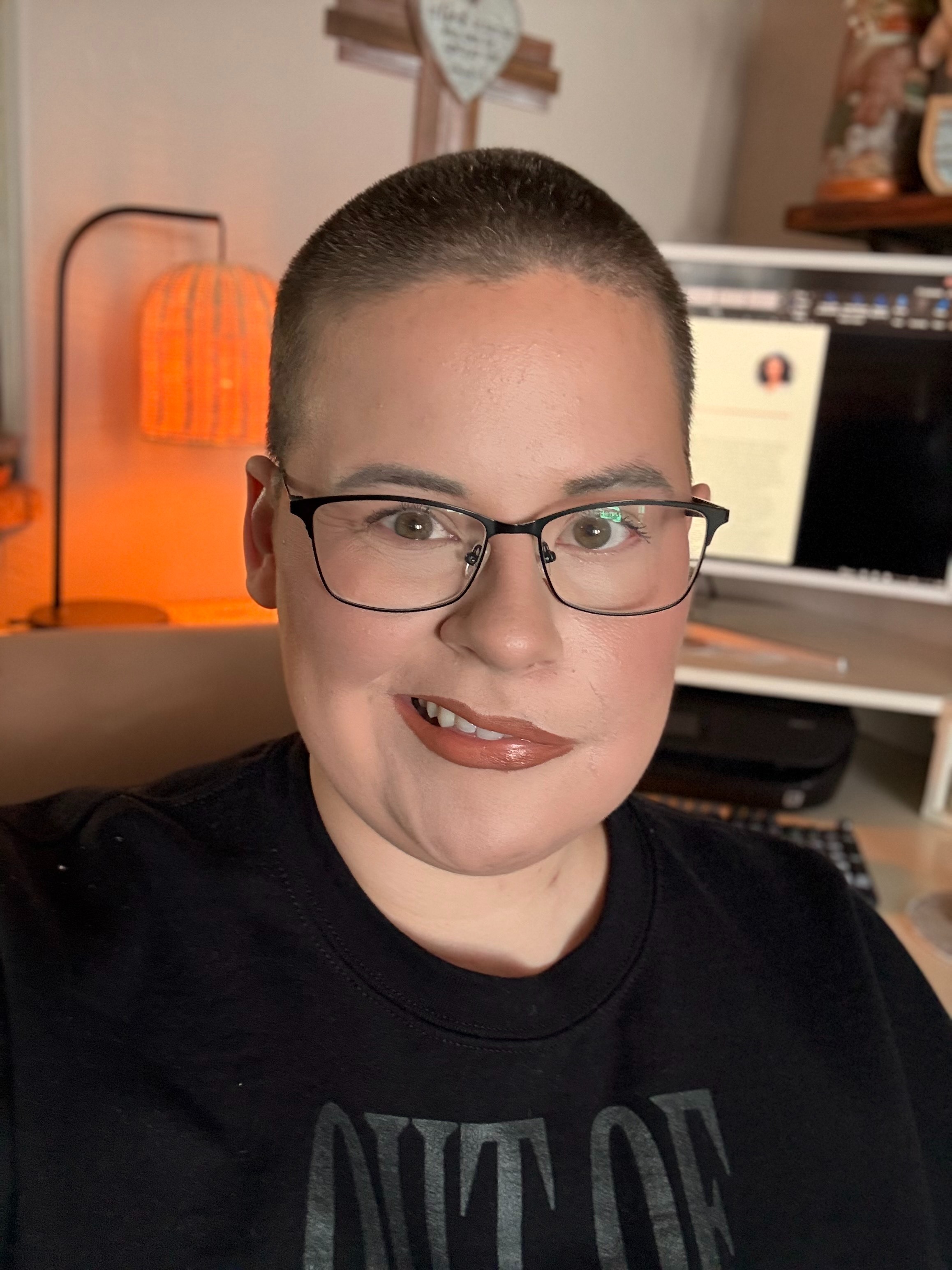
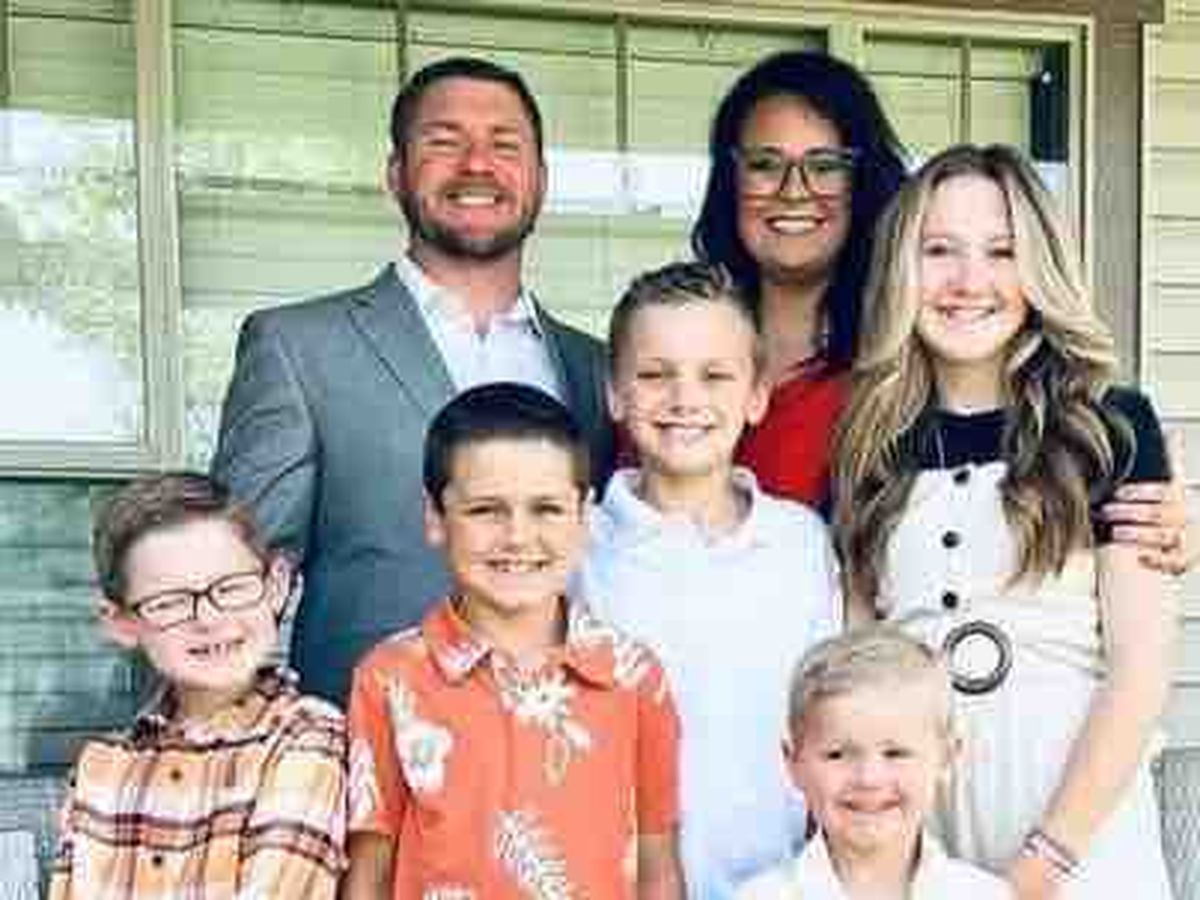
Kendra is a 35-year-old devoted mother of 5 amazing children: Delainey (soon to be 16), Bentley (14), Tucker (soon to be 12), Jackson (9), and Maverick (6), and wife to the love of her life, Joshua. They live in Kalispell, Montana, just outside of Glacier National Park.
In July 2024, Kendra began experiencing pain in her parotid gland that quickly was accompanied by a mass of unknown cause. For several months, she was treated for possible parotid gland infections. When she began to lose motor control of her left eyelid and left side of her mouth, she urged her doctors to stop thinking along the lines of infection and to start thinking about the dreaded "c" word - cancer. Kendra was in the last semester of earning her Health Information Technology degree and began accessing scientific medical journals to research what could possibly be the cause of the growing pain in her face. One night, she turned to her husband of 10 years - Joshua - and said, "This is adenoid cystic carcinoma...I know it is."
In October 2024, her doctors finally decided to do a biopsy of the mass, which confirmed her suspicion - adenoid cystic carcinoma of the parotid gland. Because of perineural invasion of the facial nerve, this automatically placed her at grade 4. Adenoid cystic carcinoma (ACC) is a rare type of cancer that affects approximately 4.5 out of every 100,000 people in the United States and typically arises in glandular tissues, such as salivary glands, but can also occur in other parts of the body.
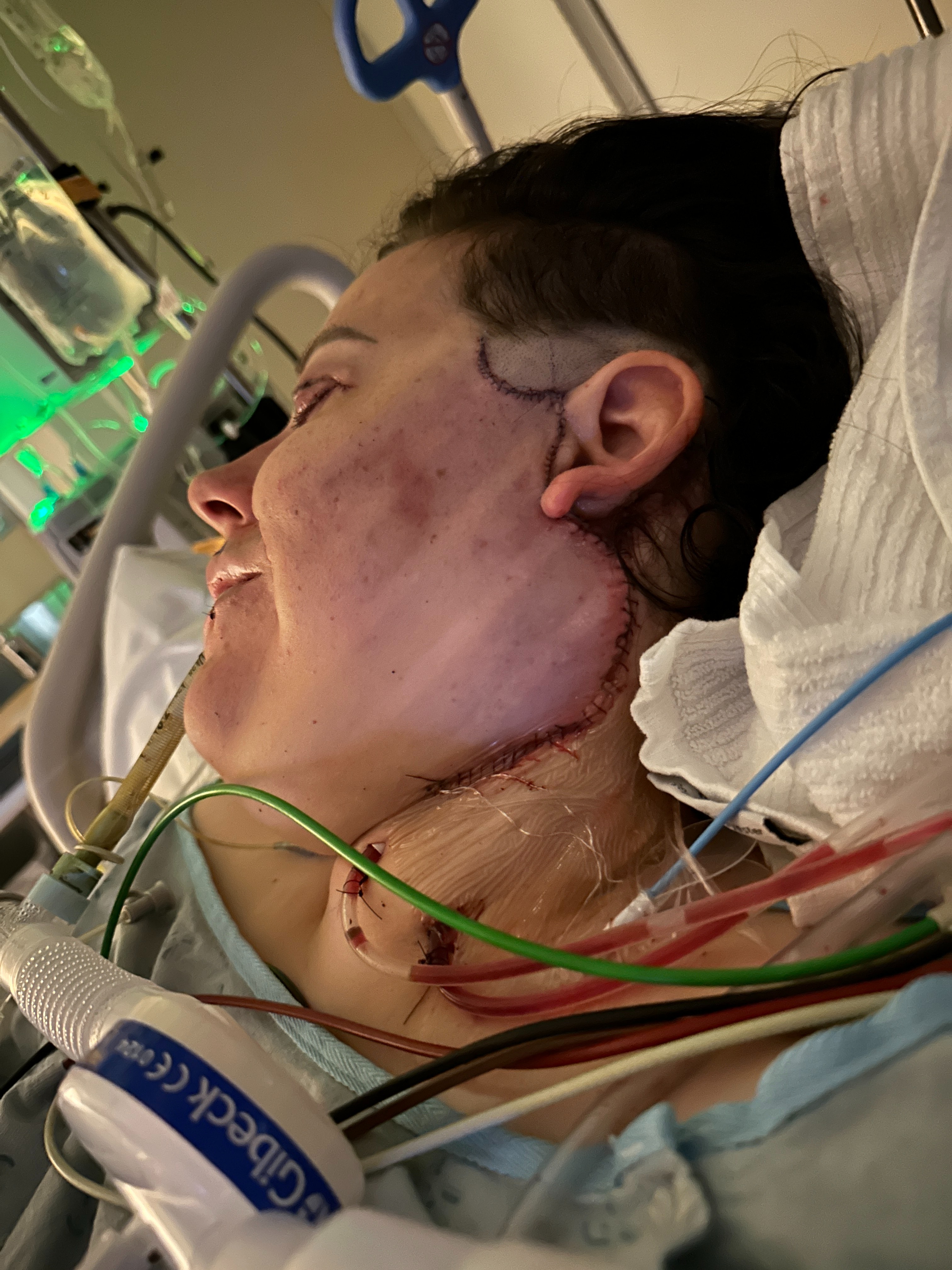
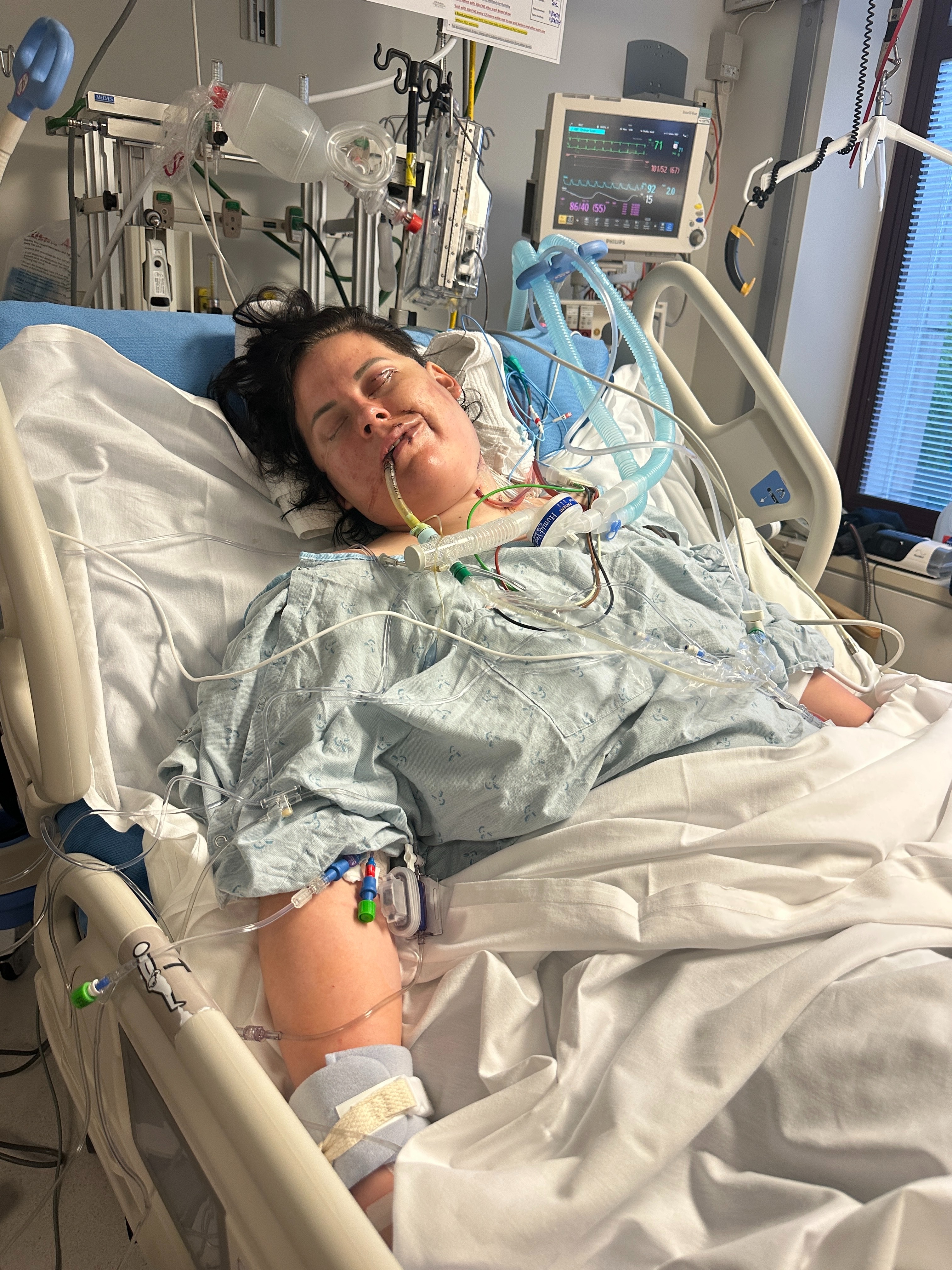
Because of the rarity and the location of the cancer, as well as its apparent rapid growth, she was immediately referred to the University of Washington in Seattle for surgery. UW performed a 15-hour surgery on her on November 25, 2024, that required 3 surgeons and for her to remain intubated overnight in the ICU. Thankfully, her husband was able to be present with her during her surgery and recovery while her father stayed with and cared for their 5 children in Montana.
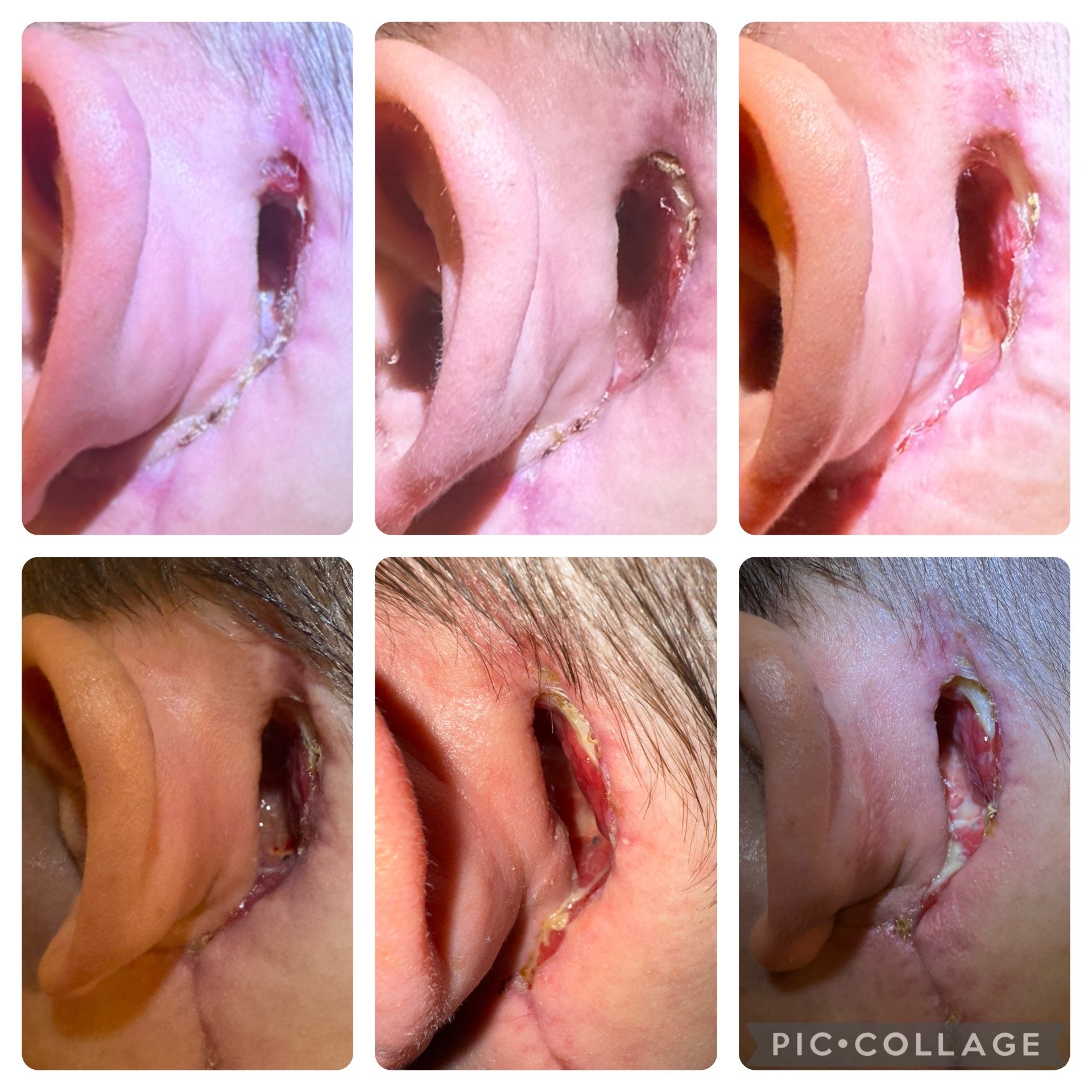
Unfortunately, Kendra's recovery from the surgery was a difficult road. As anticipated, she is now paralyzed on the left side of her face as her facial nerve had to be sacrificed due to the tumor wrapping around it. Her incision, stemming from her temple, around her ear front and back, and down her neck, became infected and broke open, requiring her to heal by secondary intention. Her incredible husband, ever the amazing caregiver, routinely and meticulously cleaned and maintained the open wound in her head for months as it healed at a crawl.
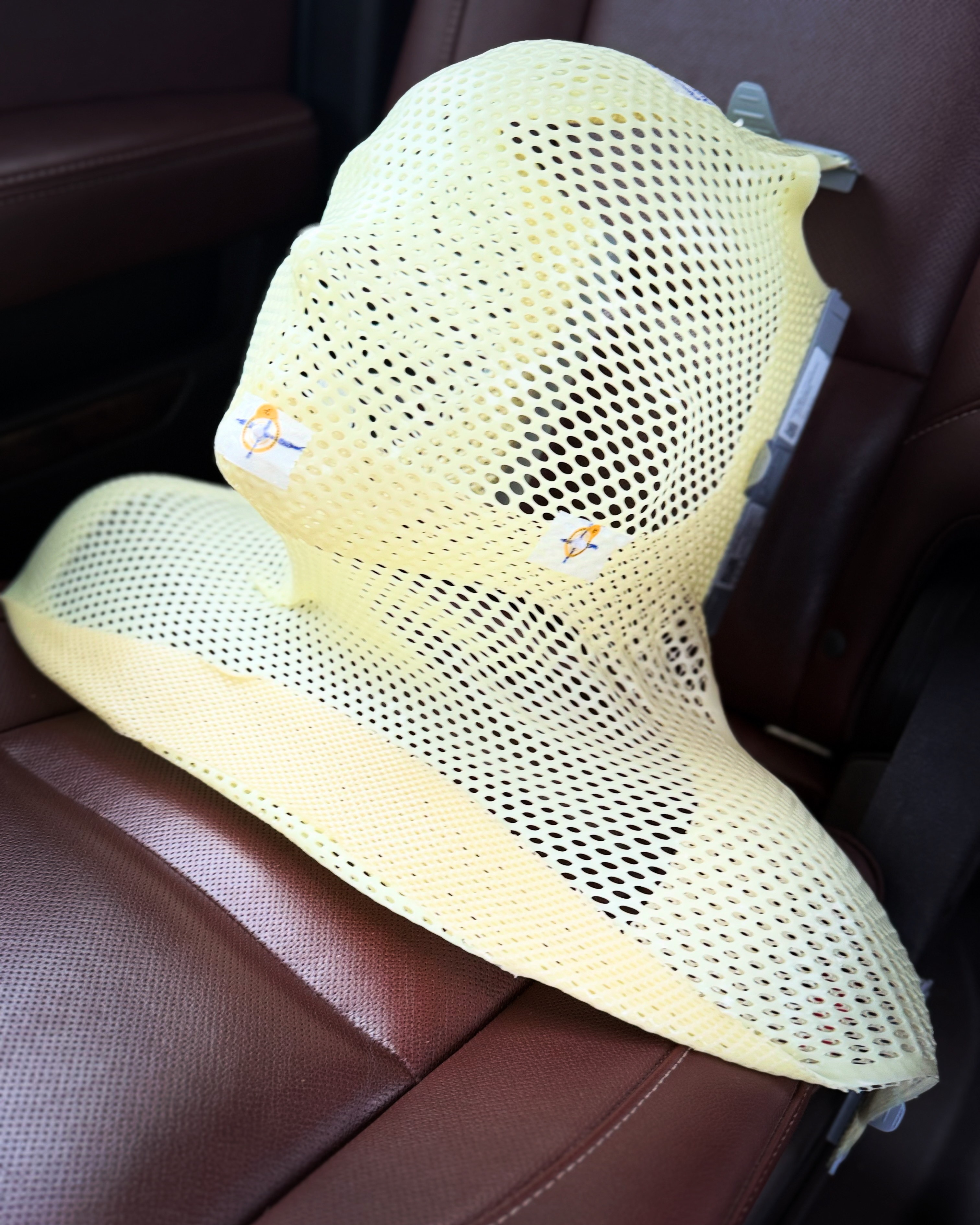
Kendra's surgeons were not able to get clear margins and recommended IMRT (radiation treatment) no later than 6 weeks after surgery to prevent spread as the pathology report post-surgery showed high-grade transformation - a rare phenomenon that holds a significant impact on prognosis and management - meaning the tumor has transformed from a slow-paced low-grade cancer to a faster and more aggressive form. Unfortunately, the open incision prevented IMRT from beginning in a timely manner. She was unable to safely begin IMRT until May 2025.
At Kendra's 6-week post-IMRT treatment PET scan, it was discovered that the cancer had spread to her lungs. A CT was performed to get a more definitive image of the mets, which are "numerous" and in "both lungs and all lobes," now placing her not only grade 4 but stage 4 metastatic. In Kendra's case, the diagnosis of stage 4 metastatic ACC means that the cancer has spread beyond its original site, making it more challenging to treat. This stage often involves aggressive tumor growth and requires advanced treatment options. Because ACC is a rare cancer, there is limited research nor is there a standard of care for this cancer. It has proven to be unaffected by traditional chemotherapy treatment, and radiation is not an option unless one of the mets becomes too large where it affects breathing at which time they can target that specific nodule. Surgery, such as radiofrequency ablation, is not an option for her as the mets are too numerous. Immunotherapy is not an option for Kendra as she has an autoimmune disease that would be dangerously exacerbated by the treatment.
She was once again referred to Seattle where she consulted with an oncologist specializing in research for ACC at the Fred Hutch Cancer Center. Her oncologist informed her that at this stage of the cancer, her only options are clinical trials, making this challenging journey take an urgent turn. She showed enthusiasm over a clinical trial involving B7-H4 inhibitors that they hope to have become available in the next month or so that she felt Kendra would likely be a candidate for. This particular trial offers a potential lifeline for Kendra, as it may include innovative treatments that target her specific cancer type. Participation in the trial can provide access to cutting-edge therapies that could improve her prognosis and quality of life, making it a crucial step in her fight against cancer. There is research that shows promising results with this treatment, though there is no guarantee she will respond to it. However, she promised her children she would always fight, just like she always has.
To prepare for this possible treatment, Kendra underwent a lung biopsy in Montana to confirm her cancer spread as part of the qualification process for the clinical trial. While Kendra, her husband, and their children are hopeful for the clinical trial, it will require Kendra to travel to Seattle every 21 days to receive treatment for the foreseeable future. With 5 children and one income, the expense of such travel is overwhelming. Kendra requires flights as well as a rental car for her time in Seattle. Thankfully, she has family in the area that she can stay with, and thus not have lodging expenses. Round trip flights just for Kendra are approximately $400-$500 each trip and rental car just for her initial 3.5 days stay for consultation was $900. That's approximately $1400 every 3 weeks depending on the length of stay for the rental car, just for Kendra to travel. Should Josh travel with her for any of her treatments or for any emergency while she is in Seattle receiving treatment, that is an additional cost.
This fundraiser is aimed to ease this financial burden and allow her to focus on what truly matters—her treatment and recovery.
Join us in this fundraiser to provide Kendra with the support she needs during this critical time. Your generosity will help cover travel expenses and ensure she has access to this potential life-saving treatment so she can have more time with her 5 children and husband.
Thank you for your support!
Organizer