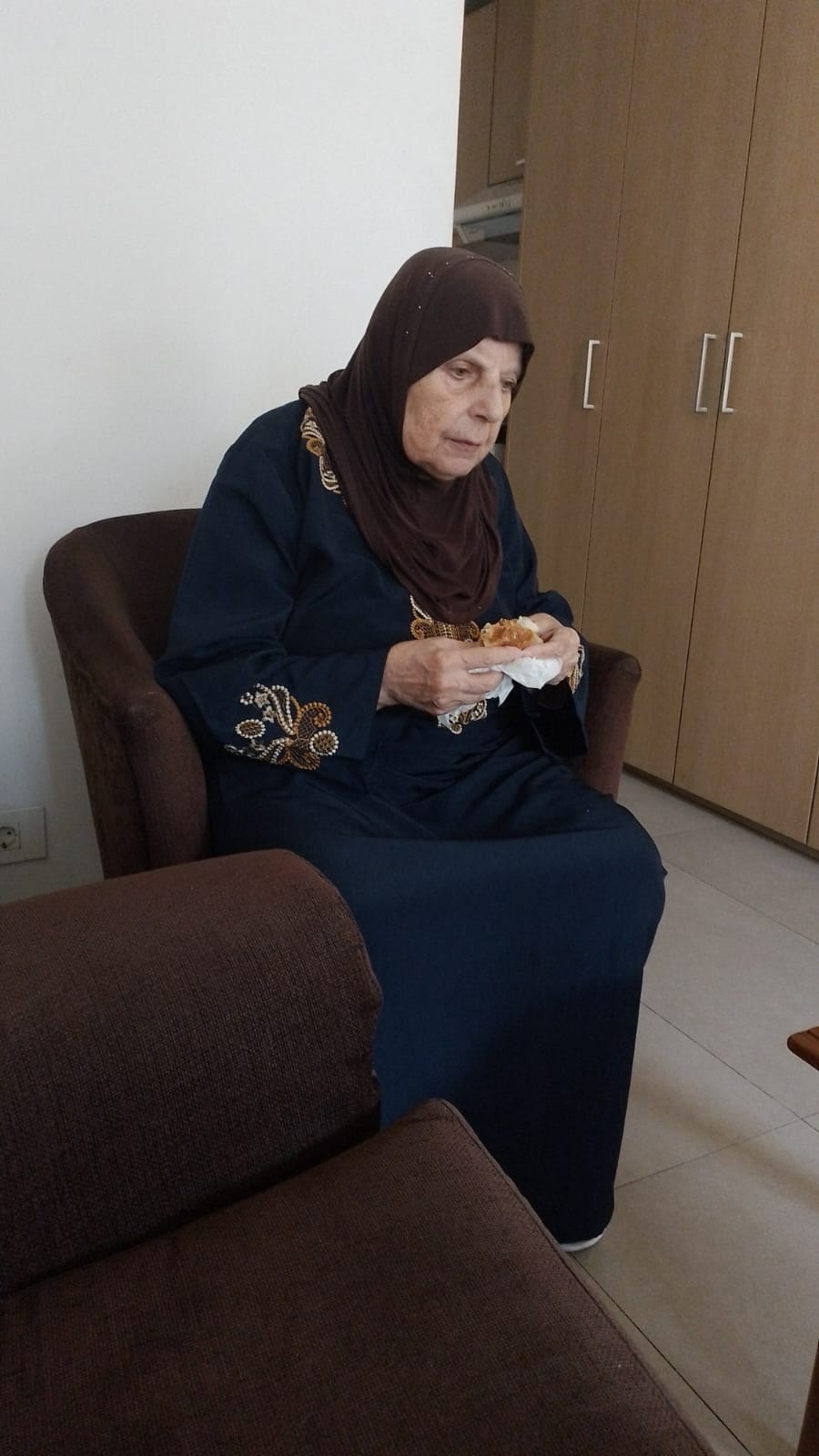
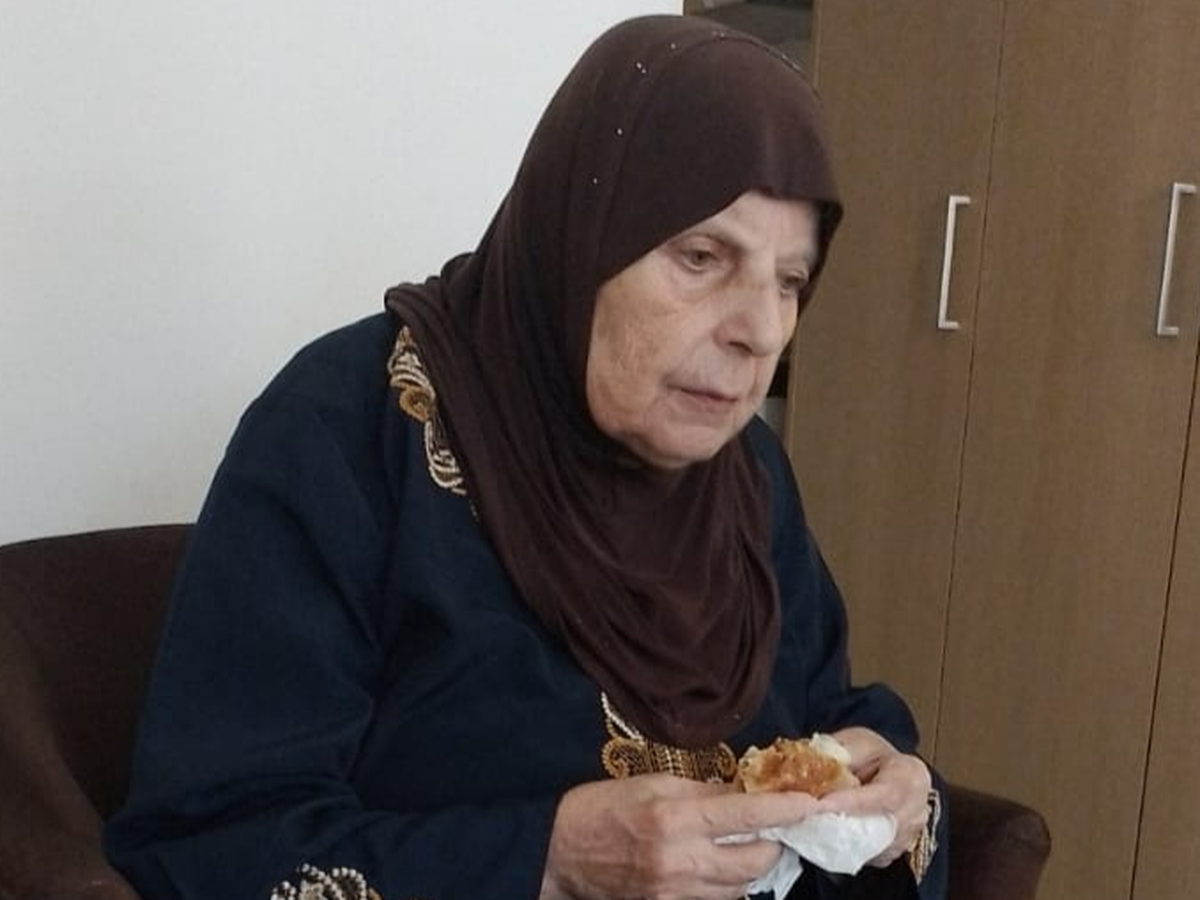
Support Grandma Hiam's Journey to Physical and Mental Health
0% complete
$1,795 raised of
18 donations
My grandma Hiam has always struggled with depression and anxiety, stemming from the lifelong traumas she faced starting at a young age. She has also been diagnosed with borderline bipolar disorder.
As if she hasn’t endured enough in her life, my father, Abed AlKarim, passed away suddenly from a heart attack at the age of 57 in July of 2023, here in Michigan. The last time my grandmother saw my father was five years before his death, in 2018, when she came to Michigan to visit for my wedding.
By 2023, her visitor visa to the United States had expired, but she clung to the hope of getting it renewed so she could finally visit her son’s grave, which she described as her last wish before she died. After a lengthy process of renewing her passport and applying for a visa renewal, she waited six months for her visa interview. By October 2024, when Lebanon was under heavy airstrikes, she risked her life to get to the U.S. embassy for her appointment, but was turned away at the door due to the emergency circumstances. Her visa interview denial was the last straw; in her mind, all hope of visiting her son’s grave vanished, and she allowed herself to finally fully grieve the loss of her child.
From October 2024 to January 2025, I witnessed my grandmother’s physical and mental health deteriorate from thousands of miles away. She reached a point where she became a danger to herself and others, and unfortunately, not everyone around her was acting in her best interest or even believed in mental health issues. At that point, I decided to leave everything behind and make a last-minute 10-day trip to Lebanon with my 2-year-old son, hoping that seeing her great-grandchild for the first time would cheer her up. I also planned to arrange to move her from her house to an elderly assisted living and find a solution for her visitor visa situation.
Unfortunately, none of that went as planned. By the time I arrived in Lebanon, my grandmother’s condition had worsened so much that I had to admit her to the psychiatric ward of one of the most prestigious hospitals in Lebanon, Hôtel-Dieu de France. There, she was monitored around the clock while doctors adjusted her medications. She was experiencing hallucinations, which led the doctors to request a brain MRI to check for early signs of dementia.
Fortunately, the MRI did not show any signs of dementia, but it revealed what the brain surgeon we consulted described as a 25 to 30-year-old brain aneurysm. There is a high risk that the aneurysm could rupture at any moment, potentially causing my grandmother to enter a coma or die instantly. She needs to avoid situations that could cause her blood pressure to rise, should not exert too much effort, and is certainly not allowed to travel by air due to the drastic change in pressure. This news was devastating, as my hopes of bringing her back to the States with me and finally fulfilling her final wish in life diminished. At that time, she was still mentally unstable, so my immediate focus shifted to finding her a long-term living solution where she could receive the care she needed and deserved, and so I could return to the States with peace of mind.
Fast forward to June of 2025, my grandmother has been residing at the Dar Al-Ajaza Al-Islamia Hospital in Beirut, receiving mental health treatment and gradually returning to the strong, independent woman I always admired while growing up. During her stay at Dar Al-Ajaza, we found an opportunity to inform her about her brain aneurysm and consult with multiple brain surgeons about her chances of traveling. We learned about a procedure called coiling that, if successful, would allow her to live an everyday life and consider traveling, not to mention that the risk of the aneurysm rupturing increases by 20-30% for each year it remains untreated. However, given that my grandmother is 77 years old and that the procedure itself carries life-threatening risks, a preliminary procedure must be performed to estimate the chances of success, allowing her to make a more informed decision regarding the coiling procedure versus living with the aneurysm.
In early June, my grandmother was doing well both mentally and physically, and it was recommended that she be transferred to a semi-independent assisted living facility for seniors where she could make friendships and live a more typical life while we sought answers about her aneurysm. She was transferred to Al Omor Al Madid and began to flourish. However, the conversation about travel resurfaced, and she fell back into depression, losing hope of visiting my father’s grave. Her situation worsened significantly to the point she needed to be transferred back to Dar Al-Ajaza Al-Islamia Hospital, where she can be monitored around the clock and her medications can be adjusted instantly if needed.
Even though God has blessed my husband and I with more than we deserve, my grandma’s expenses have taken a financial toll on us. Since January of this year alone, her medical health bills and hospital stays have cost $22,405.50.
I have reached the point of not being able to keep up with my grandmother’s expenses, especially since she is now back at Dar Al-Ajaza Hospital, where her average monthly living cost is between $2,300 and $2,500, depending on the testing or treatments she requires for that month.
Not to mention the cost of the preliminary procedure, which has been estimated at $1000, before we can know if she qualifies for the lifesaving procedure that she needs to be able to travel. The hospital is holding the cost of the primary procedure itself with the claim that the cost will depend on the results of the first procedure. However, during our venture to find out more about grandma’s condition, it was estimated that the cost for the coiling procedure starts at $15,000.
Knowing that grandmother’s current monthly expenses range from 2300-2500 dollars a month, her procedures’ cost at least $16,000. I am asking that you support me in reaching a goal of $35,000. This amount would help keep up with her expenses for at least 6 months and cover her procedures if it were determined that she is eligible. If not, the rest of the money would alleviate another 6 months of living expenses for her at a facility that can help make sure she spends the rest of her years left in this world living with dignity.