- A
- M
- D
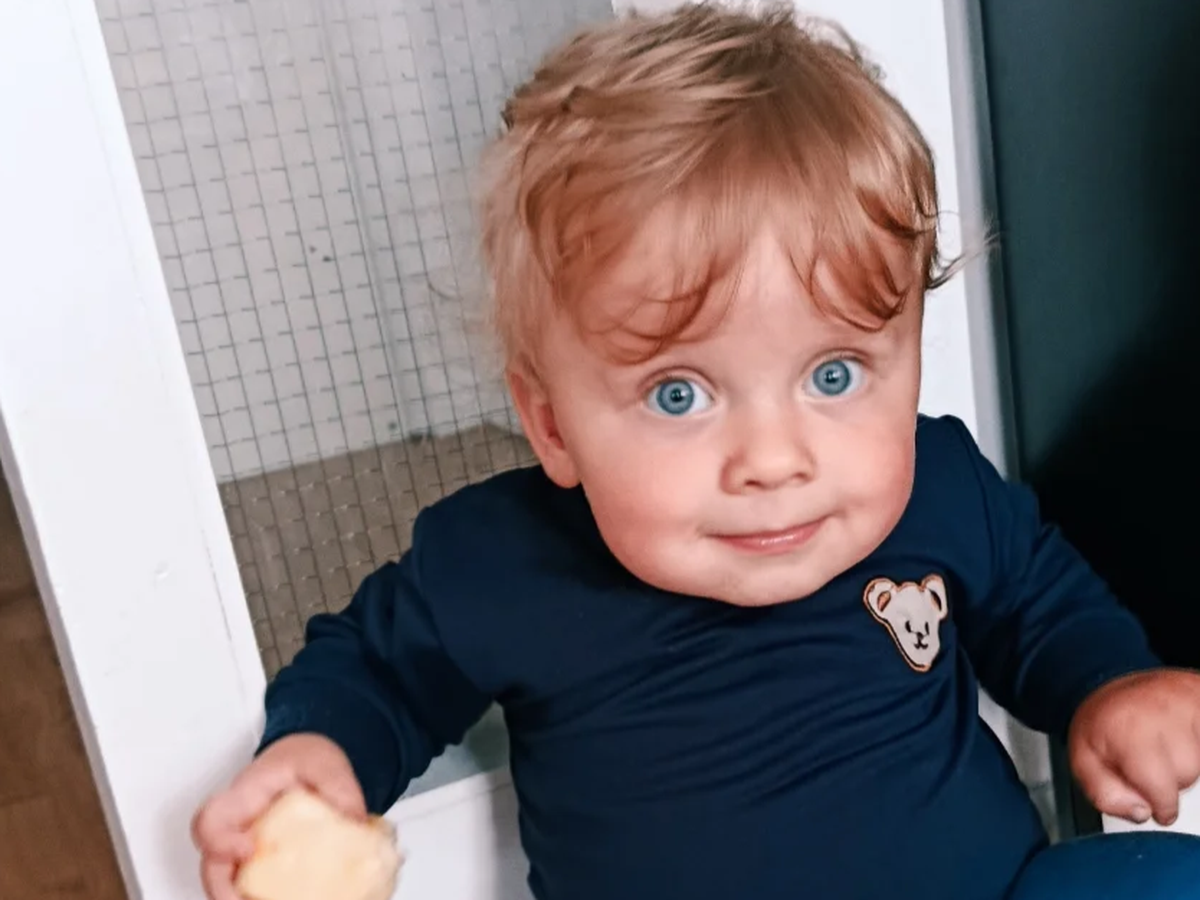
Support for Patryk's family during his battle!
0% complete
€9,886 raised of €10K
152 donations
We are reaching out to ask for your help during the most difficult time of our lives. We are a family of four: Magda (mom), Robert (dad), Klara (daughter), and Patryk (son).
In October 2024, we ended up in the hospital because our 5-month-old son, Patryk, had an enlarged lymph node in his neck. Two weeks later, we were back in the hospital with an abscess on his bottom, and this time, we stayed for longer. The doctors in Waterford performed a range of tests and asked countless questions about everything. The medical staff showed full professionalism and enormous dedication.
In November 2024, we received the diagnosis: Chronic Granulomatous Disease (CGD). We were transported to the Children's Hospital in Crumlin, Dublin. There, we met our wonderful team of immunologists who took great care of our family. The quality of medical care exceeded our expectations. They gave us all the information regarding Patryk's disease and the treatment plan.
About Chronic Granulomatous Disease (CGD)
Chronic Granulomatous Disease (CGD) is a rare, inherited genetic condition that belongs to the group of primary immunodeficiencies.
Simply put, the problem affects one of the components of our immune system, specifically the scavenger cells (also called phagocytes), which normally "eat" and destroy bacteria and fungi.
What happens in CGD?
"Engulfing" works, "killing" doesn't. Phagocytes in people with CGD can engulf (phagocytose) harmful microorganisms (bacteria, fungi), but they have a severe problem with effectively killing them inside.
Lack of "weaponry." This is because these cells lack an enzyme (NADPH oxidase) that is necessary to produce powerful, reactive oxygen species (a kind of "chemistry") that they normally use to destroy the swallowed intruder.
Granuloma formation. Since the microorganisms survive inside the cells, this leads to chronic inflammation. The body, trying to control the situation, creates clusters of immune cells around these "trapped" pathogens. Such a cluster is called a granuloma. These granulomas can damage organs such as the lungs, liver, or intestines.
The disease most often manifests as recurrent, severe, and hard-to-cure bacterial and fungal infections, especially in the lungs, skin, lymph nodes, and liver, often taking the form of abscesses.
Treatment and Our Current Situation
The only chance for Patryk's full recovery is a bone marrow transplant, which will take place on November 14th in Newcastle, England. However, we must be there two weeks prior for essential testing and chemotherapy.
For the next few months, we will be forced to live in two countries. Patryk and his mother will stay at the Royal Victoria Infirmary in Newcastle, England, for the entire period of treatment and convalescence. At the same time, his sister, Klara, and his father will remain in Ireland.
This separation puts us in an extremely difficult emotional and financial situation.
We need support to cover the high costs of maintaining two households, including bills, rent, travel, and other expenses related to our stay in both England and Ireland. Every amount, no matter how small, will allow us to focus on what is most important—our son's health and recovery.
We ask for financial support, but we also strongly ask that you share this fundraiser. Every share is a chance for our story to reach people who may be able to help us.
We thank you from the bottom of our hearts for every gesture of kindness.
Any money remaining after the completion of Patryk's treatment and our return home will be donated to help fundraise for another sick child.
With deepest gratitude,
Patryk's Family
Zwracamy się z prośbą o pomoc w najtrudniejszym okresie naszego życia. Jesteśmy czteroosobową rodziną: mama Magda, tata Robert, córka Klara i syn Patryk. W październiku 2024 wylądowaliśmy w szpitalu z powiększonym węzłem chłonnym na szyi u naszego 5-cio miesięcznego Patryka, dwa tygodnie później znów wylądowaliśmy w szpitalu z ropniakiem na dupce i wtedy już zostaliśmy na dłużej. Lekarze w Waterford robili szereg badań i testów, mnóstwo pytań o wszystko. Personel medyczny wykazał się pełnym profesjonalizmem i ogromnym zaangażowaniem. W Listopadzie 2024 otrzymaliśmy diagnozę: przewlekła choroba ziarniniakowa. Zostaliśmy przetransportowani do dziecięcego szpitala Crumlin w Dublinie. Tam spotkaliśmy nasz wspaniały team immunologów ktorzy zatroszczyli się o naszą rodzinę. Jakość opieki medycznej przewyższyła nasze oczekiwania. Przekazali nam wszystkie informacje dotyczące Patryka choroby oraz plan leczenia.
Przewlekła Choroba Ziarniniakowa (CGD, z ang. Chronic Granulomatous Disease) to rzadka, wrodzona choroba genetyczna, która należy do grupy pierwotnych niedoborów odporności.
Mówiąc najprościej, problem dotyczy jednego z elementów naszego układu odpornościowego, a konkretnie komórek żernych (zwanych też fagocytami), które normalnie zajmują się "pożeraniem" i niszczeniem bakterii oraz grzybów.
Co się dzieje w CGD?
"Pochłanianie" działa, "zabijanie" już nie. Komórki żerne u osób z CGD potrafią pochłonąć (sfagocytować) szkodliwe drobnoustroje (bakterie, grzyby), ale mają poważny problem z ich skutecznym zabiciem wewnątrz.
Brak "broni". Dzieje się tak, ponieważ komórkom tym brakuje enzymu (oksydazy NADPH), który jest niezbędny do wytworzenia silnych, reaktywnych form tlenu (rodzaj "chemii"), których normalnie używają do zniszczenia połkniętego intruza.
Tworzenie się ziarniniaków. Ponieważ drobnoustroje przeżywają wewnątrz komórek, prowadzi to do przewlekłego stanu zapalnego. Organizm, próbując opanować sytuację, tworzy skupiska komórek odpornościowych wokół tych "uwięzionych" patogenów. Takie skupisko nazywa się ziarniniakiem. Te ziarniniaki mogą uszkadzać narządy, takie jak płuca, wątroba czy jelita.
Choroba najczęściej objawia się nawracającymi, ciężkimi i trudnymi do wyleczenia zakażeniami bakteryjnymi i grzybiczymi, zwłaszcza w płucach, skórze, węzłach chłonnych i wątrobie, często przyjmującymi postać ropni.
Jedyną szansą na jego pełne wyleczenie jest przeszczep szpiku kostnego, który odbędzie się 14 listopada w Newcastle w Anglii. Jednak my musimy tam być na dwa tygodnie przed żeby wykonać niezbędne badania oraz chemioterapię.
Przez najbliższe miesiące będziemy zmuszeni żyć na dwa kraje. Patryk z mamą bedzie przebywał w szpitalu Royal Victosia Infimary w Newcastle w Anglii przez cały okres leczenia i rekonwalescencji. W tym samym czasie siostra Klara i tata beda w Irlandii.
Ta rozłąka stawia nas w wyjątkowo trudnej sytuacji zarówno emocjonalnej jak i finansowej.
Potrzebujemy wsparcia, aby pokryć wysokie koszty życia na dwa domy, w tym rachunki, czynsz, podróże i inne wydatki związane z pobytem w Anglii i w Irlandii. Każda, nawet najmniejsza kwota, pozwoli nam skupić się na tym, co najważniejsze – na zdrowiu i powrocie do zdrowia naszego syna.
Prosimy o wsparcie finansowe, ale również mocno prosimy o udostępnienie tej zbiórki. Każde udostępnienie to szansa, że nasza historia dotrze do osób, które będą w stanie nam pomóc.
Z całego serca dziękujemy za każdy gest dobroci.
Pieniądze które zostaną po ukończonym leczeniu i powrocie do domu przekażemy na pomoc w zbiórce pieniędzy dla innego chorego dziecka.
Z wyrazami wdzięczności,
Rodzina Patryka
Organizer
Magdalena Alkiewicz
Organizer