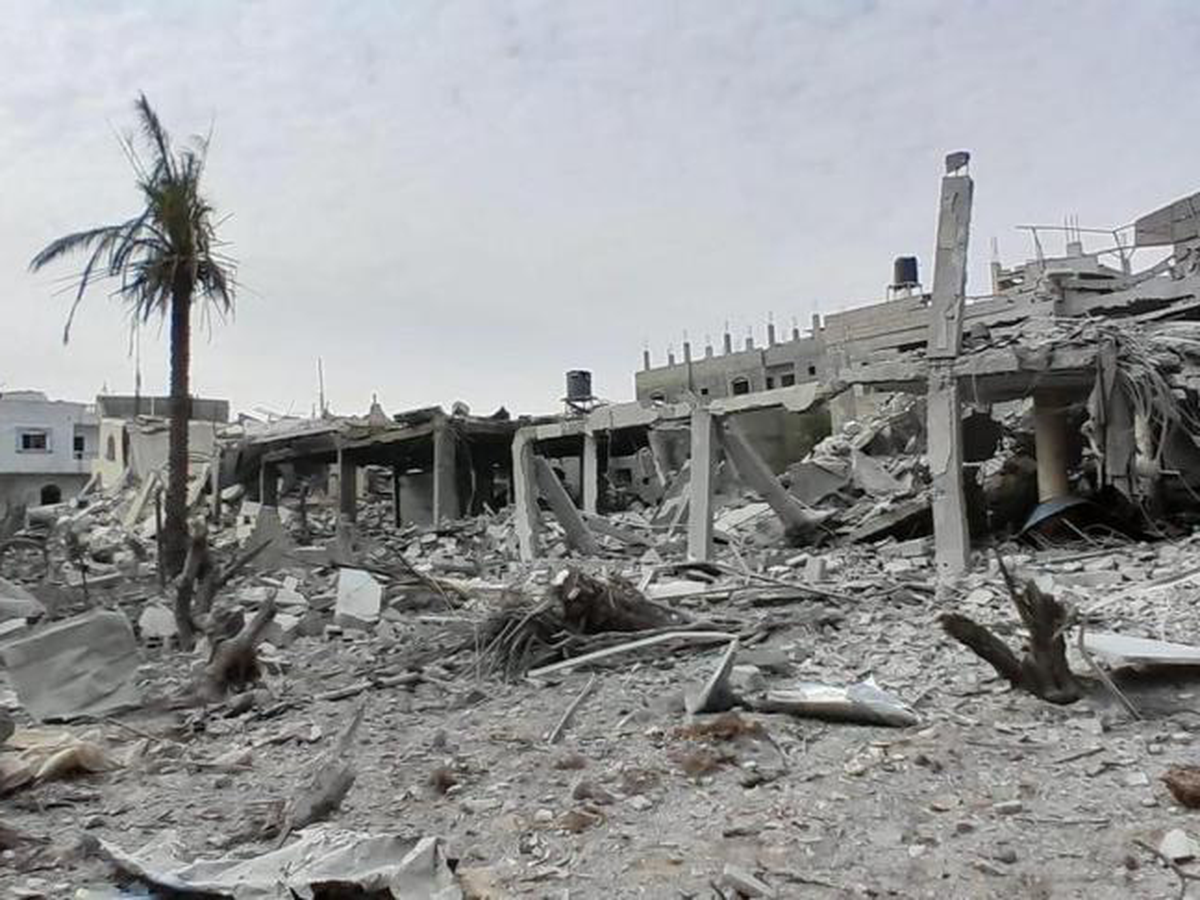
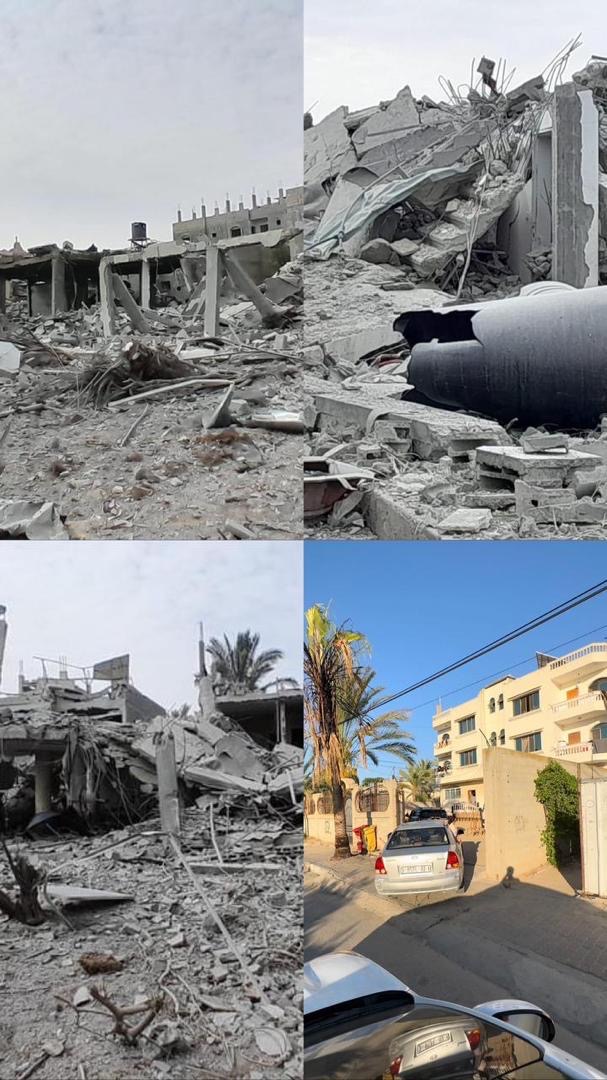
The first time we evacuated, it was early morning. Word spread quickly through the neighborhood that we had minutes to leave. I grabbed what I could—documents, some clothes, my phone charger—and we walked south with a long line of people carrying whatever they had managed to pull from their homes. By sunset, we heard our area had been hit. When we eventually returned, the house was unrecognizable, the rooms collapsed inward.
After that, displacement became a cycle. We moved to a school that had dozens of families in the classrooms. The corridors were packed with mattresses made of folded blankets. Each family marked its space with bags or pieces of cardboard. Water arrived in trucks every few days, and we lined up for hours with plastic containers. Food distributions came irregularly—sometimes canned beans, sometimes bags of flour—never enough to last more than a few days.
When fighting shifted again, we were told to evacuate the school. We walked for hours toward another “safe area,” only to find thousands of others already there. We built a makeshift shelter from wood scraps, plastic sheets, and whatever fabric we found. Rain leaked through. We collected firewood from destroyed buildings, breaking apart broken doors or window frames to cook a small meal.
Every relocation meant starting from zero: finding a new place to sleep, figuring out where water points were, learning which clinic had medical supplies left, and adjusting to new restrictions. Sometimes we’d move three or four times in a single month.
Famine conditions changed the rhythm of daily life. Bread became rare. Many days we ground animal feed in metal bowls to make something that resembled flour. Children walked long distances to search for wild plants to boil. Fuel ran out, so cooking meant burning trash or small pieces of wood. People traded anything—chargers, tools, blankets—for a few eggs or a bit of rice.
Health problems spread quickly. Without clean water, diarrhea and dehydration became common. Clinics were overcrowded, with people lying on floors waiting hours to be seen. Medicine was scarce; even basic painkillers were difficult to find. We survived mostly on oral rehydration, improvised treatments, and luck.
Communication was another struggle. Power outages lasted days. Charging phones required walking to any place with a working generator, often paying money or waiting in long lines. Internet access was unreliable, so we rarely knew what was happening beyond the immediate surroundings.
In some areas, the roads became unusable because of debris or damage. We walked everywhere—miles each day—carrying jugs of water, bundles of firewood, or food portions. We saw entire neighborhoods flattened, with buildings reduced to piles of cement and twisted metal.
Nighttime brought new routines. Streets went dark. People slept in shifts to stay alert for new evacuation orders. Every few nights, crowds suddenly moved together, following word-of-mouth directions to a different zone before daylight.
After months of this, the places we had lived—our home, the schools, the tents—had all been abandoned at least once. I’ve kept track: I’ve been displaced more times in one year than I moved in my entire life before the war.
These are the events that shaped daily life: losing the house, evacuating repeatedly, scrambling for food and water, building and rebuilding shelters, walking long distances for the basics, living in overcrowded camps, and constantly relocating before settling into anything that resembled stability.
Please help us to try and re-shape our life by donating and sharing and your prayers.
Organizer