Support Ethiopia's First National Debate Team
0% complete
$7,391 raised of $15K
86 donations

Ethiopia has one of the oldest intellectual and oral traditions in the world. But for generations, Ethiopian students have had little access to international debating spaces like the World Schools Debating Championship.
In 2026, that begins to change.
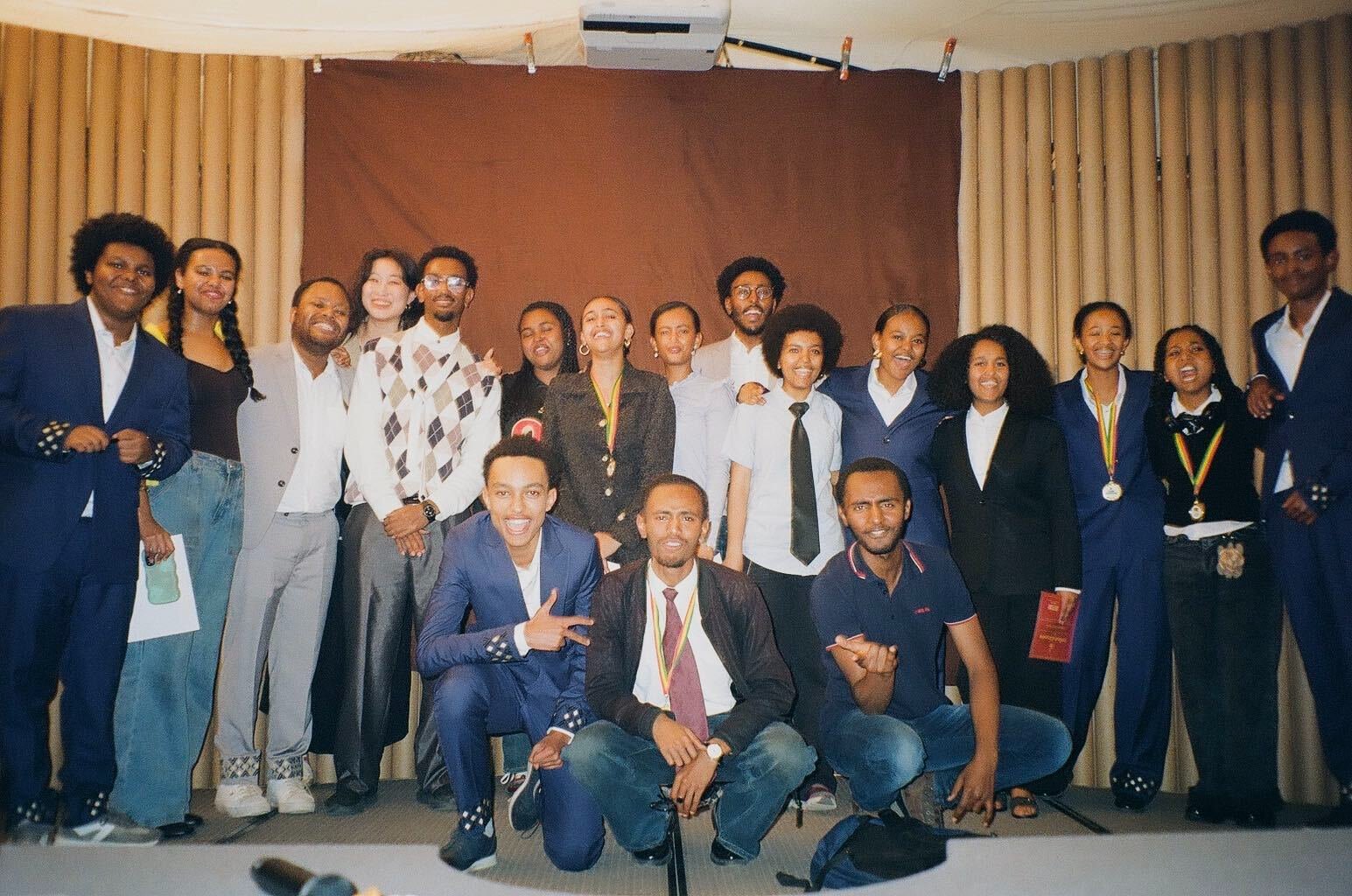
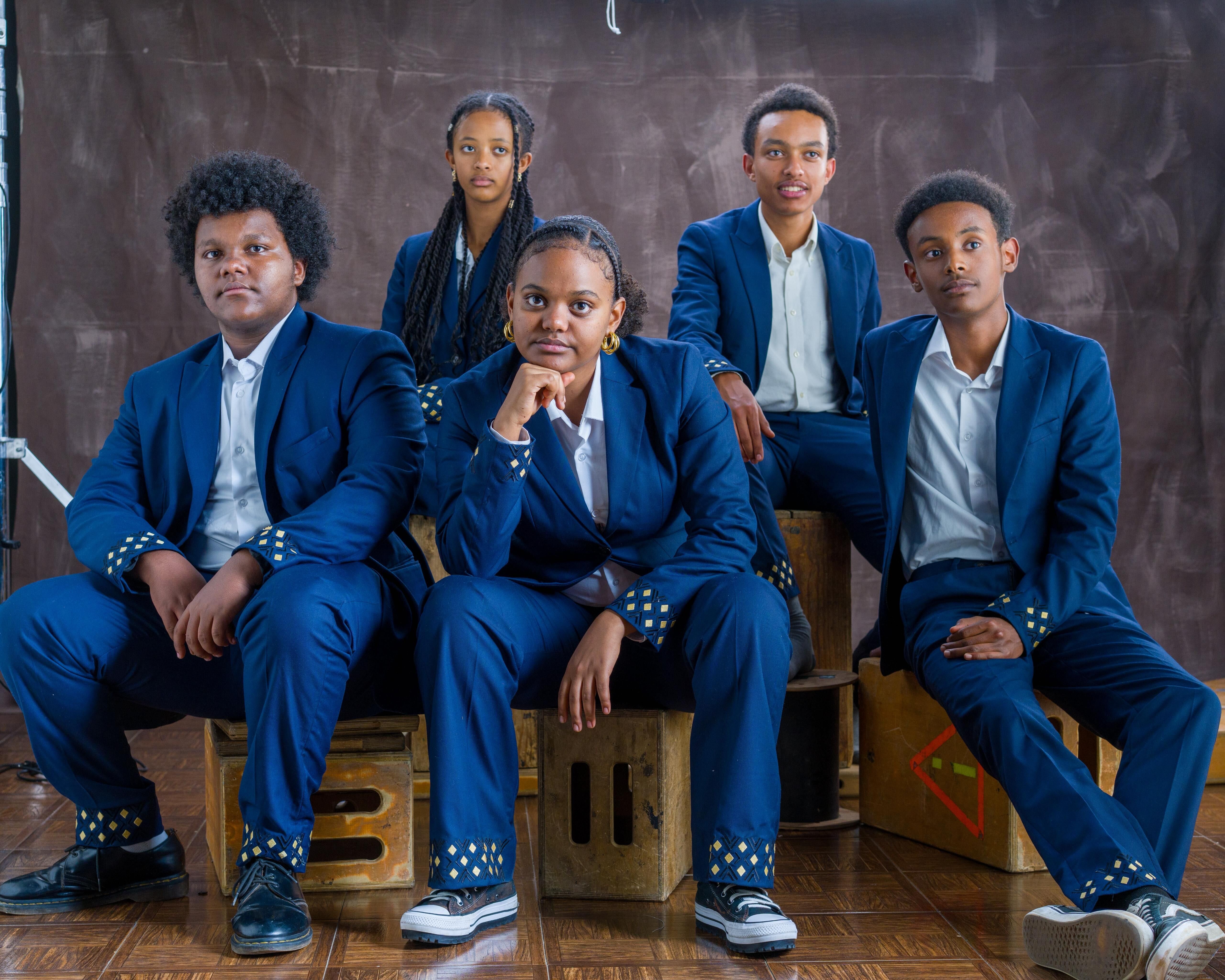
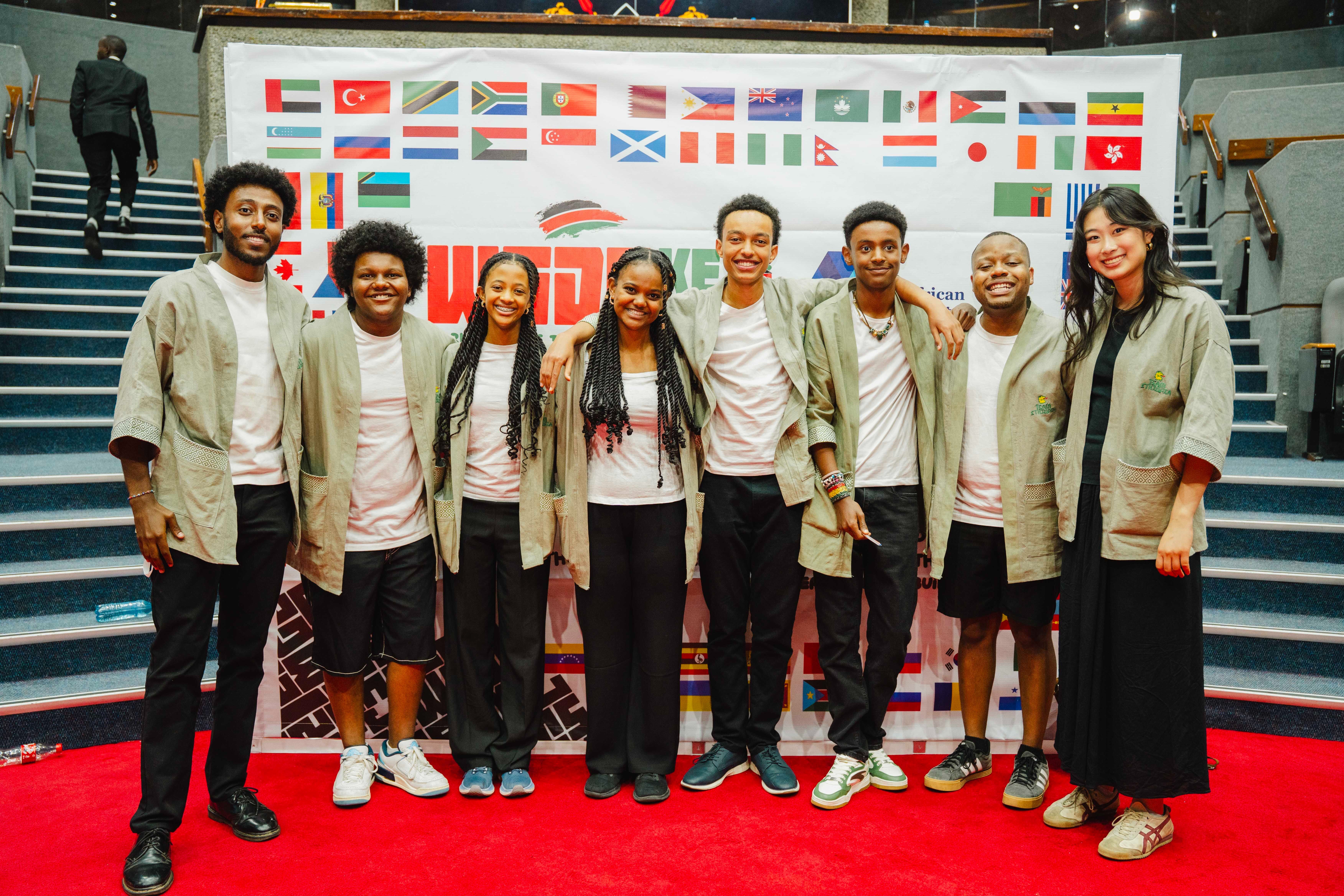
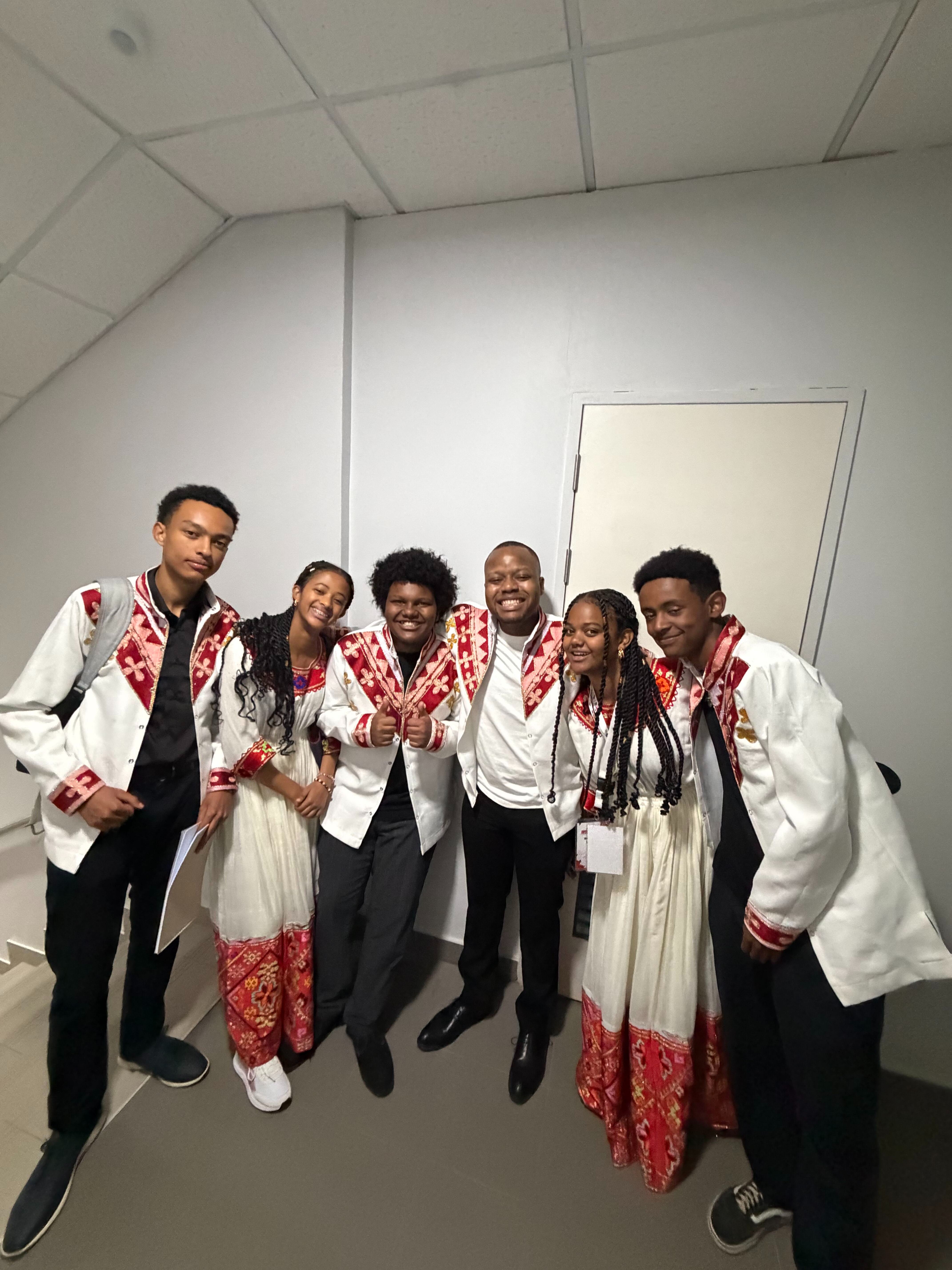
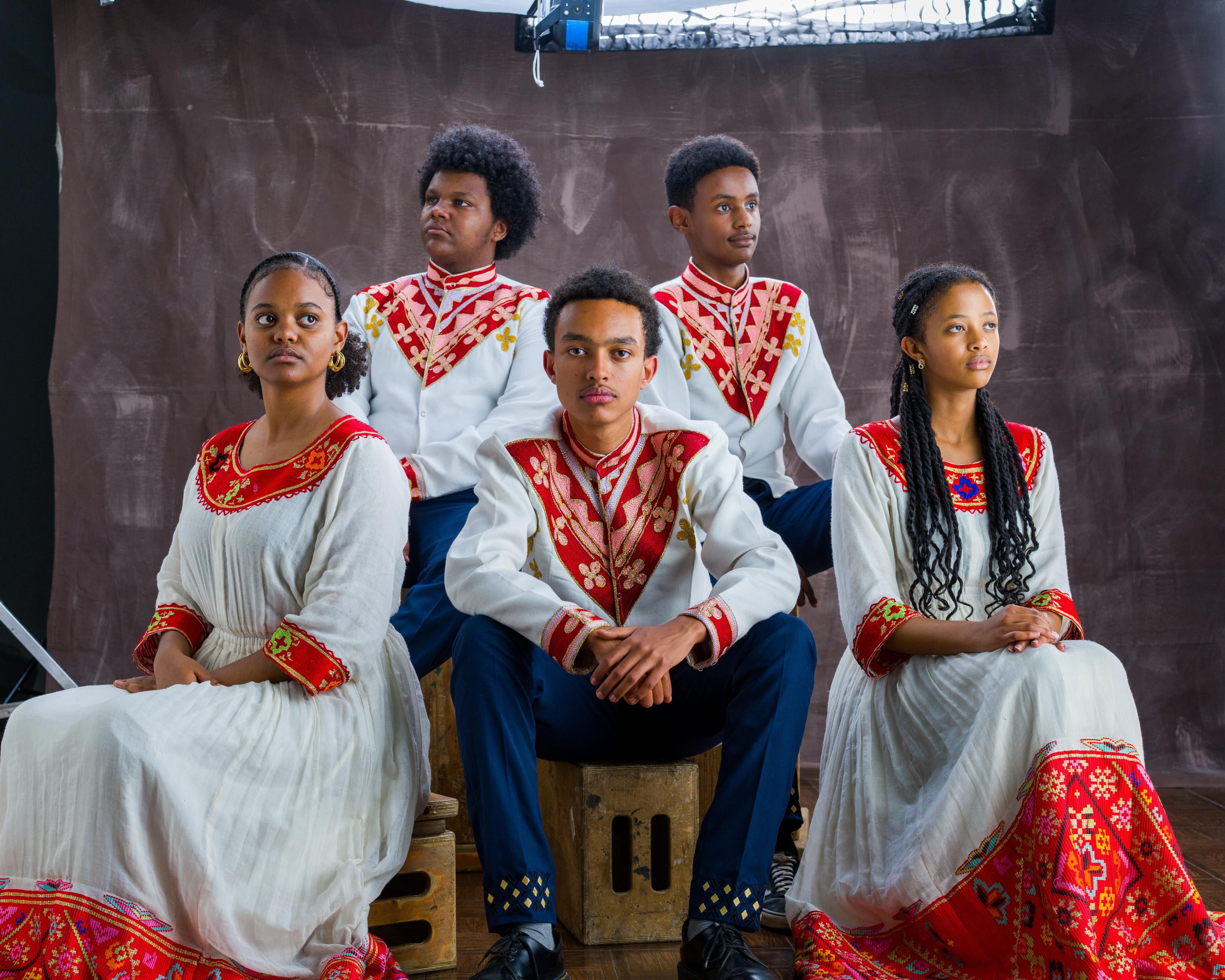
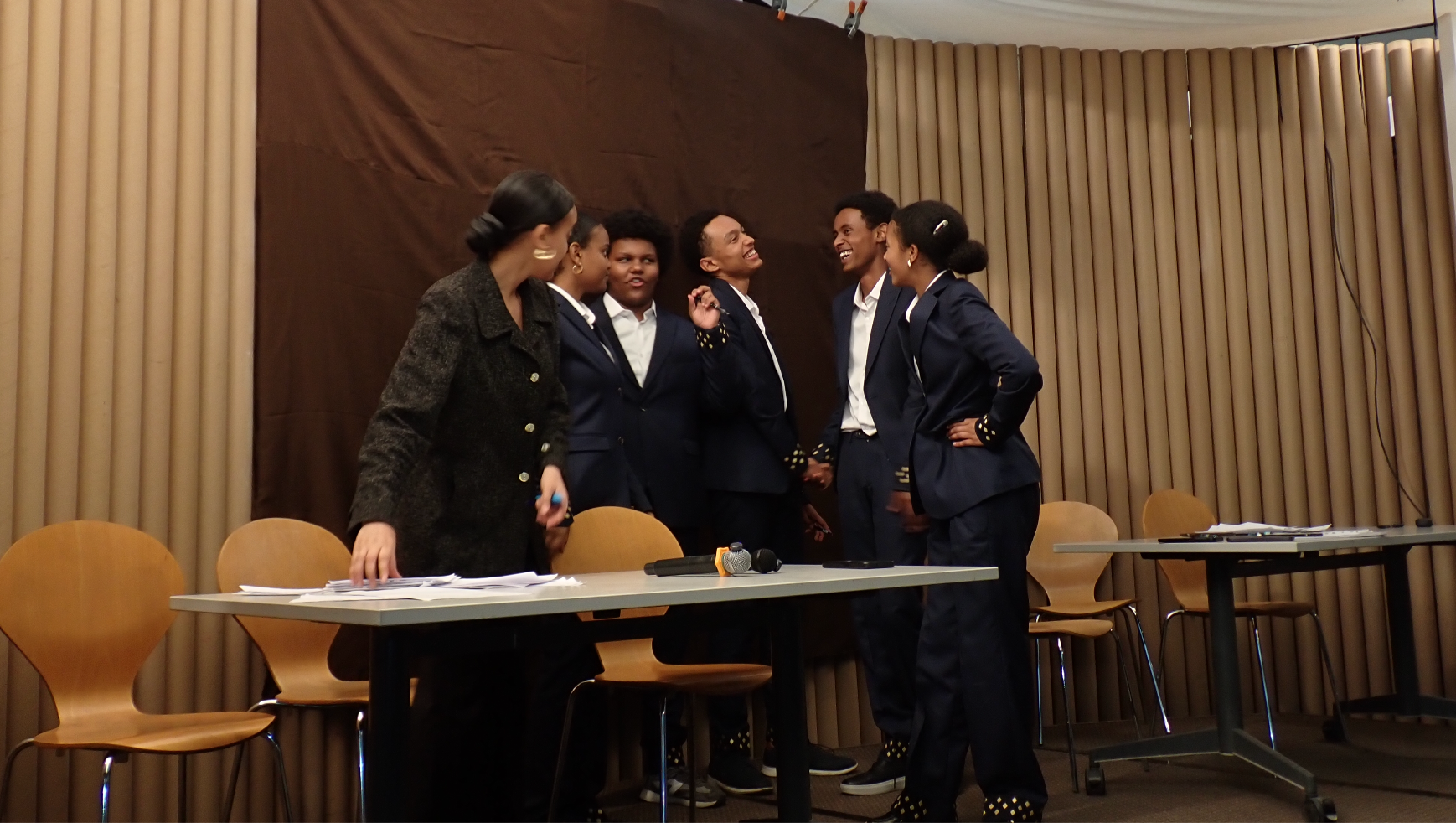
This July, five Ethiopian students will travel to Nairobi, Kenya to represent Ethiopia at the World Schools Debating Championship (WSDC), the most prestigious high school debate competition in the world — often called the Olympics of high school debating. For Ethiopia, this is more than a competition. It is the beginning of a national debate movement.
The students representing Ethiopia are:
- Alazar Mulugeta Anteneh
- Esrom Anagaw Atickem
- Ezana Zekarias Mintesnot
- Mariamawit "Mary" Christopher
- Sotale "Soti" Samuel Asefa
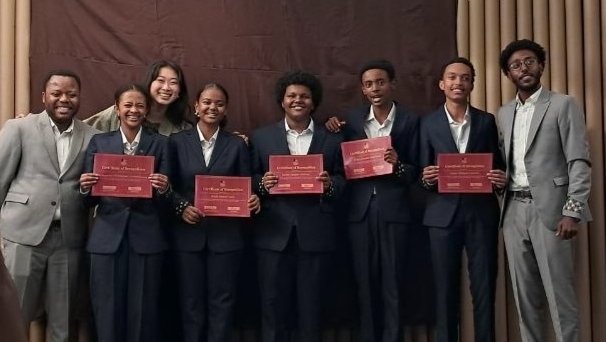
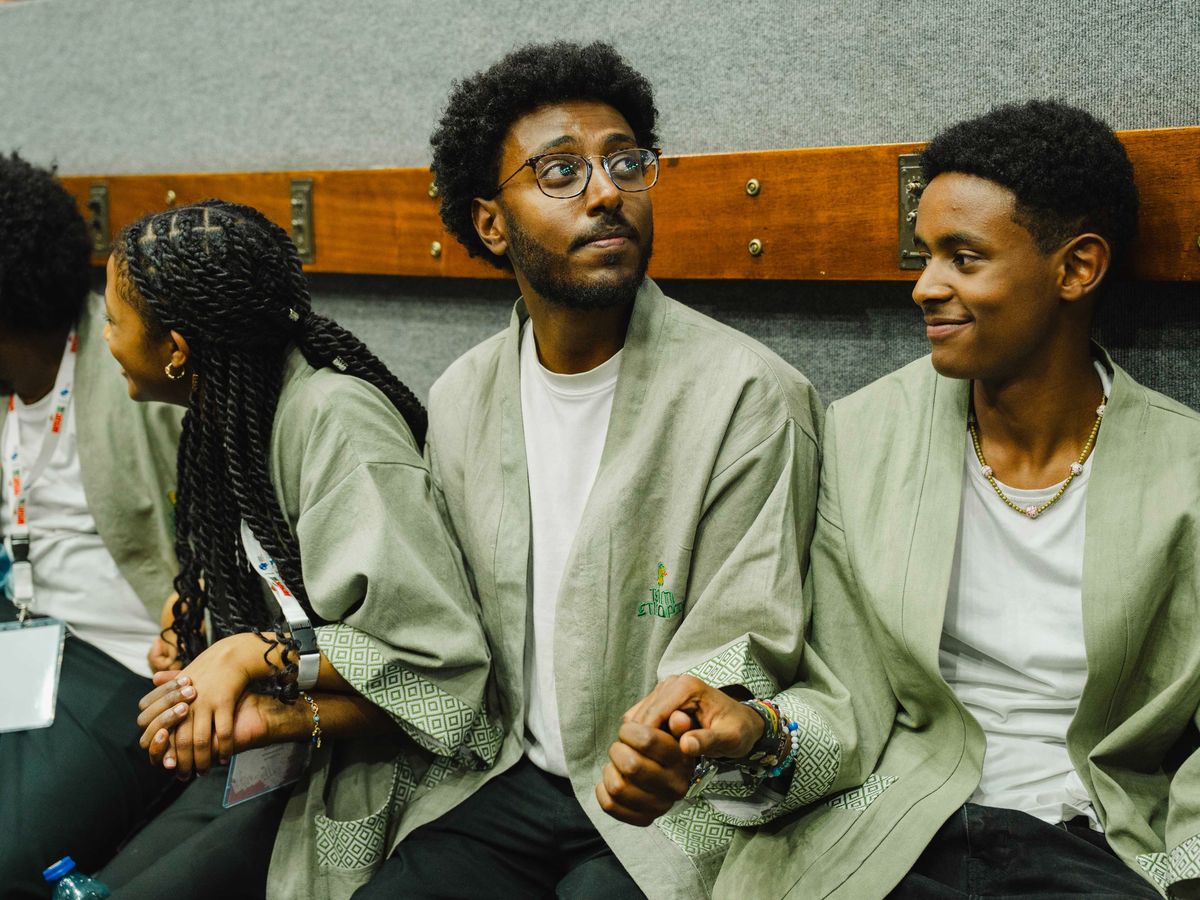
Over the past year, these students were selected through a highly competitive national process led by the Ethiopian Public Debate initiative. Chosen from applicants across Ethiopia, they underwent months of rigorous training in argumentation, public speaking, critical thinking, and research. They debated topics ranging from economics and philosophy to technology, religion, education, and global politics — often in a language that is not their first, against students from countries with decades of debating infrastructure behind them.
But this project was never only about winning debates.
Debating teaches young people how to disagree without hatred. It teaches them how to think carefully, listen closely, and defend ideas with rigor and respect. In a world increasingly shaped by polarization and distrust, these skills matter deeply.
That belief is what inspired the creation of the Ethiopian National Debate Team.
Where did Team Ethiopia begin?
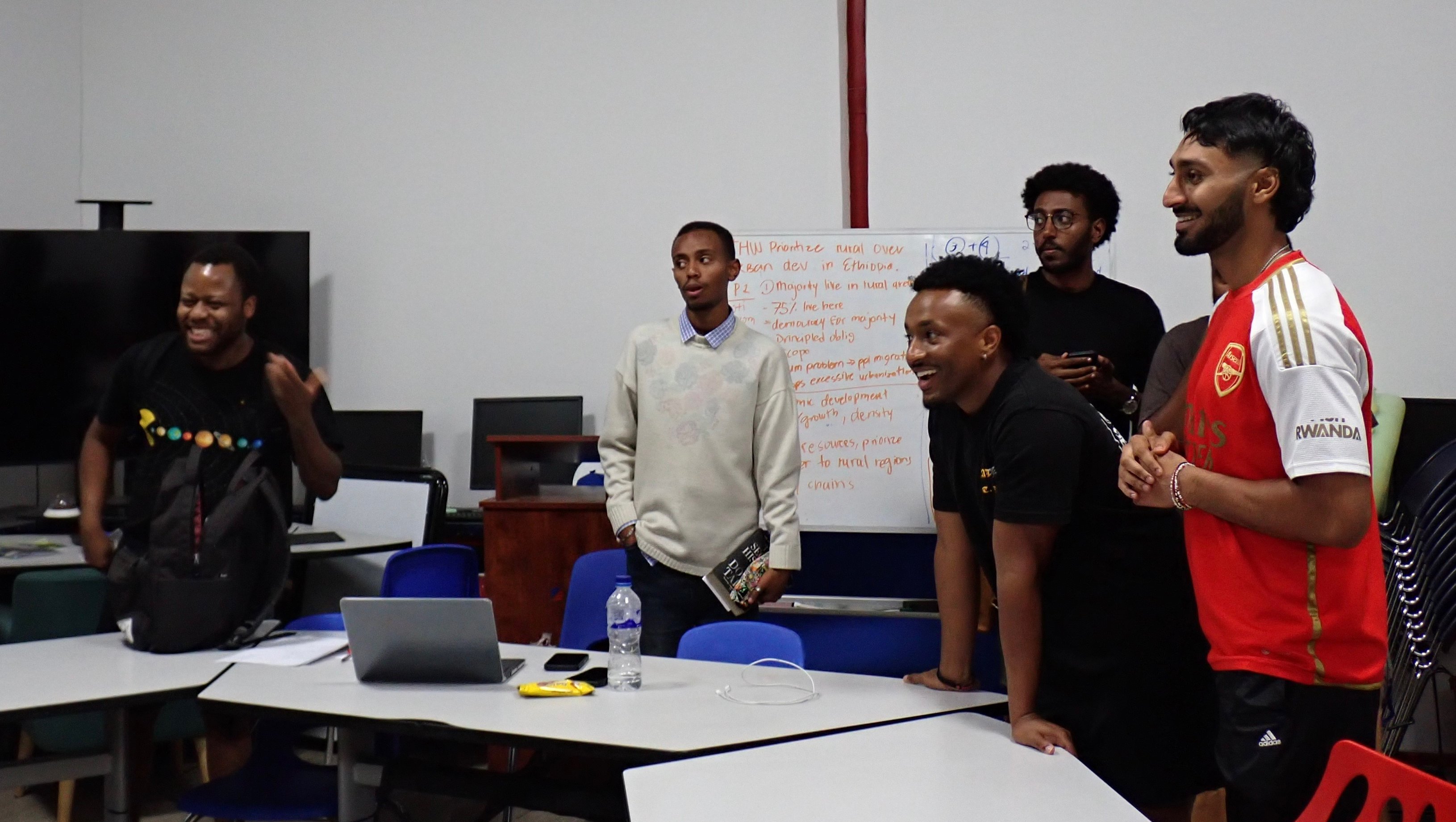
The initiative was founded by Ethiopian Public Debate Program founder Tesfamichael “Michael” Negussie and Mukudzeiishe “Muku” Madzivire, students at Columbia University with years of experience in debate and education. Together, they built the first formal pathway for Ethiopian students to train for and participate in WSDC. The team is additionally supported by assistant coaches Helen Wu and Nav Dhaliwal, alongside an international network of volunteer coaches and judges from across the global debating community.
Training has taken place multiple times a week since the beginning of the year. Students have participated in lectures, seminars, practice debates, and international tournaments while balancing school, family responsibilities, and inconsistent internet access. They have spent months preparing not just to compete, but to represent Ethiopia on a global stage for the first time in history.
Will the team carry on its legacy?
This journey will not end in Nairobi. Following WSDC, team members will organize debate workshops and educational programs in their local communities, helping younger students develop confidence in public speaking, dialogue, and critical thinking. The long-term goal is to create a sustainable culture of debate education in Ethiopia, one that reaches far beyond these five students.
How will you document the process?
Alongside the competition itself, this journey is also being documented in collaboration with filmmaker Michael Solomon in a short documentary film. The documentary follows the students from selection and training in Addis Ababa to the international stage in Nairobi, capturing the pressures, hopes, and significance of building Ethiopia’s first national debate team. The film aims to preserve this moment not simply as a competition story, but as the beginning of a larger cultural movement around dialogue, education, and youth leadership in Ethiopia.
We are raising funds to make this possible.
Fundraising Costs:
Your support will directly help cover:
- WSDC registration fees
- Flights and travel between Addis Ababa and Nairobi
- Team uniforms and national kits representing Ethiopia
- Training materials and pre-departure bootcamps
- Lodging, transportation, and logistical expenses
- Documentary production costs
- Post-WSDC community debate workshops led by the students themselves
For many debate teams around the world, these opportunities are taken for granted. For Ethiopia, every part of this process has had to be built from the ground up — from recruitment systems and coaching structures to fundraising and international partnerships.
These students have already earned their place on the world stage. Now we are asking for your help to get them there. Every contribution, no matter the size, directly supports the students and the future of debate education in Ethiopia.
Thank you for believing in these young people, in the power of conversation, and in the idea that Ethiopian voices belong in global intellectual spaces!
Co-organizers4