Support Erin Chute's PFAS Study for Clean Wastewater
0% complete
$490 raised of $7.8K
5 donations
Here is a link to my most recent update video (15mins).
Here is the link to my full research article:
My name is Erin Chute and I am majoring in Biological Sciences at Kennebec Valley Community College. I aspire to achieve a Bachelor's degree in environmental science, followed by a master's in environmental engineering and a Ph.D in environmental chemistry.
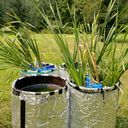
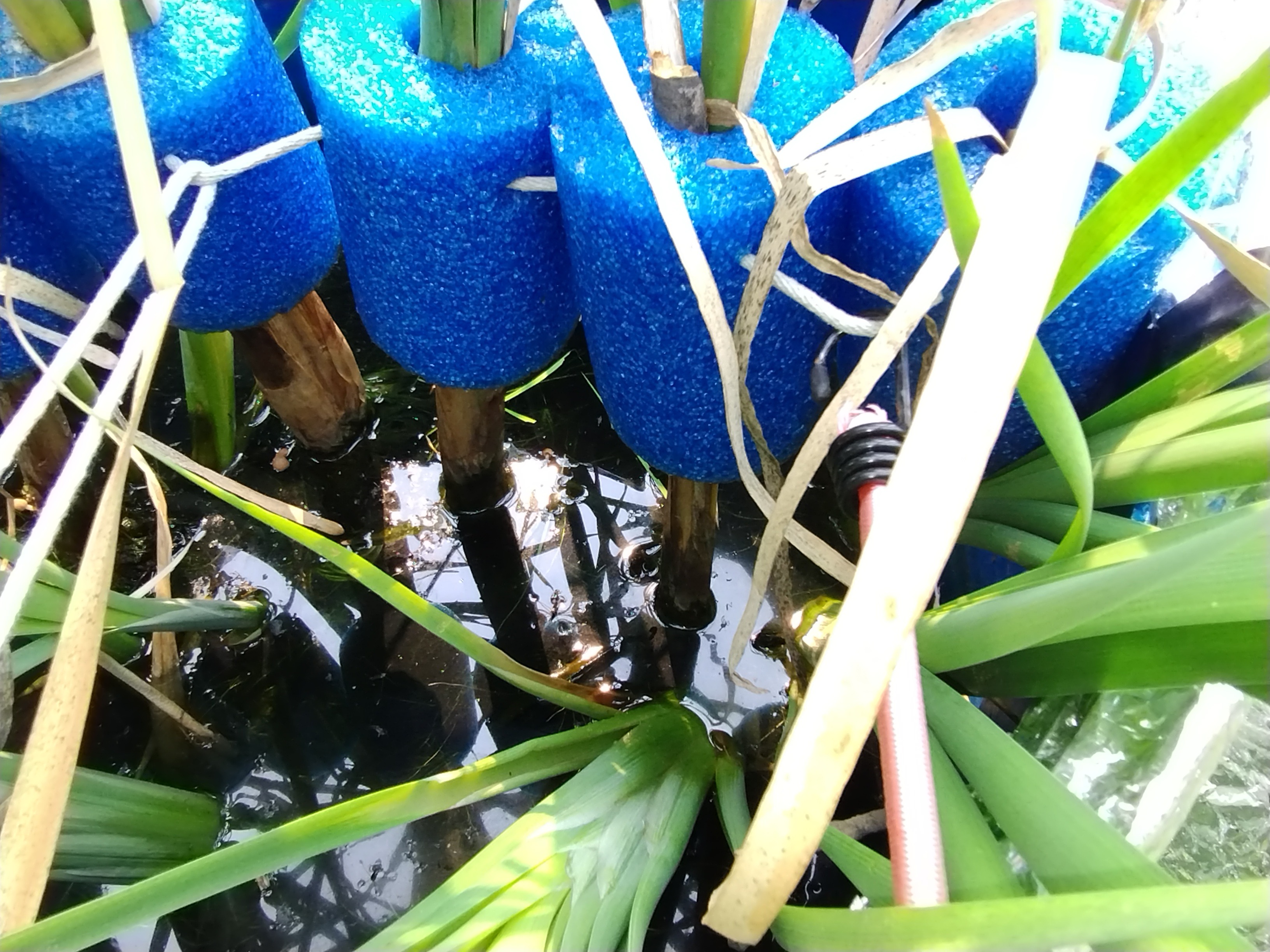
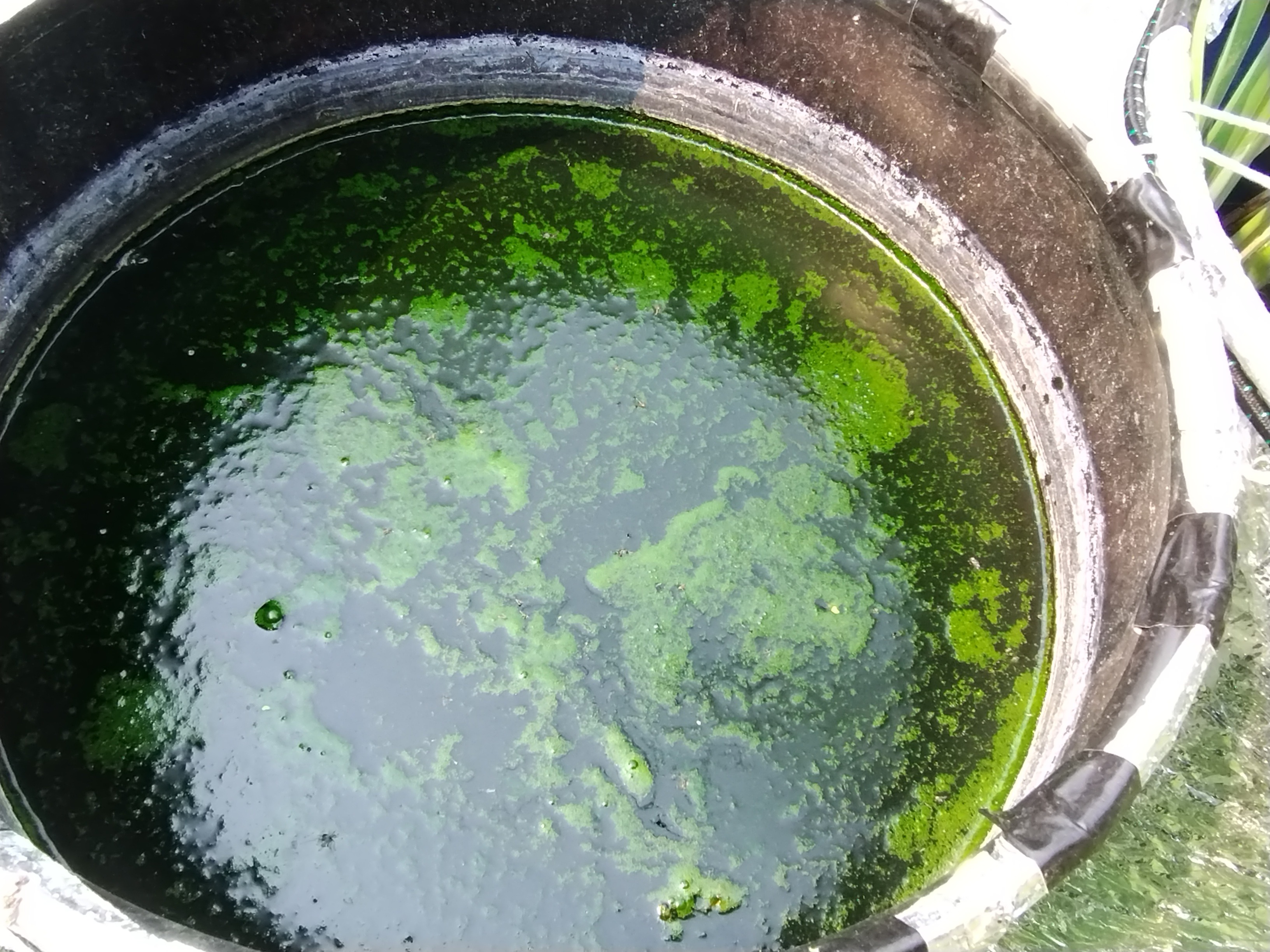
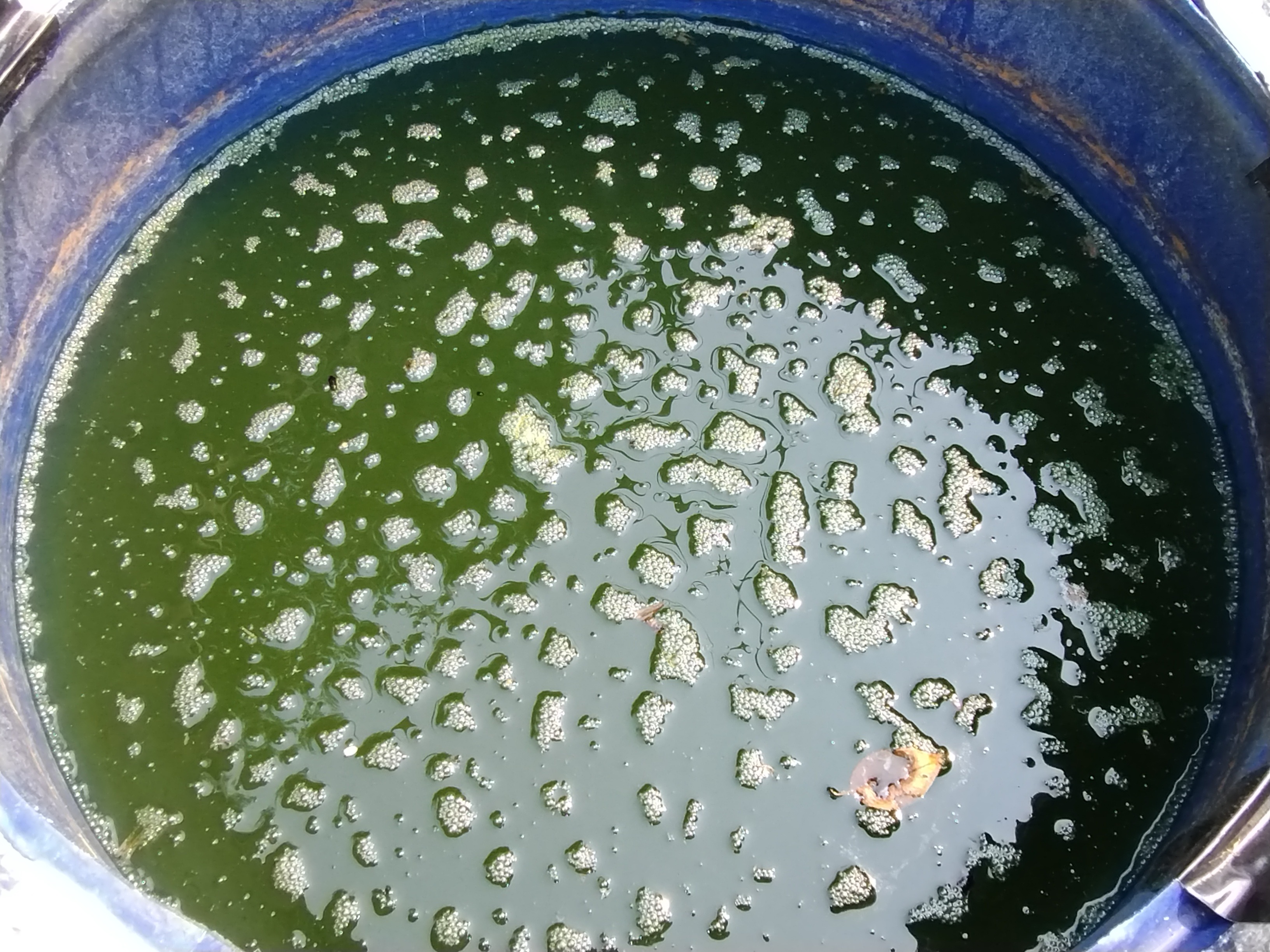
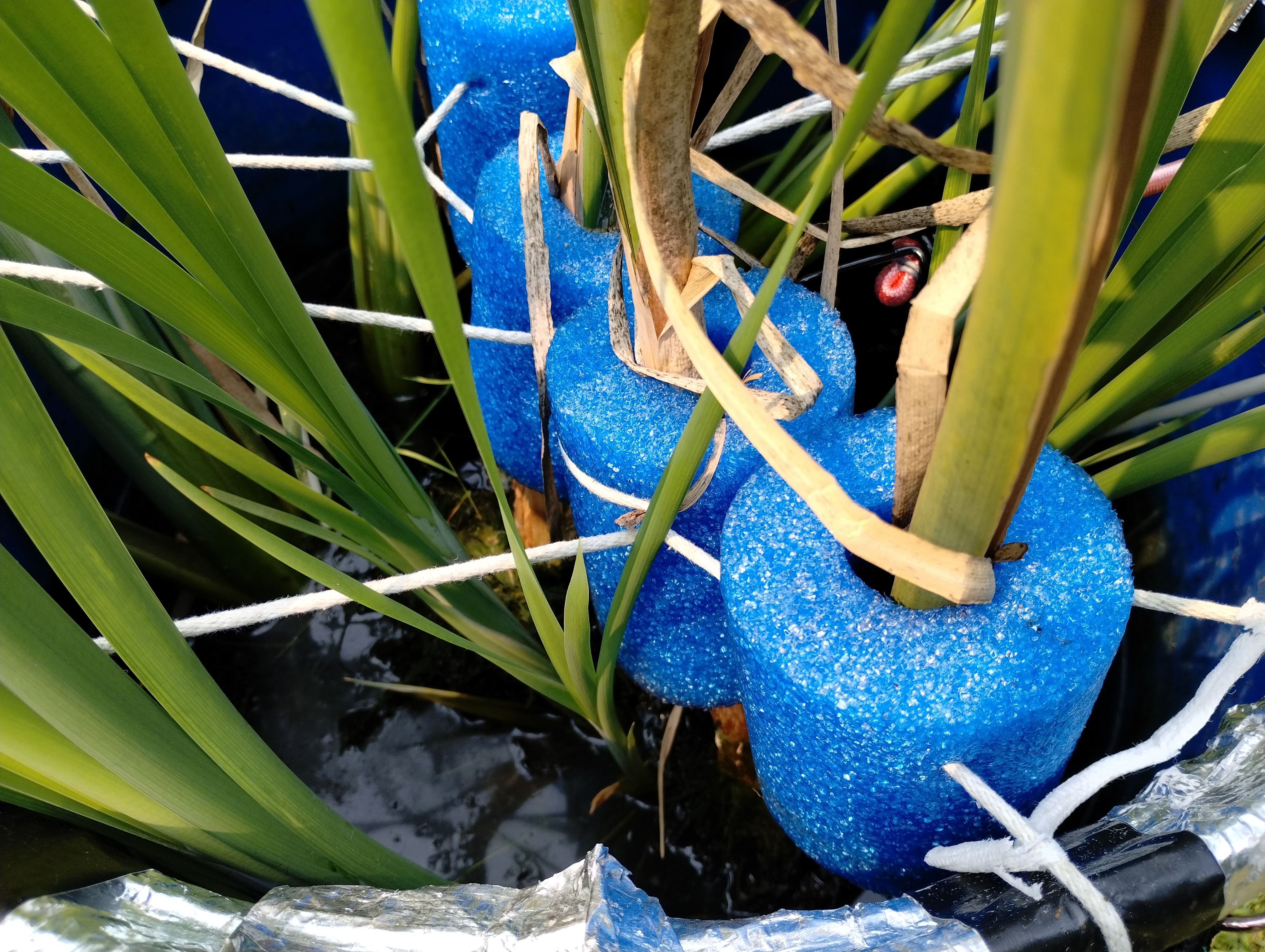
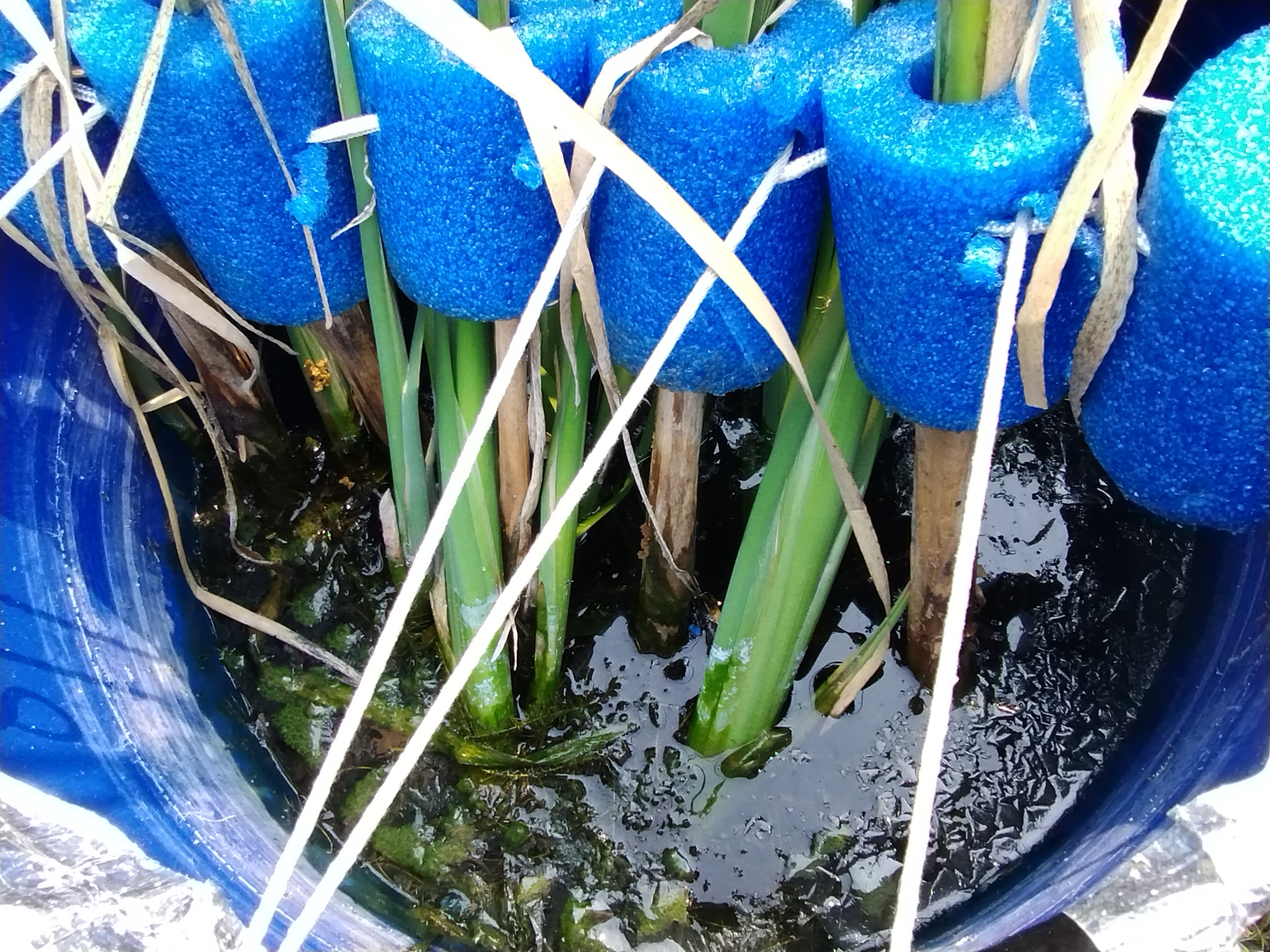
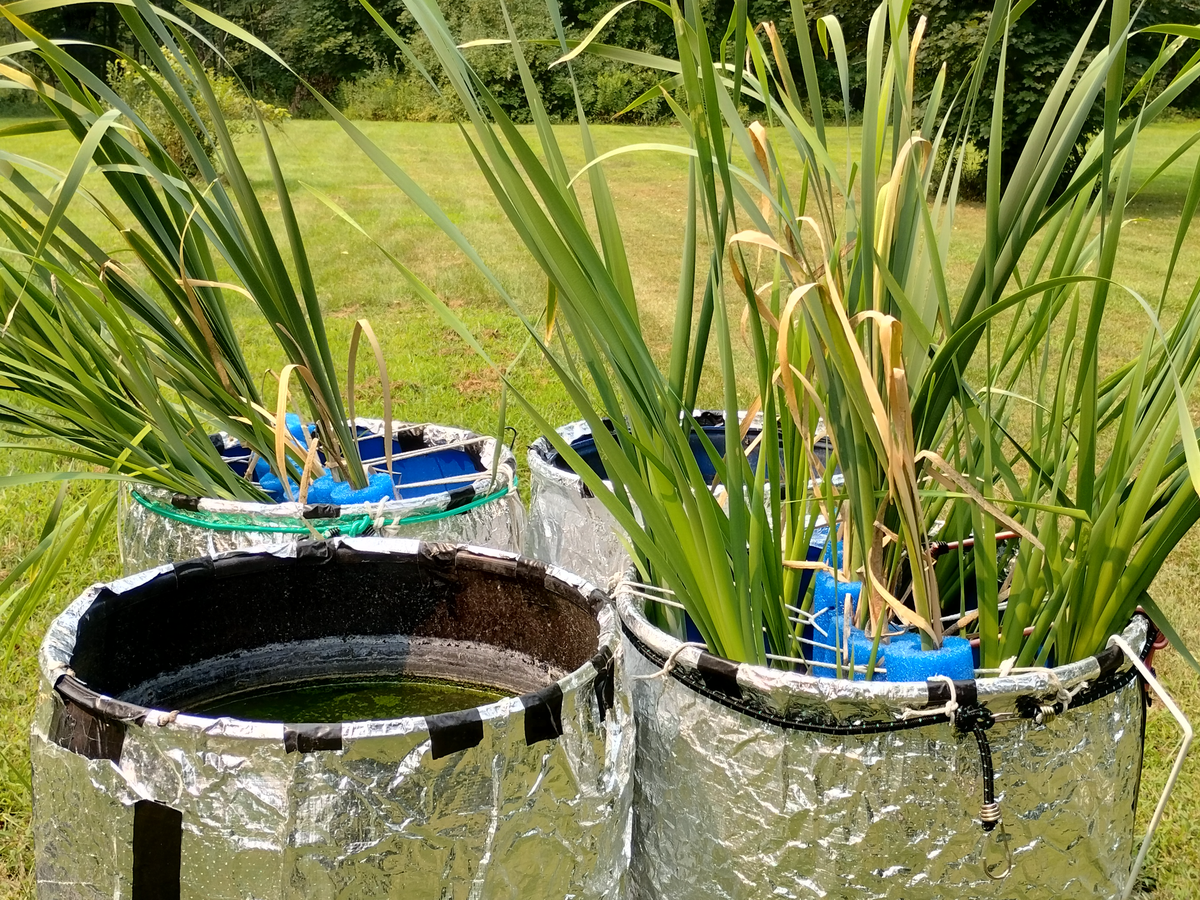
I am working with Hartland Pollution Control to conduct a controlled study over the summer to see how much PFAS cattails are able to uptake from wastewater.
Cattails are ideal to be used in a wastewater lagoon because they are a native wetland species and have been shown to uptake PFAS and other contaminants that typically aren't able to be filtered with traditional technology.
PFAS filtration technology costs millions of dollars- something the town of Hartland can't afford. The water used in this study must be tested for PFAS before and after cattail installation. I was quoted $7,800 for triplicate PFAS testing from Maine Laboratories in Norridgewock.
While PFAS testing is expensive, it will show and help calculate how many cattails would be needed in a wastewater lagoon to reduce the amount of PFAS being released into the Sebasticook river. This is a one time cost to show with credible scientific data that cattails significantly reduce PFAS from wastewater.
This study will serve as a gateway for other small communities struggling with PFAS contamination, but are unable to afford the pricey technologies.
PFAS, also known as forever chemicals, are long carbon chains bonded strongly to fluorine. They are extremely difficult and expensive to destroy and can persist in the environment for decades. Created by Dupont and 3M, these contaminants have been used globally in many products, especially in Teflon and waterproofing materials.
PFAS has been shown to be correlated with many adverse health effects such as liver, kidney, testicular, and pancreatic cancers; as well as reduced vaccination effectiveness, childhood developmental problems, and more. The corporations who developed these chemicals knew of the dangers, and continued to sell their products anyways for the past 50+ years!
The state of Maine is currently suing Dupont, 3M, and other corporations who produced these chemicals and contaminated our environment. While we wait to see if we will be awarded compensation to combat this problem, we must take action now to reduce the amount of PFAS that enters the environment.
Once it is in the environment, PFAS is almost impossible to remove. It can move up the food chain through plants, fish, and animals until it enters human bodies; where it can accumulate over time until adverse health effects develop. There is no known medical treatment to remove PFAS from human bodies.
The current EPA interim safety standard for PFAS in drinking water is .0009 parts per trillion. The actual enforceable amount is 4 parts per trillion. In comparison, the EPA safety standard for cyanide in drinking water is 200,000 parts per trillion! Suffice to say, any detectable amount of PFAS is toxic! If it can be detected, it is already too much. Any amount we can keep out of our environment is important.
I personally developed this method to remove PFAS from wastewater by collaborating with many professionals from the Maine DEP, ECT2, and multiple professors with doctorates in environmental engineering from across the country.
If the data shows feasibility for Hartland Pollution Control, we may be looking at remediating an entire wastewater lagoon next summer using this unique and inexpensive method with native wetland plants!
Help us combat the PFAS contamination coming from the old tannery landfill, which used large amounts of PFAS when waterproofing their leathers. The products in the old tannery landfill still contain these toxic contaminants, and are able to leave the landfill through leachate. It is then pumped to Hartland Pollution Control, which is currently unable to filter it before discharging the treated wastewater into the Sebasticook river.
Consider taking action today to reduce the amount of PFAS entering our local environment!
Donations for the cost of testing are greatly needed and appreciated! No amount is too small if everyone works together for this important project. This could be a game changer for local communities in Maine! Thank you!
Organizer