- E
- M
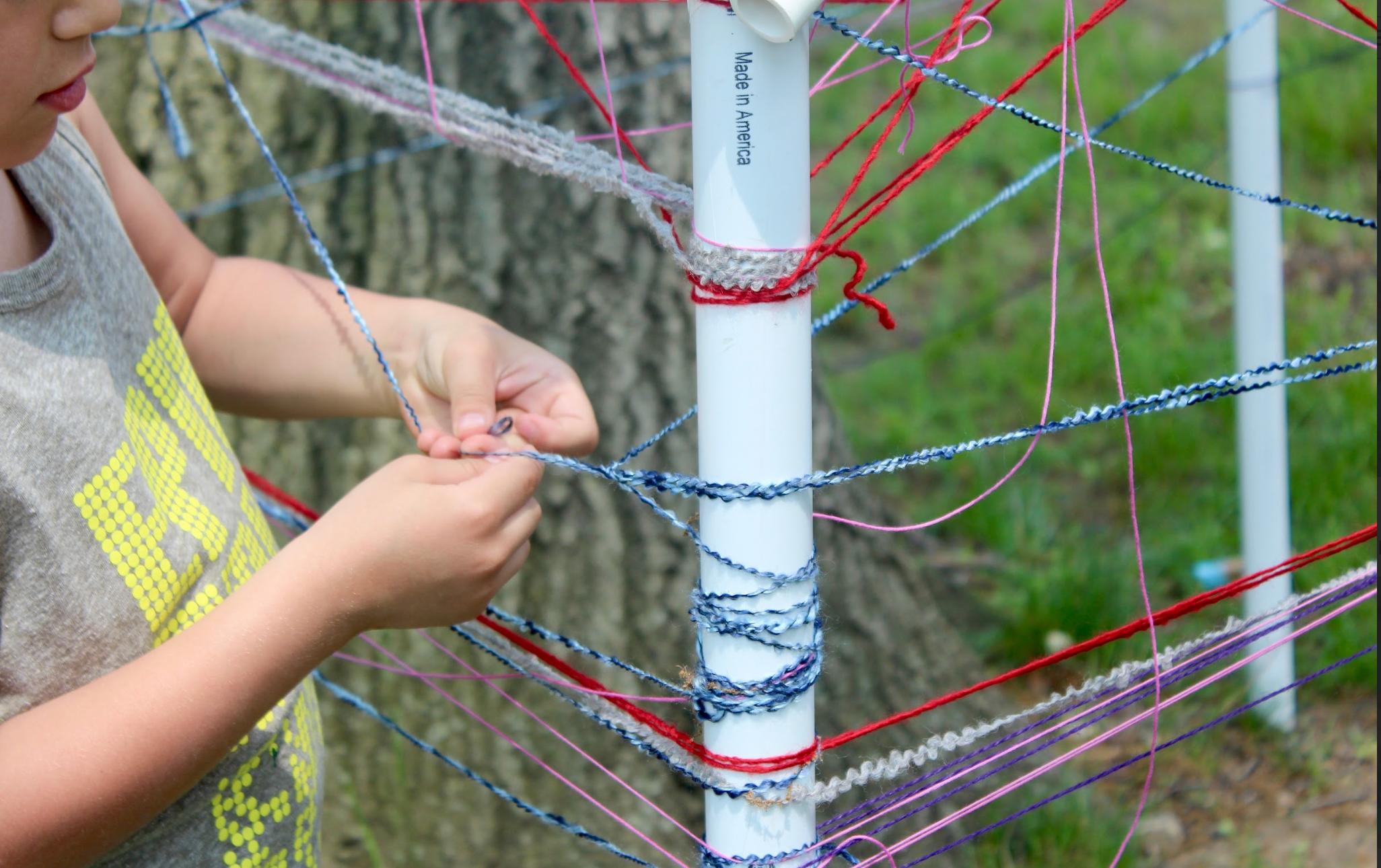
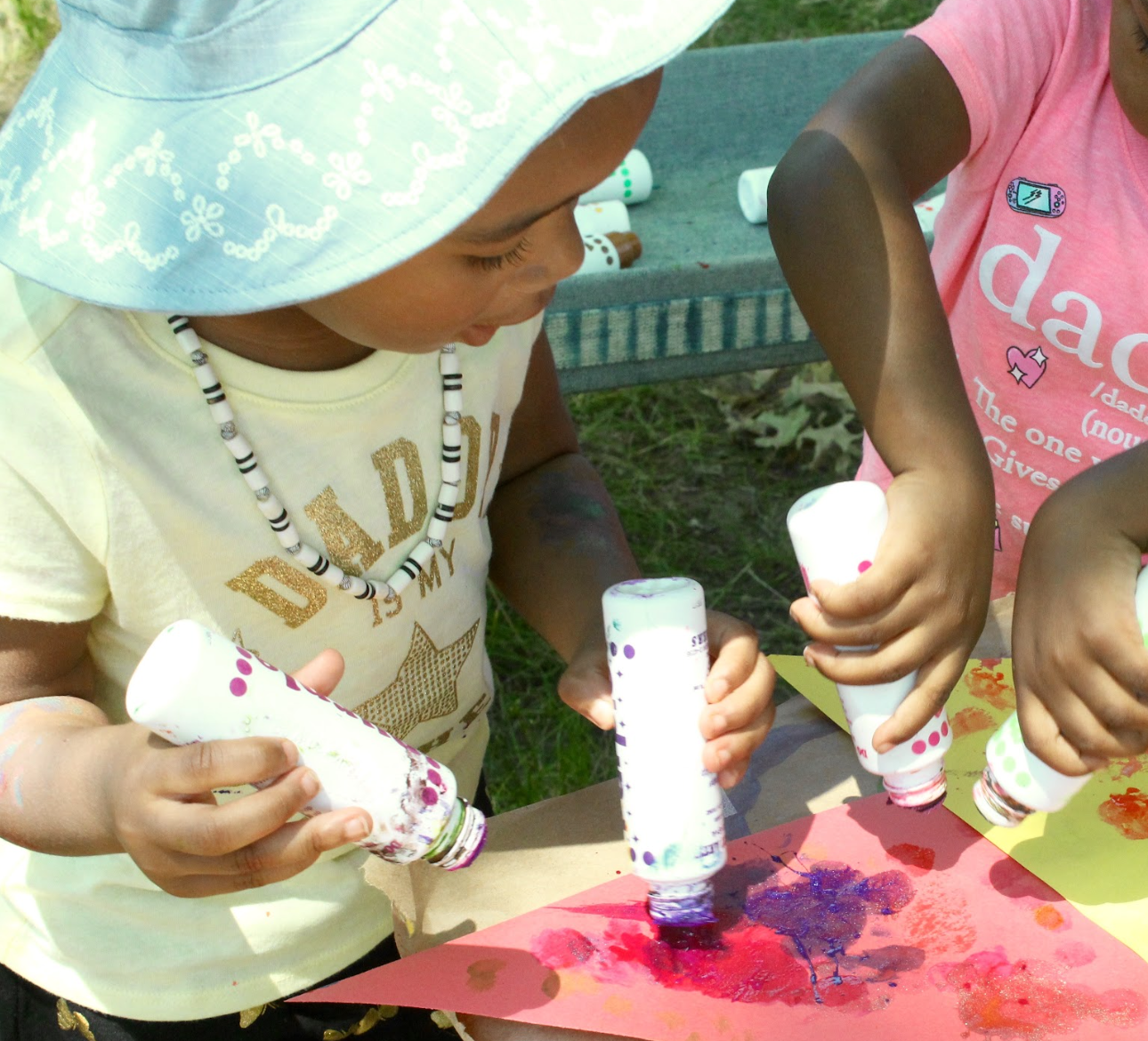
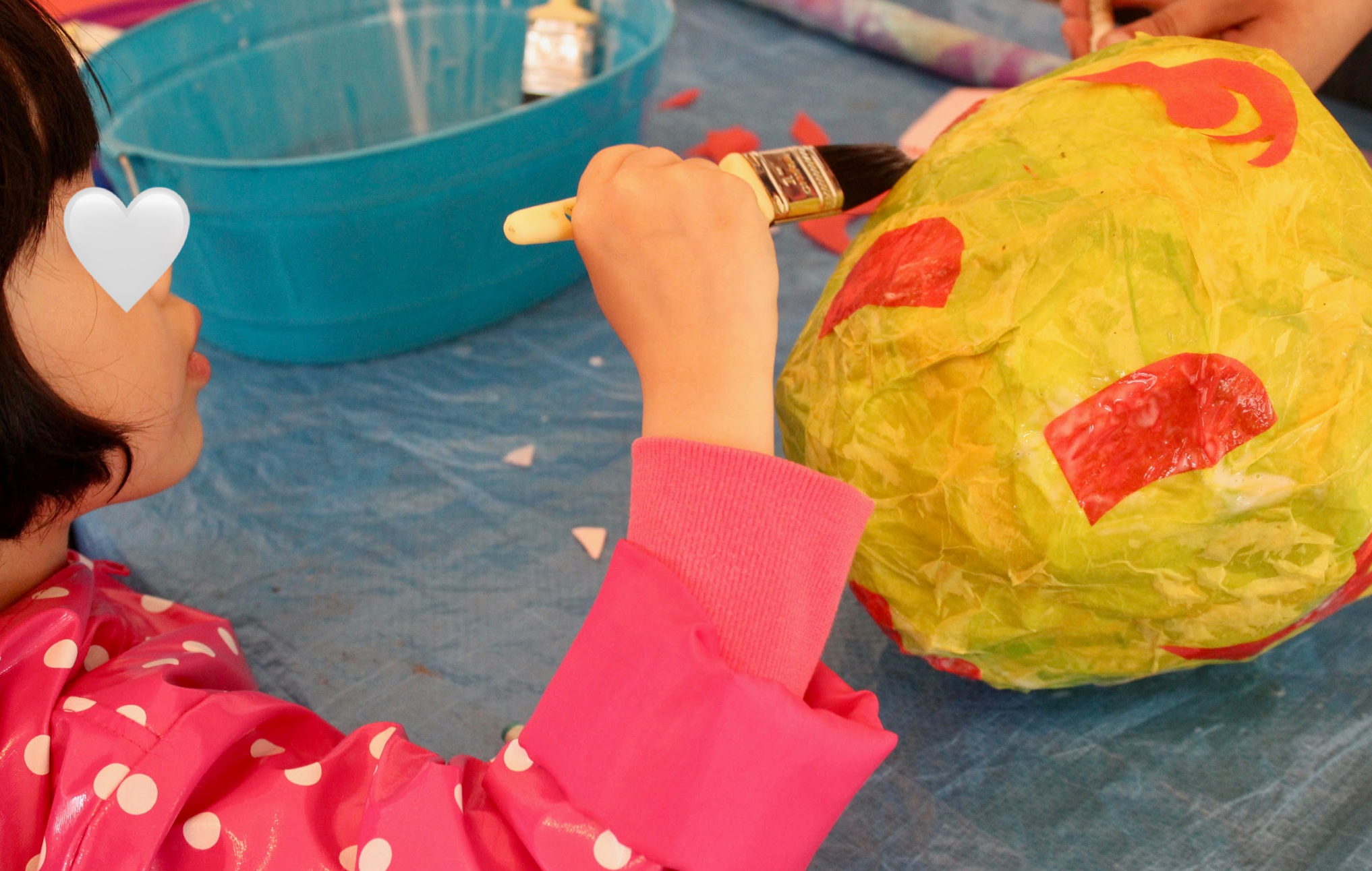
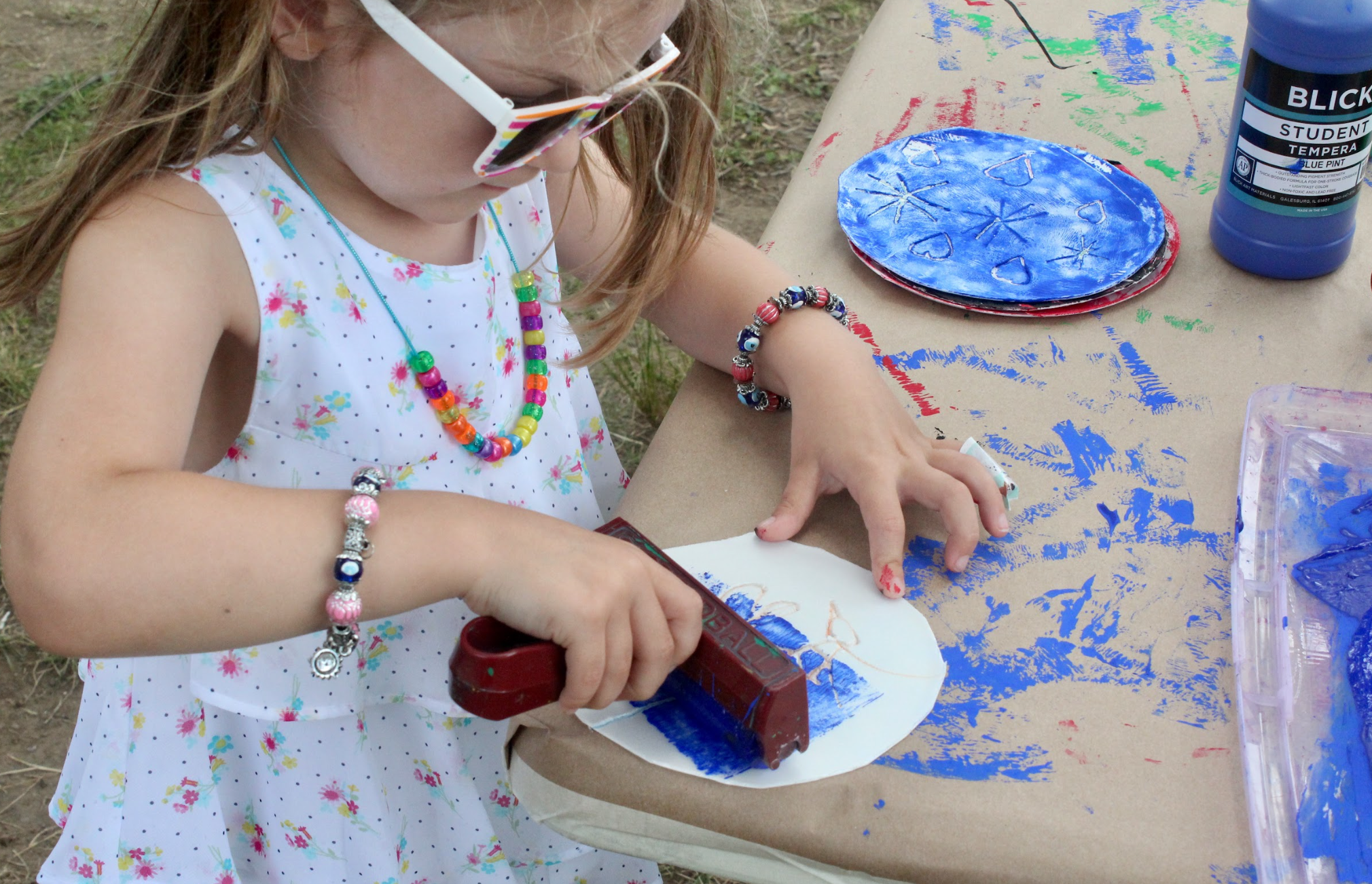
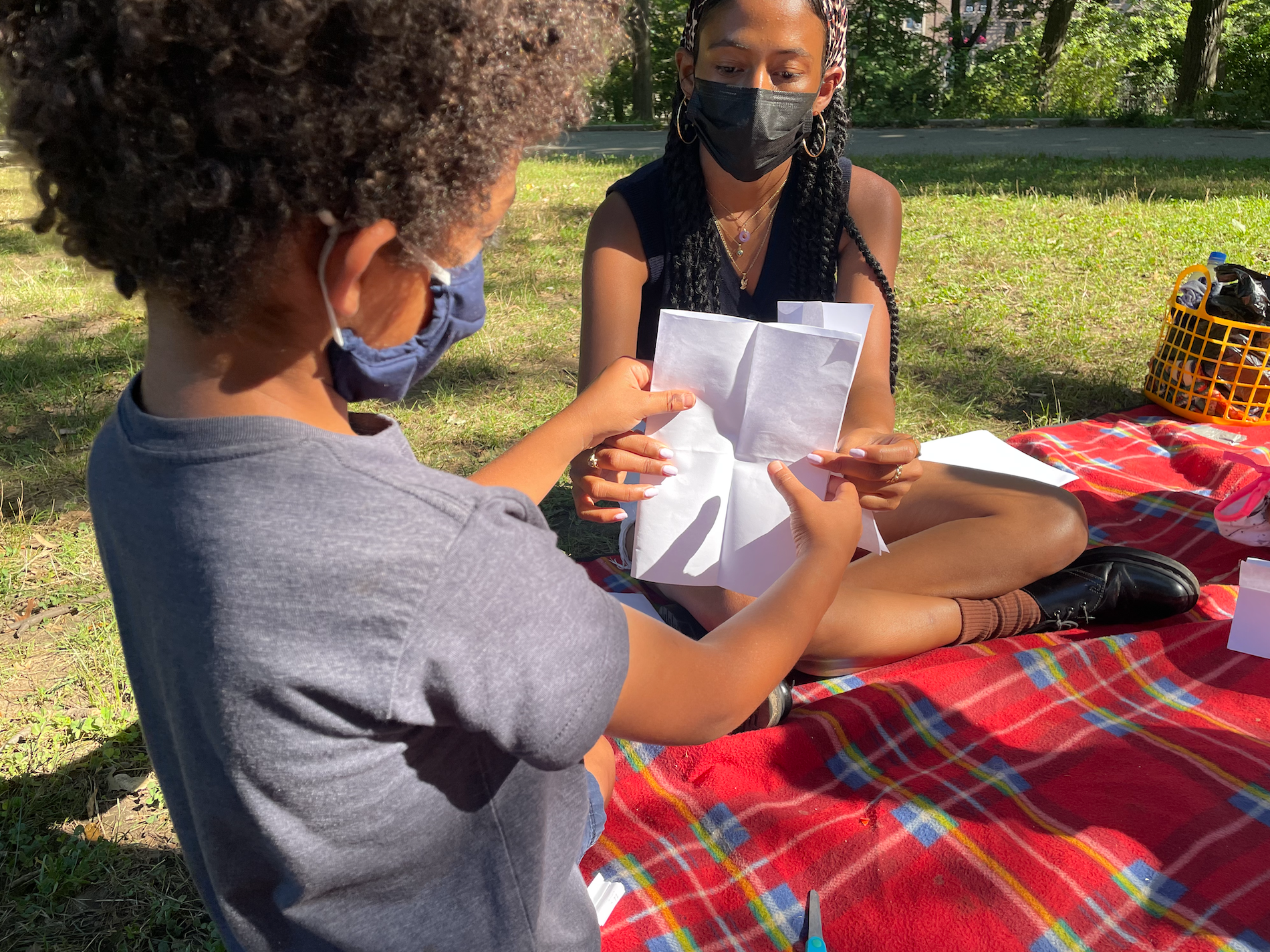
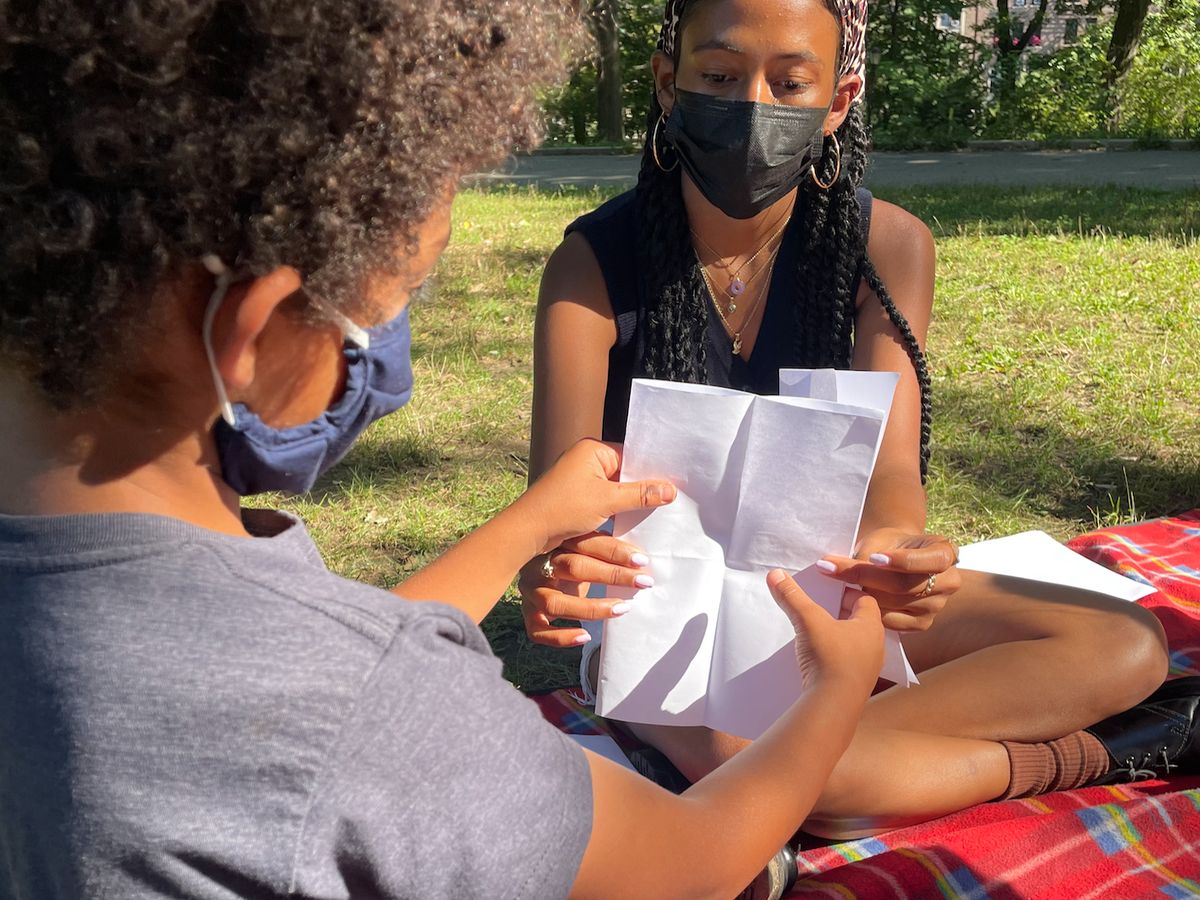
Hi friends! My name is Duneska—I’m an Artist, DJ, Organizer, and Educator born and raised in NYC. Since 2017, I’ve worked as an Artist-Educator across the city in institutions such as the Museum of Arts and Design, the Children’s Museum of the Arts, the Brooklyn Children’s Museum, and more.
Before the pandemic, I was able to maintain a sustainable balance between my creative practice and my work in education. But like many others, I faced significant challenges during and after the pandemic—especially around the instability and long-term viability of freelance and part-time teaching roles.
In response, I began applying for full-time positions within education departments. A recurring barrier, however, has been the requirement of a New York State Teaching Certification. That’s why I’ve made the decision to return to the City College of New York with the goal of joining the School of Education and earning my certification—not only to grow professionally, but to ensure that museum education spaces continue to be shaped by those of us actively doing the work, keeping them grounded in the communities they serve.
This mission feels especially urgent when I reflect on the power of Art Education. Even before I had the language for it, I’ve always used art as a tool to process grief, trauma, joy, and more. As the child of immigrant parents, however, I didn’t grow up seeing art as a viable career path—these weren’t options presented to me. It wasn’t until I met Natalia Nakazawa and Shani Peters—two incredible artist-educators and professors at City College—that I began to understand how art could be both a therapeutic tool and a catalyst for social change. Their guidance has deeply informed not just my artistic practice, but how I approach teaching to this day.
When I lesson plan, I consider how the work of artists such as Faith Ringgold can introduce young learners to quilting while also sparking conversations about displacement, or how Kara Walker’s silhouettes can serve as both a creative exercise and a prompt for deeper reflection, as well as how Betye Saar’s assemblages can open dialogue around waste, sustainability, and climate justice. My ultimate goal as an educator is to help children think critically, feel deeply, and grow into compassionate, thoughtful humans.
The only thing currently standing in the way of this next chapter is a hold on my account—a result of having lived fully independently at a young age, while not qualifying for financial aid because I was under 25. At the time, I struggled to ask for help out of pride. But now, I understand the importance of community and mutual support. As a person, I am committed to giving back to the city that raised me, and I hope to continue to do just that as a certified educator as well.