Support conservation research to protect Belize amphibians
0% complete
$1,470 raised of
16 donations
Our Objective
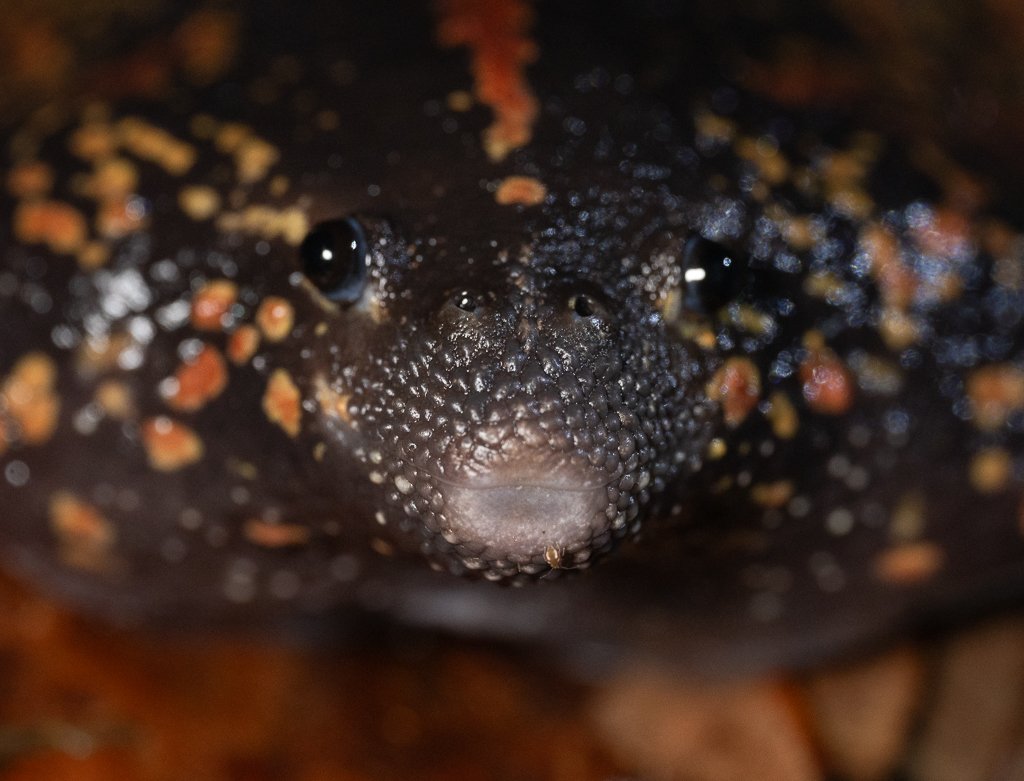
Reptiles and Amphibians are the most underfunded group of animals in conservation. Which is a major problem due to amphibians being the fastest declining group of vertebrates. With over 40% of amphibians species being threatened with extinction. This project focuses on understanding the effect of the fungal pathogen chytrid (Batrachochytrium dendrobatidis) in Belize. Chytrid has been associated with population declines in over 700 amphibian species and has contributed to the extinction of at least 90 species of amphibian (Scheele et al. 2019). The disease infects skin cells in amphibians and leads to cardiac arrest (Voyles et al. 2009).
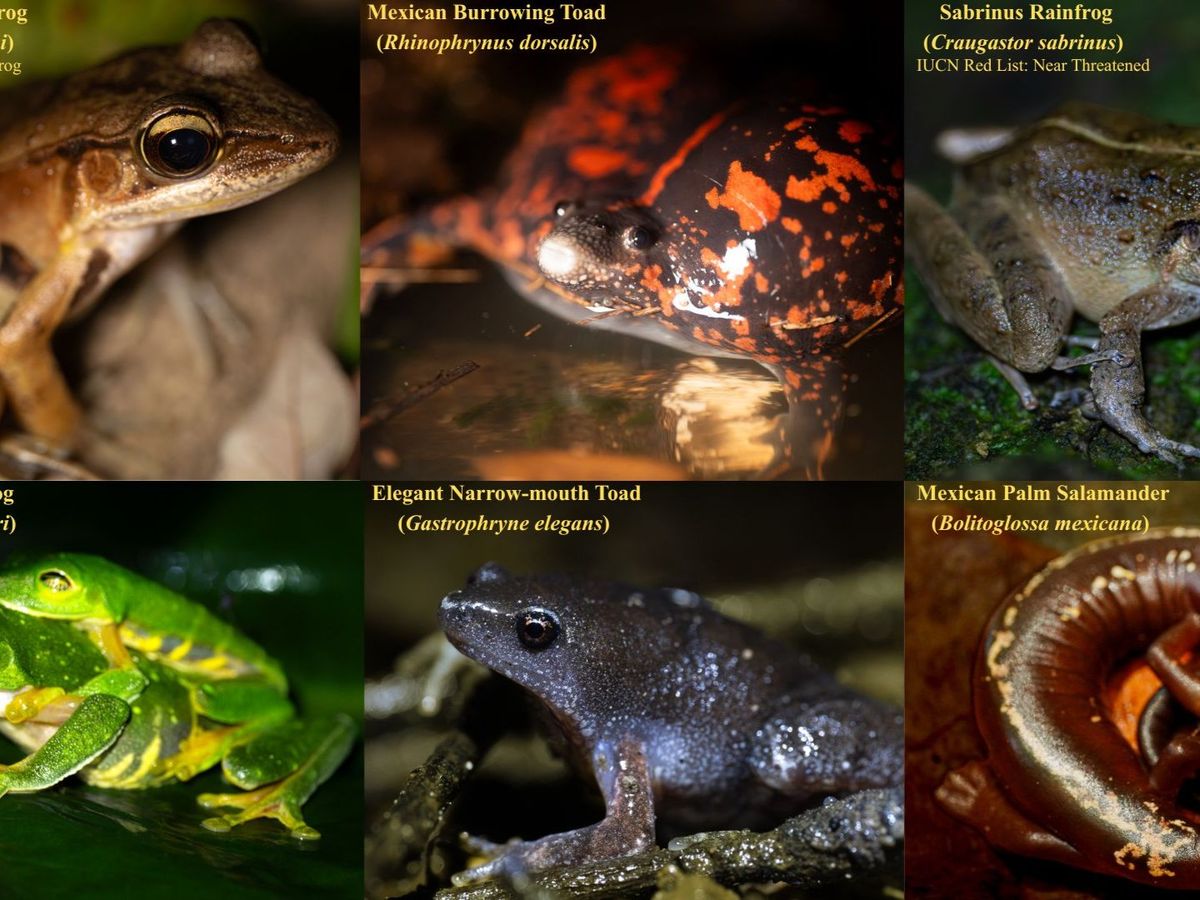
In this study, we aim to assess the prevalence, distribution, and infection intensity of Chytrid in lowland broadleaf rainforest and lowland pine savanna habitats of Belize. We will identify populations within understudied lowland areas where presence has not been established. The data we collect will help to inform conservation management decisions, to protect the amphibians of Belize long-term. We will be working with the NGOs such as the Belize Foundation for Research and Environmental Education and Toucan Ridge Ecology & Education Society (TREES).
Who are we?
Our team is made up of two undergraduate researchers, Cole Abel and Karajeet Khalsa and is being advised by Matthew and Theresa Guillette. Cole Abel and Karajeet Khalsa are best friends from childhood and have both dedicated our lives to the conservation of reptiles and amphibians.
Cole Abel (@coleabelwildlife):
Studying Wildlife Conservation Biology at California State Polytechnic University, Humboldt. He specializes in the comparative biology of frogs, conservation biology, vertebrate field sampling and wildlife filmmaking.
Karamjeet Khalsa (@KJ_Wildlife_Photography):
Studying Wildlife Conservation Biology at California State Polytechnic University, Humboldt. His experience lies in Reptile and Amphibian field biology,Crocodilian, and Venomous Snake biology and outreach.
Matthew and Theresa Gulletie:
This husband-and-wife duo specializes in wildlife ecotoxicology; for years, they worked in Africa assessing chemical pollutants that build up in the blood of Crocodilians and other wildlife. Now the duo resides in Belize and have been using their research experience to help conserve reptiles and amphibians across the country.
What will the funds be used for?
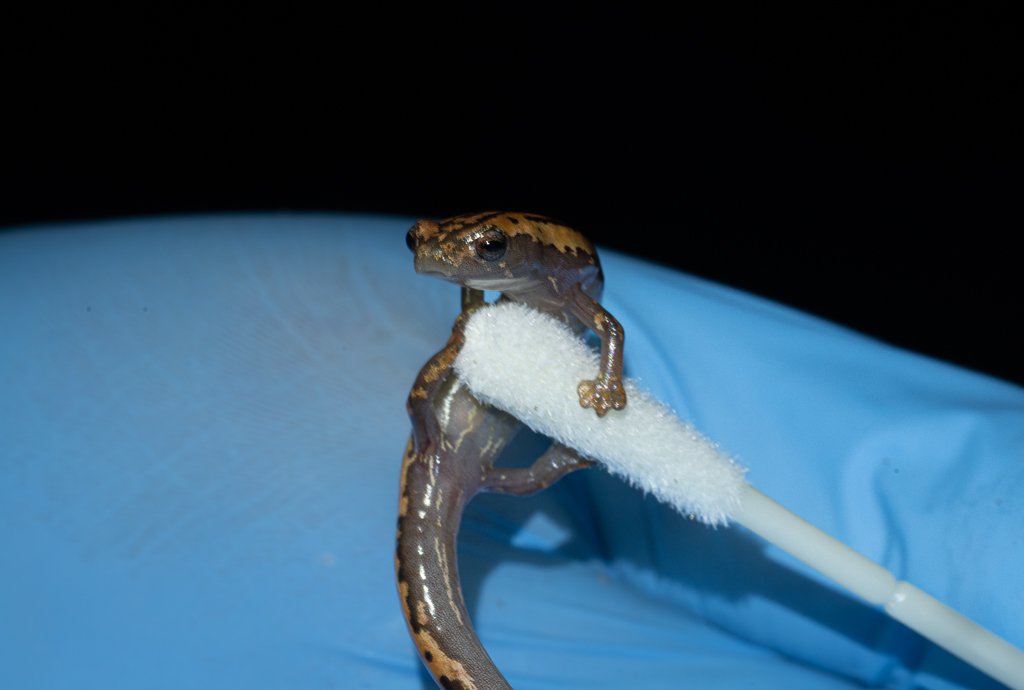
In order to confirm the presence of Chytrid, skin swab samples must be sent for laboratory analysis, which can be relatively costly. Our projected cost is $12,834.65 USD, yet we are only asking for $8,000 as we want to ensure that 100% of funds raised goes towards laboratory analysis and equipment. We are paying out of pocket for our site costs in order to ensure that the funds go directly towards Chytrid monitoring efforts. In the case of an emergency and the project can no longer proceed the funds will be given to the Amphibian Survival Alliance (ASA).
For more information refer to our project proposal in the link:
Organizer