- A
- G
- R
The last time I spoke with Bilal, he was bleeding and in severe pain.
At one point, he told me, “I am in so much pain that I think I’m going to die.” This is what he reported to me during that call. For the first time, he began giving instructions about how he would want to be buried - "by a fruit tree and a river" he said.
He was alone in an ICE detention cell, trying to manage a life-threatening medical condition without the care, supplies, or support he needs to stay safe.
He was terrified, in excruciating pain, and completely alone. There was no one there with him in that moment to help him, guide him, or make sure he was getting what he medically needed.
There have been multiple calls like this. Calls where he is in pain, bleeding, and trying to care for his body on his own without the tools, sanitary conditions, or support his condition requires.
All he can do is reach out and hope someone answers. He depends on people outside the facility to push, advocate, and fight for the most basic things he needs to stay medically stable and alive.
And every time, it feels like things could go very wrong very quickly.
What your support is helping with right now:
• Making sure he can afford phone calls to ask for help when something is wrong
• Getting access to basic hygiene and medical-related supplies
• Supporting legal representation and urgent advocacy on his behalf
• Covering costs to push for proper medical care and accountability
This support is what is helping keep him stable. This is based on what he has reported during calls from detention.
What scares me most is how fast his condition can escalate. For Bilal, even small delays or lack of proper care can turn into a serious medical emergency.
Because of the surgery he had, this is not just discomfort. It is not something that can wait. His doctors have documented that if he cannot catheterize on time, urine can back up into his kidneys. That can lead to serious infection, hydronephrosis, permanent kidney damage, and in the worst case, life-threatening sepsis that could lead to death.
This is the difference between staying stable and becoming critically sick. If this routine is disrupted, complications can escalate very quickly.
Right now, even small delays can turn into serious problems very quickly.
Since arriving at Moshannon, he has developed infection-related symptoms, including significant pain and nearly daily episodes of bloody or cloudy urine. He has also missed catheterization timing at points, which increases the risk of serious complications.
He has been given a clearly labeled single-use catheter and instructed by staff to reuse it for a full 24 hours. He has also been forced to miss several catheter sessions, most recently going a full 9 hours without using a catheter, which caused him extreme pain and worsened his infection again. He has been consistently denied basic sanitary supplies such as sterile water and gloves, despite the medical necessity of sterile technique for his condition.
Because of the way his body now functions after surgery, timing and sterile care are critical. Even small delays or lack of proper supplies can quickly lead to infection, pain, and serious complications.
Inside detention, those conditions are not always consistent. That is what makes this situation so dangerous.
Bilal is currently in ICE detention at Moshannon Valley Processing Center and has been there since December 2025. He is in a single cell and on suicide watch while trying to manage a lifelong medical condition that requires constant care just to stay safe.
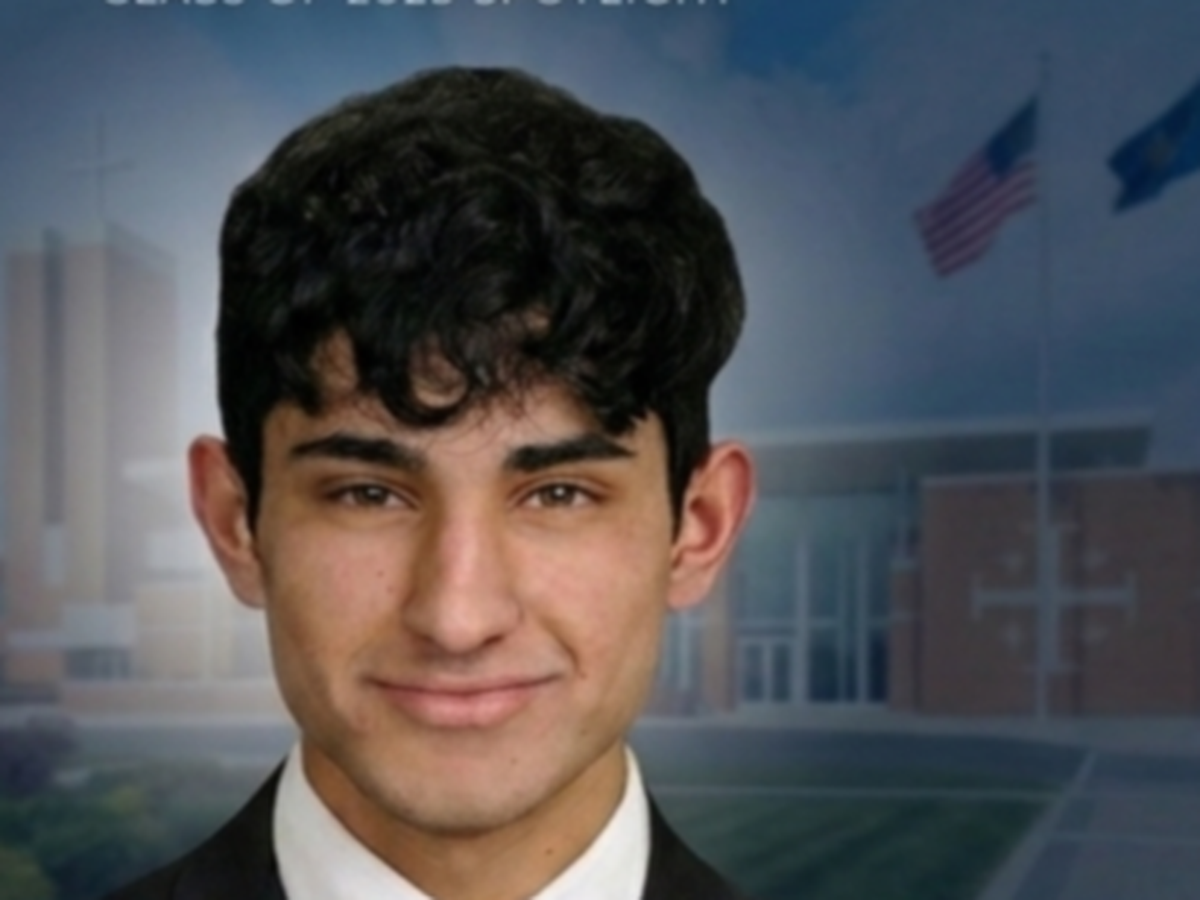
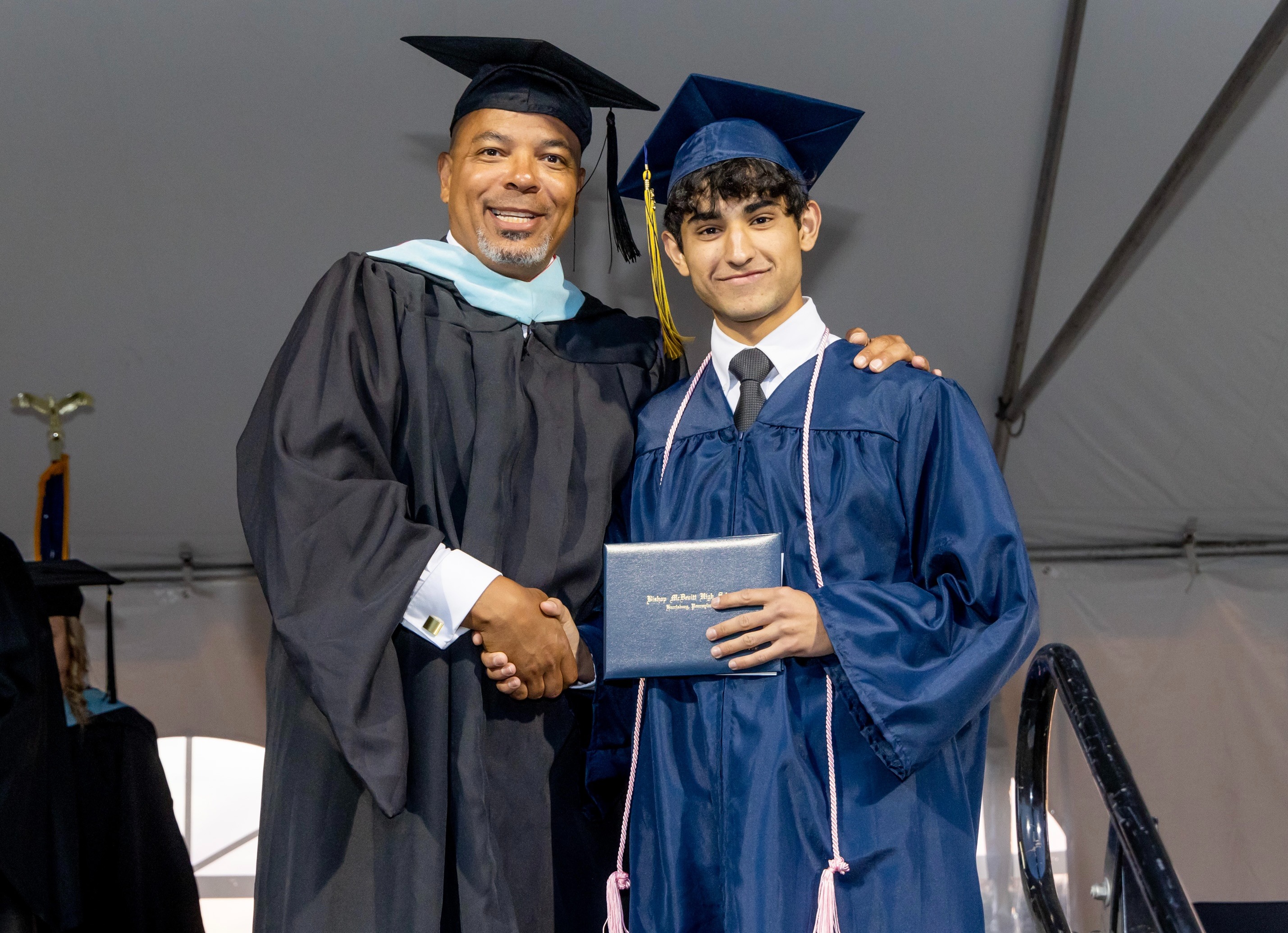
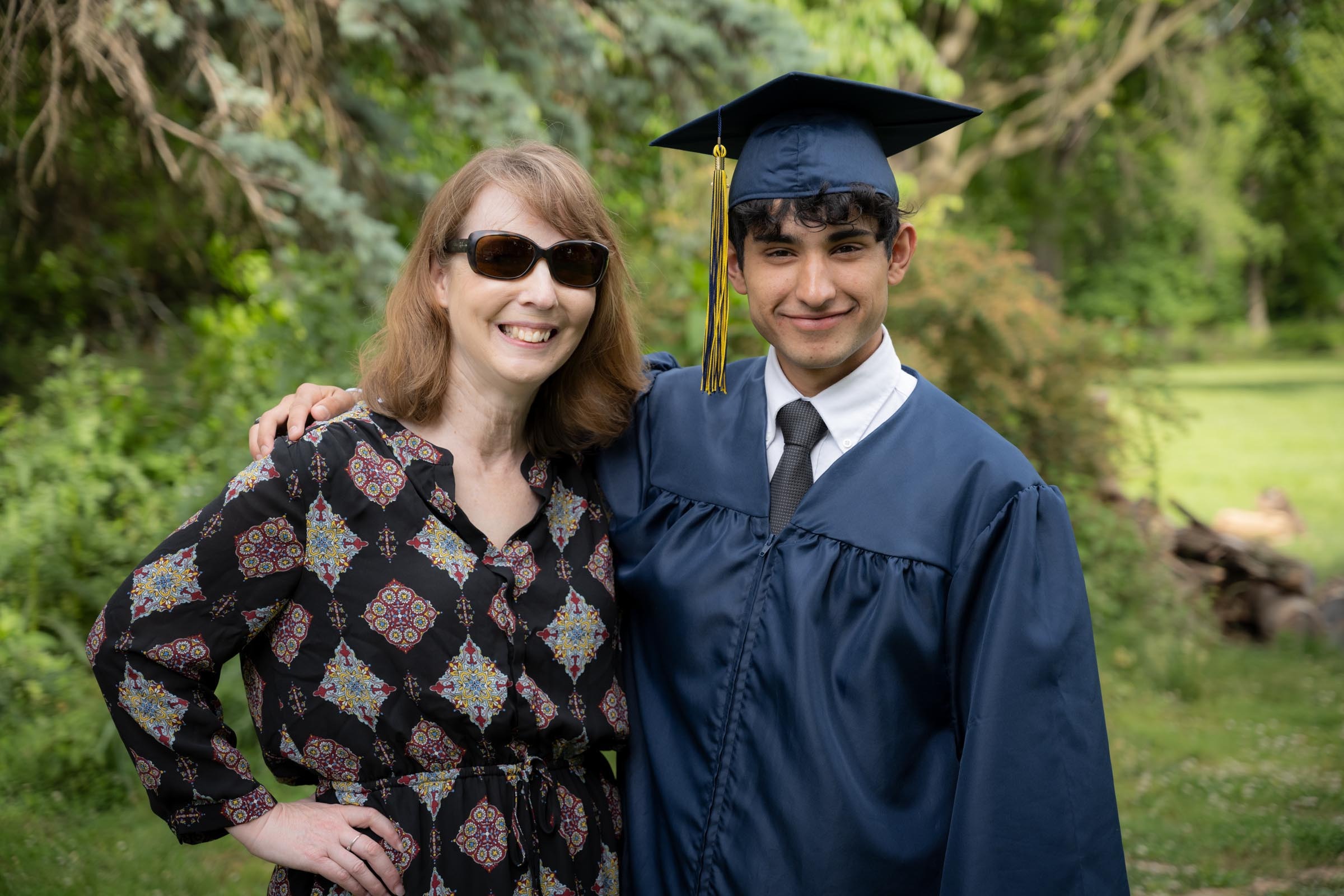
Bilal is not just a case. He grew up here in Pennsylvania. He went to school in Clarks Summit and West Scranton. He graduated from Bishop McDevitt High School. That matters.
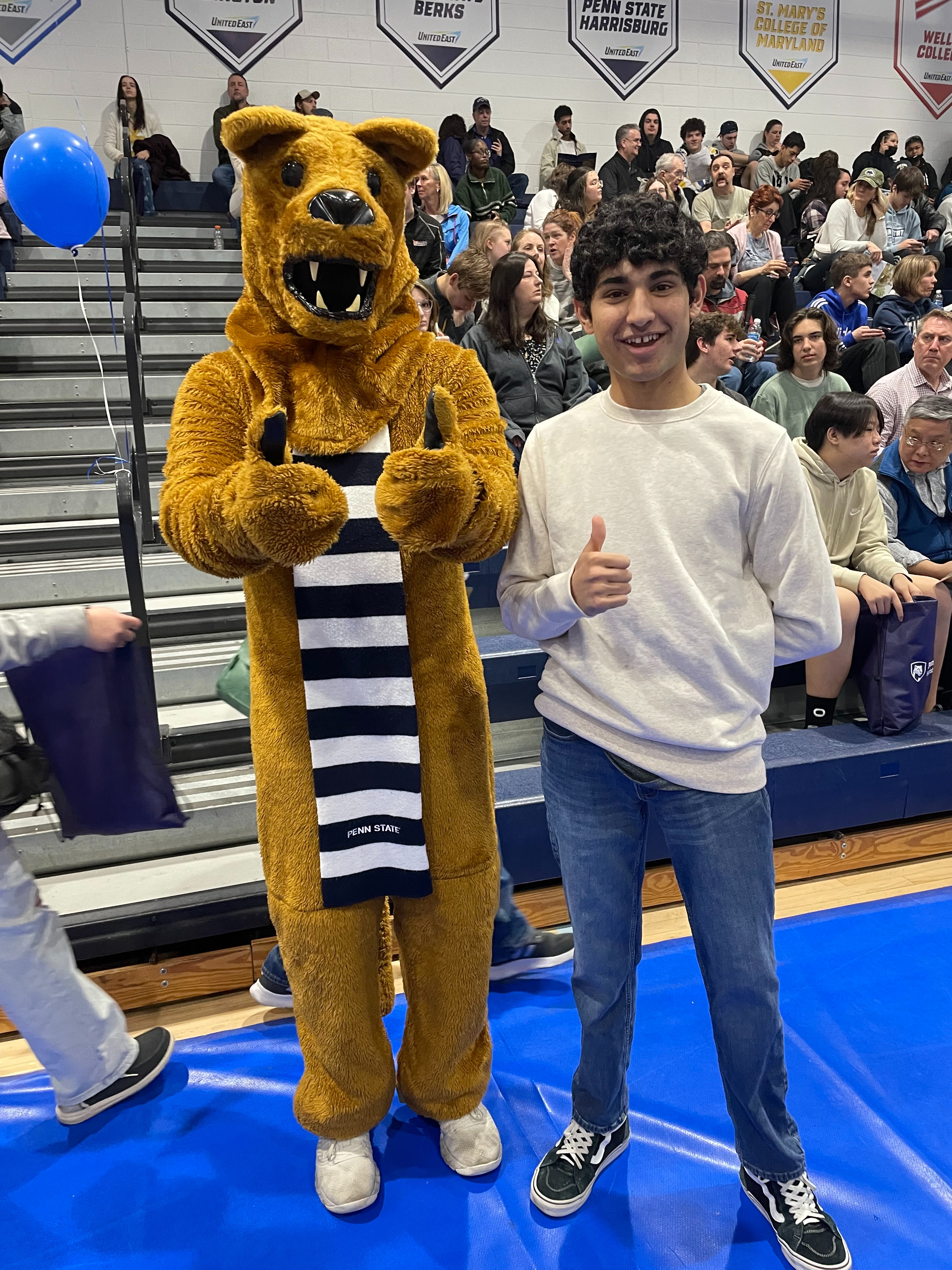
He completed his freshman year at Penn State Harrisburg as a Business major. He worked at Hardee’s in Middletown and was promoted to a manager role. He lived at Nittany Place apartments near campus and was trying to build a normal young adult life.
He grew up here, worked here, and was trying to build a future.
At McDevitt, graduating was not a given. He had already been dealing with medical issues, instability, and things most people never see. But he still made it through.
At Penn State Harrisburg, he was trying to move forward.
At Hardee’s, he showed up, worked hard, and earned a promotion. That matters because it shows he was trying to do things the right way.
When he first came to the United States, he spoke very little English. He taught himself through persistence, even learning from watching SpongeBob, while dealing with medical issues and trauma at the same time.
He repeated first grade twice. He still kept going.
People who have known him for years say the same thing. He keeps trying, even when life has made things harder than they should be. He adapts. He follows direction. He tries to do the right thing.
Every teacher, mentor, and adult who has worked with him has described the same person.
He is gentle. He is respectful. He helps without being asked. He holds the door. He goes out of his way in small, everyday ways.
Kids are naturally drawn to him. He makes them laugh. He shows up for them. He wants to be part of family life and feel like he belongs somewhere.
He volunteered at school events, soup kitchens, trunk or treat, and other community programs. People consistently noticed how willing he was to help.
He really does try. And the people who know him best still stand by him because of who they know him to be.
There is something else that matters.
Multiple adults who have worked with him over time say the same thing. He is more vulnerable than most 21 year olds.
He gets overwhelmed easily. He struggles with paperwork, appointments, and anything complicated. Under stress, he does not function like a typical adult.
He has always needed consistent support to stay stable, especially with his medical care.
Even after aging out of foster care, he still needed structure and guidance. Aging out did not suddenly make him independent.
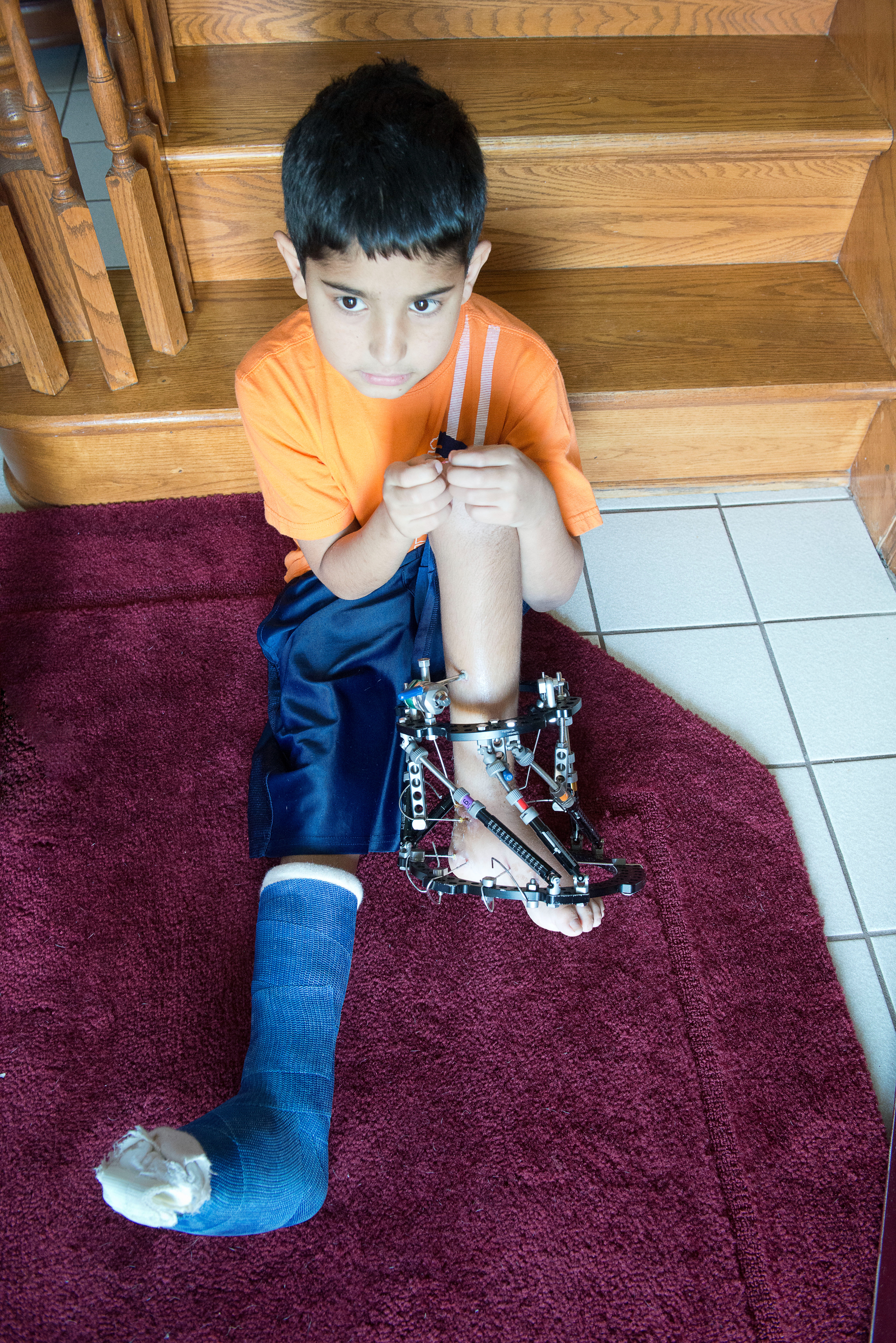
Bilal was born in a refugee camp in Pakistan with a severe condition called bladder exstrophy, meaning he was born with his bladder outside of his body. He also had club feet.
His bladder and other conditions have been documented since early childhood.
Before coming here, his early life involved severe hardship.
At eight years old, he was brought to the United States through a coordinated humanitarian effort involving the U.S. Army and medical providers so he could receive life saving treatment that was not available where he was living.
Even after early surgeries, his body never functioned normally.
For years, he lived with complete urinary incontinence and wore protective briefs until February 2025.
Before his most recent surgery, imaging showed severe structural problems, including very low bladder capacity and persistent leakage. This affected everything, including school, confidence, daily life, and how he saw himself.
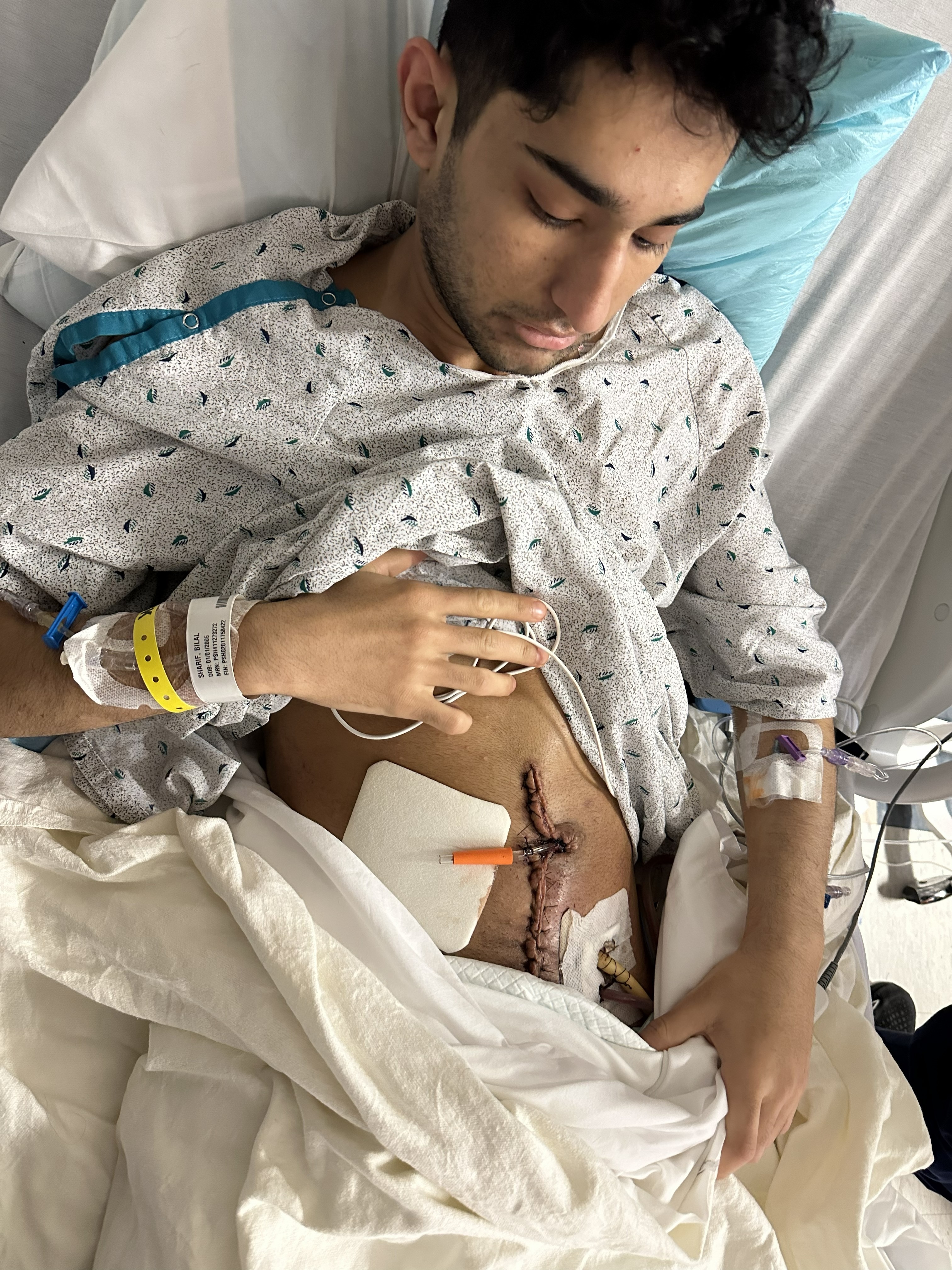
In February 2025, he underwent major reconstructive surgery.
Doctors created a new bladder using part of his bowel and built a catheterizable channel so he could empty it manually.
Now he must catheterize every two to three hours for the rest of his life, including overnight.
This is not optional care.
He is not asking for anything extra. He needs basic medical care to stay alive.
If he cannot do this correctly, infections can develop quickly and become serious. His doctors have documented that missing this routine can lead to serious complications, including kidney damage, sepsis, and possible death.
The surgery only works if the routine is followed.
And this surgery happened less than a year before he was detained.
Since being detained, he has reported severe pain, infection symptoms, and blood in his urine. He has reported being given only one catheter per day to reuse. He has struggled at times to get clear information about what medications he is being given.
There have been times he has missed catheterization timing and his condition has worsened as a result.
He has no reliable way to tell time. Facility staff have refused to provide, or allow him to purchase, a basic alarm clock that would allow him to catheterize every 2–3 hours as required.
Without the ability to track time or wake himself consistently overnight, he is unable to maintain proper catheterization timing and is instead forced to rely on guesswork or waking up in severe pain.
Outside of detention, he had support systems that helped him manage this.
Inside detention, those supports are not there in the same way.
Right now, outside support is one of the only things helping him stay stable.
And the people trying to help him still do not have access to his ICE medical records.
Bilal also has documented depression, anxiety, panic attacks, and PTSD. He has a history of suicidal ideation and self harm.
Even before detention, records show severe depression, lack of sleep, and PTSD symptoms.
In October 2025, he required psychiatric admission and 24 hour observation.
Right now, he is on suicide watch.
His trauma is layered. Medical trauma, abandonment, instability, and now detention.
The conditions he is in now, isolation, stress, and physical pain, are the same conditions that have caused his mental health to deteriorate before.
Bilal did not come here on his own.
He was brought here as a child for life saving care.
Later, a Pennsylvania court removed him from a home due to neglect. He was placed in foster care because there was no safe reunification option.
The U.S. government has already recognized that he could not safely return to his home country and granted him Special Immigrant Juvenile Status.
He followed the system.
He did not create this situation.
Some people have come across public court information and reached out with questions. There is an ongoing legal matter, and nothing has been decided by the court.
What hasn’t changed is his medical condition and what he needs to stay safe.
Right now, he is trying to manage a life threatening medical condition that requires constant care, without consistent access to what he needs.
Some of these needs are not being reliably met inside detention.
That means the only way to help him right now is from the outside.
This support helps prevent infections, missed catheterization, and medical emergencies. Small gaps become serious very quickly.
Funds will go toward:
• commissary for hygiene and basic needs
• phone access so he can call when something is wrong
• support to help him maintain necessary catheter timing and routine
• medical-related supplies and support items
• printing, mailing, scanning, and documentation for his case
• legal fees and related costs for his immigration and defense representation
• ongoing advocacy to address his medical care, safety, and access to treatment
Phone access is absolutely critical. It is often the only way he can ask for help and the only way others can step in when something is wrong.
Phone calls are the only way he can tell anyone something is wrong and to escalate his issues. This is how he stays connected to the outside world. This is how he asks for help.
Our goal is to keep him medically stable and safe over the coming months.
If you are able to donate, please do. Even a small amount helps.
Please also share this page. That is what helps reach more people. Sharing this page also makes a real difference. While he has always been very private about his medical needs to others, at this time, he needs help so he asked us to reach out to ask for support and assistance.
No one should have to manage a life-threatening medical condition alone from inside a cell.
Update: Urgent Change in Situation (Transfer + Medical Risk)
We are so grateful to everyone who helped us reach $5,000 so quickly. Your support has already made a real difference.
Since then, Bilal’s situation has become more urgent. We have learned that he is being transferred out of state to another ICE facility while he is still actively dealing with serious medical issues.
Bilal has a severe congenital condition that requires catheterization every 2–3 hours to prevent infection, internal damage, and life-threatening complications. Right now, he is trying to manage this inside detention while experiencing pain, bleeding, and ongoing infection concerns.
This transfer raises serious concerns about continuity of care, access to proper medical supplies, and his overall safety.
Because of this, we are increasing the fundraising goal to support ongoing legal advocacy, medical support, and the urgent work needed to ensure he receives proper care.
This is not over. We are continuing to fight for his safety and stability.
Thank you for continuing to stand with him.
Thank you for taking the time to read this and for helping however you can.
Organizer