- A
- S
- M

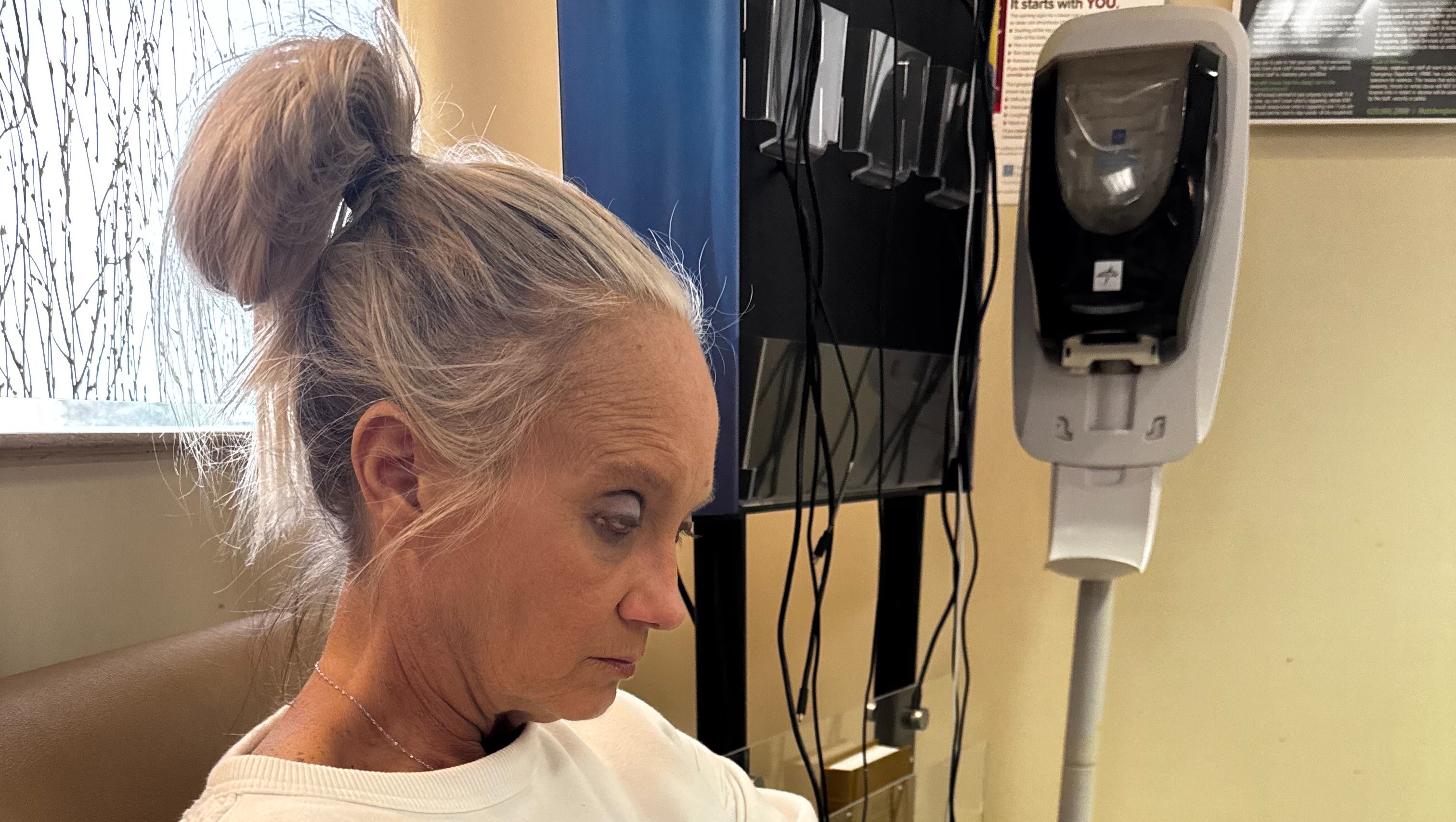
**UPDATES AND INFORMATION WILL BE ADDED ABOVE THE SUMMARY - IF YOU ARE HERE FOR UPDATES ON HER JOURNEY, START AT THE TOP; IF YOU ARE HERE FOR THE FIRST TIME PLEASE START AT THE PARAGRAPH LABELED "JOURNEY"
UPDATES:
11/12/25 GREAT NEWS!! Officially on the approved transplant list; going over the details with insurance and coordinators - we will update again as things progress!
10/1/25 After not feeling well the past 2 days, Arika and Tamra decided it was time for an ER visit. After a long 6 hours Arika was released to go home on antibiotics to fight a new infection.
9/30/25 Although Arika is not on the transplant list as of today, she began the process several months ago and continues to meet all goals, testing requirements, etc...the next appointment is November 4th for another MELD evaluation. Being on the list will be a blessing, but being "sick" enough to get on the list is scary.
9/29/25 Due to the severity of her condition, Arika is not eligible for a "living donor" transplant. Unfortunately saving Arika's life, means the loss of another life. She continues to work through this and learning to accept this part of the process.
JOURNEY
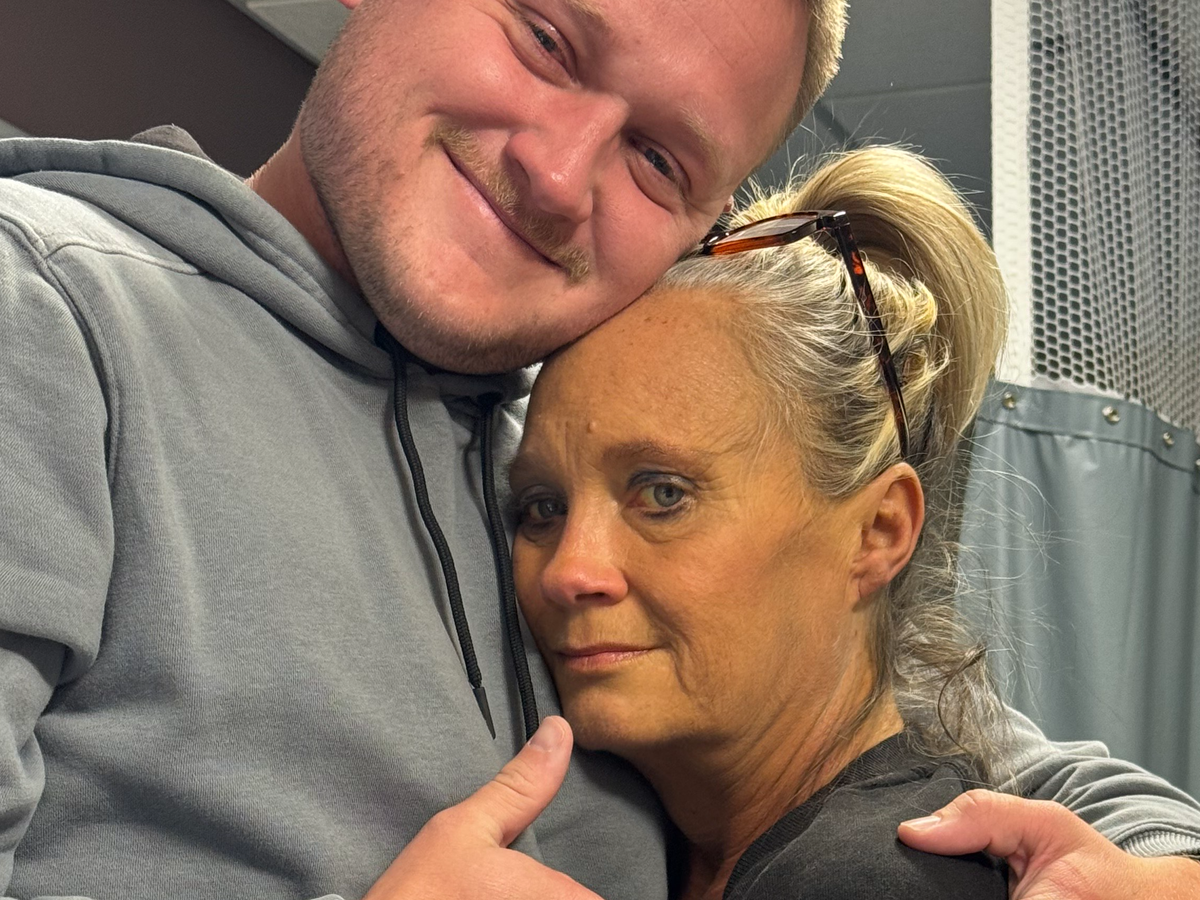
In March 2025 after a checkup with her family doctor, Arika was immediately directed to a specialist concerning issues with results from her bloodwork and more specifically her liver. She had experienced some changes in her physical appearance and overall daily energy, but nothing prepared her for the diagnosis and severity of what she was told next.
Arika was diagnosed with cirrhosis of the liver. Cirrhosis of the liver is a chronic liver disease characterized by the formation of scar tissue (fibrosis) that replaces healthy liver cells. This scarring impairs the liver's function and can lead to serious complications. The prognosis for cirrhosis depends on the underlying cause, severity of the disease, and response to treatment. Without treatment, cirrhosis can lead to liver failure, which is life-threatening. This is a more advanced and severe stage of scarring, where the liver's soft tissue has been significantly replaced by hard scar tissue. At this point, the damage is generally irreversible. Symptoms like fatigue, itching, jaundice, and swelling can begin to appear.
Arika's liver no longer works adequately and is fatal without a transplant.
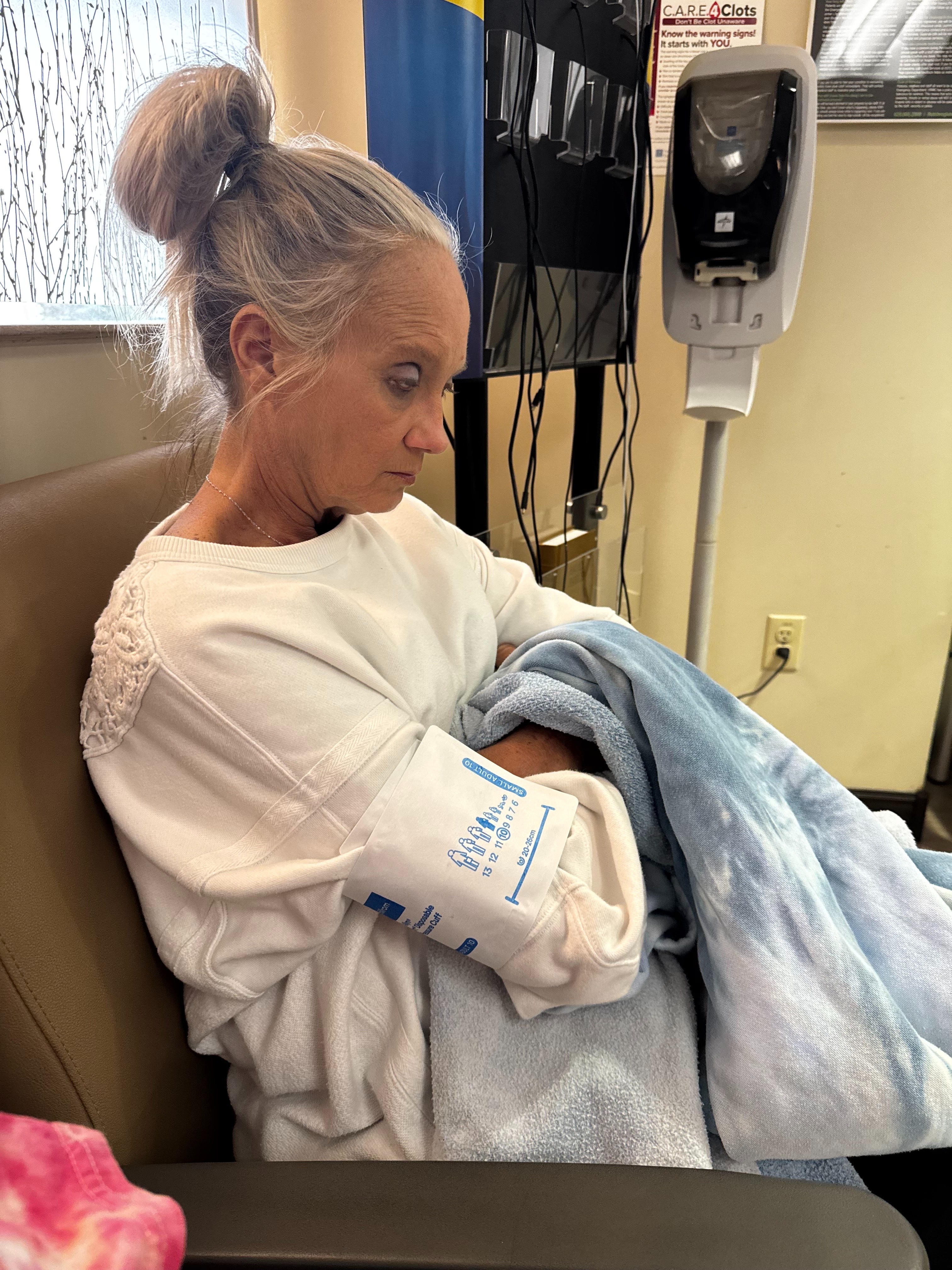
With encouragement from family and constant calls to doctors in other areas, Arika was accepted as a patient at KU Medical Center in Kansas City within a few short months of her diagnosis. Before she could make it to her first appointment, she began experiencing some of the extreme complications of cirrhosis, or stage 3 liver failure. People with liver disease may experience different amounts of fluid buildup called ascites. This fluid buildup is caused by increased pressure called portal hypertension. A small buildup of fluid may not cause any symptoms, but as the amount of fluid increases in the belly, it can lead to swelling and pain. Ascites can become infected, which is called spontaneous bacterial peritonitis. This infection needs to be treated early with the right antibiotics. Her team in Hutchinson was able to find the right combination of antibiotics to stop this first infection, but the fluid continues to build up.
She now must have a procedure called therapeutic paracentesis. During paracentesis, a doctor uses ultrasound to guide a needle into the abdomen and drain the fluid out of the bo
dy. Her life with ascites includes frequent visits to her physician to monitor her condition and, when necessary, perform paracentesis. This is the procedure to physically drain the fluid. Because there’s no way to manage or predict when and how much fluid will build up, paracentesis may need to be performed frequently.
Over the next few months Arika must travel to and from appointments in Kansas City for her routine evaluations and approved for the transplant list. This process involves a process known as MELD.
The model for end-stage liver disease (MELD) is a framework used to evaluate the severity of a patient’s liver disease. It helps assess how likely a person is to die from liver failure within three months.
The MELD score is used to prioritize patients for receiving a liver transplant. It’s also used to select other types of treatments for patients with liver failure.
The MELD process involves testing the blood for:
Bilirubin, which helps to indicate how well the liver can clear certain waste products from the blood.
Creatinine, to assess whether kidney function has been affected by liver failure.
International normalized ratio (INR), which assesses the blood’s ability to clot; certain proteins produced by the liver are needed for blood clotting.
Sodium, which indicates how well your body can regulate fluid balance.
The results of the blood tests are entered into an algorithm to generate a score that ranges from 6–above 40. Lower scores indicate less severe disease.
The higher the MELD score, the worse the liver function is, and the greater the risk that the patient will die from liver failure.
Arika's MELD score was 26 at the end of May 2025 and within 90 days that number was over 30 - The average MELD score for transplant patients is currently 30.
Arika is blessed and grateful for the medical coverage she has for appointments and medications. However, this coverage does not help with the travel expenses to and from Kansas City. Her appointments begin early in the morning, meaning travel is the night before, and have been on average 3-4 days at a time. Due to the extreme fatigue and discomfort from this disease, Arika cannot drive herself and requires another person to be with her for these appointments. This means the expenses are beyond fuel and tolls and now include hotels, parking and food for her amazing support team. She has been able to cover the cost of these expenses so far, but with her frequent need for paracentesis, the costs are beginning to add stress and anxiety to her already complicated struggles. With the Chief's football season now started, the hotels are beyond affordable.
Although we have looked in to different options for affordable amenities, those places are reserved for families once the transplant process begins and they are not guaranteed at the exact time needed. We may be months, weeks or hours away from being added to the transplant list. We are hoping that by reaching out to those who are able to give, we can ease the burden and stress.
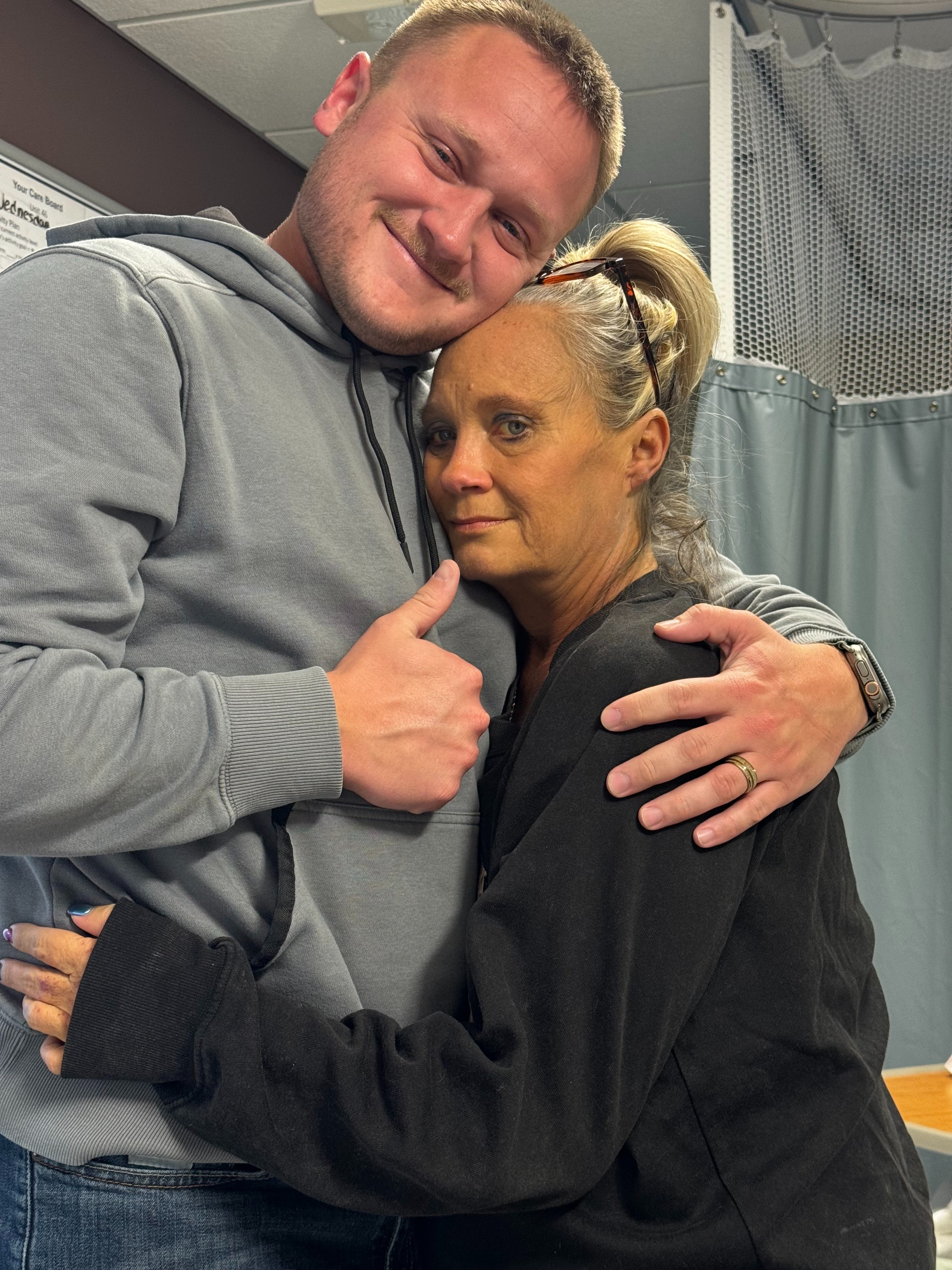
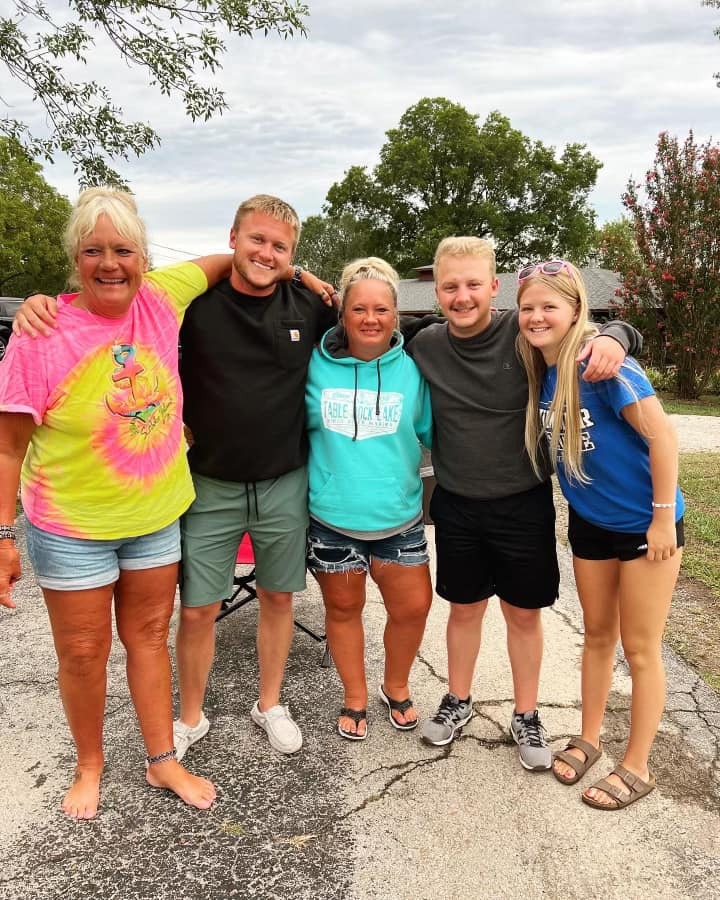
These funds will be used specifically for fuel, hotels, food and parking for Arika and one of her amazing supporters at her routine appointments, emergency appointments and hopefully for the time when she is given the news that a liver has been found. This support team includes her children Colton, Carson and Taryn as well as her mom and friend, Tamra. When that call comes in, she will have a very short window to hop in the car for the 4-hour drive. To have funds available to use during that required 3-week stay will be more than a blessing.
If you are not able to give monetarily, please pray for my cousin, keep our family in your thoughts and stay positive and hopeful.
We will continue to update here and through Facebook during the journey and thank you in advance for taking the time to read about her journey so far.
Thank you again – Alexa Sacco
2. Arika is not fully approved for a transplant as of 9/30/2025 - she must go through the process of evaluations, counseling and tests before her name is added to the list. Her next evaluation is the first week of November and we are hoping for good news!
Organizer