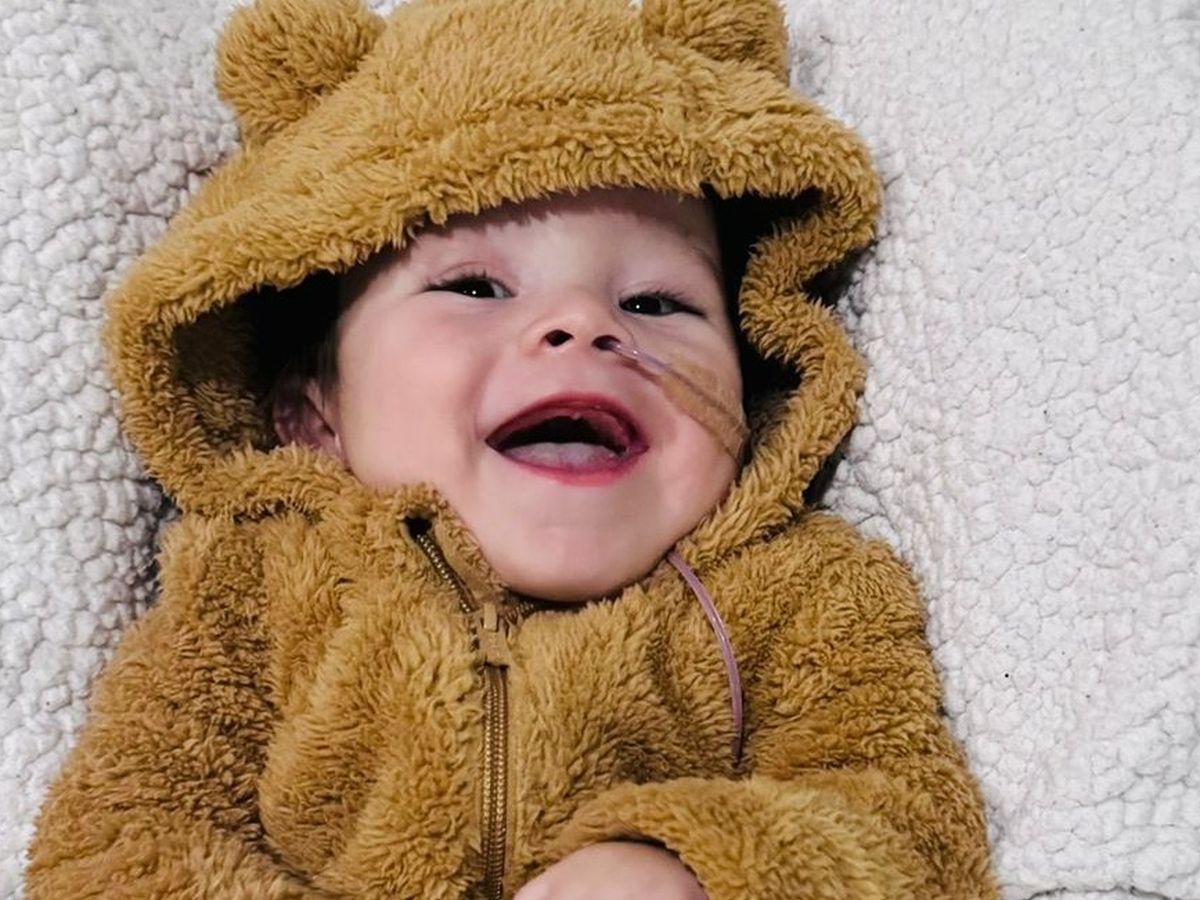
- A
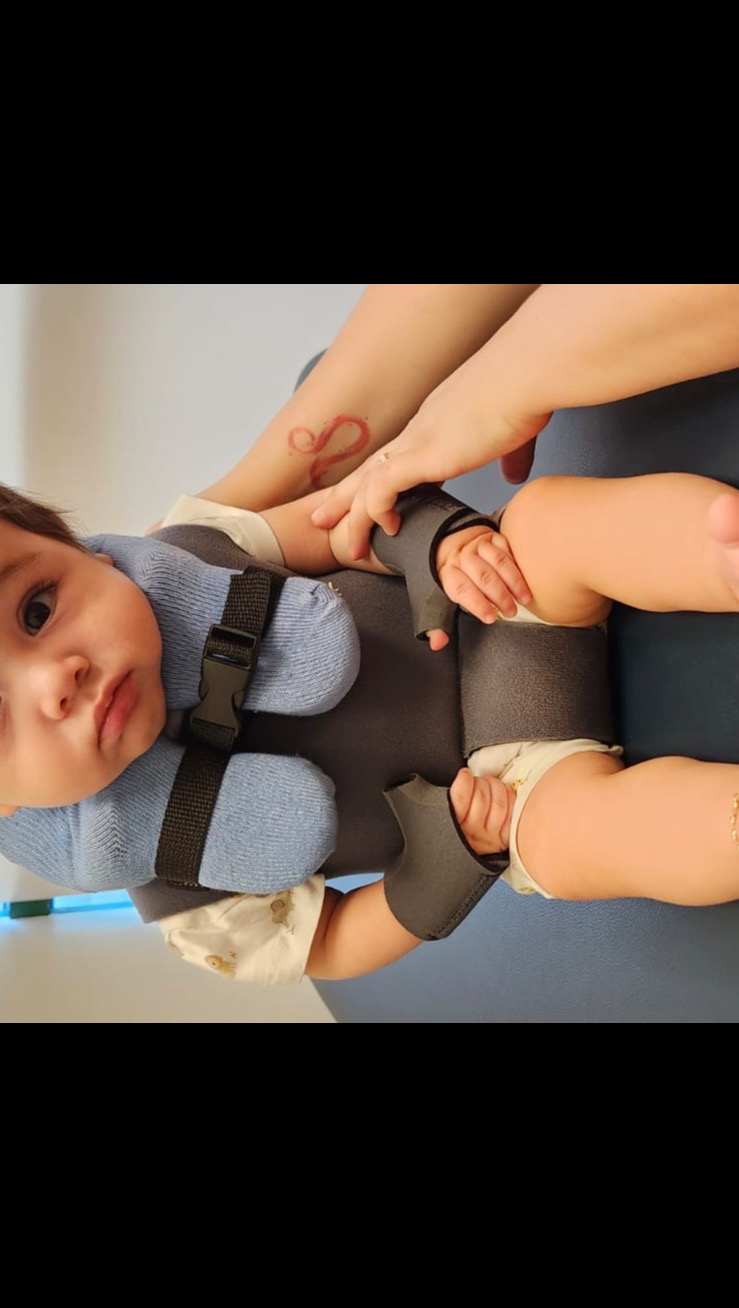
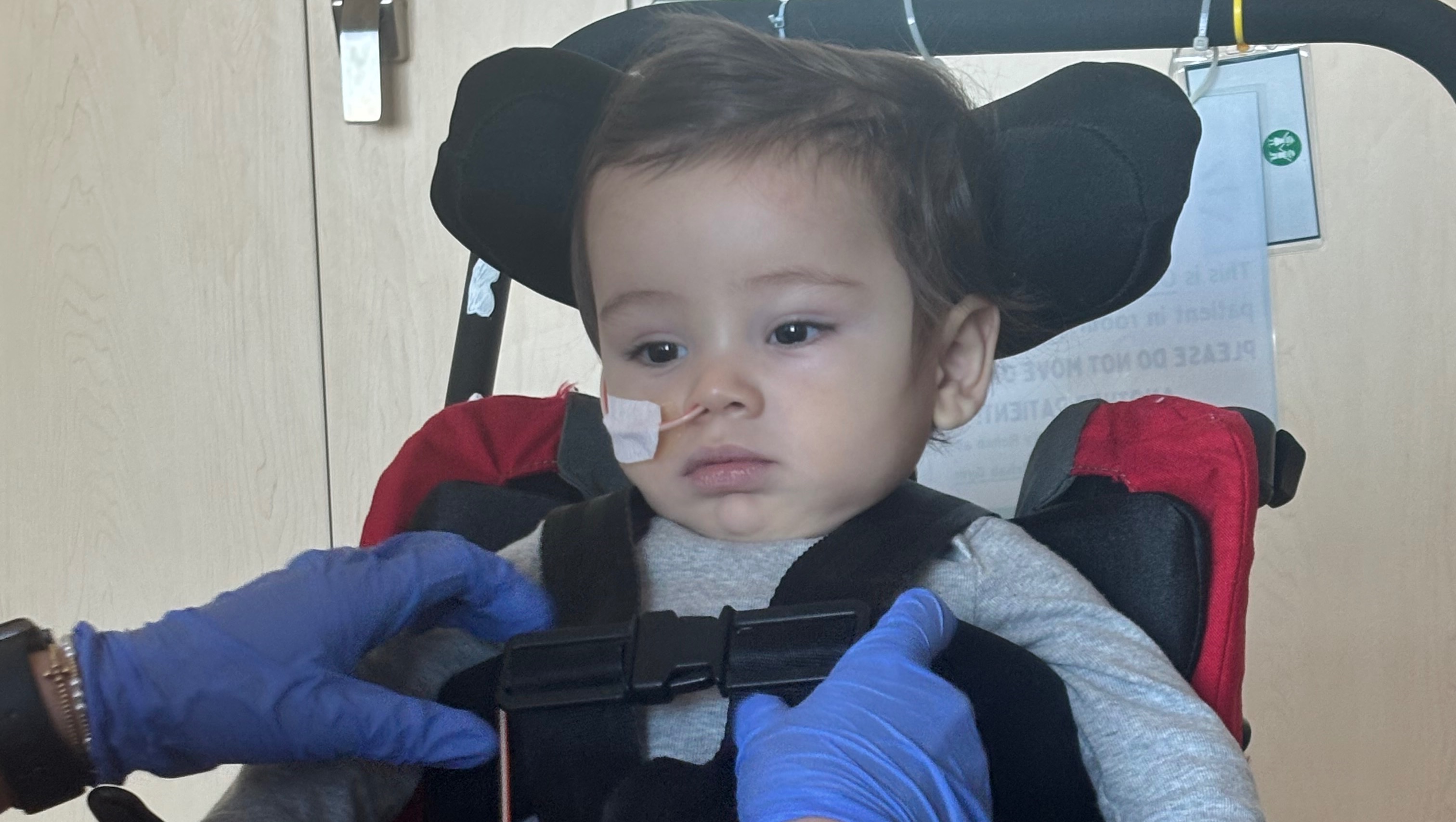
Anthony has Aicardi-Goutieres Syndrome(type 2).
Anthony was born perfectly fine he developed completely normal until he got the 2 month vaccines and started having intermittent unexplained fevers and developmental delay, in and out hospital visits with no answers for 4 months he got worst and worst , a lot of testing and suffering until they did genetic testing and on June 2024 he was diagnosed with AGS .
For anybody that might want to know the true explanation of what AGS is and what it does to the body.
AGS is a rare genetic disorder that affects the brain, spinal cord, and immune system. It is a type of leukodystrophy, a group of conditions that affect the white matter of the brain. These diseases damage the myelin sheath, which surrounds and protect the nerve cells in the brain and spinal cord and speeds transmission of messages between cells. In AGS the immune system turns on itself in a destructive way making it an auto-inflammatory disease as well as a Leukodystrophy. When the immune system attacks it attacks this myelin sheath, and is responsible for the symptoms of AGS.
AGS is caused by a mutation in one or more of a small group of specific genes. For Anthony, his gene is RNASEH2B making him Type 2 AGS.
The mutation leads to a build up of small pieces of DNA in the brain, which is thought to be trigger to the immune response that leads to the symptoms.
There are 2 forms of AGS. And 9 different genes that have been identified to it, however many different genes can cause it. (RNASEH2A, RNASEH2B, RNASEH2C, TREX1, SAMHD1, ADAR1, and IFIH1)
The 2 forms are early onset and later onset.
Infants with early onset AGS have jittery behavior and poor feeding ability since birth. They also have neurological abnormalities at birth which can be detected with imaging, however they don’t automatically scan your baby’s brain at birth either. Early onset is the more serious form of the syndrome. Loss of myelin in early-onset AGS often leads to permanent damage to brain function, and to severe lifelong intellectual and physical disabilities.
Anthony has early onset AGS. He was perfectly fine for his first 2 months of life.
Babies with later-onset AGS develop and behave normally for their first few weeks or months. When symptoms appear, they may include:
(✅ on the ones Anthony had)
Intermittent, unexplained fever✅
Irritability or inconsolable crying✅
Weak or stiffened muscles✅
Feeding difficulties✅
Developmental delays✅
Seizures
A decline in growth of the head
Skin problems, including chilblains (rash, lesions, or swelling on fingers, toes and ears that get worse in cold weather)
In later-onset AGS, these symptoms may last for several months. They then generally lessen and stabilize, but may leave persistent neurologic difficulties. Additionally, the immune dysfunction associated with AGS can affect many other organs of the body, sometimes in a life-threatening manner. This can include the lungs, the liver, the heart, the skin, blood cells,and the kidneys.
Diagnosis of Aicardi-Goutières syndrome is made based on the physical symptoms, imaging of the brain, cerebrospinal fluid testing and the results of genetic tests.
Magnetic resonance imaging (MRI) of the brain is a key diagnostic tool of AGS, as it can detect patterns in brain tissue that are characteristic of the disease. When testing for AGS, your child’s doctor will look for areas of calcium buildup (calcifications) as well as shrinking or unusually small (atrophy) areas of the brain.
Cerebral spinal fluid (CSF) testing can reveal an increase in immune system activity that is typically found in AGS. The test is done by analyzing fluid taken from the spinal cord. This test alone is not used to make a diagnosis of AGS, but if the results are positive they can lead your child’s medical team to look for other signs of the syndrome.
Genetic testing can identify changes in one of the genes known to be associated with AGS. This analysis is done from a blood sample. The results, combined with other tests, can lead to a diagnosis of a specific type of AGS.
There is no known cure for AGS, but treatment is available to manage symptoms and to help keep children comfortable. Because children with AGS present with different symptoms, the treatment plan for each child is unique.
Some children with AGS need treatment for respiratory problems. Some need support with feeding, including therapy and special diets. Seizures may need to be managed with medication.
Children with AGS should also be monitored for:
Signs of glaucoma (with a yearly test)
Diabetes insipidus and underactive thyroid
Specific problems with the heart and lungs, including pulmonary hypertension and inflammatory cardiomyopathy
Problems with blood cells, in particular with platelets, which can cause an increased risk of bleeding
Problems with the blood vessels of the brain
Gradual problems with the bones such as scoliosis and dislocated joints, which may be associated with the motor problems in AGS
If detected, these conditions can all be treated by pediatric subspecialists.
Many children with AGS benefit from physical and speech therapy to combat weaknesses caused by neurological damage
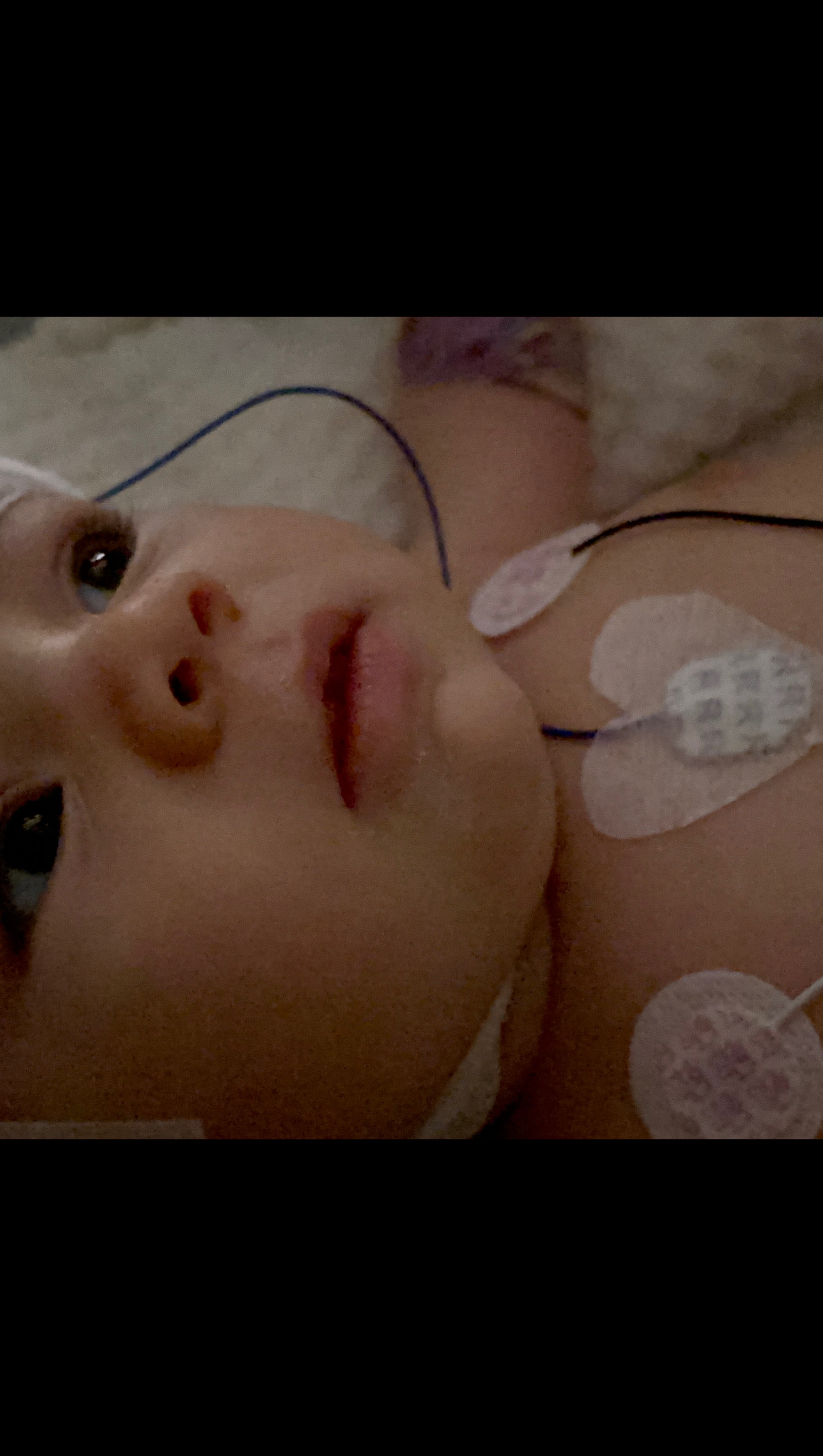
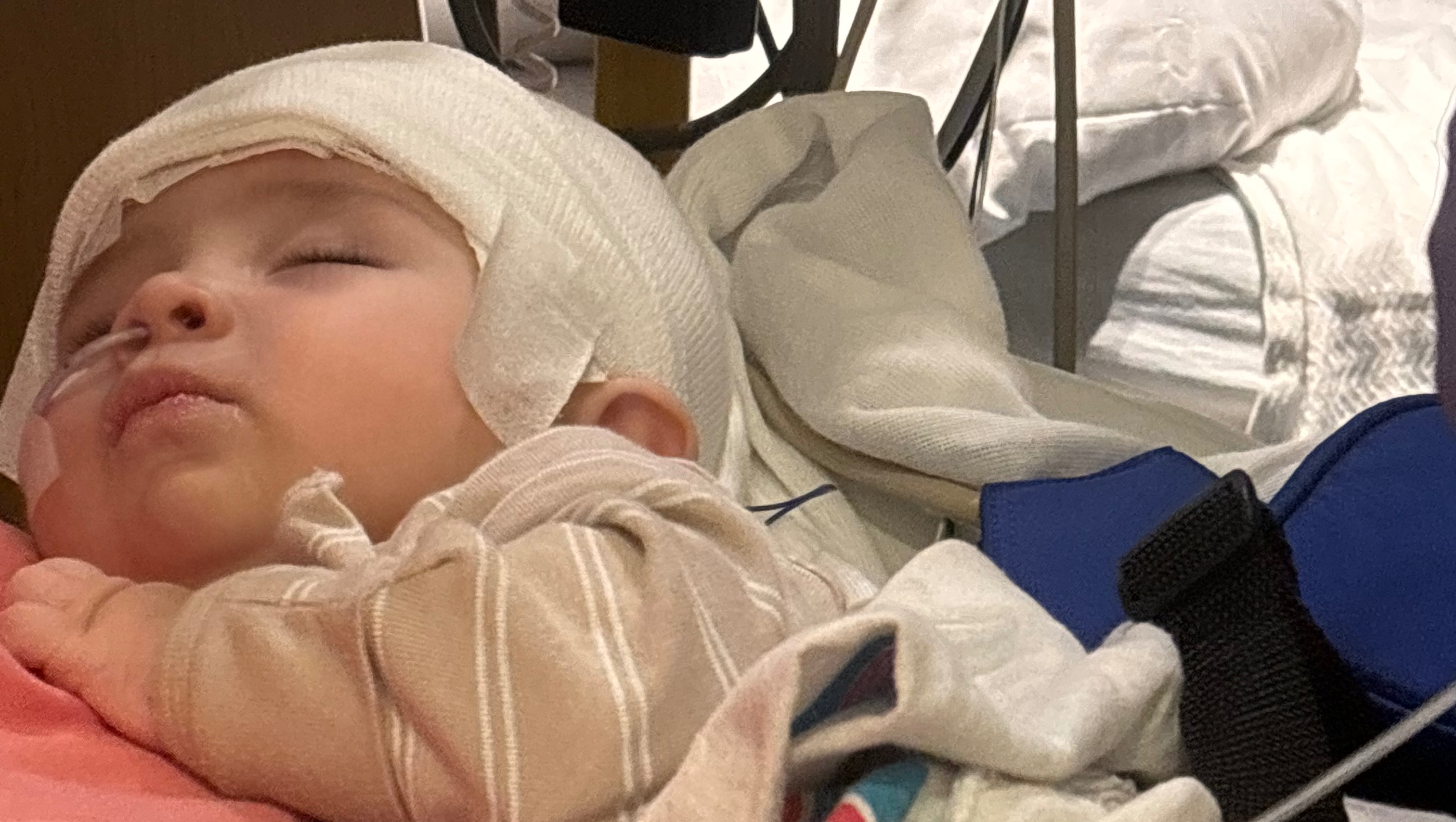
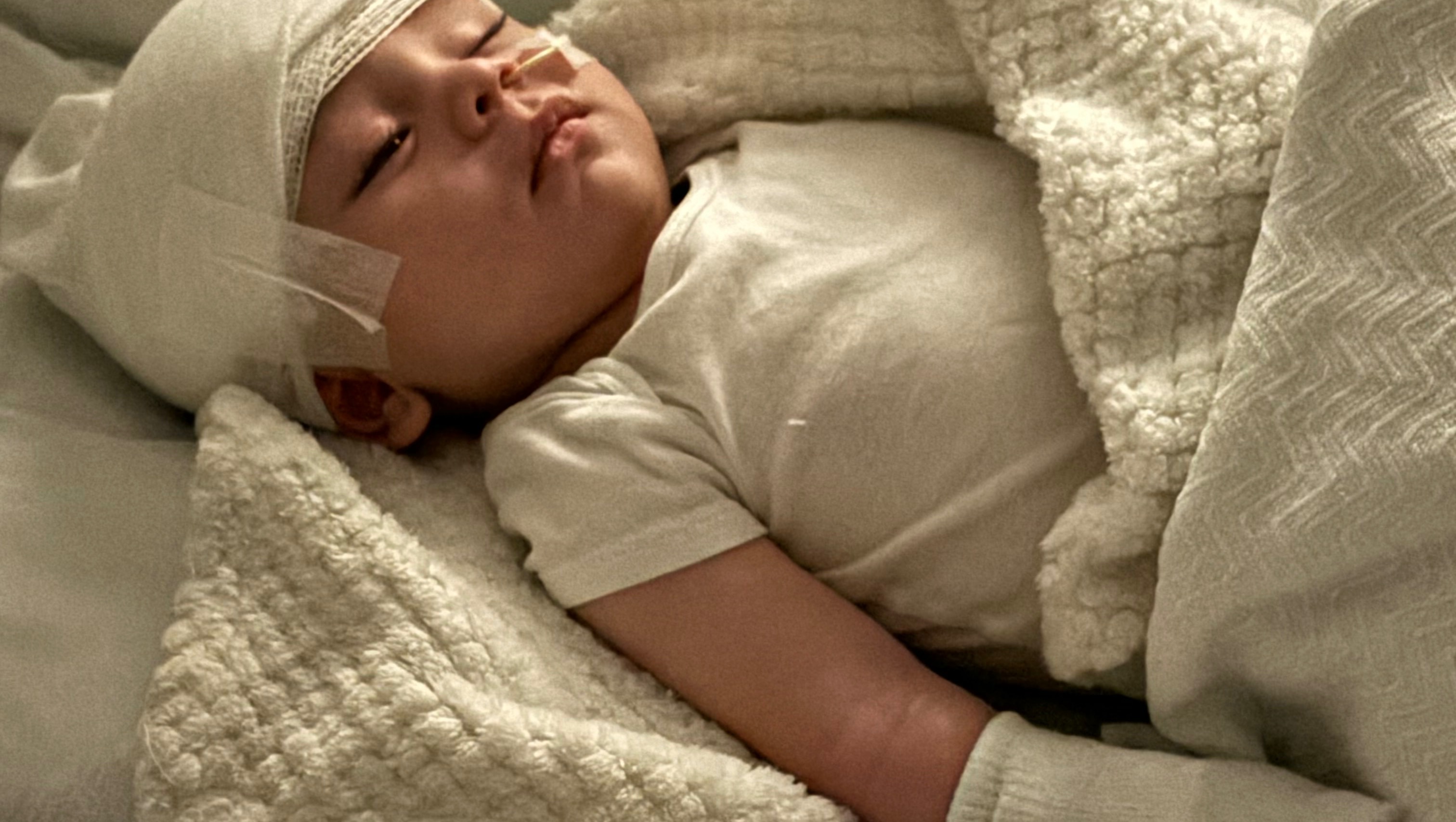
Organizer