- L
Support an ICU at a Sudanese hospital
0% complete
$3,536 raised of $5K
49 donations
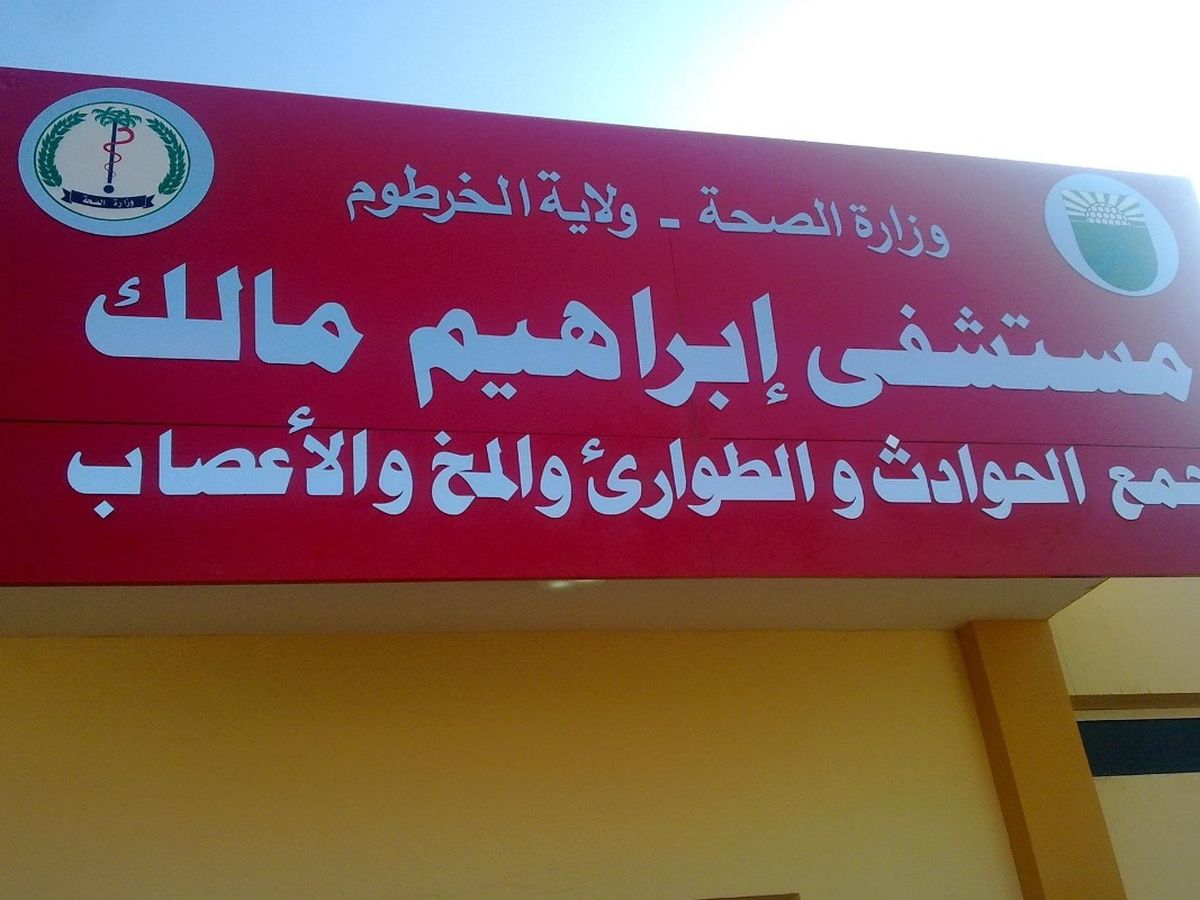
Summary: The goal of this fundraiser is to fill Ibrahim Malik Hospital’s donation box and keep the intensive care unit running. The money raised will go to the hospital’s most vulnerable patients and will be used to fund services such as antibiotics and other prescriptions, IV drips, ambulance transport, nursing supplies, and operation preparation supplies.
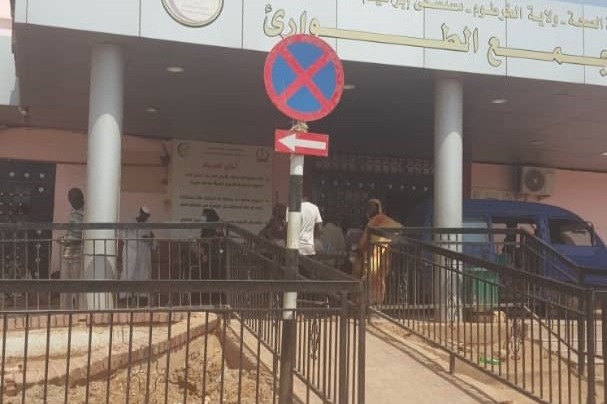
My brothers, cousins, and I spent the better part of the month of August, 2019 riding in an ambulance going around Khartoum looking for a hospital that would accept our grandmother who needed dialysis for her failing kidneys. Most hospitals we went to wouldn’t accept her because they only had a handful of dialysis units, if any, and long waiting lists of patients who needed to use them. I saw the manifestation of these lists outside of every hospital: groups of elderly patients squatting on the sand, waiting for their turn at the machines, many in worse condition than my grandmother. Most of these patients couldn’t afford the ambulance ride and walked or took the bus to the hospital, only to find that they couldn’t afford the dialysis treatment. I found a similar scene at every hospital pharmacy I visited. Patients were given prescriptions that they couldn’t afford and had no option but to check their dignity and ask for donations outside the pharmacy to be able to afford the medicine that kept them alive.
Eventually, we found a hospital that had an available unit and were able to schedule treatments for my grandmother until she passed away in October, followed by my grandfather only four days later (may Allah have mercy on them). My grandparents’ illnesses and subsequent passing had an immense emotional toll on my family, but these events were significant financial burdens as well. From ambulance transport to doctor fees to prescriptions, the costs added up quickly. Fortunately, I have a large, financially stable family in Sudan and we were able to pull together to support my grandparents. However, financial stability is a privilege that many Sudanese people do not have. Almost half the population in Sudan lives below the poverty line, and poverty rates are increasing as the country is experiencing one of the worst economic crises in its history. Medical insurance is almost unheard of, reserved mostly for government workers and employees in large corporations.
Last week, my family was contacted by the director of the Intensive Care Unit (ICU) at Ibrahim Malik Hospital in Khartoum. The ICU is raising money to help support its patients, the majority of whom are very low income. Many patients who visit the hospital are turned away because they cannot afford treatment or prescriptions. In many situations, the doctors at the hospital, who themselves are overworked and underpaid, support the patients out of their own pockets. The doctors have put together a donation box to fund the patients who are most in need, and the box has supported patients for a few months but with the recent flooding and rise in need cases the box has been empty for weeks. The inability to help patients has had negative effects on the mental well-being of many of the younger doctors who have found that the most they can do in this situation is provide emotional support and kind words to the patients. Many doctors have not been reporting to work because they feel helpless and unable to serve their patients.
At the time that the doctor from Ibrahim Malik Hospital reached out to my family for help, the ICU was already accepting very few patients, and most of those accepted were being supported financially to some extent by the doctors at the hospital. I have recently learned that the ICU has almost entirely stopped accepting new patients due to a lack of resources. This is a very urgent time in Sudan. The flooding of the Nile has affected more than half a million citizens, destroyed more than 100,000 homes, killed more than 100 people, and injured many others. Hospitals in Sudan are needed now more than ever.
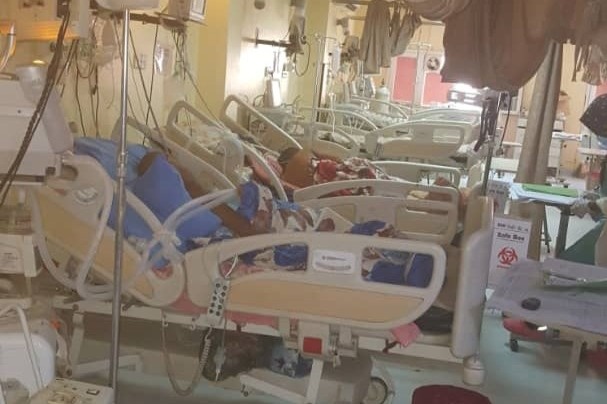
The goal of this fundraiser is to fill Ibrahim Malik Hospital’s donation box and keep the ICU running. The money raised will go directly to the hospital to support its most vulnerable patients and will be used to fund services such as antibiotics and other prescriptions, IV drips, ambulance transport, nursing supplies, and operation preparation supplies, amongst others. We are working closely with the hospital staff, including the director of the ICU and a senior doctor who has been an ICU consultant for 20 years, to make sure that the funds end up in the right hands.
I realize that this is not a sustainable solution to the crisis in Sudan and is merely a bandaid on a bullet wound. However, people are in critical conditions today and we have the power to help them. I urge you to consider donating and to reach out to me ([email redacted]) if you have any questions about where the money is going and how it will be used. Thank you for your support.
My brothers, cousins, and I spent the better part of the month of August, 2019 riding in an ambulance going around Khartoum looking for a hospital that would accept our grandmother who needed dialysis for her failing kidneys. Most hospitals we went to wouldn’t accept her because they only had a handful of dialysis units, if any, and long waiting lists of patients who needed to use them. I saw the manifestation of these lists outside of every hospital: groups of elderly patients squatting on the sand, waiting for their turn at the machines, many in worse condition than my grandmother. Most of these patients couldn’t afford the ambulance ride and walked or took the bus to the hospital, only to find that they couldn’t afford the dialysis treatment. I found a similar scene at every hospital pharmacy I visited. Patients were given prescriptions that they couldn’t afford and had no option but to check their dignity and ask for donations outside the pharmacy to be able to afford the medicine that kept them alive.
Eventually, we found a hospital that had an available unit and were able to schedule treatments for my grandmother until she passed away in October, followed by my grandfather only four days later (may Allah have mercy on them). My grandparents’ illnesses and subsequent passing had an immense emotional toll on my family, but these events were significant financial burdens as well. From ambulance transport to doctor fees to prescriptions, the costs added up quickly. Fortunately, I have a large, financially stable family in Sudan and we were able to pull together to support my grandparents. However, financial stability is a privilege that many Sudanese people do not have. Almost half the population in Sudan lives below the poverty line, and poverty rates are increasing as the country is experiencing one of the worst economic crises in its history. Medical insurance is almost unheard of, reserved mostly for government workers and employees in large corporations.
Last week, my family was contacted by the director of the Intensive Care Unit (ICU) at Ibrahim Malik Hospital in Khartoum. The ICU is raising money to help support its patients, the majority of whom are very low income. Many patients who visit the hospital are turned away because they cannot afford treatment or prescriptions. In many situations, the doctors at the hospital, who themselves are overworked and underpaid, support the patients out of their own pockets. The doctors have put together a donation box to fund the patients who are most in need, and the box has supported patients for a few months but with the recent flooding and rise in need cases the box has been empty for weeks. The inability to help patients has had negative effects on the mental well-being of many of the younger doctors who have found that the most they can do in this situation is provide emotional support and kind words to the patients. Many doctors have not been reporting to work because they feel helpless and unable to serve their patients.
At the time that the doctor from Ibrahim Malik Hospital reached out to my family for help, the ICU was already accepting very few patients, and most of those accepted were being supported financially to some extent by the doctors at the hospital. I have recently learned that the ICU has almost entirely stopped accepting new patients due to a lack of resources. This is a very urgent time in Sudan. The flooding of the Nile has affected more than half a million citizens, destroyed more than 100,000 homes, killed more than 100 people, and injured many others. Hospitals in Sudan are needed now more than ever.
The goal of this fundraiser is to fill Ibrahim Malik Hospital’s donation box and keep the ICU running. The money raised will go directly to the hospital to support its most vulnerable patients and will be used to fund services such as antibiotics and other prescriptions, IV drips, ambulance transport, nursing supplies, and operation preparation supplies, amongst others. We are working closely with the hospital staff, including the director of the ICU and a senior doctor who has been an ICU consultant for 20 years, to make sure that the funds end up in the right hands.
I realize that this is not a sustainable solution to the crisis in Sudan and is merely a bandaid on a bullet wound. However, people are in critical conditions today and we have the power to help them. I urge you to consider donating and to reach out to me ([email redacted]) if you have any questions about where the money is going and how it will be used. Thank you for your support.