- S
- D


Support a Ukrainian Refugee Shelter in Poland
0% complete
4799 $ gesammelt, Spendenziel:
28 Spenden
As some of you may know, I spent part of the summer volunteering at the Hope Shelter, a short-term Ukrainian refugee shelter in Przemysl, Poland. Przemysl is one of the first major train stops you hit when you cross the border from Ukraine, so since the start of the war, it's been the go-to pit stop for thousands of Ukrainian refugees escaping the Russian bombs. Przemysl is their first breath of fresh air--the first time in years they're not worried about the nightly bombings, and a safe place to stop as they figure out where to go next to rebuilt their lives.
At the start of the war, volunteers from all around the world swarmed the city, helping to turn an abandoned Tesco into a makeshift shelter that housed up to 1500 refugees at one time. International aid flooded in from all sides, and a cadre of volunteers camped out at the train station at all hours of the day to help refugees as soon as they stepped foot in Poland. The Tesco was eventually taken over by the Polish Red Cross, and the Hope Shelter now resides in a building less than a ten-minute drive from the central station.
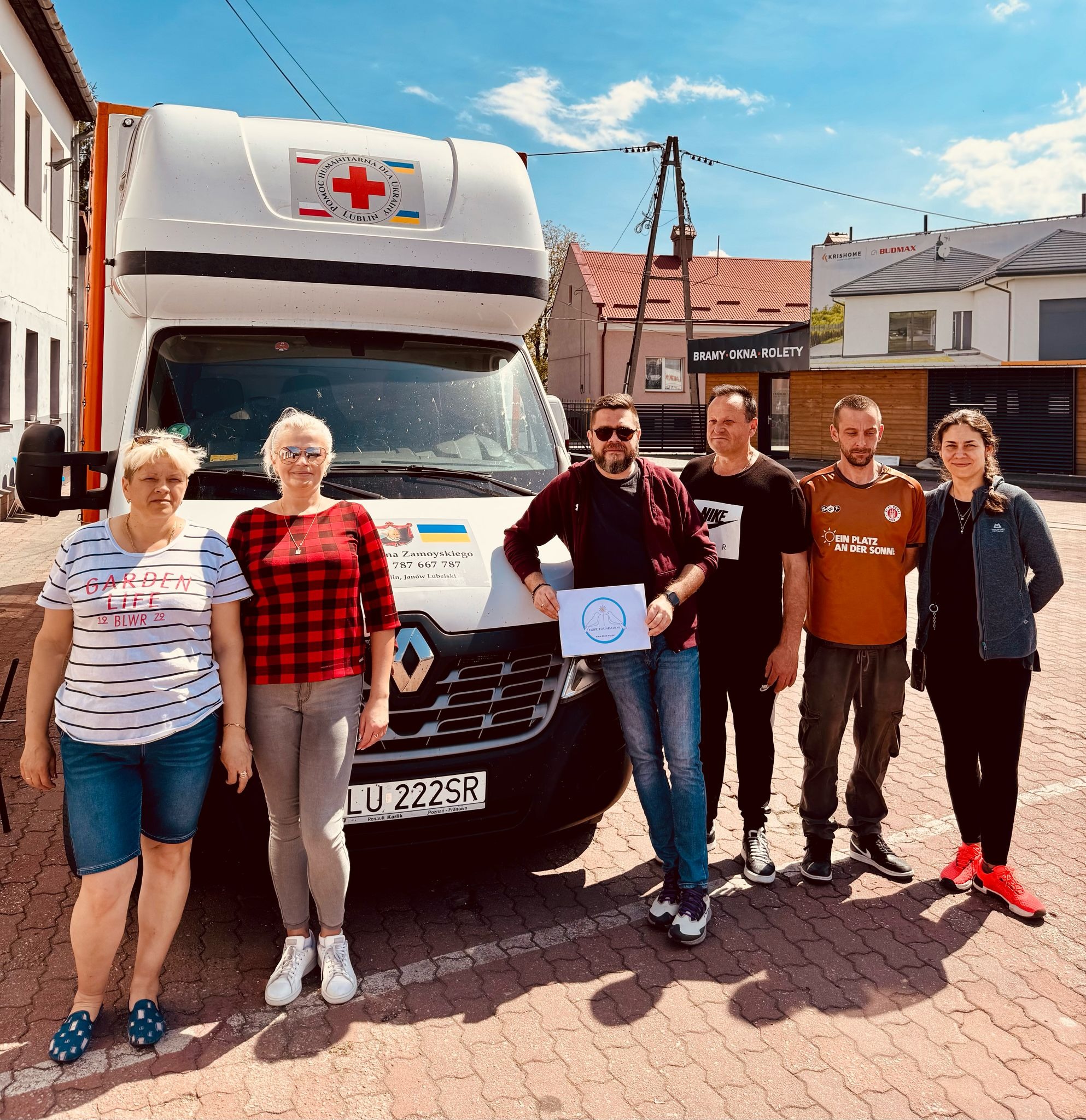
Now, over three years later, the number of refugees has dwindled to a trickle, but so has the support. A lot of international aid was diverted to other causes or cut entirely. The Hope Shelter is now the last open short-term refugee shelter left in Przemysl. It's entirely run by a small group of international volunteers, many of whom have put their lives on hold for years to keep it afloat.
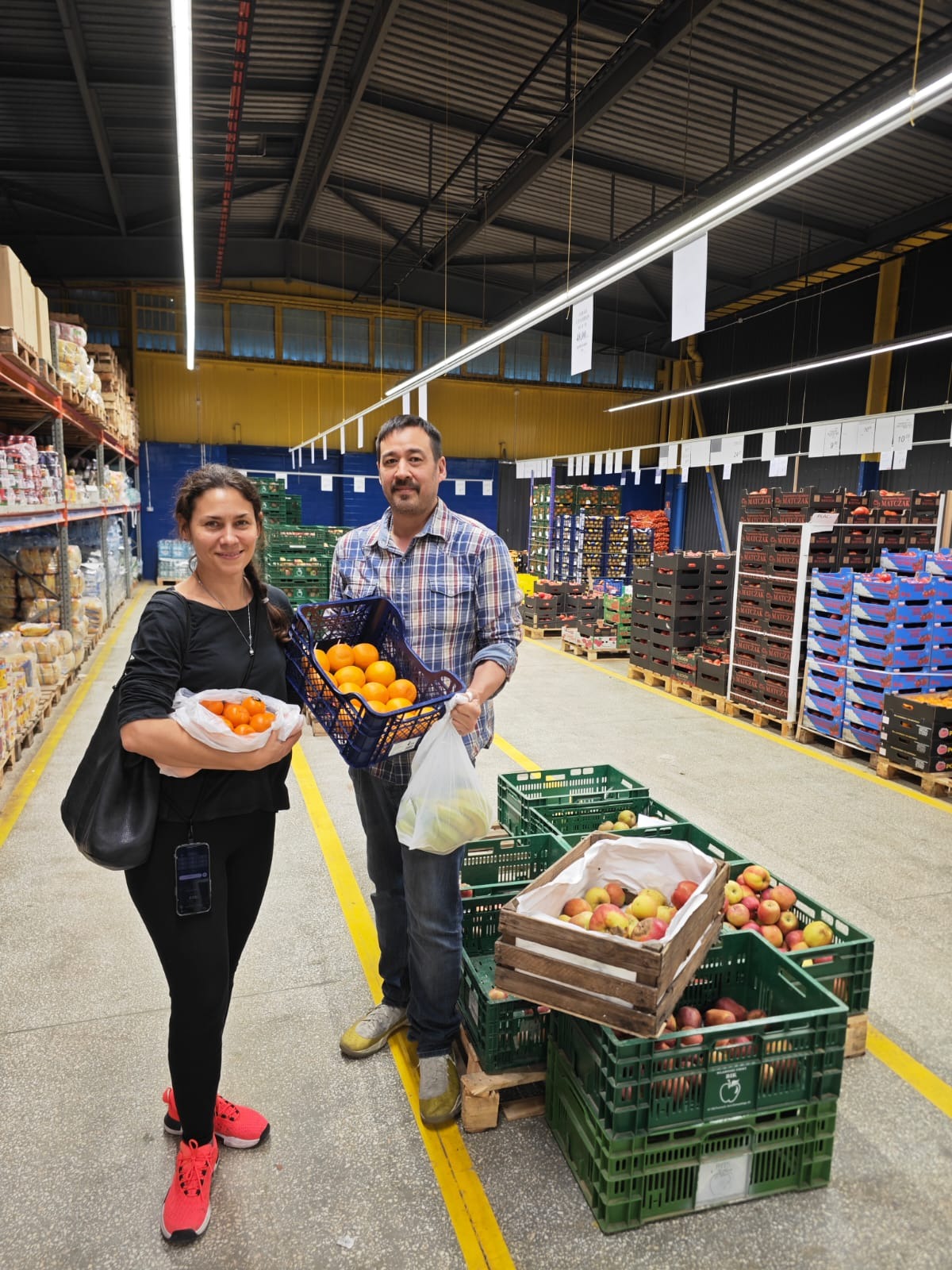
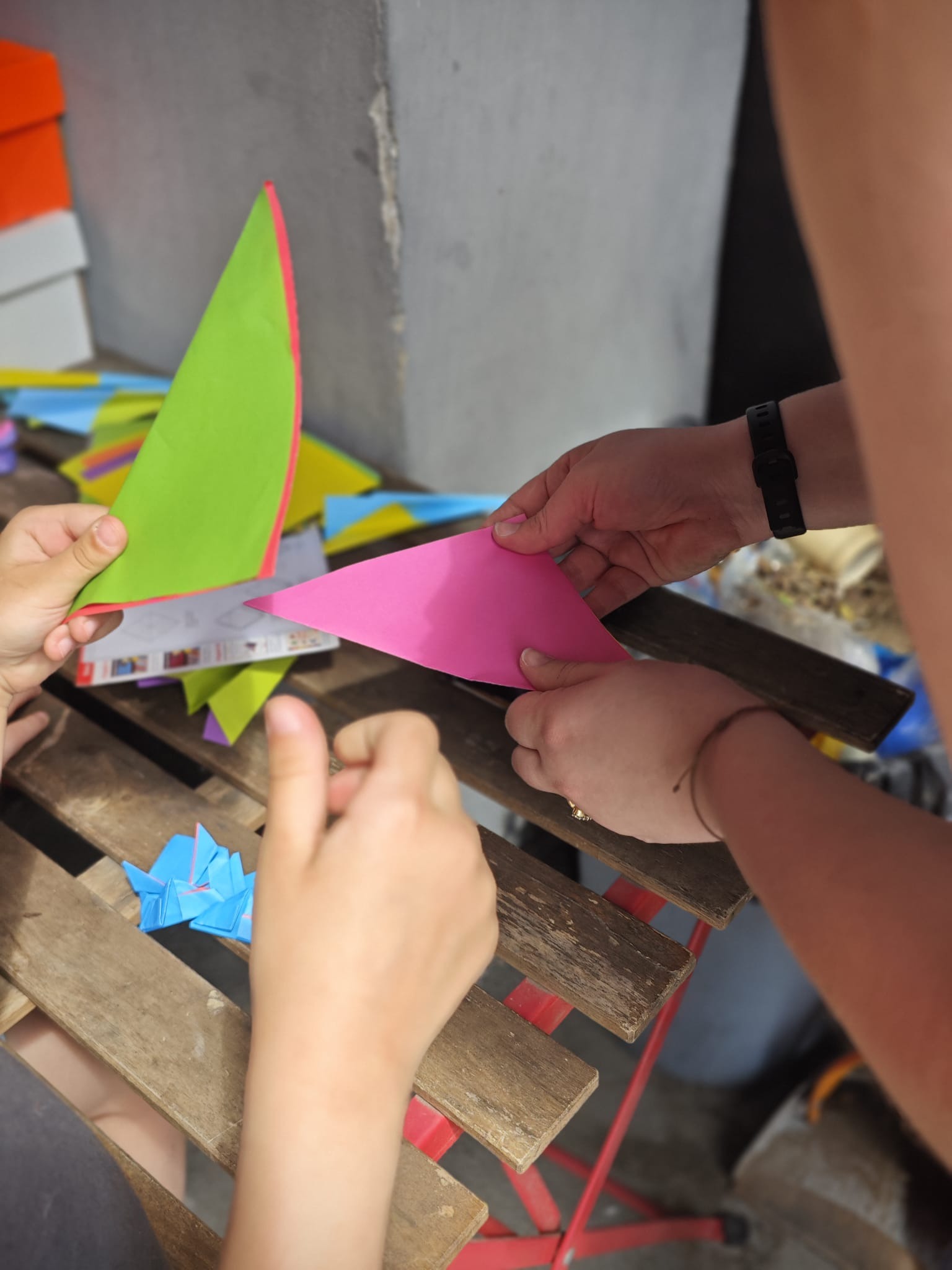
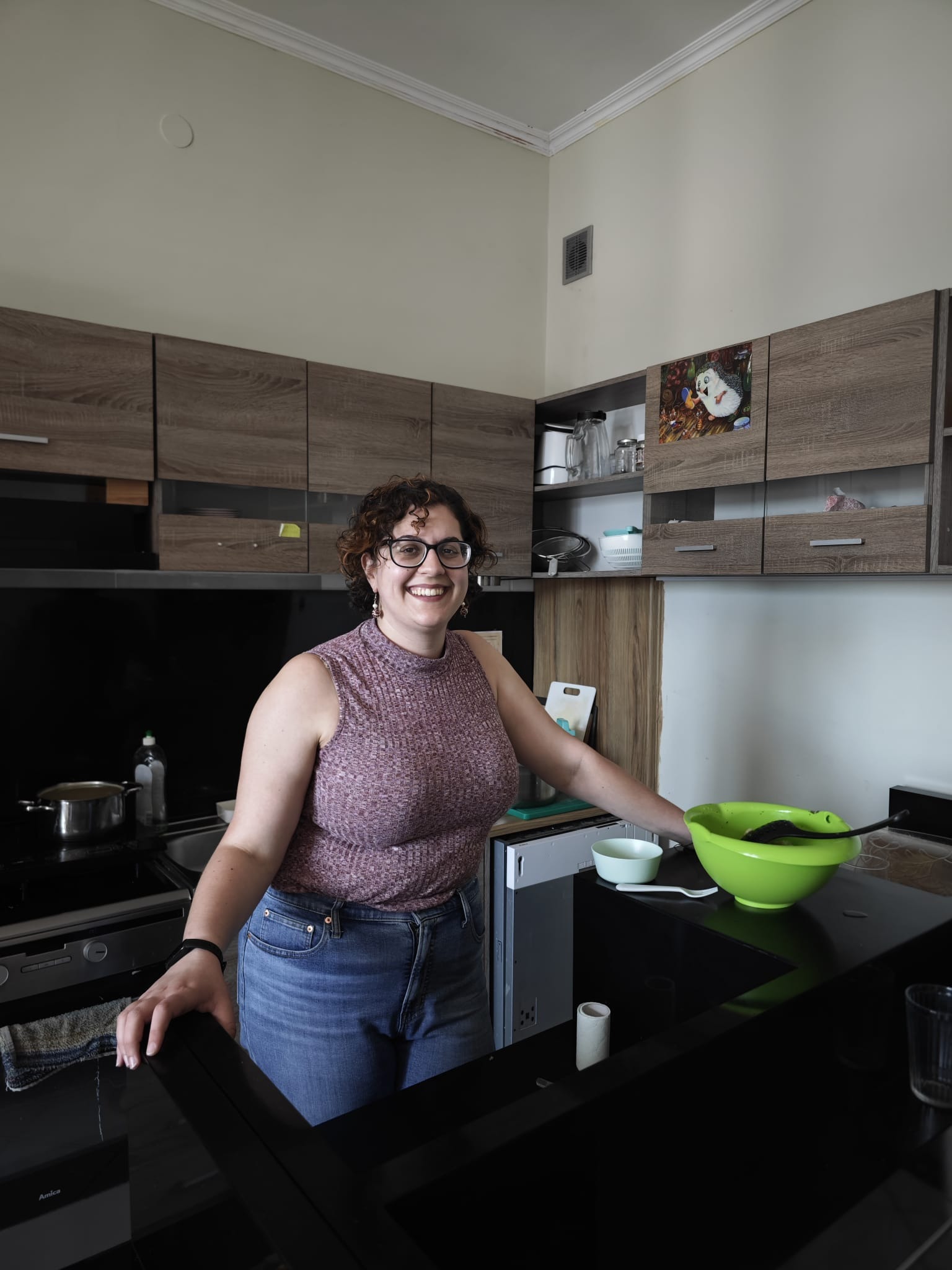
In my time volunteering, I got just a taste of what life at the shelter is like. Between cooking grechka, mopping floors, and doing origami with the kids, I heard lots of stories of what made people finally decide to leave now, after holding out for three years. One woman, a mother of four, told me that her final straw was when a nearby playground was bombed; another said she finally decided to leave after her husband suffered his second heart attack from the stress. For them, and for the many other families I interacted with, the shelther provided support right when they needed it.
And the Hope Shelter could really use our support right now. It relies on funding from NGOs to stay open, but that money is becoming increasingly hard to come by, so individual donations are essential for filling in the gaps. Right now, they're raising money to cover just a month of expenses--rent for the building, basic food supplies, coal for the winter months. All the money I receive will be sent directly to them.
Thank you in advance for your support!